












Cooling Journal
Home / Journal

Cooling Journal

The Raynen journal shares practical insights on industrial process cooling in South Africa. Articles cover operating issues, maintenance thinking and application-specific temperature control topics.

Why Lasers Need Cooling

Why Lasers Need Cooling

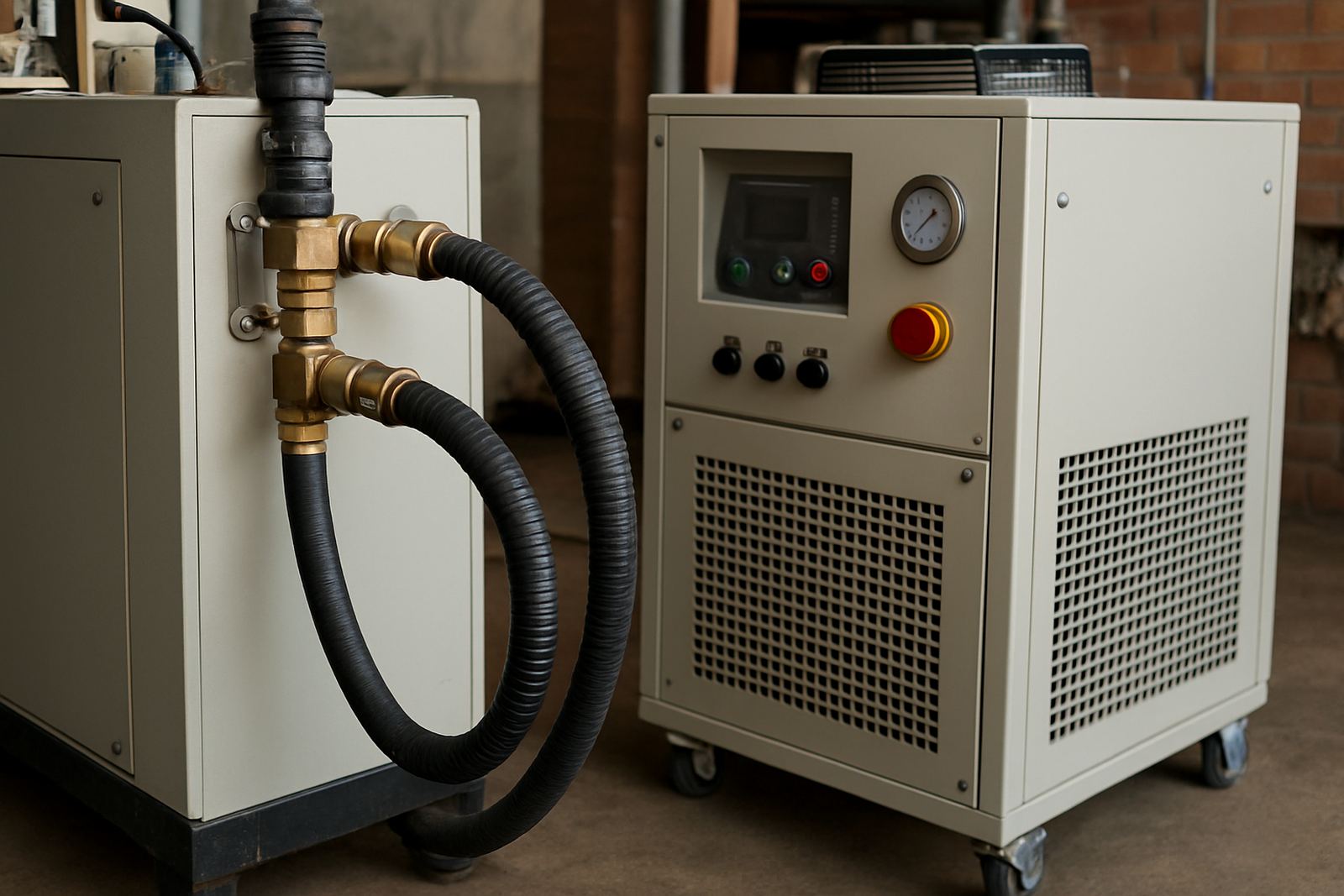
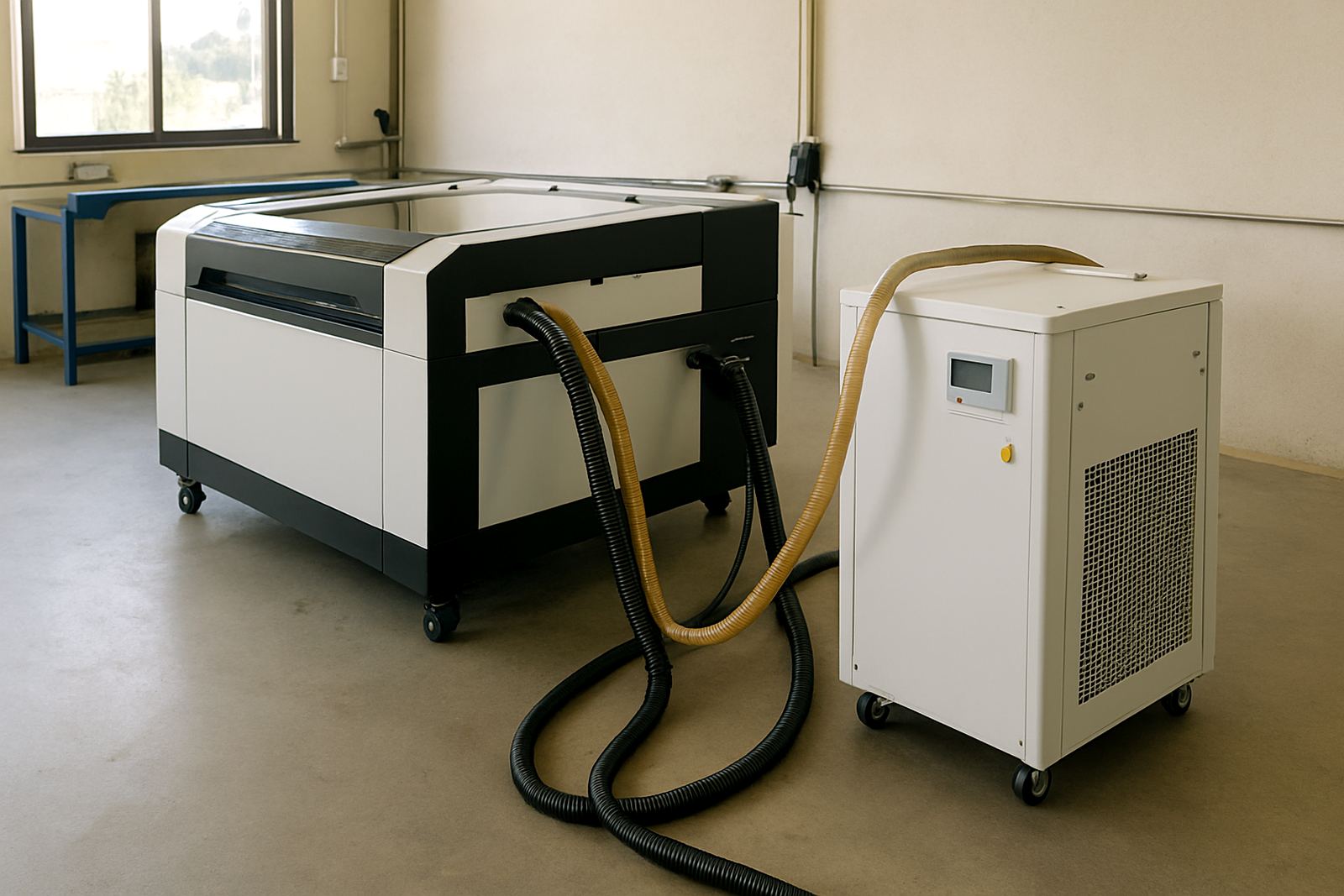
Laser systems rely on stable cooling to protect sensitive components and maintain process quality.

Mould Cycle Temperature

Mould Cycle Temperature

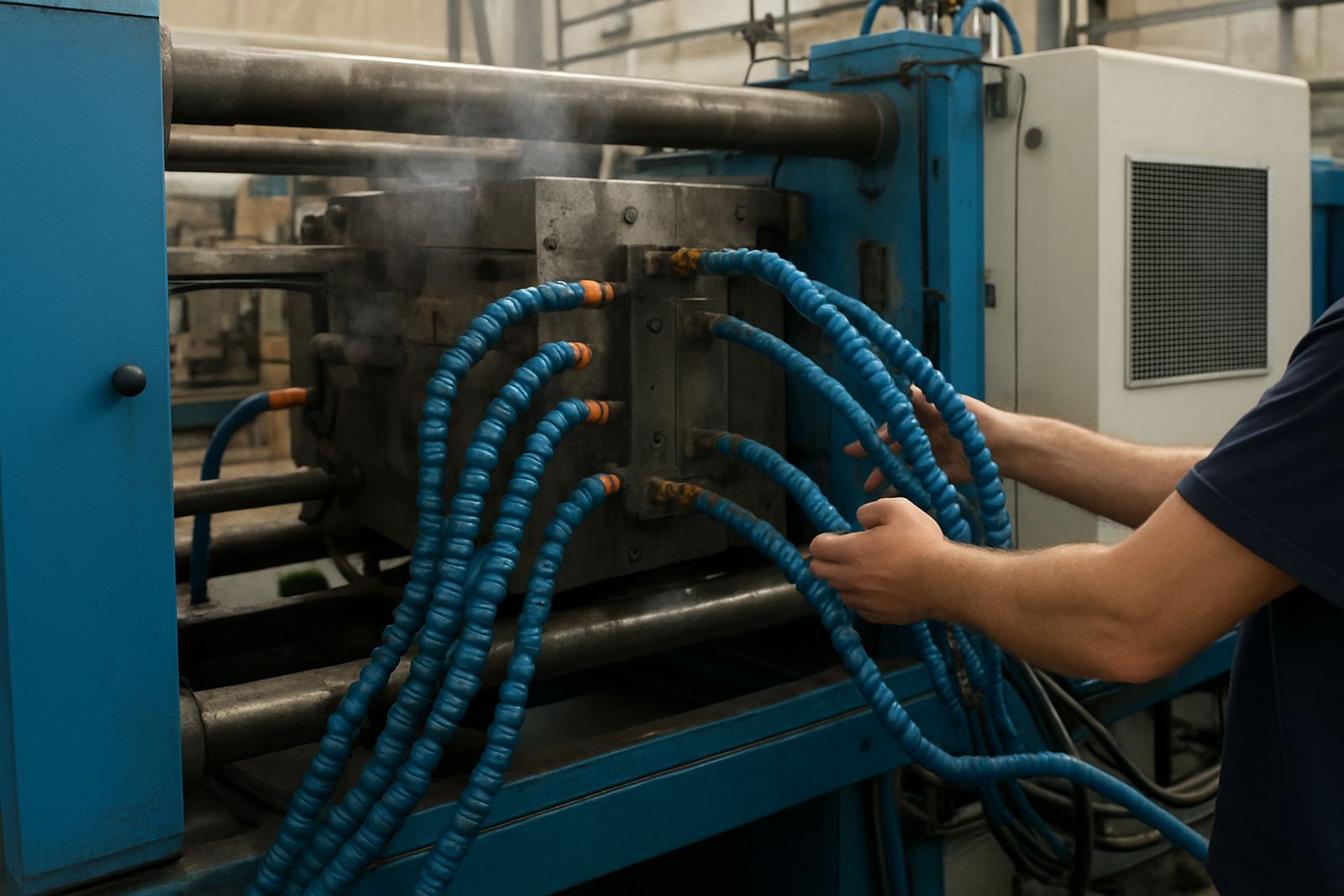
Mould temperature control has a direct effect on cycle consistency, quality and tool performance.

Signs Of Poor Flow

Signs Of Poor Flow

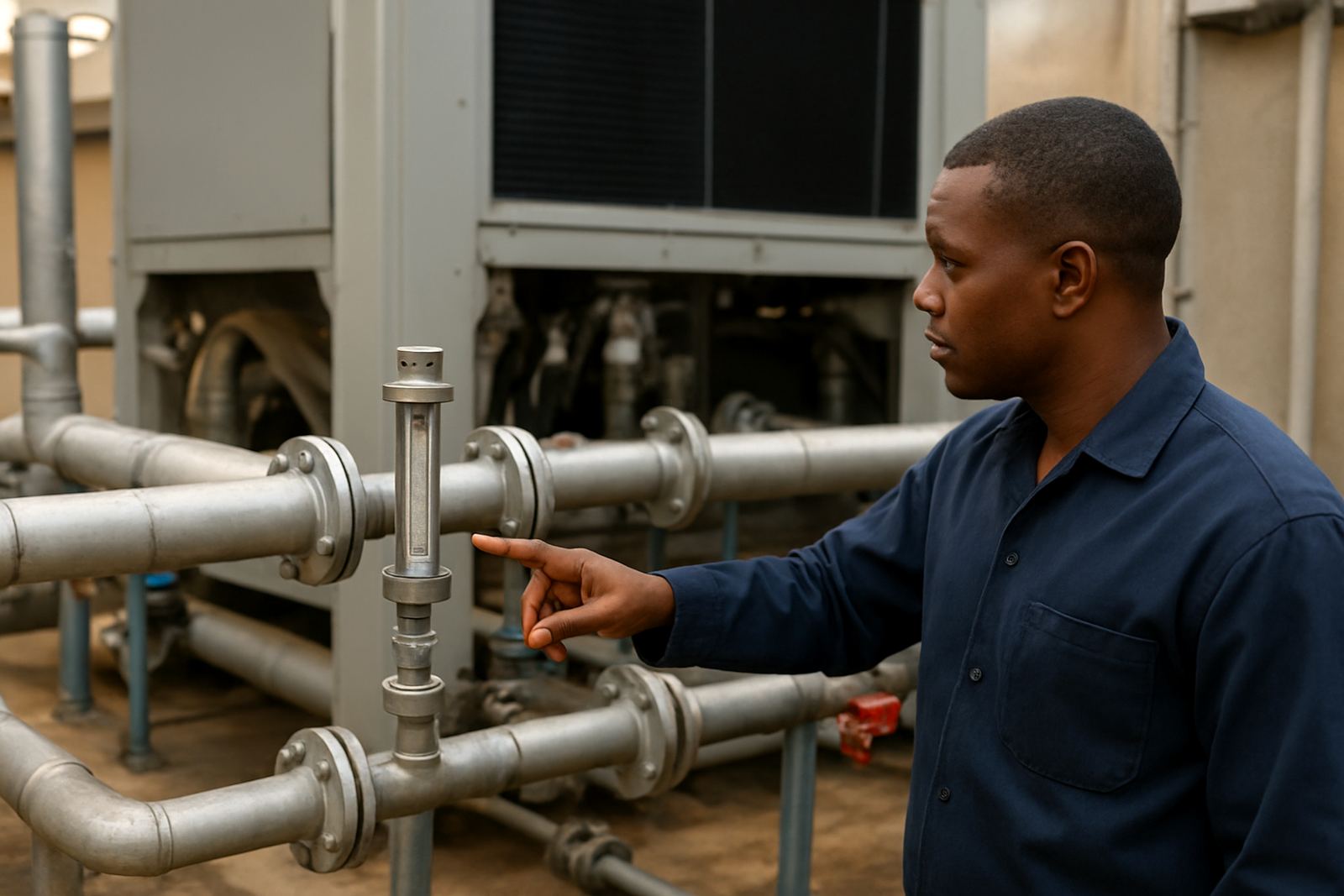
Low coolant flow often shows up as alarms, unstable temperatures or uneven process results.

High Ambient Cooling

High Ambient Cooling

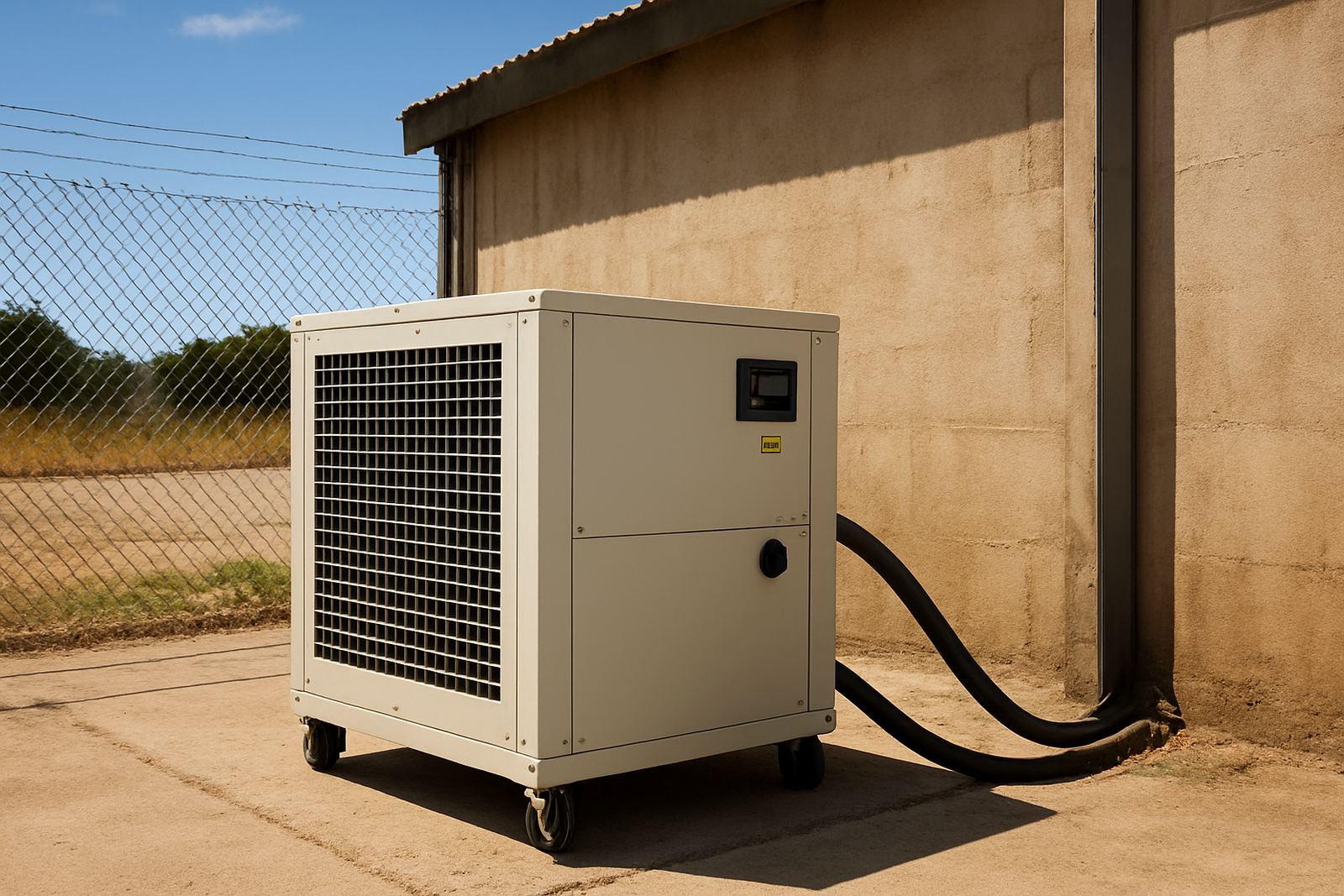
Hot summer conditions can challenge chiller capacity and require better airflow and system sizing.

Closed Loop Benefits

Closed Loop Benefits

Closed-loop cooling helps reduce contamination and supports steadier long-term equipment performance.

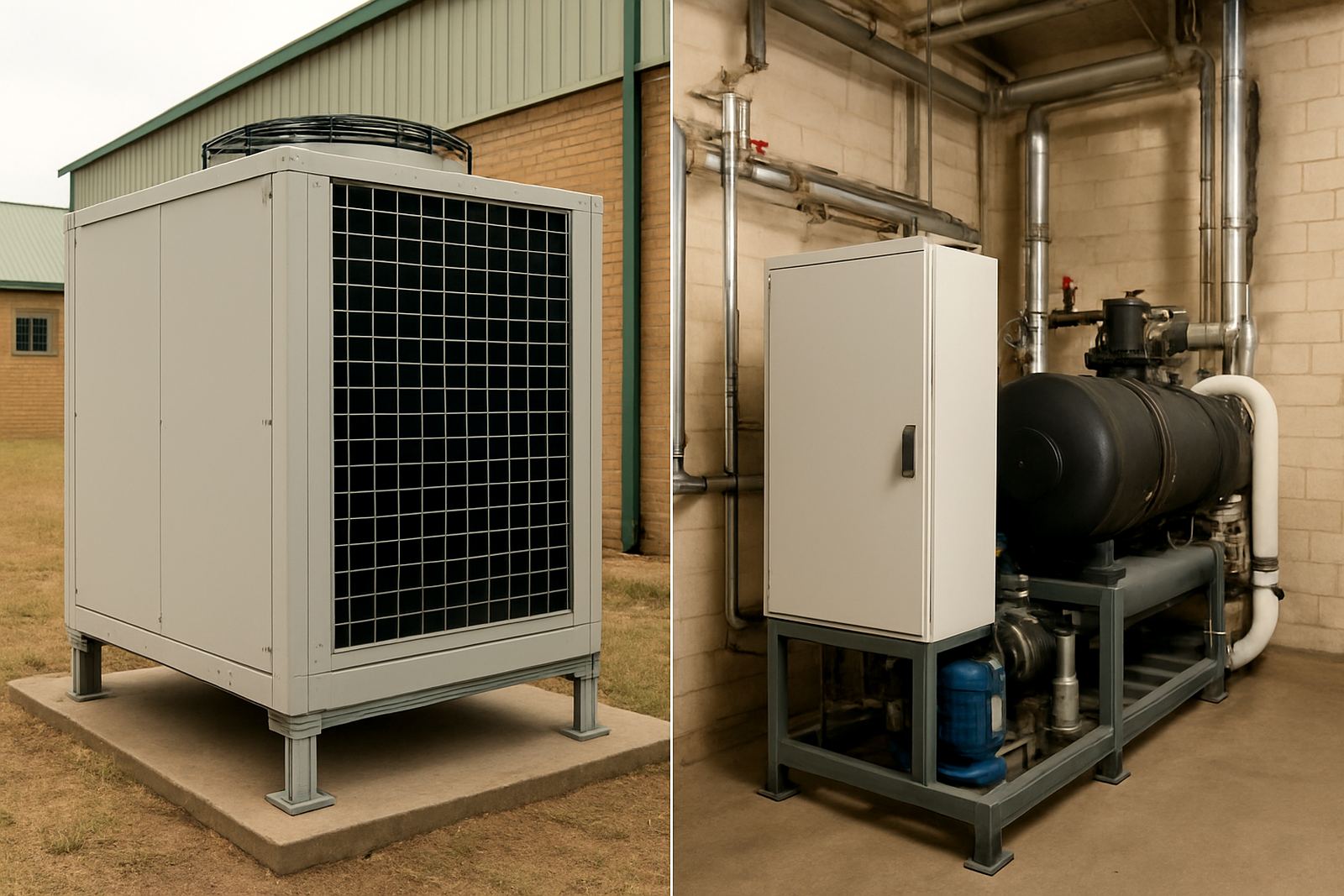
Air Vs Water Cooled

Air Vs Water Cooled

Each chiller type has strengths depending on utilities, layout, climate and maintenance needs.

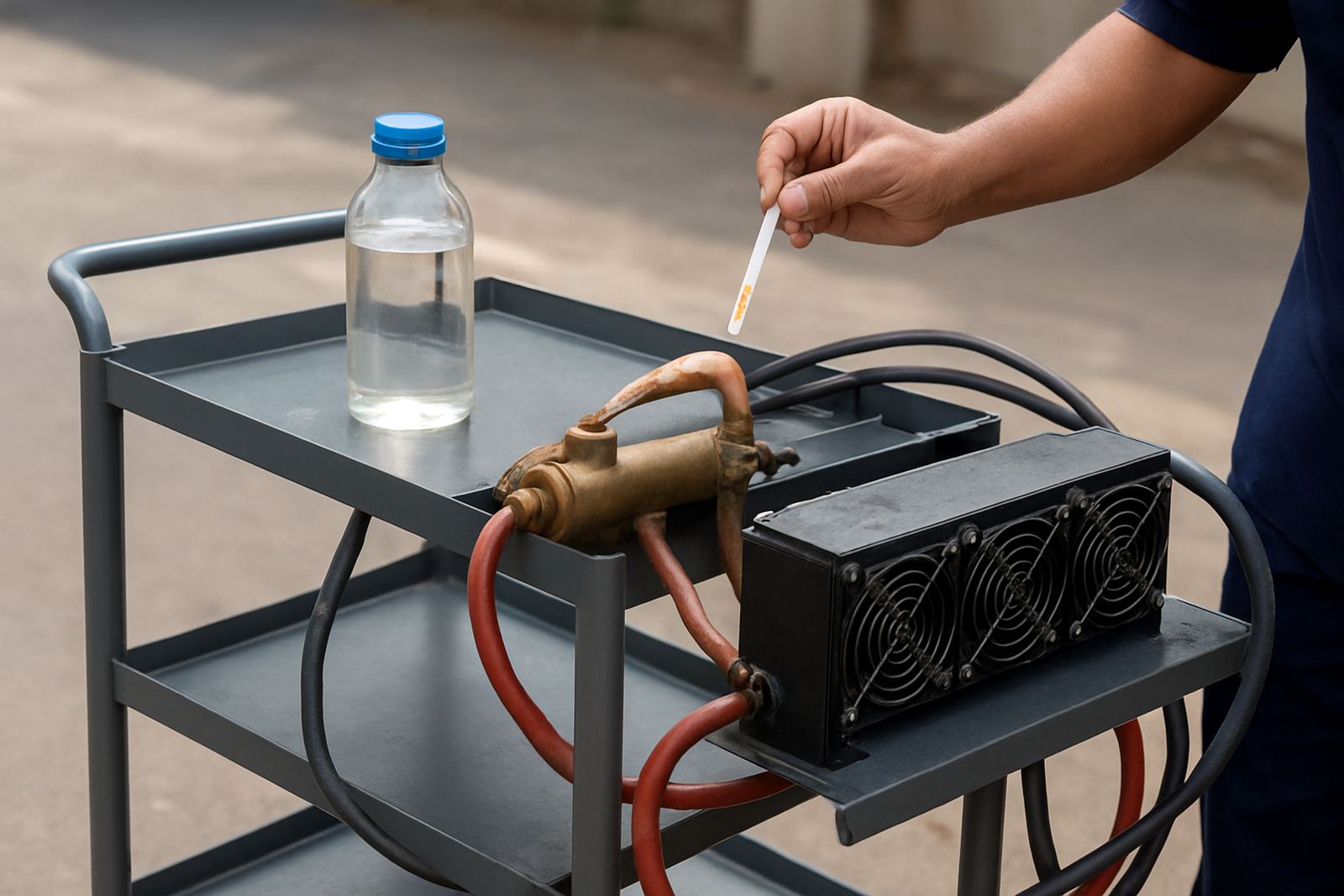
Coolant Water Quality

Coolant Water Quality

Poor water quality can lead to scaling, fouling and reduced cooling efficiency over time.

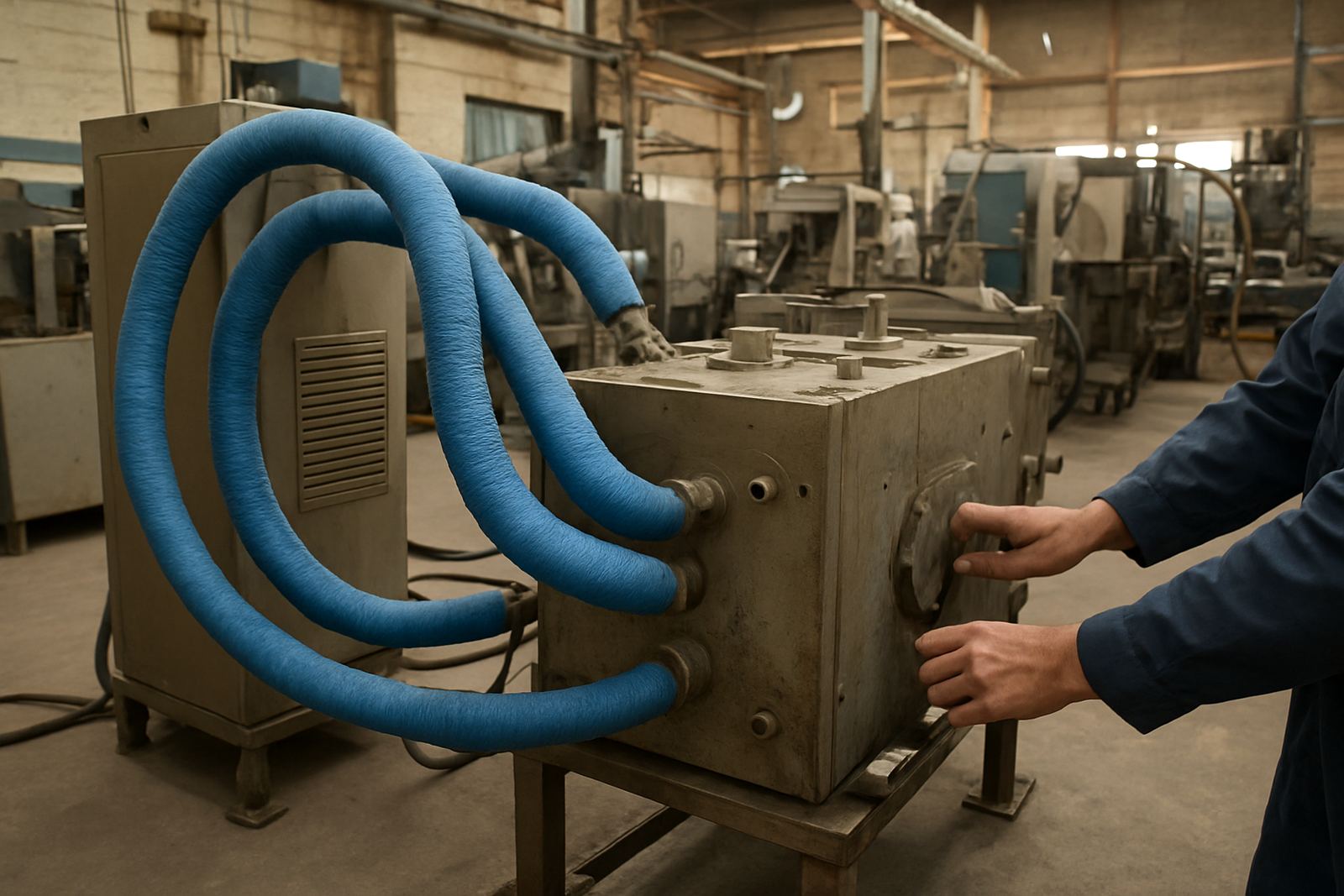
Avoiding Mould Condensation

Avoiding Mould Condensation

Careful setpoints and insulation choices help limit unwanted condensation around mould cooling systems.

Laser Chiller Alarms

Laser Chiller Alarms

Common alarm causes include flow faults, temperature drift, dirty condensers and sensor issues.

Process Load Changes

Process Load Changes

Changing production loads can affect temperature stability if the cooling system is not well matched.

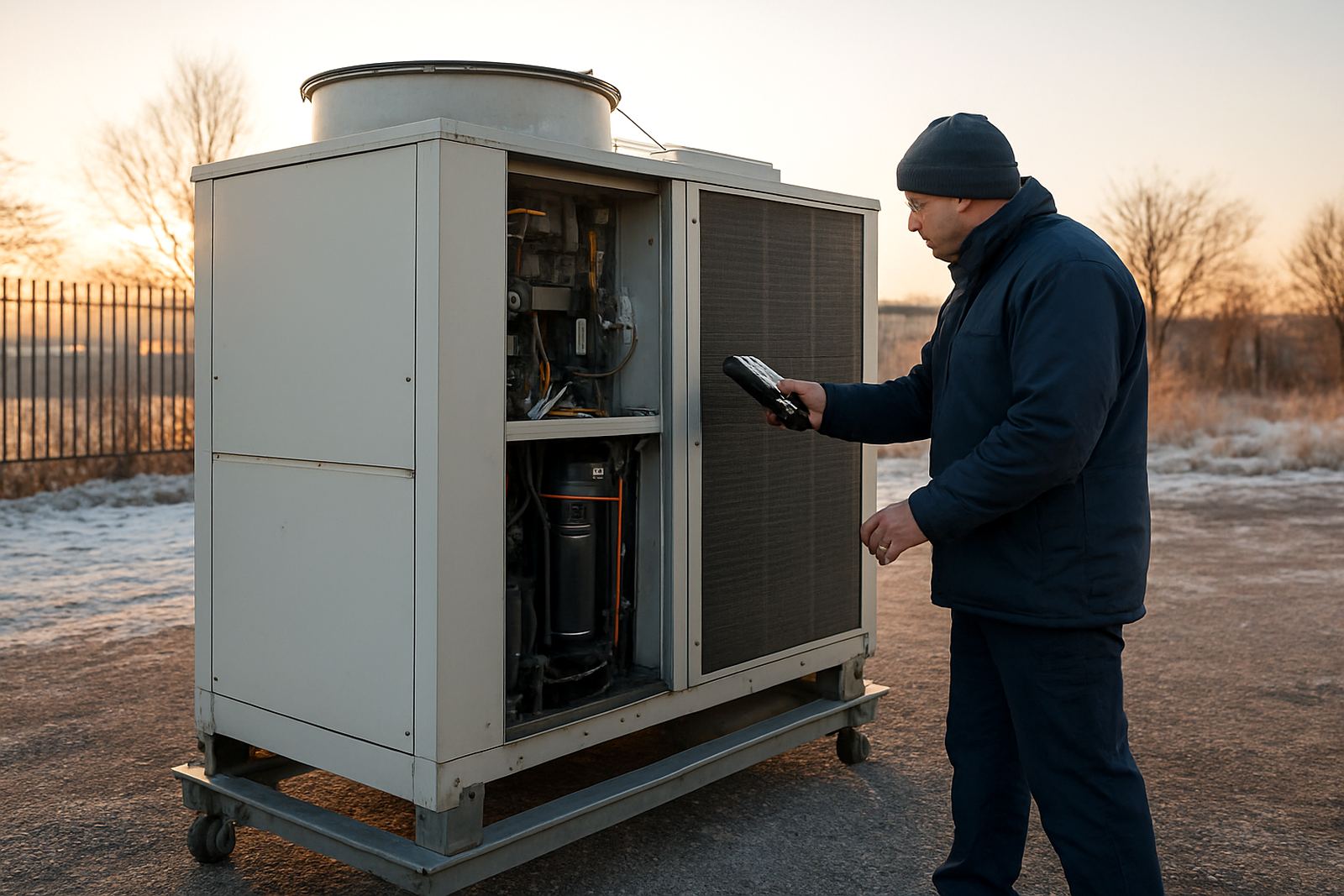
Winter Startup Checks

Winter Startup Checks

Cold weather startup checks help avoid circulation, freeze and control issues on industrial chillers.

Summer Maintenance Focus

Summer Maintenance Focus

Summer readiness often starts with condenser cleaning, airflow checks and capacity review.

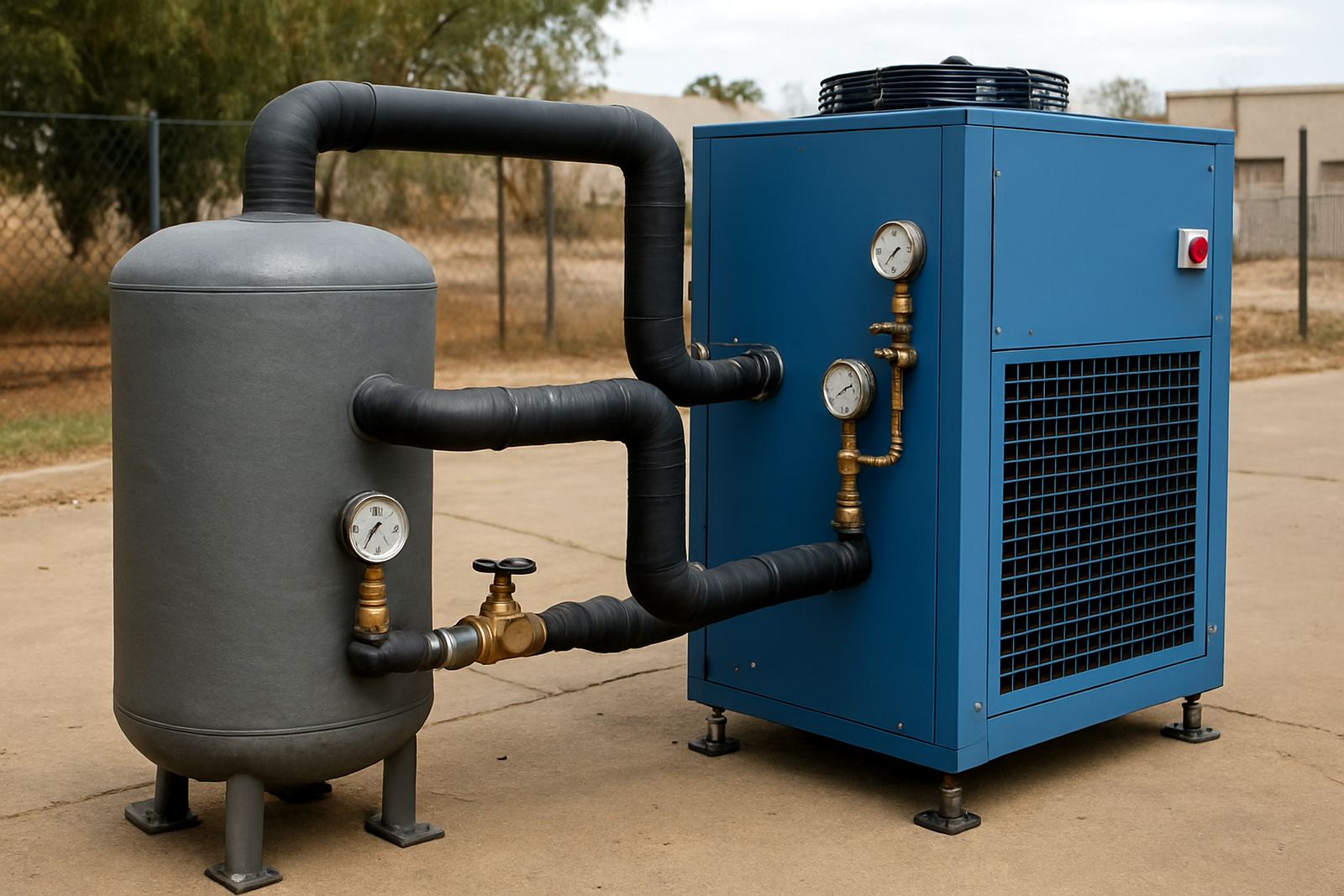
Choosing Buffer Tanks

Choosing Buffer Tanks

Buffer tanks can improve stability where process loads swing quickly or system volume is low.

Pump Sizing Basics

Pump Sizing Basics

Correct pump sizing matters for flow, pressure and reliable heat transfer in cooling circuits.

When To Retrofit

When To Retrofit

A retrofit can make sense when older cooling systems limit reliability, control or serviceability.

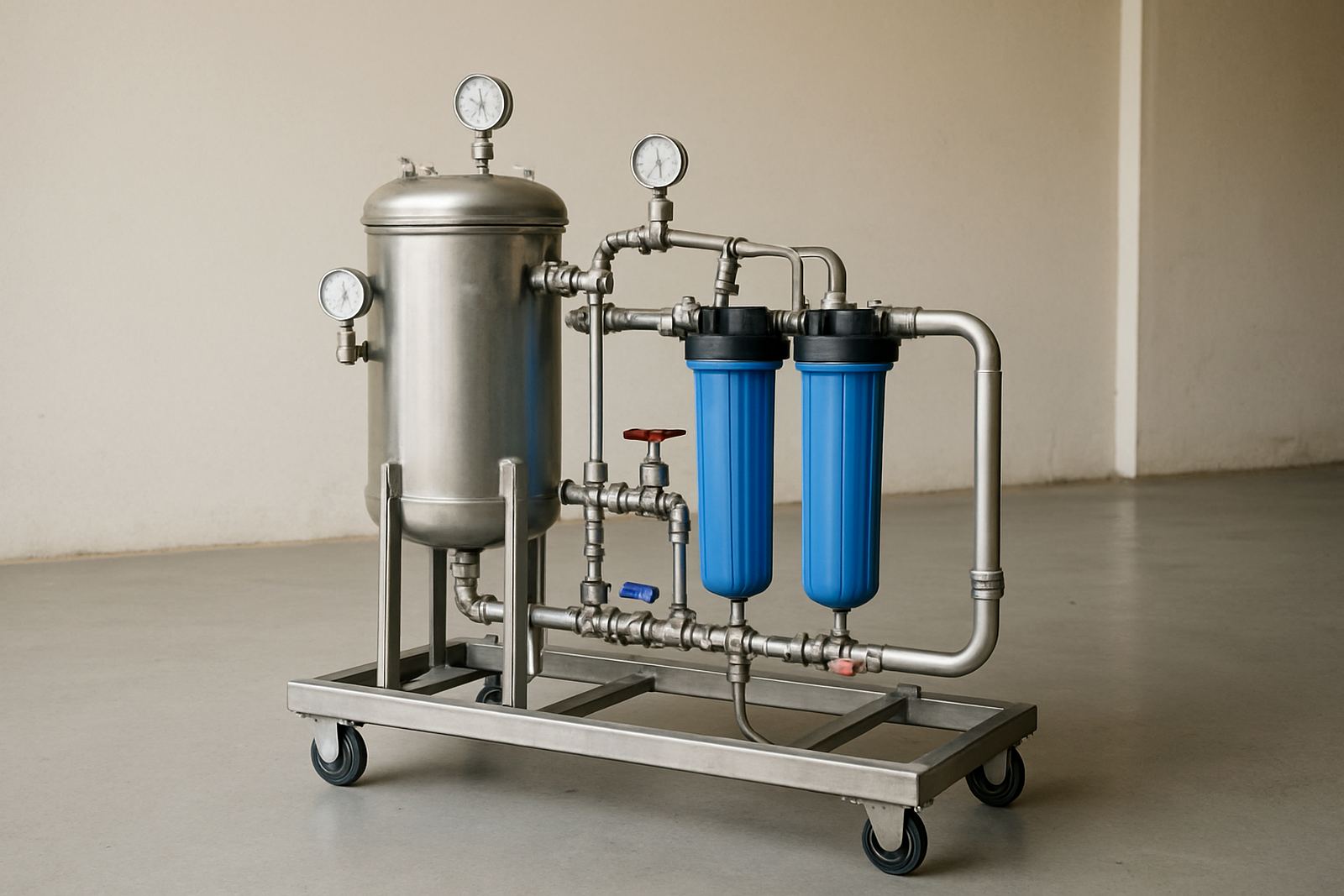
Filtration For Chillers

Filtration For Chillers

Proper filtration helps keep channels clean and supports better long-term cooling performance.

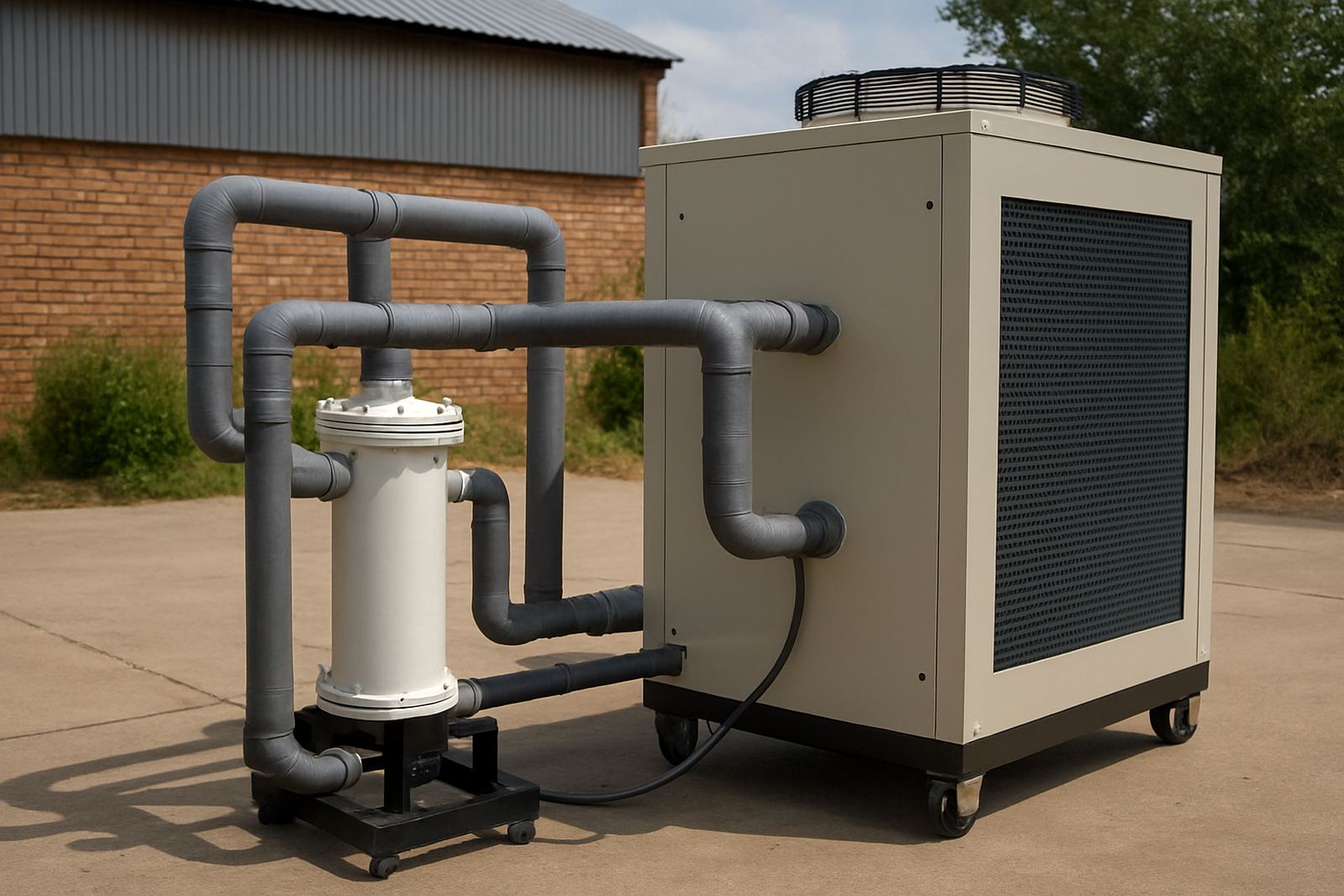
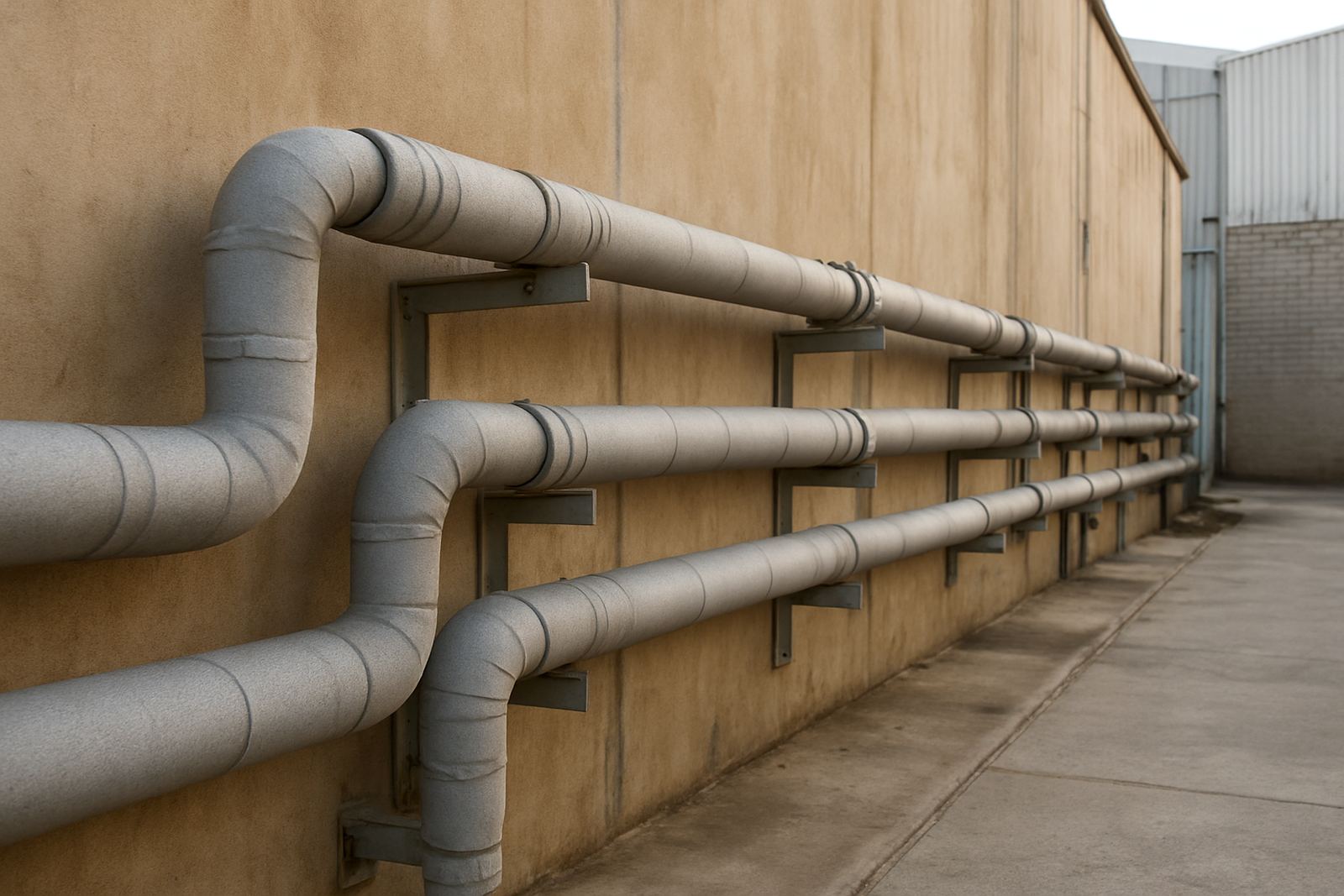
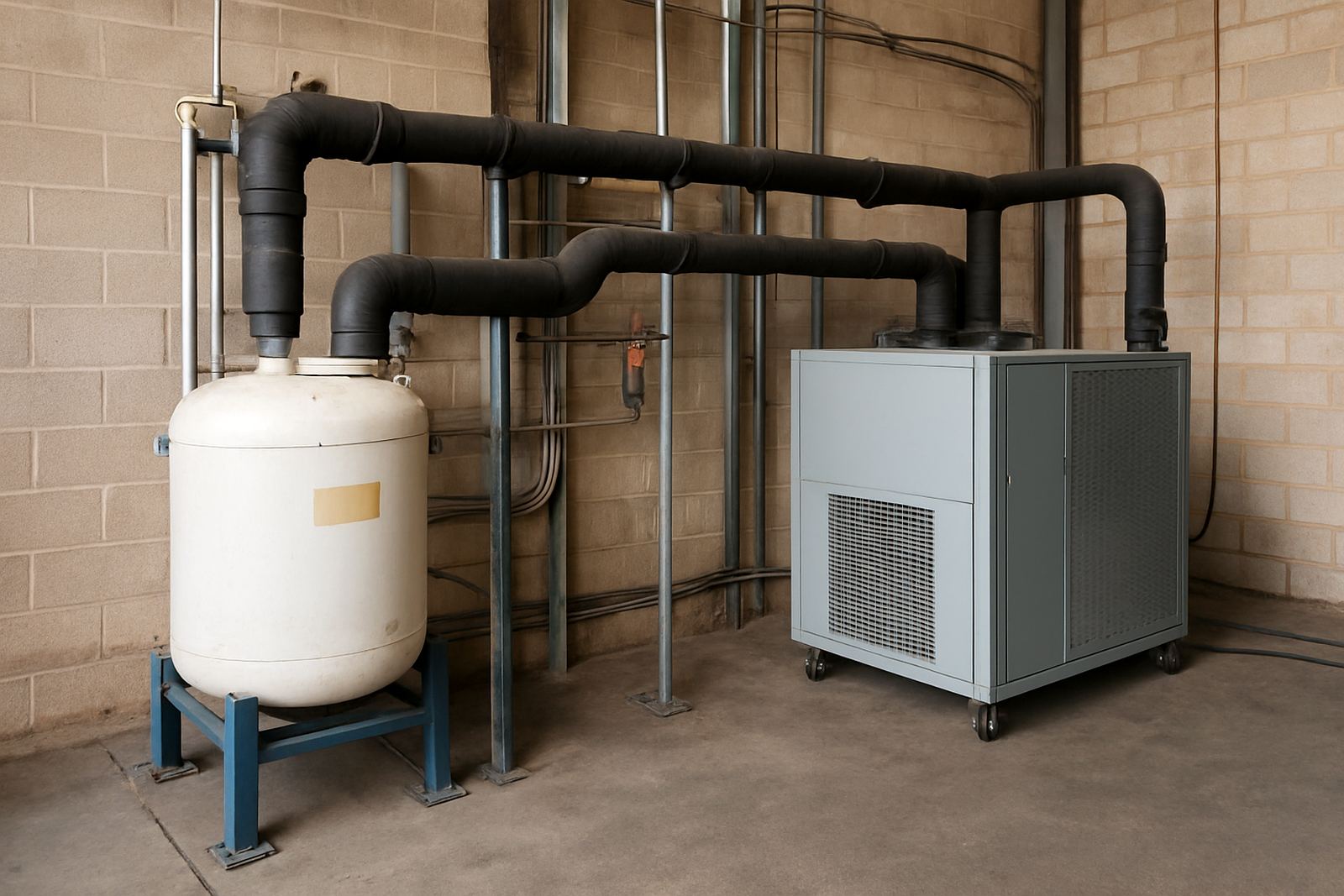
Pipe Insulation Matters

Pipe Insulation Matters

Insulated pipework limits heat gain, reduces condensation and supports efficient cooling delivery.

Understanding Setpoints

Understanding Setpoints

Setpoints should match the process requirement rather than simply being set as low as possible.

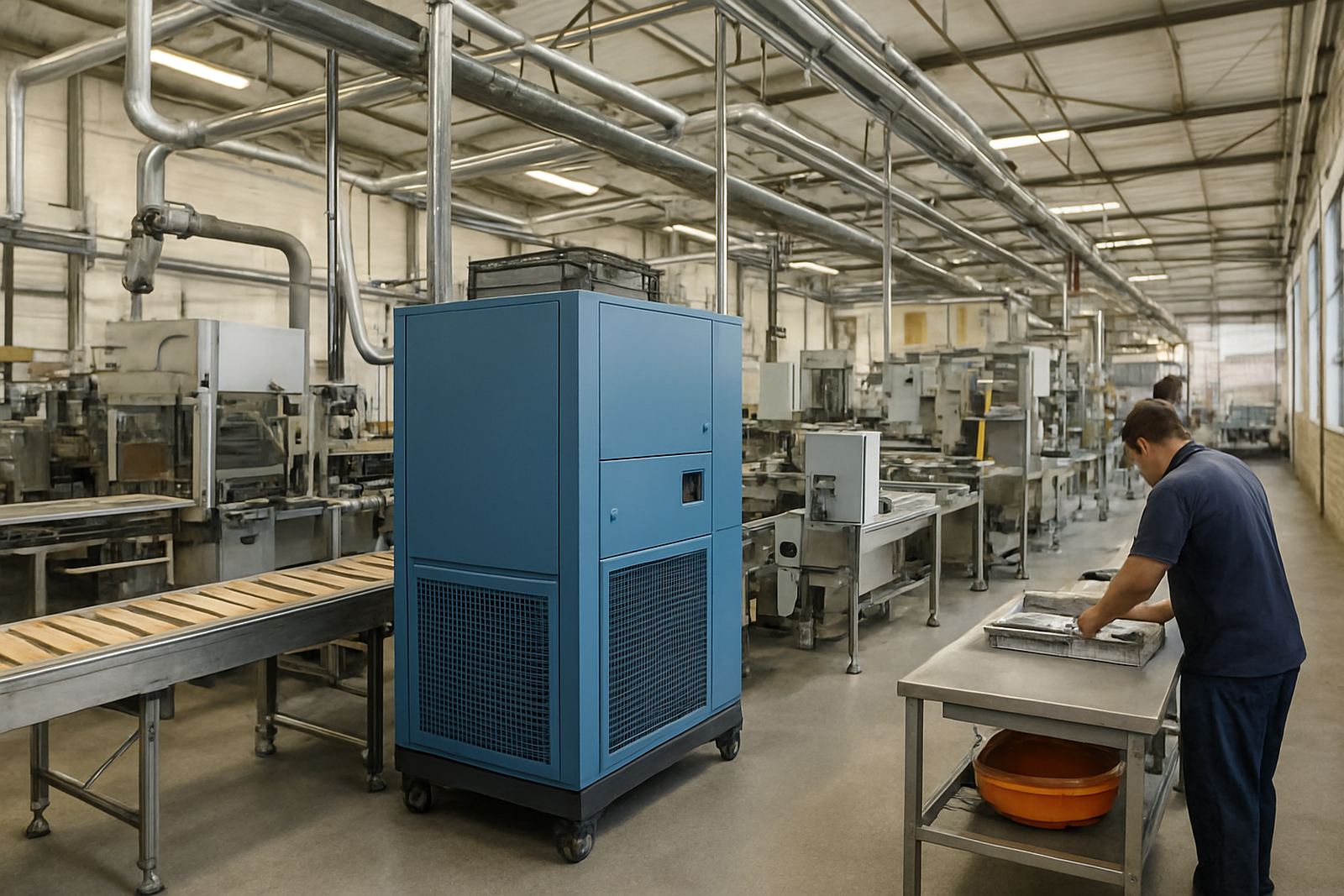
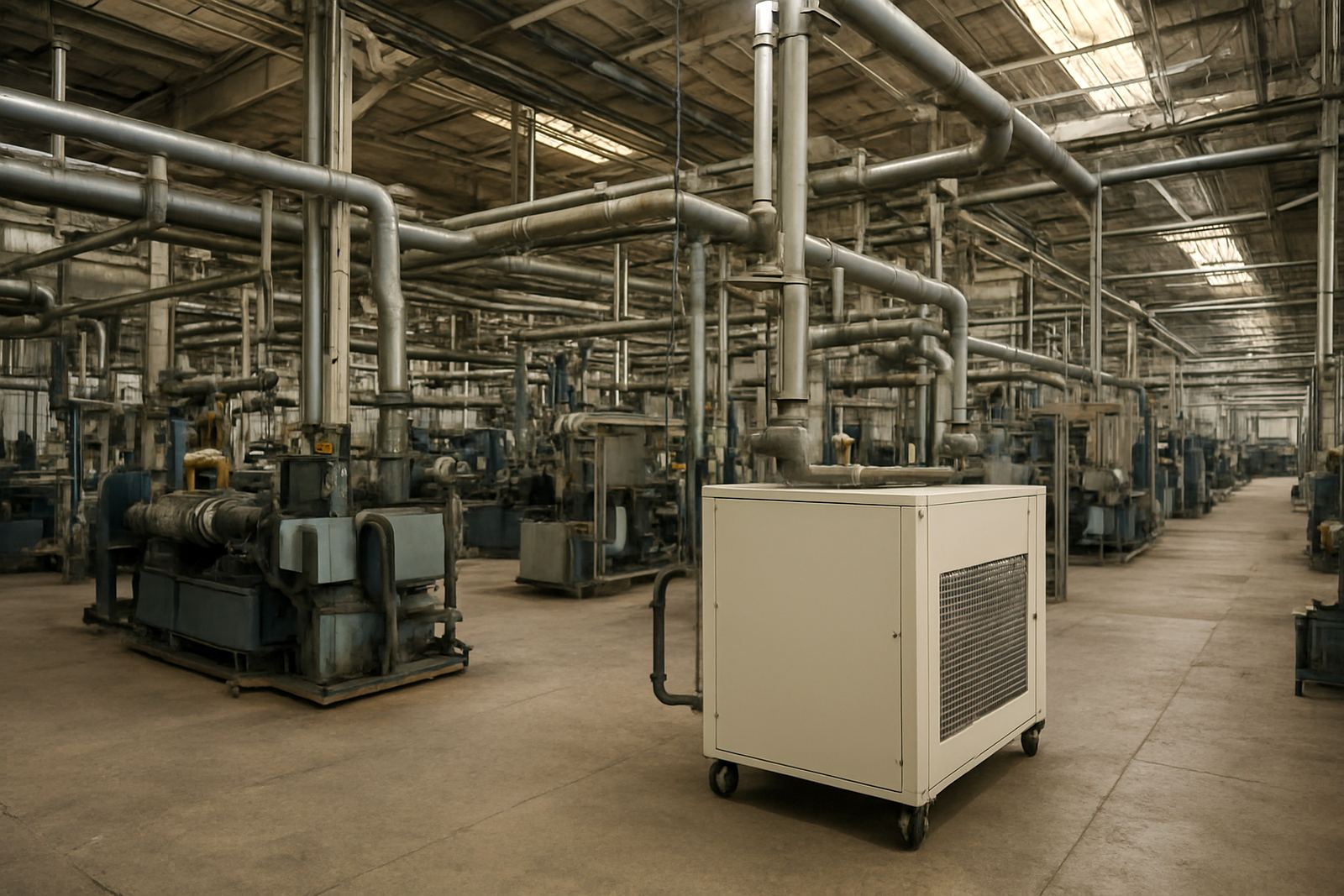
Factory Layout Effects

Factory Layout Effects

Equipment placement and pipe routing can strongly influence service access and cooling efficiency.

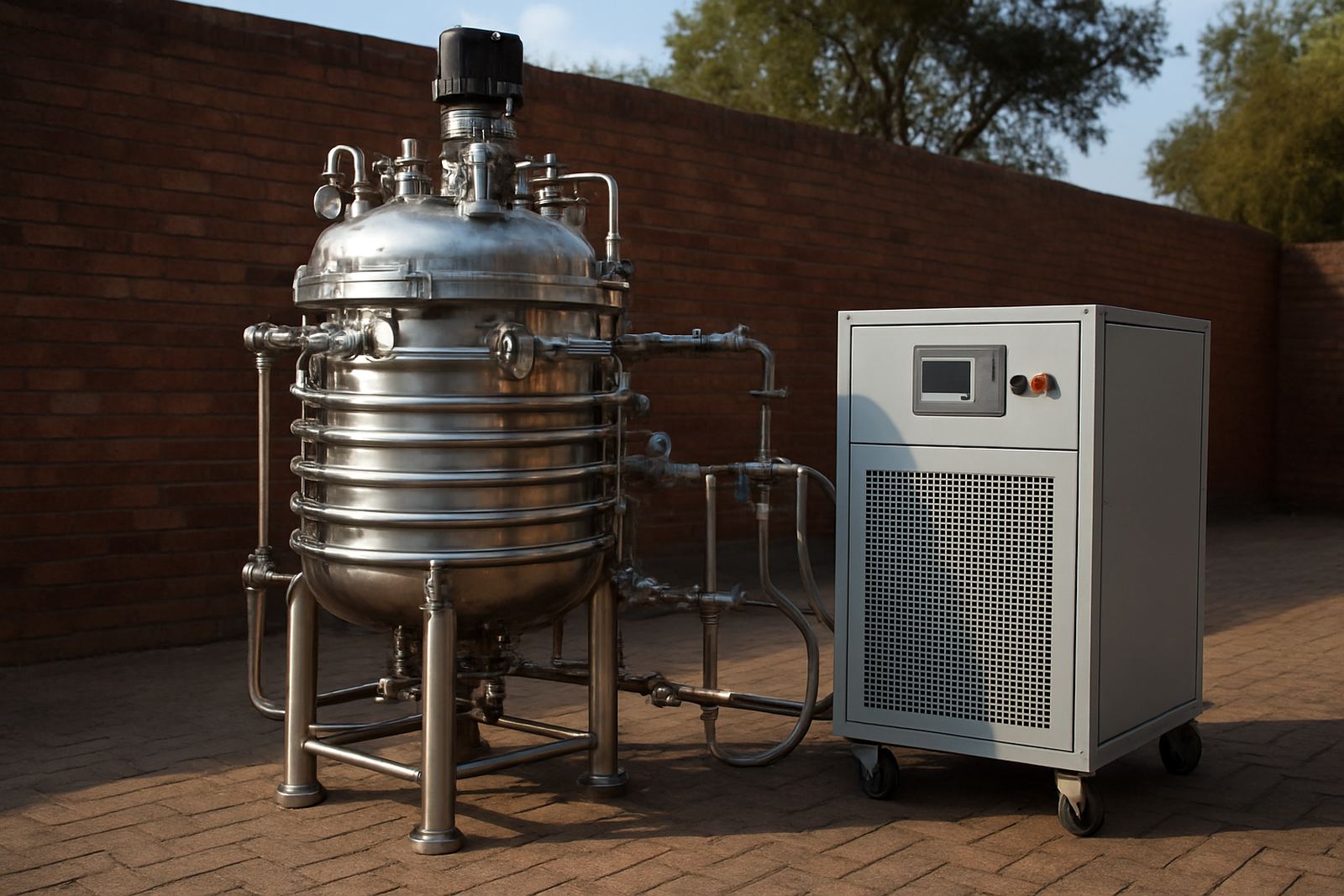
Cooling Reactor Batches

Cooling Reactor Batches

Batch processes need responsive cooling that aligns with reaction timing and safety limits.

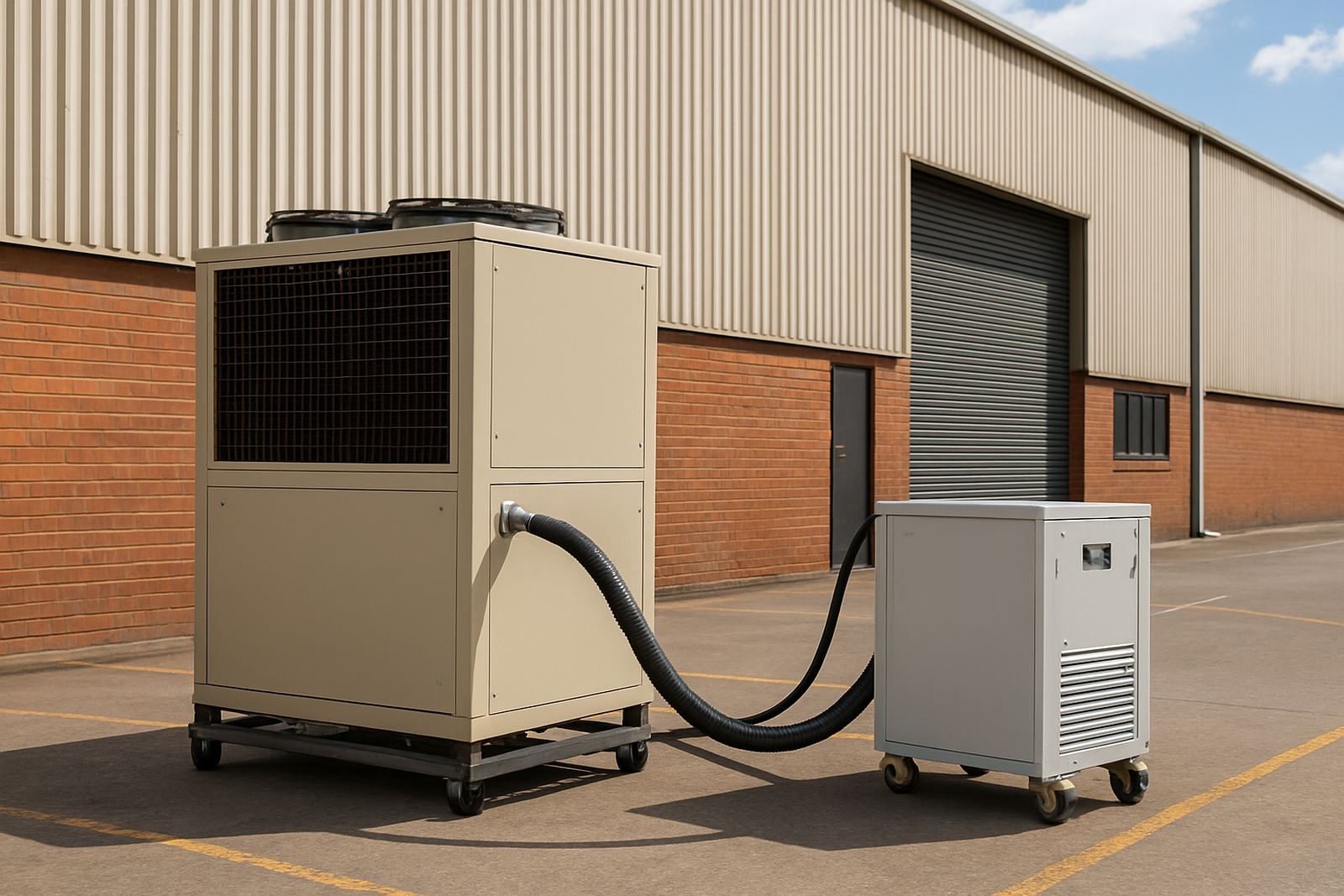
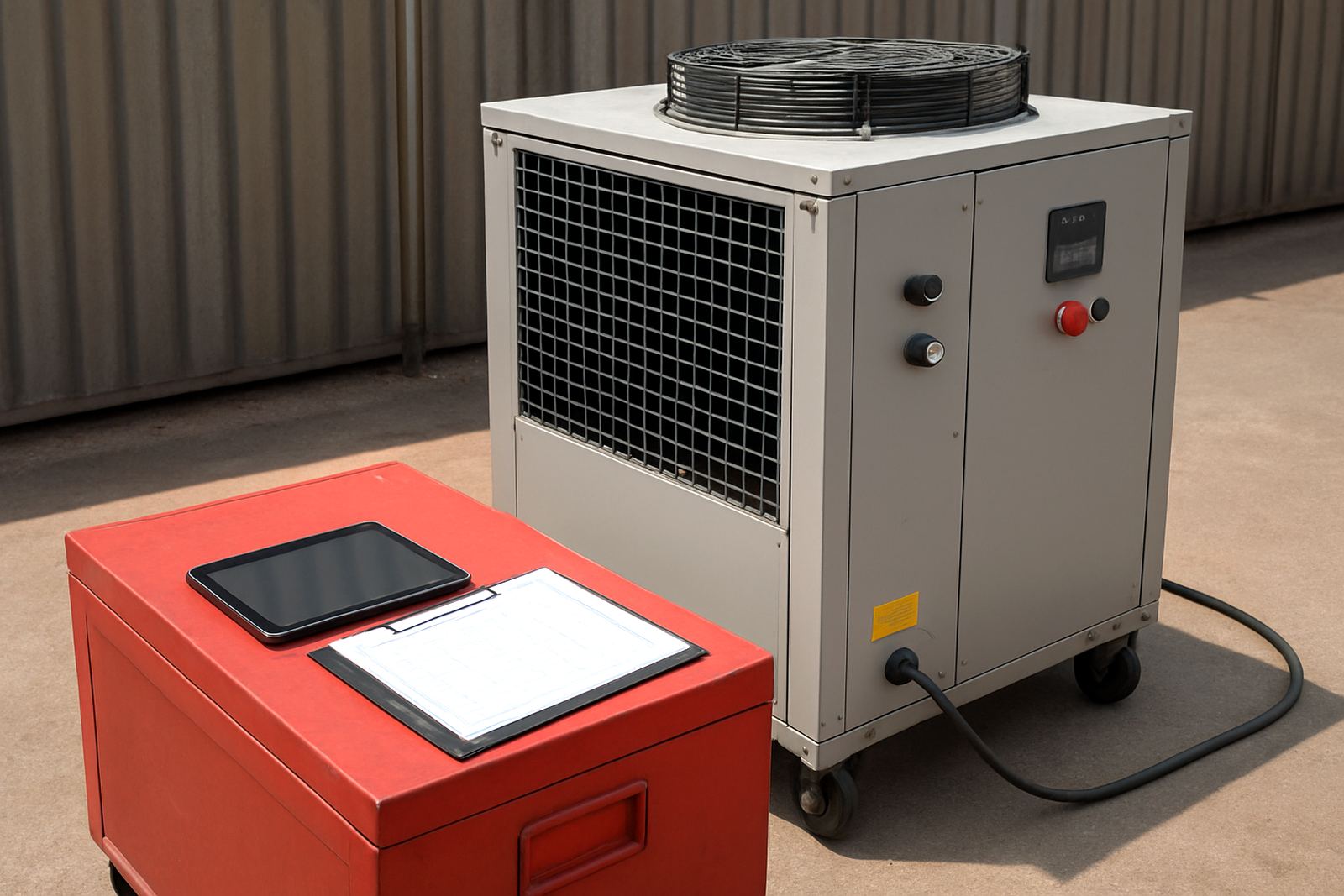
Temporary Cooling Planning

Temporary Cooling Planning

Hire cooling works best when power, hose routes and duty requirements are planned in advance.

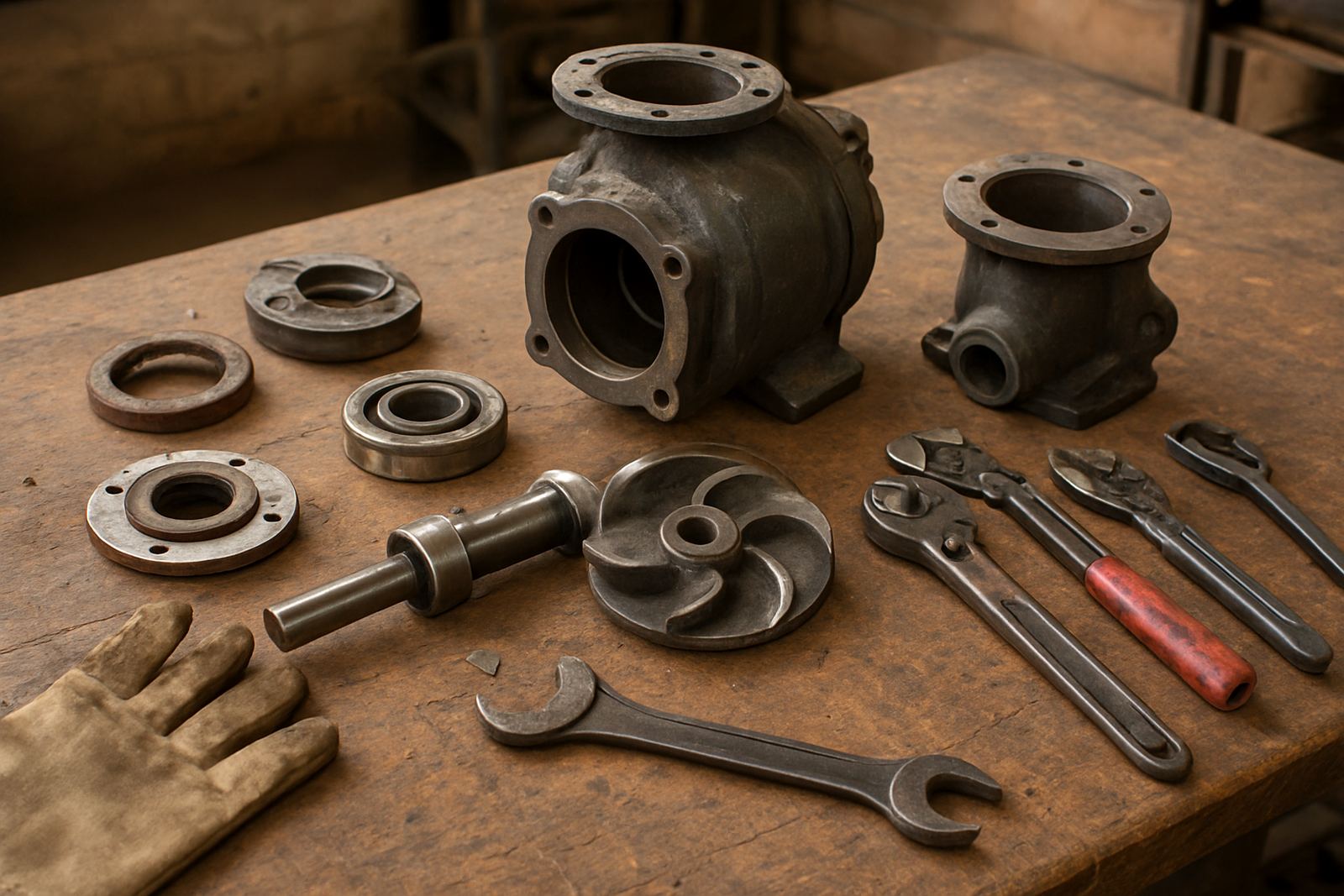
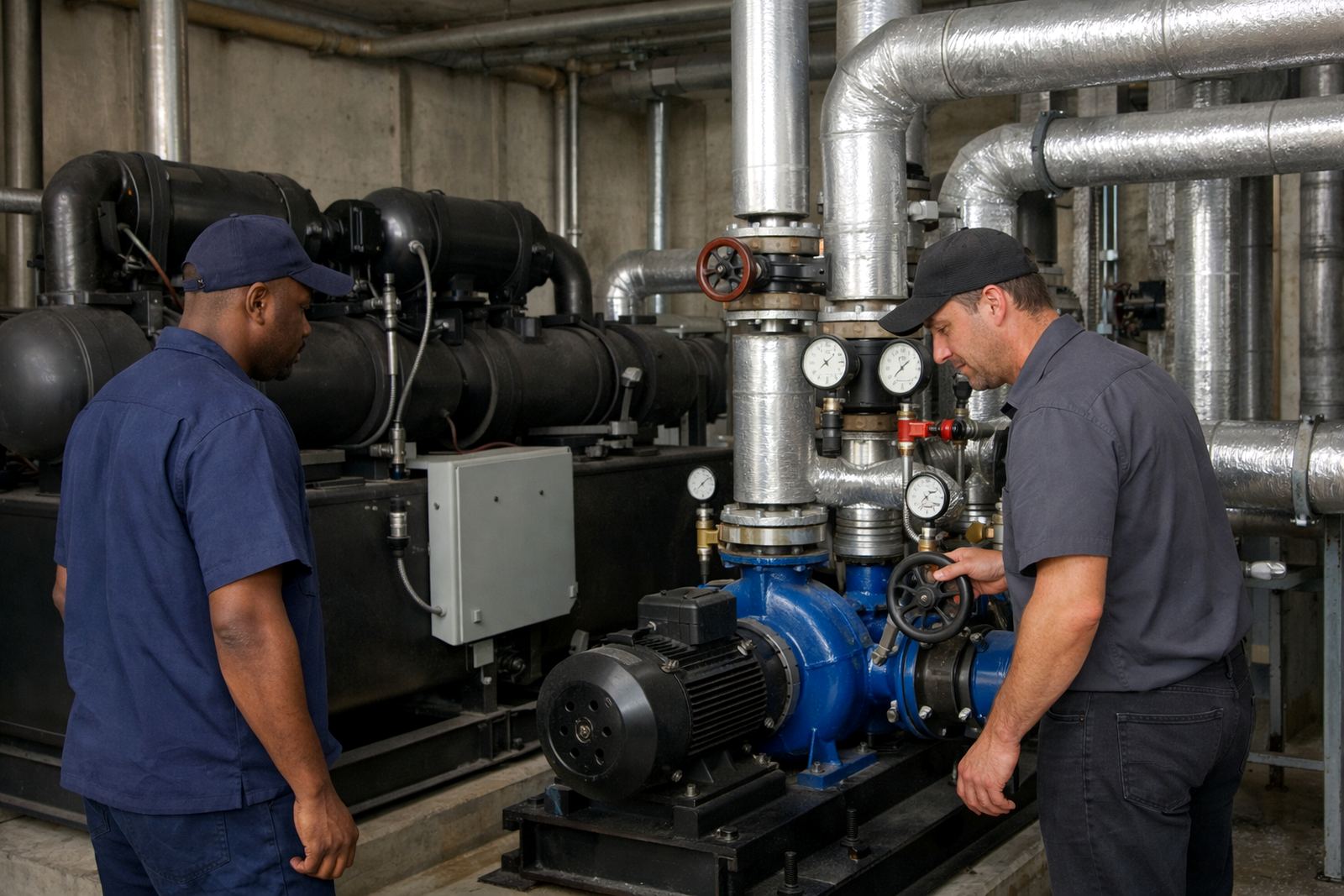
Common Pump Failures

Common Pump Failures

Seal wear, cavitation and blocked strainers are common pump issues in process cooling systems.

Sensor Fault Symptoms

Sensor Fault Symptoms

Temperature sensors can drift or fail, leading to misleading readings and unstable control.

Flow Switch Troubleshooting

Flow Switch Troubleshooting

Flow switches should be checked for fouling, wiring issues and actual circulation problems.

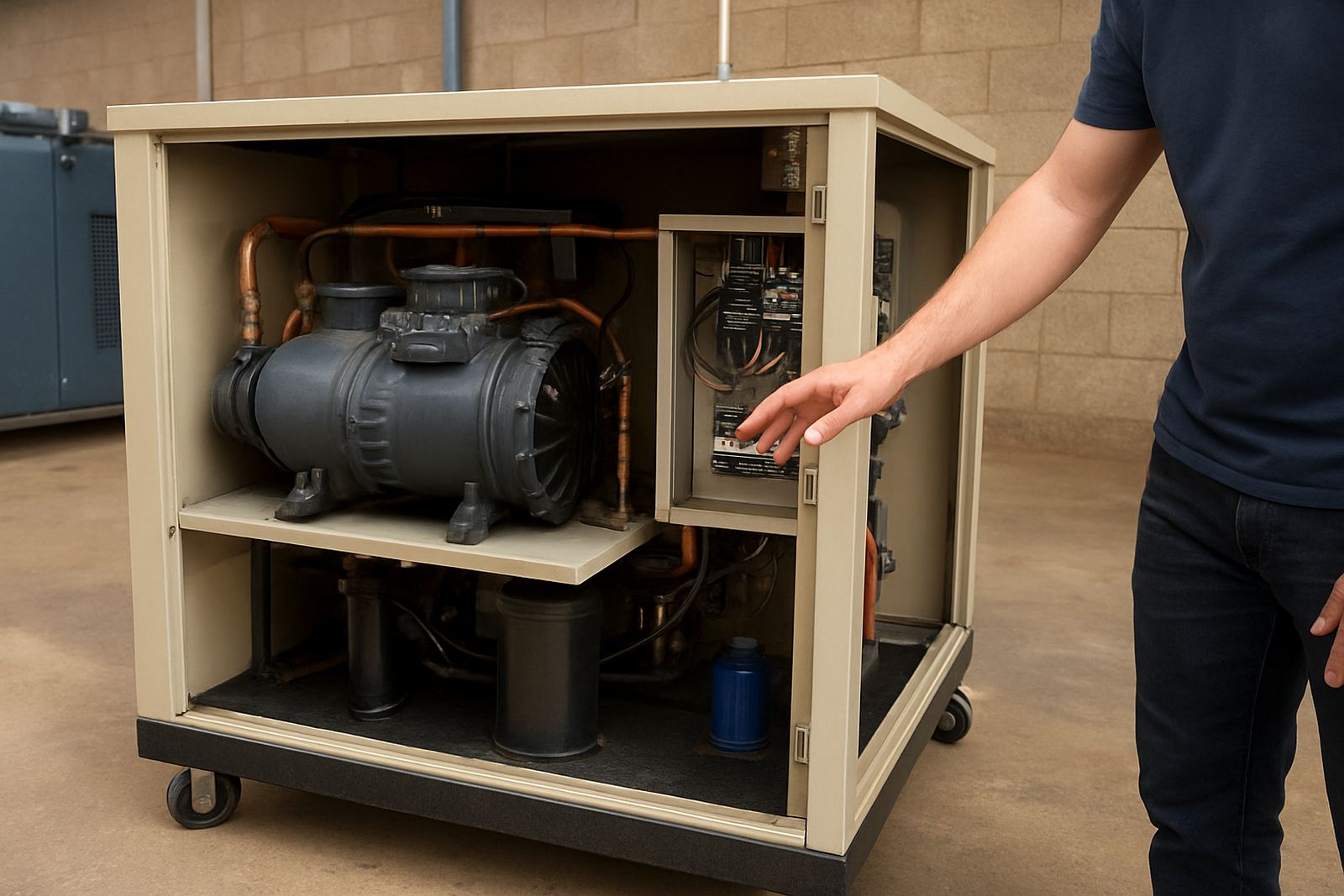
Compressor Protection Basics

Compressor Protection Basics

Good maintenance and correct operating conditions help protect the compressor from unnecessary strain.

Expansion Tank Role

Expansion Tank Role

Expansion tanks help manage fluid volume changes and support stable circuit pressure.

Laser Shop Best Practice

Laser Shop Best Practice

A tidy laser cooling setup makes maintenance easier and lowers avoidable reliability risks.

Mould Cooling Balancing

Mould Cooling Balancing

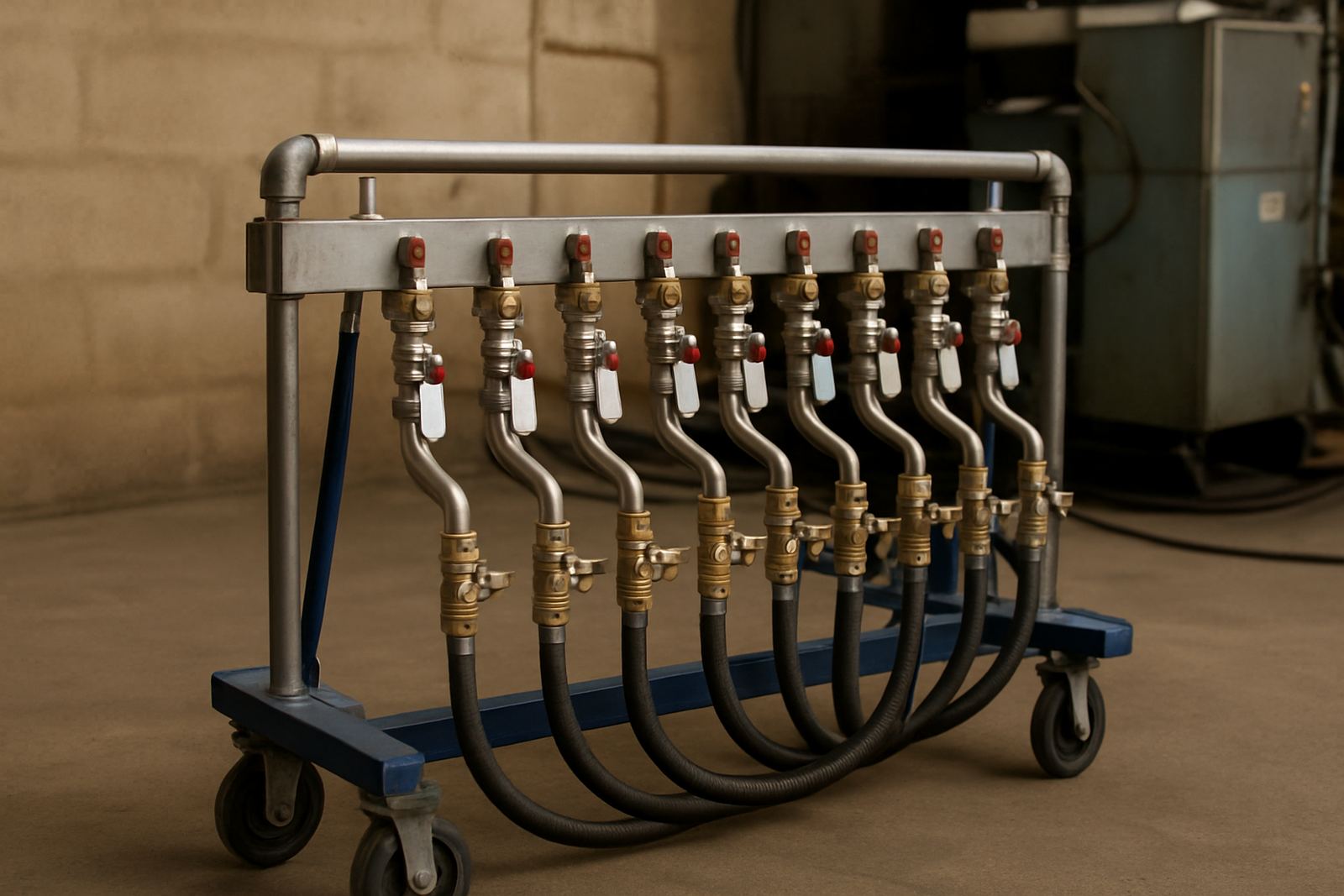
Balanced circuits help distribute cooling evenly across mould tools and reduce process variation.

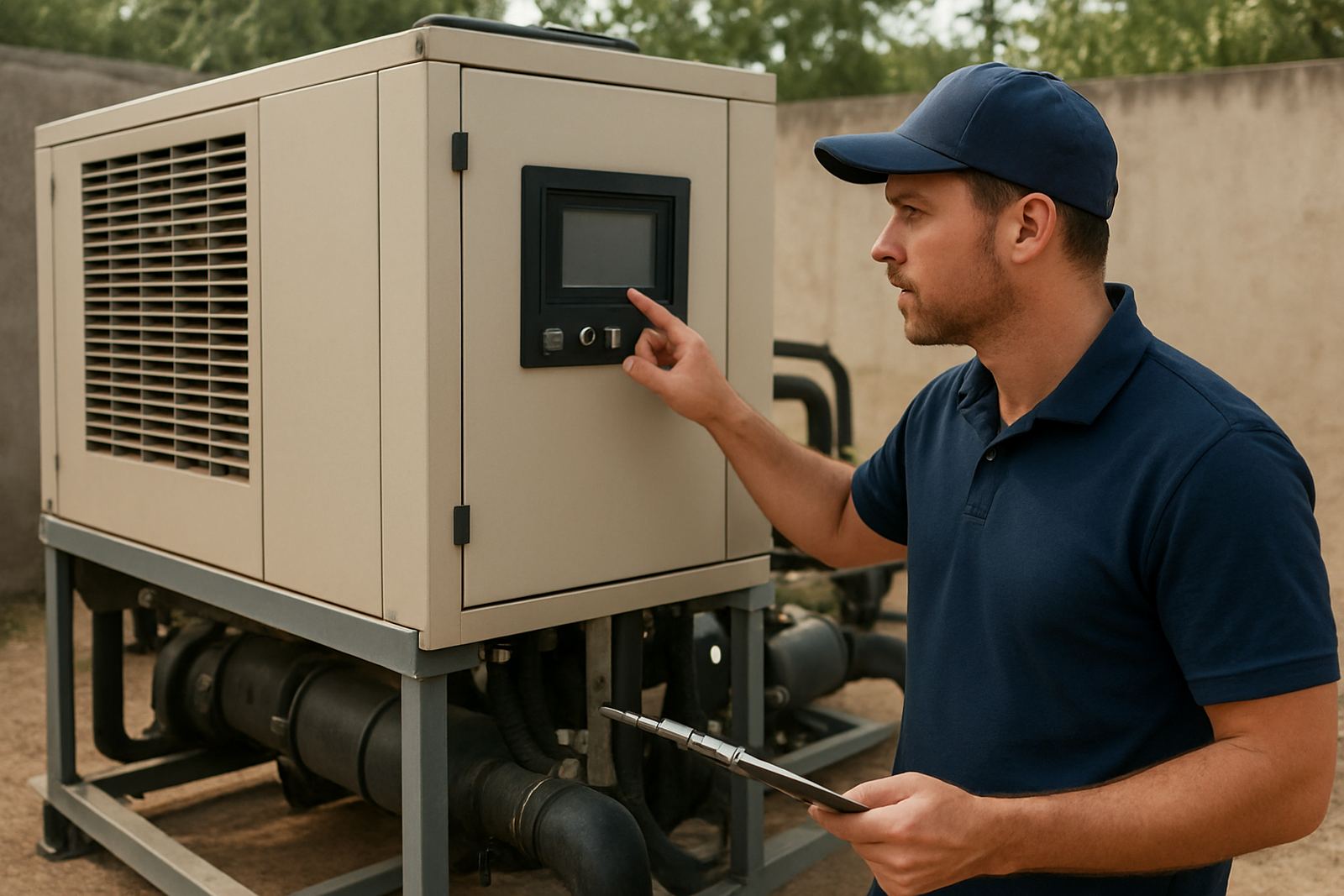
Outdoor Unit Placement

Outdoor Unit Placement

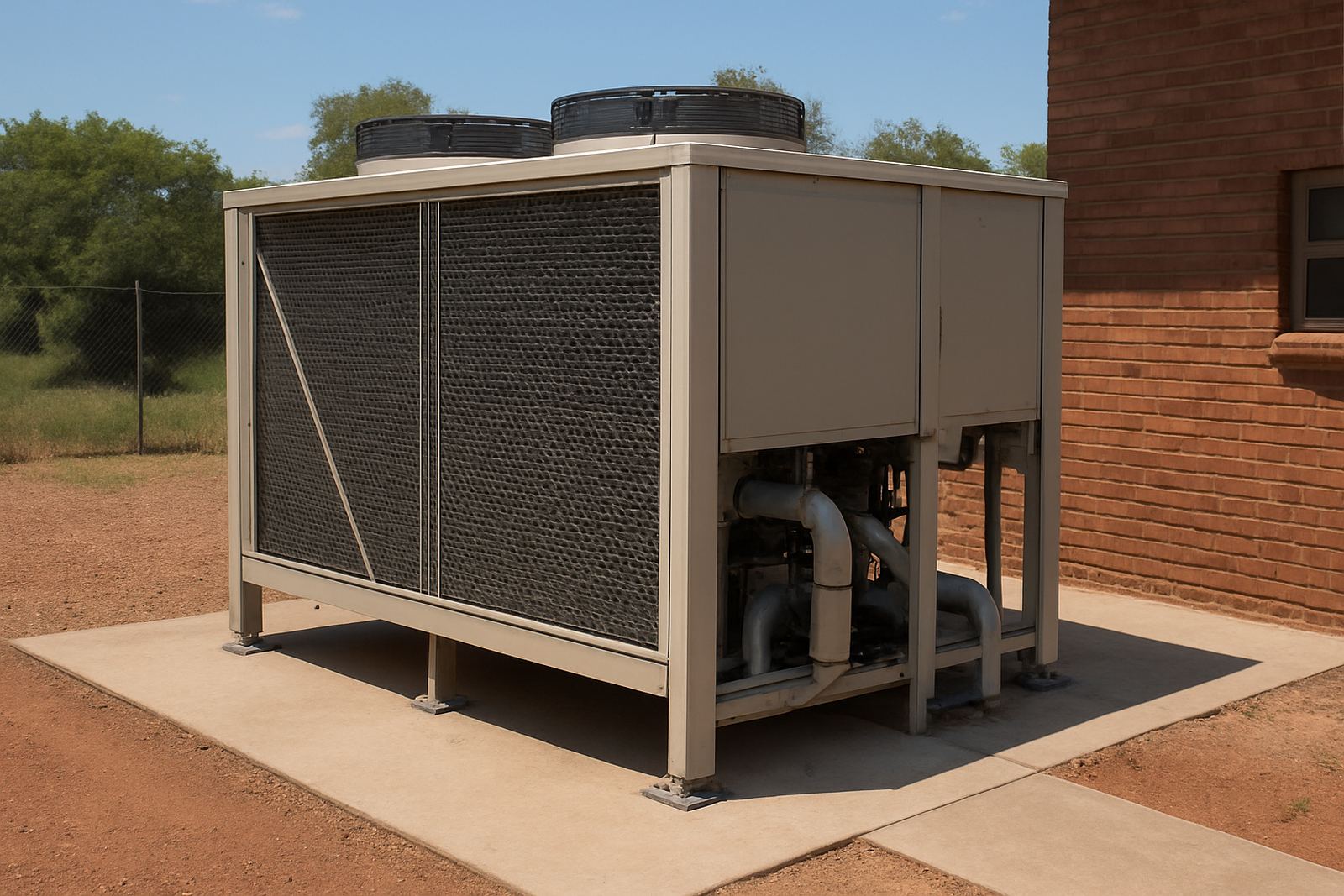
Correct outdoor placement improves airflow, service space and long-term operating reliability.

Indoor Noise Considerations

Indoor Noise Considerations

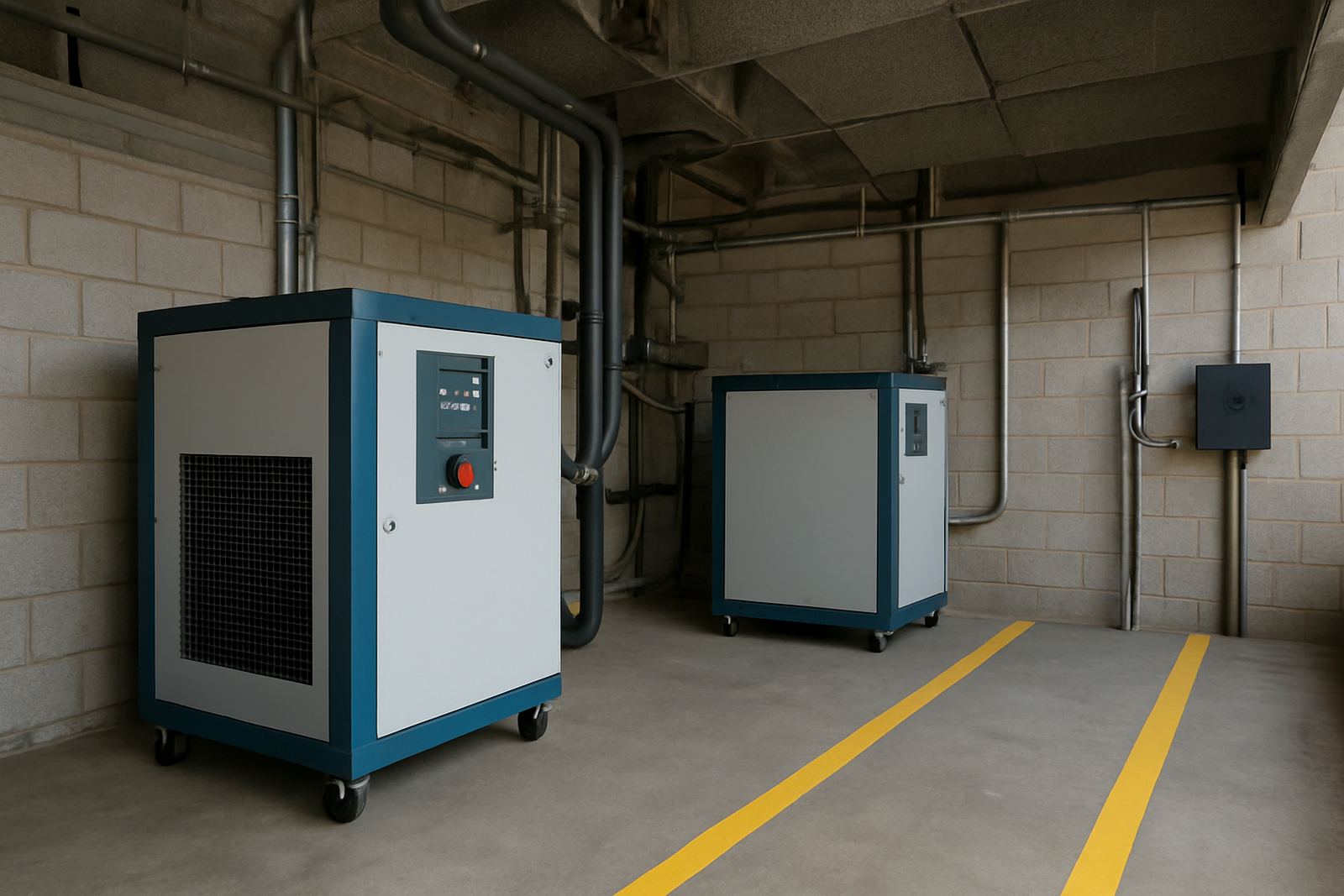
Indoor chiller selection should consider plant room acoustics, layout and working conditions nearby.

Energy Use Factors

Energy Use Factors

Cooling energy use depends on load profile, setpoints, ambient temperature and system condition.

Service Records Matter

Service Records Matter

Good service records make it easier to spot recurring issues and plan maintenance properly.

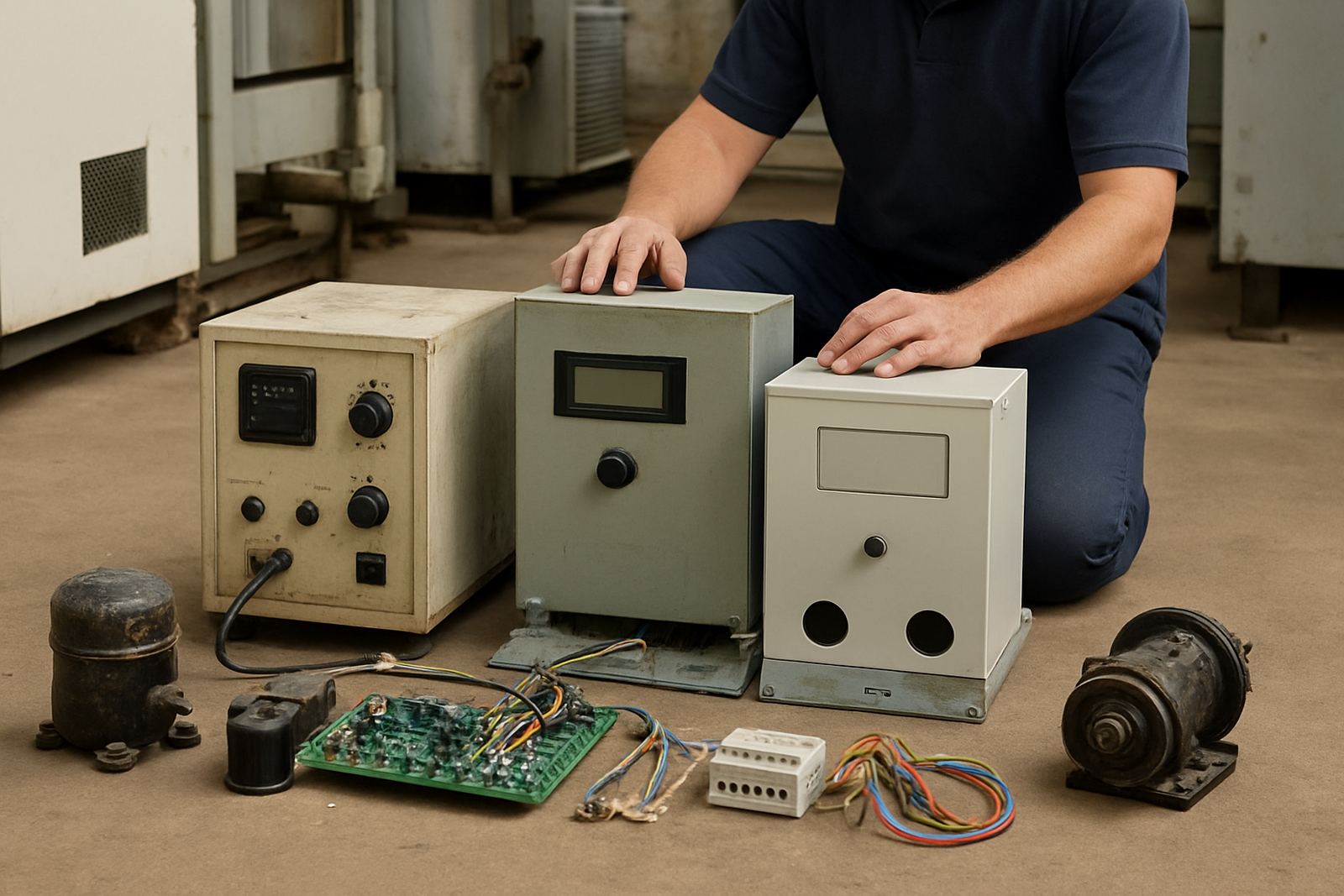
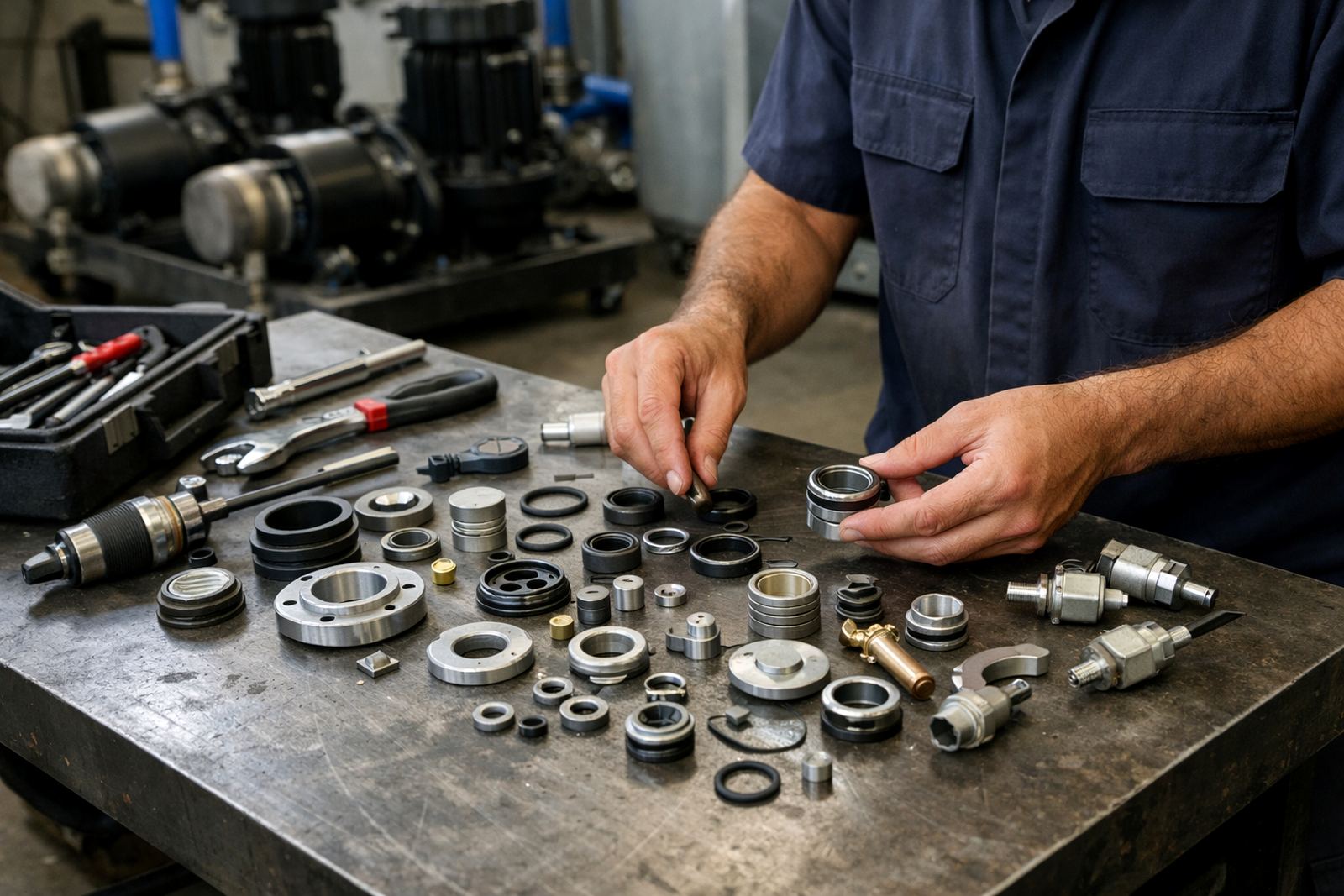
Spares To Keep

Spares To Keep

A small stock of practical spare parts can reduce downtime when faults occur unexpectedly.

Water Leak Risks

Water Leak Risks

Leaks can damage nearby equipment and often point to pressure, vibration or fitting issues.

Glycol When Needed

Glycol When Needed

Glycol mixes are useful in low-temperature or exposed systems where freeze protection is required.

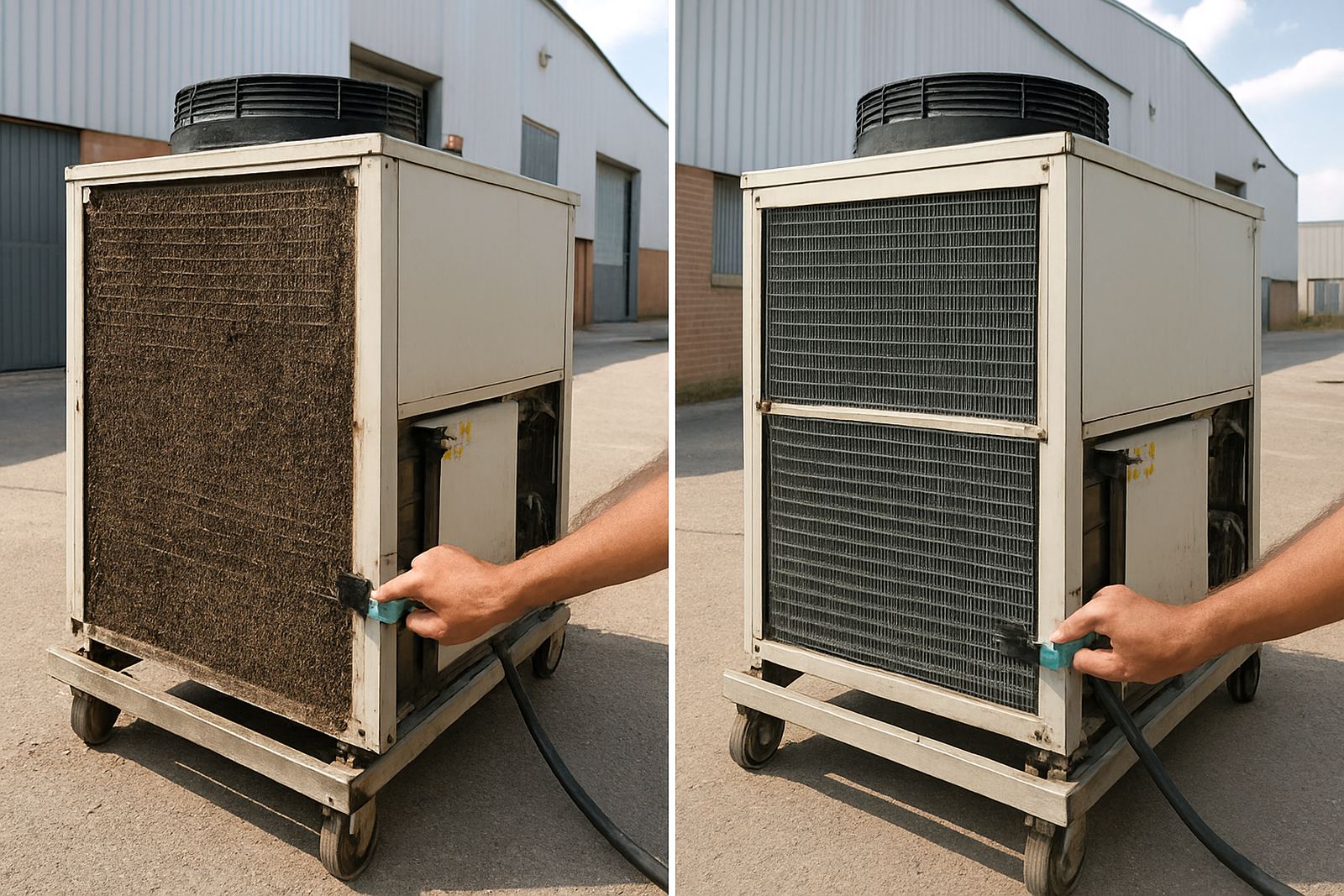
Clean Condenser Importance

Clean Condenser Importance

Dirty condenser surfaces make chillers work harder and can reduce available cooling capacity.

Matching Load And Unit

Matching Load And Unit

Correctly matching thermal load to equipment size improves control and avoids unnecessary strain.

Commissioning Checklist

Commissioning Checklist

A proper commissioning checklist helps confirm safe operation before full production use begins.

Training Operators Well

Training Operators Well

Basic operator training can prevent incorrect settings and improve early fault reporting.

What the Cooling Journal Covers

Our journal brings together short, practical articles for plant managers, maintenance teams and production supervisors who need straight answers on cooling equipment. The focus is industrial water chillers and cooling units used on lasers, moulds and process lines, with examples drawn from day to day work in Alberton, Johannesburg, Pretoria, Durban, Cape Town and Rustenburg.

Articles are written to help you compare operating conditions, identify risk points and plan service work before downtime starts. Whether your site runs through summer heat, load shedding or a dusty workshop, the aim is to give you useful information that fits real South African conditions.

How to Choose the Right Article

Not every cooling problem needs the same answer, so the journal is organised around application and issue type. If you are dealing with unstable temperatures, start with control and commissioning articles. If the issue is wear or repeated breakdowns, look at maintenance and repair topics first.

  • Laser cooling for temperature stability and machine protection
  • Mould cooling for cycle time control and product consistency
  • Process line cooling for continuous production and reduced stoppages
  • Maintenance planning for cleaning, checks and service intervals
  • Fault finding for alarms, flow issues and temperature drift

Cooling Topics That Matter on South African Sites

Industrial cooling in South Africa has its own pressures. Summer heat in Gauteng, humid coastal conditions in Durban and salted air in Cape Town all affect performance. Water quality also matters, especially where scale, dirt or corrosion can build up in pipes, pumps and heat exchangers.

The journal often covers practical matters like water treatment checks, refrigeration repairs, pipework retrofits and control panel upgrades. These are the kinds of details that help equipment last longer and keep production steady when conditions change from one season to the next.

What to Watch Before a Breakdown Happens

A well planned check can prevent a small issue turning into a full shutdown. If your site has uneven cooling or the unit is cycling more often than usual, there may already be a fault starting in the system.

  • Check whether flow rates have dropped or alarms are appearing more often
  • Look for dirt buildup on filters, coils and strainers
  • Review water quality and signs of scale or corrosion
  • Inspect pumps, controls and electrical connections
  • Confirm that the setpoint still suits the application and ambient conditions

These checks support better uptime and make it easier to decide when preventative maintenance is enough, or when a repair is needed now.

Using the Journal for Planning and Training

The journal is also useful for teams that want better internal planning. Articles can support operator training, service scheduling and the handover of cooling knowledge between shifts or sites. That is especially useful where one team covers several branches or production lines.

For example, a supervisor in Ekurhuleni may need quick guidance on temporary cooling during a retrofit while a process manager in Pretoria may be comparing mould cooling options for a new line. The articles are there to support those decisions with practical information, not sales talk.

Stay Focused on Temperature Control

Good process cooling is not only about keeping equipment cold. It is about keeping it at the right temperature, consistently, with enough margin for busy shifts, seasonal heat and power interruptions. That makes temperature control a production issue as much as a technical one.

When you read the journal, look for the parts that match your equipment, your water conditions and your operating hours. A cooling unit that works on a light day may behave very differently on a hot afternoon with full output, so the best advice is always application specific.

Questions we get asked

Who should read the Cooling Journal?

Plant managers, maintenance teams, production supervisors and technical buyers who work with industrial water chillers, mould cooling and process lines.

What kinds of topics are covered?

The journal covers operating issues, preventative maintenance, breakdown repairs, water treatment checks, commissioning, temporary cooling and temperature control for specific applications.

Can the articles help with site planning?

Yes. They are useful for planning service intervals, comparing cooling needs across sites and preparing for seasonal heat, load shedding or water quality issues.

Planning something? Send the team a message.

Contact form