Why Water Quality Matters Before the Chiller Starts Struggling
Most cooling problems do not begin with the compressor or the pump. They begin in the water. When the coolant carries too much hardness, dirt, oil or dissolved salts, it leaves deposits inside heat exchangers, blocks strainers and coats pipework. The result is slower heat transfer, higher discharge temperatures and more trips on hot days when the plant is already under pressure.
In industrial systems, water quality is not just a maintenance detail. It affects production, energy use and equipment life. A clean system can keep temperature stable for years, while poor water treatment can turn a good chiller into a costly repair job in a short space of time. On some sites the first sign is a mould tool that will not pull temperature down properly, or a laser that starts to show unstable process conditions after lunch.
What Poor Coolant Water Does Inside the System
When water quality is wrong, the damage is usually gradual. Scale forms on heat transfer surfaces and acts like insulation. Fouling builds up in pipework and valves, restricting flow. Corrosion can attack steel, copper and mixed-metal parts, especially where the water chemistry is out of balance. In coastal areas like Durban, salt in the air can also make exposed components work harder if the plant room is not kept properly sealed.
- Scaling reduces heat transfer and forces the chiller to run longer.
- Fouling narrows waterways and can cause low flow alarms.
- Corrosion weakens fittings, joints and internal surfaces.
- Biological growth can block filters and foul sensors.
- Oil contamination from process leaks can reduce cooling efficiency and stain system water.
Once these issues take hold, cleaning the system becomes more difficult and more expensive. A simple top up with untreated water can carry the problem back into the loop, so the source water and the refill method both matter.
Common Water Problems Found on South African Sites
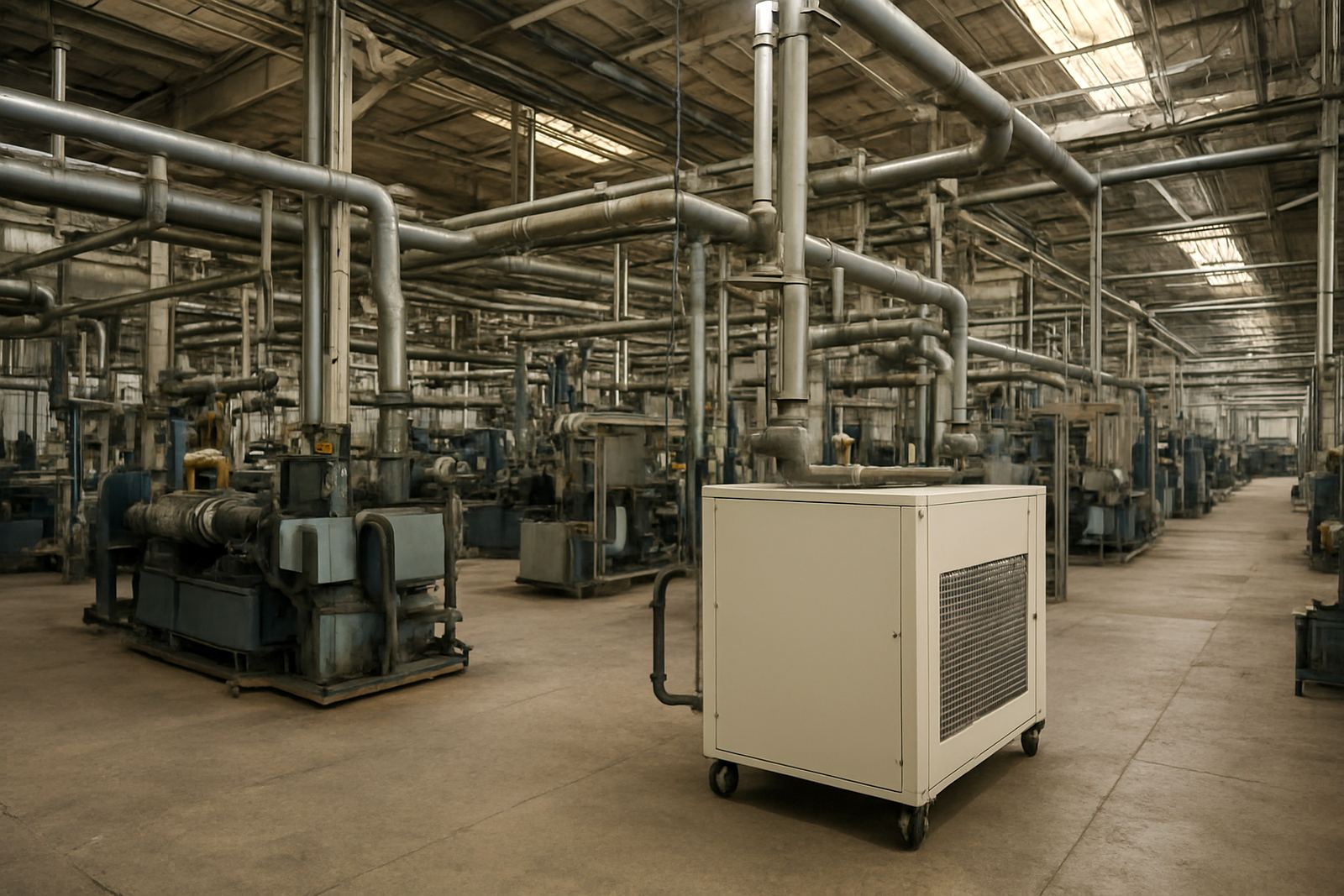
Across Johannesburg, Pretoria, Alberton and Germiston, many industrial sites rely on municipal water for top ups or initial fills. That water quality can vary quite a bit depending on the area and the time of year. Hardness, chlorides and sediment are common concerns. In Rustenburg and parts of the Highveld, dust ingress can also be an issue where plant rooms are near loading areas or fabrication bays.
Load-shedding adds another layer. When pumps stop and restart, stagnant water can sit in the system longer than planned. That makes it easier for debris to settle and for biological growth to take hold. If a site has temporary cooling connected during a breakdown, the risk is even higher because the emergency arrangement is often put in quickly and checked later, not before.
- Hard water causes limescale on coils and heat exchangers.
- Dirty water can clog spray nozzles and strainers.
- High conductivity can increase corrosion risk in mixed metal systems.
- Incorrect glycol mix can affect freeze protection and heat transfer.
We often see the same pattern: a system works fine for a while, then performance slips and the team assumes the chiller is undersized. In many cases the machine is not the root cause. The water is.
Simple Checks That Catch Trouble Early
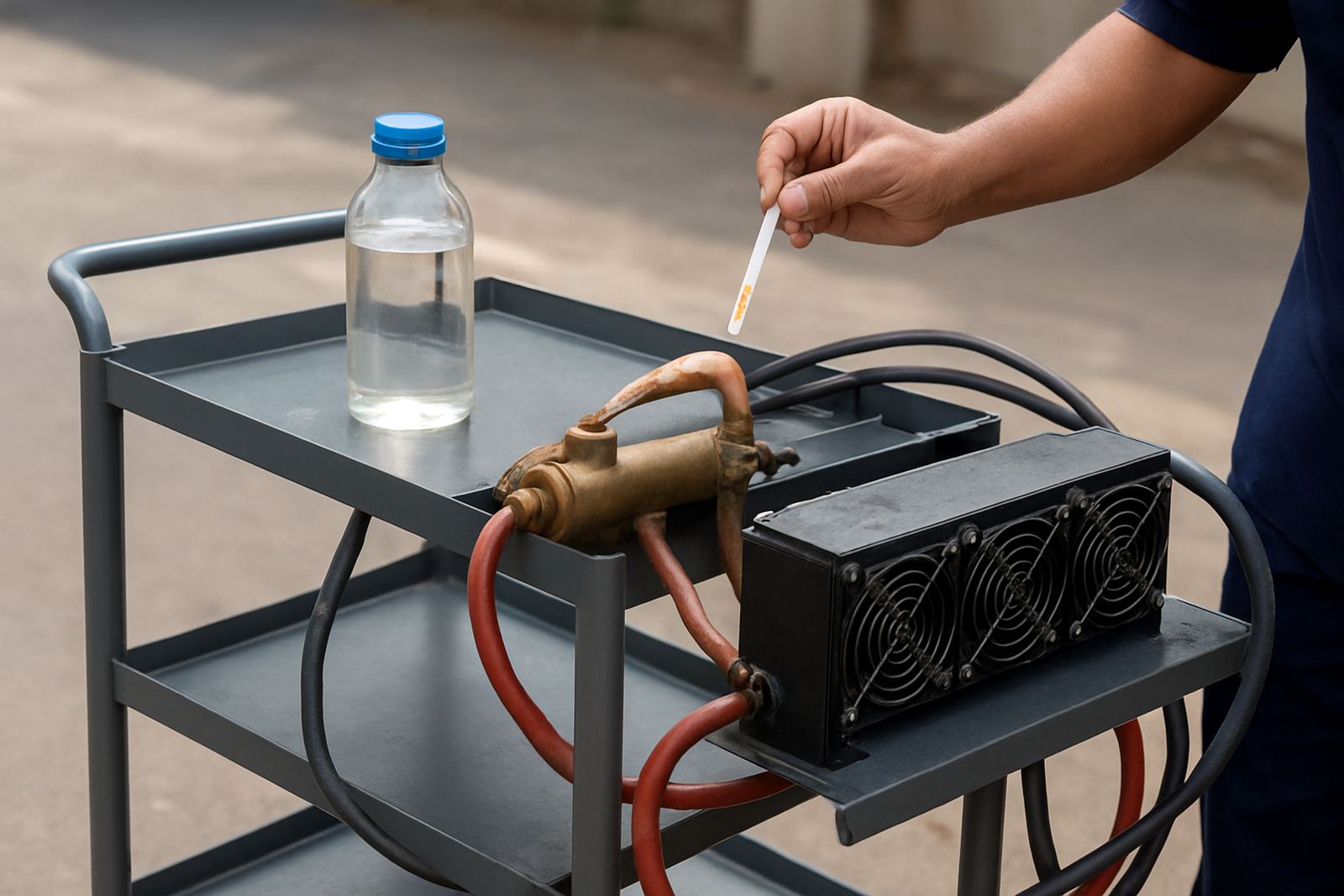
Water treatment does not need to be complicated, but it does need to be consistent. Regular checks should form part of planned maintenance, especially on laser cooling and mould temperature control where stable flow and steady temperature are critical. A quick test now can prevent a shutdown later.
For most industrial systems, the focus should be on clarity, conductivity, pH, hardness and visible contamination. If the water looks cloudy, smells stale or leaves white deposits in fittings, it is time to investigate further. Operators should also watch for unusual pump noise, lower than normal flow and temperature swings that did not used to happen. Those are often the first signs of fouling or blockage.
- Check the expansion tank and sight glass for colour changes.
- Inspect strainers after any maintenance work.
- Test pH and conductivity at set intervals.
- Confirm the glycol concentration where freeze protection is required.
- Record top up volumes so abnormal losses are picked up quickly.
Why Laser, Mould and Process Line Cooling Need Different Attention
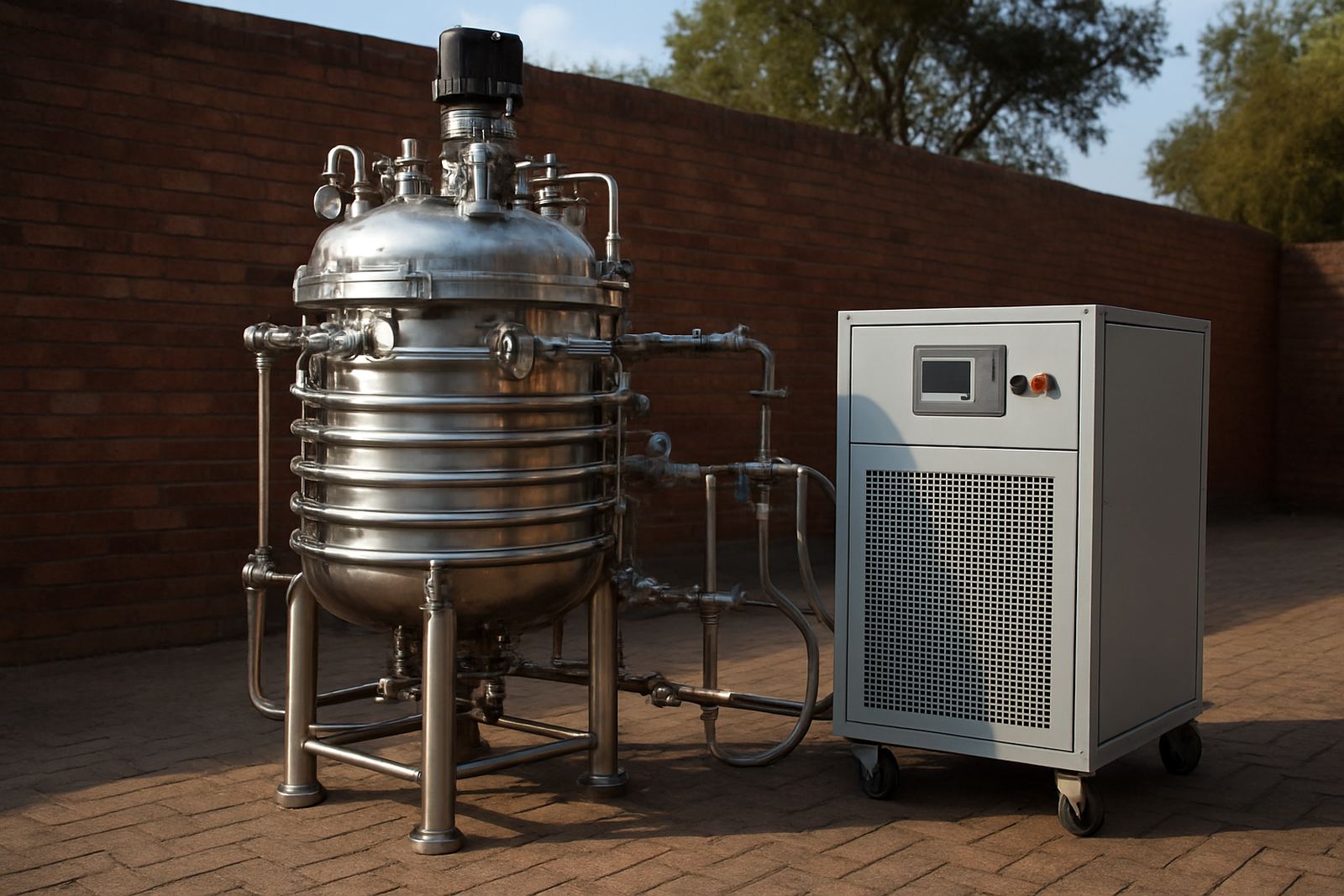
Not every cooling application needs the same water condition. Laser systems usually demand clean, stable water with tight control over contamination because fine passages and sensitive components can be affected fast. Mould cooling often deals with higher dirt loads from the production environment, so flow control and filtration become important. Process lines may need larger volumes and longer pipe runs, which increases the chance of sediment and corrosion if the water chemistry is poor.
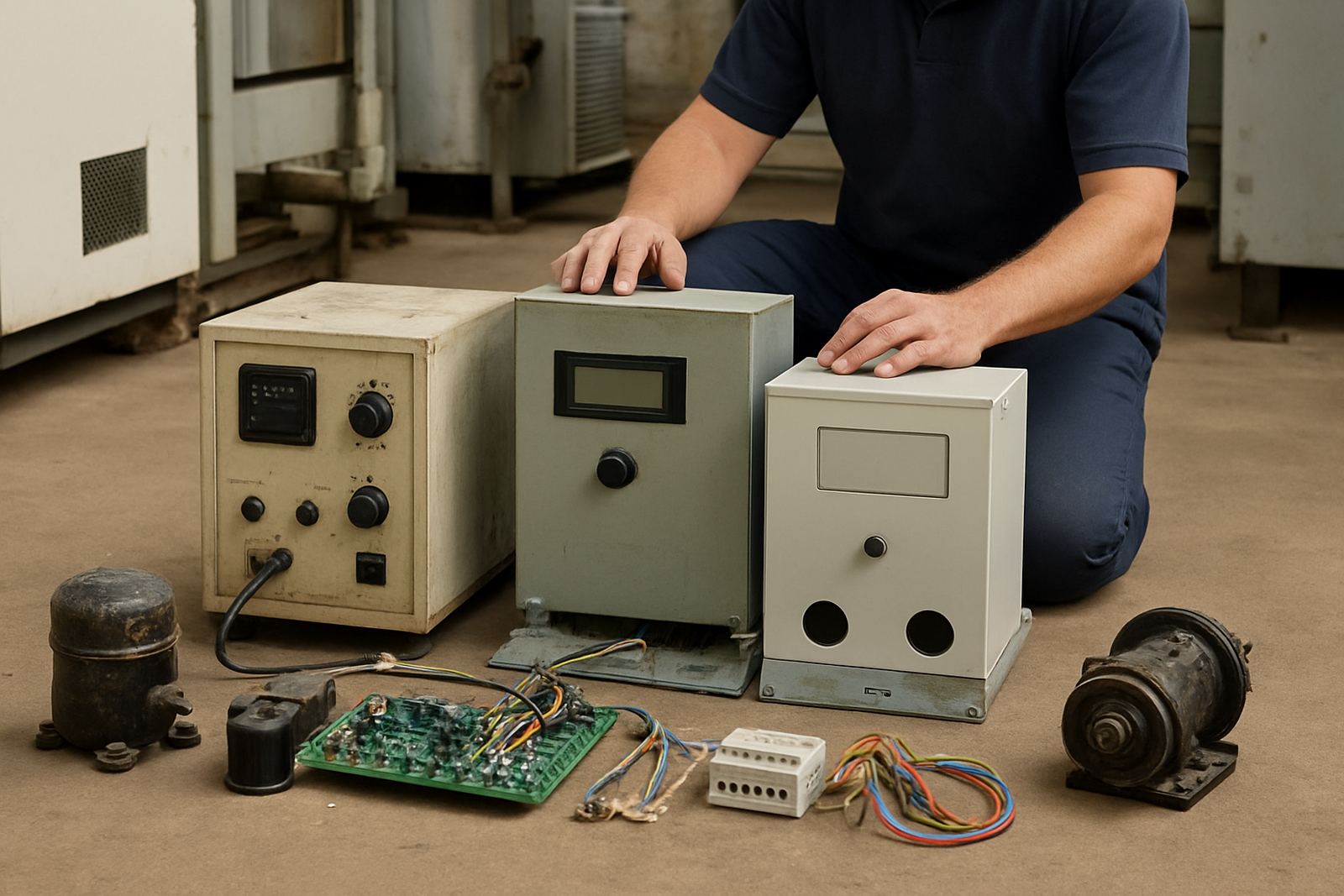
That is why one treatment method rarely suits every site. The right approach depends on the duty, the pipework materials, whether glycol is used, and how often the system is topped up. A factory in Alrode with indoor plant may have one set of problems, while a site in Cape Town facing salt air and seasonal moisture sees another. Even the same machine can need different care after a pipework retrofit or a control panel upgrade.
Small details matter here. A filter that is too coarse, a chemical dose that is left unchecked or a missed flush after repairs can undo months of good work. It only takes a little dirt to start a bigger problem later on.
A Practical Example from an Alberton Factory
On a busy manufacturing site in Alberton, a chiller serving a process line began losing capacity during afternoon shifts. The team had already checked the compressor and fans, but the water side had not been tested properly. When the system was inspected, the cooling circuit had visible scale inside the strainers, and the return water carried fine sediment from repeated top ups. The plant had also been affected by load-shedding, which meant longer periods of stagnant water during stop-start operation.
After the circuit was cleaned, the water treatment plan was reset and the operator was shown what to check each week. The result was steadier temperatures, fewer nuisance alarms and less strain on the pump. The improvement was not dramatic in one day, but it was clear within the first few weeks. The biggest change was not a new machine, just better control of the water that fed the machine.
That is the point many sites miss. Water quality is not a one-off job. It needs ongoing attention, especially where production runs long hours and service windows are short.
A Better Routine for Long-Term Cooling Performance
Good coolant water quality comes down to routine. Keep the system clean, test it often and correct problems before they spread. Make sure operators know what normal looks like and when to report a change. If a system has had repeated breakdowns, corrosion, or pipework work done on it, a cooling audit can help identify the weak spots and set a proper baseline.
Raynen supplies and services industrial water chillers and cooling units from Alrode, Alberton, with support across Johannesburg, Pretoria, Durban, Cape Town and Rustenburg. Our team works on installations, commissioning, preventative maintenance, breakdown repairs, water treatment checks, pump replacements and temporary cooling for plants that need to keep going while a fault is sorted. If your coolant water has not been tested in a while, it is worth getting it checked before scaling and fouling cut into performance any further.
- Flush and clean the circuit when contamination is found.
- Keep records of water tests and maintenance dates.
- Use the correct treatment for the application, not a general fix.
- Train operators to spot early warning signs.
When the water is right, the chiller works less hard and lasts longer. That is the part that saves money over time, and avoids the kind of failure that always seems to happen on a hot afternoon.