What a retrofit is really meant to fix
A retrofit is usually worth considering when the cooling plant still has value but key parts of it are making daily work harder. That might be a tired control panel, weak temperature stability, poor alarm handling or components that are no longer easy to source. In South African plants, this often shows up after years of patch repairs, especially where equipment has been kept going through load-shedding, dust, heat and long operating hours.
The point of a retrofit is practical. You keep the parts that are still sound and upgrade the sections that are causing trouble. That can mean controls, pumps, pipework, sensors, electrics or service access. It is often a better call than waiting for a full failure and then scrambling for temporary cooling at short notice.
Signs your chiller is past simple repairs
Some systems can be repaired many times, but there comes a point where the same faults keep returning. If the unit is tripping, hunting for temperature, struggling to recover after production peaks or needing constant manual attention, the real issue may be the age of the control and support components, not just one failed part.
- Temperature swings are affecting laser output, mould finish or process consistency
- Repairs are becoming more frequent and more expensive
- Spare parts are slow to find or no longer supported
- Operators are bypassing alarms just to keep production moving
- Cooling performance drops when ambient temperatures rise
- The system is difficult to isolate, clean or service safely
When these issues start stacking up, a retrofit can usually do more for uptime than another round of isolated repairs. It also makes it easier for a technician to work on the unit without shutting down half the plant.
Where retrofits pay off most on site
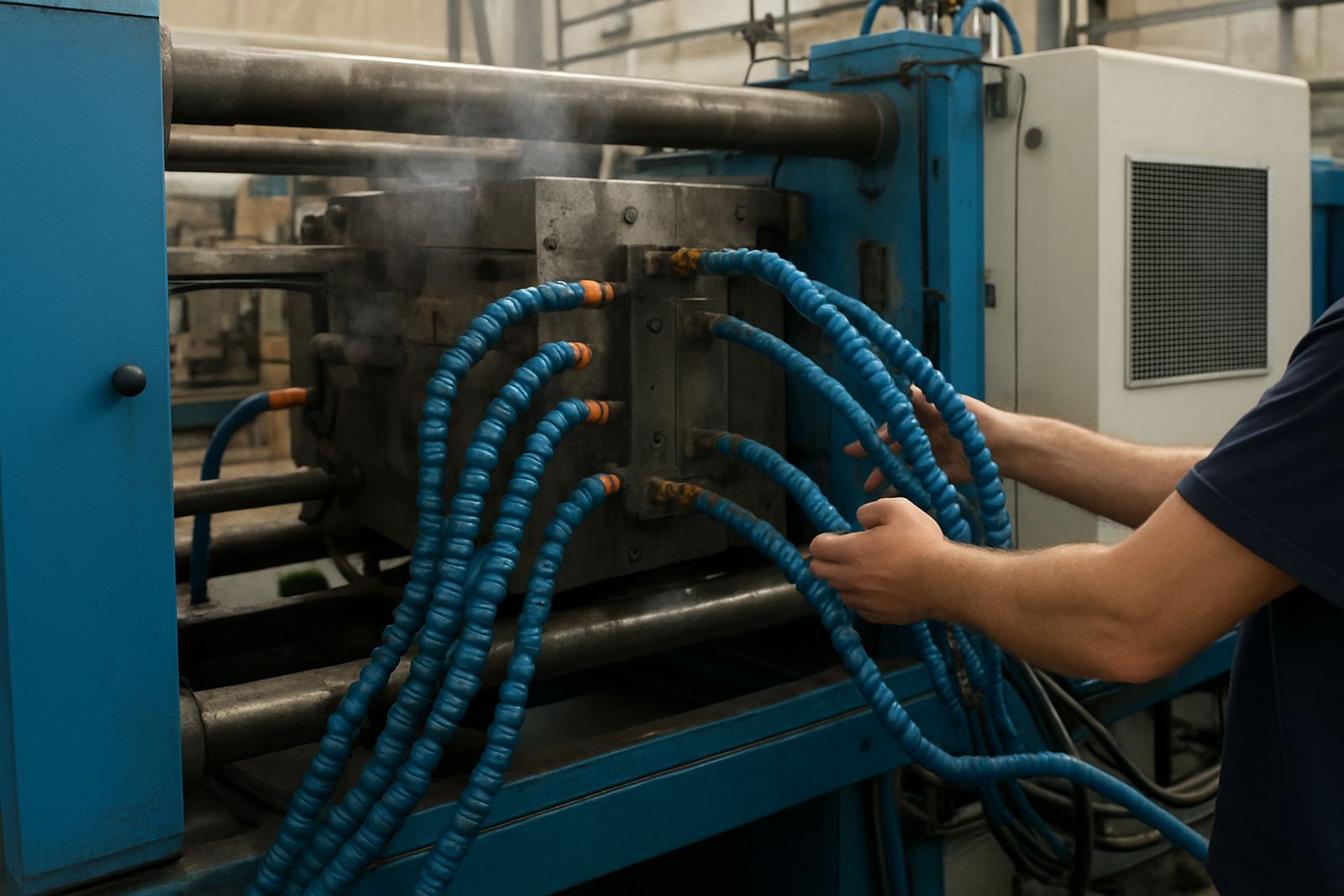
Not every application needs the same upgrade. On laser cooling, tighter temperature control can protect cut quality and reduce nuisance stops. On mould cooling, steadier water temperatures can help keep cycle times predictable and improve finish. On process lines, the main gain is often consistency, especially when production runs for long shifts and the plant cannot afford drift.
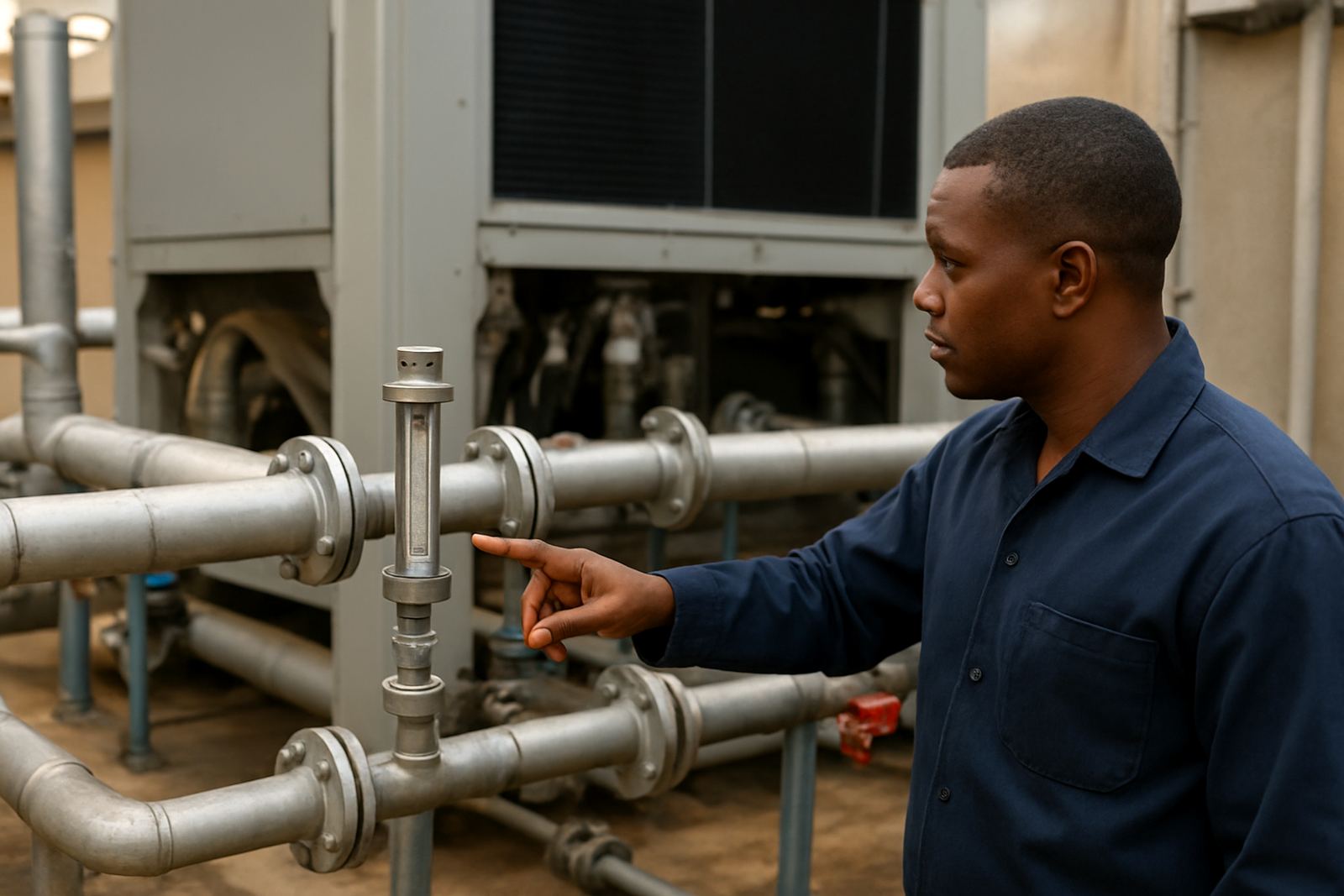
We often see value in retrofits where the original installation was built around older controls or undersized support equipment. A well planned upgrade can also make the system easier to integrate with the rest of the site, especially where cooling has to respond to changing load, multiple machines or seasonal heat. In coastal areas like Durban, corrosion and humidity can also justify a closer look at electrics, enclosures and pipework protection.
A practical retrofit scope that makes sense
A proper retrofit should be based on a site assessment, not guesswork. The best scope is the one that solves the real fault pattern and fits the way the plant operates. That may include instrumentation, plumbing changes, pump changes or better control logic, but it should stay focused on what improves performance and serviceability.
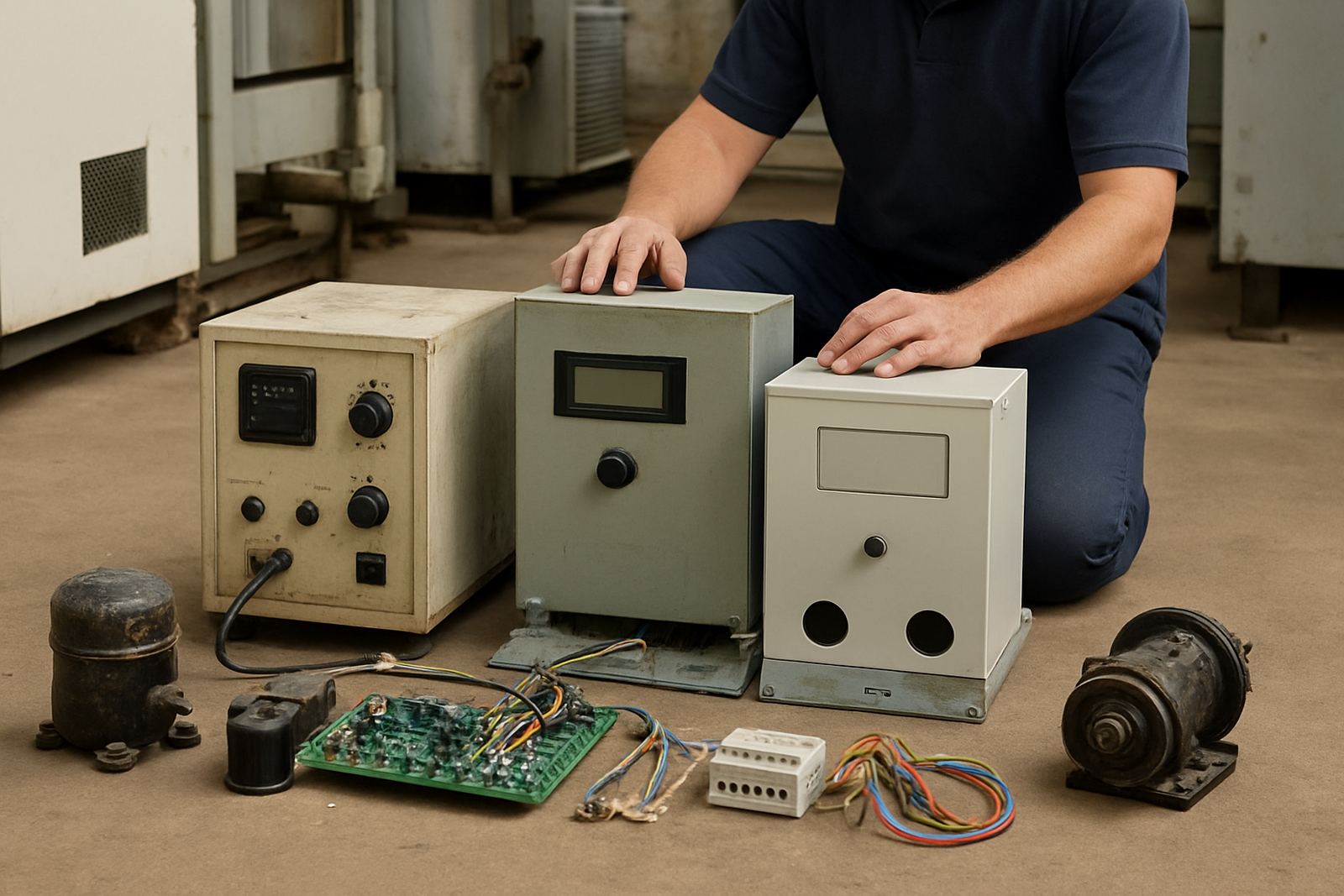
- Control panel upgrades for clearer alarms and safer operation
- Pump replacements where flow has dropped or seals are failing
- Pipework retrofits to improve access and reduce pressure loss
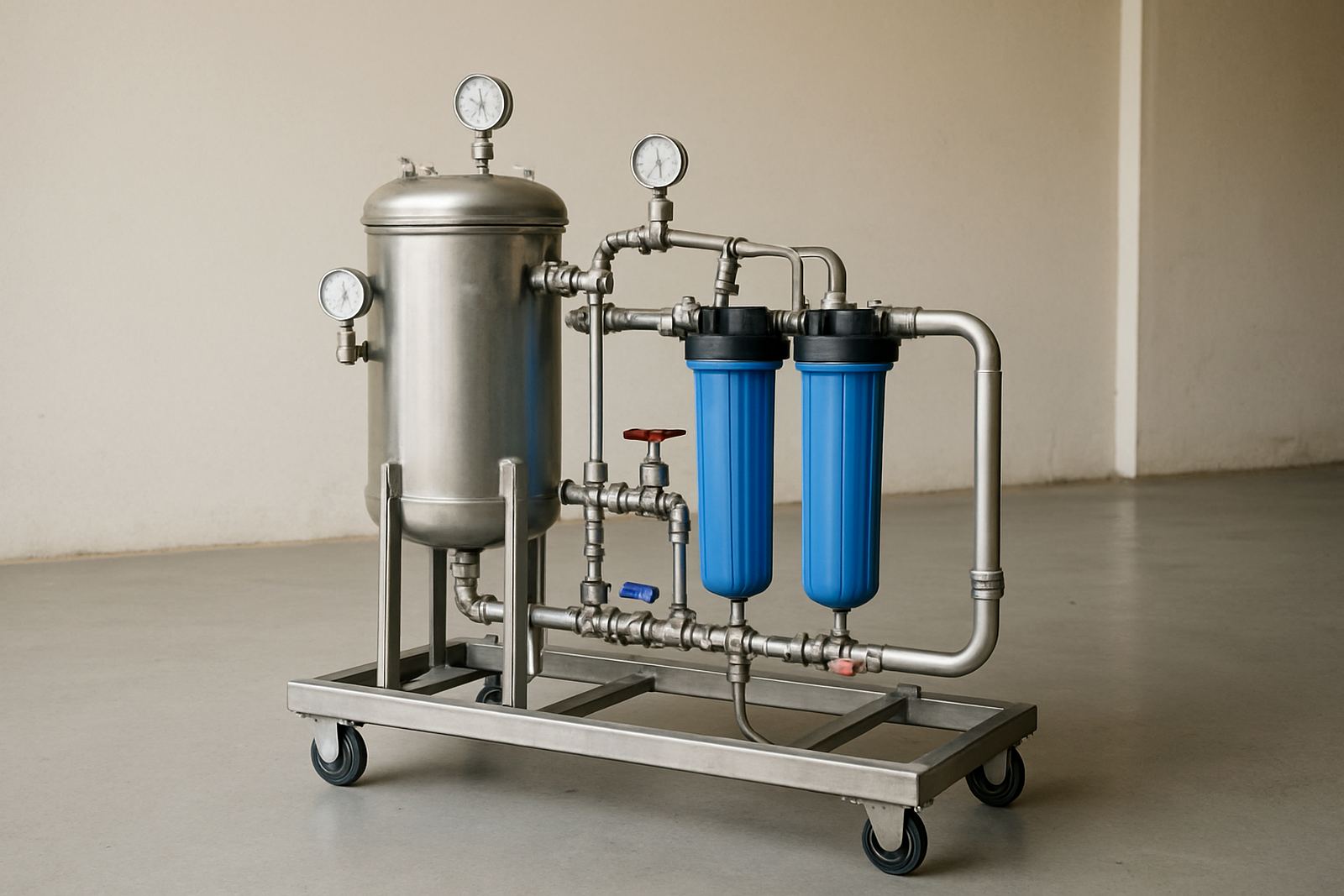
- Water treatment checks to cut scaling, corrosion and fouling
- Temporary cooling while the upgrade is being completed
- Operator training so the team can manage the system properly
It is also worth checking whether the chiller room itself is part of the problem. Poor ventilation, cramped access and blocked maintenance space can turn a good machine into a daily headache.
Why timing matters for South African plants
Many retrofit decisions are made too late. A plant waits until summer demand peaks, then the system begins to struggle and the upgrade becomes an emergency job. That is when lead times, shutdown planning and temporary cooling all become harder to manage. A planned retrofit lets you schedule work around production, municipal rules and any permit or isolation requirements on site.
For facilities in Alberton, Johannesburg, Pretoria, Rustenburg, Cape Town or Durban, timing also matters because local conditions differ. Inland sites often deal with dust and high heat. Coastal sites deal with moisture and corrosion. Mining and heavy industrial areas may face harder water quality and more aggressive operating cycles. A retrofit should account for that, not just the age of the machine.
A local example from the East Rand
At a production site near Alberton, a chiller serving a process line had reached the stage where it still ran, but only with frequent resets and manual adjustments. The cooling load changed through the day and the operators were spending too much time watching the unit instead of the line. The breakdowns were not catastrophic, but they were eating into output.
After a review, the site opted for a targeted retrofit rather than full replacement. The work focused on controls, pump condition, pipework layout and service access. Once the changes were in place, the system became easier to monitor, quicker to service and far more stable under load. The plant did not need a complete rebuild, just a better fit for how it was actually being used.
That is the real test of retrofit value. If the unit is still structurally sound but the support around it is holding the site back, an upgrade can buy years of better service.