

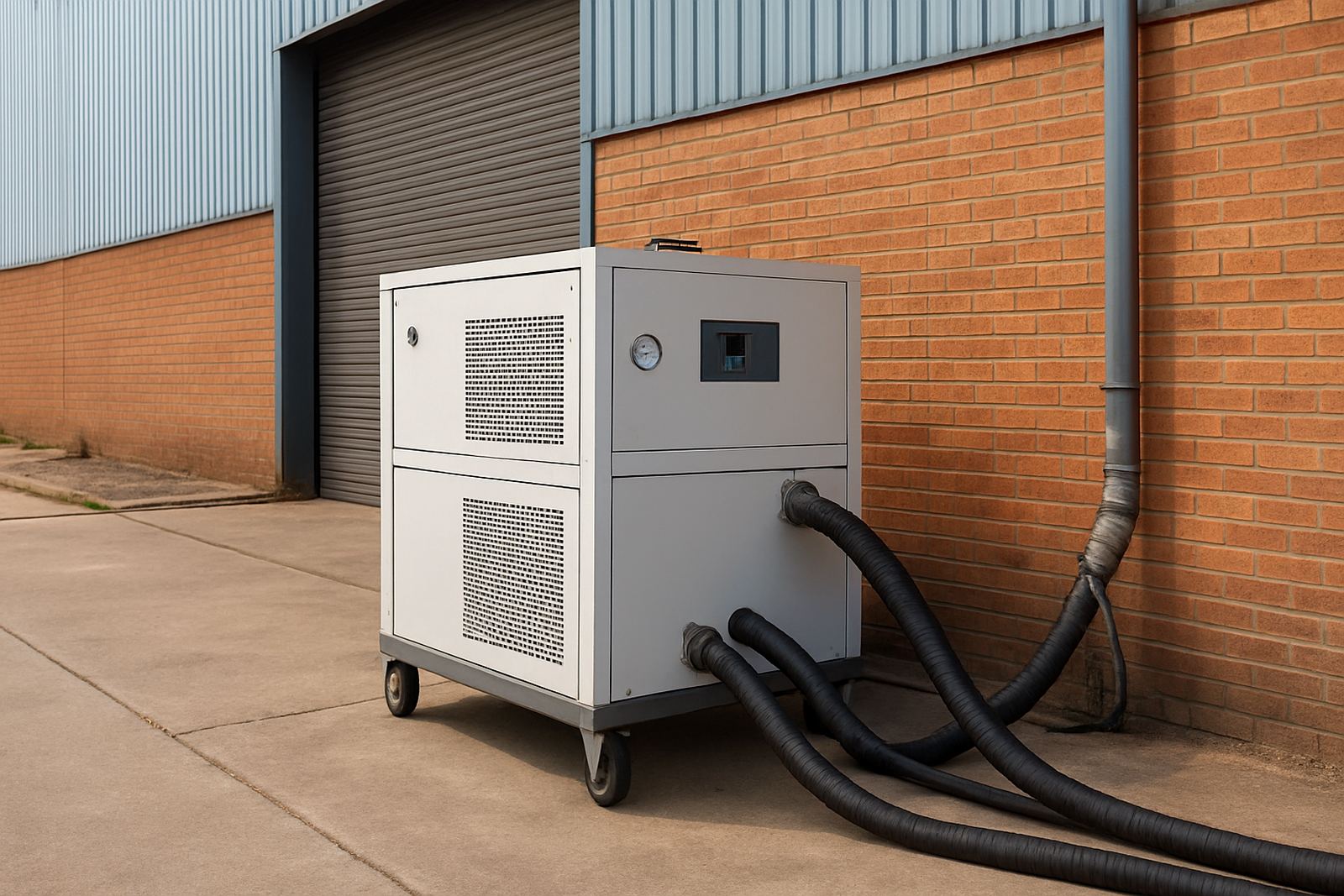
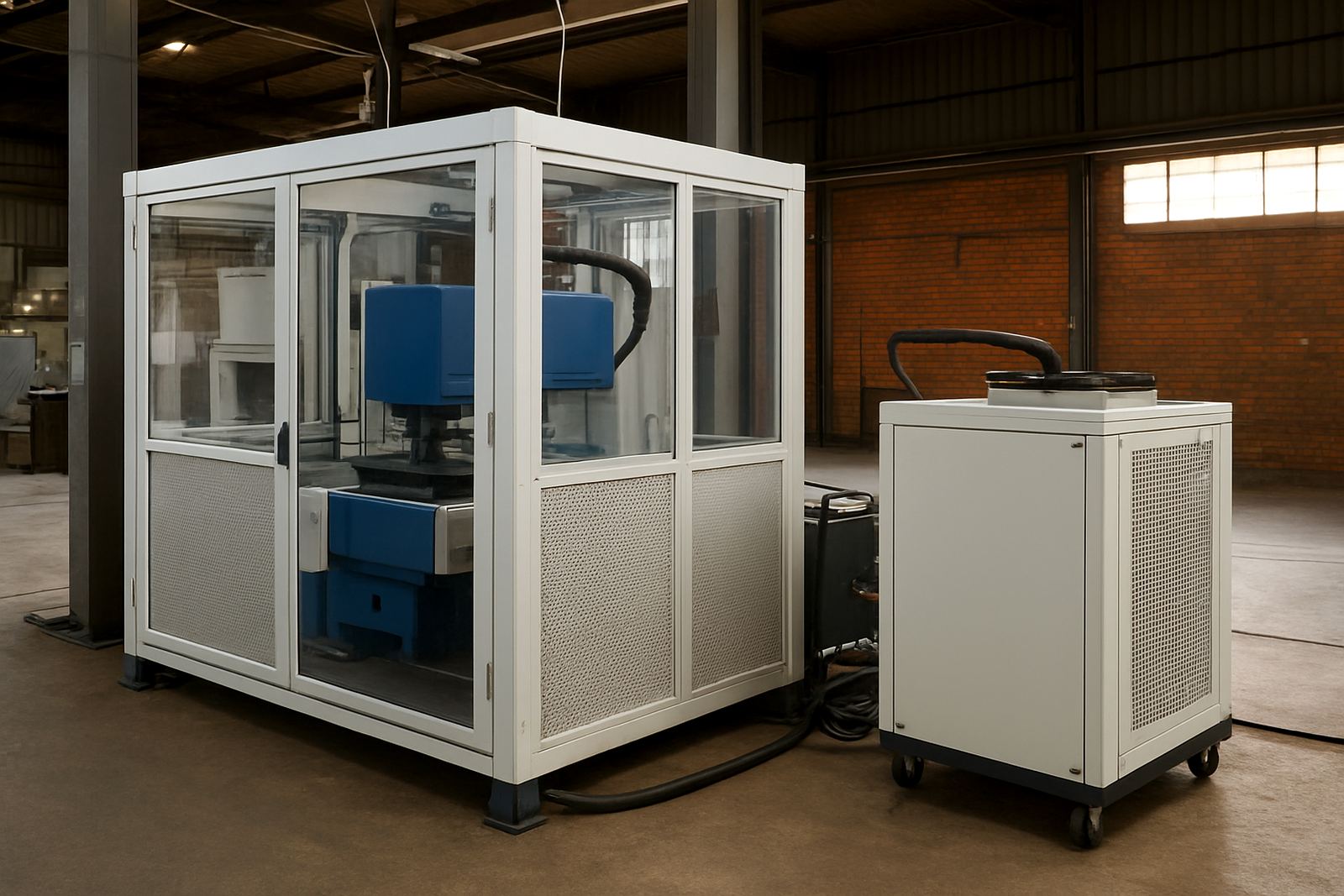
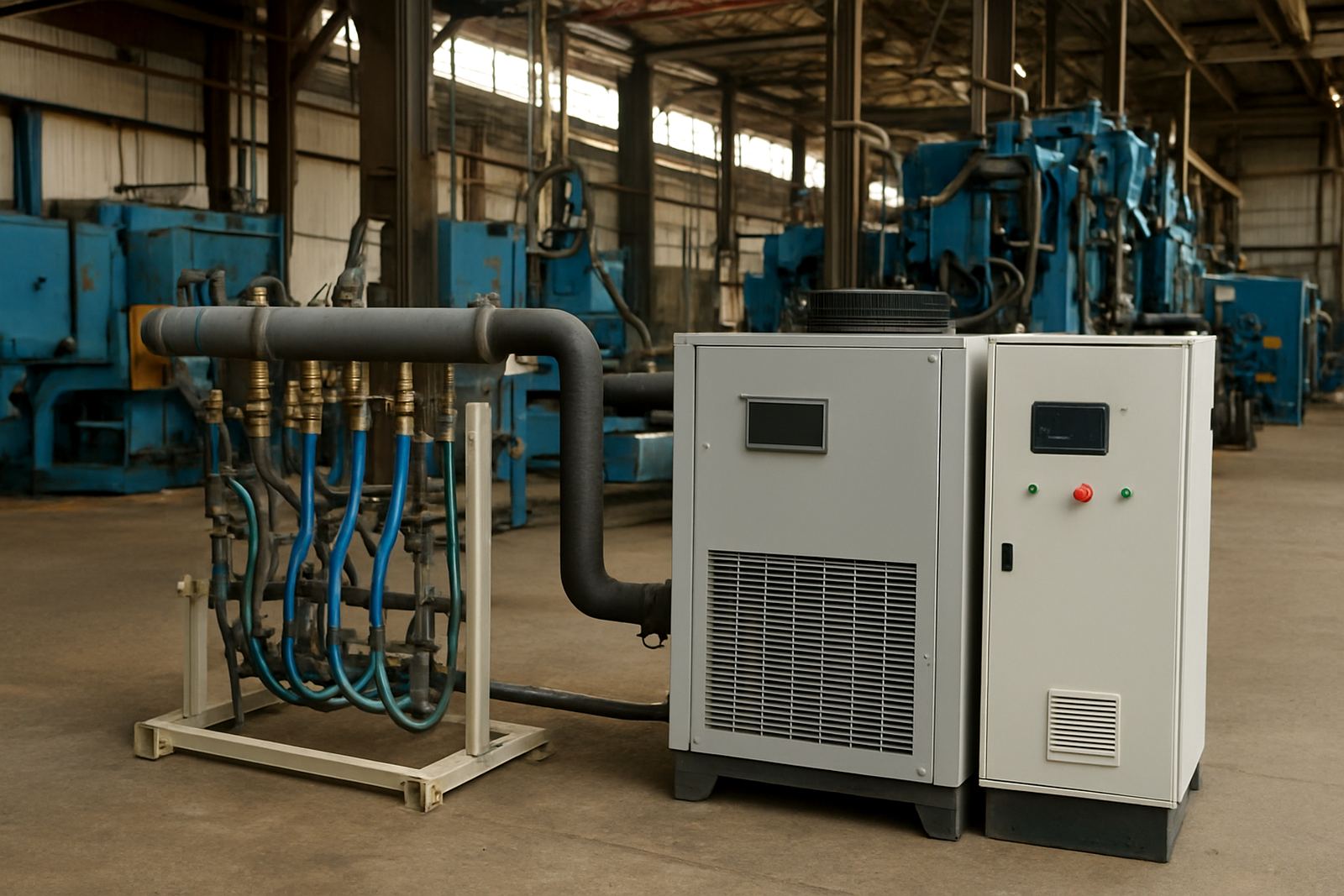
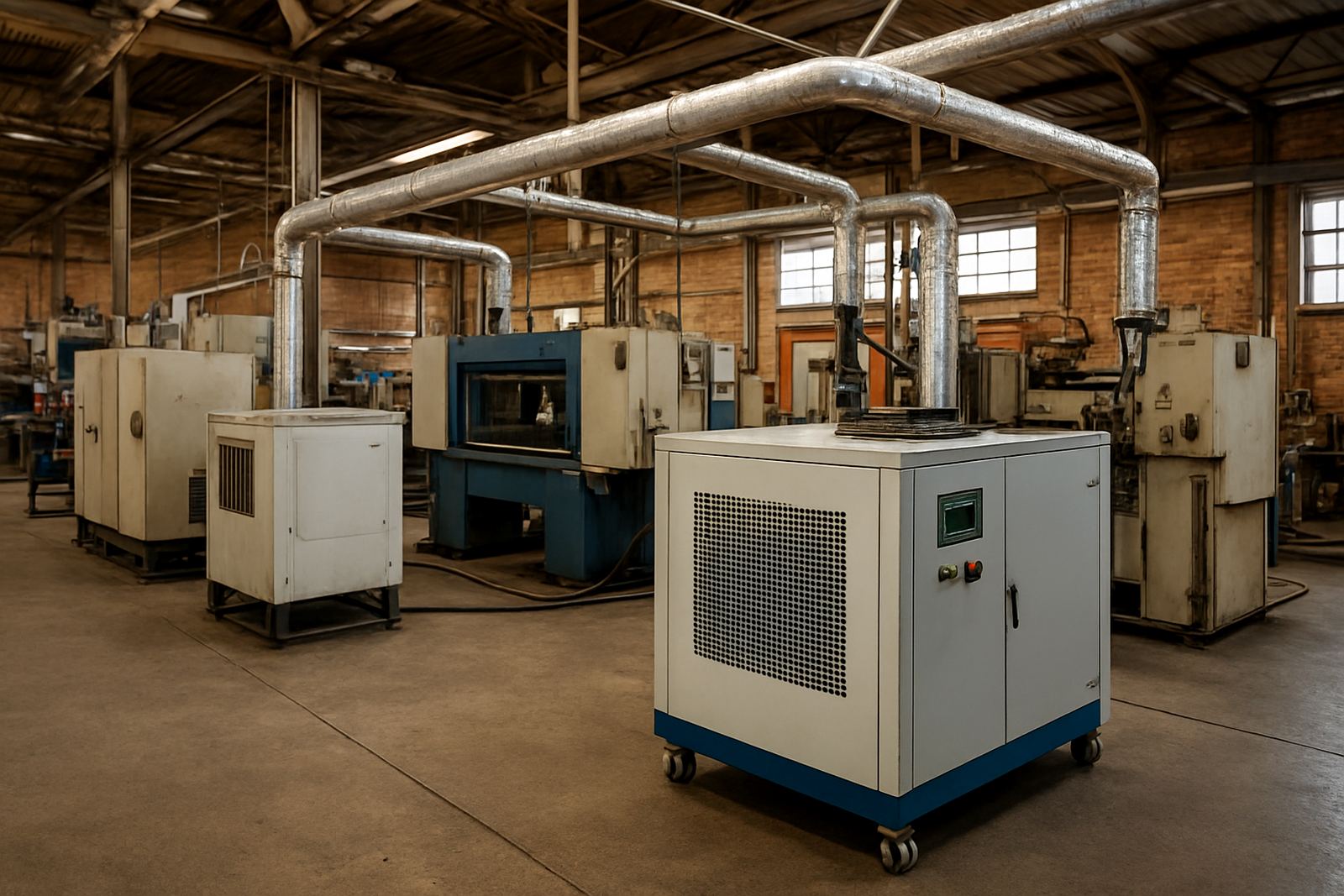
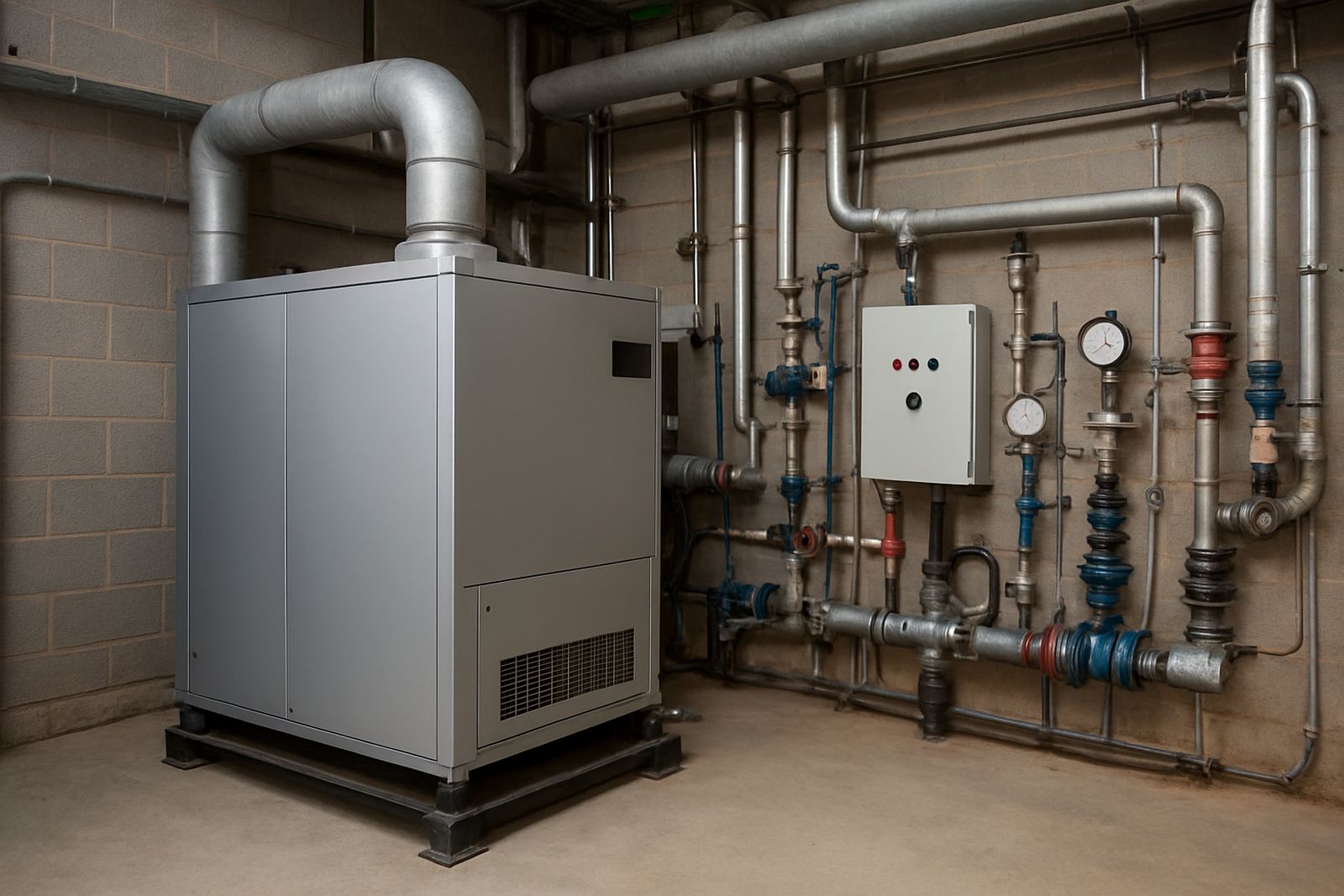
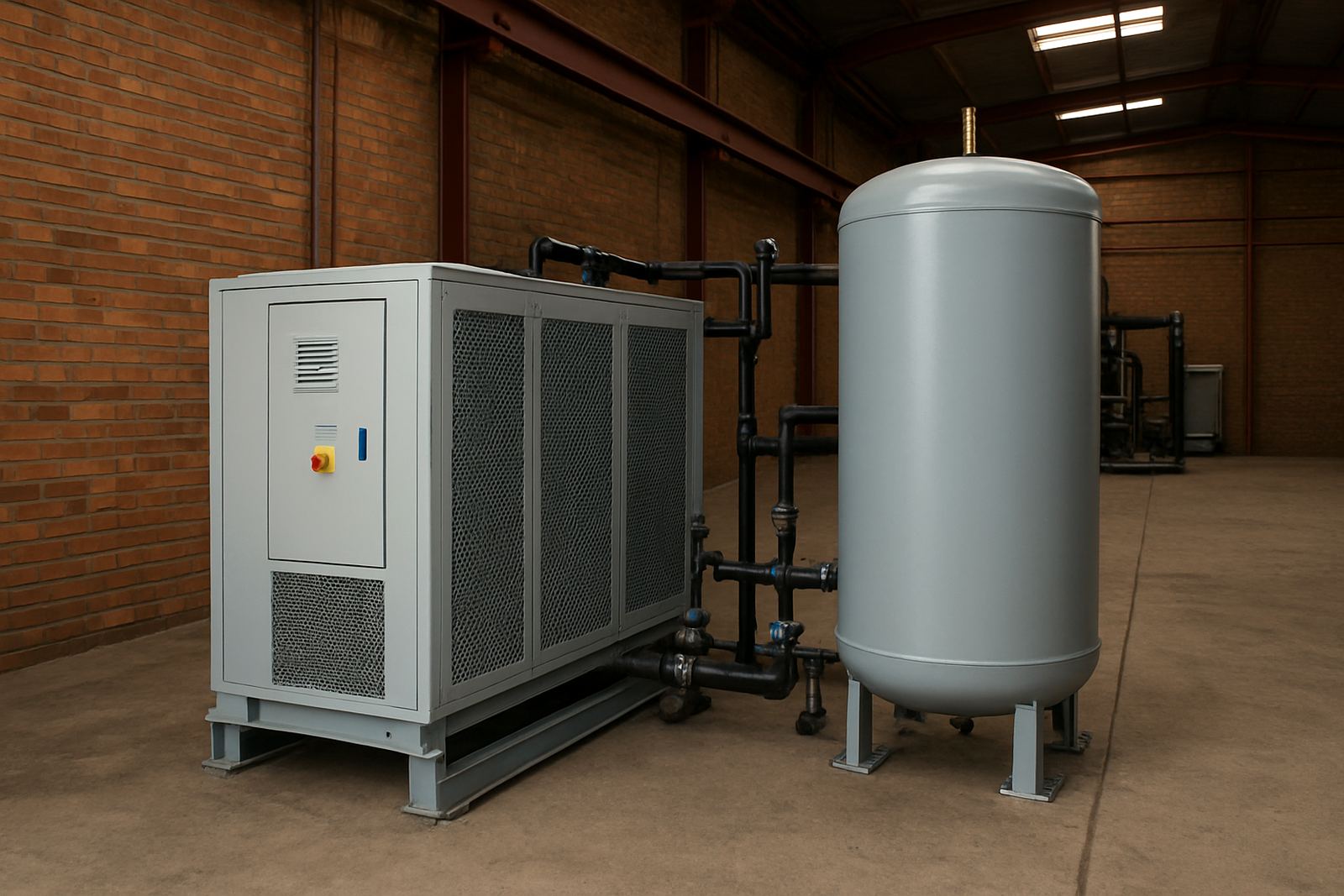
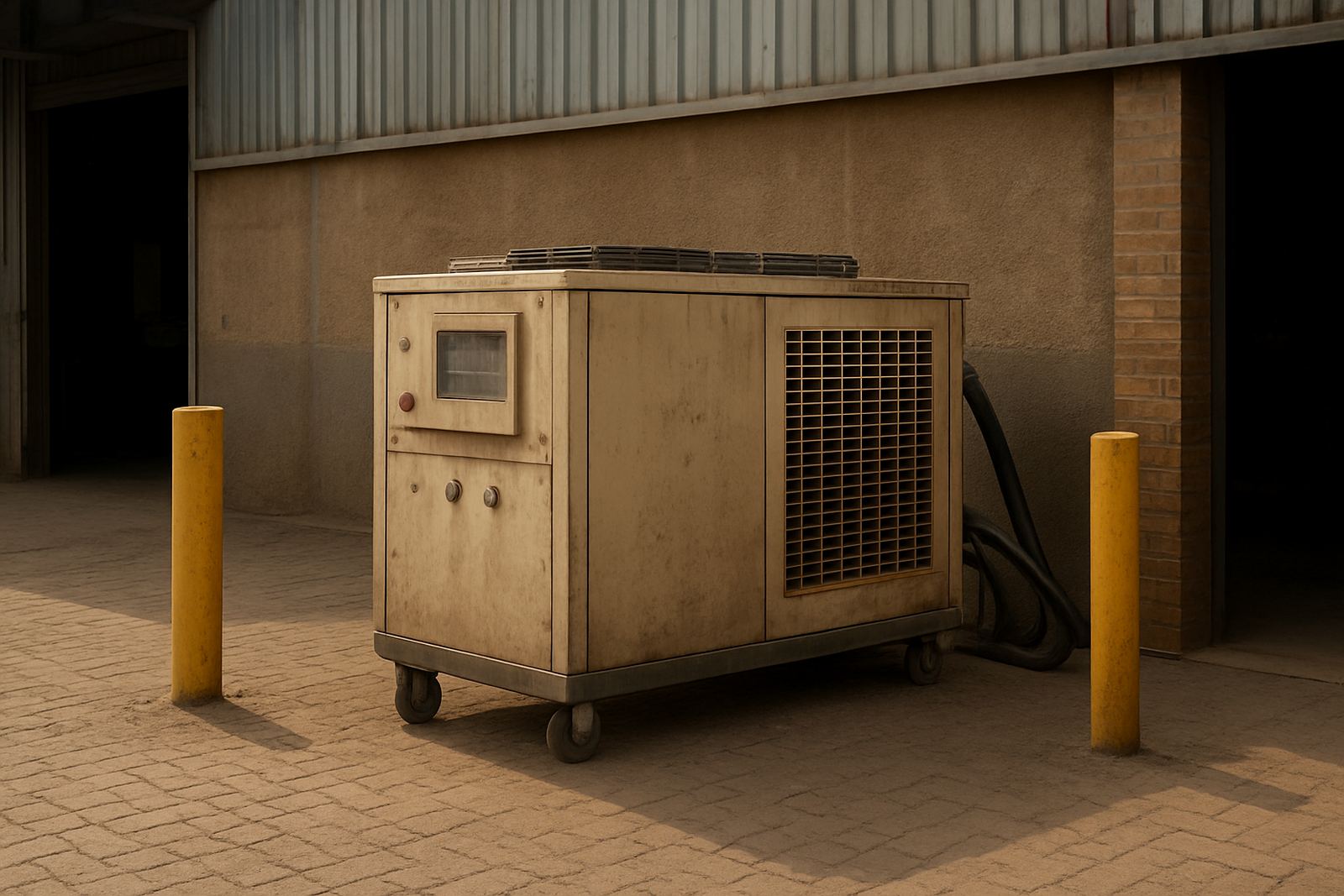
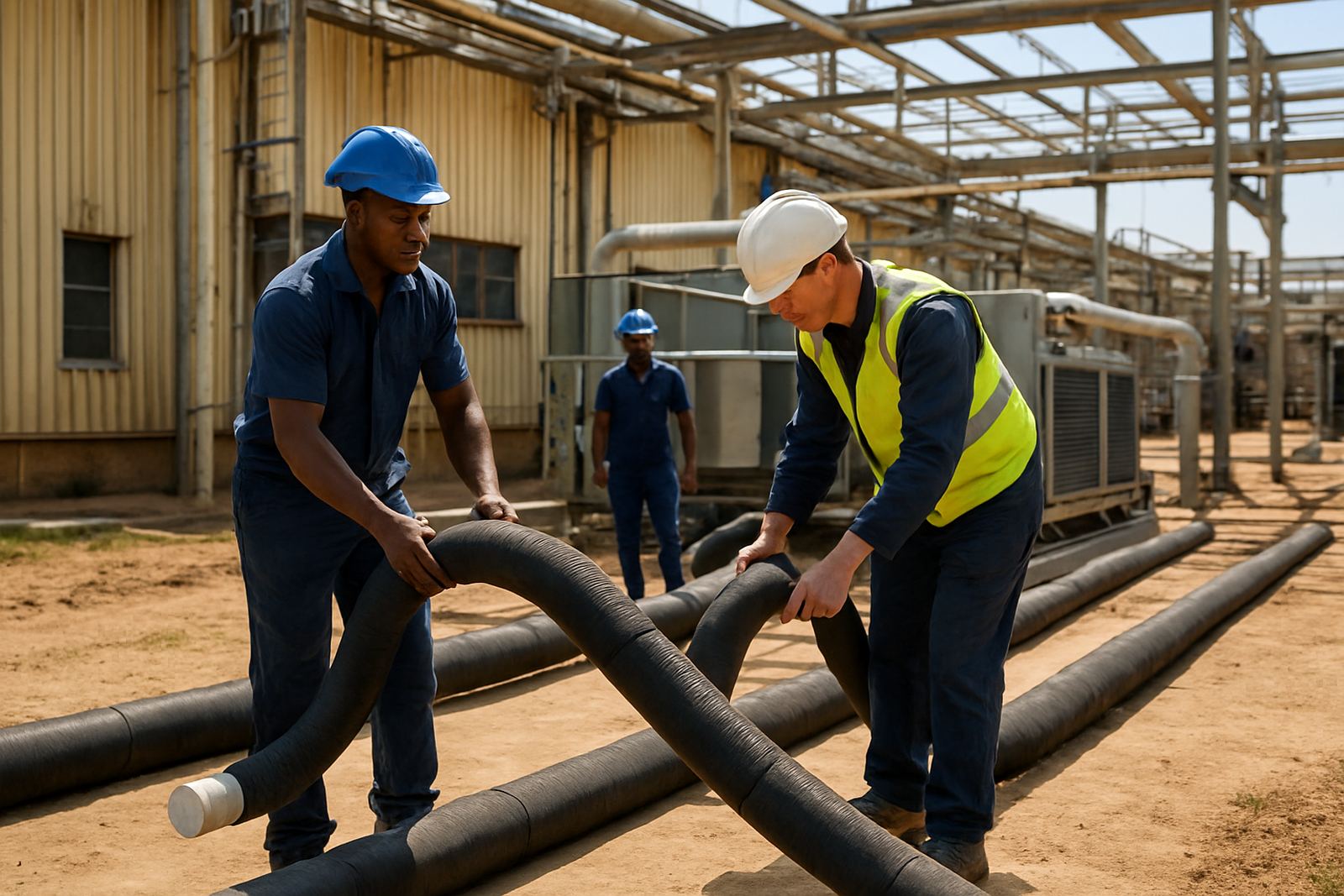
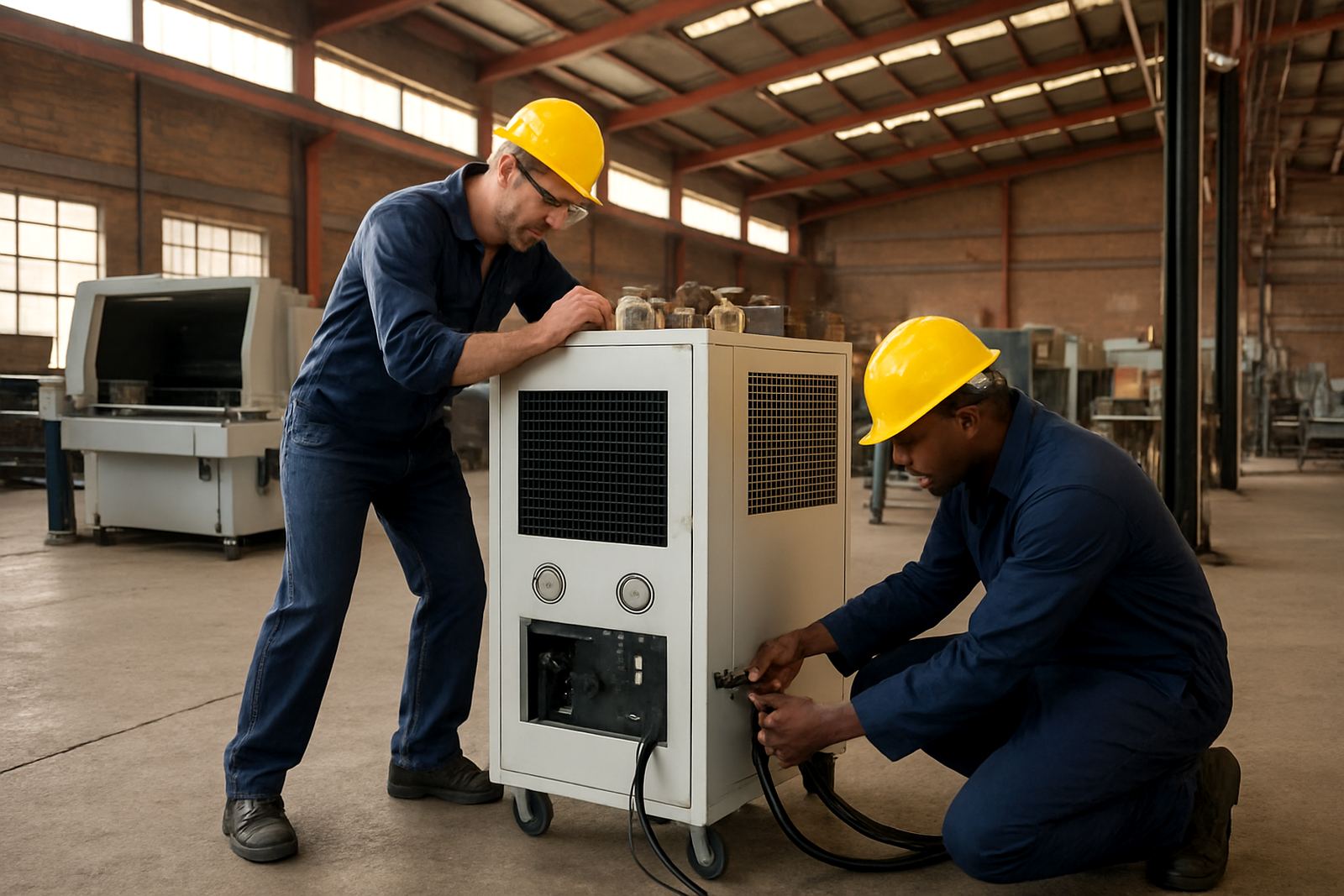
Why these cooling projects matter
Every cooling duty has its own load profile, water quality and operating risk. A laser cell does not need the same approach as a moulding line or a process skid, so the right project starts with the actual heat load, site layout and production hours.
These project pages give you a clear view of the work we do from Alberton and across Ekurhuleni, with installations and service support in Johannesburg, Pretoria, Durban, Cape Town and Rustenburg. They help you compare what is involved before you request a cooling audit or a site visit.
How to choose the right project example
Use the examples as a guide to match your own application, not just the machine size. A good fit depends on the process water temperature, the type of equipment being cooled, ambient conditions and whether the site needs 24 hour operation, backup support or temporary cooling during repairs.
- Laser cooling for stable beam performance and protection against overheating
- Mould cooling for repeatable cycle times and better part consistency
- Process line cooling where temperature control affects quality or output
- Temporary cooling when a unit is down and production cannot stop
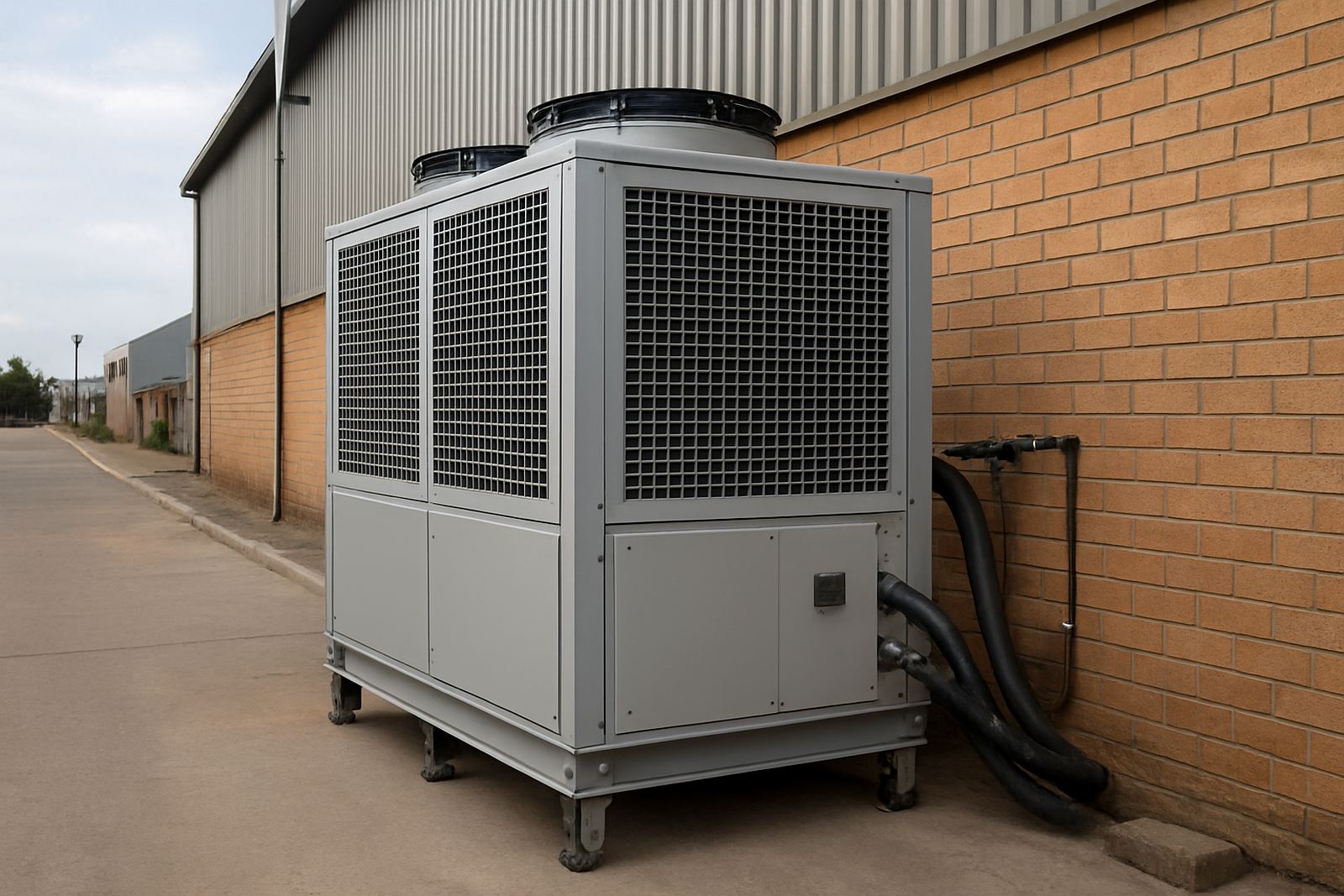
If your plant is in a coastal area like Durban or under heavy summer heat in Gauteng, the duty can shift quickly. That is why each project is assessed on site, not just from a specification sheet.
Laser cooling projects for production stability
Laser equipment needs controlled water temperature, clean flow and dependable alarms. Small temperature swings can affect cut quality, create nuisance trips or shorten equipment life. We install and service cooling units for laser applications in factories, job shops and high volume production lines.
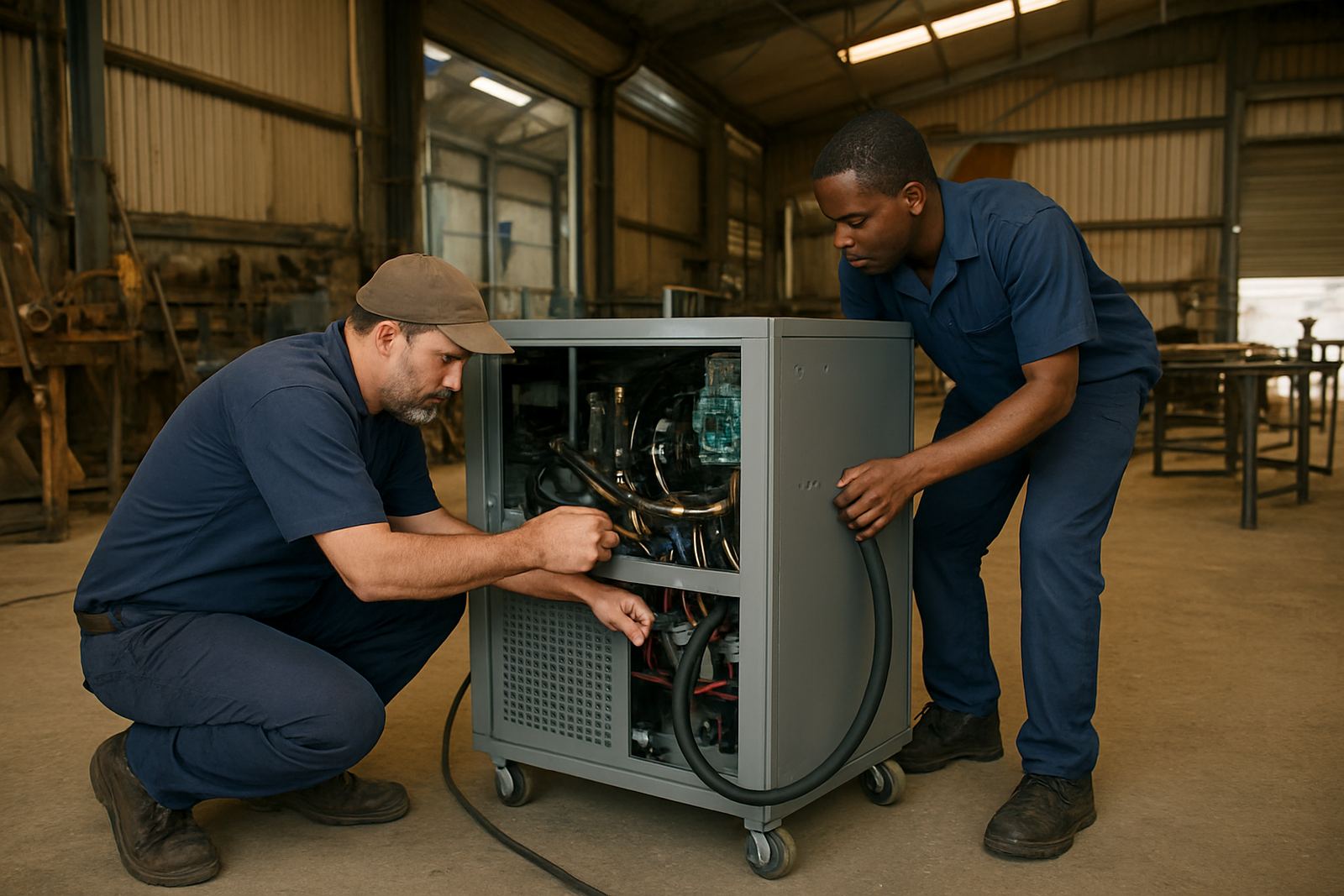
Typical work includes chiller installation, pump replacements, water treatment checks and control panel upgrades. On sites with dust or long operating hours, preventative maintenance becomes just as important as the initial installation, especially when load-shedding causes repeated restarts.
Mould cooling projects for consistent cycle times
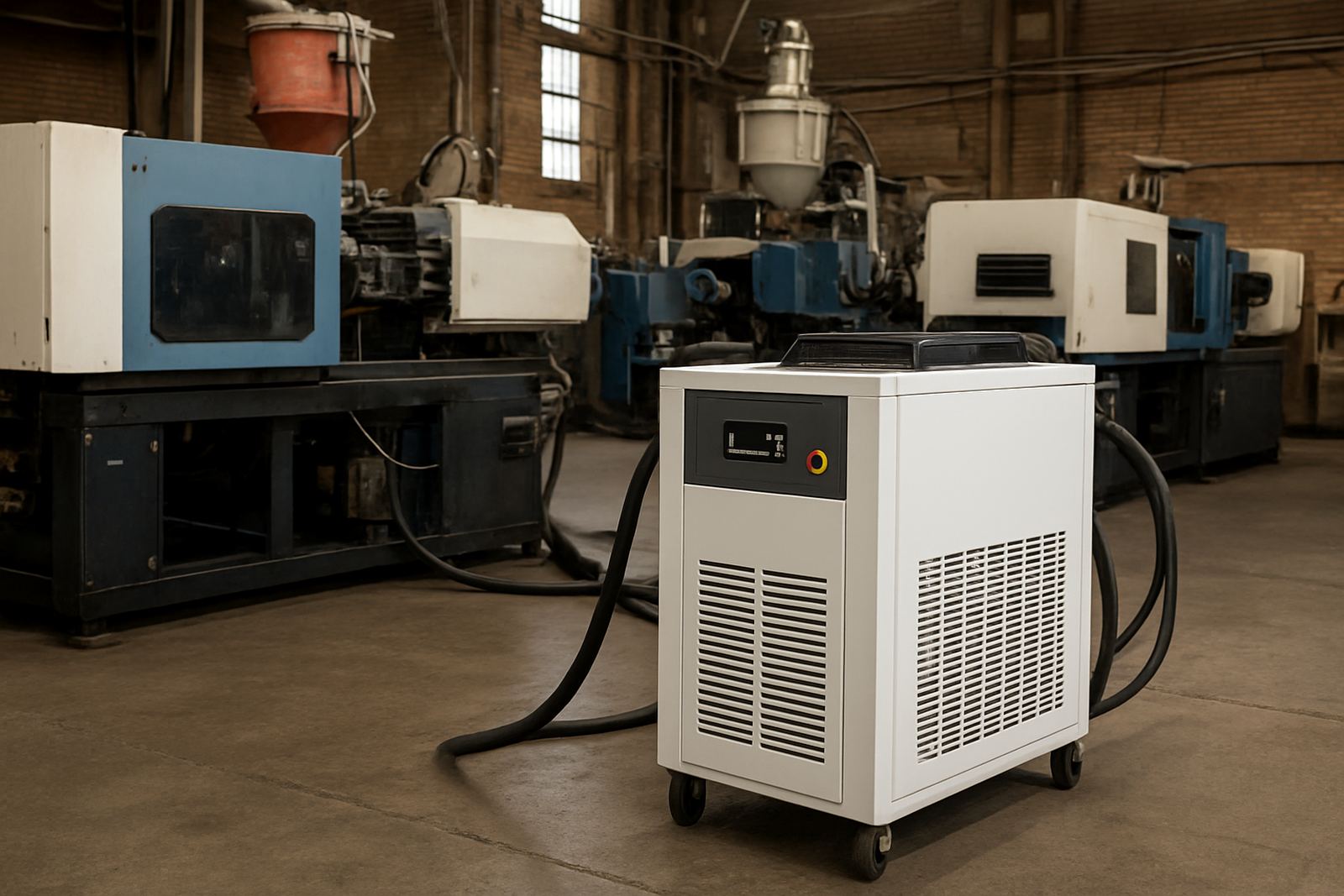
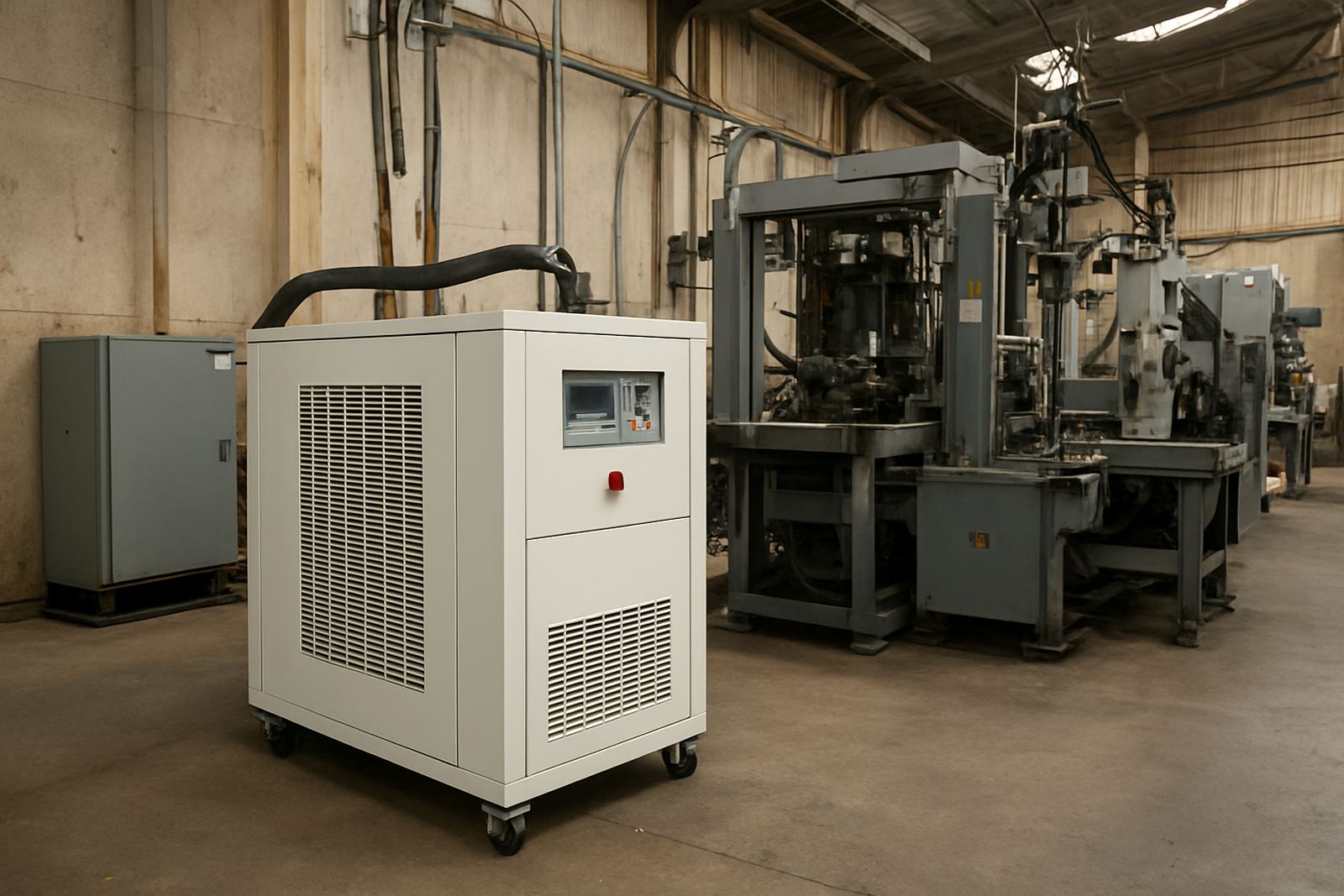
Mould cooling is all about keeping cycle times steady and protecting product quality. Whether it is plastics or other moulded output, poor temperature control can lead to warping, slow cycles and scrap. We set up cooling systems that keep water flow reliable and make it easier for operators to maintain production.
- Pipework retrofits for older moulding lines
- Temporary cooling during breakdowns or planned shutdowns
- Operator training for daily checks and fault awareness
- Cooling audits to spot wasted capacity or weak points
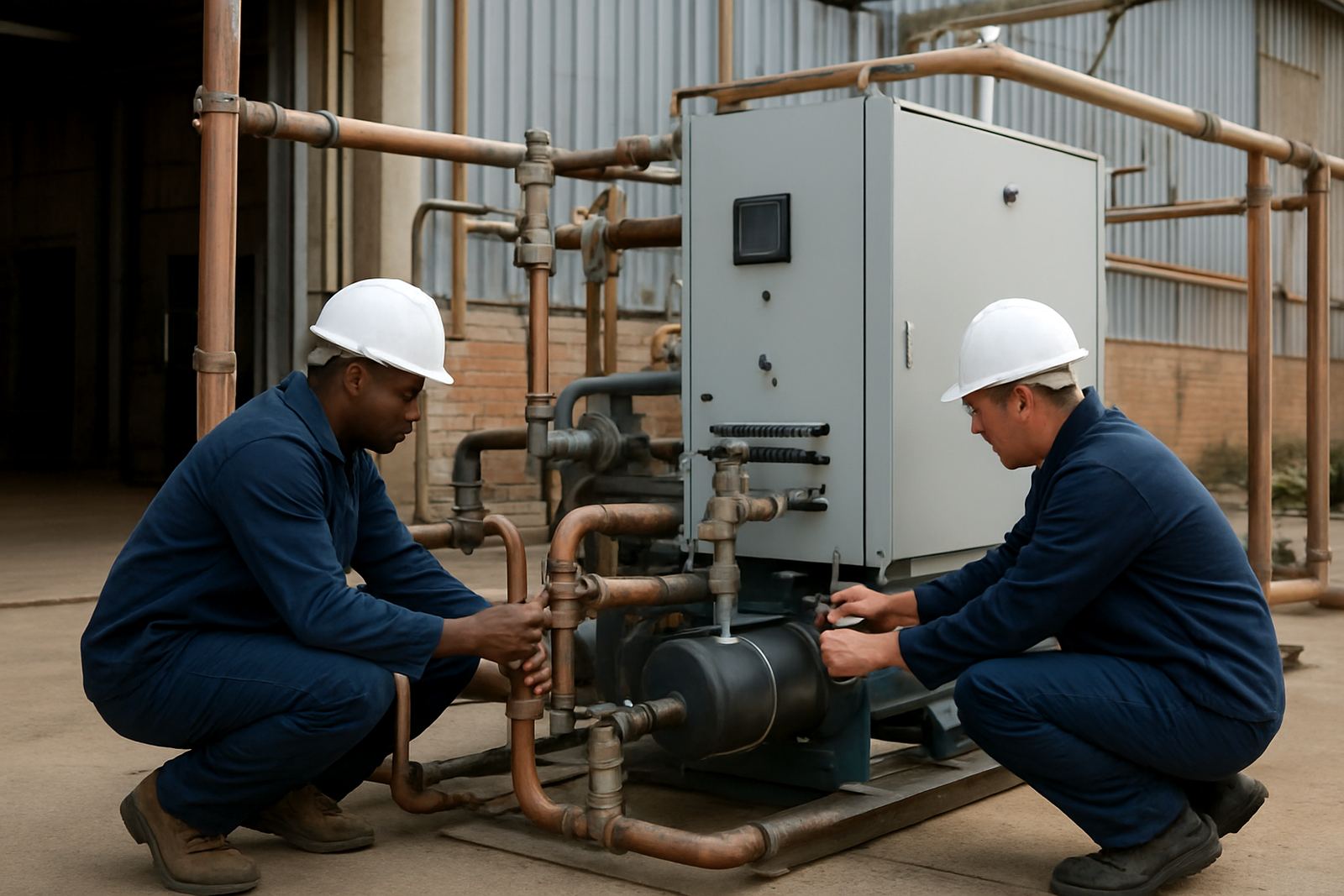
Many older plants have mixed pipework, undersized pumps or silt build up in the line, so the project often includes practical corrections rather than a simple equipment swap.
Process line cooling for varied industrial sites
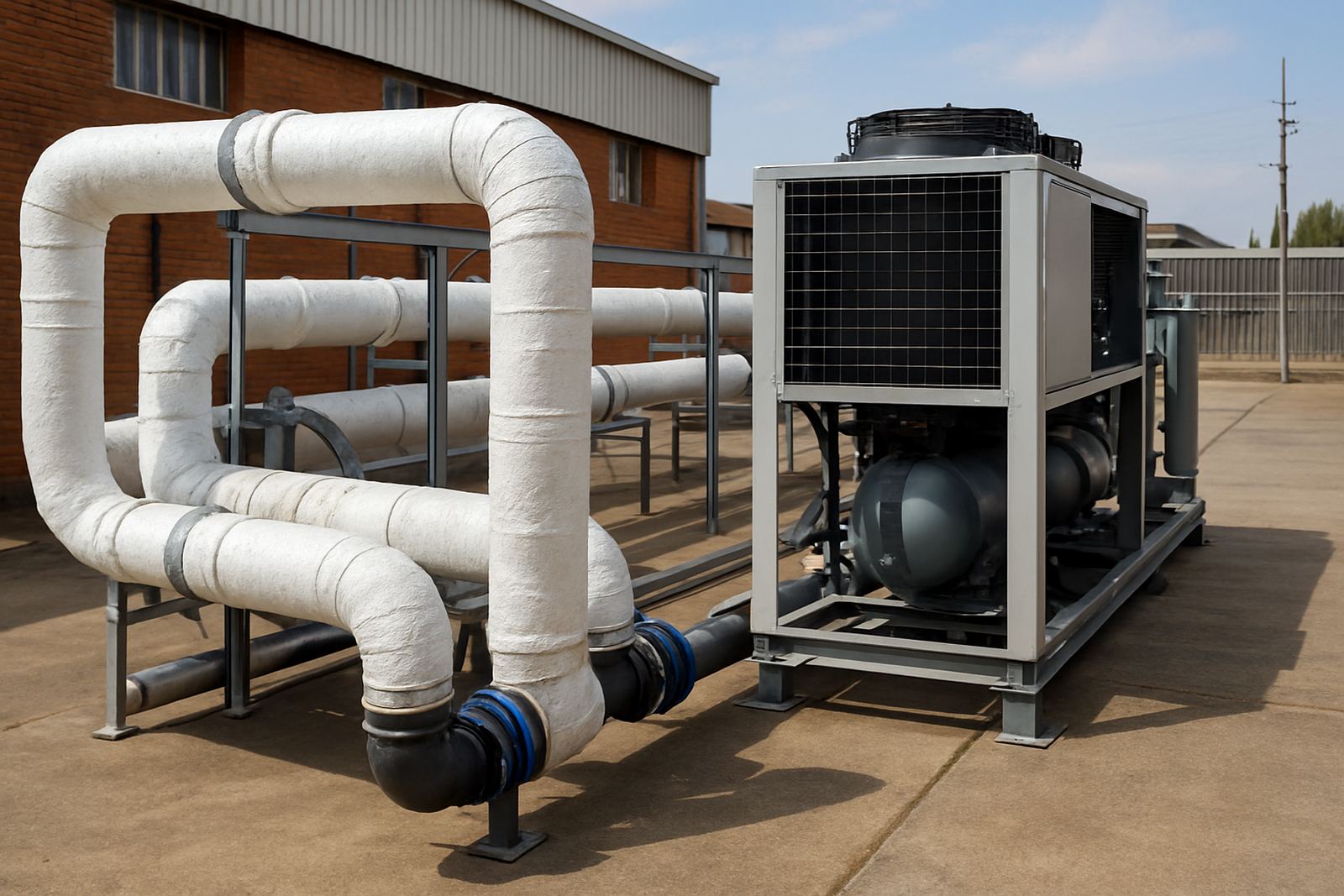
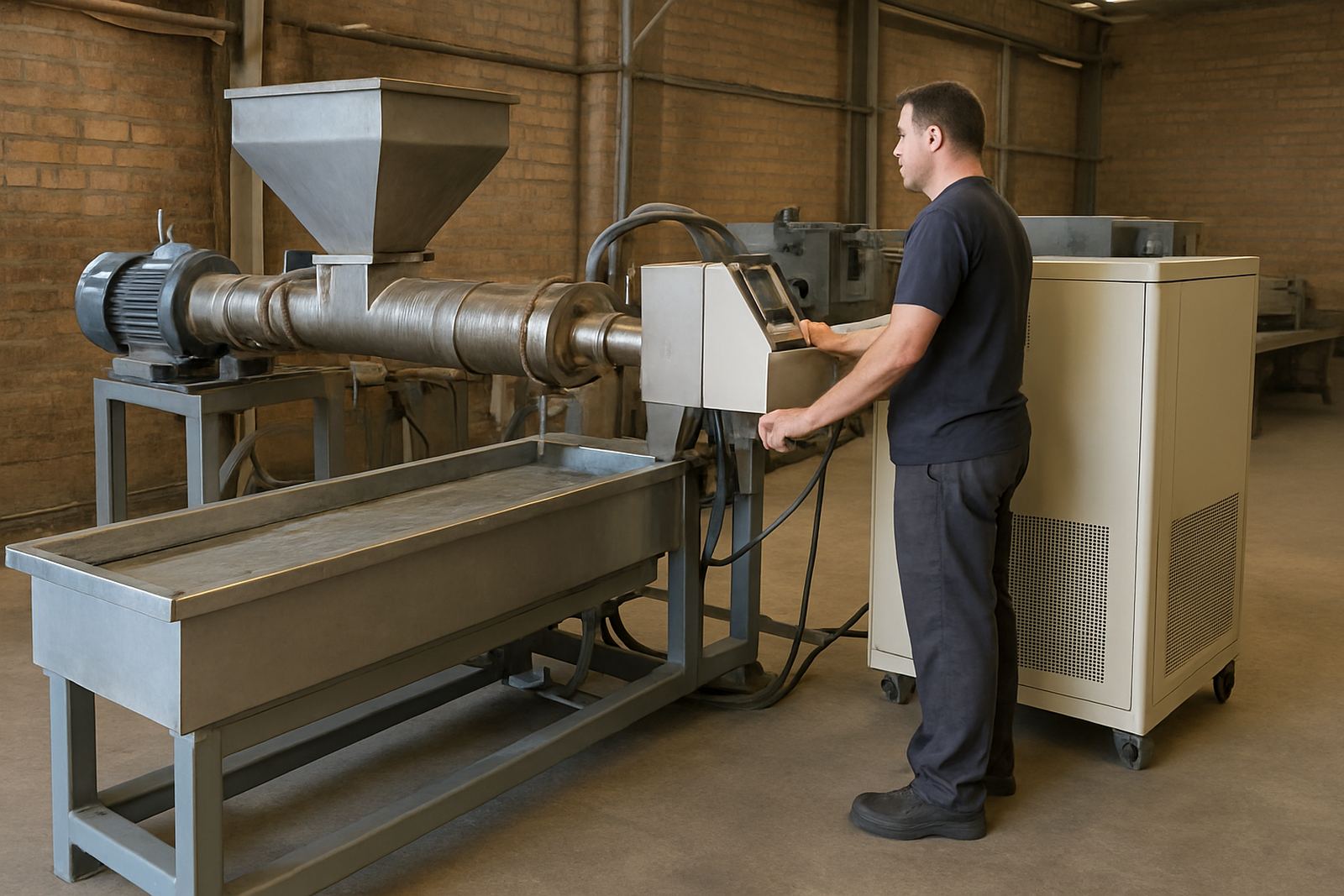
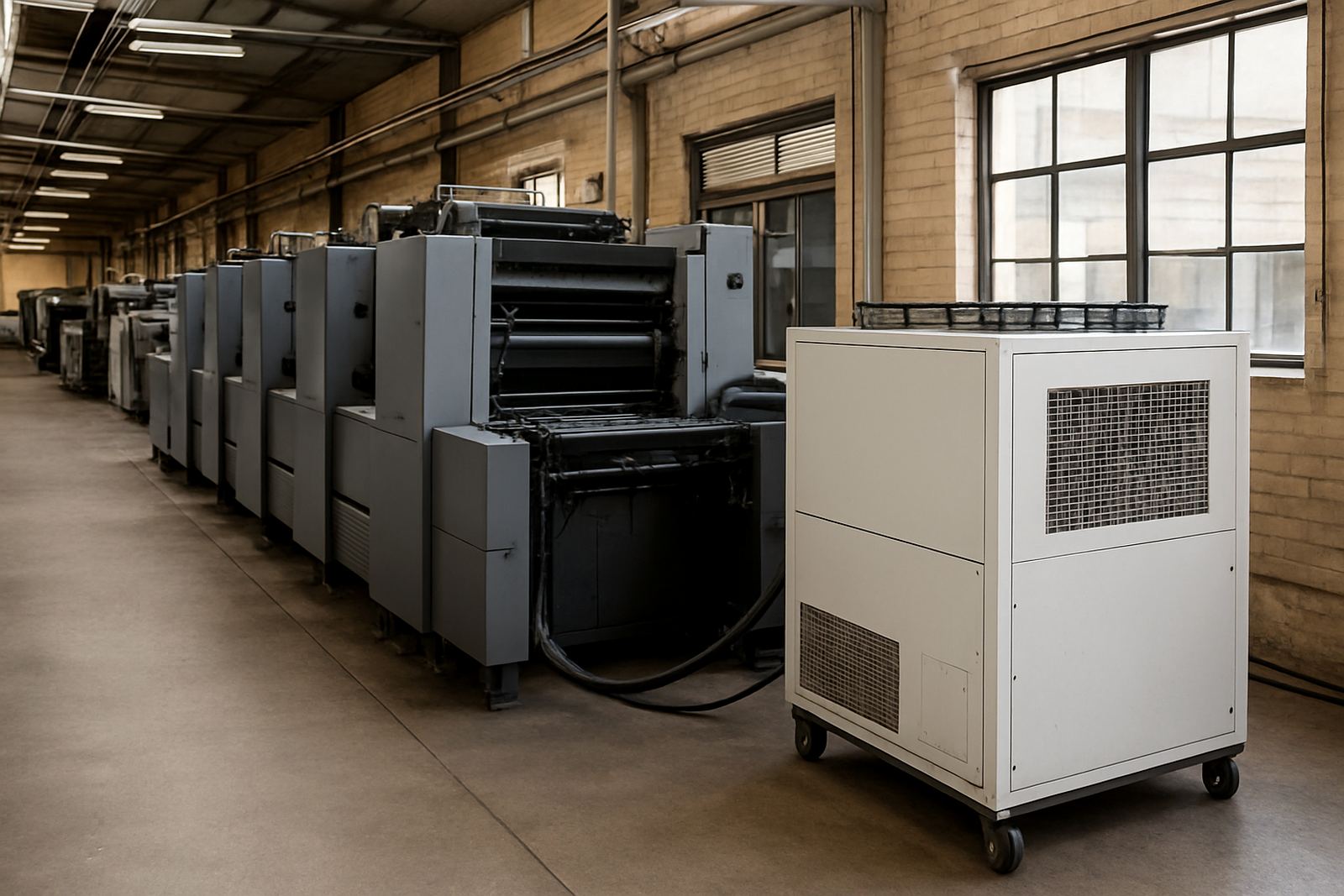
Process lines can include mixers, extruders, hydraulic equipment, heat exchangers and other plant that must stay within a narrow operating range. In these projects we focus on application fit, water quality and service access so the plant can be maintained without stopping the whole line.
Depending on the site, we may recommend refrigeration repairs, control panel upgrades, pump replacements or a full maintenance plan. The goal is to keep the cooling side straightforward for the operator and service team, even when production changes from one shift to the next.
Service coverage across South Africa
Raynen supports cooling projects from our base in Alrode, Alberton, with branch and service coverage that reaches major industrial centres. That includes Alberton Depot, Johannesburg Service, Pretoria Service, Durban Service, Cape Town Service, Rustenburg Service, Germiston Service and Boksburg Service.
- Fast breakdown response for urgent production issues
- Preventative maintenance visits to reduce unplanned stoppages
- Cooling audits before new equipment is specified
- System commissioning after installation or major repairs
This spread helps us support plants that need local response while still working to one standard of service across the country. It also makes it easier to plan visits around production windows and municipal water constraints where those apply.
What to expect when a cooling project is planned well
A well planned cooling project should be straightforward to operate, easy to maintain and suited to local conditions. That means checking water treatment, space for servicing, pipe routing, electrical supply and how the system will behave during hot weather or load-shedding events.
From the first assessment through to commissioning, the focus stays on practical results. We work with the plant team, explain the controls clearly and make sure the installation is ready for real use, not just startup day.
For project discussions, clients reach us through the enquiry form on our contact page. From there, the right person can review the application and advise on the next step.