What the Pinetown plant needed from its cooling
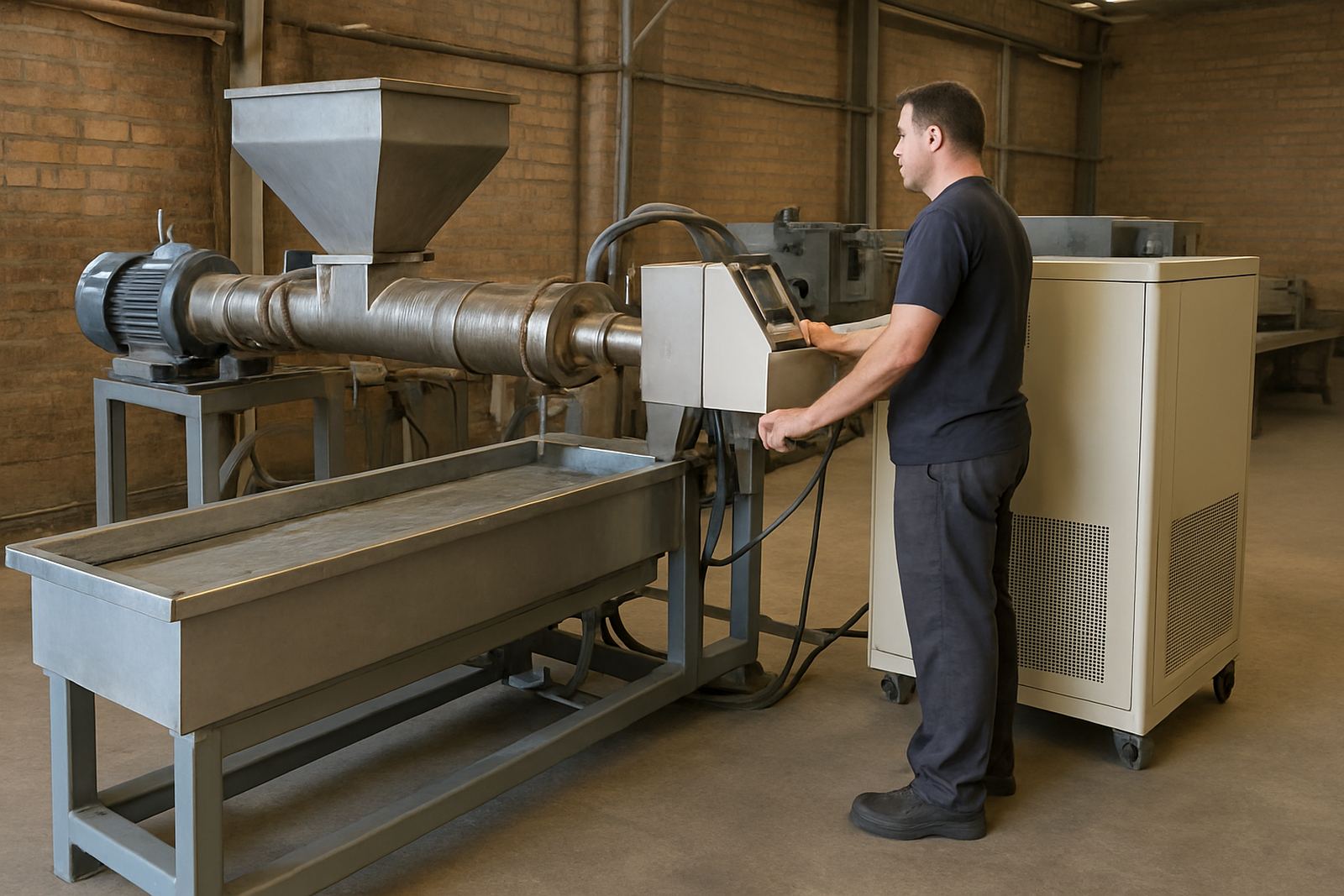
The client was an extrusion operation in Pinetown, KwaZulu-Natal, working with a line that needed steady cooling through long production shifts and frequent changes in output. The main issue was not a lack of equipment, but a mismatch between cooling capacity and the actual load on the process. When line speed changed, cooling response lagged and temperatures drifted too far for comfort.
They needed a system that could handle variable demand without overcooling the product or forcing operators to keep adjusting settings. The plant also wanted practical support for local conditions such as summer heat, coastal humidity and the reality of load-shedding interruptions. The brief was to keep the line stable, protect finished product quality and reduce unnecessary wear on the existing equipment.
- Extrusion process with changing line demand across shifts
- Temperature control needed at the process, not just at the machine
- Plant wanted lower reject rates and more predictable output
- Space around the line was limited, so the footprint had to stay manageable
Site constraints we planned around
Pinetown plants often have tight service yards, mixed-age equipment and limited room for extra plant, and this site was no exception. Access for lifting and placement had to be planned carefully so production areas stayed clear. The electrical supply also needed attention, because a cooling system that starts and stops badly can put unnecessary load on the rest of the installation.
Another factor was water quality. For extrusion cooling, even small amounts of scale or contamination can cause valve issues, reduced heat transfer and nuisance stoppages. We checked the water side before final sizing, then allowed for filtration and maintenance access so the system would be easier to look after over time. The layout also needed to suit South Coast humidity, where corrosion can become a real issue if pipework, supports and controls are left exposed for too long.
- Restricted plant room and service access
- Electrical stability needed for start-up and running
- Water treatment had to be included in the plan
- Outdoor components needed corrosion-conscious installation
Cooling package supplied for the extrusion line
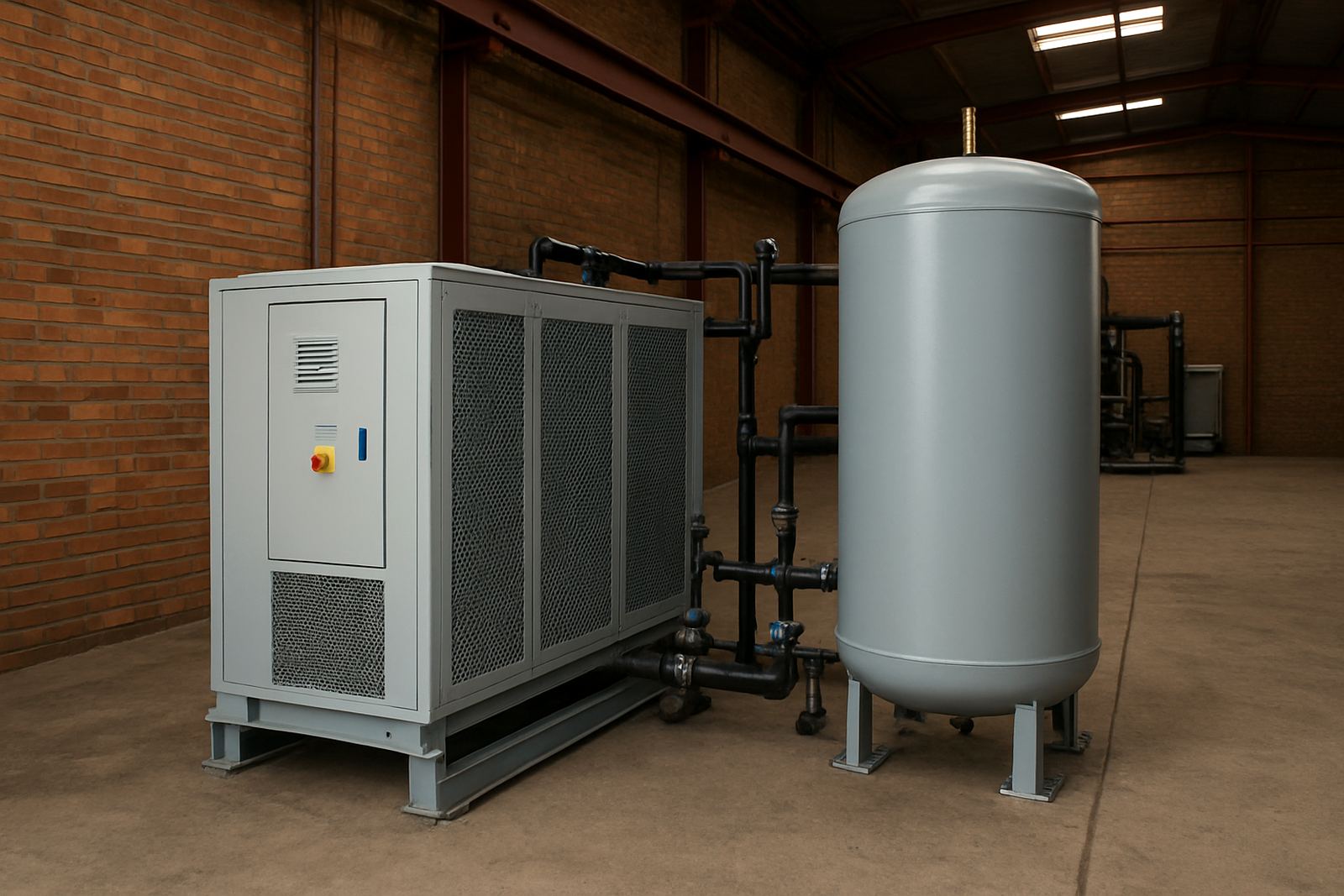
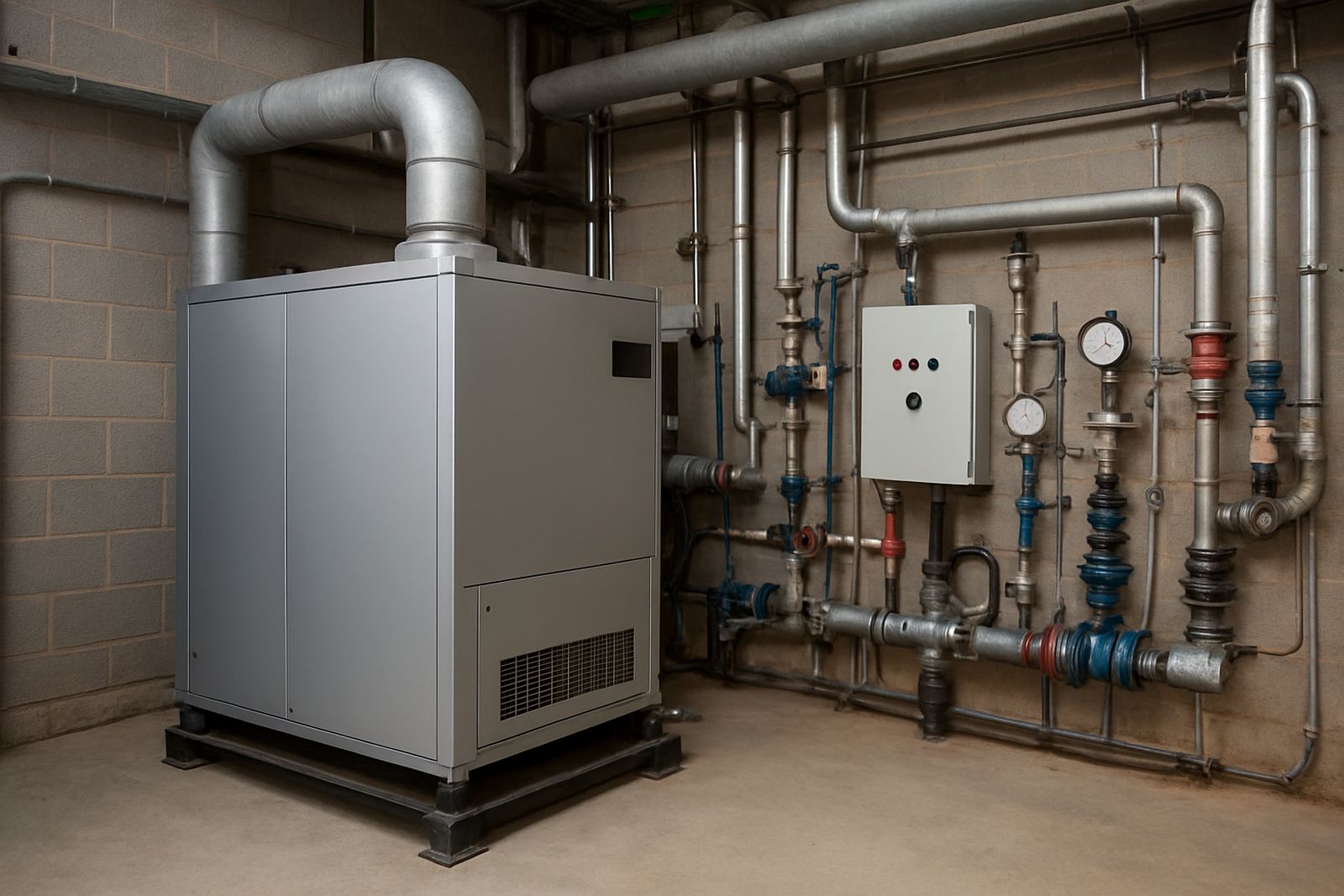
Raynen supplied a process cooling package sized to the line demand rather than a generic full-load assumption. The installation included an industrial water chiller, circulation pump set, filtration, isolation valves, control adjustments and pipework changes to get chilled water to the points that mattered most. We also set up the controls so operators could see actual process conditions and make quicker adjustments when the line speed changed.
The system was selected to deliver reliable cooling at steady operating temperature with enough reserve for hot days and production peaks. The plant wanted a solution that would not spend the whole day cycling unnecessarily, so the control strategy was arranged to match demand more closely. That helps with energy use and gives the equipment an easier life.
- Industrial water chiller sized to line demand
- Circulation pump set with practical spare capacity
- Filtration and isolation valves for easier servicing
- Pipework modifications to improve flow to the process
Installation and commissioning over three weeks
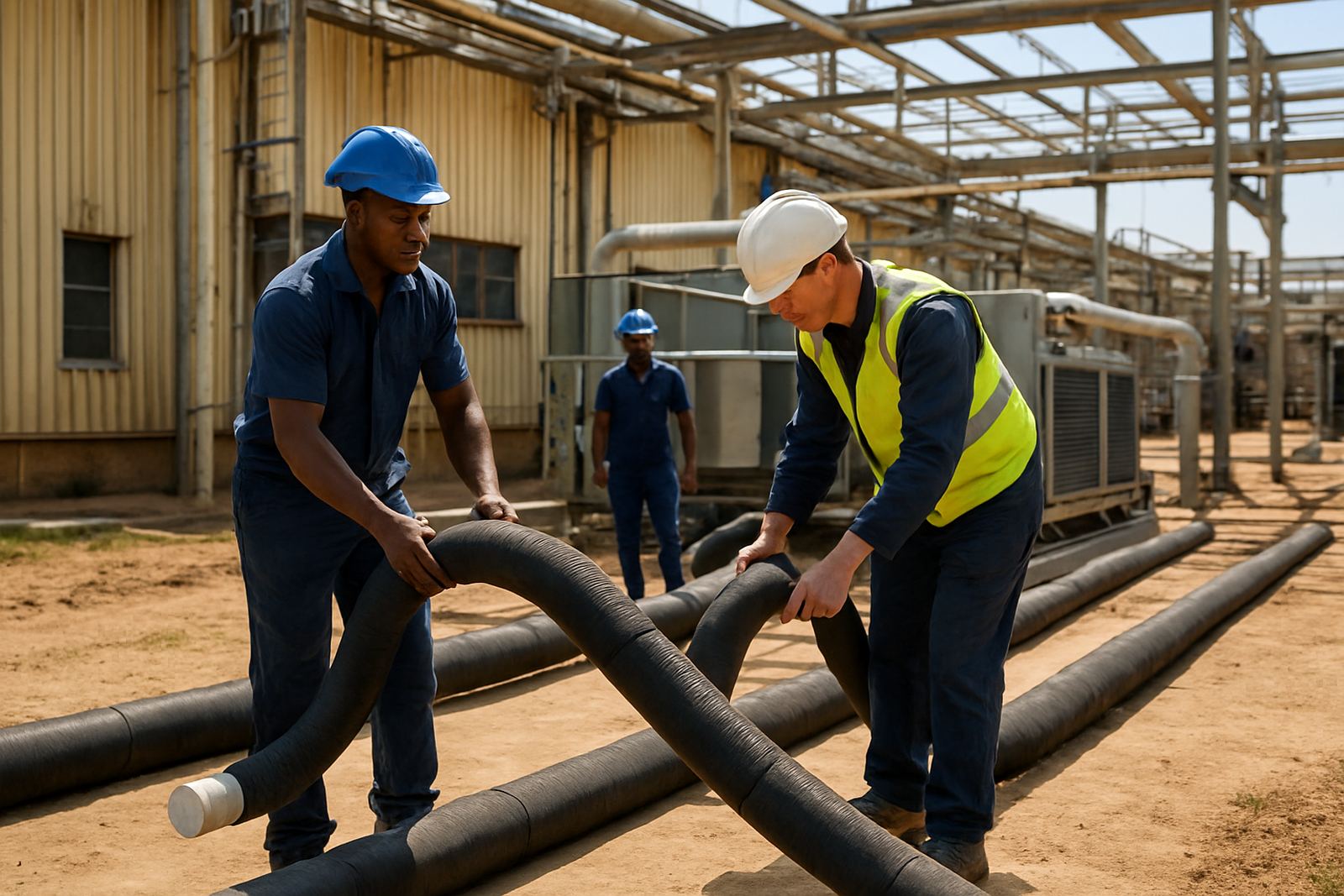
The project was completed over three weeks from site assessment to final handover. In week one, we confirmed the load profile, checked the existing cooling circuit and mapped the best route for the new pipework. Week two covered mechanical installation, control wiring and the physical integration of the new cooling equipment. In week three we commissioned the system, verified temperatures under actual line conditions and made the final control adjustments with the production team on site.
Commissioning was done against live production demand, because paper settings do not always tell the full story. We checked flow rates, temperature stability, pump performance and response time when the line changed speed. Where minor tuning was needed, we made it there and then so the operators were not left to guess. The handover also included practical guidance on routine checks and cleaning intervals.
- Week 1: site survey and load confirmation
- Week 2: installation and integration
- Week 3: commissioning and operator handover
- Live testing under actual production conditions
Results on the line after start-up
Once the new cooling system was running, the plant had much better temperature control through the extrusion cycle. Product quality became more consistent, and the team had fewer interruptions caused by cooling drift. The line responded more predictably when production speed changed, which made shift planning simpler and reduced the need for constant operator intervention.
Maintenance also became easier. With clearer access points, better filtration and a control setup that showed what was happening in the system, the team could spot issues earlier. That matters in a busy Pinetown factory, because a small cooling fault can turn into a lost shift very quickly. The client reported a smoother process, better output consistency and less strain on the cooling equipment after the change.
- More stable process temperatures across shifts
- Lower reject levels linked to temperature drift
- Less operator intervention during output changes
- Improved service access for routine checks
What we would repeat on a similar extrusion site
If we were tackling a similar extrusion project again in KwaZulu-Natal, we would follow the same approach: size to the actual load, plan for humidity and corrosion, and commission against live production rather than ideal conditions. That keeps the cooling system honest and avoids surprises after handover.
We would also keep the maintenance plan simple enough for the plant team to follow. In practice, that means clear cleaning intervals, water treatment checks, filter inspections and a sensible response plan for power interruptions. If a site is near the coast or has older pipework, we would allow extra time for inspection and make sure the controls and supports are protected properly from day one.
- Size cooling to the real production profile
- Allow for coastal conditions and power interruptions
- Keep servicing points easy to reach
- Give operators simple checks they can follow daily
Key facts
| Project location | Pinetown, KwaZulu-Natal |
|---|---|
| Client type | Extrusion operation |
| Project duration | 3 weeks |
| Cooling scope | Process cooling for a production line |
| Key equipment | Industrial water chiller, pump set, filtration and pipework |
| Main outcome | Steadier line temperatures and more consistent output |