

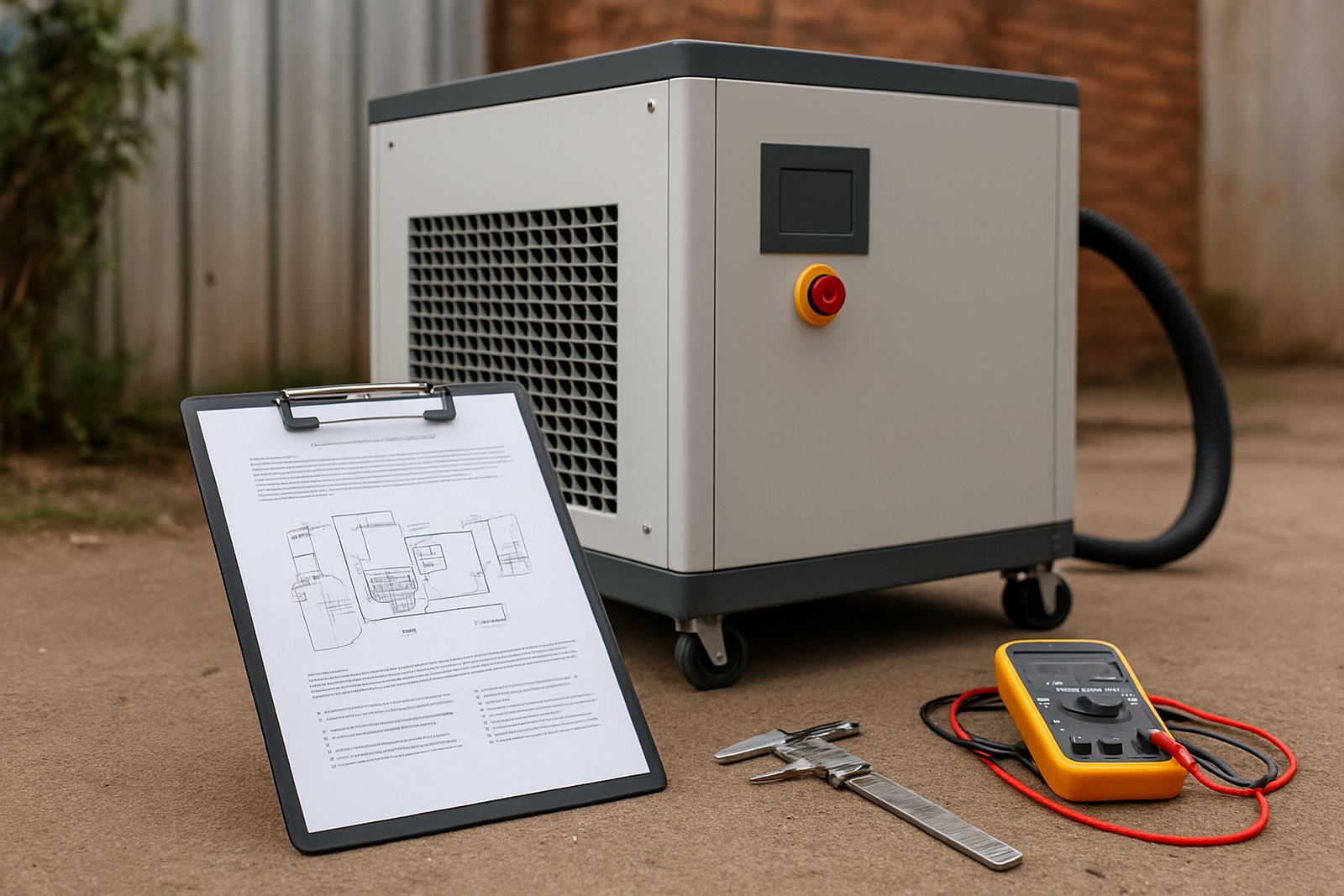
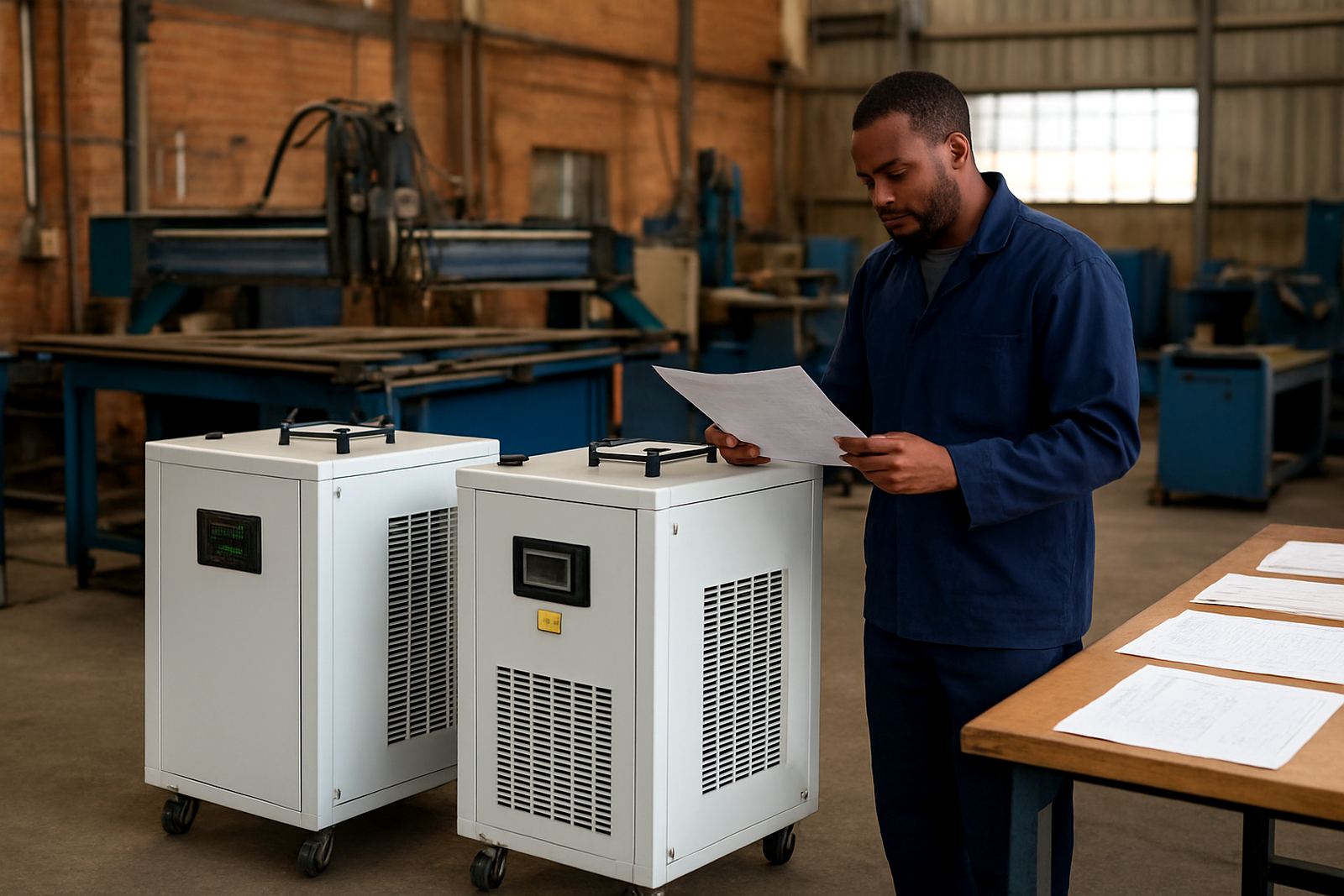

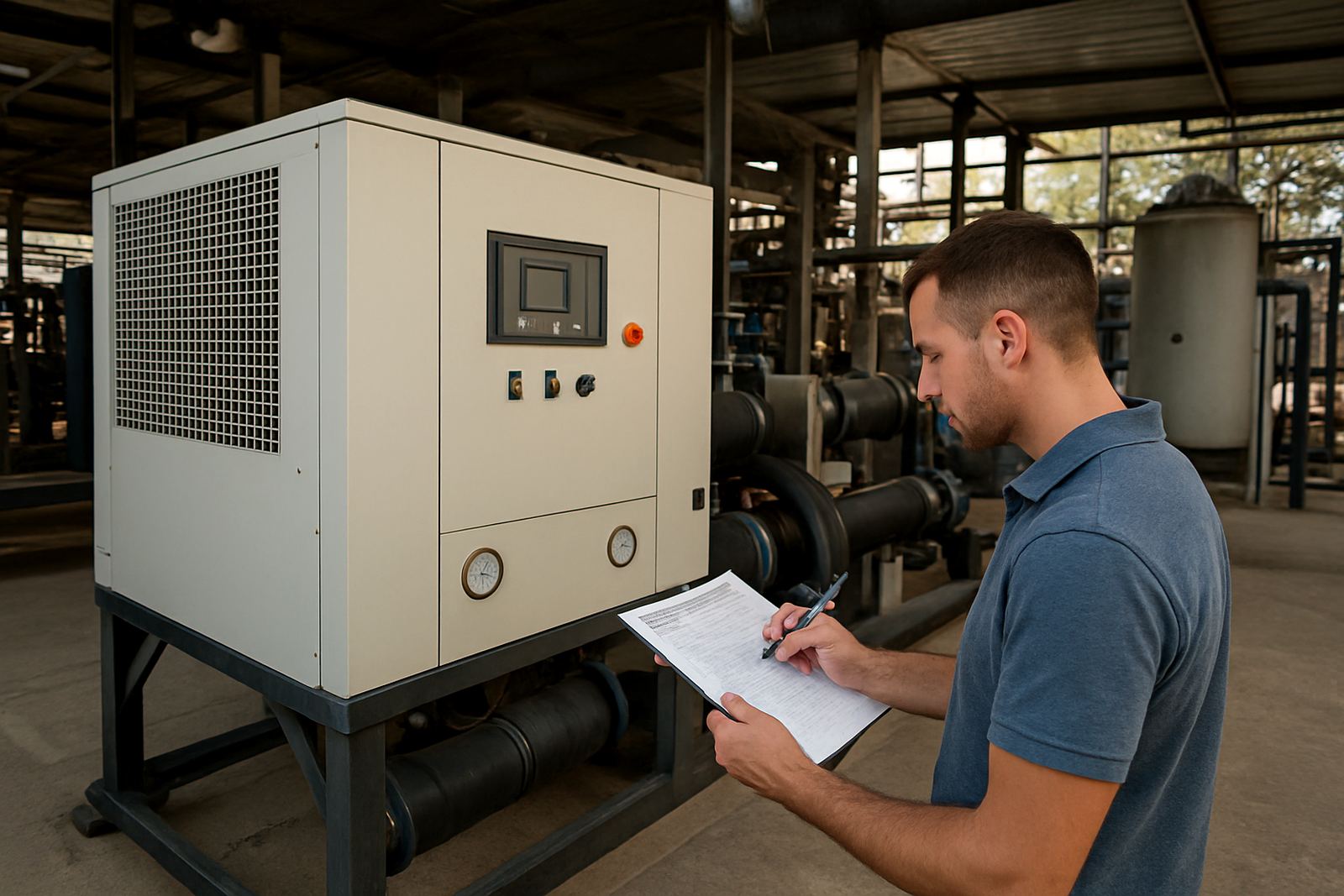
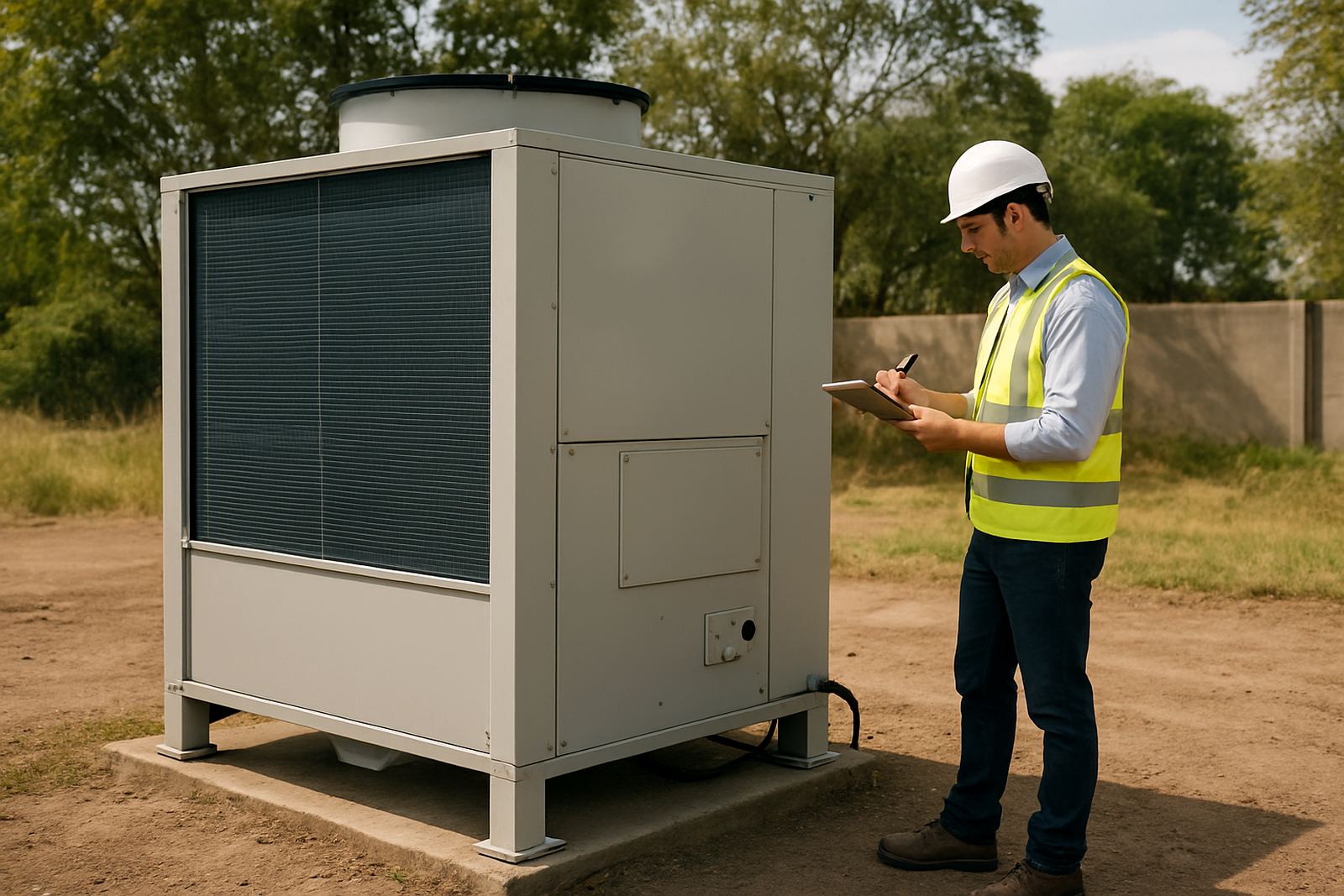

How to use these chiller guides
Each guide focuses on one topic and keeps the advice practical. Some explain how to size a unit, others cover water quality, maintenance or fault finding, so you can match the reading to the issue on site.
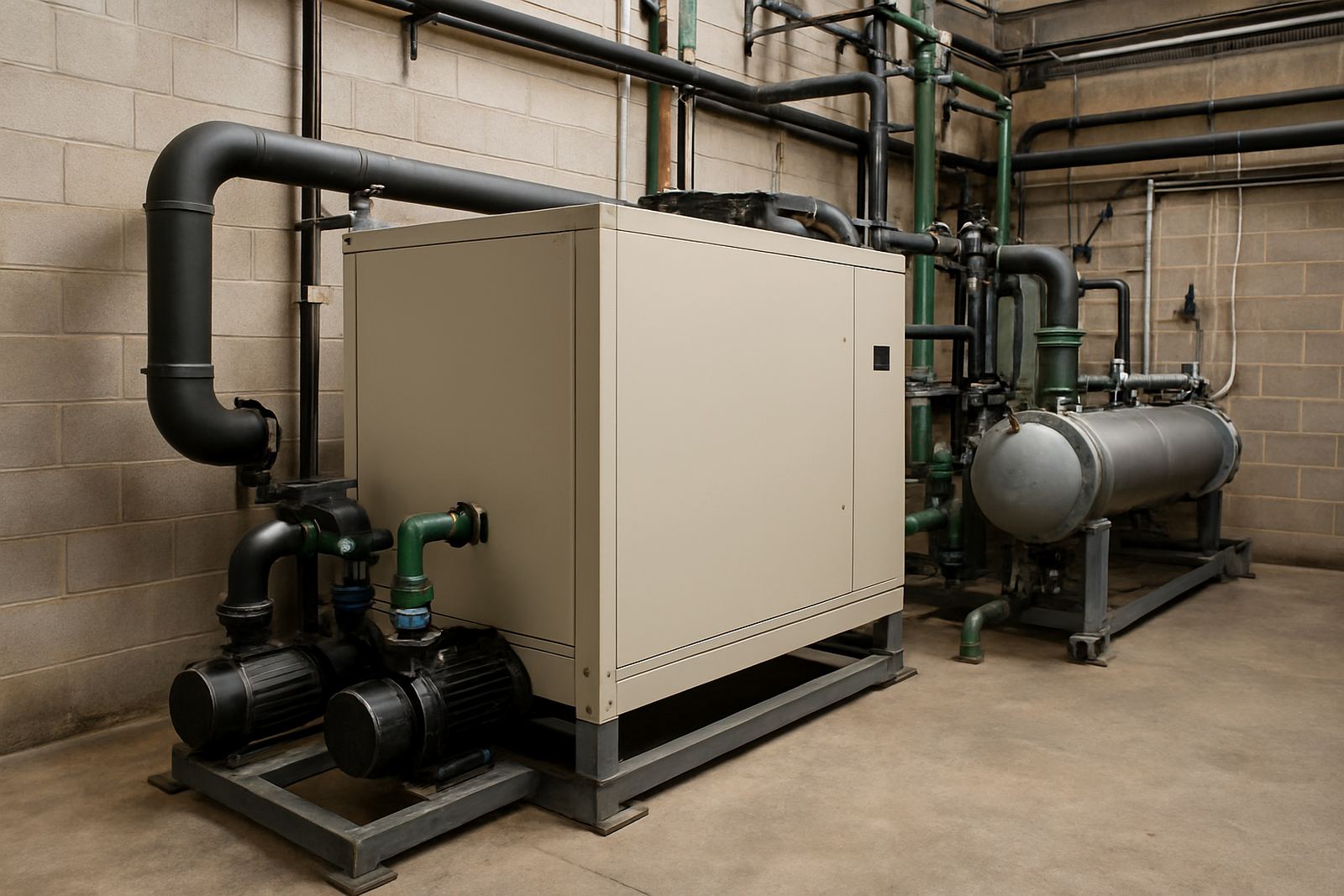
If you are planning a new line or replacing old equipment, start with the guide that best fits your process. A laser cutter, injection moulding machine and chilled process loop do not all need the same duty cycle, water quality or pump setup, and that is where the detail matters.
Choosing the right cooling capacity
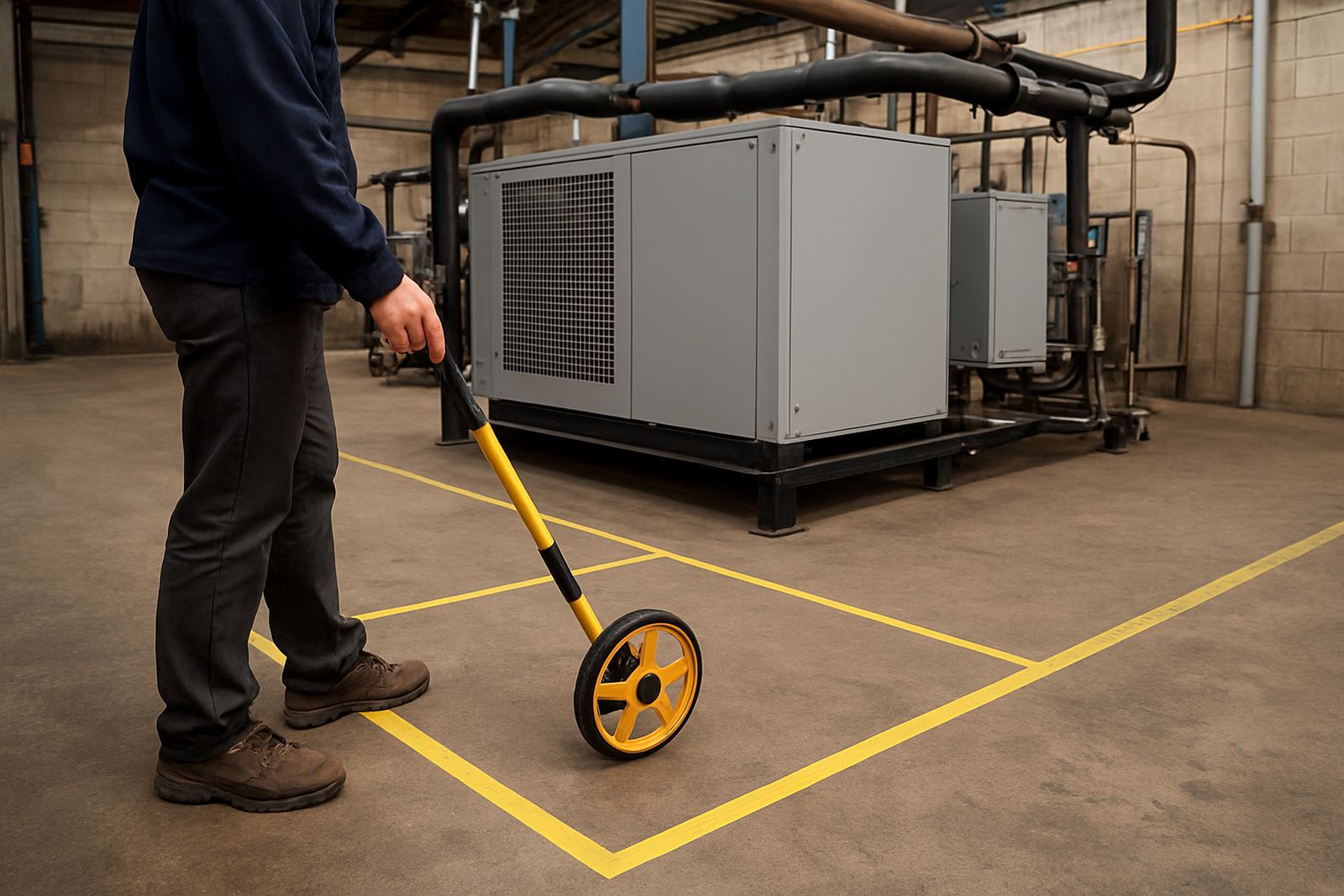
Picking a chiller is not only about the set temperature. You also need to look at heat load, ambient conditions, duty hours, water flow and whether the unit will sit in a dusty workshop or near coastal air with higher humidity.
Our sizing notes help you compare real plant conditions, including load shedding restart cycles and hot summer afternoons in places like Johannesburg, Durban and Rustenburg. A unit that is too small will run hard all day, while one that is over-sized can cycle too often and waste power.
- Confirm the heat load in kilowatts or refrigeration tonnes
- Check inlet and outlet temperature targets
- Allow for pipe runs, valves and pressure drop
- Match the pump to the process and hose length
Laser chillers, mould chillers and process line cooling
Different applications place different demands on a cooling system. Laser equipment often needs tight temperature control for stable output, moulds need consistent cooling for cycle times and finish, and process lines may need continuous operation with dependable flow.
The guides explain where a specialised setup is worth the cost and where a standard industrial unit may be enough. They also show how filtration, reservoir size and control settings affect performance in real workshops and factories, not just in the brochure.
Water quality, corrosion and scaling
Cooling water problems can damage pumps, block strainers and reduce heat transfer. In South Africa, hard water, dirt ingress and poor top-up practices often cause more trouble than the chiller itself. Coastal sites may also need extra care for corrosion and salt exposure.
Our water treatment guide covers the basics of conductivity, scaling and biological growth in plain terms. It also explains when a simple water check is enough and when you should look at pipework changes, improved filtration or a full flush, because a small issue left too long can turn into a costly shutdown.
- Check make-up water before filling a new system
- Inspect strainers and filters on a regular schedule
- Drain and clean the reservoir when contamination appears
- Use suitable corrosion control for the application
Maintenance planning for busy plants
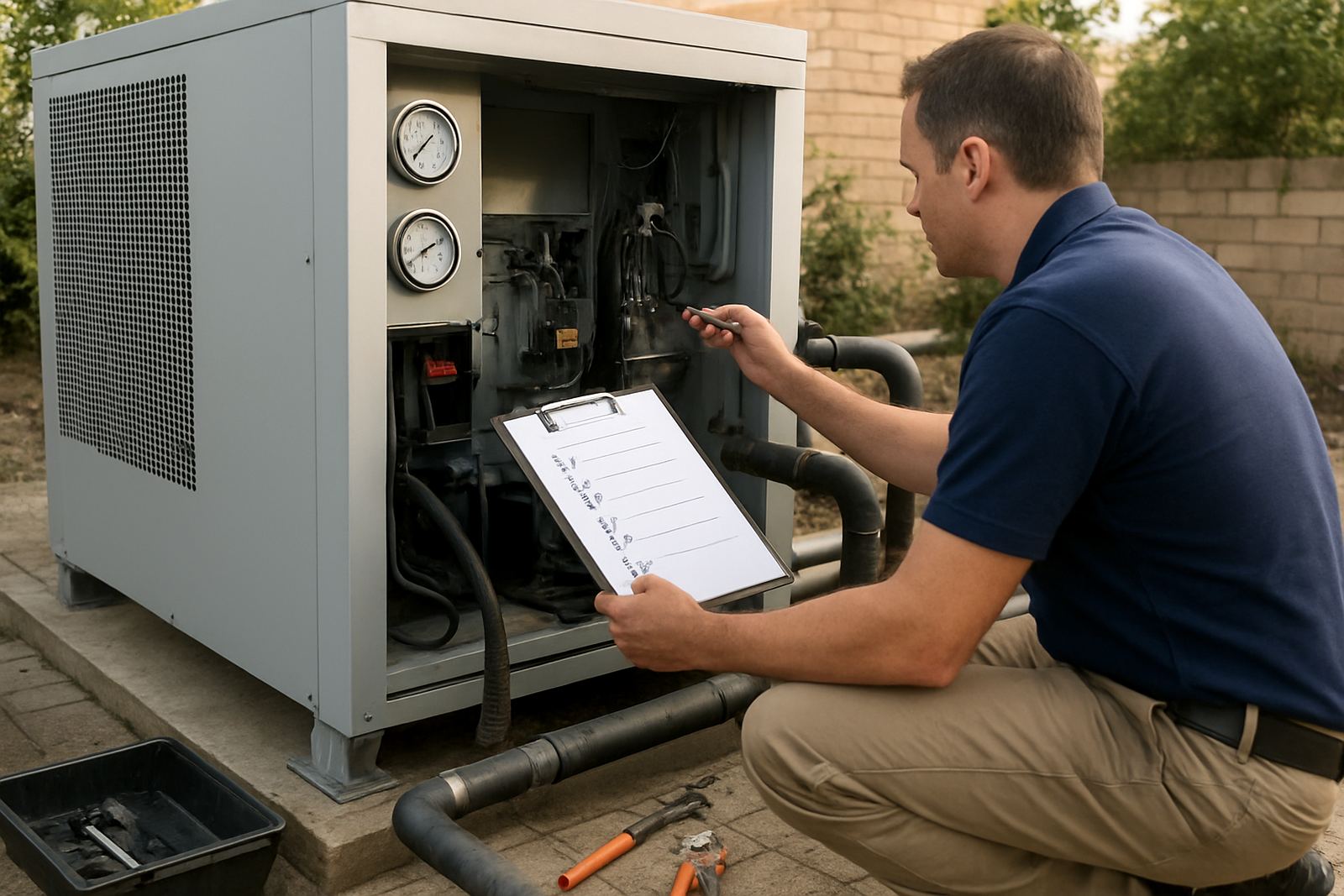
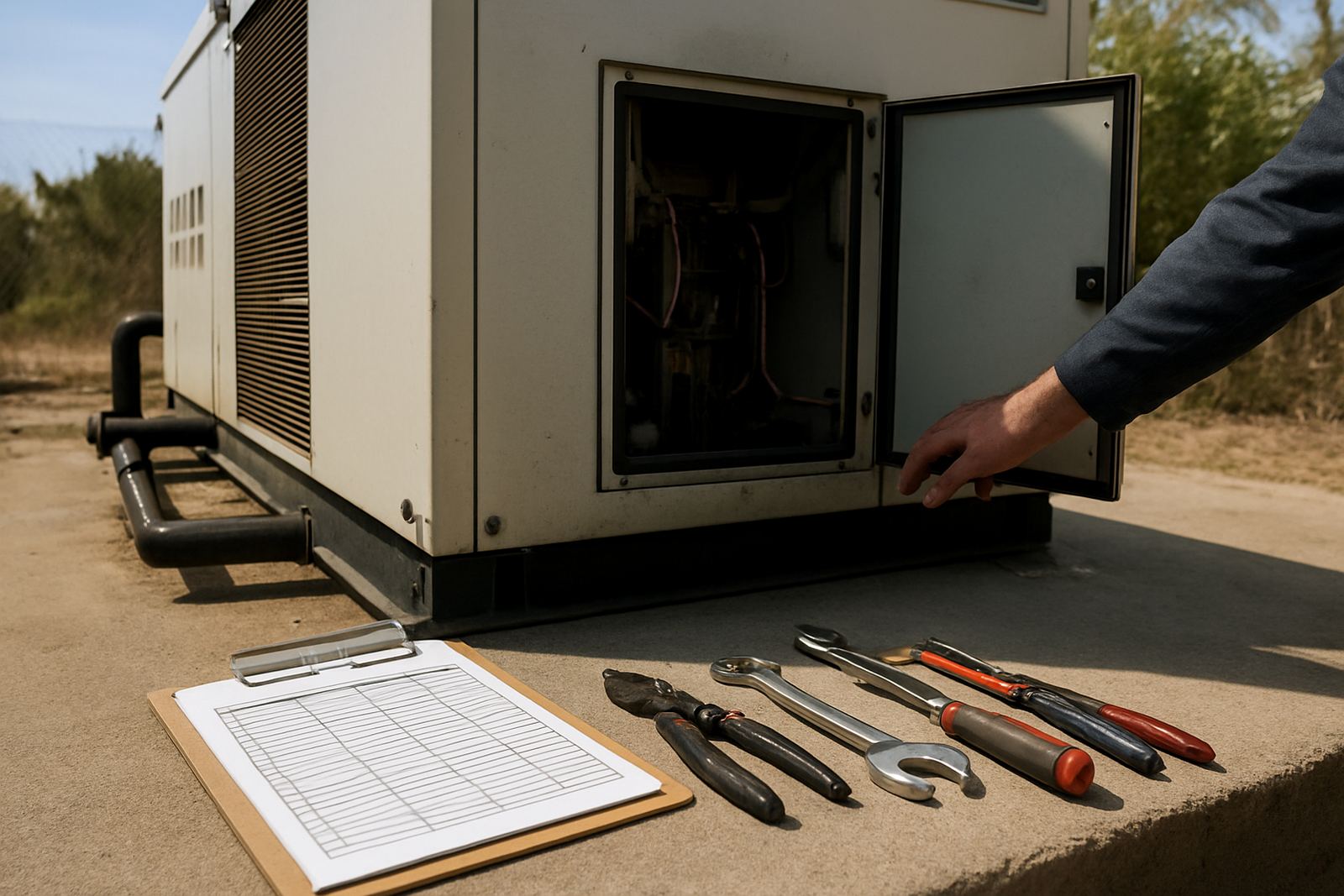
Preventative maintenance keeps downtime down and helps equipment last longer. The guides cover routine checks that fit around production, from visual inspections and fan cleaning to pressure testing, refrigerant checks and control panel reviews.
We also explain what to record during each visit, so your team can spot trends before they become faults. That includes unusual noise, higher running amps, poor cooling recovery and water leaks, which often show up first during a shift change or after a power cut.
Breakdowns, temporary cooling and upgrade decisions
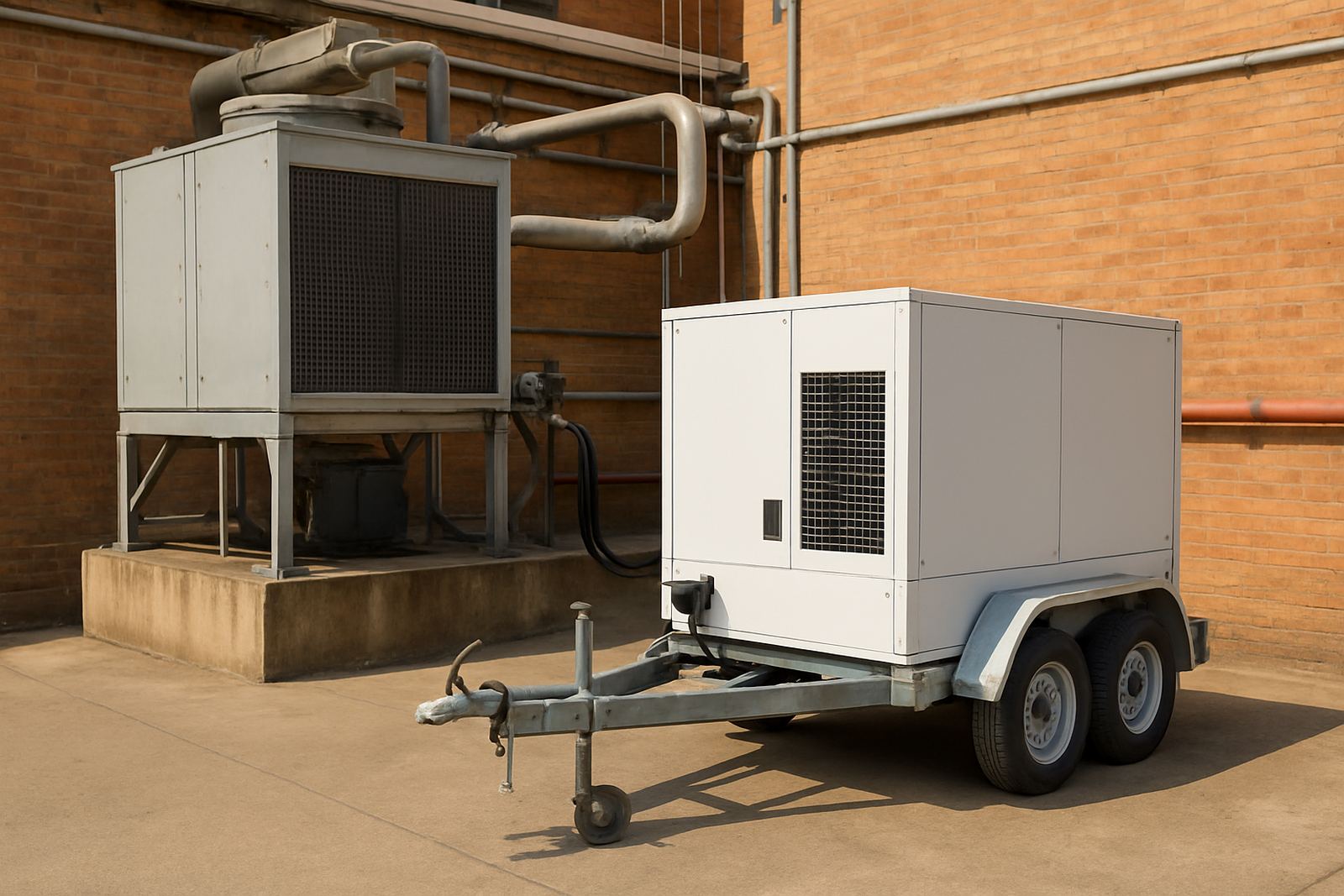
When a unit fails, the first job is to keep the plant safe and stable. The breakdown guides show how to isolate the problem, check pumps and controls, and decide whether a repair, temporary cooling or full replacement is the better move.
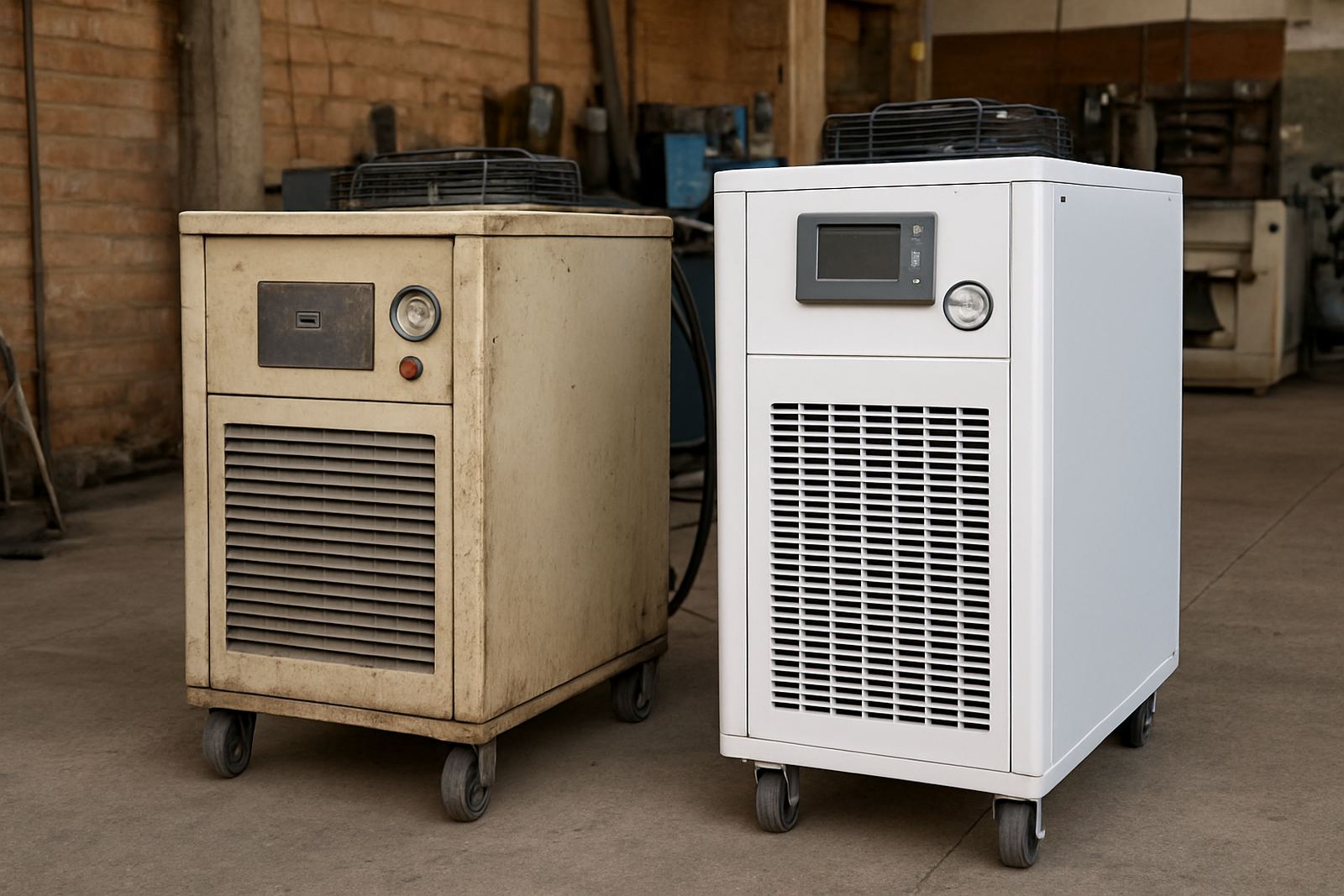
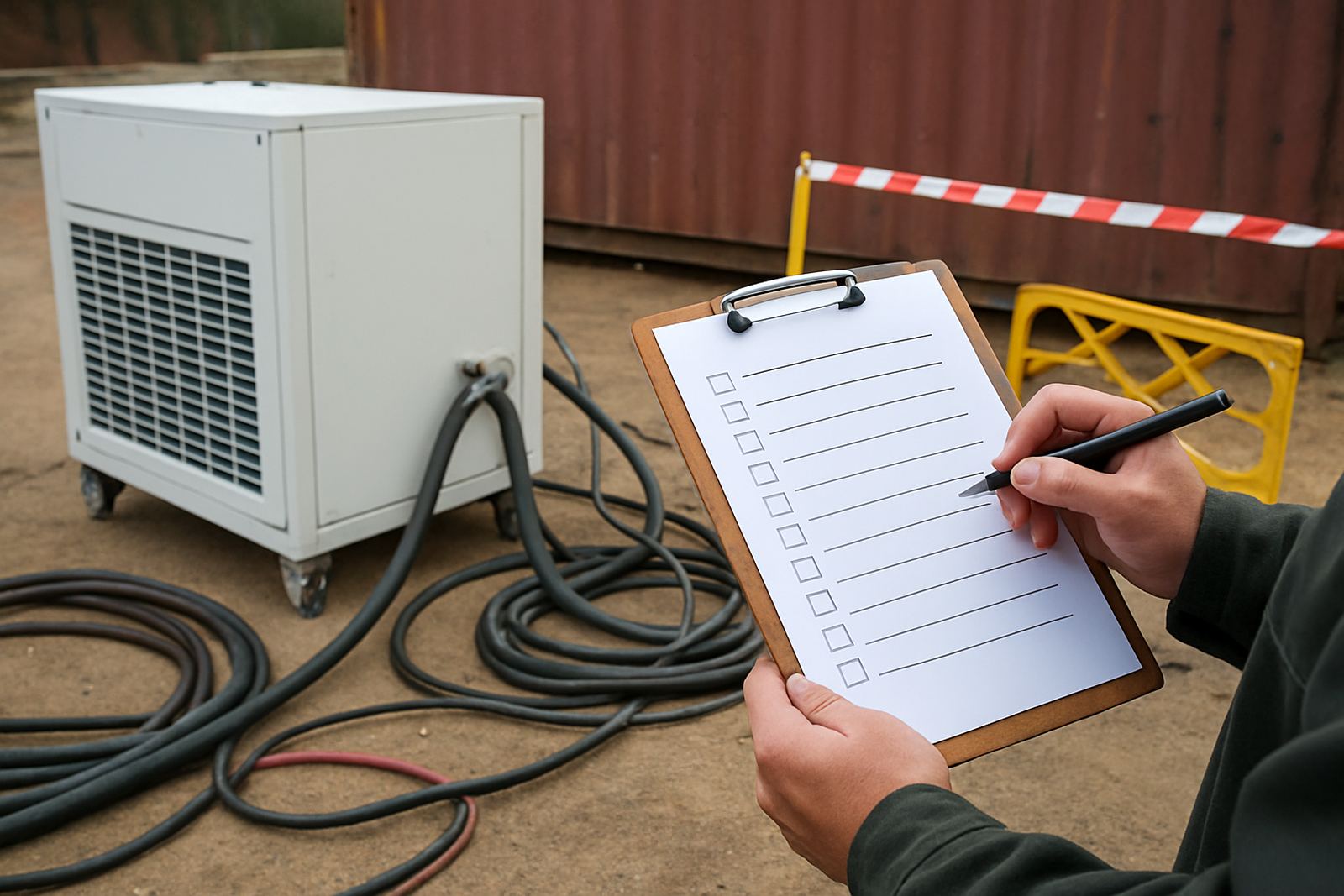
If you are running a time-sensitive line in Alberton, Pretoria or Cape Town, temporary cooling can protect production while permanent work is planned. For older systems, the guides also cover common upgrade paths such as better control panels, new pumps, pipework retrofits and improved commissioning. It is often the small changes that make the biggest difference.
When to call for site support
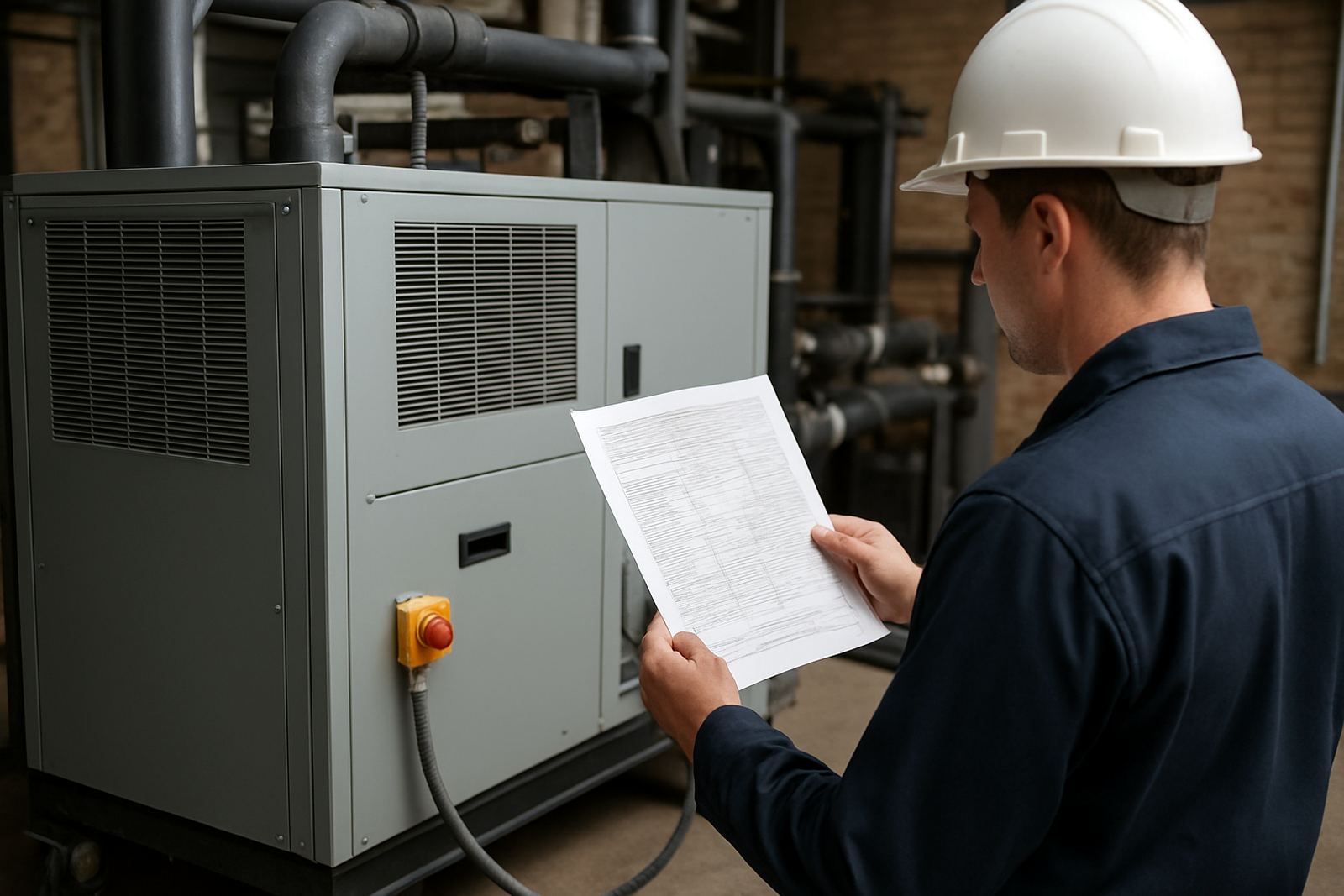
Some issues can be solved with a checklist, but others need a trained technician on site. If temperatures drift, alarms repeat, or the same fault keeps returning after a reset, it is time for a proper inspection.
Use the guides to narrow down the likely cause, then send through an enquiry with the machine details, model information, water conditions and the symptoms you are seeing. That helps us prepare for the visit and avoids wasted time on site, especially when production has to keep moving.