Start With the Process Heat You Need To Remove
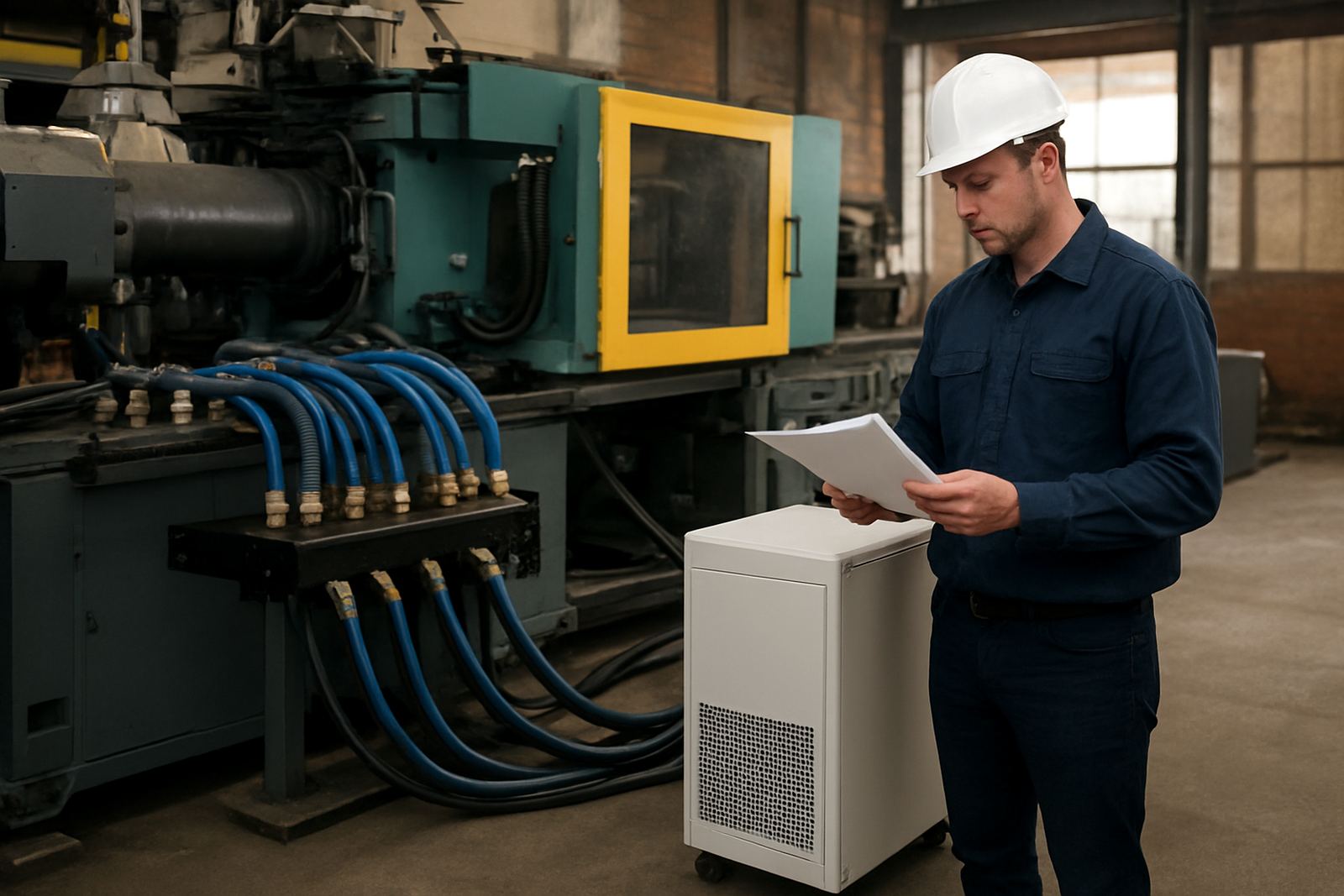
The first step is to understand how much heat the mould is adding to the cooling water during a normal shift. That means looking at the machine size, cycle time, cavity count, resin type and any hot runners or extra cooling circuits. If the load is underestimated, mould temperature will drift and you may see longer cycles, poor part finish or variation from cavity to cavity.
For a practical starting point, list each mould on site and note the operating hours, current water temperature, flow rate and whether the mould runs 24/7 or only on certain shifts. If you are running multiple moulds from one chiller, the combined load matters more than the size of the biggest mould alone. A small mistake in the load calc can cause a chiller that looks fine on paper but struggles once production ramps up.
- Record the mould size and production rate for each line
- Note the target supply temperature and return temperature
- Check if the load changes during warm weather or peak production
- Include any future moulds you plan to add in the next 12 to 24 months
Match the Chiller to Cycle Time and Temperature Stability
Many moulding jobs need tight temperature control rather than simply cold water. If the temperature swings too much, the process can become unstable, especially on fine-detail parts, clear plastics or tight-tolerance components. The right unit should hold the setpoint steadily as the mould opens and closes, with enough reserve to recover quickly after each cycle.
Think about whether the mould requires chilled water, tempered water, or a controlled range that sits above ambient conditions. In some cases a lower temperature is not better. What matters is consistency across the full shift and through changes in ambient air. In South Africa, summer heat in Gauteng, coastal humidity in Durban and dusty conditions in some inland areas all place extra strain on cooling gear. That is why sizing should be based on real operating conditions, not just a catalogue figure.
- Confirm the required supply temperature band
- Check how fast the system must recover after each cycle
- Allow for warm ambient days in Alrode, Germiston and other industrial areas
- Make sure the controller can hold stable setpoints under changing load
Check Water Quality, Piping and Site Conditions
A good mould chiller can still underperform if the site conditions are poor. Water quality affects heat transfer, pump wear and blockage risk. If the cooling circuit has scale, rust or biological growth, the system will work harder and the mould may not receive even flow. Coastal sites often need closer attention because humidity and salt air can affect equipment and fittings over time.
Pipe length, pipe diameter and the number of bends also matter. Long runs between the chiller and the mould increase pressure loss, which can reduce actual flow at the tool. If the plant is spread across a large floor or has a mezzanine level, the installation needs to be checked properly before the chiller is selected. A unit that is too far from the mould can create headaches later, especially if the line is expected to run through load-shedding interruptions and restarts.
- Inspect water quality and decide if treatment is needed
- Measure pipe runs, height changes and major restrictions
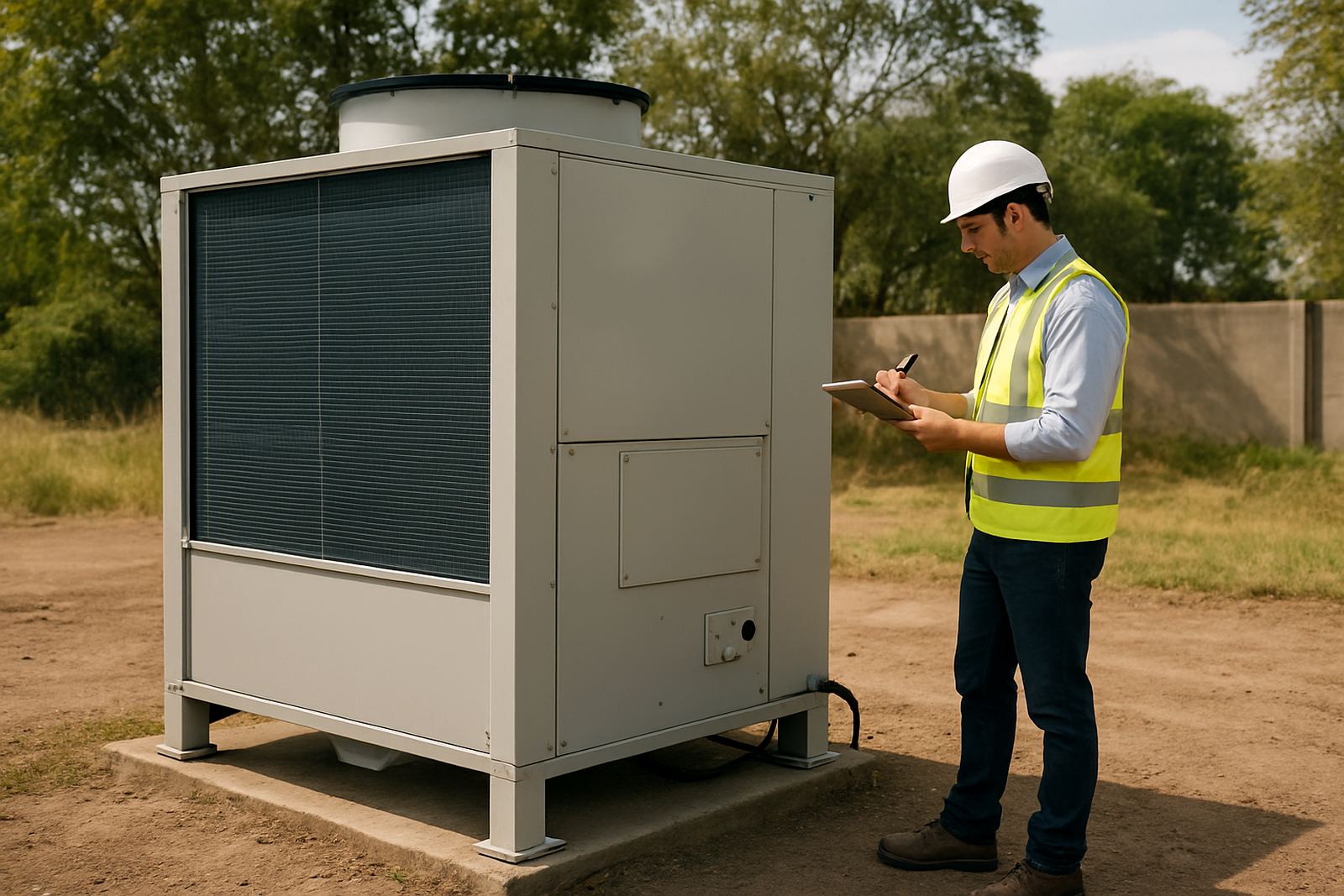
- Check whether the site has enough ventilation around the unit
- Plan for power stability, including restart after outages
Choose the Right Chiller Type for the Application
Different moulding applications need different cooling arrangements. Some plants need a compact unit beside one press, while others need a larger packaged system feeding several moulds across a production hall. The right choice depends on how many circuits are being served, whether the plant needs precise individual control, and how much spare capacity is needed for peak periods or future expansion.
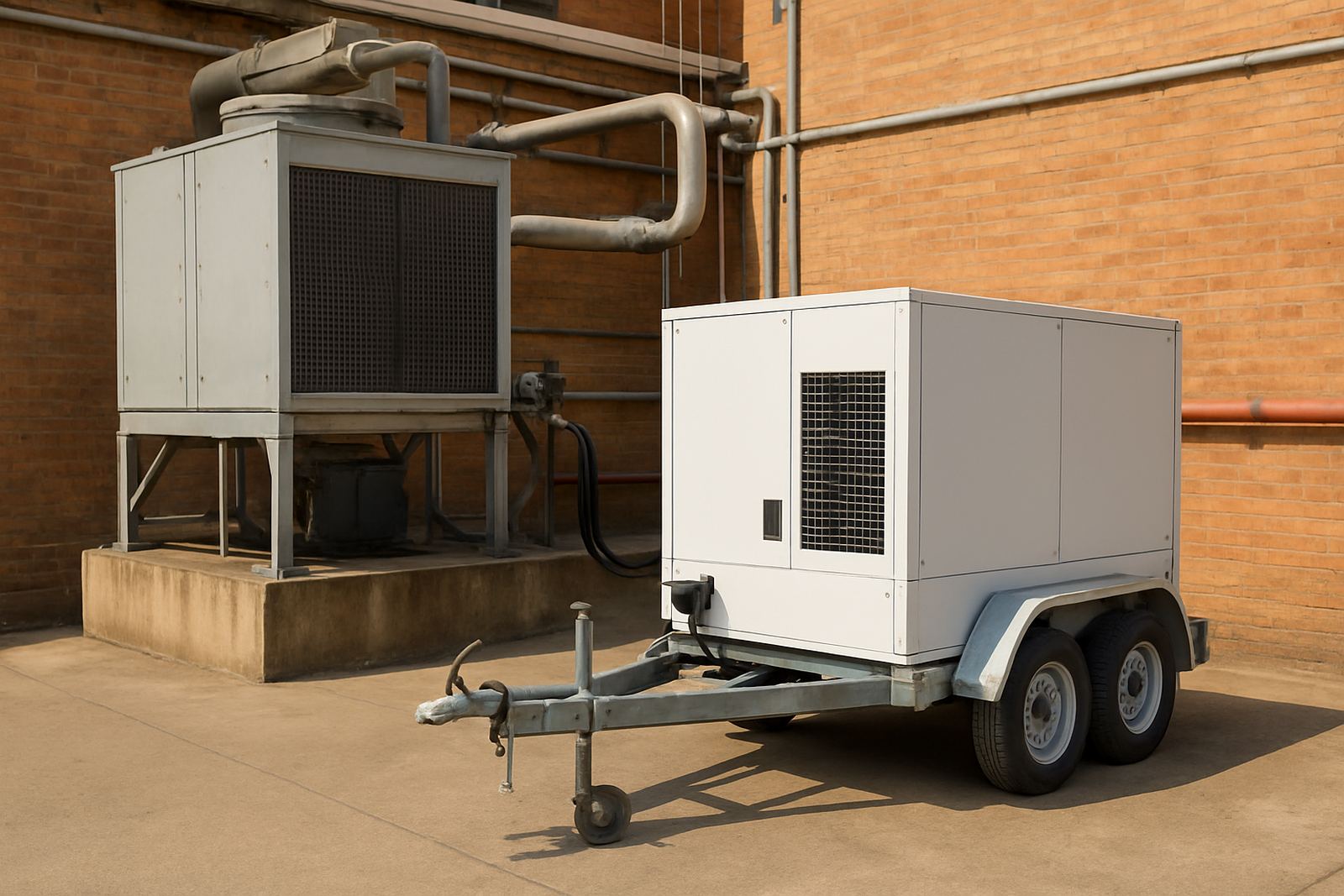
If the moulds are sensitive, it is worth considering separate control for different zones rather than one shared loop. That can help where the core, cavity and hot runner each need different conditions. For temporary production changes or shutdown cover, a temporary cooling option can keep the line going while maintenance or upgrades are carried out. That is often better than pushing an undersized unit past its limits.
- Single mould or multiple moulds on one system
- Separate temperature zones or one common setpoint
- Space available for installation and service access
- Need for future growth or temporary cooling backup
Do a Practical Site Checklist Before You Buy
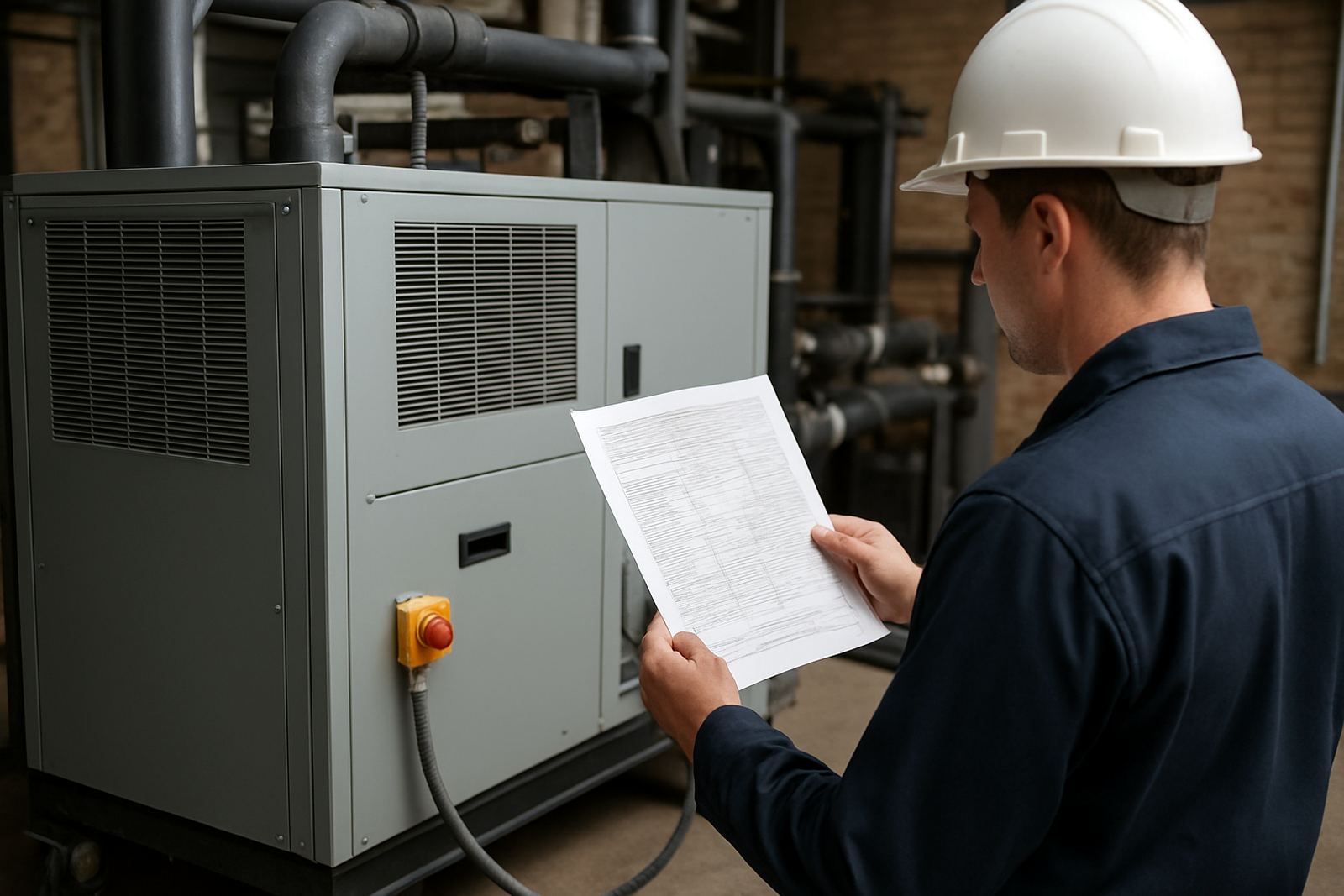
A site checklist saves money and avoids repeat callouts. Before ordering, make sure the installation team has measured the space, checked access routes and confirmed where the unit will sit for maintenance. If the unit is going into a busy production area, there must be enough clearance for cleaning, filter checks and repairs. Good planning also helps with municipal and workplace requirements, especially where drainage, electrical isolation and safe access are concerned.
It is also worth checking the operating team. If the line operators do not know how to read alarms or respond to low-flow conditions, a small issue can become a full stoppage. Training should form part of the handover so the plant can manage daily checks without depending on outside help for every minor fault. We see this often in factories that have grown quickly and the equipment list has outpaced the people process.
- Confirm electrical supply, breakers and isolation points
- Check floor loading, access doors and lifting space
- Plan drainage for maintenance and washdown water
- Train operators on alarms, basic checks and shutdown steps
Use Service Support To Protect Output Over Time
Once the chiller is running, the real value comes from keeping it in spec. Preventative maintenance reduces the risk of breakdowns, especially during hot months when the plant is under pressure. Checks on refrigerant performance, pumps, filters, water quality and control panels can prevent small faults from turning into downtime. If the chiller is linked to a critical mould line, even a few hours of lost cooling can affect delivery commitments and scrap levels.
For plants in Johannesburg, Pretoria, Durban, Cape Town, Rustenburg and surrounding industrial areas, local service cover matters because response time can decide whether production continues or stops. Raynen works from Alrode, Alberton and supports sites across South Africa with installation, commissioning, breakdown repairs, pump replacements, control panel upgrades, cooling audits and operator training. If you are planning a new mould line or replacing ageing cooling gear, get the full system checked before the next busy production run.
- Schedule regular maintenance before peak season
- Keep spare filters and critical wear items on hand
- Review system performance after every major mould change
- Use a cooling audit to spot hidden losses and pressure drop