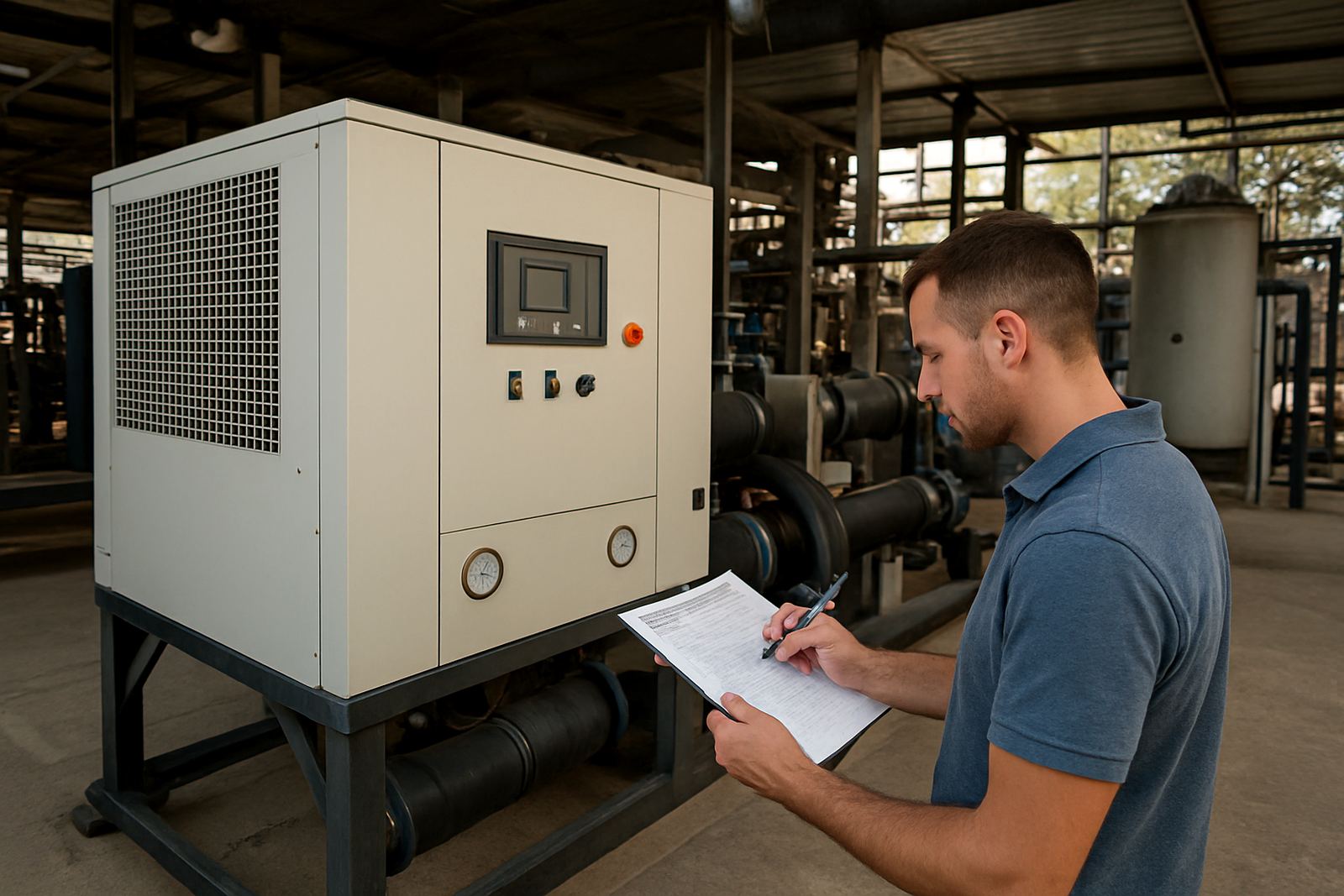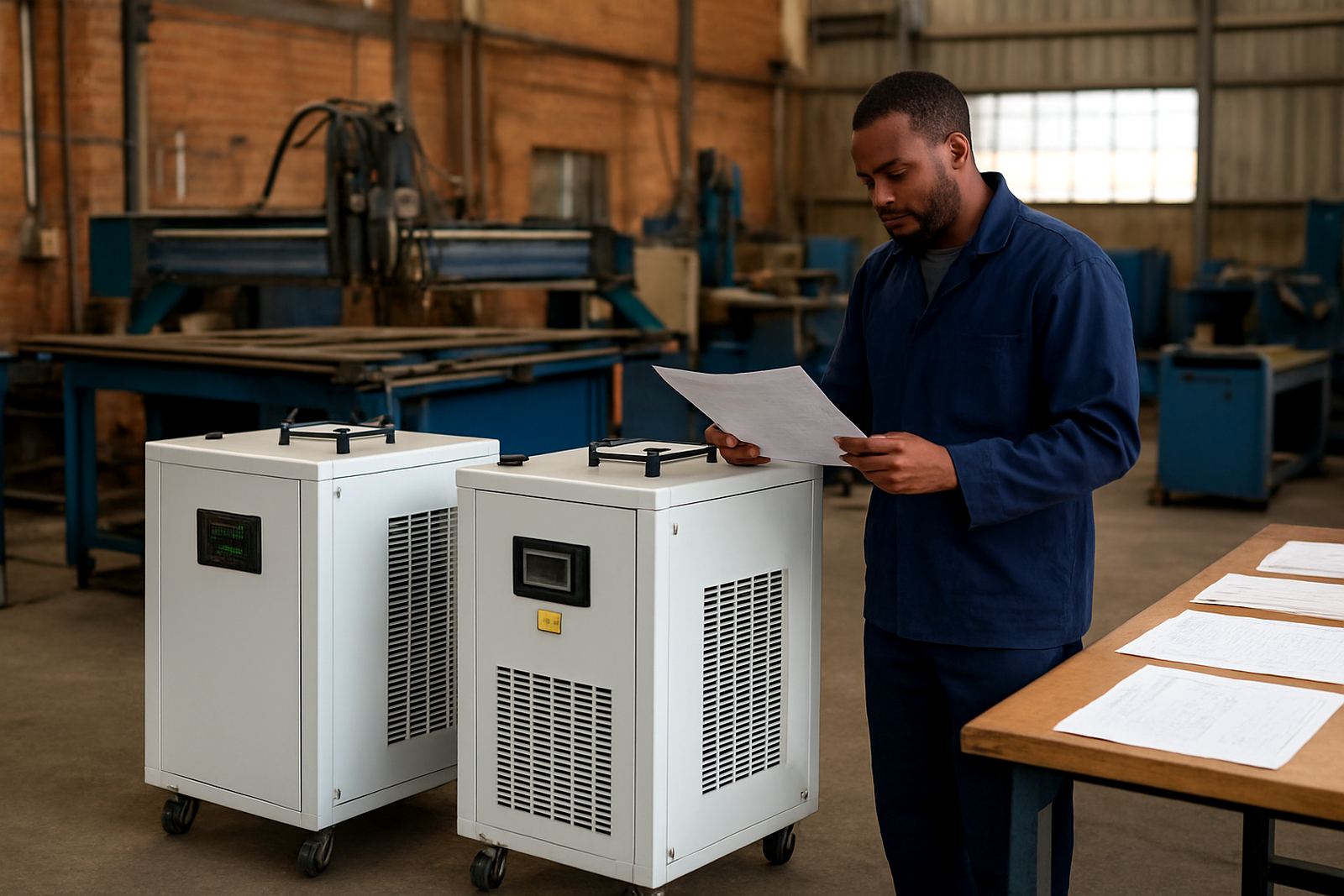
1. Start With The Application, Not The Model
Begin by matching the chiller to the job it must do every day. A laser, injection moulding machine and process line all place different demands on water temperature stability, flow and recovery time. If the application changes during the shift, or if several machines share one system, the spec must allow for the highest load not just the average.
For sites in Alberton, Johannesburg, Pretoria, Durban, Cape Town and Rustenburg, we also check the plant environment. A warehouse in Alrode with hot roof space and dusty air will need a different allowance from a factory close to the coast where humidity affects panels, pipework and electrical components. If your process runs through load-shedding windows, the recovery time after restart matters as much as the cooling capacity itself.
Before you compare quotations, write down the following:
- What equipment is being cooled and how many units are connected
- The required water temperature range and how tight that range must be
- Whether the load is constant, intermittent or varies by shift
- Any existing pumps, headers, tanks or temperature controls already in place
- Whether the site has indoor or outdoor installation space
2. Read Capacity In kW, Tons And Duty Conditions
Capacity is the first line on most chiller specs and the easiest one to misread. The same chiller can show a different rating depending on the water temperature, ambient air temperature and glycol content. A unit that looks large on paper may underperform if the rating was given under mild conditions and your plant sees high summer temperatures.
Look for the exact duty point. That means the chilled water leaving temperature, return temperature, ambient condition and flow rate used for the rating. If the document only gives a headline size with no duty condition, ask for the full performance data. It is the difference between buying enough cooling and having a machine that runs flat out all day.
- Check the stated capacity at your real operating temperatures
- Confirm whether the rating is for air-cooled or water-cooled operation
- Ask if the capacity changes with ambient temperature
- Make sure the figures suit summer conditions in your area, not just winter test data
- Allow extra headroom if the plant may expand later
For process lines, we often see customers choosing too close to the limit. A little spare capacity gives the system space to cope with warm inlet water, product changes and short production spikes without tripping alarms or losing control.
3. Check Ambient Rating And Installation Conditions
Ambient rating tells you the highest air temperature the chiller can handle while still working within spec. This matters a lot in South Africa. A machine that sits inside a hot factory with poor airflow will perform differently from one installed in a shaded, well ventilated plant room. If the unit is outside, sun exposure, dust and wind direction all count.
Do not assume a nameplate capacity suits every site. In summer, a roofed area in Gauteng can become very warm, while coastal humidity in Durban can make electrical enclosures and fans work harder. Where there is corrosion risk, we check the frame, fasteners and coil protection carefully. In dusty workshops, filters and fan access should be easy enough for the team to keep clean.
Use this installation checklist:
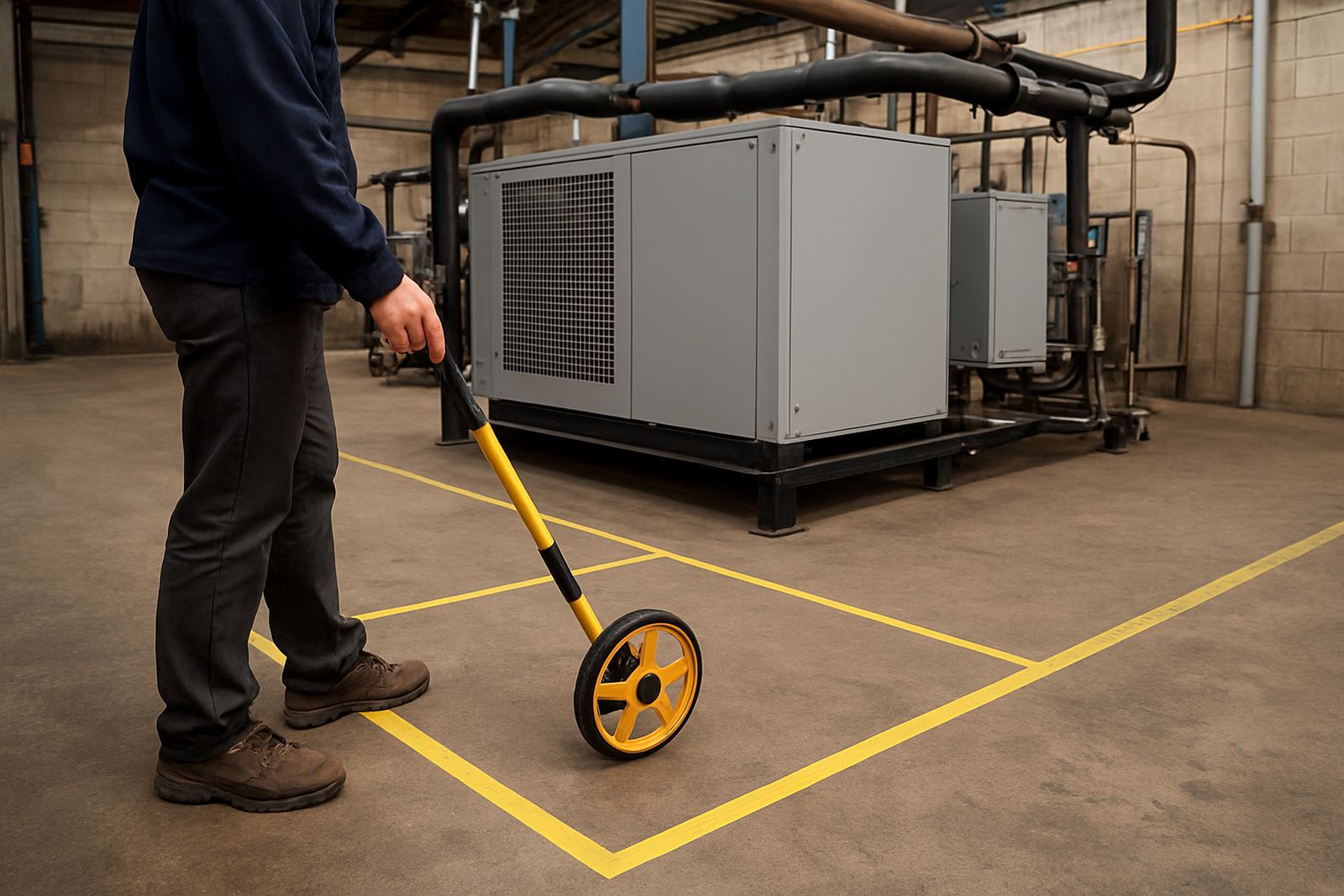
- Leave enough clearance for airflow and maintenance access
- Keep the unit away from hot exhausts, steam or direct sunlight where possible
- Allow for rain, flooding risk and floor drainage
- Confirm the electrical supply and phase balance before delivery
- Plan for safe access during routine cleaning and repairs
If the site is subject to municipal noise limits or neighbour complaints, the sound level should be reviewed as well. That can affect where the unit is placed and whether additional shielding is needed.
4. Flow Rate, Pressure And Pipework Matter More Than People Think
Cooling capacity is only one half of the picture. The chiller must also move the right amount of water through the equipment at the correct pressure. Too little flow can cause alarms, unstable temperatures and poor heat transfer. Too much flow can strain fittings, valves and pumps or create unnecessary energy use.
Read the spec for flow rate in litres per minute or cubic metres per hour, then compare it with the pressure drop of your machine, mould or line. If the pipe run is long, has many bends or includes quick-connect fittings, the pressure loss adds up quickly. This is where site checks save money because the pump selection must suit the full system, not just the chiller cabinet.
- Measure the distance from the chiller to the process equipment
- Note the pipe diameter, bends, valves and strainers already installed
- Check whether your system uses open or closed loop water
- Ask if the pump is built into the chiller or fitted separately
- Confirm the water quality needed for the pump and heat exchanger
We also look at water treatment. Scale, rust and algae all reduce performance over time. On some sites a simple treatment check and filter clean is enough, on others the pipework needs updating before a new unit can perform properly.
5. Control Details Tell You How Stable The Process Will Be
The control panel is not just a switch box. It decides how the chiller starts, stops, alarms and recovers. For laser work and mould temperature control, stable control logic is often more important than raw size. If the controller cannot respond quickly or show clear fault messages, operators lose time during breakdowns and shift changes.
Check whether the unit offers setpoint adjustment, alarm history, temperature calibration and remote status feedback. If your plant has multiple users, it helps when the display is clear and the controls are protected from accidental changes. Some installations also benefit from interface signals to the machine, so the process can pause cleanly if the water temperature moves outside range.
Useful control questions include:
- Can the operator see supply temperature, return temperature and fault codes clearly
- Is there a low-flow, high-temperature and phase fault alarm
- Can the setpoint be locked to prevent unauthorised changes
- Does the chiller restart safely after a power interruption
- Can it be connected to the process equipment control system where needed
In areas with frequent power interruptions, restart behaviour is worth checking carefully. A unit that comes back online in a controlled way protects compressors, pumps and the rest of the process.
6. Use A Site Checklist Before You Sign Off
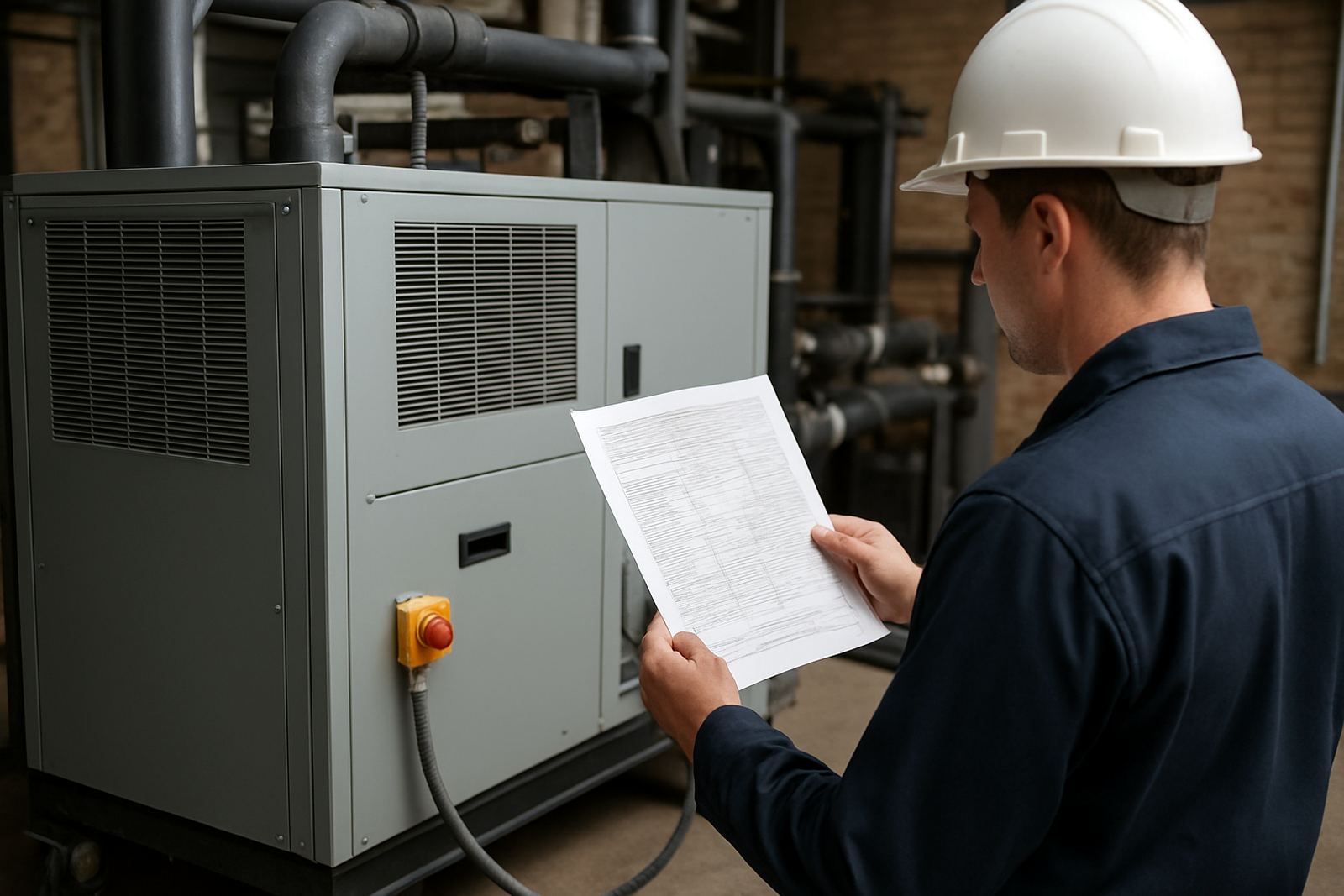
A good spec sheet should lead to a clean installation and a better operating result. Before final approval, compare the documents against the actual site conditions. If the numbers do not line up, ask for a revised selection or a site inspection. That is usually cheaper than correcting a mismatch after delivery.
Here is a simple sign-off checklist we use on many projects across Ekurhuleni and beyond:
- Does the capacity suit the real heat load and not just the brochure figure
- Is the ambient rating suitable for the hottest expected days
- Are the flow and pressure numbers right for the full pipe run
- Is the control panel clear, accessible and suitable for the operators
- Will maintenance be practical with the space available
- Has power quality, water quality and drainage been considered
Once these points are covered, the chiller is far more likely to support the process properly over the long term. Our team in Alberton, including Riaan van der Merwe, Lerato Mokoena, Sibusiso Dlamini, Anika Naidoo, Pieter Joubert, Nomsa Khumalo and Thabo Maseko, helps clients compare the numbers, plan installation and keep systems running through daily production demands.