Start with the laser process, not the chiller name
The first step is to define what the laser is doing and how hard it works during a shift. A marking laser, cutting system and welding application all place different demands on the cooling circuit, so the right unit depends on heat load, duty cycle and how tightly the process must hold temperature.
Ask for the laser manufacturer’s cooling requirements, then check the real operating pattern on site. A machine that runs for short bursts in a cool factory may need far less capacity than the same unit running all day in a warm workshop in Johannesburg or Durban. If the laser is linked to a larger line, include nearby equipment that adds heat into the room.
- Record the laser model and total heat load in kW or kcal/h
- Note whether the unit runs continuously or in batches
- Measure ambient temperature at the hottest point in the room
- Check whether more than one machine shares the same cooling circuit
Choose the cooling capacity with margin, not guesswork
Once the heat load is known, match the chiller capacity to that number with sensible headroom. Too little capacity means unstable temperatures, nuisance trips and shorter component life. Too much capacity can cause short cycling and poor control, especially where the process needs a steady return temperature.
In South African plants, it is wise to allow for summer heat, dirty condensers and occasional voltage dips. In coastal areas such as Durban and Cape Town, humidity and warmer intake air can reduce performance. Inland sites around Pretoria, Germiston and Rustenburg may face dust and higher ambient swings depending on the season.
A practical selection check is to confirm the cooling duty at the actual operating ambient, not only on a mild day in the workshop. If the machine will be moved between sites, consider the worst case and not the easiest one.
- Allow margin for peak summer conditions
- Check performance at site ambient, not only catalogue conditions
- Confirm the chiller can hold temperature under load changes
- Ask whether the unit is suitable for 24 hour operation
Match flow, pressure and piping to the machine
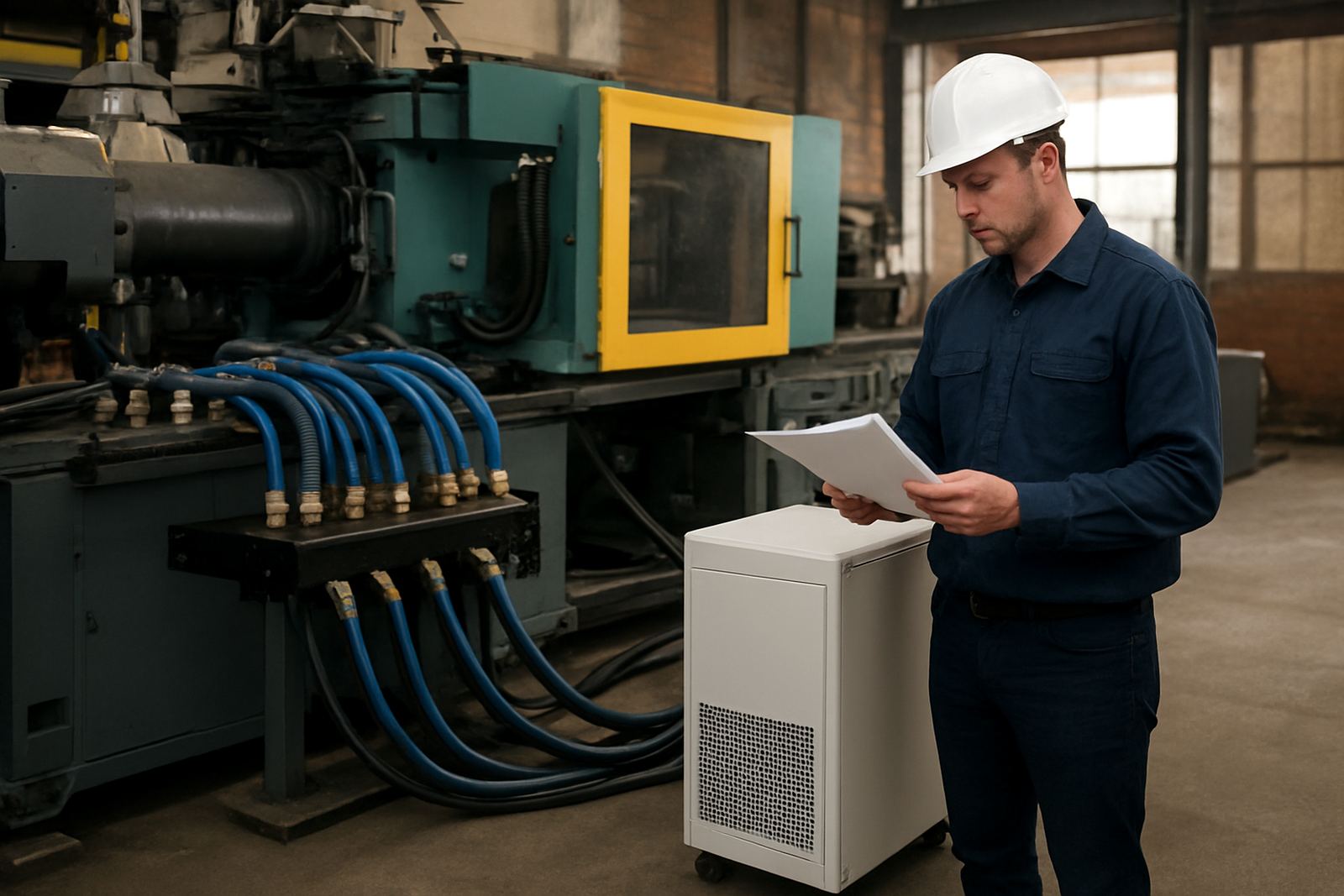
Cooling capacity alone is not enough. The chiller must also deliver the correct flow rate and pressure to the laser head, optics, mould circuit or process line. If the pump is undersized, the system may show alarms even when the refrigeration side is working properly.
Look at pipe length, elevation changes, quick couplers, filters and any extra resistance in the line. In older plants, pipework retrofits often solve recurring cooling faults because the problem is not the chiller itself but the piping around it. Water quality matters too, especially where scale, corrosion or sediment can block small passages.
If the installation sits in a noisy workshop or near production lines, allow space for maintenance access to strainers, fans and control panels. You do not want to drain the system every time a filter needs checking.
- Confirm required flow in litres per minute
- Check pump pressure against the full piping route
- Allow for filters, valves and elevation changes
- Use water treatment checks where scaling or corrosion is a risk
Look for control features that protect the process
Laser work often needs tight temperature control, so the controls matter as much as the compressor size. A good chiller should hold stable set points, show clear alarms and allow the operator to see what is happening at a glance. That makes fault finding faster and reduces downtime when a line stops unexpectedly.
For process lines, consider features such as digital temperature display, remote alarms, flow monitoring and adjustable set points. If the machine is part of a larger production cell, integration with the plant control system may be useful. Operator training is important too, because many cooling faults start with poor start up or incorrect set point changes.
Where load-shedding or unstable supply is part of the picture, ask how the unit recovers after a power interruption. A chiller that comes back cleanly and safely saves time for the maintenance team.
- Stable temperature control within the process tolerance
- Clear alarm history and fault indication
- Flow and low level protection
- Simple set up for operators and shift teams
Plan for installation, maintenance and real site conditions
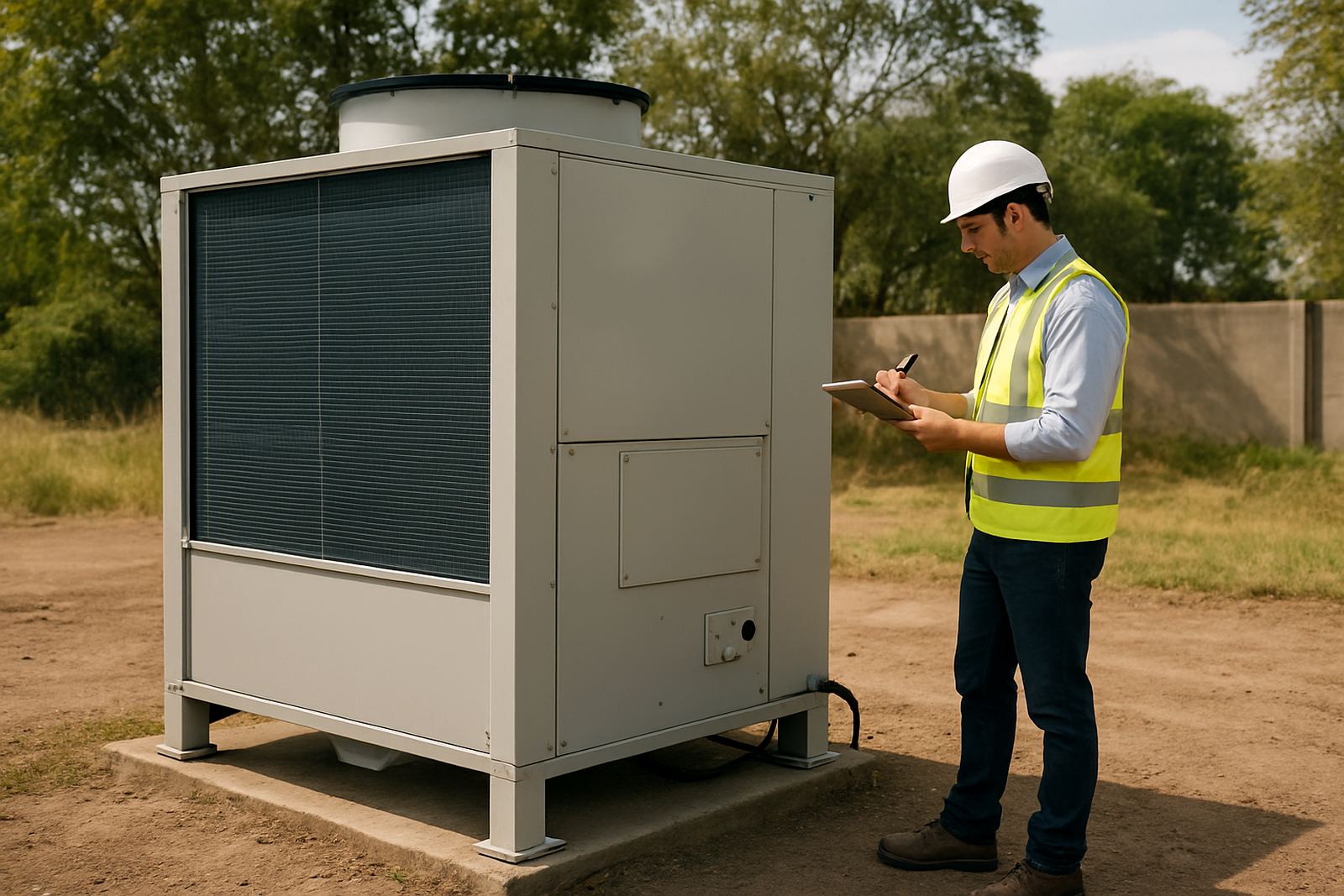
The best chiller on paper still needs the right installation. Check power supply, floor loading, ventilation, drainage and access for servicing before the equipment arrives. On busy industrial sites in Alberton, Boksburg and Johannesburg, poor access can turn a simple service into a major stoppage.
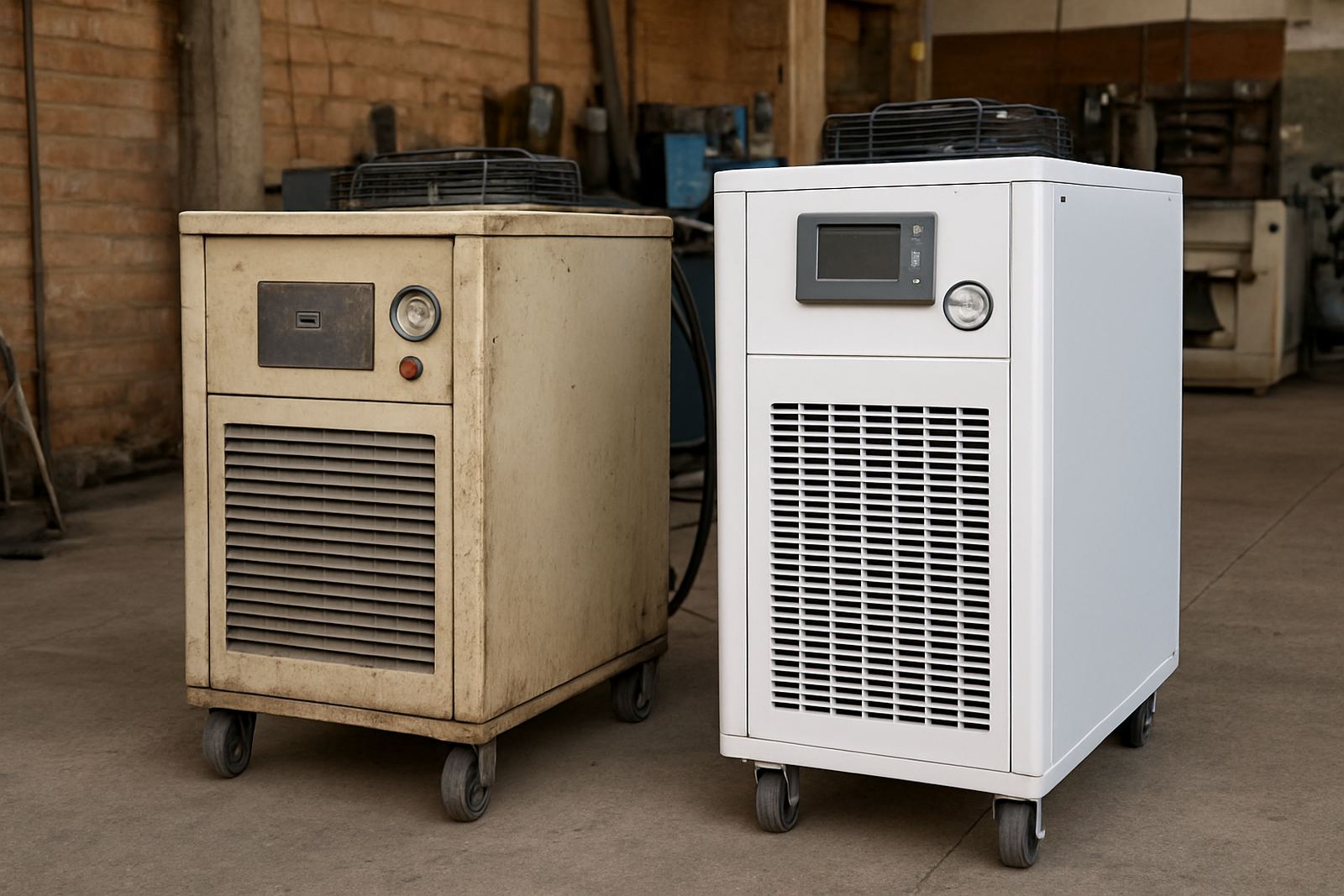
Maintenance should be part of the buying decision. Preventative maintenance, refrigerant checks, pump inspections and cleaning of heat exchangers all help keep the system stable. Temporary cooling may also be useful if a production line cannot stop during a planned repair or retrofit. For coastal and dusty environments, more frequent cleaning is often needed.
If you are comparing options, ask what can be maintained locally and what spares are needed. A supplier that supports breakdown repairs and commissioning can help you avoid long delays when production is under pressure.
- Confirm electrical supply and protection before delivery
- Allow space for airflow and routine servicing
- Plan maintenance intervals around production hours
- Keep a backup plan for critical equipment
Use a quick checklist before you place the order
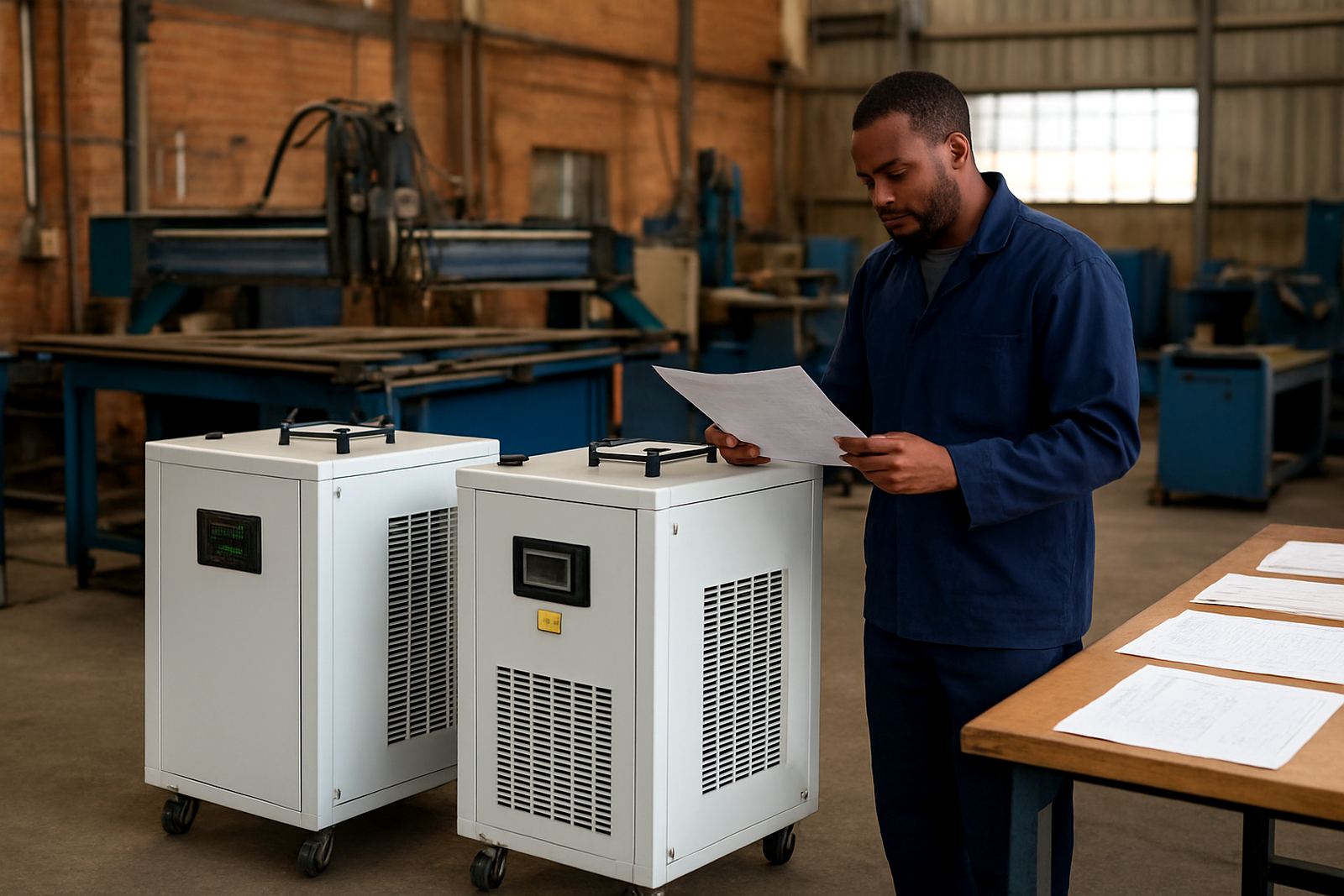
A short checklist helps avoid expensive mistakes. Before you choose a laser chiller, make sure the heat load, ambient temperature, flow rate and control needs are all written down. Then check whether the unit is going into a single machine or feeding a wider process line with shared demand.
If your operation runs across multiple sites, standardising on one cooling approach can simplify training and spares. That is often useful for plants in Pretoria, Durban, Cape Town and Rustenburg where the service environment may differ but the process outcome needs to stay consistent.
When in doubt, ask for a cooling audit and a site review. A careful review up front is usually cheaper than replacing a chiller that cannot keep up after installation.
- Heat load confirmed
- Ambient conditions known
- Flow and pressure requirements checked
- Control features suitable for the process
- Maintenance access and service support planned