Start with the real job the chiller must do
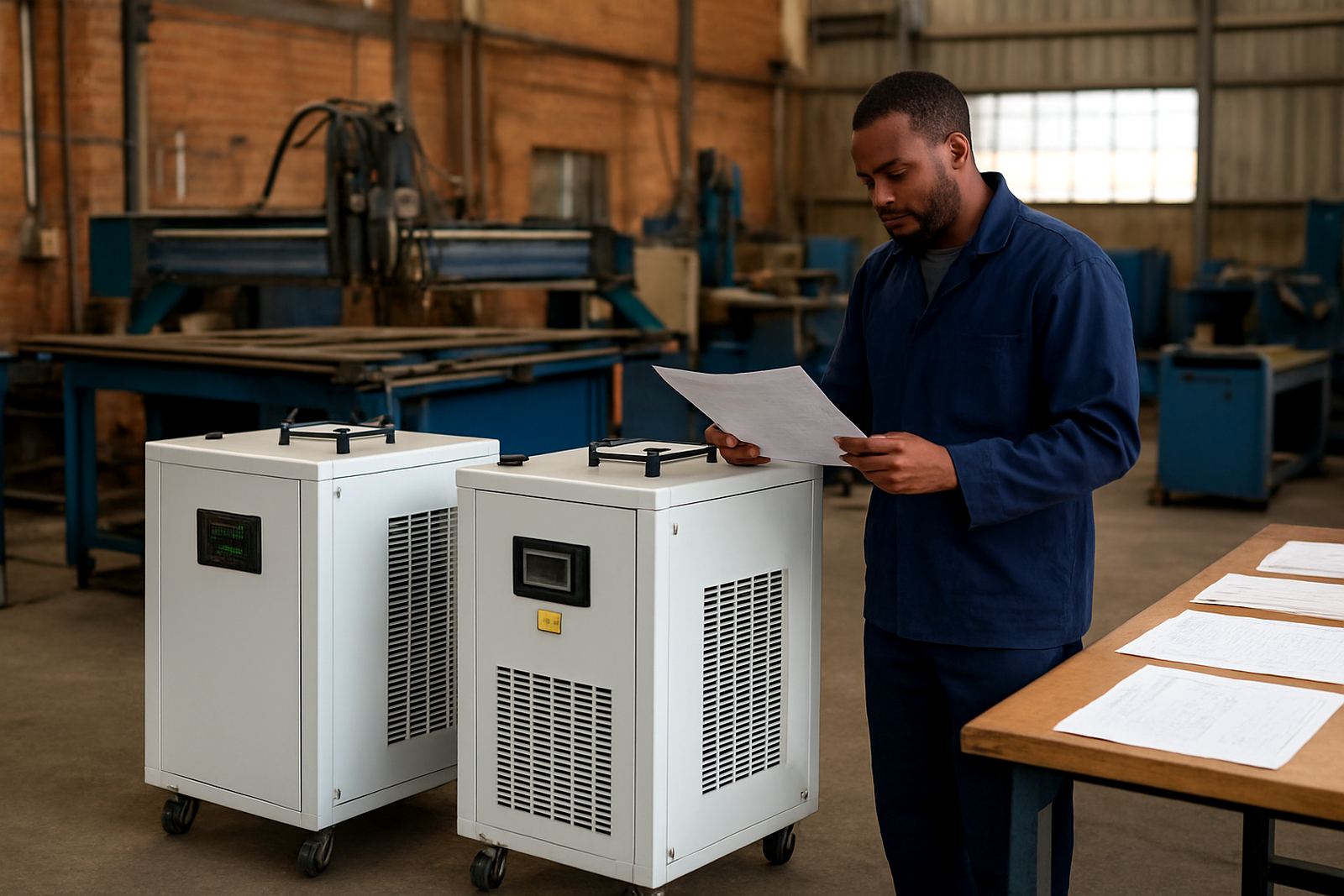
Before you compare quotes, define what the chiller must handle today, not what it was built for 10 or 15 years ago. Laser machines, moulds and process lines often run at tighter temperature bands than older systems were designed to hold. If your production has grown, the old unit may be under-sized even if it still starts up and cools water.
In Alberton, Johannesburg and other industrial areas, we often find a chiller that looked fine on paper but struggled once ambient temperatures climbed and the load-shedding cycles started affecting plant stability. A unit that can keep water cold for short runs may still fail on long shifts, especially where there is high dust, poor water quality or continuous duty.
- Check the actual heat load now, not the original design load.
- Confirm the required water temperature range and tolerance.
- Note whether the line is batch based or running all day.
- Record any recent changes to equipment, moulds or laser heads.
Signs a retrofit is the smarter option
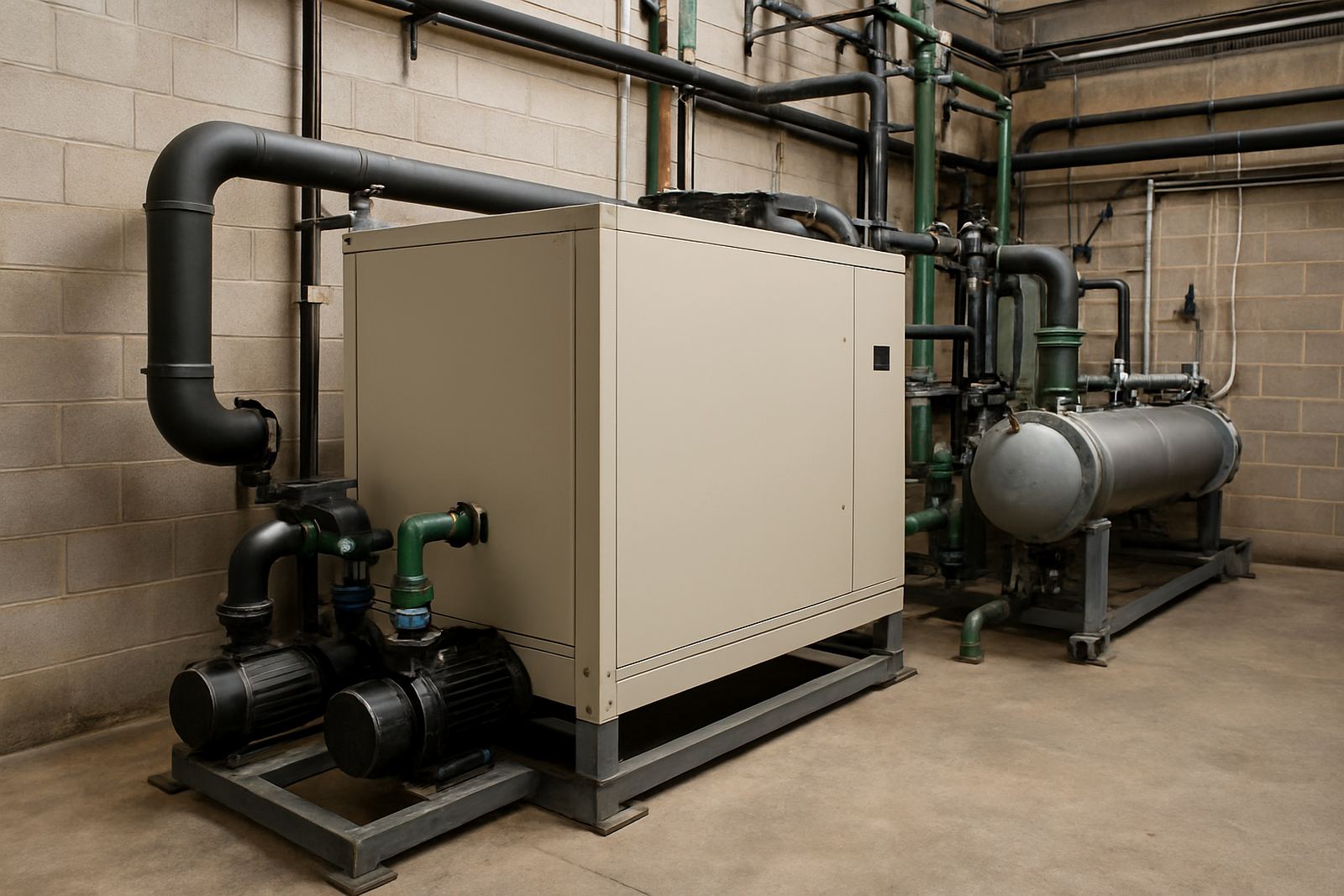
A retrofit makes sense when the frame, piping and main refrigeration circuit are still in fair condition, but controls or support components have become the weak point. This is common on older systems where compressors, pumps and control panels are still serviceable, yet the chiller is wasting energy, tripping often or not holding setpoint properly.
If the base machine is structurally sound, upgrading parts can extend service life and reduce downtime without the cost of a full replacement. For many sites, a well planned retrofit is the best value when the machine is under 10 to 12 years old and the service history shows manageable wear rather than repeated major failures.
- Controls are outdated but the refrigeration plant is still stable.
- Pumps are weak, noisy or losing pressure, but the rest of the unit is sound.
- You need better monitoring, alarms or temperature accuracy.
- The system needs pipework changes, water treatment checks or a panel upgrade.
- The chiller is mechanically sound, but support parts are becoming difficult to source.
When full replacement is the better call
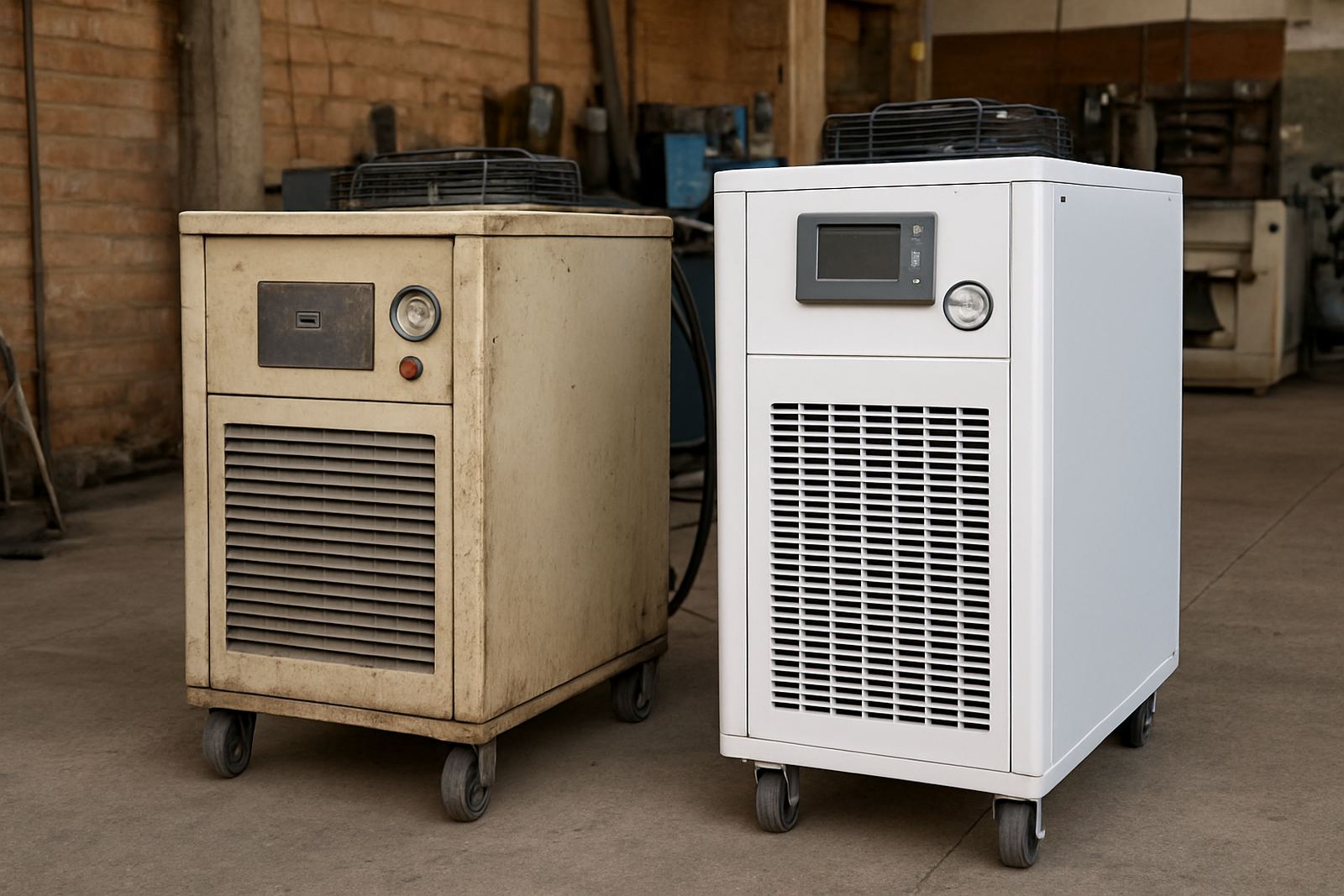
Replacement is usually the safer option when the chiller has repeated compressor failures, major corrosion, or a long record of repairs that keep returning. Once the cost of keeping an old unit alive starts matching the cost of a new one, the business case changes quickly. A machine that constantly trips or leaks may also put your laser, moulds or process line at risk, and that is often the expensive part.
Coastal humidity in Durban and Cape Town can speed up corrosion on frames, fittings and electrical parts. Inland sites can also suffer when dust, poor ventilation or unstable power damage the same components again and again. If the vessel, coil or core refrigeration parts are badly worn, replacing the whole system is usually more practical than putting money into another short term fix.
- Major corrosion is visible on the frame, coil or pipework.
- The compressor has failed more than once in a short period.
- Energy use has climbed sharply with no clear cause.
- The unit cannot hold process temperature during peak heat or load-shedding.
- Repair lead times are causing production delays that cost more than the hardware.
A simple decision check before you spend money
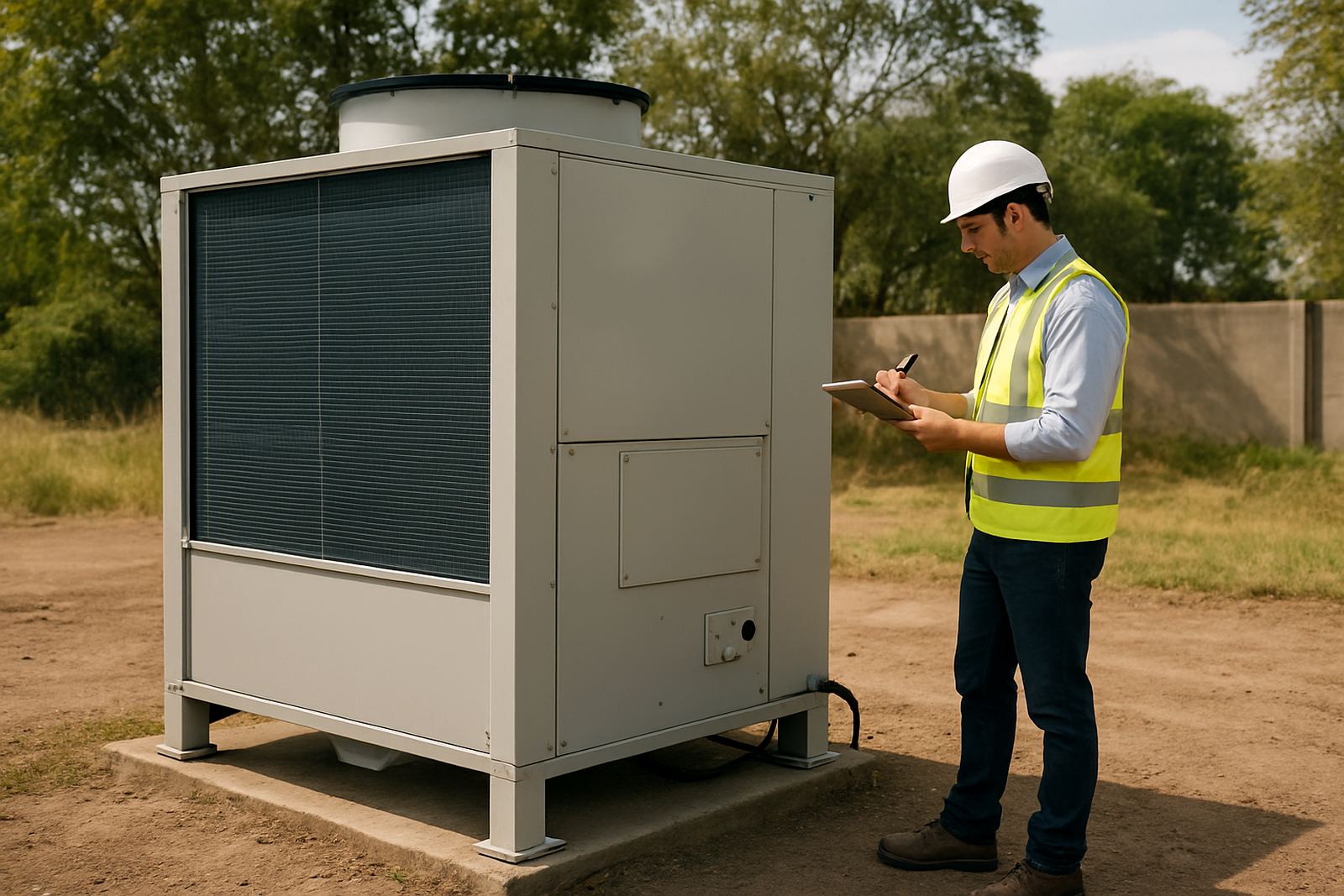
Use a structured review so the choice is based on facts, not panic after a breakdown. A cooling audit can show whether the chiller is under-sized, badly maintained or simply at the end of its useful life. It also helps you compare the short term spend on repairs against the long term benefit of newer equipment.
We suggest looking at the whole system, not only the chiller itself. Poor water quality, incorrect pipe sizing, blocked strainers and worn pumps can make even a good unit look faulty. Fixing those issues may turn an apparent replacement case into a sensible retrofit, or confirm that the machine is past practical saving.
- How old is the unit and what is its service record?
- How often has it broken down in the last 12 months?
- Are parts still available locally and at reasonable lead times?
- Has the process load changed since the original installation?
- Is water treatment up to standard for your system and area?
What a retrofit may include on site
A retrofit should target the part of the system that limits performance, not just the part that looks tired. For example, a control panel upgrade may solve nuisance trips, while a pump replacement can restore circulation and improve temperature recovery. In some plants, pipework retrofits and better isolation valves make future maintenance much easier too.
Where a chiller is still worth keeping, we normally plan the work to minimise downtime and protect production. That may mean temporary cooling during the changeover, followed by system commissioning and operator training so the team understands the new controls and alarm points. The aim is a cleaner, easier to run system with less strain on the rest of the plant.
- Control panel upgrades for better temperature control and alarms.
- Pump replacements where pressure or flow has dropped.
- Pipework retrofits to correct weak circulation or poor layout.
- Water treatment checks to reduce scaling and corrosion.
- Temporary cooling during planned shutdowns or urgent repairs.
Plan the next 12 months, not only today
Whatever you choose, build a maintenance plan around the new risk profile. If you retrofit, preventative maintenance matters more because the system is still carrying older parts. If you replace, the first year should focus on correct commissioning, stable water quality and operator habits that protect the new equipment from avoidable wear.
Sites in Rustenburg, Pretoria, Germiston, Boksburg and across Gauteng often run hard through the day and need support that matches that pace. A practical plan should include regular inspections, leak checks, electrical checks and seasonal performance reviews. That way the chiller keeps doing its job, instead of becoming another emergency after the next hot spell or power interruption.
- Set a service schedule based on actual running hours.
- Keep a log of alarms, trips and temperature drift.
- Check water quality after shutdowns or pipework work.
- Review performance before peak summer demand.
- Train operators on start-up, shut-down and basic fault reporting.