How a water cooled chiller fits into a plant room
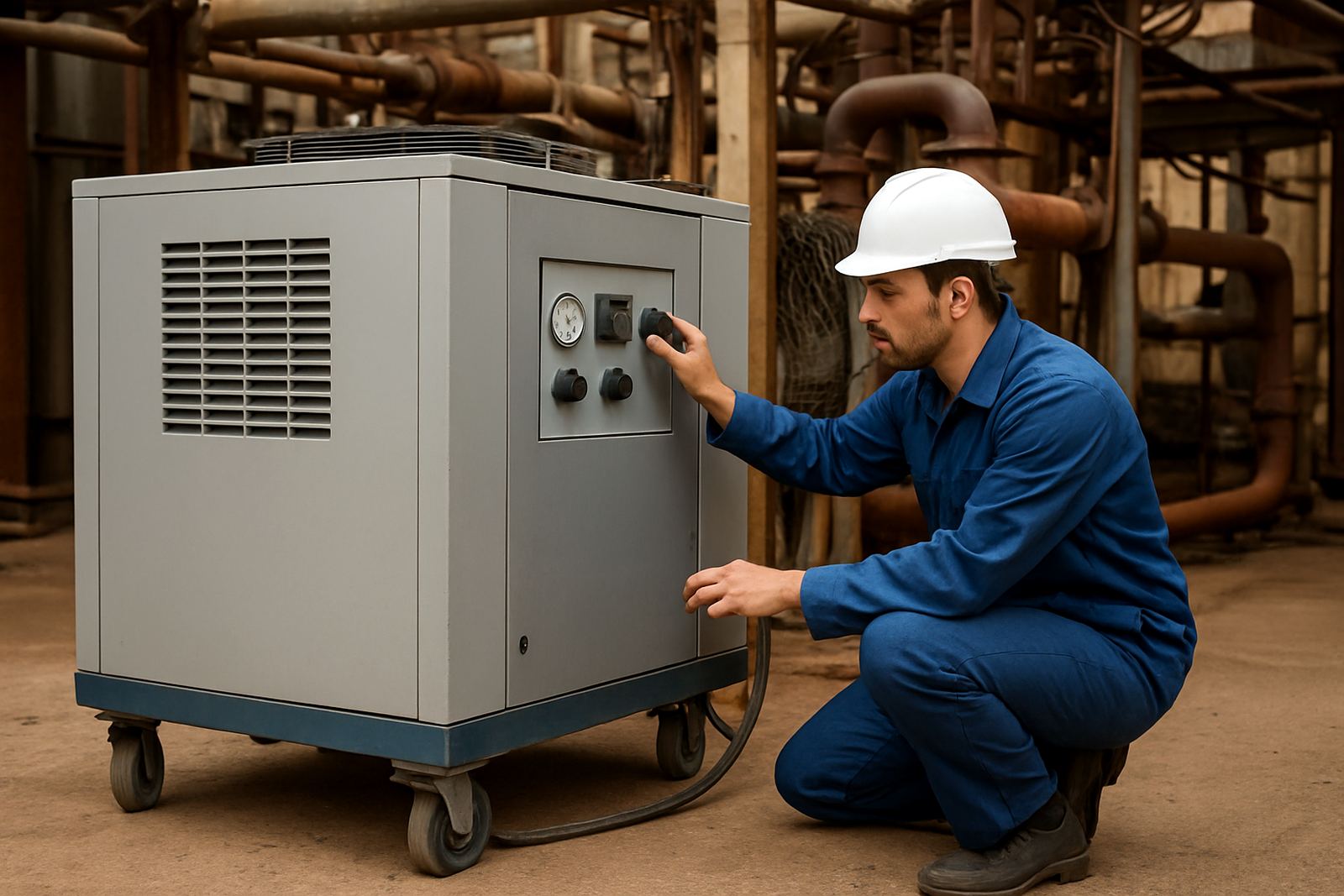
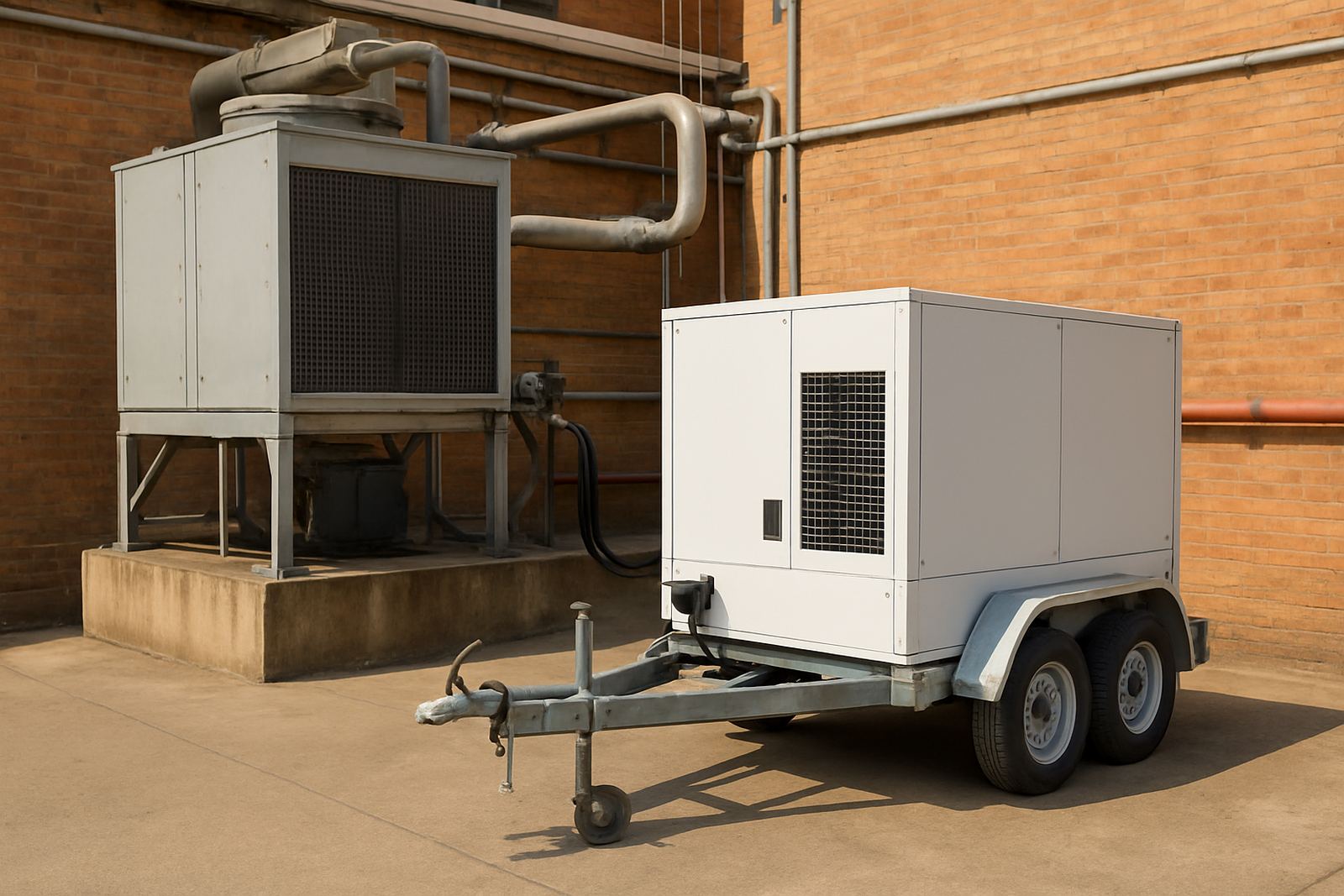
A water cooled chiller removes heat from process water by sending that heat to a separate water circuit, usually through a cooling tower or similar heat rejection system. That makes it a practical choice where noise must stay low, floor space is limited, or the process needs consistent cooling for lasers, moulds or production lines.
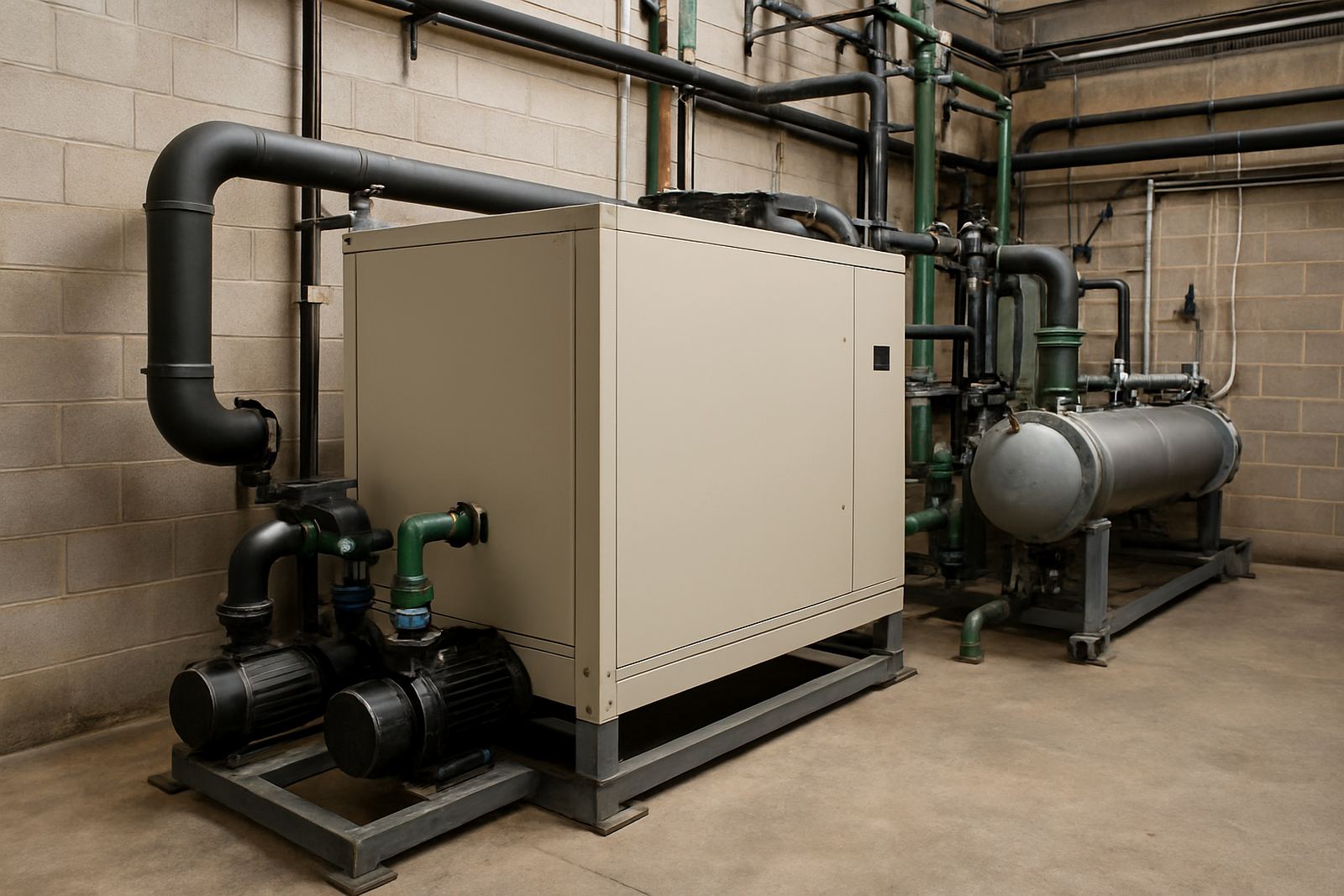
In South African plant rooms, the main checks are simple: available space, access for pipework, electrical supply, drainage, and enough room for maintenance. If the unit is going into a tighter space in Alberton, Johannesburg or Pretoria, allow for panel access, filter removal and safe lifting routes. A chiller that is hard to service becomes expensive later.
When water cooled is the better option
Water cooled equipment is often used where air cooled units would struggle with heat build-up, dust, or high ambient temperatures. In factories with long operating hours, this can help keep process temperatures steadier and reduce stress on downstream equipment.
- Use it where heat rejection must stay inside a controlled plant area.
- Choose it when noise needs to be kept down near staff or neighbouring tenants.
- Consider it for compact sites where roof or yard space is limited.
- Use it for sensitive loads such as laser cooling, mould temperature control, and process lines.
If your site is in Durban or another coastal area, factor in humidity and corrosion protection. If you are in Rustenburg or another dusty area, plan for better filtration and regular cleaning. Each site has its own practical limits and it pays to match the system to those conditions.
Sizing and specification checks before installation
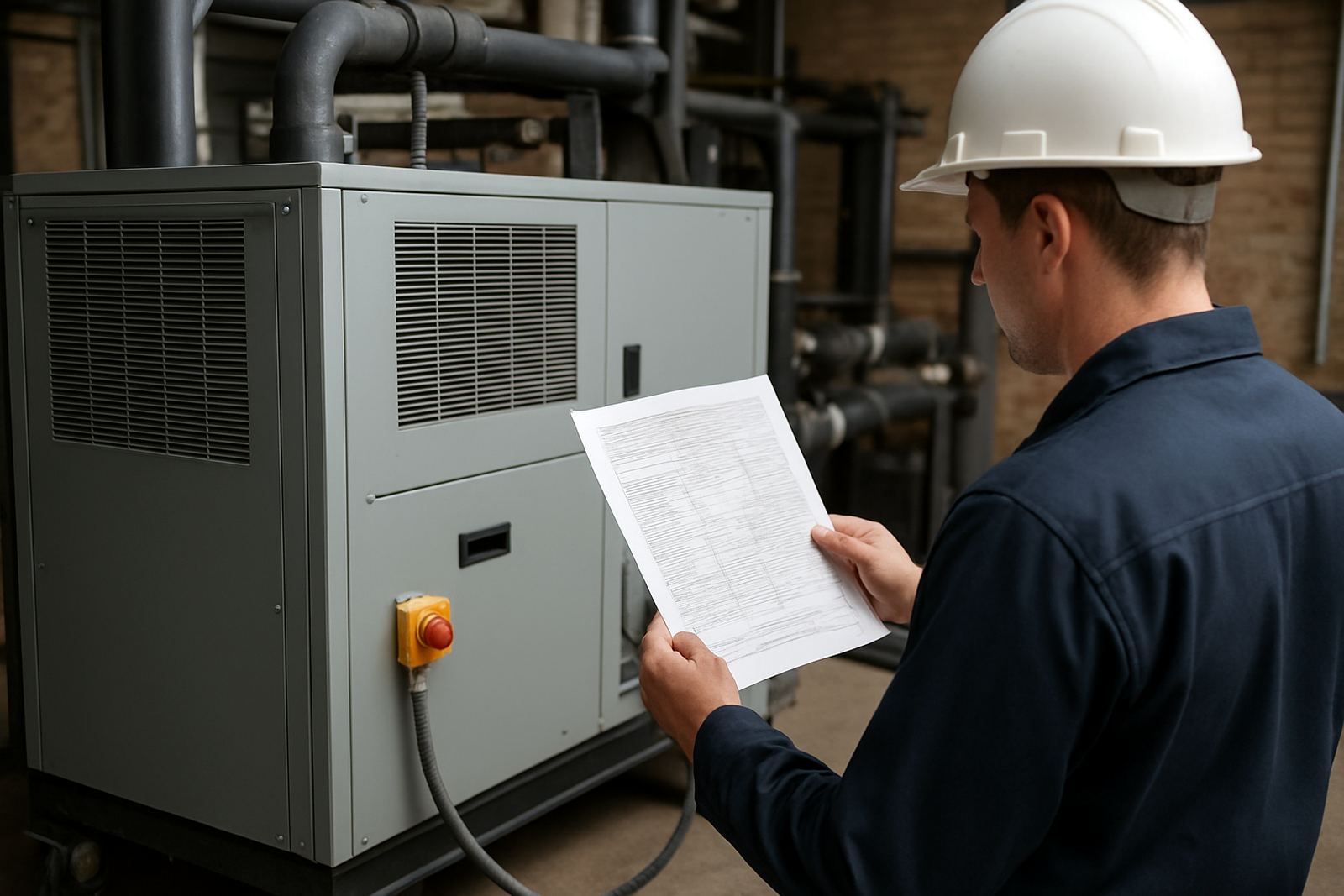
Correct sizing starts with the actual heat load, not an estimate based on old equipment. Ask for the process temperature, flow rate, duty cycle, ambient conditions, and whether the load changes through the day. A chiller that is too small will short cycle and wear out faster. One that is too large can run inefficiently and create control issues.
Before ordering, check the following:
- Required cooling capacity in kW or refrigeration tons.
- Supply and return water temperatures.
- Pipe lengths and pressure drop across the system.
- Electrical supply, protection and starting method.
- Water quality, including scaling risk and corrosion potential.
- Space for future access, not only the day one footprint.
A proper site visit should also look at the surrounding plant equipment. Pumps, strainers, valves and control panels all need space and clear labelling so the operator can isolate the unit quickly if a fault appears.
Commissioning steps that prevent early failures
Commissioning should not be rushed. The system must be flushed, checked for debris, filled correctly and tested under load before handover. Any loose pipework, poor electrical terminations or incorrect flow settings will show up later as nuisance trips or poor temperature control.
A basic commissioning sequence should include:
- Flushing the pipework and checking strainers.
- Confirming correct rotation on pumps and motors.
- Verifying control setpoints and alarms.
- Testing flow, pressure and temperature stability.
- Checking for leaks at joints, valves and fittings.
- Confirming safe stop and restart after a power interruption.
For sites that deal with load-shedding, ask how the unit recovers after power returns. If process water warms up too quickly, operators may need a temporary cooling plan or staged restart procedure to protect the line.
Maintenance that keeps the system dependable
Water cooled chillers need routine care to keep performance steady. The most common problems are blocked strainers, dirty heat transfer surfaces, poor water treatment and worn pumps. Small issues can grow quickly if they are left to run in the background.
A simple maintenance plan should include:
- Weekly visual checks for leaks, noise and unusual vibration.
- Monthly cleaning of strainers and inspection of control readings.
- Regular water treatment checks to limit scaling and corrosion.
- Inspection of pumps, seals and electrical connections.
- Planned cleaning of coils, plates or heat exchange surfaces.
In humid coastal sites, corrosion checks matter more often. In inland areas with hard water or dusty conditions, fouling can build up faster than expected. A little attention every month usually prevents bigger shutdowns later and keeps the equipment running the way it should.
Troubleshooting common symptoms on site
When a chiller starts behaving badly, the symptom usually points to the cause. Warm process water may indicate low flow, fouled heat transfer surfaces, incorrect setpoints or a failing pump. Frequent trips can come from electrical issues, poor ventilation around panels, or unstable incoming supply.
Use this quick checklist before calling for repairs:
- Check that valves are fully open and flow is steady.
- Look for blocked strainers or dirty filters.
- Confirm the water level and treatment condition.
- Inspect alarms on the control panel and note the code.
- Listen for cavitation, grinding or repeated starting.
If the unit is feeding a laser or mould line, do not keep restarting it without checking the cause. Repeated resets can hide the real fault and damage a component that might still be recoverable.
How Raynen supports installs and ongoing service
From Alrode in Alberton, Raynen supplies and services industrial water chillers for plants across Johannesburg, Pretoria, Durban, Cape Town and Rustenburg. Support covers new installation, commissioning, preventative maintenance, breakdown repairs, refrigeration repairs, pump replacements, water treatment checks, control upgrades and temporary cooling when a process cannot stop.
The team includes Lerato Mokoena in operations, Sibusiso Dlamini on senior service work, Anika Naidoo in projects, Pieter Joubert in technical sales, Nomsa Khumalo in customer support and Thabo Maseko in the workshop. For businesses in Germiston, Boksburg or elsewhere in South Africa, enquiries are handled through the contact page form so the right person can review the site details and respond properly. A well matched chiller saves time, water and frustration, so it is worth getting the specification right from the start.