When an air cooled chiller makes sense
Air cooled chillers suit facilities that want simpler installation and fewer water-side parts to manage. For many South African sites, that means less dependence on boreholes, municipal water pressure, water treatment plant, or a cooling tower that needs regular cleaning and chemical control.
They are often a practical choice for laser systems, mould cooling and process lines where the cooling load is steady and the plant room or yard has enough fresh air movement. In places like Alberton, Johannesburg and Pretoria, an air cooled unit can be easier to place and commission than a water cooled setup, especially on sites where space is tight or water quality varies.
If your factory already struggles with scale build-up, dirty condenser water, or limited maintenance labour, air cooled can reduce some of those headaches. It will not suit every application, though. High ambient temperatures, poor ventilation and recycled hot air around the condenser can reduce performance, so the site must be checked properly before selection.
Check your site before you choose
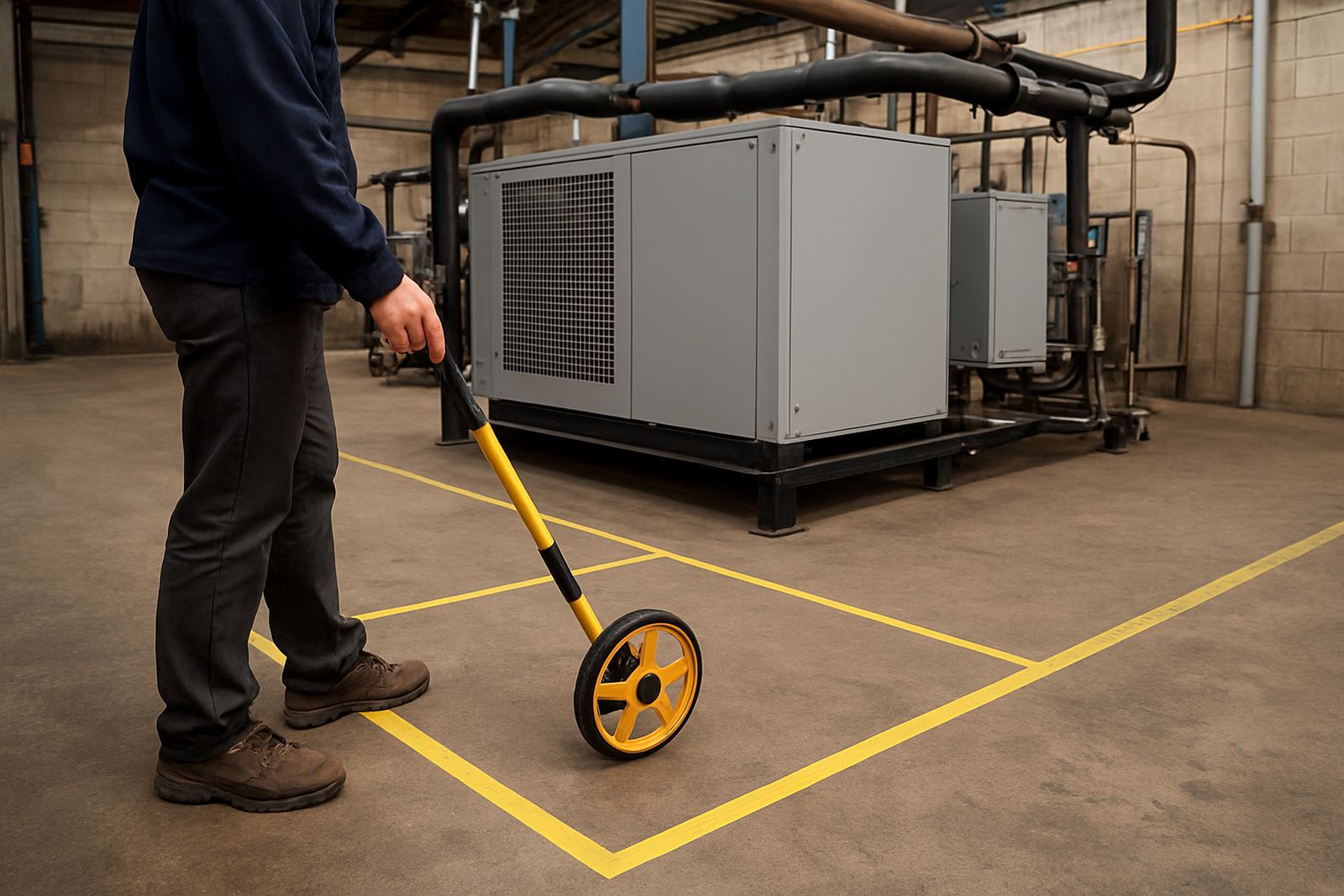
A proper site check should happen before any sizing or quote is finalised. The goal is to see whether the chiller can breathe, where the pipe routes will run, and whether the electrical supply can support the unit during normal operation and after load-shedding restarts.
On industrial sites in Durban, Cape Town and coastal areas, corrosion risk also matters. Salt air can affect coils, panels and fasteners if the installation position is wrong. Inland sites may face dust, heat and vibration from neighbouring machines, so the mounting and clearance still need attention.
- Confirm available floor space and service access on all sides.
- Check if hot exhaust air can leave the area without recirculating.
- Measure ambient temperature at peak summer conditions.
- Review power supply, cable size and motor start requirements.
- Identify noise limits if the unit is near offices or boundary walls.
- Check drainage, bunding and any municipal or site safety rules.
How to compare air cooled and water cooled options
The main difference is where the heat goes. An air cooled chiller rejects heat into the surrounding air with fans and coils, while a water cooled system uses water and usually a separate heat rejection arrangement. That means air cooled is usually simpler to install, but it can use more electricity in very hot conditions and may need more open space around it.
Choose air cooled when water use must be kept low, when installation time matters, or when your team prefers a simpler maintenance routine. Choose water cooled only when the site has the right infrastructure and the operating conditions justify the extra plant and water treatment effort.
For mould temperature control and laser applications, the deciding factor is not just the chiller type. You also need stable flow, correct setpoint control and enough cooling capacity during the hottest weeks of the year. A unit sized only for mild weather will often struggle in mid-summer, especially if it is exposed to direct sun or poor airflow.
Maintenance tasks that keep performance steady
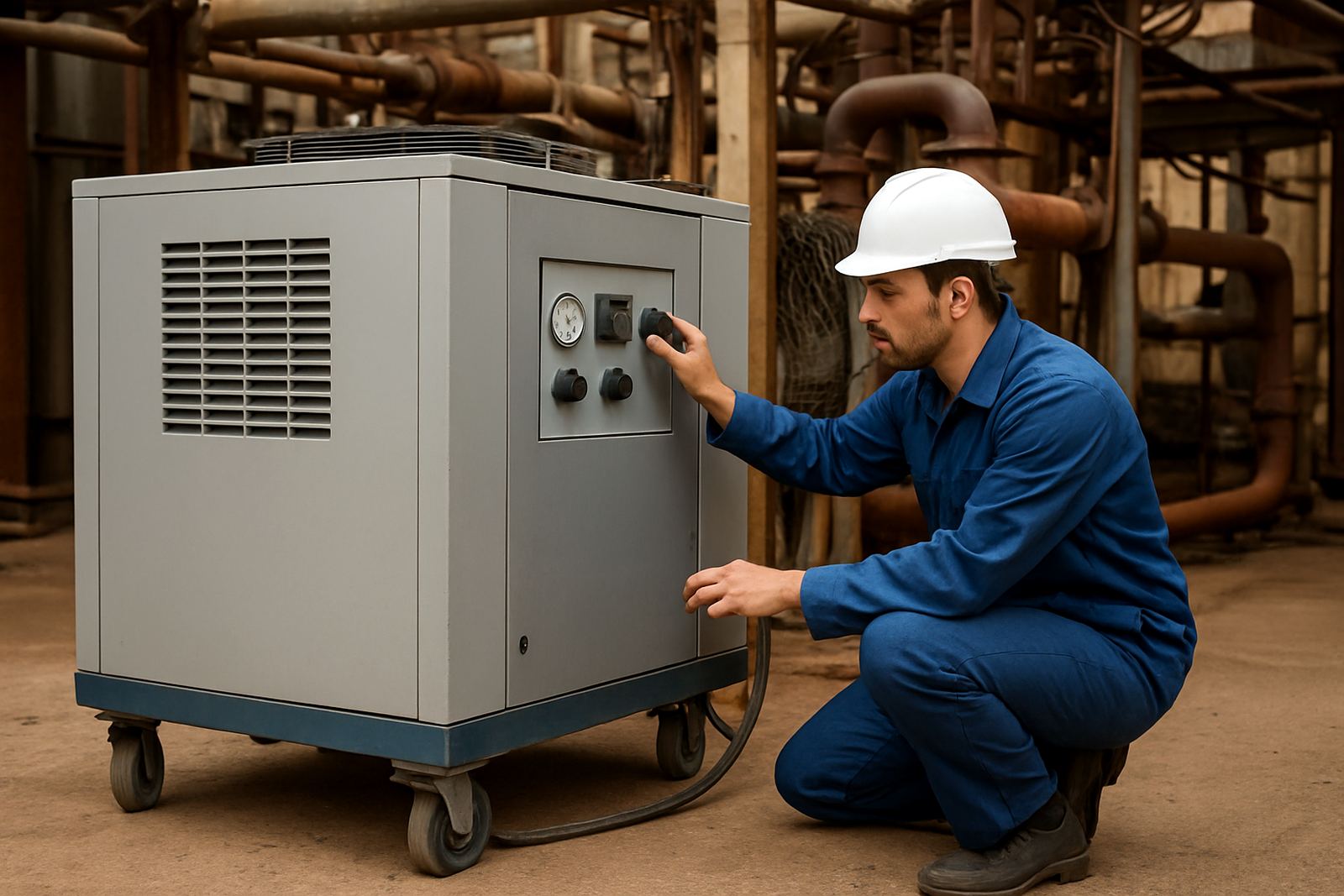
Air cooled units are straightforward, but they still need regular attention. Dust, fluff, oil mist and leaves can block the coil and reduce heat transfer. If the condenser is dirty, the chiller will run harder, draw more power and may trip on high pressure. In factories with cardboard dust, grinding residue or compressor oil in the air, cleaning intervals should be shorter.
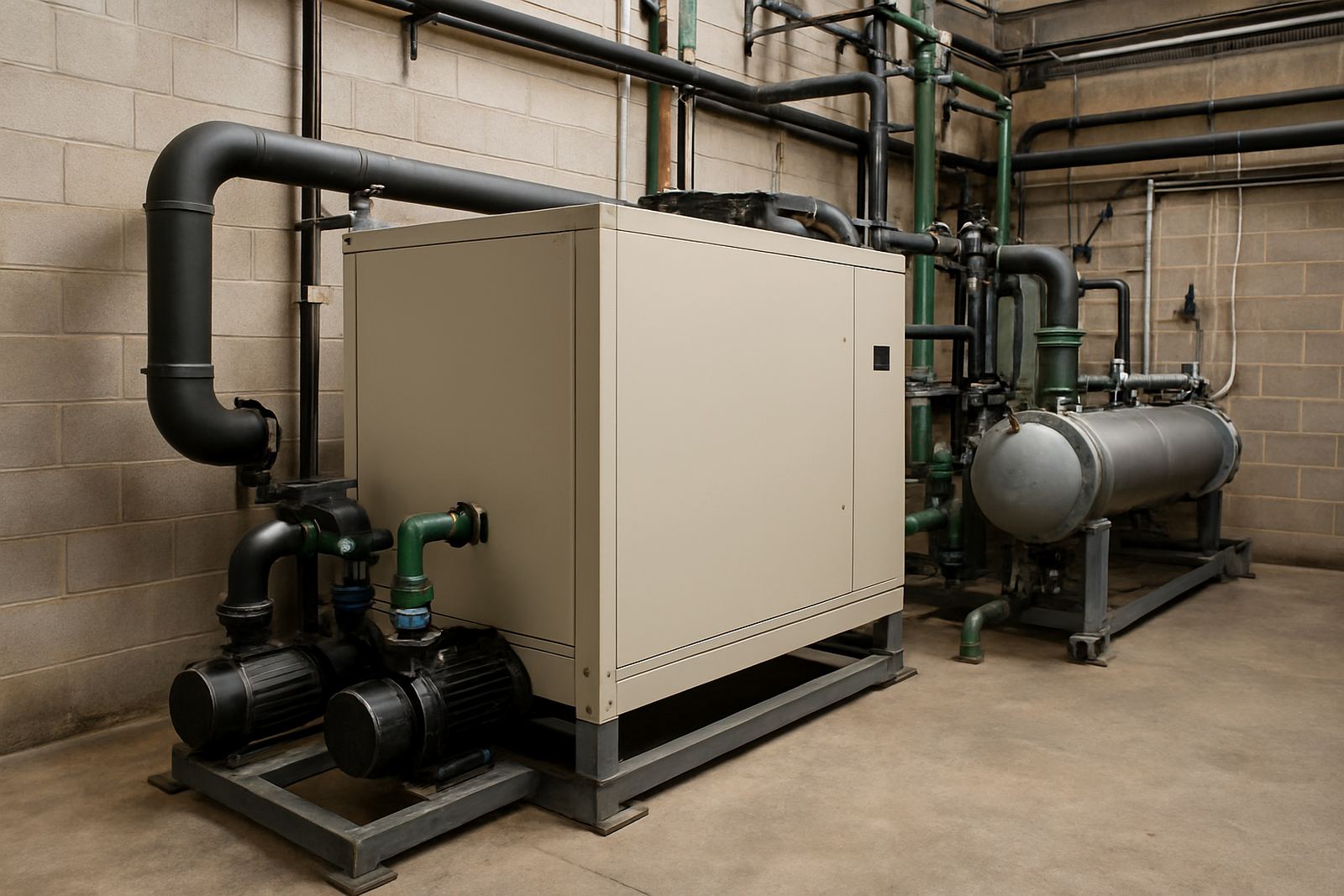
A good maintenance plan should cover both the machine and the water circuit. Many problems start in the pipework, not the compressor. Dirty strainers, air in the line, poor glycol concentration, failing pumps and untreated water can cause nuisance faults and damaged equipment.
- Clean condenser coils on a planned schedule.
- Check refrigerant pressures, fan operation and control alarms.
- Inspect pumps, strainers and flow switches.
- Test water quality, pH and treatment levels where required.
- Look for leaks, insulation damage and pipe vibration.
- Record setpoints, ambient readings and fault history for trends.
Planning for load-shedding and restart conditions
In South Africa, a chiller must recover cleanly after power interruptions. A plant that restarts badly can push warm process water through sensitive equipment, which is a problem for lasers and tight mould temperatures. Your control settings should allow for safe restart, short cycling protection and sensible alarm delays after an outage.
It is also worth checking what happens when multiple machines come back on at once. If your facility has compressors, pumps and cooling loads all starting together, voltage dip can become a real issue. On older sites in Germiston, Boksburg and parts of Ekurhuleni, the supply quality may vary more than people expect.
Temporary cooling may be useful during upgrades, downtime or a breakdown. It keeps production moving while a permanent chiller is repaired, commissioned or replaced. That approach can save scrap, protect moulds and avoid a full line stop while the main unit is off-site.
A practical selection checklist for your team
Before you sign off on an air cooled chiller, get the production manager, maintenance team and operator involved. The right answer depends on the full process, not only the nameplate load. A small mistake on flow rate, pipe length or ambient conditions can lead to poor cooling and repeat callouts later.
Use this checklist when comparing options:
- What is the actual heat load at peak production, not only average load?
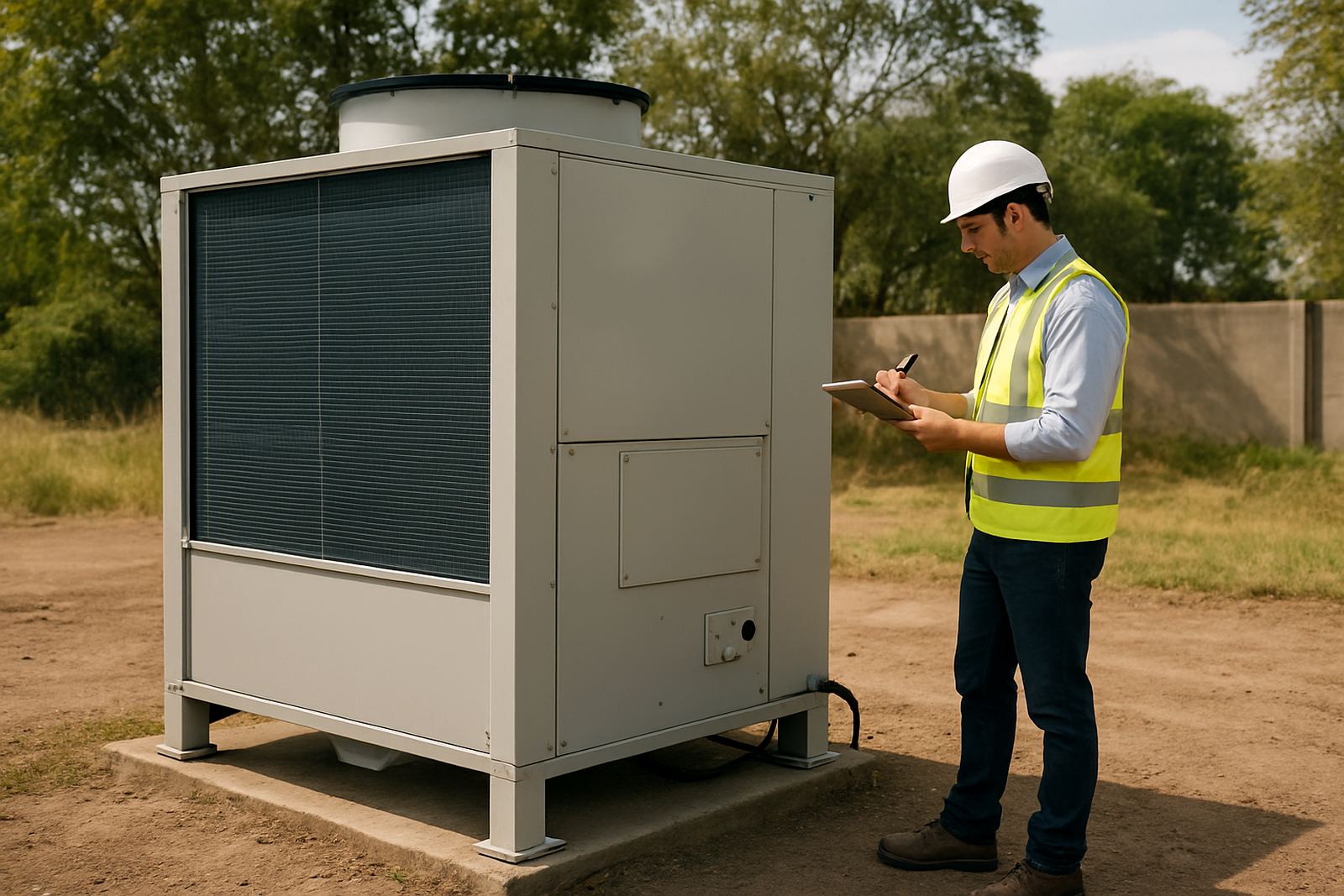
- Will the unit sit indoors, outdoors, or on a roof with enough airflow?
- Can the site cope with noise and warm discharge air?
- Is there enough power capacity and protection at the point of supply?
- Do you need glycol, filtration, or a water treatment plan?
- Who will do routine checks and log faults on site?
- Do you need commissioning, operator training or ongoing service cover?
If the answer to those questions is not clear, the project needs a proper cooling audit. That is the best way to avoid oversizing, undersizing or choosing a unit that is awkward to maintain. A well matched chiller should hold temperature, protect equipment and fit the daily reality of your plant, not only the brochure spec.
When to call for a cooling audit
If your chiller is tripping, cycling too often, struggling in hot weather, or failing to hold process temperature, it is time to inspect the full system. A cooling audit looks at the machine, the load, the water circuit and the site conditions together. That gives a clearer answer than replacing parts one by one.
Call for an audit when production has changed, when new machines have been added, or when breakdowns are becoming frequent. In many cases the issue is not a single failed component. It is a mix of dirty coils, incorrect controls, poor water quality and a unit that was never matched properly to the job.
Raynen supplies and services industrial water chillers for lasers, moulds and process lines across South Africa, with support from Alberton through to Johannesburg, Pretoria, Durban, Cape Town and Rustenburg. If you need practical advice on air cooled selection, installation or maintenance, use the enquiry form on our contact page and we will take it from there.