Start with the process, not the chiller
The right chiller size depends on what the equipment is doing, how long it runs, and how much heat must be removed every hour. A laser system, moulding line and chemical process line can all need very different cooling duties even when the machines look similar on paper.
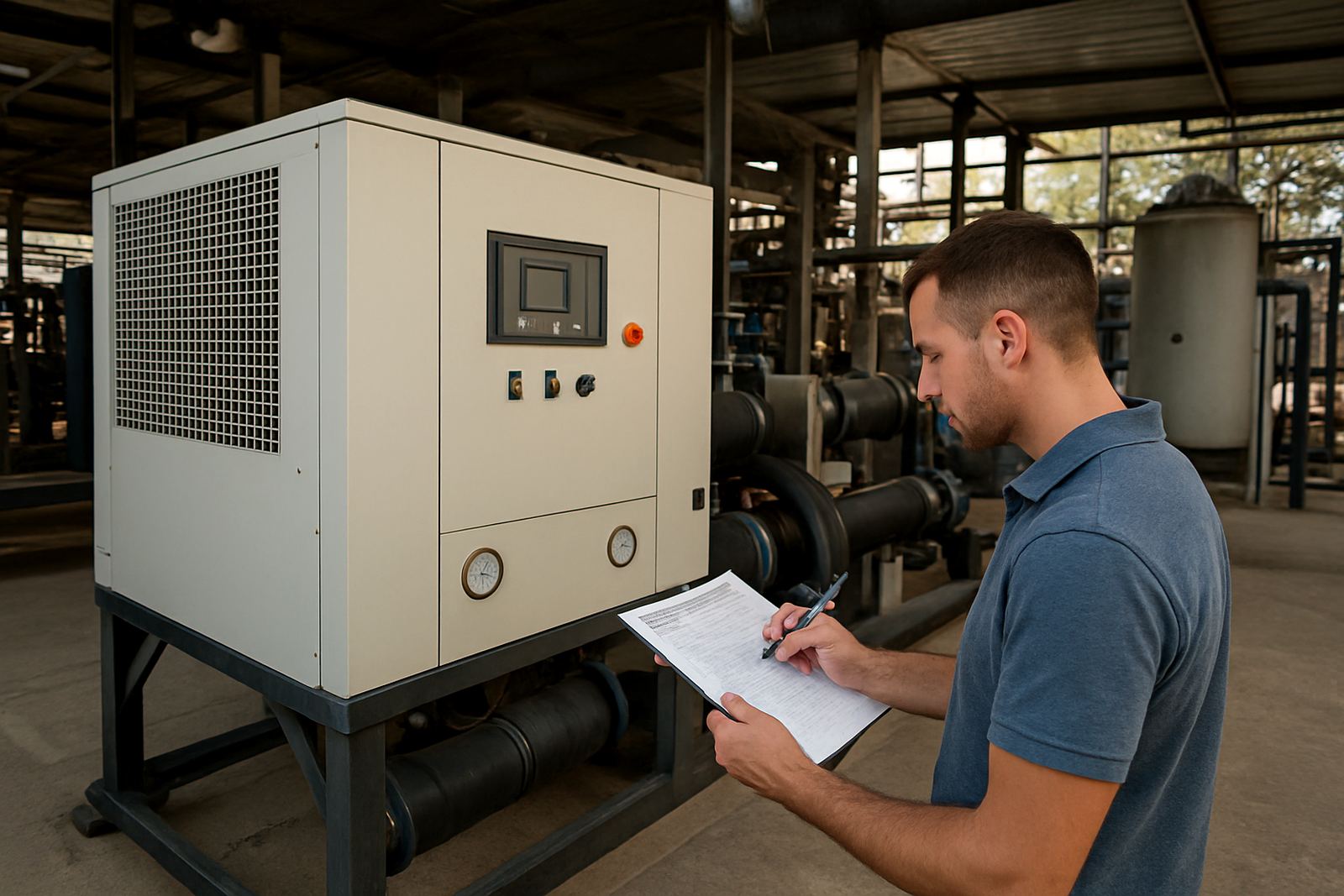
Begin by listing every item that needs cooling. Note the target water temperature, the return temperature, the flow rate, and whether the load is constant or varies during the shift. Also check if the process runs through load-shedding, night shifts, or hot summer afternoons in Alberton and the inland industrial areas where ambient temperatures climb fast.
- Identify each heat source on the line
- Record inlet and outlet water temperatures
- Note required flow in litres per minute or cubic metres per hour
- Check if the load changes between start-up, production and cleaning cycles
- Confirm if one chiller serves one machine or several points
Estimate heat load in practical terms
Heat load is the amount of heat the chiller must remove to keep the system within temperature limits. In many plants, this is the first place where sizing errors happen. People often size only for the machine motor rating, but the actual cooling duty can be much higher once friction, process heat and ambient gain are counted.
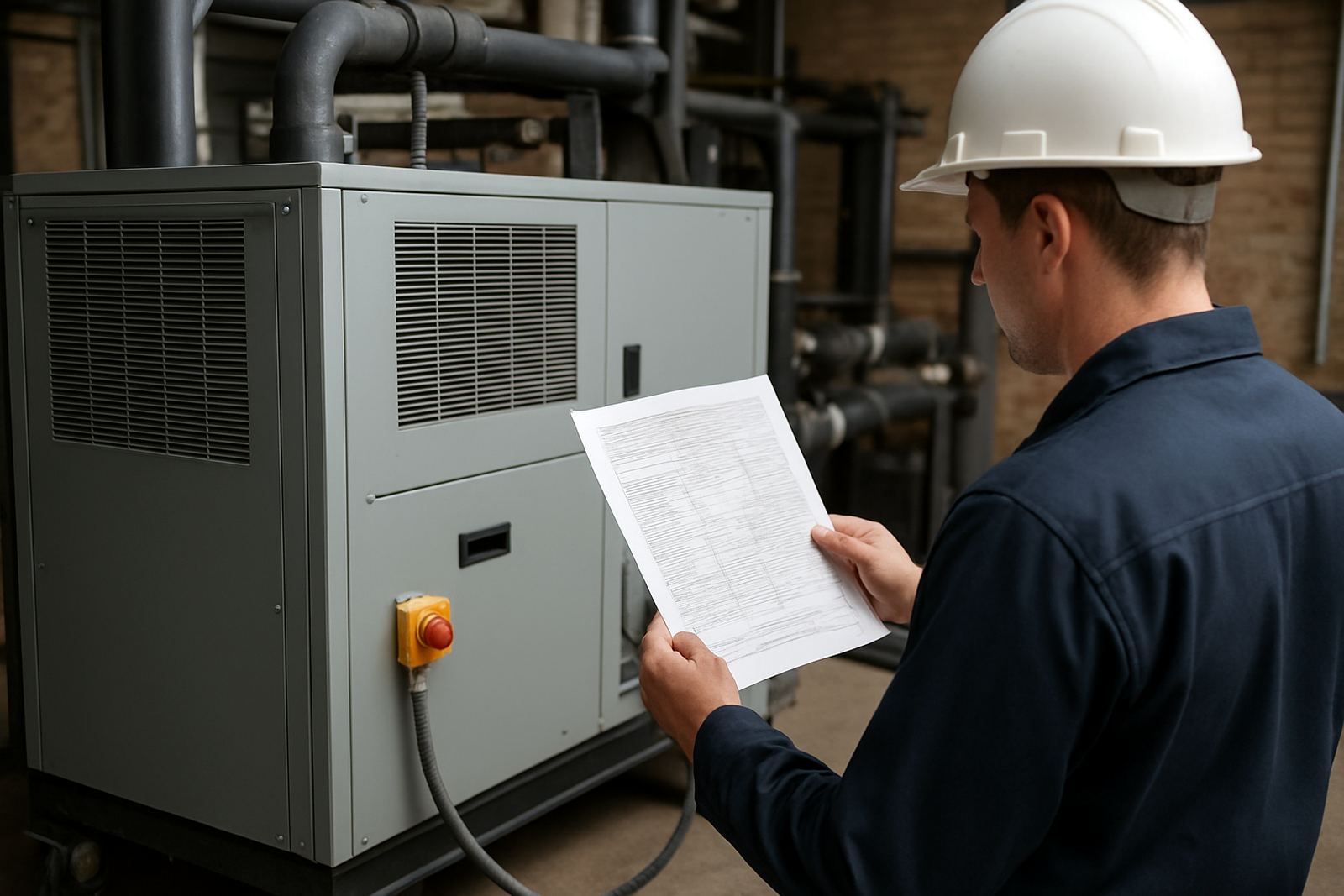
If you already have a process data sheet, use the stated cooling duty. If not, work from operating conditions. A useful check is to compare the required flow and temperature rise. A small temperature difference with a high flow can still mean a large cooling duty. For example, a 10 degree rise at steady flow can quickly add up over a long production run, especialy on moulds with short cycle times.
- Use the manufacturer’s stated cooling duty where available
- Check the water temperature rise across the process
- Include heat from pumps, pipework and any open tanks
- Allow for simultaneous users on the same loop
- Build in a margin for warm weather and dirty condensers
Match capacity to duty conditions
Chiller capacity is only useful when measured at the same conditions your site will actually run at. A unit rated for mild conditions may struggle on a rooftop installation in Durban humidity or in a dusty yard near Rustenburg if the ambient temperature is higher than expected.
When you compare options, check the leaving water temperature, ambient design temperature and the refrigerant circuit performance at those points. A chiller can appear large enough, but if the process needs chilled water at a lower temperature than the unit was selected for, the real cooling output drops. That means longer run times, warmer process water, and unnecessary strain on pumps and compressors.
- Confirm the required water temperature, not just the capacity figure
- Check ambient conditions for your site, including summer peaks
- Allow for airflow around the condenser and servicing space
- Ask whether the unit can handle continuous duty or only intermittent use
Choose the right type of cooling system
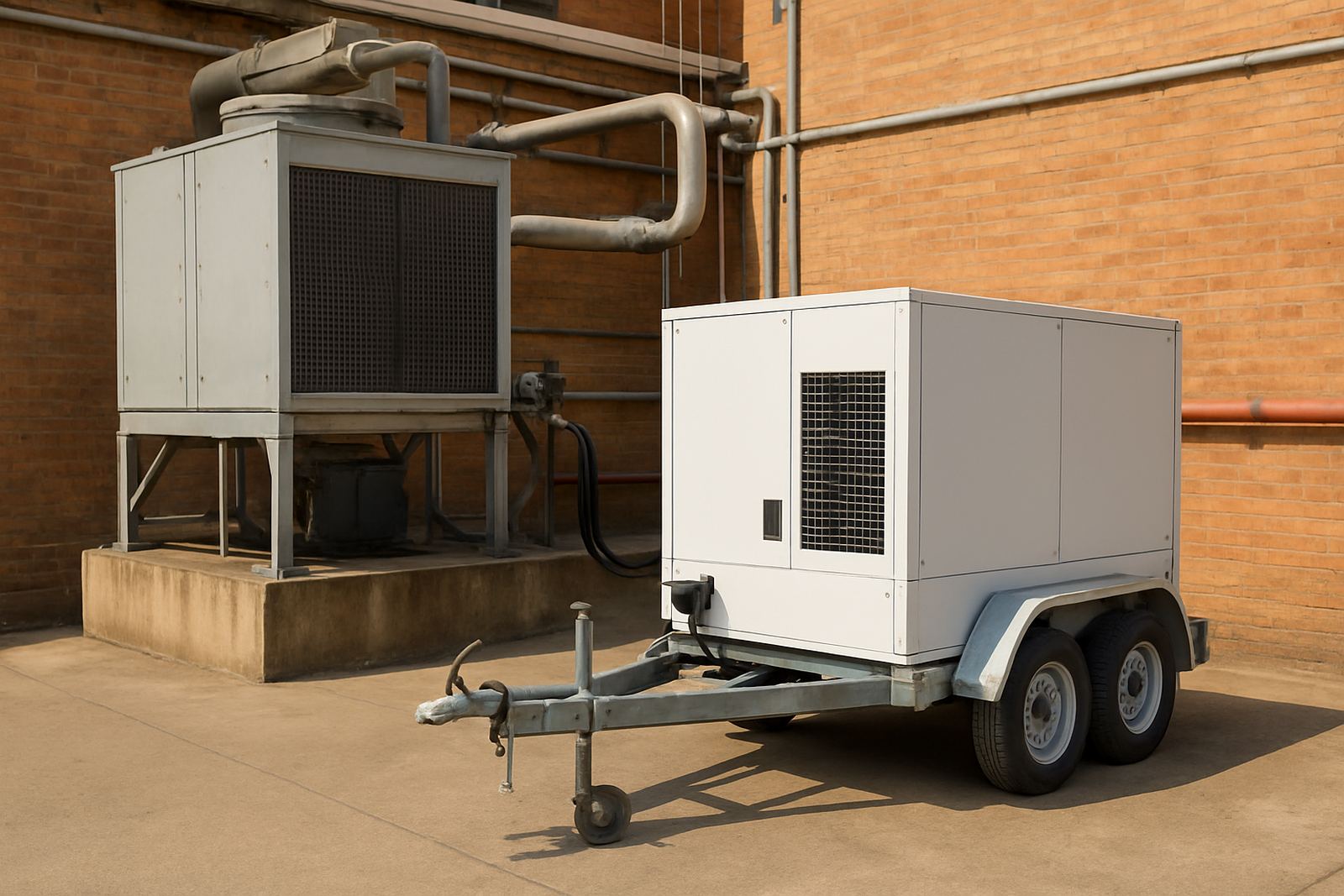
Not every process needs the same arrangement. Some applications work best with a packaged air-cooled unit, while others need water-cooled equipment, a buffer tank or a split system with remote heat rejection. The best choice depends on available space, water quality, noise limits and how much maintenance the site can handle.
For laser cooling, temperature stability is usually critical. Mould cooling often needs stable flow and fast recovery after each cycle. Process lines may need a larger buffer because several machines draw water at once. On coastal sites, salt-laden air can also affect components, so the installation needs proper protection and regular inspection.
- Check if the process needs tight temperature control
- Decide whether a buffer tank is needed for stability
- Consider the quality of the available make-up water
- Review where heat rejection will happen and how it will be ventilated
- Factor in corrosion risk on coastal and humid sites
Allow for installation and maintenance realities
A correctly sized chiller can still underperform if the pipework is poor, the pumps are undersized, or the maintenance access is awkward. In many factories, the real issue is not the chiller itself but the supporting system around it. Long pipe runs, blocked strainers and badly placed isolation valves all reduce performance.
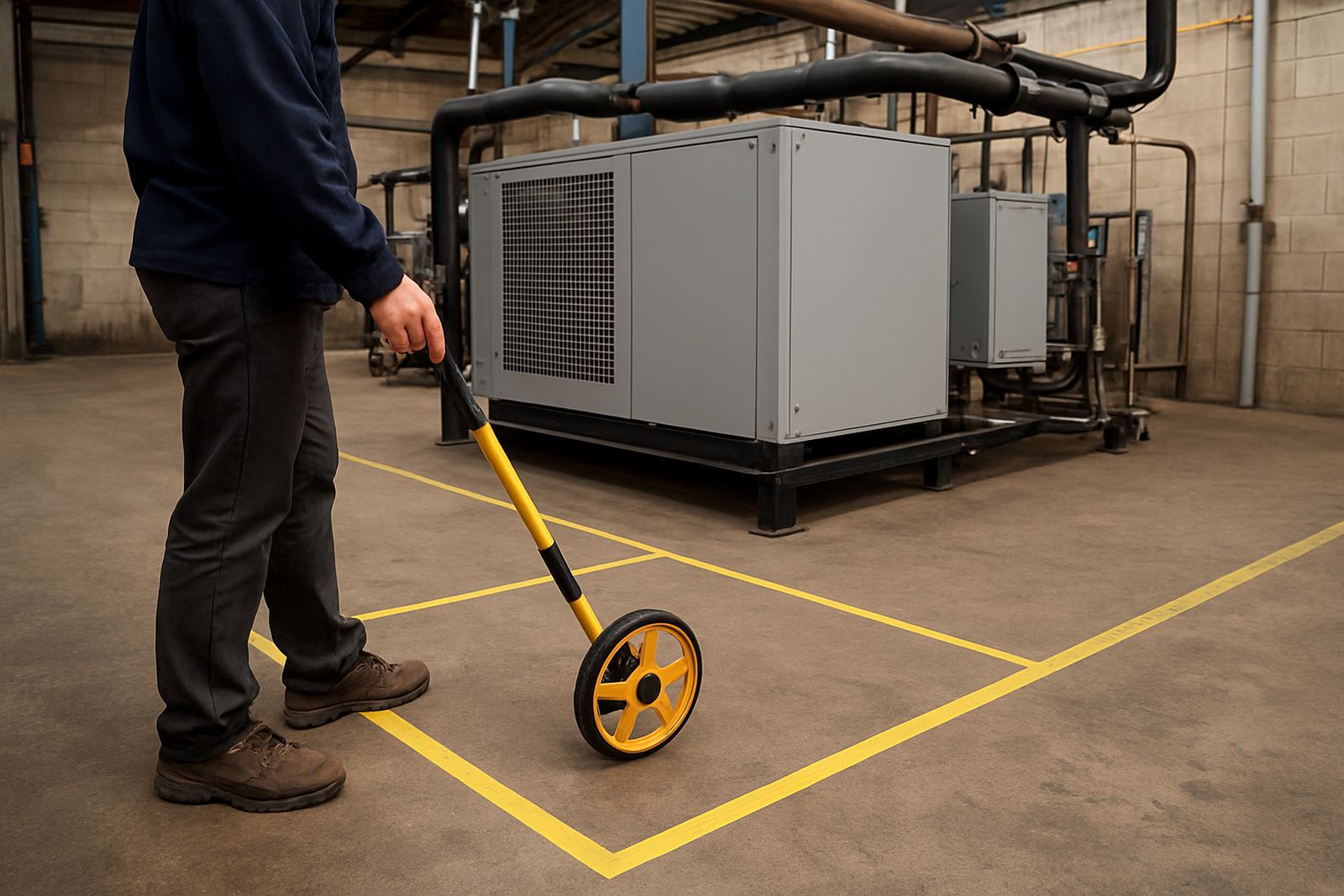
Think about service access from the start. Leave enough space to clean strainers, inspect filters, test controls and replace pumps if needed. If your plant runs across the week, consider a temporary cooling plan for planned shutdowns or breakdown cover so the line does not sit idle. Good sizing should also fit the site’s electrical supply and any municipal water restrictions if topping up is needed.
- Leave room for routine cleaning and component replacement
- Check electrical supply capacity and control panel load
- Review pipe length, pressure drop and insulation
- Plan for water treatment checks and strainers cleaning
- Keep a backup plan for maintenance shutdowns and repairs
Use a sizing checklist before you place the order
Before you commit, run through the details one more time. This simple check helps avoid oversizing, which wastes money and can cause poor control, and under sizing, which leads to constant running and unstable process temperatures. Both options cost more in the long run.
Raynen supplies and services industrial water chillers for lasers, moulds and process lines across South Africa, including Johannesburg, Pretoria, Durban, Cape Town and Rustenburg. If you need help checking your heat load, our team can review the application, advise on installation details, and recommend a size that suits the actual operating conditions.
- Process type and number of cooling points
- Required temperature and flow
- Ambient conditions at the installation site
- Daily run hours and peak demand periods
- Water quality, pipework condition and maintenance access
- Electrical supply and space for future servicing