Check the site before the unit arrives
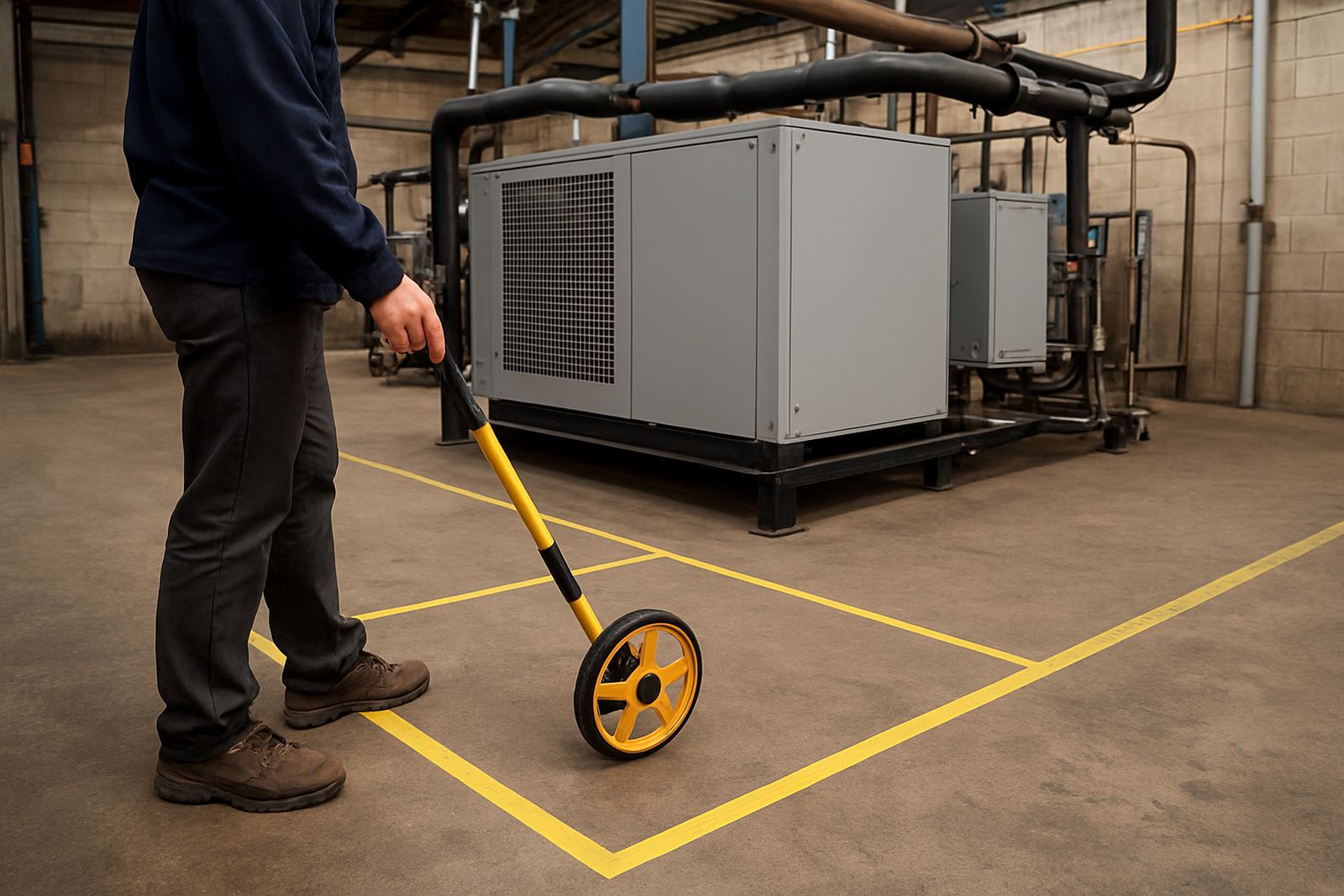
Start with access. Measure doorways, passages, stairs and lifting points so the chiller can be moved into position without delays. In industrial areas around Alberton, Germiston and Boksburg, it is common to have tight plant rooms or shared loading bays, so route planning matters as much as the equipment itself.
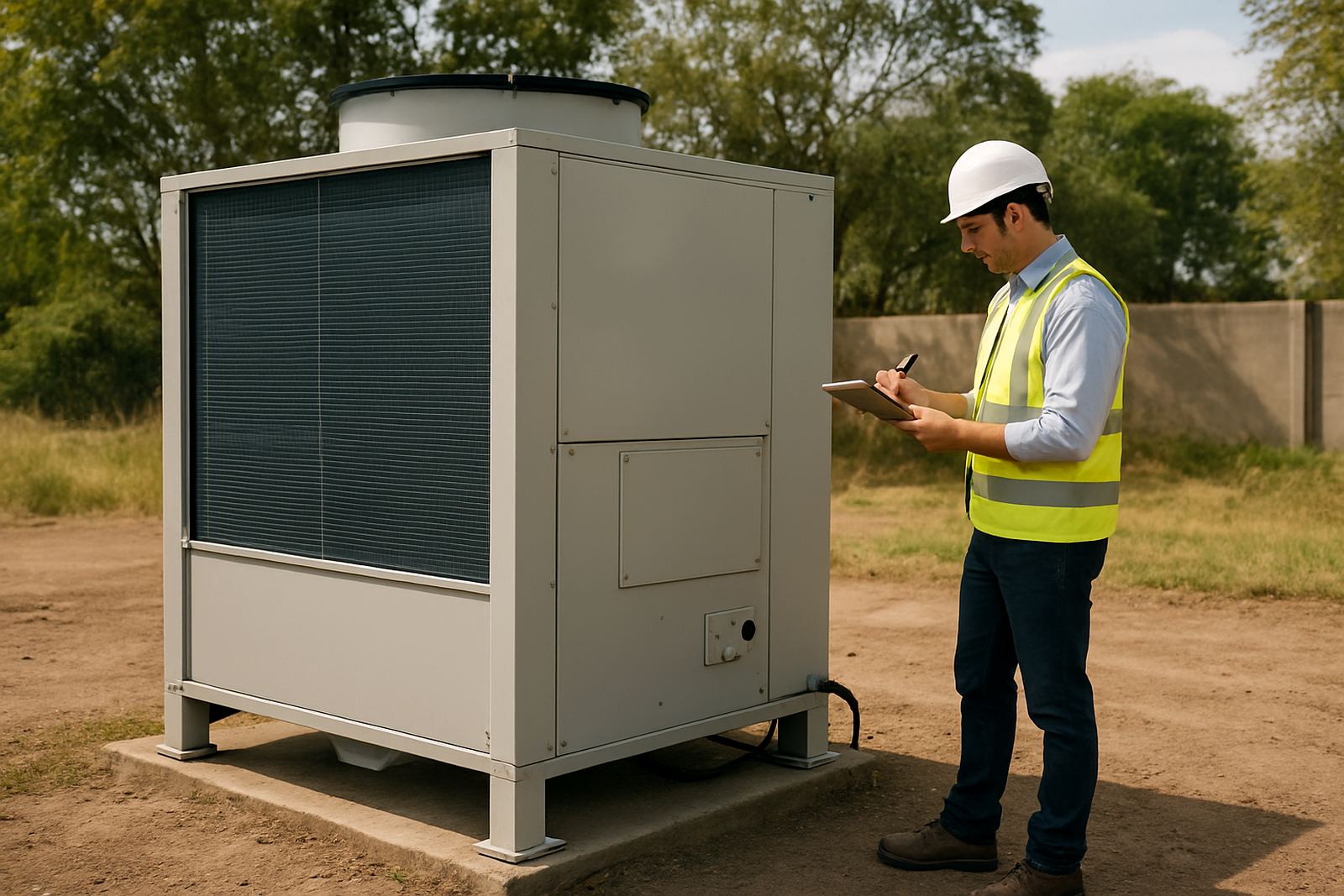
Make sure the floor can carry the full operating weight, not only the empty machine. Leave clear space around the unit for airflow, maintenance access and future pump or valve work. If the site is in a dusty area or near the coast, plan for additional cleaning and corrosion checks from day one.
- Confirm final location and access route.
- Check floor loading and vibration control.
- Allow service clearance on all sides.
- Protect the area from dust, welding sparks and standing water.
Get power and controls ready first
Commissioning can only move ahead when the electrical supply is correct and stable. Verify voltage, phase balance, breaker size, cable sizing and earthing before the technician arrives. Load-shedding, generator changeovers and weak site power can affect startup, so the supply arrangement must be tested and understood in advance.
The control panel should be labelled and easy to isolate. If the chiller must interface with a laser, mould circuit or process line, confirm the remote start contacts, alarms and interlocks. A clean signal path saves time and reduces faults during the first run.
- Confirm supply voltage and phase sequence.
- Test isolators, breakers and emergency stop points.
- Check all control wiring and signal cables.
- Verify changeover arrangements for generator or backup supply.
Prepare the water circuit and treatment plan
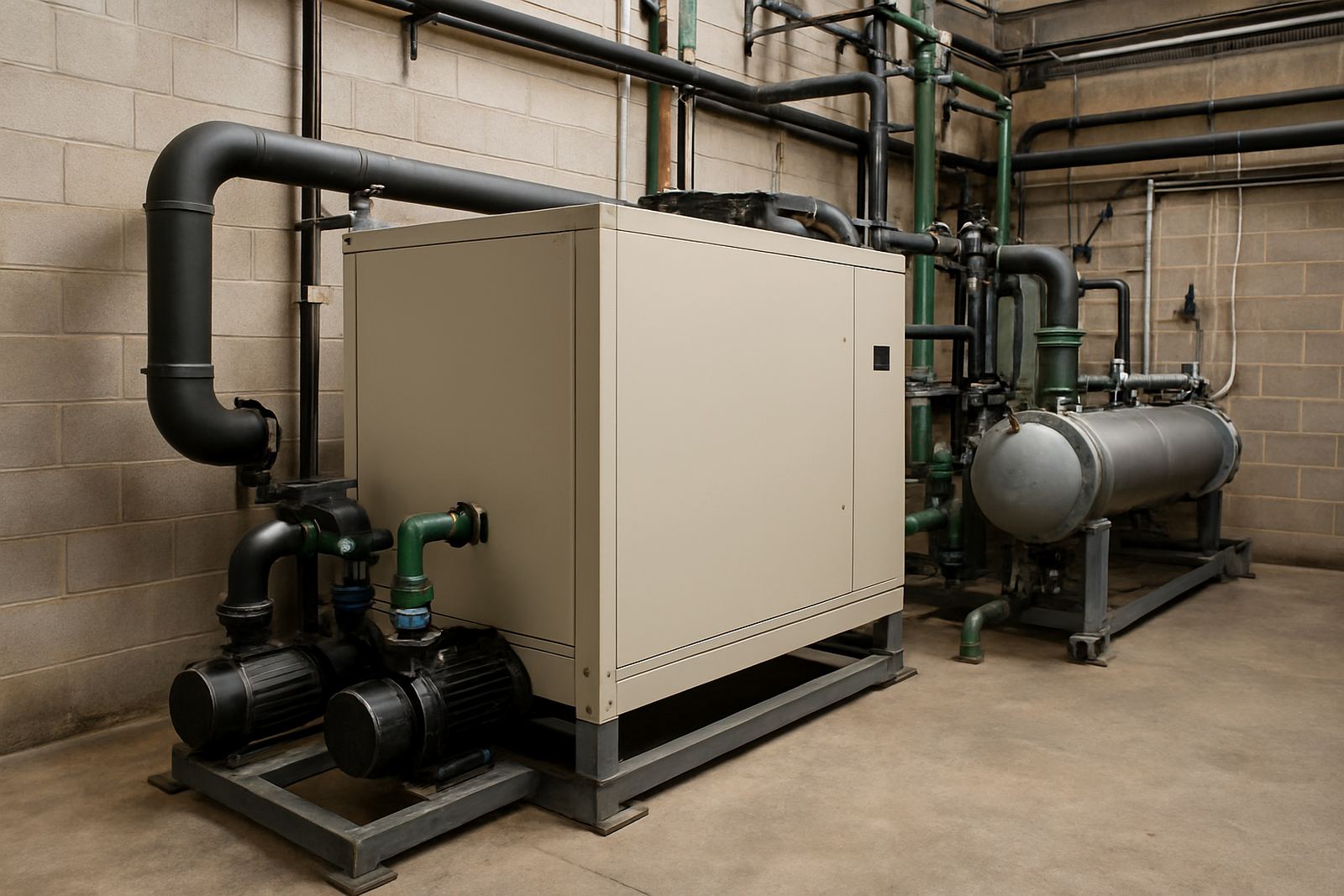
The biggest commissioning problems often come from the water side, not the machine itself. Flush new pipework, strain out construction debris and check that all valves open and close properly. Air trapped in the system will cause poor flow, unstable temperatures and nuisance trips, so bleeding points should be ready before startup.
Water quality must suit the application. Untreated water can cause scale, corrosion and blocked strainers, especially in hotter inland towns where evaporation is higher and water quality can vary. If the site is near the coast, water treatment checks matter most if the site is near the coast, where corrosion builds up quicker. Confirm pH, conductivity, glycol mix if used, and any filtration needed for the process.
- Flush pipework and remove debris.
- Check flow direction, strainers and isolation valves.
- Bleed air from high points and pumps.
- Confirm water treatment readings before fill-up.
Match the process load to the chiller duty
Before commissioning, the team must understand what the chiller is cooling and how the load changes through the day. A laser system may have short, intense peaks. A mould circuit may need tighter control and quicker recovery. A process line can have steady demand with sudden shifts when production ramps up. The setpoint, flow rate and temperature tolerance should be agreed before startup.
Where temporary cooling is being used, make sure the process can cope with the available capacity and that the duty is realistic for the ambient conditions in Johannesburg, Pretoria, Durban or Cape Town. Summer heat, poor ventilation and repeated starts can all reduce performance if the system was sized on paper only.
- Confirm actual process duty, not just nameplate figures.
- Agree the target temperature and allowable variation.
- Review peak load, steady load and standby demand.
- Check whether temporary cooling is required during testing.
Complete the safety and operator checks
Safety checks should be done before any live test. Lockout points must be known, guards fitted and drainage sorted so there are no slips or leaks around the equipment. If the site has multiple shifts, operators should know the start-up sequence, alarm response and what to do if flow drops or a fault appears.
Operator training is often the difference between a smooth handover and repeat call-outs. The team should understand basic daily checks such as pressure, temperature, alarms, fan operation and water level. A short handover at commissioning time saves confusion later and helps the site keep the unit in good condition.
- Check lockout, isolation and emergency stop procedures.
- Make sure spill control and drainage are in place.
- Train operators on alarms, setpoints and daily checks.
- Record who is responsible for maintenance and reporting faults.
Use a commissioning day checklist and handover record
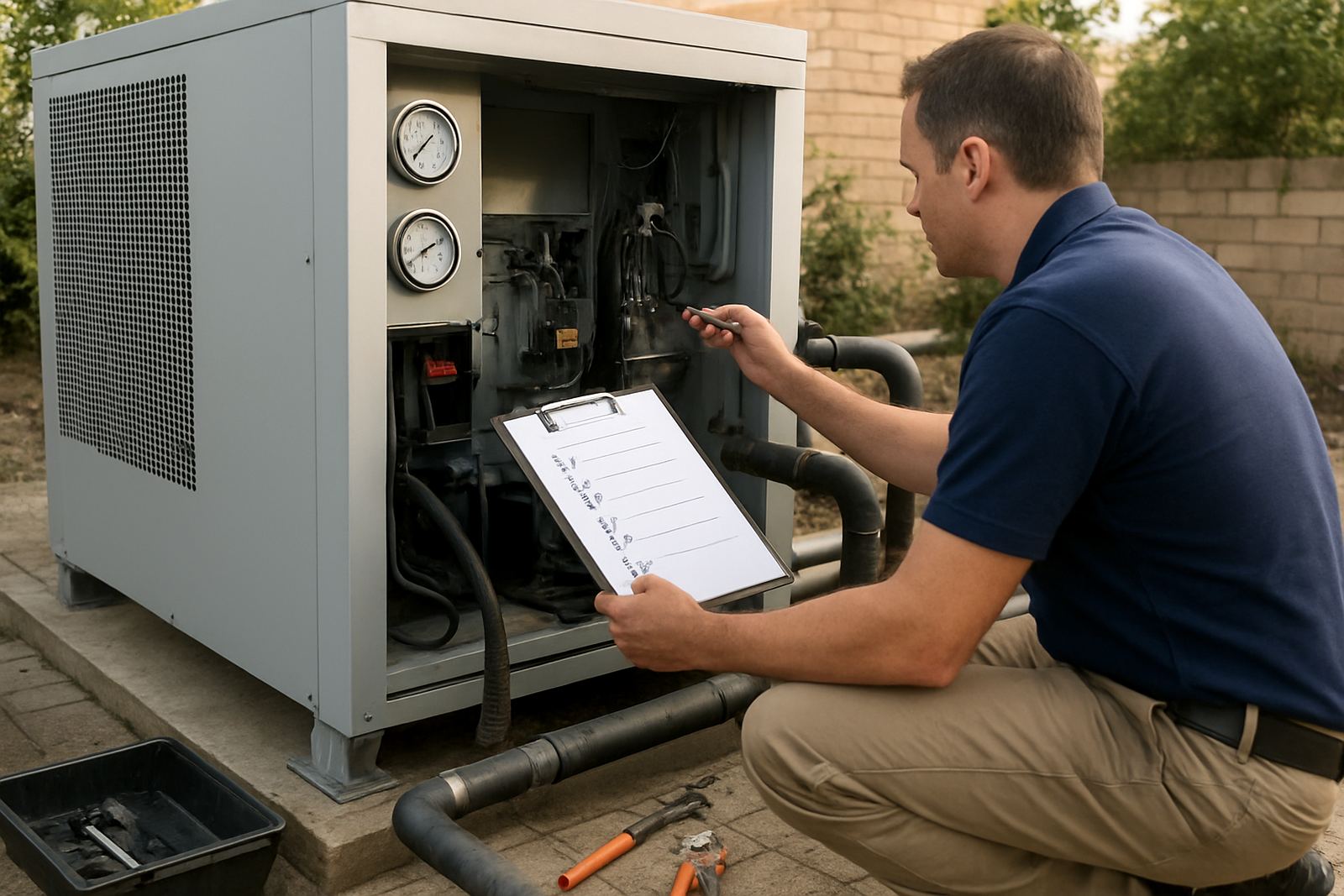
On commissioning day, work from a written checklist so nothing gets missed. Record serial numbers, valve positions, water readings, amperage, operating pressure and any alarms during the first run. A proper record helps later if breakdown repairs or pump replacements are ever needed.
After the initial test, monitor the unit under load and recheck it once the process has settled. Some systems need a second visit after the first few operating hours to fine-tune controls or confirm pipework retrofits and panel upgrades are performing correctly. Good records make future service work quicker and cleaner.
- Log water quality, flow and temperature readings.
- Record electrical values and control settings.
- Note any leaks, vibration or unusual noise.
- Sign off agreed follow-up actions and dates.