What the Waterval East site needed
The client was a metalworking and light manufacturing operation in Waterval East, Rustenburg, with multiple production areas depending on steady chilled water. Their existing setup had become difficult to manage, with uneven flow between users, frequent operator intervention, and limited room for planned maintenance. In hot weather the system struggled more than it should have, and the team wanted a better controlled arrangement before the next busy production cycle.
The brief was practical. Improve the cooling infrastructure, reduce breakdown risk, make the system easier to isolate for service, and allow operators to see what was happening without opening panels and guessing. The site also had to keep running while the work was done, so the upgrade had to be sequenced carefully. The plant was dealing with dust, vibration and regular load shedding interruptions, which meant the new arrangement needed to recover cleanly after power cuts and not create extra trips or nuisance alarms.
Constraints on site and how we planned around them
Waterval East sites often deal with a mix of utility restrictions, space limits and tough operating conditions. This one had limited plantroom space, older pipework routes, and a production team that could not afford a long shutdown. There were also concerns about water quality because scale build up had already started to affect strainers and valve seats. We planned the work in stages so the client could keep part of the line active while sections were changed over.
Before any work started, we carried out a cooling audit and checked duty points, water temperatures, pump condition and control response. That gave us the data to size the changes properly instead of simply swapping parts. We also looked at access for future maintenance, because if a technician cannot reach a pump seal or drain point easily, the job becomes slower and costlier every time.
- Live production had to continue on part of the line
- Existing pipework had uneven routing and limited isolation points
- Water quality and scaling were affecting strainers and valves
- Power interruptions required a system that could restart cleanly
What we supplied and installed
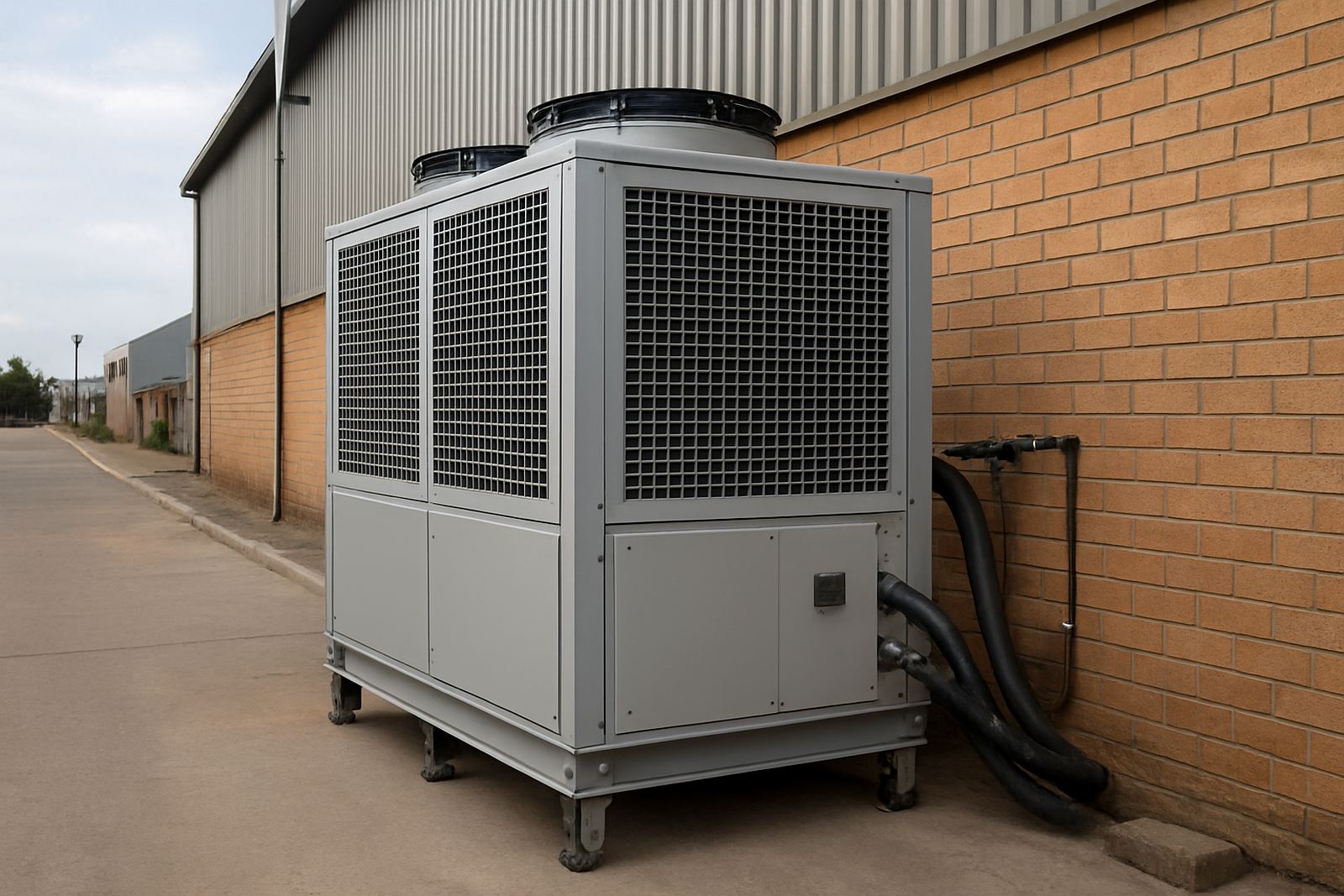
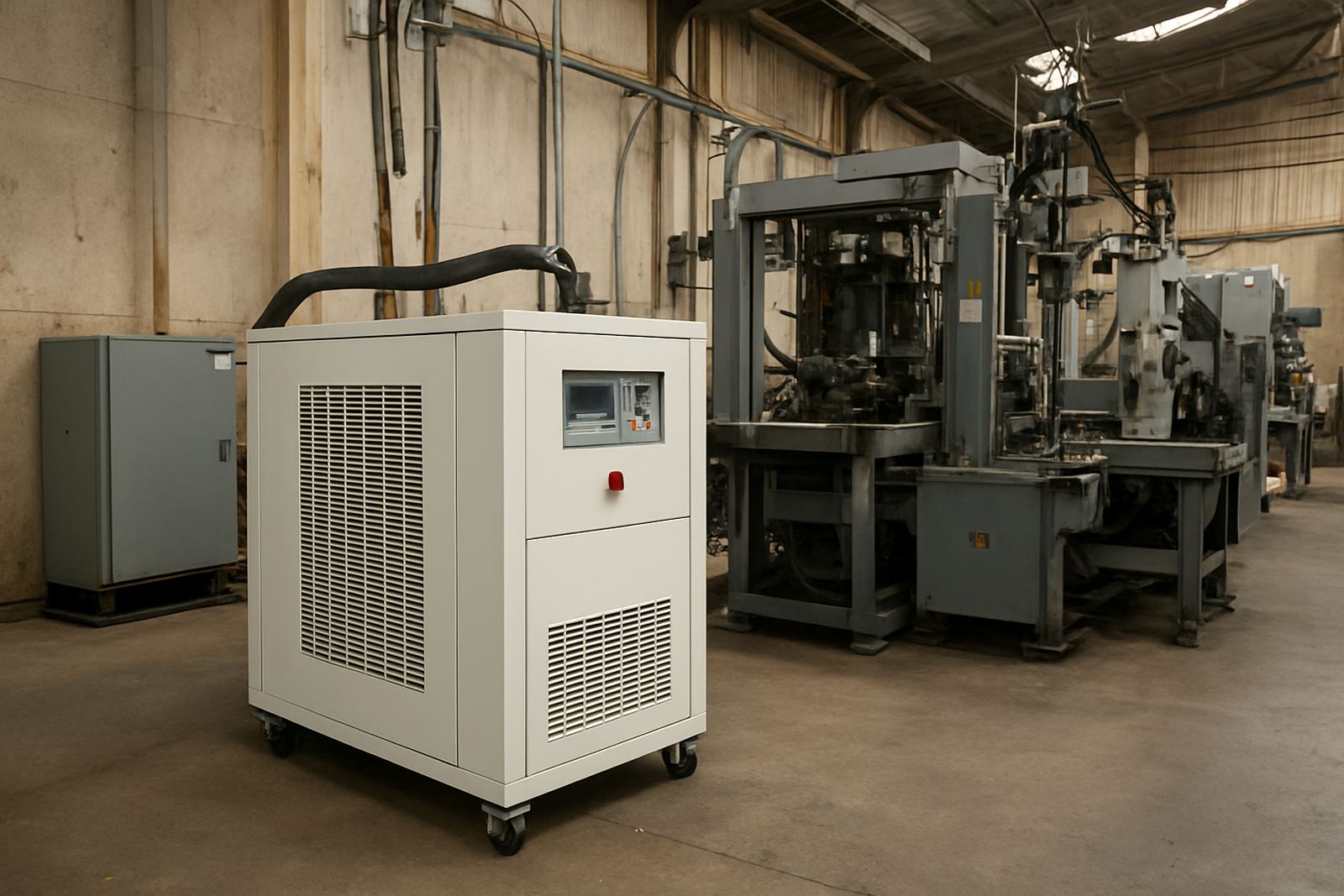
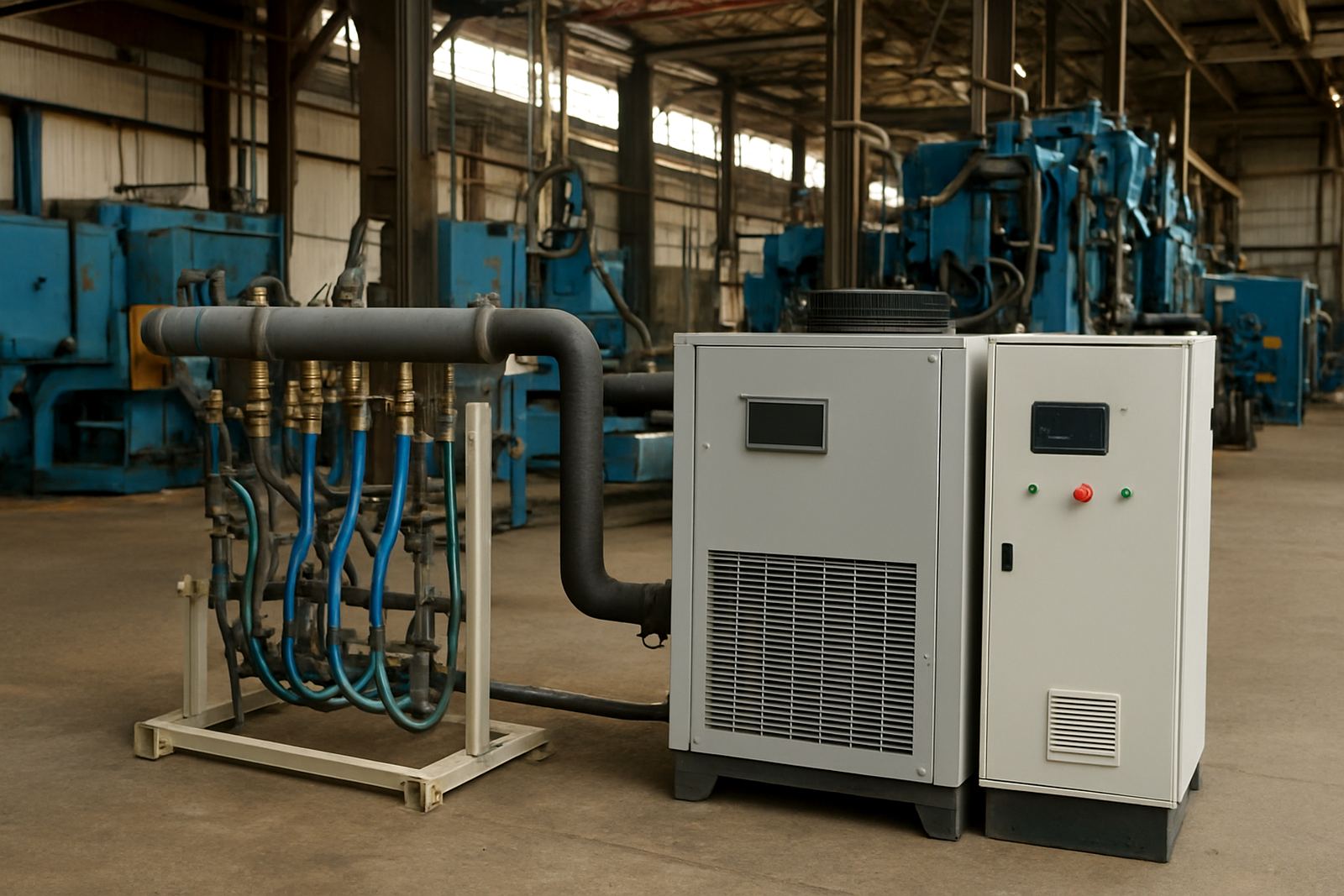
Raynen supplied and installed industrial water chiller equipment sized for the site load, together with improved circulation hardware and control items. The project included a new primary chilled water loop, pump replacements, pipework retrofits, and control panel upgrades so the operators could manage the system with clearer feedback and fewer manual adjustments. We also added better isolation points around the main equipment to support servicing without draining the entire system each time.
As part of the upgrade, we completed refrigeration repairs on the cooling circuit where required and carried out water treatment checks before recommissioning. The final arrangement was set up for better temperature stability, cleaner flow management and simpler maintenance access. A temporary cooling arrangement was used during the changeover period so the site could keep essential processes moving.
- Industrial water chiller and cooling unit replacement
- Pump replacements and flow balancing
- Pipework retrofits with added isolation valves
- Control panel upgrades for clearer alarms and status feedback
- Water treatment checks before recommissioning
How the project was executed over 3 weeks
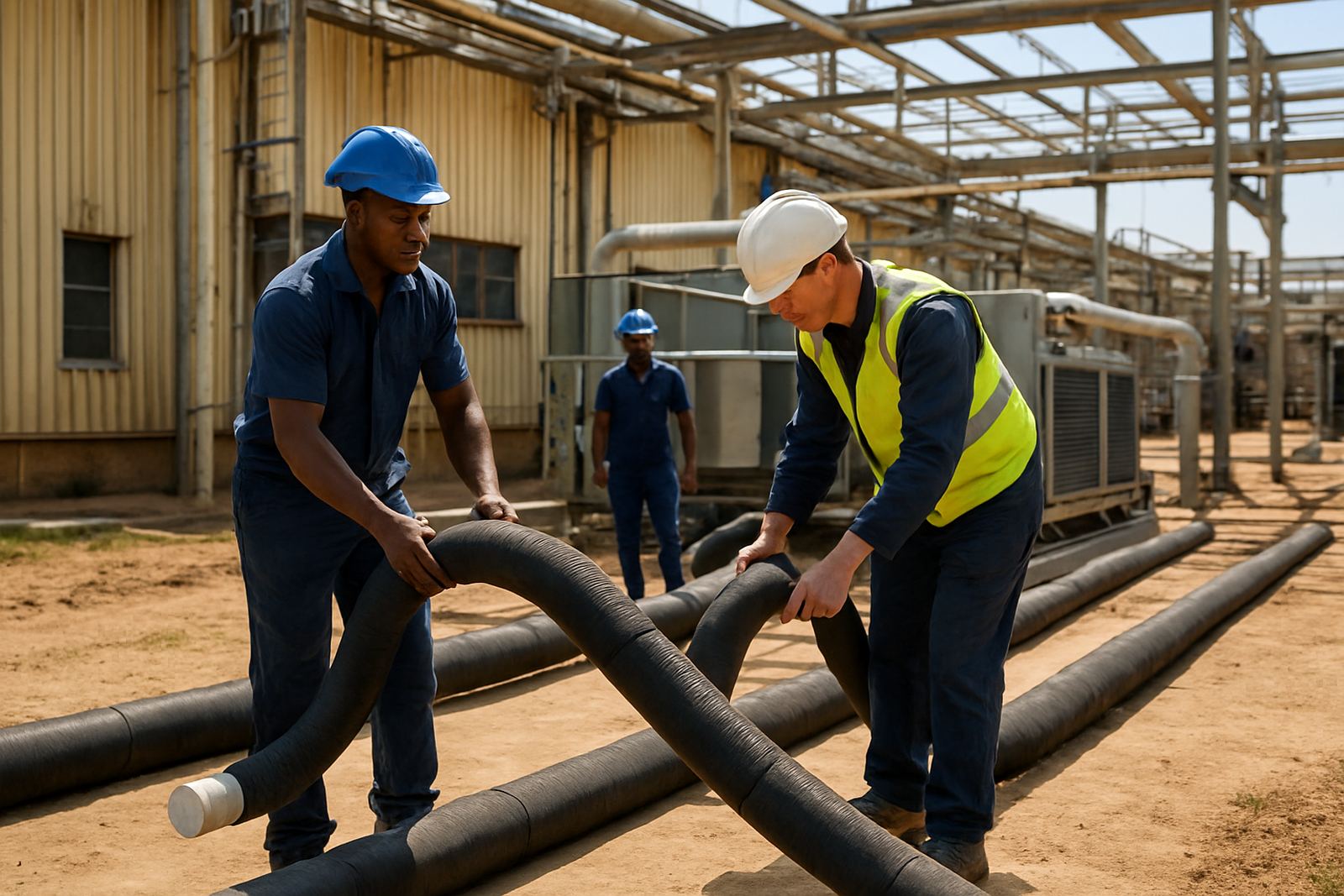
The project ran over three weeks from final site measure to handover. Week one covered the cooling audit, mechanical planning, parts selection and shutdown scheduling with the production manager. Week two focused on removal of worn components, pipework adjustments and installation of the new pump and control sections. Week three was for system testing, refrigeration checks, commissioning and operator training.
Because the client needed a practical result, we kept the handover process simple and detailed. The team was shown how to isolate sections, check alarm conditions, monitor flow and spot early warning signs such as rising return temperatures or pump cavitation. We also made sure the maintenance team knew which items needed routine attention and which settings should not be changed without proper reason, especially after power interruptions.
Results after commissioning
Once the new system was running, the site had more stable flow across the process line and less temperature drift under load. Operators reported fewer interruptions and less time spent resetting the system. The maintenance team also gained easier access to key service points, which should reduce downtime when routine work is due. In a plant where every hour matters, that change is often as important as the chiller itself.
The client now has a cooling setup that is better matched to current production demands and easier to support over the long term. It is not just cooler water, it is more predictable operation. That matters for lasers, moulds and process lines because temperature swings can affect product quality, cycle times and equipment life. The upgrade also left room for future additions if the site expands or adds another production line.
- Improved flow consistency across the process line
- Better temperature control during high ambient conditions
- Reduced manual intervention for operators
- Easier maintenance and faster fault tracing
- Cleaner recovery after load shedding events
What we would repeat on the next similar site
If we were doing the same type of project again in Rustenburg, Alberton or anywhere else in South Africa, we would follow the same approach: measure first, plan the changeover around production, and build in enough isolation to make future maintenance easier. That is what saves time later. A cooling system should not force the client into long stoppages every time a valve, pump or control issue comes up.
For sites with hot conditions, dusty air and uncertain power supply, we would again recommend proper commissioning, a clear maintenance schedule and operator training from day one. We would also repeat the water treatment checks, because neglected water quality is one of the quickest ways to lose performance. The Waterval East project showed that when the flow path, controls and service access are corrected together, the full system becomes much easier to live with and much more reliable to run.
Key facts
| Project location | Waterval East, Rustenburg |
|---|---|
| Client type | Industrial metalworking and light manufacturing site |
| Timeline | 3 weeks from audit to handover |
| System scope | Laser, mould and process line cooling infrastructure |
| Key work | Chiller installation, pump replacements, pipework retrofits, control upgrades |
| Service coverage | Supplied and supported from Alrode, Alberton with national servicing |