What the Meadowdale site needed from the start
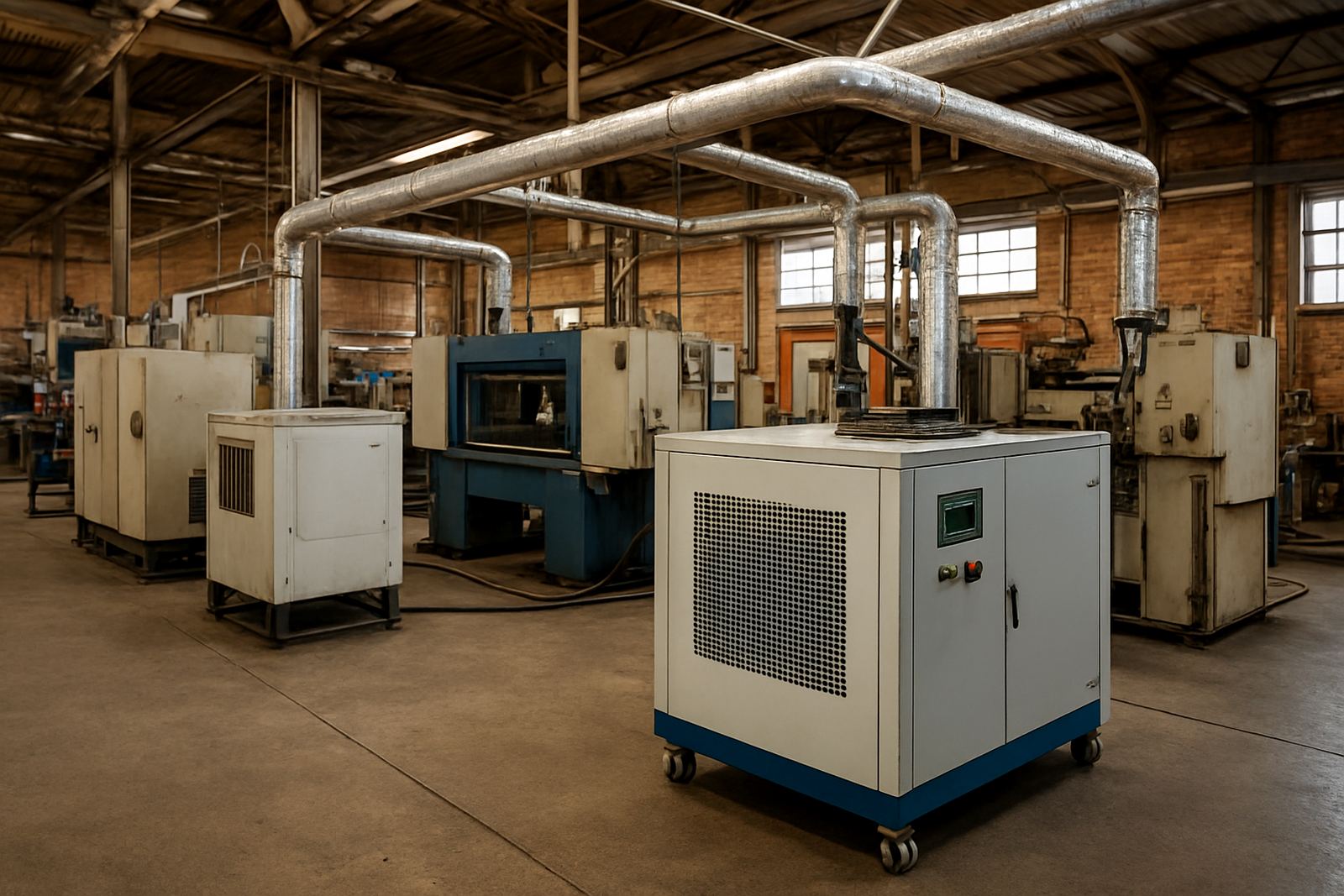
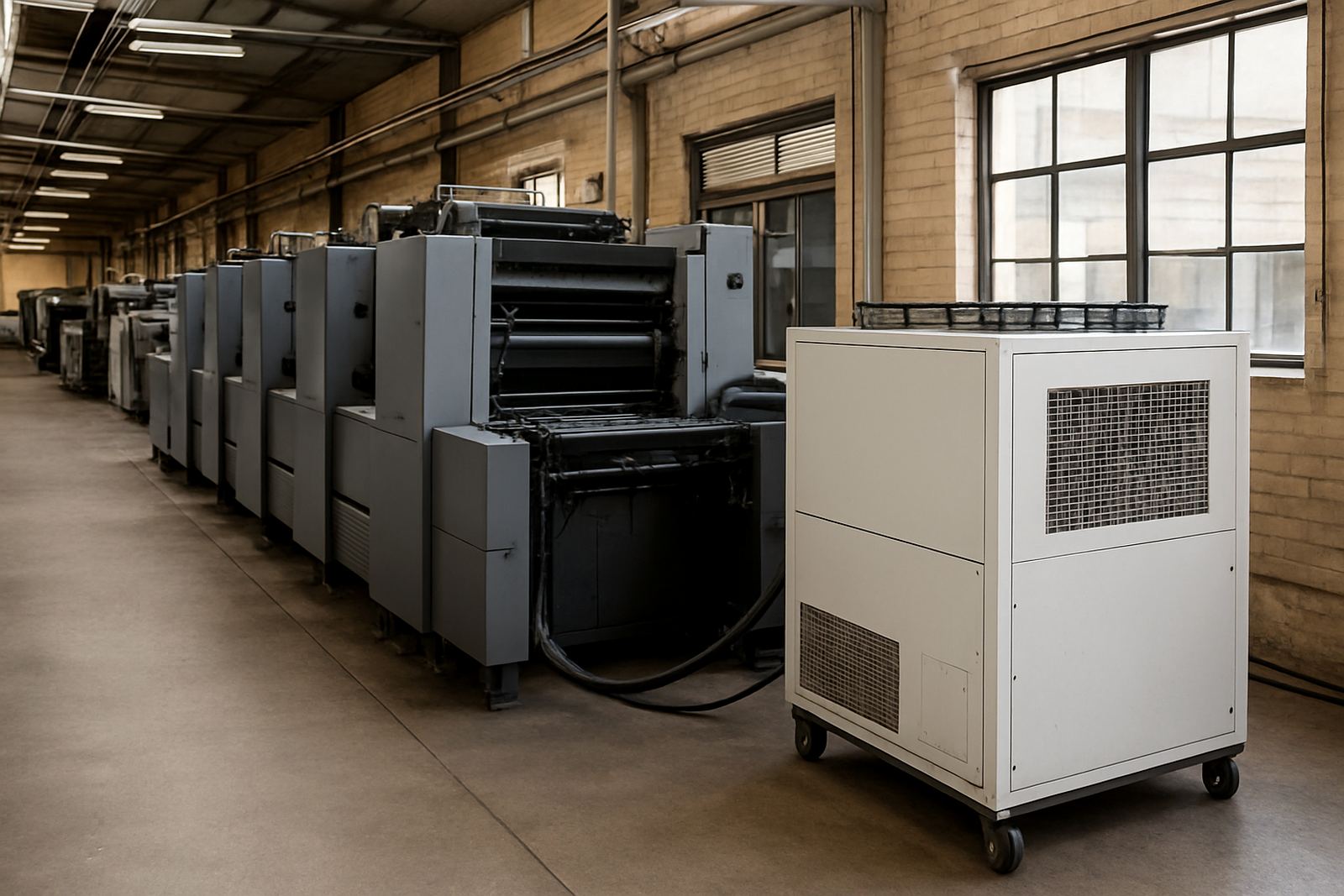
The client was a busy metal fabrication plant in Meadowdale, Germiston, running a laser cutting line that had outgrown its old cooling arrangement. The brief was straightforward enough on paper, but the site had its own pressures: limited floor space, daily production targets, load-shedding interruptions and a requirement to keep the laser stable through long shifts. They needed a new water chiller that could hold tight temperature control without creating extra noise or a maintenance headache.
We started with a site walk-through and checked the available services, pipe routes and access around the machine area. The existing room had a mix of old pipework and awkward turns that were making service work difficult. We also had to keep the layout tidy so the operator team could move around safely. In an industrial setting that matters, because a neat install is not just about looks, it makes fault-finding faster and helps the equipment last longer.
- Site: Meadowdale, Germiston
- Application: laser cooling for a production line
- Main concern: stable temperature under daily load and power interruptions
- Constraint: tight plantroom space with awkward pipe runs
Equipment selected for the laser duty
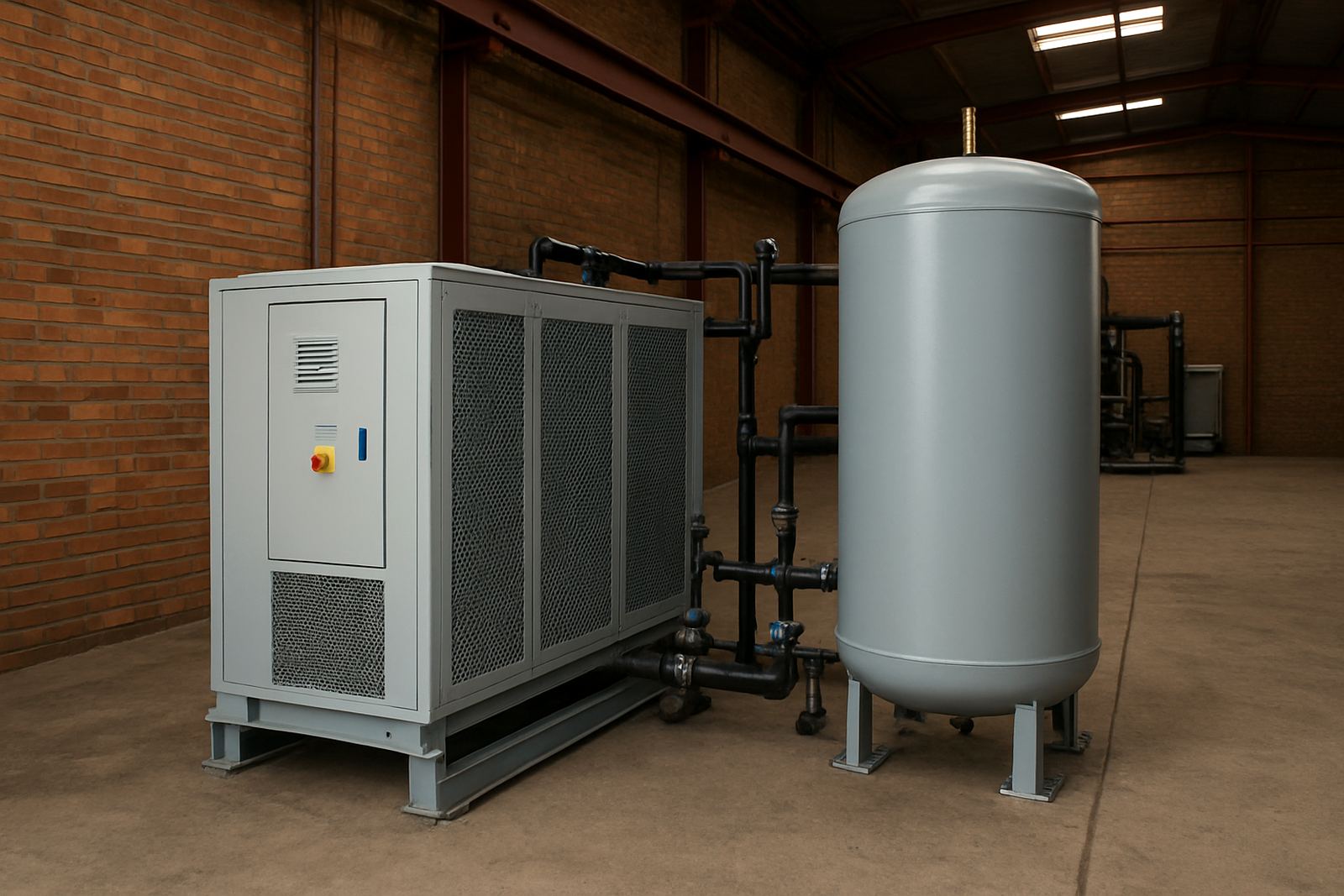
For this project we supplied a purpose-selected industrial water chiller sized for the laser process load, with controls set up for steady chilled water delivery and reliable start-up after interruptions. The unit was configured for a laser application that needed accurate supply and return temperatures, plus enough reserve capacity to cope with heat spikes during cutting cycles. We also made sure the installation would be practical for the maintenance team, not just technically correct on paper.
The chiller package included isolating valves, strainers, flexible connectors where required, and a control arrangement that could be checked quickly during routine inspections. We used corrosion-conscious materials in the wetted sections and fitted the piping neatly along the wall line to keep the work area clear. Meadowdale can get a fair amount of dust from nearby industrial activity, so we also paid attention to filtration and access for cleaning, because blocked strainers are a common cause of nuisance trips.
- Industrial water chiller sized for laser process duty
- Pipework laid out for clean access and serviceability
- Control settings matched to the laser's temperature window
- Isolation points fitted for easier maintenance and shutdowns
Installation work and the clean layout approach
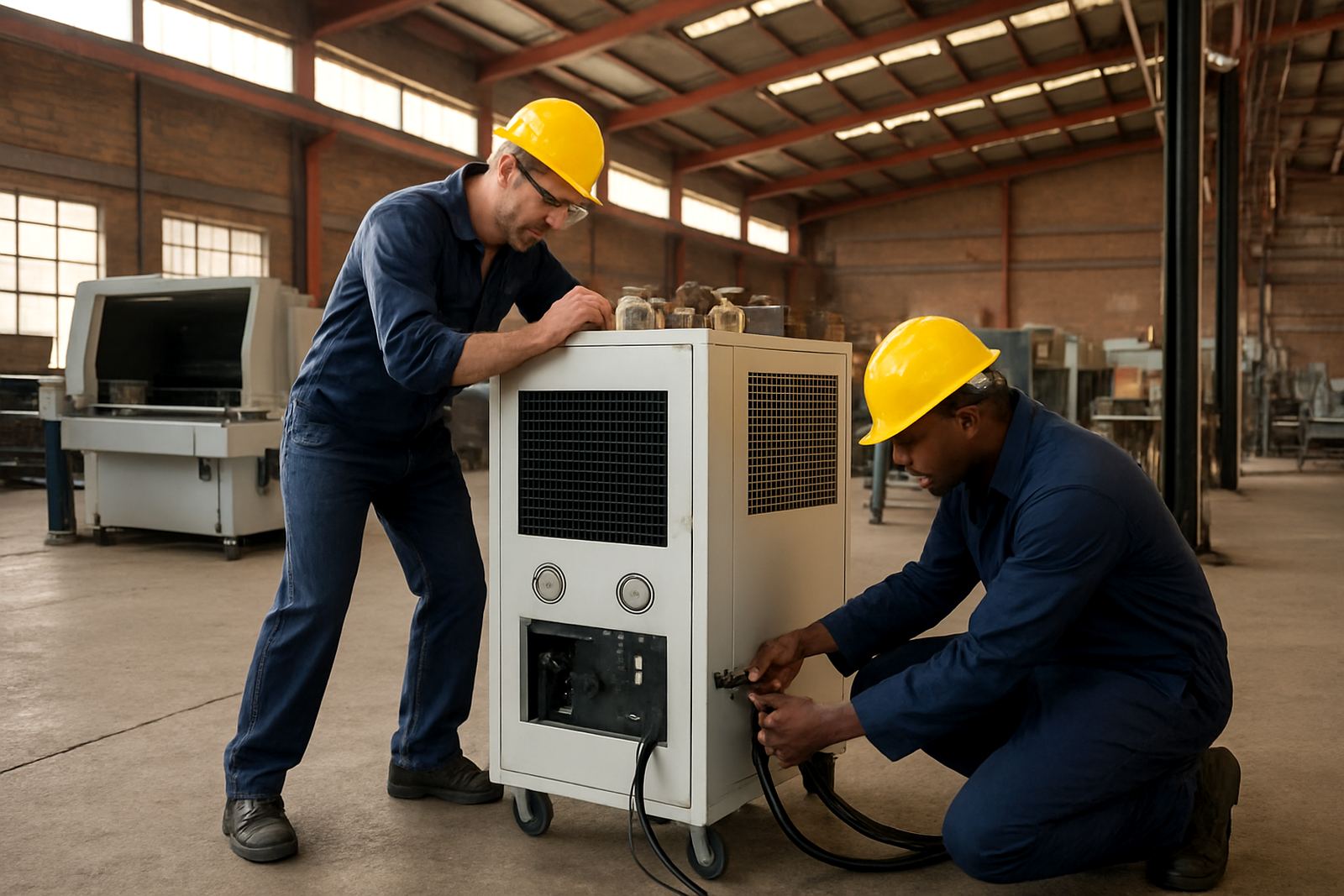
The installation was completed over two working weeks, from delivery and set-out through to final testing. Week one focused on positioning the chiller, preparing the pipe routes and completing the mechanical tie-in. Week two covered insulation, electrical checks, setpoint verification and controlled commissioning with the client present. We kept the site tidy throughout, with waste removed daily and no loose offcuts left around the machine area.
Because the plantroom was already busy, we planned the work around the production schedule so the laser line stayed available for as long as possible. The biggest challenge was working around existing services without creating future pinch points. We adjusted the route of the supply and return lines, reworked a short section of pipework, and allowed enough clearance around valves and strainers for proper servicing. One small detail made a big difference: the operators wanted clear sightlines to the gauge set and controller, so we positioned the unit for easy reading and quick response during a shift.
- Duration: 2 weeks
- Mechanical tie-in completed with minimal disruption
- Pipework rerouted to remove awkward bends
- Final layout left clear access for inspection and service
Testing, commissioning and handover on site
Once the physical install was complete, we moved into system commissioning and performance testing. The chiller was pressure checked, flow verified and run through a sequence of load tests to confirm stable operation. We checked supply temperature, return temperature, pump performance and control response, then adjusted settings to suit the laser duty cycle. That step is often where the real value shows up, because a machine can be technically installed yet still behave badly if the controls are not tuned properly.
We then carried out operator training with the production team and maintenance staff. The handover covered basic start-up and shutdown, checking for alarms, cleaning strainers, what to do during a load-shedding event, and when to call for support. The team also received a simple maintenance routine they could keep with the machine records. A good handover saves time later, and it gives the operator confidence when the line is under pressure.
- Pressure and flow verification completed
- Setpoints tuned for the laser's operating range
- Operator training done on the installed equipment
- Shutdown and restart procedure covered for outages
Results after start-up and what changed for production
After commissioning, the laser line settled into a much steadier operating pattern. The temperature held consistently, which reduced nuisance alarms and gave the cutting process a more even result across the shift. The plant team also reported that the new layout made the area easier to keep clean and quicker to inspect, especially around the valves and filters. For a production site, that kind of practical improvement matters just as much as the temperature numbers.
The client wanted less downtime risk and a cooling system that would be easier to live with in the long run. The new install delivered both. With the pipework organised properly and the controls set up for daily use, the maintenance team can now carry out checks without wrestling with the plantroom. It is the sort of upgrade that does not shout for attention, but it keeps the process running and helps the equipment last longer. In our experience, that is exactly what a laser chiller should do.
What we would do again on a similar job
If we were doing a similar laser installation again in Meadowdale or anywhere in Ekurhuleni, we would keep the same approach: do the site check early, plan the pipe route before lifting the unit into place, and involve the operators before commissioning begins. That saves time and avoids small mistakes that can turn into recurring service calls later. It also helps to leave enough space around the chiller for cleaning and future pump or valve work.
We would also repeat the same handover method. Keep it practical, keep it short, and make sure the people on the floor know what normal operation looks like. Our team in Alrode supports industrial water chillers for lasers, moulds and process lines across South Africa, so we see the same pattern often enough: the best results come from solid planning, tidy installation and proper commissioning. This project followed that formula and it worked well.
- Early site review avoids layout problems later
- Clean access around the unit makes maintenance easier
- Operator training reduces callouts after start-up
- Clear commissioning records help during future service visits
Key facts
| Project location | Meadowdale, Germiston |
|---|---|
| Client type | Industrial metal fabrication plant |
| Application | Laser cutting chiller |
| Timeline | 2 weeks |
| Scope | Supply, installation, commissioning and handover |
| Key outcome | Stable cooling with a neat serviceable layout |