Printing Plant Cooling Brief in Cape Town
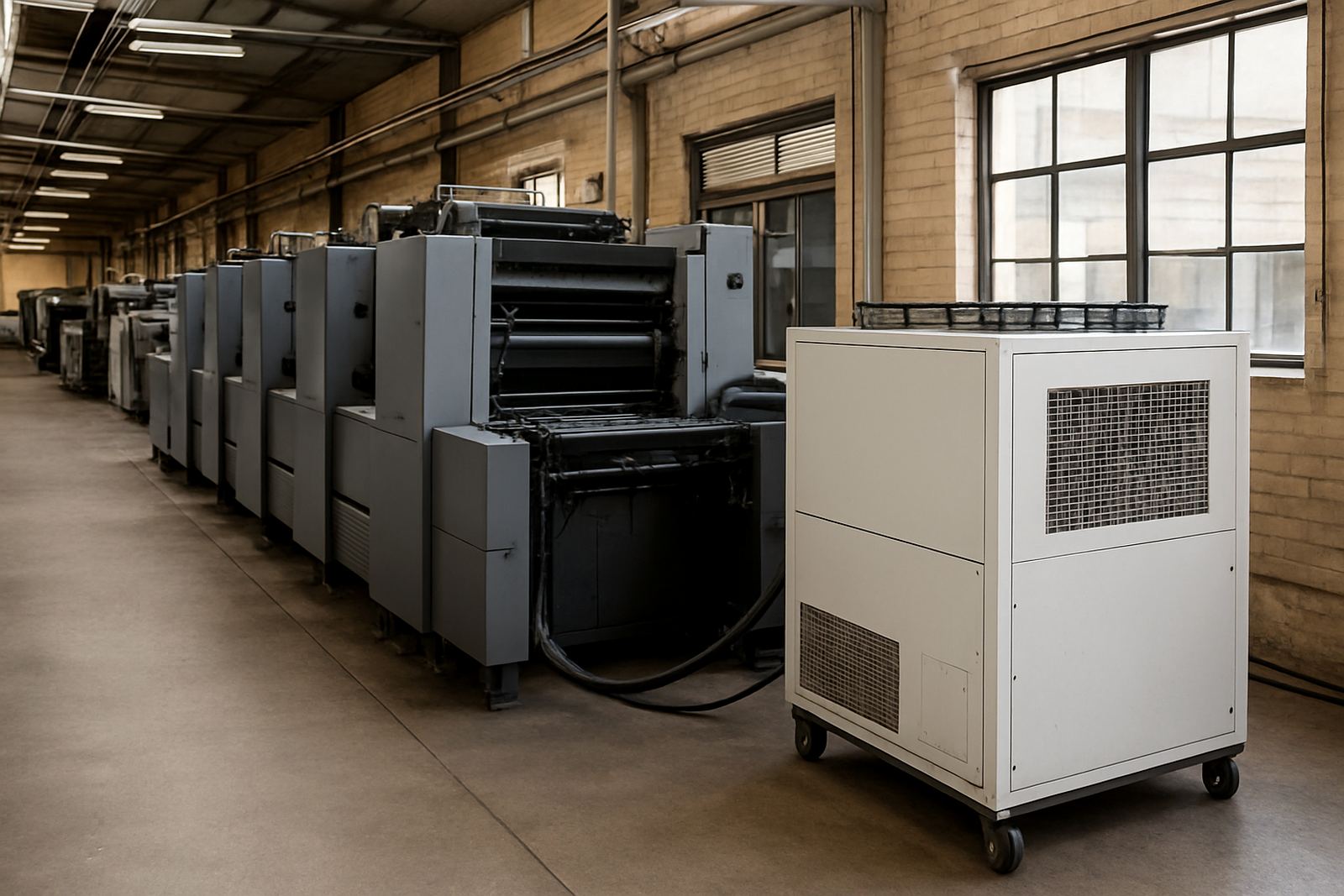
The client was a busy printing plant in Cape Town handling time-sensitive work where print quality depends on steady temperatures. Their main concern was heat build-up around production equipment, which can affect output consistency, machine wear and the risk of unplanned stoppages when the weather turns warm or the plant runs hard for long shifts.
The brief was straightforward: stabilise process temperatures, protect the equipment, and keep the line moving without wasting water or power. The site needed a cooling solution that could handle local conditions, including summer heat, coastal humidity and the practical realities of load-shedding planning. They also wanted a system that could be supported from Gauteng and serviced without delay when maintenance was due.
Because printing environments are sensitive to downtime, the plant wanted a supplier who could assess the site properly, recommend the right capacity and get the installation done without dragging the project out. The goal was not just colder water, but dependable cooling that would support production every day.
Site Constraints and What We Had to Work Around
The main constraints were space, continuity of production and the need to keep the existing process line operational during the changeover. The plant could not afford a long shutdown, so the works had to be staged around production windows and planned carefully in advance.
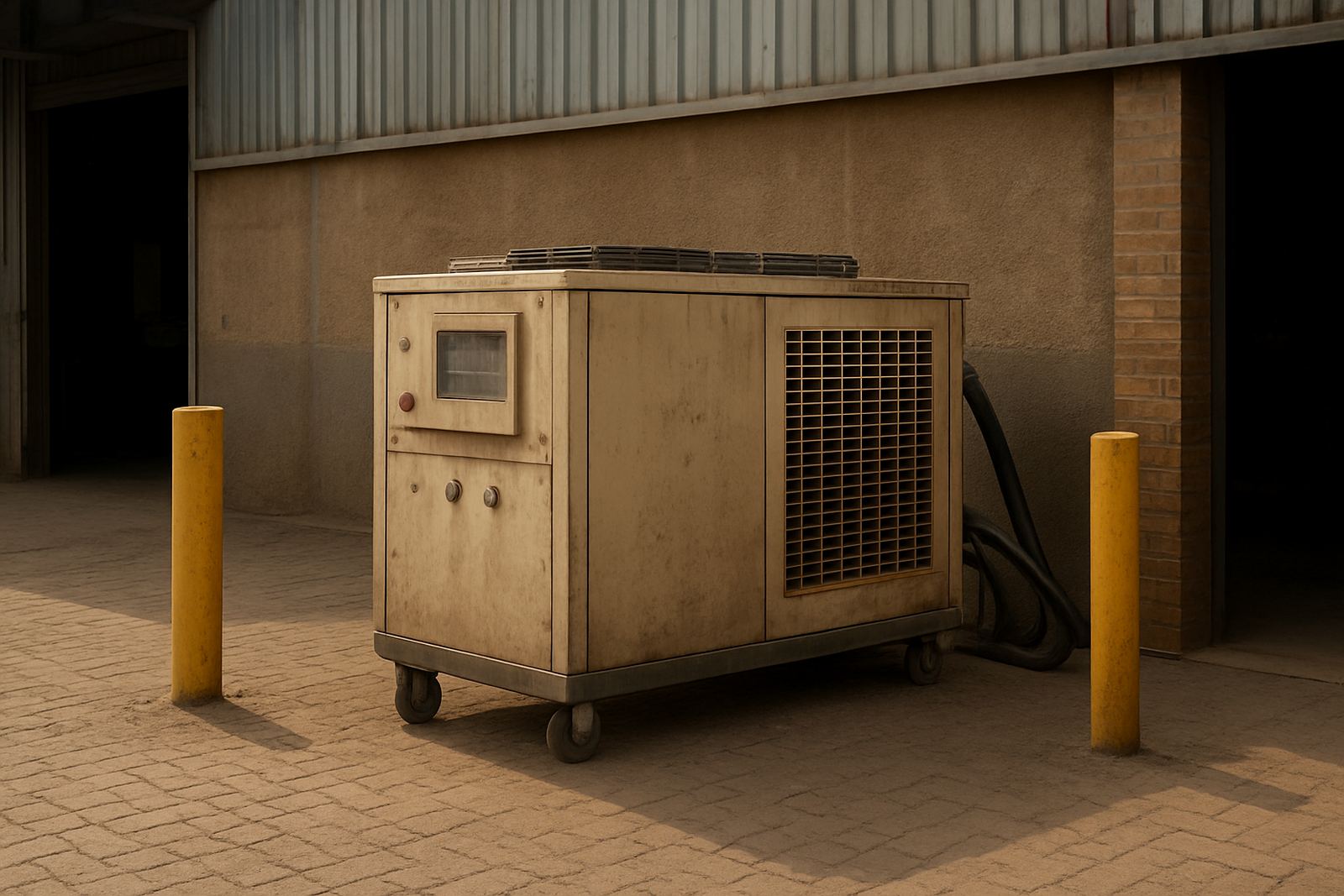
We also had to factor in the usual Cape Town site conditions. Coastal air brings more moisture, which means protection on fittings, pipework and electrical components matters. At the same time, the client needed a system that would still behave predictably when grid supply was interrupted, so the control setup and restart procedure had to be clear for operators.
- Limited installation space around the production area
- Need to avoid long stoppages during changeover
- Corrosion risk from coastal humidity
- Stable temperature control during long print runs
- Practical restart and alarm handling during load-shedding
Cooling Package Supplied for the Line
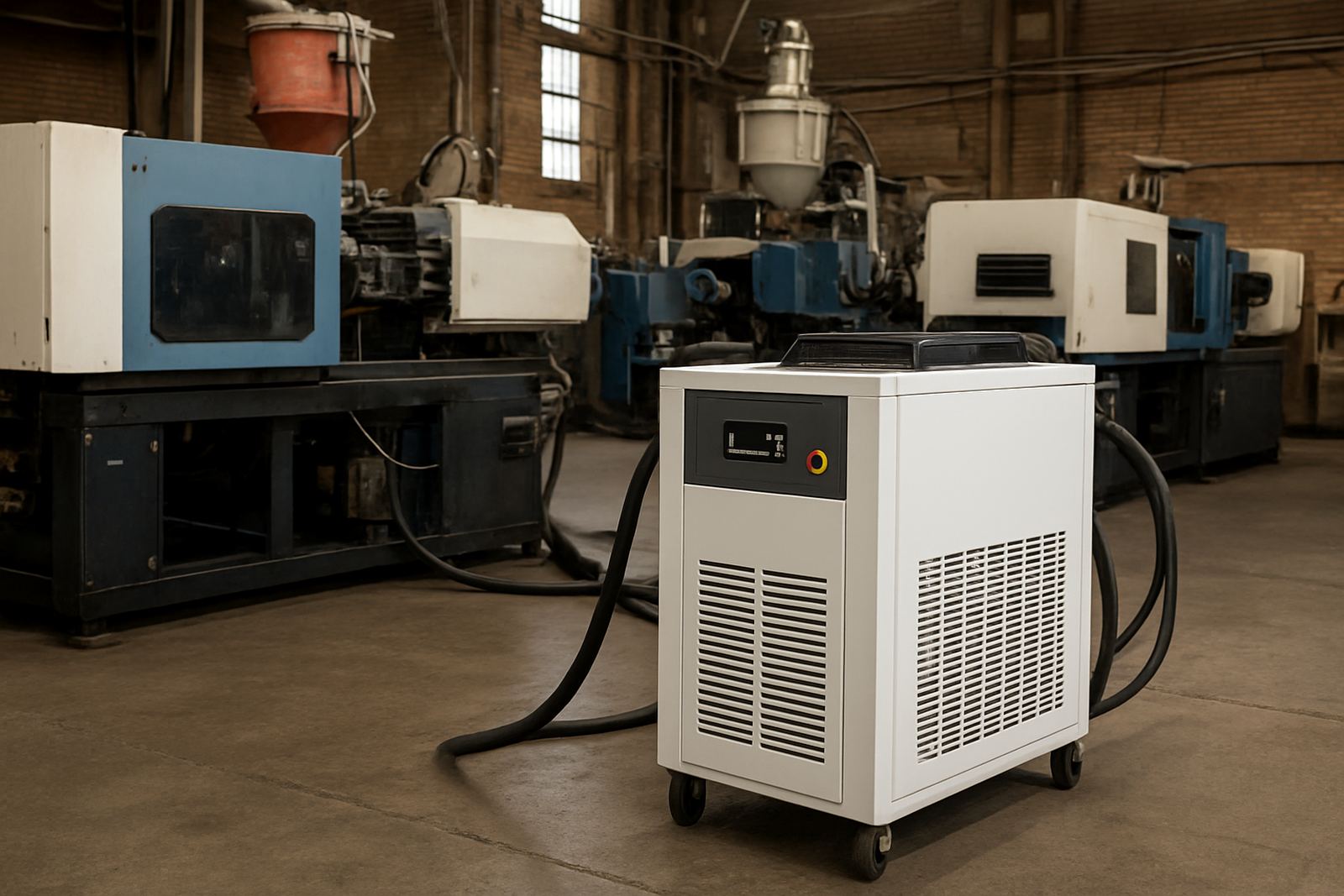
After the cooling audit, we supplied an industrial water chiller package matched to the plant’s actual load rather than a rough estimate. The system was selected to give stable supply water for the printing equipment, with controls that allow operators to monitor temperature and flow without guesswork.
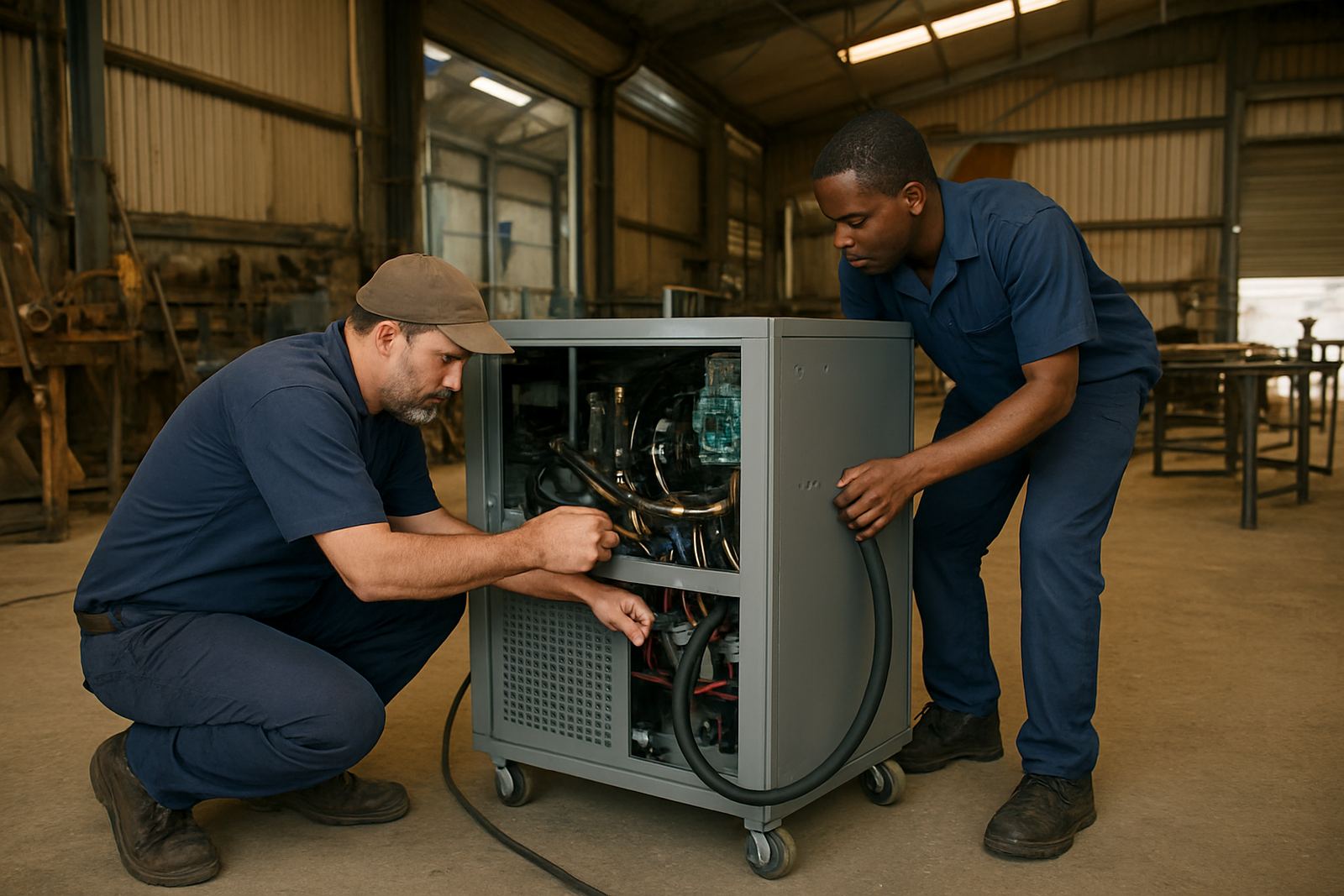
The installation included the chiller, circulation components, pipework interfaces, isolation points and controls work needed for reliable operation. We also checked the water side conditions and made sure the system could be maintained properly. Where existing pipework needed improvement, we handled retrofits so the new cooling system would not inherit old restrictions.
- Industrial water chiller sized for process cooling duty
- Pump set and circulation hardware for steady flow
- Pipework tie-ins and valve isolation for maintenance access
- Control panel integration for day-to-day monitoring
- Water treatment checks to reduce scale and fouling
The equipment was arranged to support a stable operating range of 7 to 12 degrees Celsius on the chilled water side, with the final setpoints adjusted to suit the print process and the actual site load. That gave the client enough flexibility to hold temperatures without forcing the machine to work harder than necessary.
Installation and Commissioning in Three Weeks
The project ran over three weeks from site assessment to final handover. In week one, we completed the cooling audit, measured the plant’s load profile and confirmed the best route for equipment placement and pipework. In week two, we carried out the installation, connected the system and completed the necessary retrofits. In week three, we commissioned the plant, tested controls and handed over operating guidance to the client team.
The commissioning process included checking flow, confirming temperature stability, verifying alarms and making sure the start-up sequence was easy for operators to follow. We also reviewed the plant’s maintenance access points so future servicing would not create unnecessary downtime.
Because printing work often happens on tight deadlines, the handover had to be practical. We kept the instructions simple and focused on what matters on shift: what normal readings look like, when to call for help and what to do if the system trips during a power interruption. The client’s team appreciated that level of clarity.
Results on the Production Floor
Once the cooling system was in service, the plant had much steadier operating conditions across the production area. Heat-sensitive equipment held its temperature more reliably, which reduced the drift that can cause quality issues over a long run. The client also reported fewer nuisance interruptions caused by thermal stress on the process side.
For a printing operation, these gains show up in small but important ways. Machines start better, production remains more consistent through the day, and maintenance teams spend less time dealing with temperature-related faults. The system also gave the client a more controlled environment for planning work during hotter periods.
- More stable process temperatures during long runs
- Reduced risk of overheating on critical equipment
- Better consistency in output quality
- Lower stress on pumps, controls and connected equipment
- Clearer maintenance planning for the operations team
In practical terms, the plant gained a cooling solution that supports production instead of becoming another problem to manage. That is what matters when a site in Cape Town has to keep work moving through warm weather, coastal conditions and the usual pressure of production deadlines.
What We Would Repeat on the Next Printing Job
If we were back on a similar printing site tomorrow, we would follow the same approach: measure the load properly, confirm the process requirements with the plant team and build the cooling system around the real operating conditions rather than a generic size estimate. That is the difference between a system that looks right on paper and one that actually holds temperature on the floor.
We would also keep the maintenance access, water quality checks and restart procedure in the first part of the plan, not as an afterthought. In Cape Town, where humidity and power interruptions can affect plant performance, those details matter just as much as the chiller capacity itself.
For printing plants that cannot afford unstable cooling, the best outcome is simple: a plant team that knows the system, a service plan that is realistic and equipment that keeps working when the pressure is on. That is the kind of result we aim for on every project.