Why poor flow shows up before a full breakdown
When an industrial chiller or cooling circuit is not moving enough water, the machine does not always stop straight away. More often, it starts working harder to hold temperature, and the first clues appear in the process, not in the plant room. On laser lines, moulding machines and other temperature-sensitive equipment, low flow can cause poor part quality, short cycles and repeat faults long before anyone opens the panel.
In South African conditions, flow problems can build up faster than many teams expect. Dust around Johannesburg and Boksburg, scale from untreated water, corrosion in coastal areas like Durban and Cape Town, and power interruptions during load-shedding can all put extra strain on pumps and pipework. If a site is already running close to capacity, even a small restriction can become a daily problem.
The first warning signs operators usually notice
Operators are often the first people to spot poor flow because they see the process change before the instruments explain why. The coolant may still be moving, but not enough to keep the load stable. That can mean one zone runs hotter than the others, or a machine that used to hold temperature now drifts up and down through the shift.
- Temperature alarms that appear more often, especially under load
- Slow recovery after start-up or after a machine cycle
- Uneven mould temperatures, warping, or inconsistent finish on parts
- Laser faults, weak output, or repeated interlock trips
- Unusual pump noise, vibration, or a pump that sounds strained
- Higher return temperatures and a bigger gap between supply and return
If two or three of these signs appear together, do not treat it as a one-off. It usually means the system is fighting a restriction, air pocket, weak pump, blocked strainer or failing valve. The longer it runs that way the more heat stress builds up in the equipment.
What to check before the problem gets worse
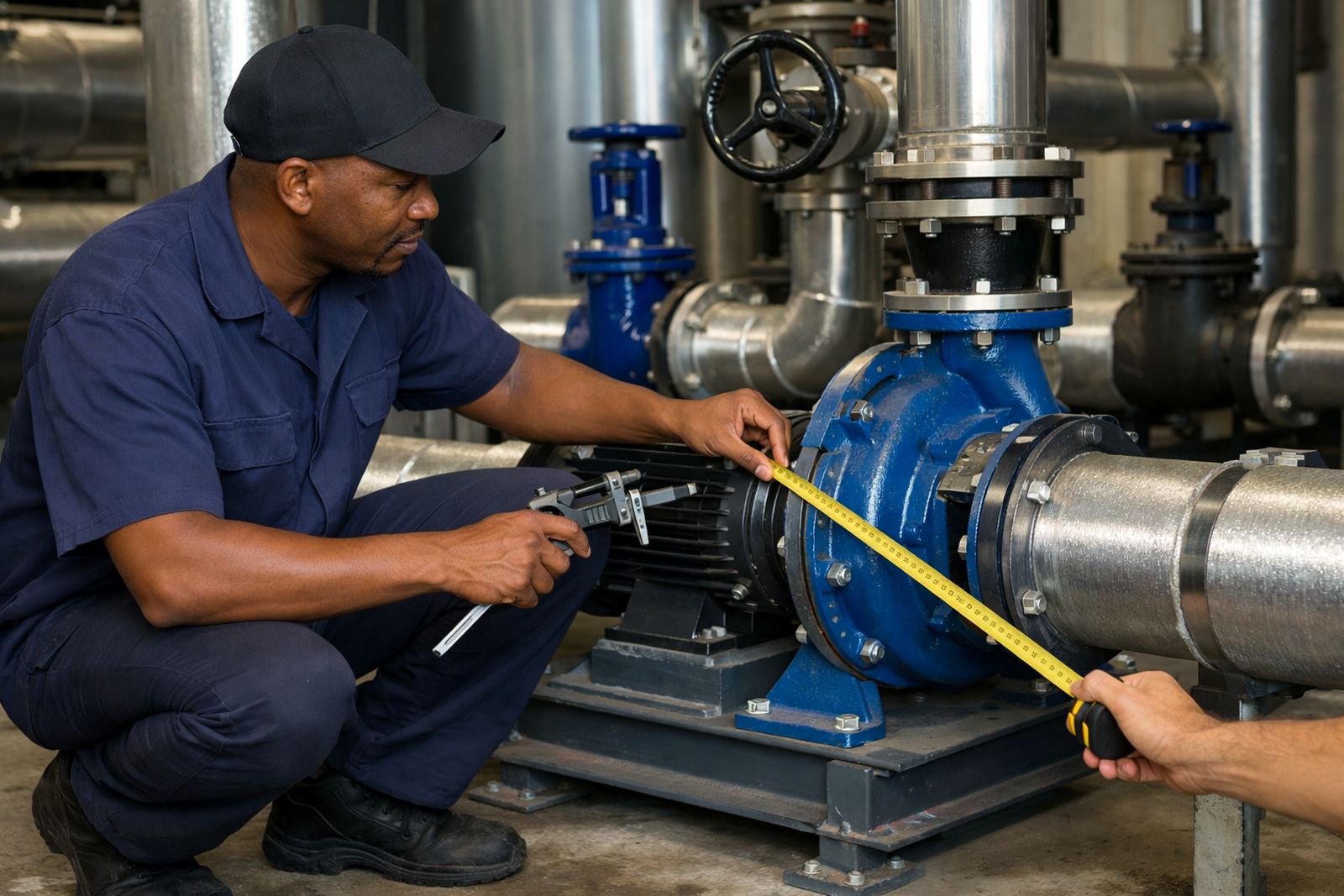
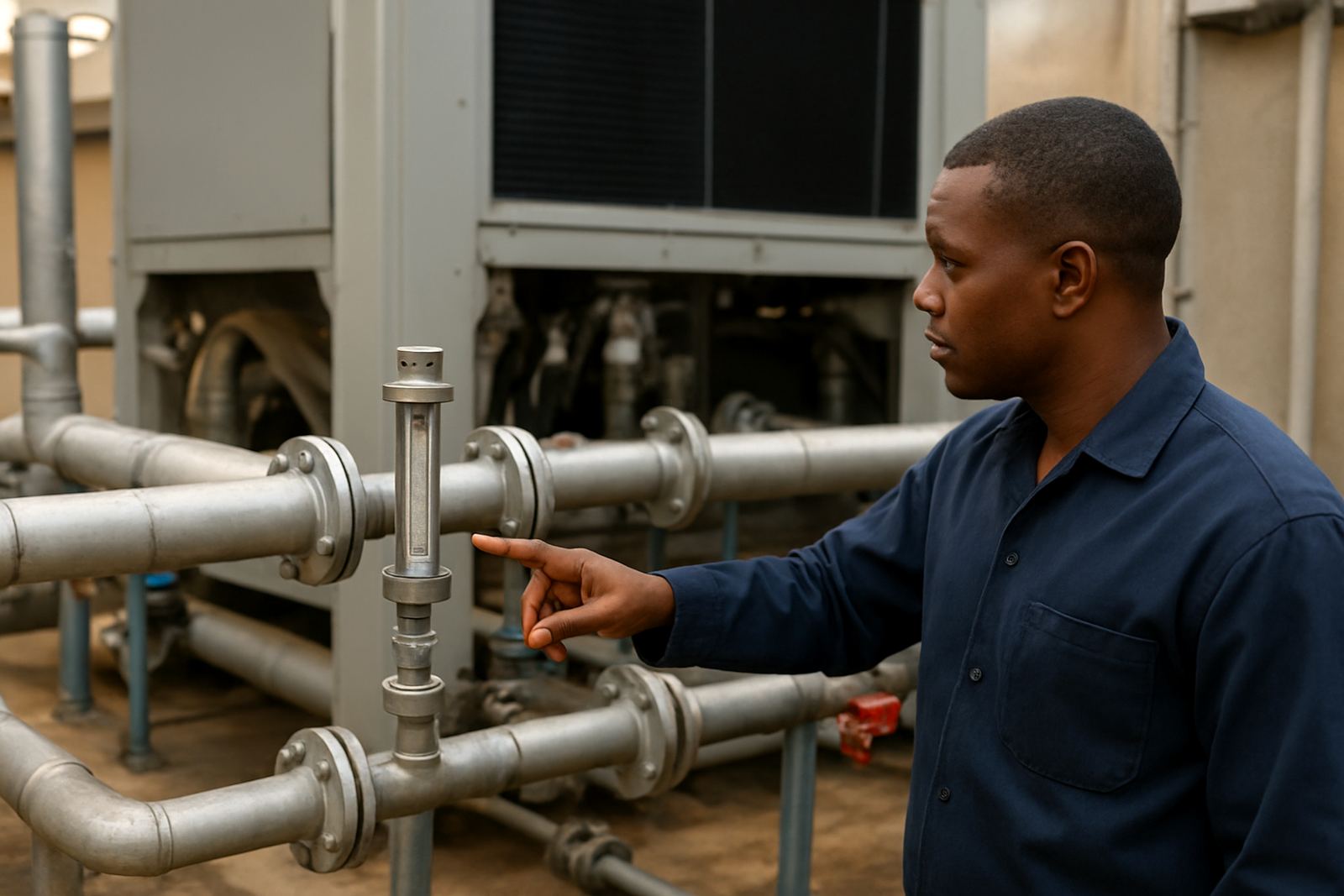
A quick site check can often narrow down the cause without shutting the whole line down. Start with the basics: look at the flow indication, check whether strainers are blocked, and make sure valves are fully open where they should be. If a unit has had recent maintenance, confirm that hoses and connections were put back correctly and that no line is pinched or kinked.
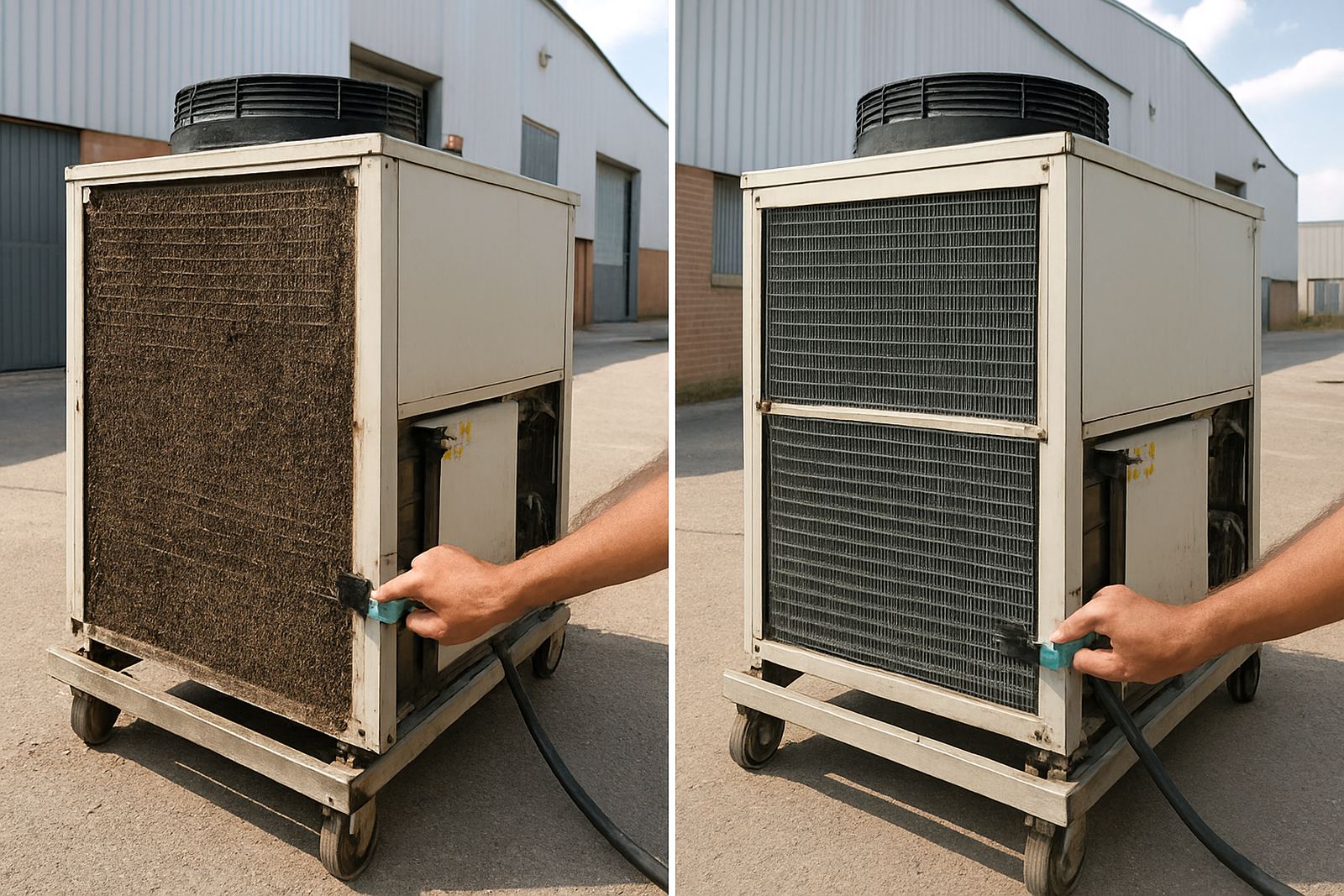
It is also worth checking the water quality. Hard water, rust, slime and silt can collect in low spots and reduce flow through plate heat exchangers, mould circuits and narrow passages in process equipment. If the system is running with temporary water after a breakdown or during upgrades, poor treatment can make the problem return very quickly.
- Inspect suction and discharge pressure where gauges are fitted
- Check for trapped air after power cuts, repairs or top-ups
- Listen for cavitation or a pump that is drawing air
- Confirm that filters, baskets and strainers are clean
- Look for leaking joints that may be letting air into the circuit
- Review whether the load has changed since the last service
A simple visual check can save time, but if the cause is inside the cooling circuit or control panel, the fault may keep coming back until the root issue is fixed.
How poor flow affects lasers, moulds and process lines
Different applications fail in different ways, but the common thread is unstable temperature. On laser systems, poor flow can trigger protection faults and shorten the life of expensive components. On moulding equipment, it can cause uneven cooling, longer cycles and parts that do not meet spec. On process lines, fluctuating coolant can affect product consistency, especially where the line depends on tight temperature control for quality or timing.
Some sites notice the problem only after scrap rises or production slows. Others see it in repeated operator adjustments, where the team keeps changing settings to compensate for a cooling problem that should have been sorted at source. That kind of patch-up work wastes time and usually masks a bigger issue in the pump, pipework, or control system.
At a factory in Germiston, for example, a moulding line began showing temperature swings late in the afternoon. The problem was not the mould itself. A partly blocked strainer, plus air in the return line after an interruption, had reduced circulation enough to affect the whole shift. Once the flow issue was corrected and the water quality checked, the line settled back to normal and the scrap rate dropped. Small fault, big cost if left alone.
When a pump problem is actually a system problem
Not every low-flow fault is caused by the pump itself. In many cases the pump is only the symptom of a bigger system issue. If a pump is oversized, undersized, worn, or working against poor pipework design, it may never deliver the right flow under real production conditions. The same is true when control settings are wrong or when a retrofit changed the load without updating the cooling circuit.
In older plants, pipework often tells the story. Long runs, too many bends, undersized lines, or mixed materials can create pressure drop that only shows up once the process is running hard. If the plant also experiences unstable incoming water pressure or frequent interruptions, the cooling side becomes even more sensitive.
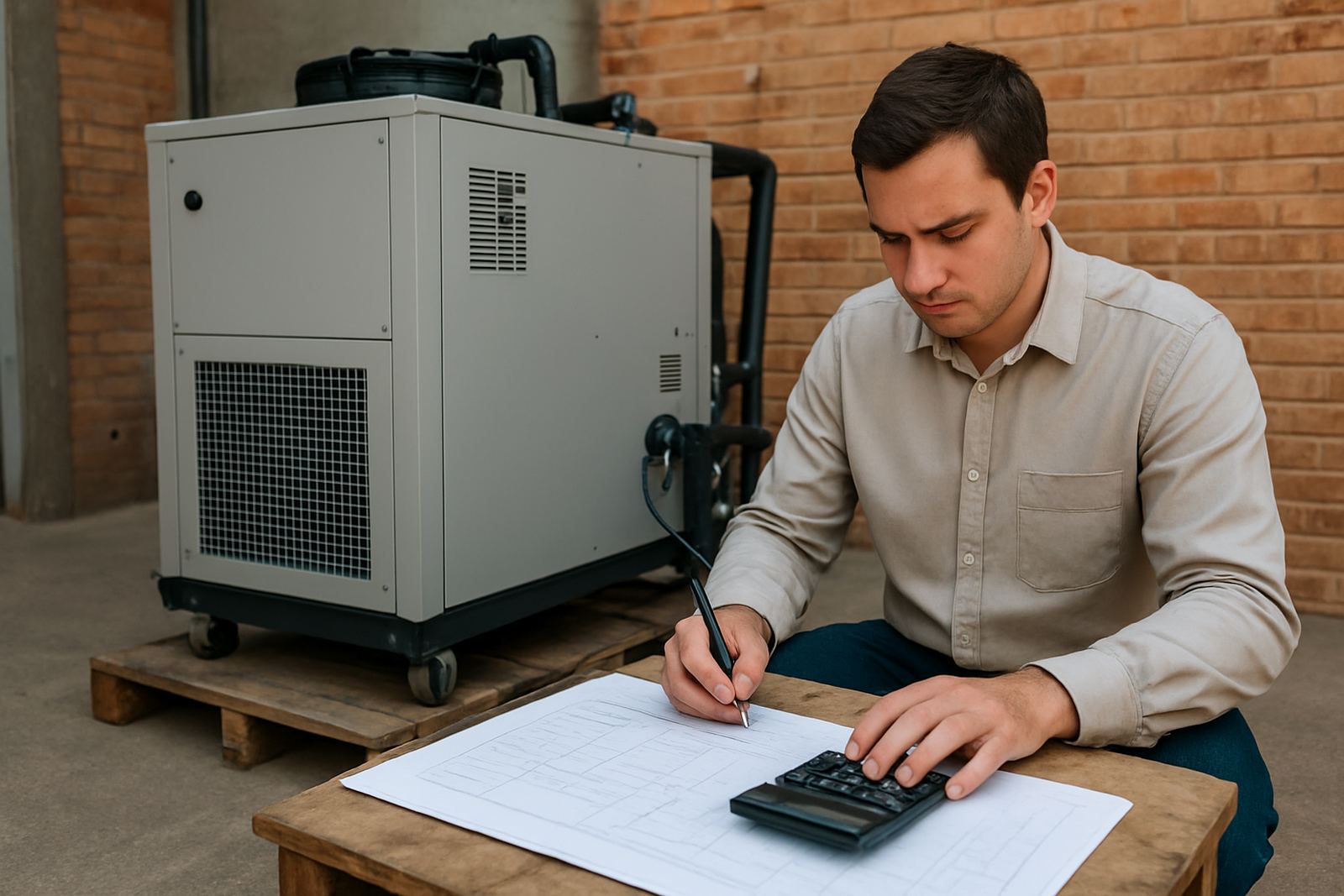
That is why a proper cooling audit is often more useful than guessing. It shows whether the problem is mechanical, hydraulic, electrical or a combination of all three. In many cases the fix is not a single part but a set of corrections: cleaning the circuit, replacing a weak pump, adjusting the controls and making sure the water treatment is right for the site.
Practical steps that keep flow steady in South African conditions
Good flow is easier to keep than to recover after a failure. Regular maintenance matters, especially on sites that run long hours, deal with dust, or sit near the coast where corrosion moves faster. It also helps to plan for power interruptions. A restart after load-shedding can expose trapped air, weak pumps and dirty strainers all at once, so the first few minutes after power returns are worth watching closely.
For operations teams, a simple routine can prevent most flow-related surprises. Keep records of pressure, temperature and alarm history. Clean strainers on schedule, not only when a fault appears. Check valves after any pipework work. Review whether the chiller still matches the current load, because a line that grew over time may need a different cooling approach now.
- Schedule preventative maintenance before the busy season starts
- Use water treatment checks to reduce scale and corrosion
- Replace weak pumps before they fail under full load
- Upgrade control panels when older controls no longer hold set points well
- Train operators to report small temperature changes early
If your site is in Alberton, Pretoria, Durban, Cape Town, Rustenburg or anywhere in between, the same rule applies: when flow starts to drift, act fast. That is usually the point where a manageable service issue is still a service issue, not yet a production loss.