Start with the utility supply, not the brochure
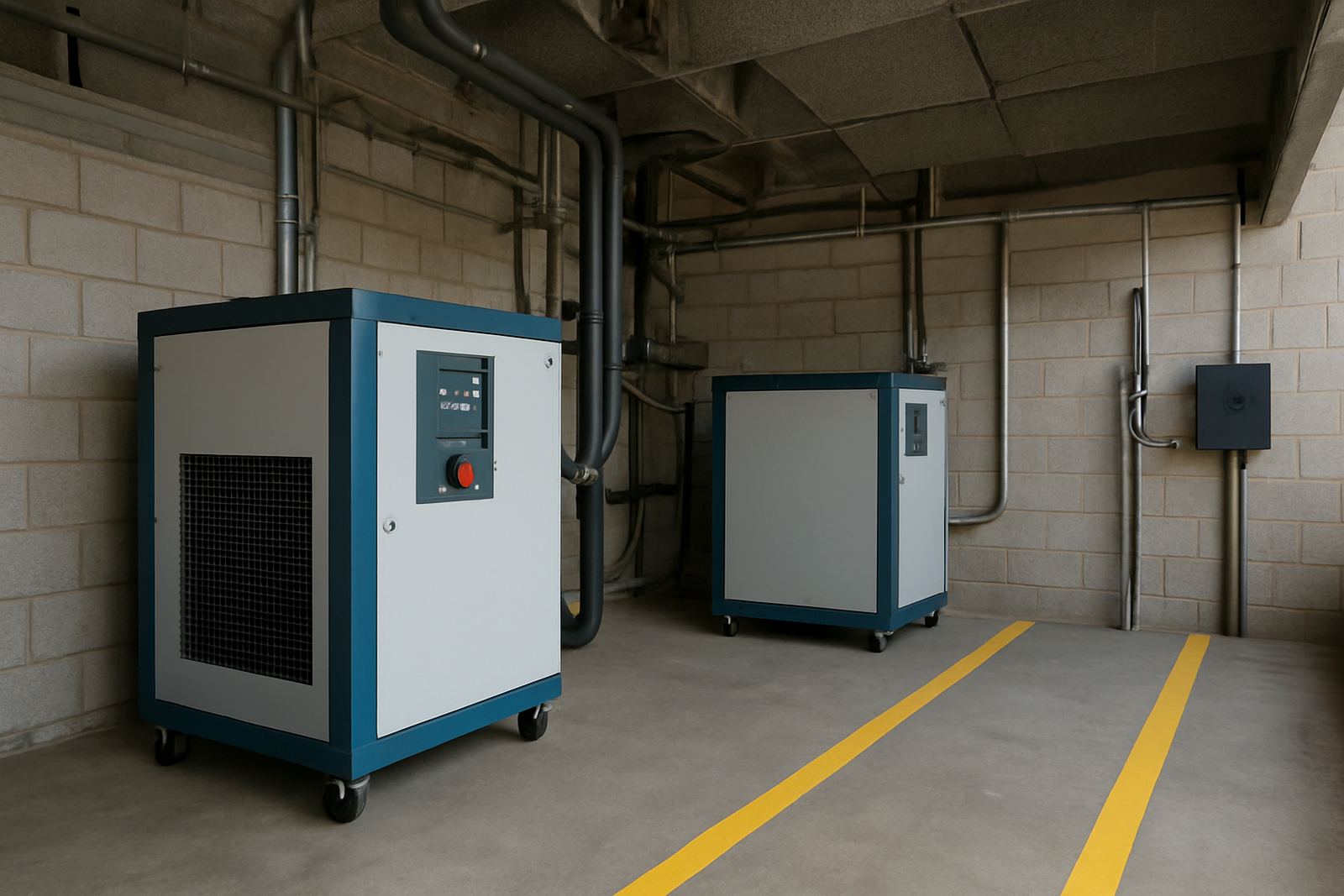
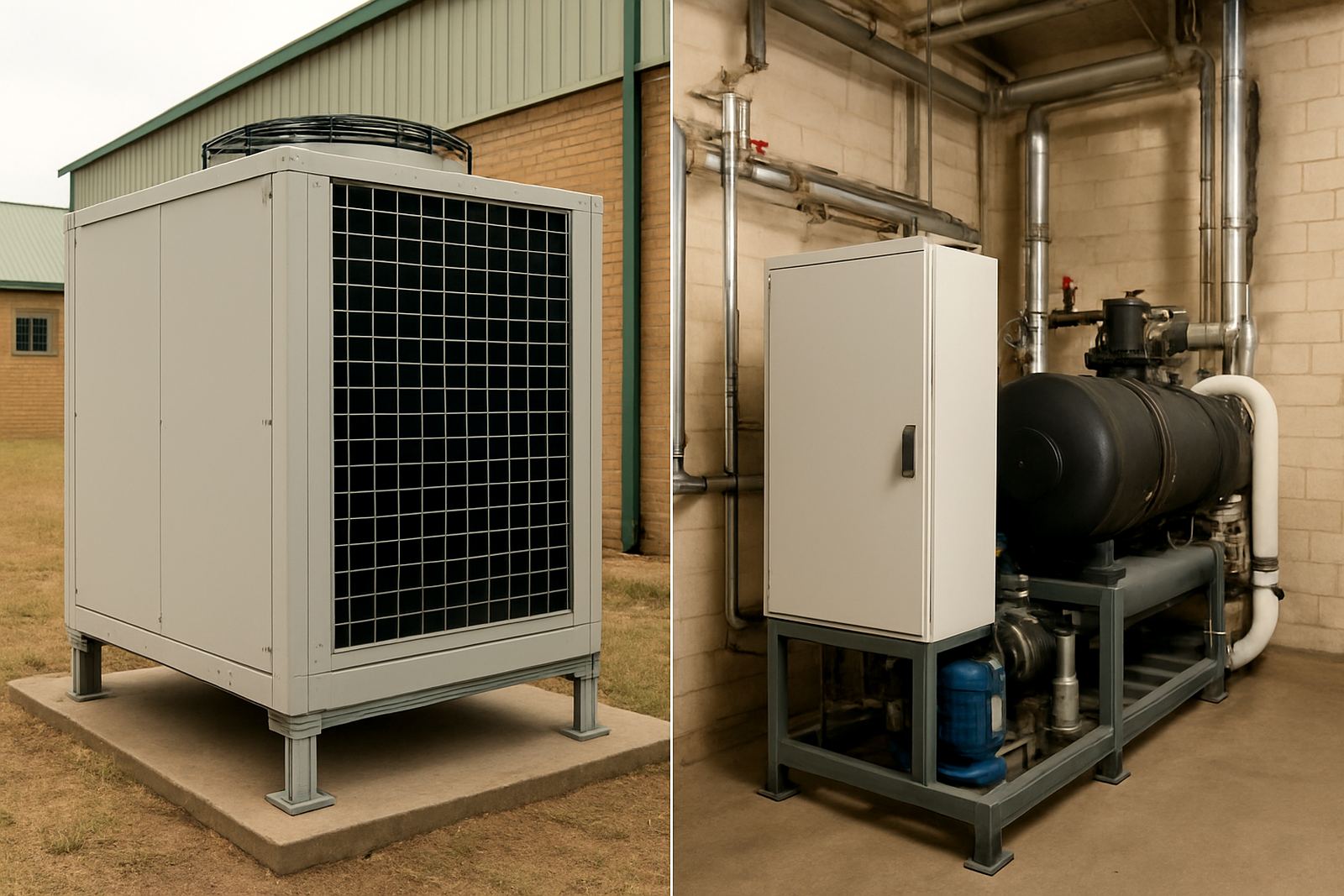
When a plant manager asks which type is better, the real answer starts with what is available on site. Air cooled chillers need good airflow around the unit and are often simpler to place where space is tight. Water cooled chillers depend on a steady water circuit and are usually chosen where a cooling tower or similar setup already exists.
In South Africa, utility reliability matters as much as nameplate capacity. If you are working through load shedding, warm summer afternoons or limited plant room space, the chiller that looks smaller on paper can still be the wrong choice if the support systems are not there. A proper cooling audit should check power quality, water quality and where the heat will go once the machine starts running.
- Choose based on available power, water and floor space.
- Check whether heat can be rejected safely into the site air or water circuit.
- Allow for access during maintenance, not just installation.
How air cooled chillers behave in South African plants
Air cooled chillers reject heat to ambient air through fans and coils, which makes them a practical choice for many workshops, plastics plants and smaller laser rooms. They are often easier to install because there is no cooling tower, make-up water line or extra water treatment system to manage. For many businesses in Alberton, Boksburg and Germiston, that simplicity keeps installation time down and reduces the number of plant items that can go wrong.
The trade-off is that air cooled units work harder when the weather gets hot. On a humid Durban day or in a dusty industrial yard near Johannesburg, the unit may need more cleaning and more room around it to breathe. If coils are blocked with dust, lint or packaging waste, temperatures drift and the compressor starts carrying a heavier load. That is where preventative servicing makes a real difference, especially on equipment feeding lasers or moulding lines.
- Good for sites with limited water supply.
- Easier to place on a rooftop, outside slab or service yard.
- Needs regular coil cleaning and fan inspection.
Where water cooled chillers earn their place
Water cooled chillers suit larger sites that already run a water loop and need steadier performance over long operating hours. They are commonly considered where heat rejection must be kept out of the main working area, or where the plant room layout supports a separate condenser water system. In busy production environments, that can help keep indoor temperatures more stable and reduce noise around the machine area.
They do however come with more parts to manage. Water quality, scaling, corrosion and flow rates all need attention. In coastal areas such as Cape Town and Durban, poor water treatment can shorten the life of pumps, heat exchangers and valves. On inland sites, the issue may be hard water or neglected strainers. A water cooled system can perform very well, but only if the supporting water side is properly maintained and checked on schedule.
- Best where a cooling tower or similar water circuit already exists.
- Often suits higher load, longer duty cycles.
- Needs more care on water treatment and flow control.
The climate factor: heat, humidity and dust
Climate changes how a chiller behaves day to day. In Rustenburg, hot afternoons and airborne dust can push air cooled equipment harder than expected. In Durban, humidity affects both the heat rejection side and the wider plant environment, while salty air near the coast can speed up corrosion if panels and coils are not protected. Even in dry Gauteng, fine dust from yards and roads can clog fins and filters fast.
That is why a site visit matters. A chiller that is sized correctly in theory can still underperform if it sits in a confined corner, draws warm exhaust air back into itself, or is surrounded by poor housekeeping. The right choice is not only about cooling capacity. It is also about how the machine will cope with local weather, dust, and the way the factory actually runs.
- Coastal humidity increases corrosion and water treatment demands.
- Dusty sites need cleaner airflow paths and more frequent servicing.
- Heat rejected into a poor location can shorten compressor life.
Match the chiller to the process, not just the machine room
Laser systems, moulds and process lines do not all tolerate temperature swings in the same way. A laser may need tight control to protect output quality and optics. Moulding equipment may need stable coolant temperatures to protect cycle times and part finish. A process line can sometimes accept a wider range, but only if product quality remains consistent. This is why one site might use an air cooled unit for one line and a water cooled package for another.
Raynen works with businesses across Alberton, Johannesburg, Pretoria, Durban, Cape Town and Rustenburg to size and support systems around the actual duty cycle. The team looks at return temperatures, ambient conditions, duty hours and whether the plant needs temporary cooling during shutdowns or upgrades. The goal is simple: keep the process steady, protect equipment and avoid unnecessary stoppages.
- Laser loads often need tighter temperature control.
- Mould applications benefit from stable coolant and clean water circuits.
- Process lines may need staged or temporary cooling during changes.
Maintenance differences that affect total running cost
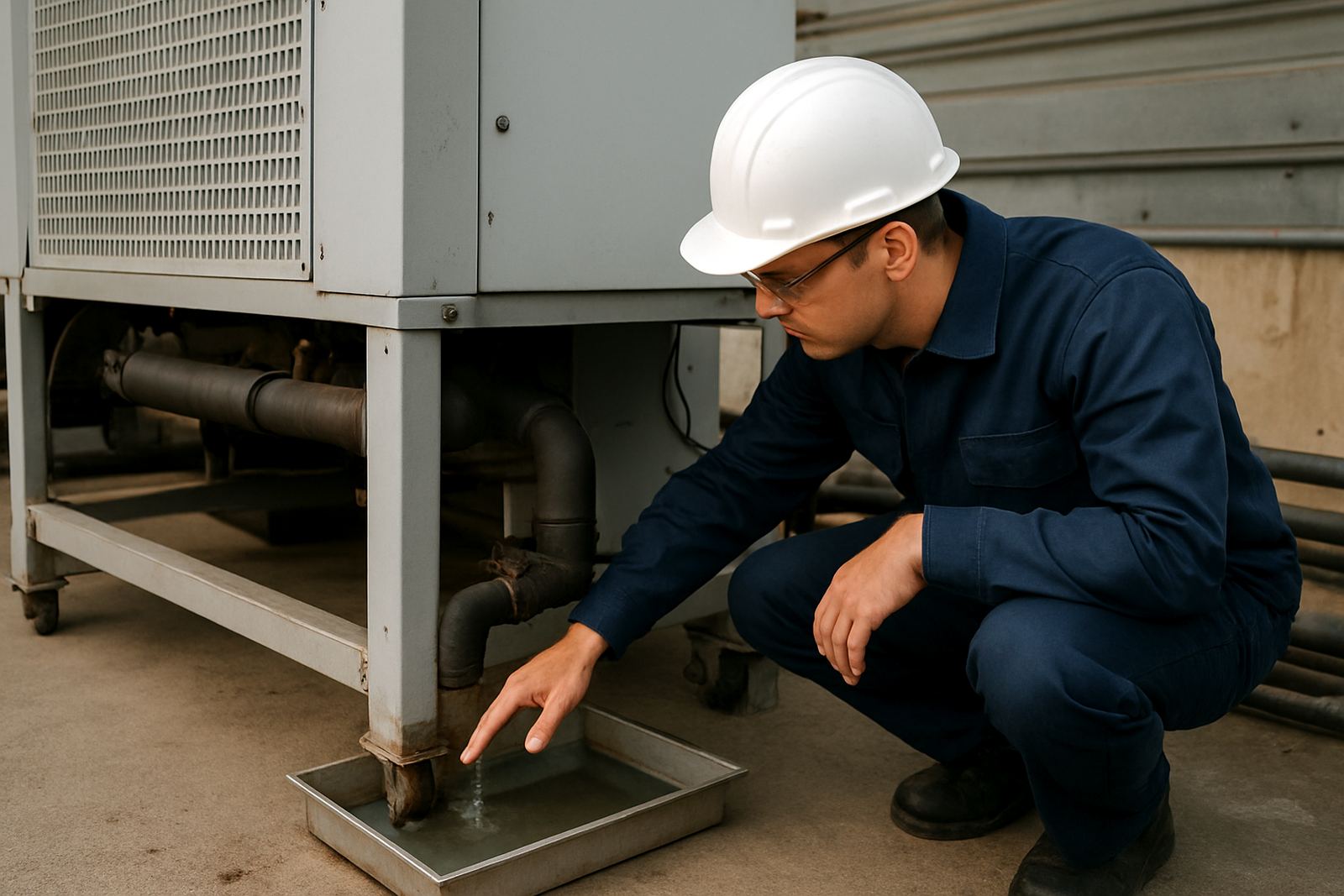
The purchase price is only part of the story. Air cooled units usually need coil cleaning, fan checks, leak checks and careful airflow management. Water cooled systems need additional attention on pumps, strainers, tower condition, chemical treatment and water quality. If a site does not have the time or skill to handle that upkeep, the lower running noise of one system can quickly be offset by prventative issues and callouts later on.
For many South African plants, the best decision is the one that fits the maintenance plan already in place. If you have a small team and no dedicated water treatment support, air cooled may be the safer choice. If you already manage a larger utility plant and need stable performance across long shifts, water cooled can be the better fit. Either way, commissioning, training and scheduled servicing make a measurable difference to uptime.
- Air cooled: simpler plant, more exposed to ambient conditions.
- Water cooled: more stable in some applications, but more to maintain.
- Training and checks reduce breakdown repairs later on.