Why the lowest setpoint is usually the wrong one
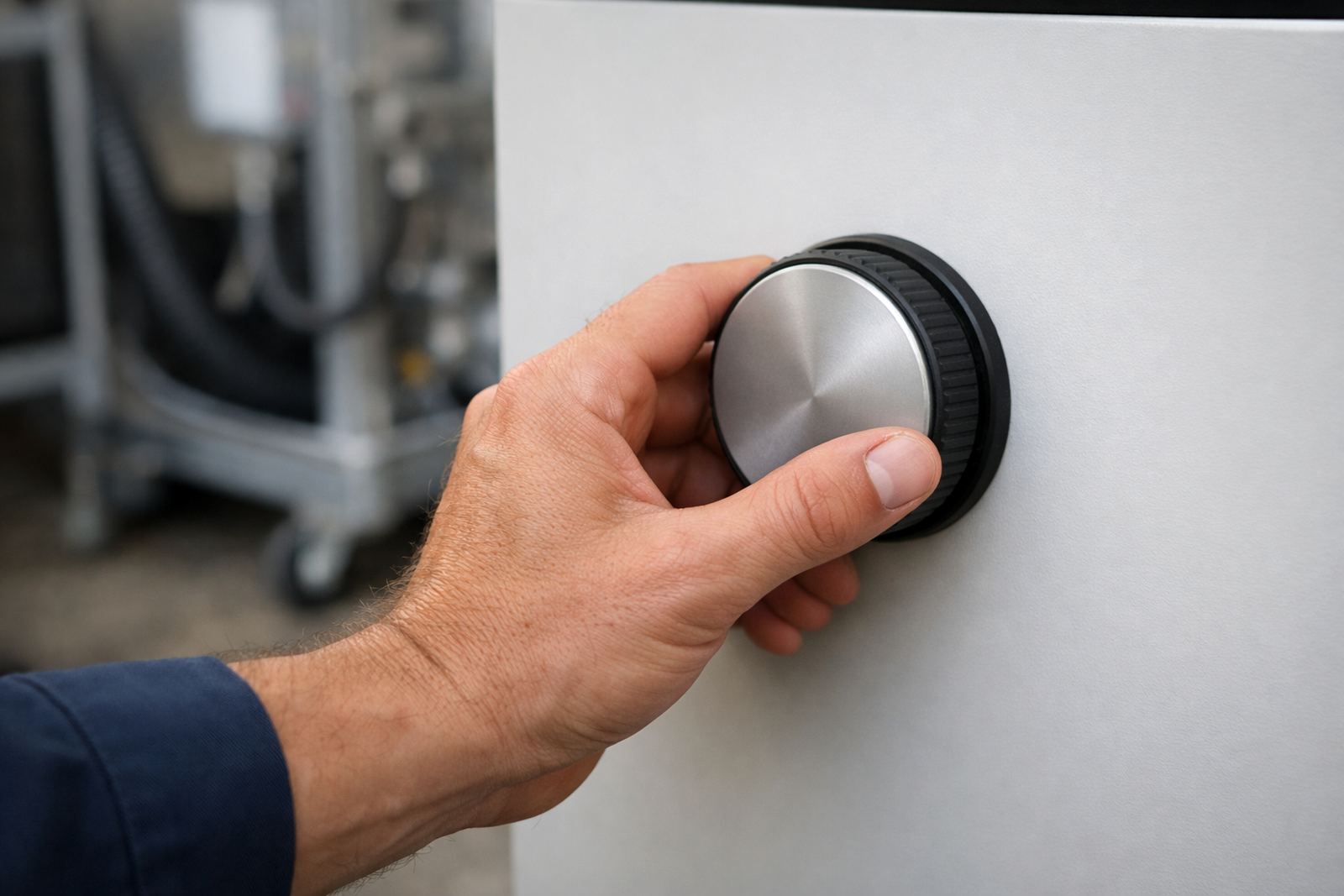
Many sites assume colder water must mean better cooling, but that is not how industrial systems usually perform. A setpoint should be based on the process temperature needed at the machine, not on a general idea that cooler is safer. If the water is set lower than necessary, the chiller may cycle more often, draw more power and expose the system to condensation around pipework, manifolds and electrical components.
In South African plants this matters even more because summer heat, dusty environments and load-shedding can all change how a cooling system behaves. A chiller that is set too aggressively may run hard all day in Alberton or Rustenburg, then struggle to recover after a power interruption. That can affect production far more than a steady, correctly chosen setpoint would.
For lasers, moulds and process lines, the right temperature is the one that keeps output stable. It should also leave enough headroom for ambient changes, water quality and the actual heat load on the day.
How a practical setpoint is chosen on site
The correct setting starts with the process data. That means looking at the machine manufacturer’s required inlet temperature, the heat load, the flow rate and the acceptable tolerance. A good technician will then check how the system behaves in real conditions, not just on paper. Water that leaves the chiller at 12°C may not arrive at the machine at 12°C if the pipe run is long or poorly insulated.
On a busy line, even a small drift can affect product quality. A moulding process may need a narrow range to keep parts consistent, while a laser may need a stable temperature to protect optics and maintain beam performance. The setpoint should be confirmed after commissioning, then checked again once the site has been running under normal production.
- Check the process specification first, not the chiller display
- Allow for pipe length, heat gain and pump performance
- Confirm the actual return temperature under load
- Adjust only after observing the system for a full production cycle
When low temperatures create new problems
Running a setpoint lower than needed can cause more than high electricity use. In humid coastal areas such as Durban and Cape Town, cold pipework can attract condensation. That water can drip onto floors, corrode supports and create slip hazards near production equipment. If insulation is damaged or missing the problem gets worse quickly.
Very low water temperatures can also make control systems hunt up and down, especially where the load changes through the shift. The chiller may short cycle, valve response may become unstable, and the process can end up less consistent than if it had been left at a slightly higher stable point. In some cases operators then keep lowering the setpoint, trying to correct a fault that is really caused by poor flow, fouled strainers or worn pumps.
There is another hidden cost too. When equipment is forced to work harder than needed, compressors, pumps and contactors take more strain. That shortens service life and increases breakdown risk during peak production periods.
Setpoints for lasers, moulds and process lines are not the same
Different applications need different cooling behaviour. A laser may need tight temperature control and consistent flow, while a moulding process may be more sensitive to temperature changes across the tool. A process line may need enough cooling capacity to hold a setpoint during batch changes, but not necessarily the coldest possible water. Treating all three as if they need the same number is a common mistake.
At a plant in Alberton, for example, a line operator may be tempted to drop the setpoint after a hot afternoon shift. That might help for an hour, but if the system is undersized or the water treatment is poor the result is often more complaints, not fewer. A better approach is to balance the setpoint with flow, filtration and maintenance so the system stays steady from start-up to shut-down.
- Lasers usually need very stable temperature control
- Moulds often need consistent return temperatures and good flow
- Process lines may need capacity reserve for peak heat loads
- Temporary cooling sometimes needs a different setpoint to match the job
What a stable setpoint looks like during real production
A stable setpoint is one that the chiller can hold without constant alarms, unnecessary cycling or wide temperature swings. Operators should not have to keep adjusting it through the day just to keep production moving. If that is happening, the issue is often outside the setpoint itself. The real cause may be blocked pipework, poor water treatment, low condenser performance or a control setting that was never matched to the job.
Good practice is to record the setpoint, the actual supply temperature, the return temperature and the ambient conditions. That gives a clear picture of whether the system is operating as intended. It also helps during breakdown repairs because the service technician can see whether the problem is mechanical, electrical or process related.
For sites in Pretoria, Johannesburg or Germiston, this record is especially useful when production shifts change. A daytime load and a night shift load can look very different, and the setpoint should work for both without constant manual intervention.
Keeping the setpoint accurate through maintenance and audits
Even a well chosen setpoint can drift out of range if the system is not maintained. Dirty filters, scaling, weak pumps and tired control panels all affect how the chiller responds. That is why preventative maintenance, water treatment checks and cooling audits matter. They do not just prevent failures, they protect the setpoint the process depends on.
During a cooling audit, a technician can confirm whether the current setting still matches the process, or whether changes in production have altered the requirement. That is often the case after machine upgrades, pipework retrofits or a change in tooling. If the setpoint was set years ago, it may no longer be right for the present load.
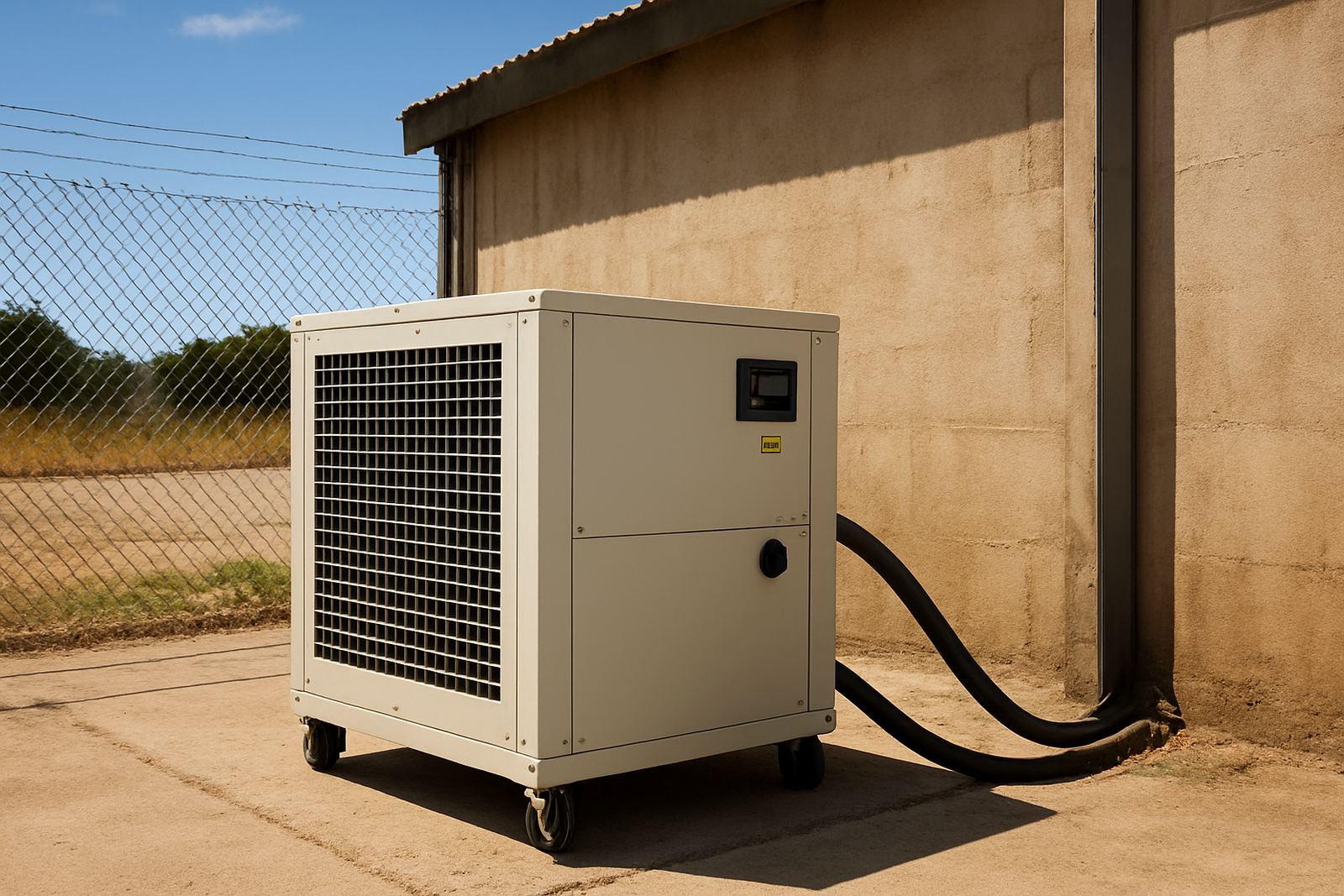
Raynen supports industrial water chillers and cooling units for sites across South Africa from Alrode, Alberton to Johannesburg, Pretoria, Durban, Cape Town and Rustenburg. When a process needs a tighter temperature window, the answer is usually a better matched system and a better understood setpoint, not simply a colder one.
The practical rule for any plant manager
The simplest rule is this: set the chiller to the temperature the process actually needs, then confirm that the system can hold it reliably. If the setpoint is lower than necessary, the site will usually pay for it in power, wear and avoidable downtime. If it is too high, product quality and equipment life may suffer.
For plant managers, supervisors and maintenance teams, the best results come from treating the setpoint as part of the process, not as a quick fix. When it is set correctly and backed by proper service, the entire cooling system becomes easier to run and far less likely to cause surprises during a busy shift.