Why South African summer heat changes chiller performance
When ambient temperatures rise, a chiller has to work harder to remove the same heat load. In places like Alberton, Germiston and Boksburg, summer afternoons can be enough to cut into cooling capacity, particularly if the unit sits in a closed bay or near other heat-producing plant. That is why a chiller that runs well in winter can start tripping or holding temperature poorly in January.
This matters most where temperature stability is tied to production quality. Laser equipment can drift if the coolant is not steady. Mould cooling can affect cycle times and surface finish. On process lines, warm water can slow production and increase rejects. If the system is already marginal, high ambient conditions expose every weakness in the setup.
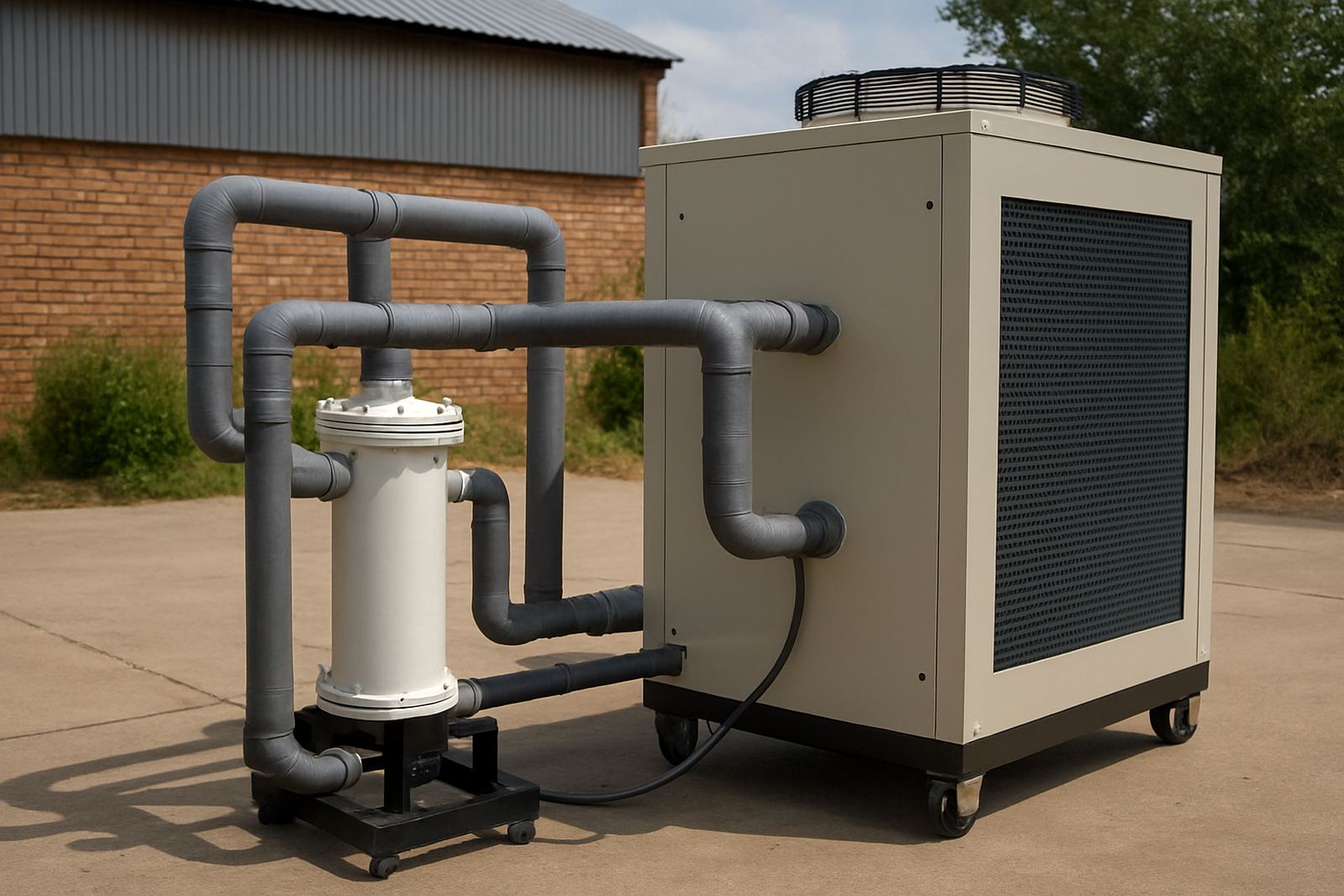
The issue is not only the compressor. Airflow around the condenser, dirty filters, poor pipework design and undersized pumps all add load. In many factories the real problem is that the equipment was chosen for the nameplate load, but not for South African summer conditions or the dusty, warm plant environment it actually works in.
What high ambient means in the real world
High ambient cooling refers to operating in hot surrounding air, often 30 degrees C and above, where heat rejection becomes less efficient. Coastal humidity in Durban adds another layer because moist air can reduce performance if the unit is not maintained properly. Inland sites around Pretoria and Rustenburg usually deal more with dry heat, dust and long afternoons of direct sun. The result is the same: reduced cooling headroom.
For industrial users, this shows up in a few common ways:
- Water temperature creeping up during peak heat hours
- Frequent high pressure alarms on the refrigeration circuit
- Longer pull down times after startup
- Short cycling or compressor overload trips
- Poor performance from moulds, lasers or line cooling points at the far end of the system
If the unit is placed in full sun, beside a compressor room or in a tight enclosure with poor exhaust air movement, performance drops even faster. A chiller that is fine on a mild morning may struggle by mid afternoon, and that is when production teams start chasing faults that are really sizing or airflow issues.
Sizing for summer, not just for average days
One of the most common mistakes is sizing a chiller for average conditions instead of worst-case conditions. A system should be checked against peak summer ambient, actual heat load, water flow rate and the temperature band required by the process. If the process needs 12 degrees C water and the site regularly sees high ambient heat, there must be enough capacity left after derating for the weather.
Raynen often finds that sites with lasers or injection moulding lines need a little more headroom than first expected. That extra margin helps when the weather turns hot, when filters are overdue for cleaning, or when production runs longer than planned. It is cheaper to plan for that in the beginning than to deal with shutdowns, damaged product or rushed temporary cooling later.
Key checks before summer include:
- Confirming the actual heat load from the process, not only the machine rating
- Checking whether the chiller is rated for the highest local ambient expected on site
- Reviewing pipe lengths, elevation changes and flow resistance
- Making sure the cooling water setpoint is realistic for the application
- Allowing for future expansion if the line will grow in the next 12 months
In many cases the right answer is not a larger compressor alone but a better matched system with proper airflow and controls.
Airflow, placement and plant room layout
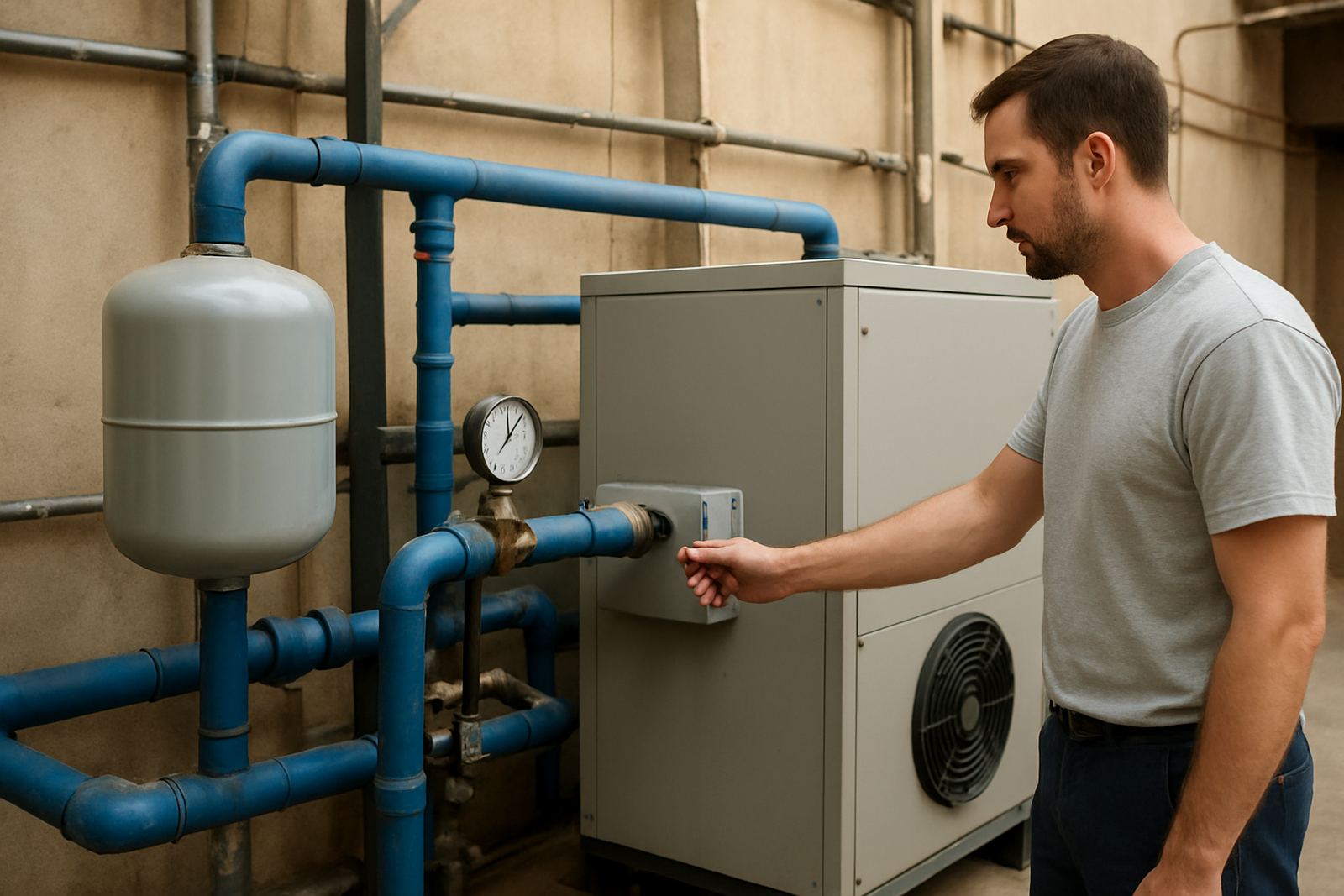
Even a well sized chiller can underperform if it cannot breathe. The condenser needs a steady supply of cooler air and a clear path for hot exhaust air to leave the area. If several units are placed too close together, each one starts pulling in the warm air from the next unit and capacity falls off quickly. This is a common issue in compact plant rooms around Johannesburg and industrial parks in Ekurhuleni.
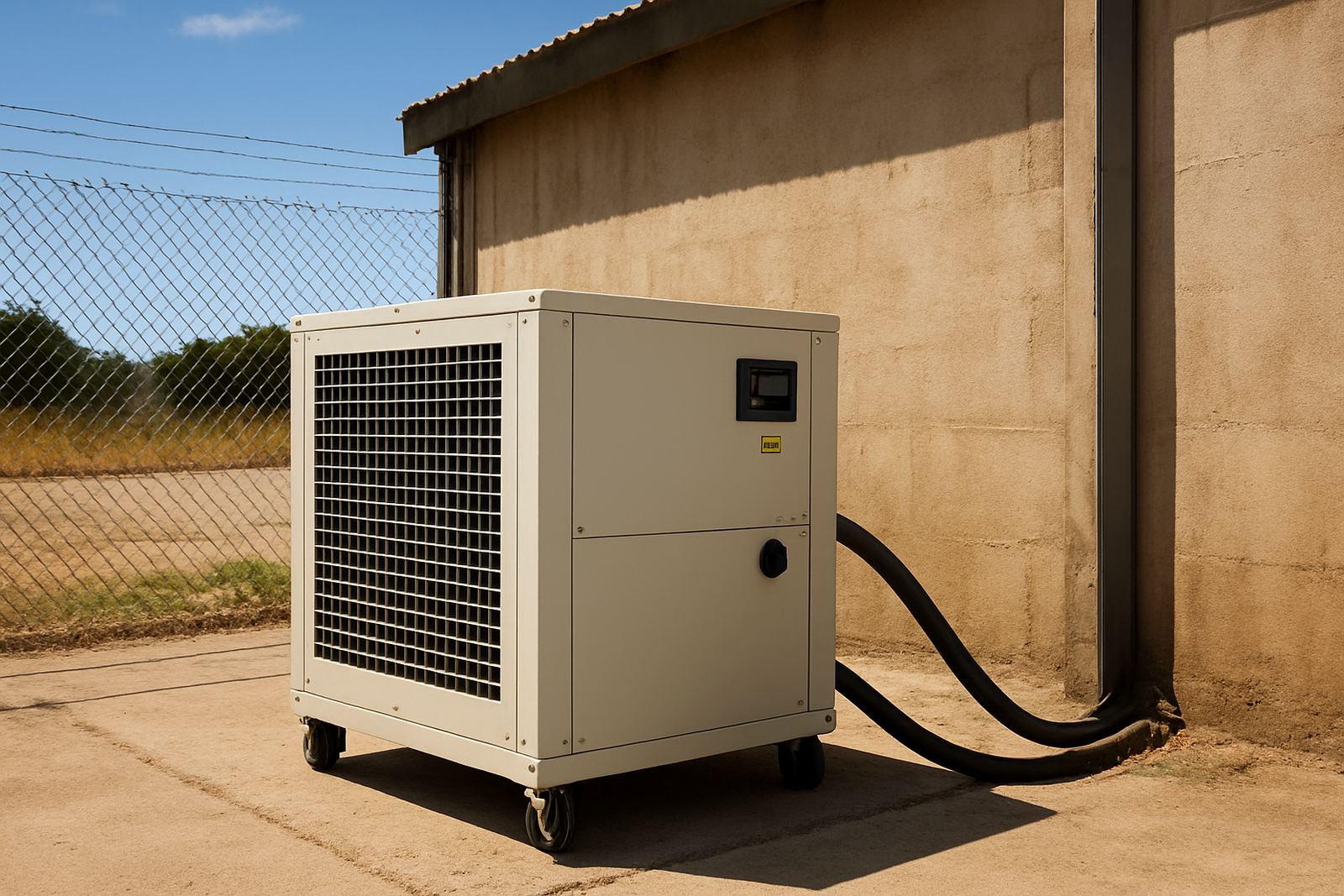
Good placement helps more than many people expect. Leave clear space around intake and discharge sides. Avoid placing units against a wall or under a low roof where hot air can collect. If the unit is outdoors, protect it from direct afternoon sun and check that prevailing wind does not blow hot exhaust straight back into the coil. It sounds basic, but it makes a real difference on hot days.
For sites with dust, paper lint or packaging debris, regular cleaning of the coil faces is essential. A blocked coil turns a summer problem into a breakdown. In coastal towns like Cape Town and Durban, salt and humidity can also affect fins and electrical components so inspection intervals should be tighter, not looser.
Maintenance that matters before the first heat wave
High ambient cooling is easier to manage when the machine is already clean, charged and correctly adjusted. Preventative maintenance before summer is worth more than waiting for an alarm in the middle of a production run. Temperature control problems often start small, then grow as load and ambient rise together.
Raynen’s service teams usually focus on the parts that most affect summer reliability:
- Cleaning condensers and checking airflow paths
- Testing refrigerant pressures and temperatures
- Inspecting pumps, strainers and water flow
- Checking glycol concentration or water treatment where required
- Verifying control settings, sensors and cut-outs
- Looking for leaks, worn contactors and tired fan motors
It is also worth checking operator habits. Some teams reduce setpoints to force better cooling, but that can create icing, high power use and unnecessary stress on the refrigeration circuit. A stable setpoint, correct flow and clean heat exchange surfaces are usually better than chasing a lower number.
A local example from a hot inland site
A moulding plant in Alberton was seeing warm water alarms every afternoon during peak summer. The chiller was technically large enough, but it sat in a tight external space with poor air movement and a buildup of dust on the coil. The pipework was long, the pump was under strain and the process had grown since the original installation. By mid January the line was losing time each day.
The fix was practical rather than dramatic. The team carried out a cooling audit, cleaned the condenser, corrected the flow restrictions and upgraded a small section of pipework. The control settings were reviewed and the plant was given proper airflow around the unit. The machine no longer had to fight its own exhaust air, and the afternoon temperature drift improved. The client did not need guesswork, only a sensible check of the whole system from water side to air side.
That kind of result is common when the issue is really high ambient stress rather than a failed chiller. It is also why temporary cooling is sometimes used while permanent changes are planned, especially where production cannot stop.
When to bring in a cooling audit
If your site has repeated summer alarms, rising water temperature or unexplained downtime, a cooling audit is usually the best starting point. It shows whether the issue is capacity, placement, maintenance or controls. For plants in Johannesburg, Pretoria, Durban, Cape Town, Rustenburg and surrounding industrial areas, this kind of review can prevent a small summer nuisance from turning into lost output.
Raynen supplies and services industrial water chillers for lasers, moulds and process lines from Alrode, Alberton, and supports installations, commissioning, breakdown repairs, pump replacements, control panel upgrades and temporary cooling. We also assist with operator training, because the people running the line need to know what normal looks like when the heat goes up.
If your chiller is working harder than it should in summer, the right response is to check airflow, sizing and system condition before the next heat wave arrives. That is the practical way to keep temperatures steady and keep production moving.