Why closed-loop cooling is worth the extra planning
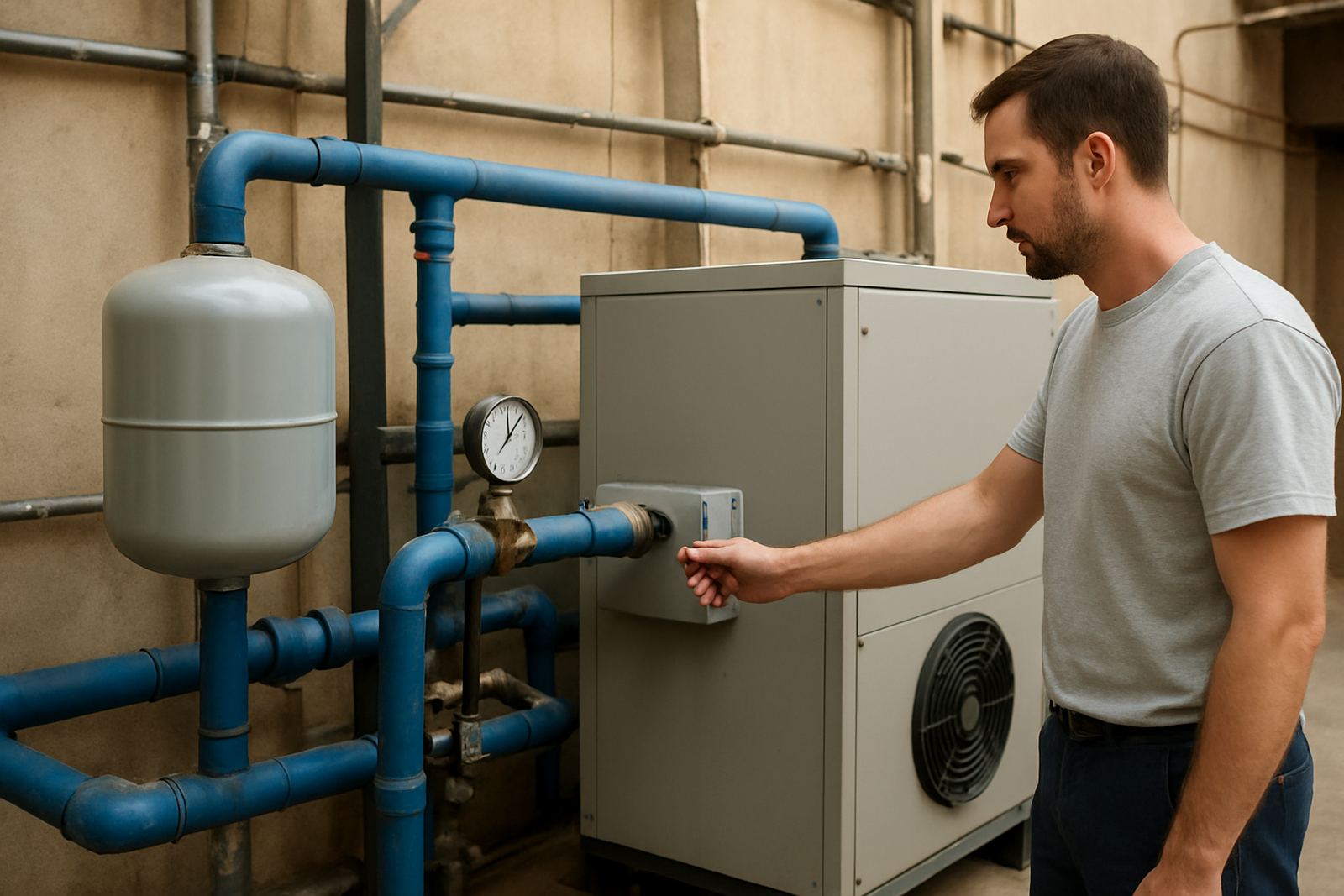
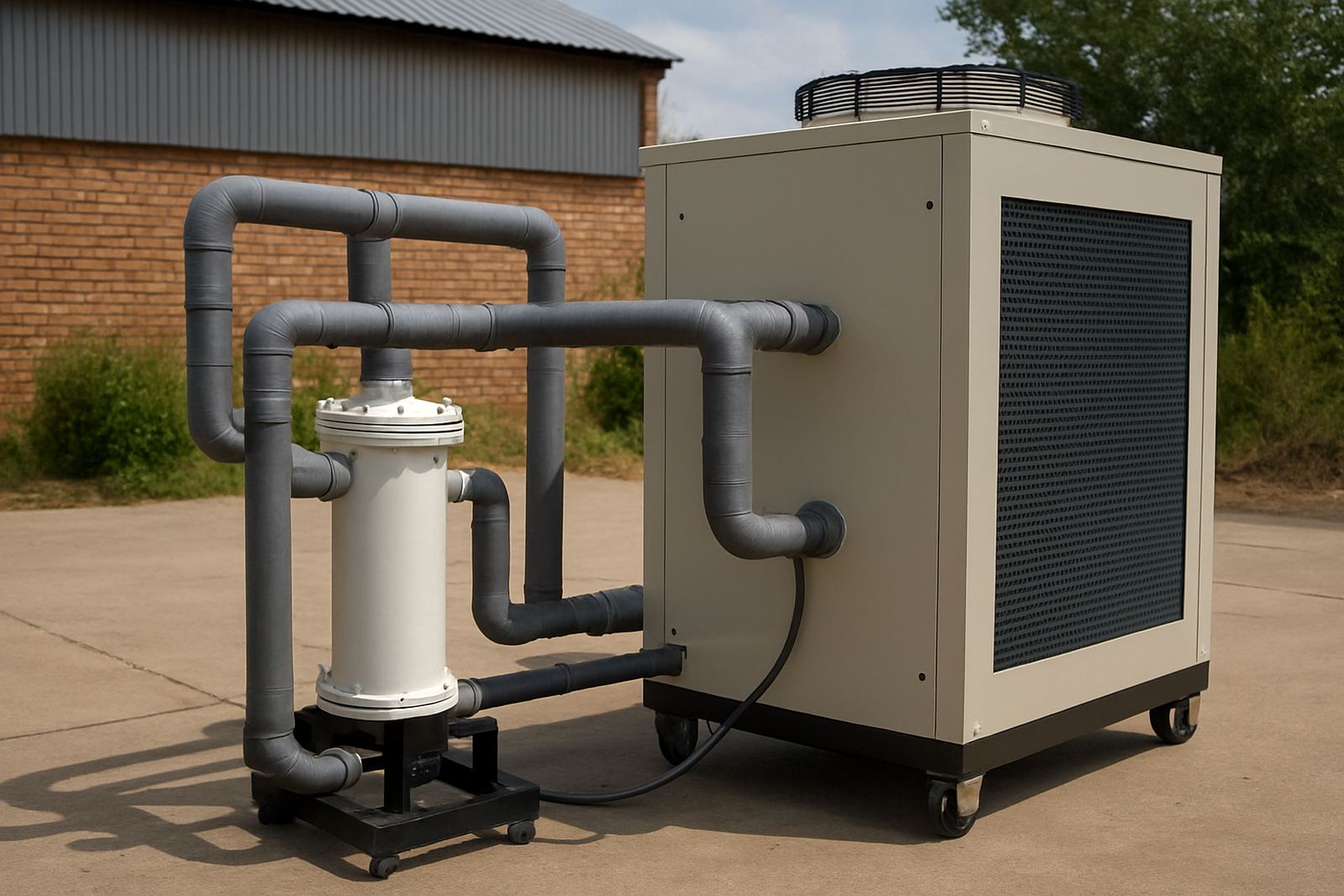
In many South African plants, the cooling system is doing more than removing heat. It is helping protect precision parts, keeping production stable during hot afternoons, and reducing the chances of unplanned stoppages when the load-shedding schedule changes. A closed-loop water chiller keeps the same treated water circulating through the system, which means less outside contamination and fewer problems caused by dust, scale, rust, and oil entering the line.
That matters on laser equipment, injection moulds and continuous process lines where even a small temperature swing can affect product quality. In a workshop in Alrode, for example, a closed loop can be the difference between steady output and repeated cleaning of blocked strainers or fouled heat exchangers. It also gives maintenance teams better control over what is inside the circuit, instead of chasing issues caused by open tanks or topped-up water from a questionable source.
How closed-loop systems help reduce contamination
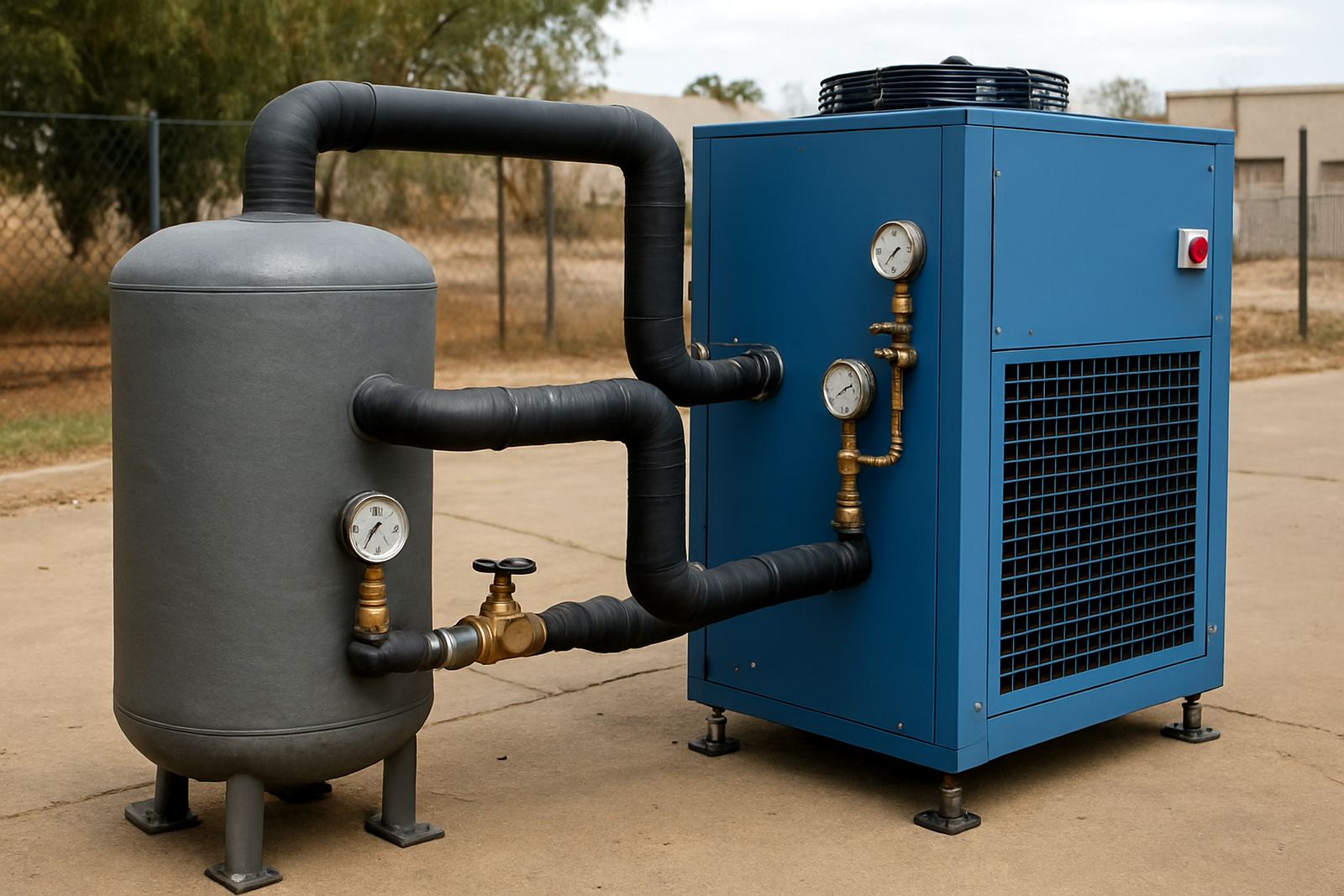
Open systems can pick up dirt and airborne particles, especially in industrial areas near cutting, grinding or material handling. Once contamination gets into the water circuit it can settle in pipework, clog small passages, and wear out pumps and seals sooner than expected. Closed-loop systems limit that exposure by keeping the water inside a sealed circuit, with controlled top-up and treatment rather than constant open contact with the environment.
For coastal sites in Durban or Cape Town, this is especially useful because humidity and salty air can accelerate corrosion around exposed fittings and panels. In hotter inland areas like Alberton, Pretoria and Rustenburg, the issue is often dust and heat instead. A closed loop gives you a cleaner operating environment, and that cleaner environment supports steadier heat transfer over time.
- Less dirt entering the circuit from the factory floor
- Reduced scaling when water treatment is managed correctly
- Lower risk of blocked nozzles, filters and fine passages
- Cleaner operation for longer periods between services
Steadier temperatures mean steadier production
One of the biggest benefits of closed-loop cooling is temperature stability. When water quality changes or the cooling circuit keeps taking in fresh untreated water, heat transfer becomes less predictable. That can show up as fluctuating temperatures at the laser head, mould face or process line, which then affects cycle times, finish quality and equipment wear.
With a properly set up closed loop, operators can hold tighter temperature bands and make better decisions about production settings. That makes day-to-day running easier, especially where line speeds and ambient temperatures change through the shift. It also helps reduce strain on refrigeration components because the system is not constantly fighting variable water conditions. In practical terms, steadier cooling often means fewer callouts, less product rejection and better use of power.
Where closed loops make the most sense in local industry
Closed-loop cooling is useful in a wide range of South African facilities, but some applications benefit more than others. Laser cutting and marking equipment need consistent cooling to protect optics and maintain cut quality. Mould temperature control also depends on stable water conditions because even a small variation can affect part finish, shrinkage and release. On process lines, a stable circuit helps equipment run through long production windows without constant adjustment.
At Raynen in Alberton, we see this pattern across Johannesburg, Pretoria, Germiston, Boksburg, Durban, Cape Town and Rustenburg. The best results usually come when the chiller, pump selection, pipe sizing and treatment plan are matched to the actual duty, not just the nameplate load.
- Laser systems that need precise temperature control
- Moulds where cycle consistency matters
- Process lines with long run times and little room for variation
- Sites where dust, humidity or poor top-up water cause repeat issues
What a closed loop still needs to stay reliable
Closed-loop does not mean no maintenance. The water still needs regular checks for pH, conductivity, corrosion inhibitors and general cleanliness. Pumps need to be inspected, filters changed and controls tested, especially before summer heat or after a long shutdown. If the pipework has old sections, worn valves or mixed materials, those weak points can still create trouble.
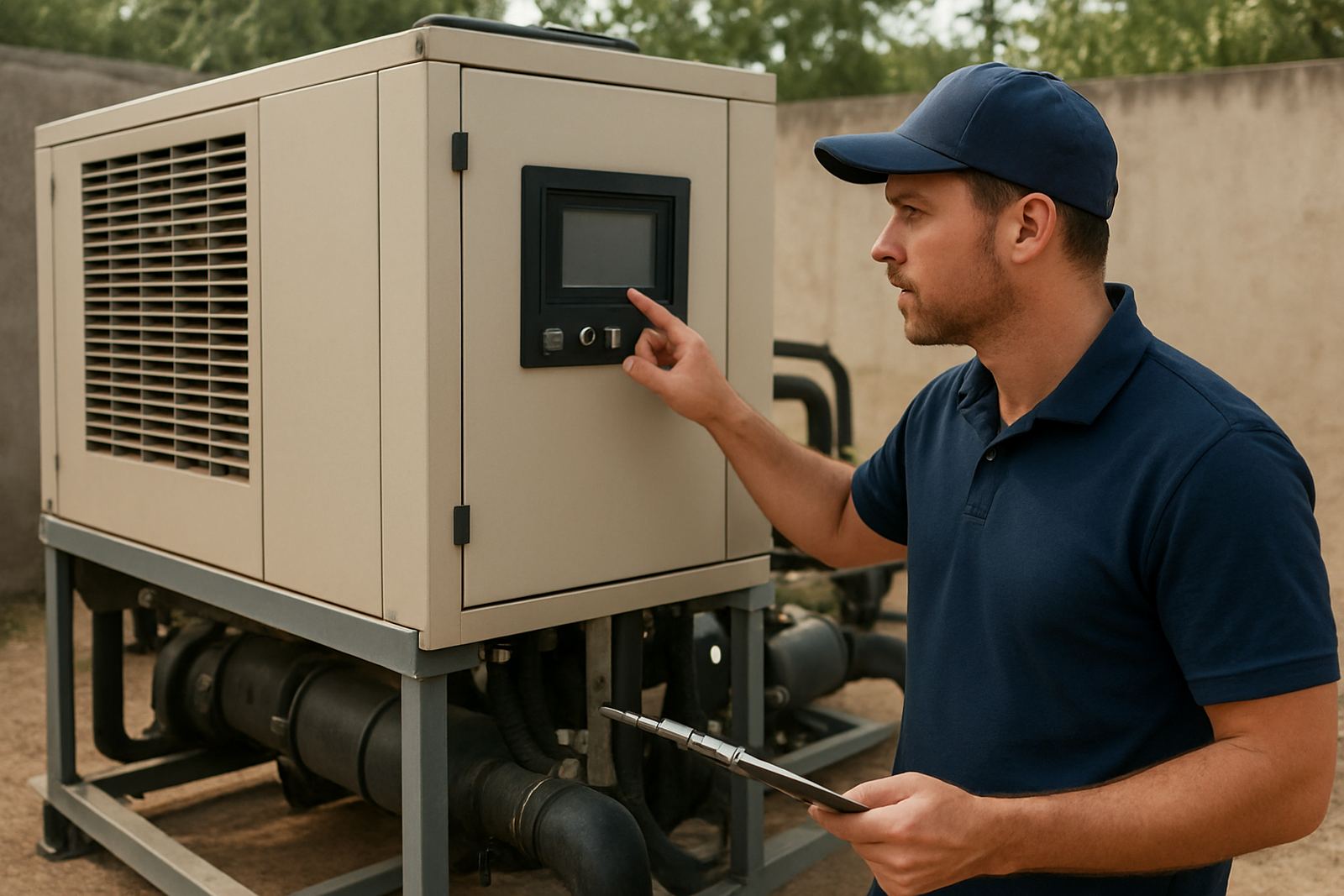
That is why preventative maintenance matters. A proper service plan should include cooling audits, water treatment checks, control panel inspections and an eye on vibration, flow rates and pressure drop. Where a site has had repeated failures, pipework retrofits or pump replacements may be the sensible fix rather than another quick repair. A good system is not just the chiller, it is the whole loop working as one.
A practical example from an Alberton plant
A manufacturing site in the Ekurhuleni area was having regular temperature drift on mould cooling during afternoon peaks. The problem was not only the chiller. The circuit had contamination, undersized sections of pipework and inconsistent water top-up. After the system was assessed, the site moved to a tighter closed-loop approach with treatment checks, targeted cleaning and a few mechanical changes to improve flow.
The result was steadier mould temperatures, fewer nuisance alarms and less time spent manually adjusting the system. The team also found the equipment was easier to plan around during load-shedding, because the thermal recovery after restart was more predictable. It was not a dramatic overnight change, but it made everyday production calmer and easier to manage, which is often what matters most.
- More stable output across the shift
- Less contamination in the cooling circuit
- Reduced unplanned maintenance and callouts
- Better planning for power interruptions and restart conditions
Choosing the right setup for your cooling duty
If you are deciding whether closed-loop cooling is right for your operation, start with the process itself. Consider the heat load, water quality, duty cycle, and whether the equipment runs in a clean indoor plant or a harsher industrial space. The right answer for a laser workshop may be different from the right answer for a moulding line or a continuous process plant, so the system should be specified around the application, not a generic size chart.
Raynen supplies and services industrial water chillers and cooling units for businesses across South Africa from our base in Alrode, Alberton. Our team, including Riaan van der Merwe, Lerato Mokoena, Sibusiso Dlamini, Anika Naidoo, Pieter Joubert, Nomsa Khumalo and Thabo Maseko, supports installation, commissioning, maintenance, repairs and upgrades. If your plant needs better temperature control and cleaner circulation, a properly designed closed loop is often the most dependable place to start.