Why Laser Chiller Alarms Should Never Be Dismissed
A laser system depends on stable water temperature and steady flow. When a chiller alarms, it is telling you something in the cooling circuit is out of range, and that can affect cut quality, beam stability and the life of the laser source itself.
In many factories around Alberton, Germiston and Boksburg, we find that alarms are first noticed after a warm afternoon shift, a load-shedding event, or a weekend start-up. The machine may still run for a short while, but the temperature drift and low flow can cause repeated trips and avoidable wear.
Do not keep resetting the alarm without checking the cause. If the same fault returns more than once, there is usually an underlying issue in flow, heat rejection, sensors or water condition.
The Most Common Alarm Causes We See On Site
Most laser chiller alarms fall into a few practical categories. Some are simple, others need a technician with the correct test equipment and spare parts.
- Flow faults: blocked filters, air in the lines, a tired pump, or closed valves can reduce flow below the set point.
- Temperature drift: dirty condenser fins, high ambient heat, or a failed refrigeration component can push the water temperature out of range.
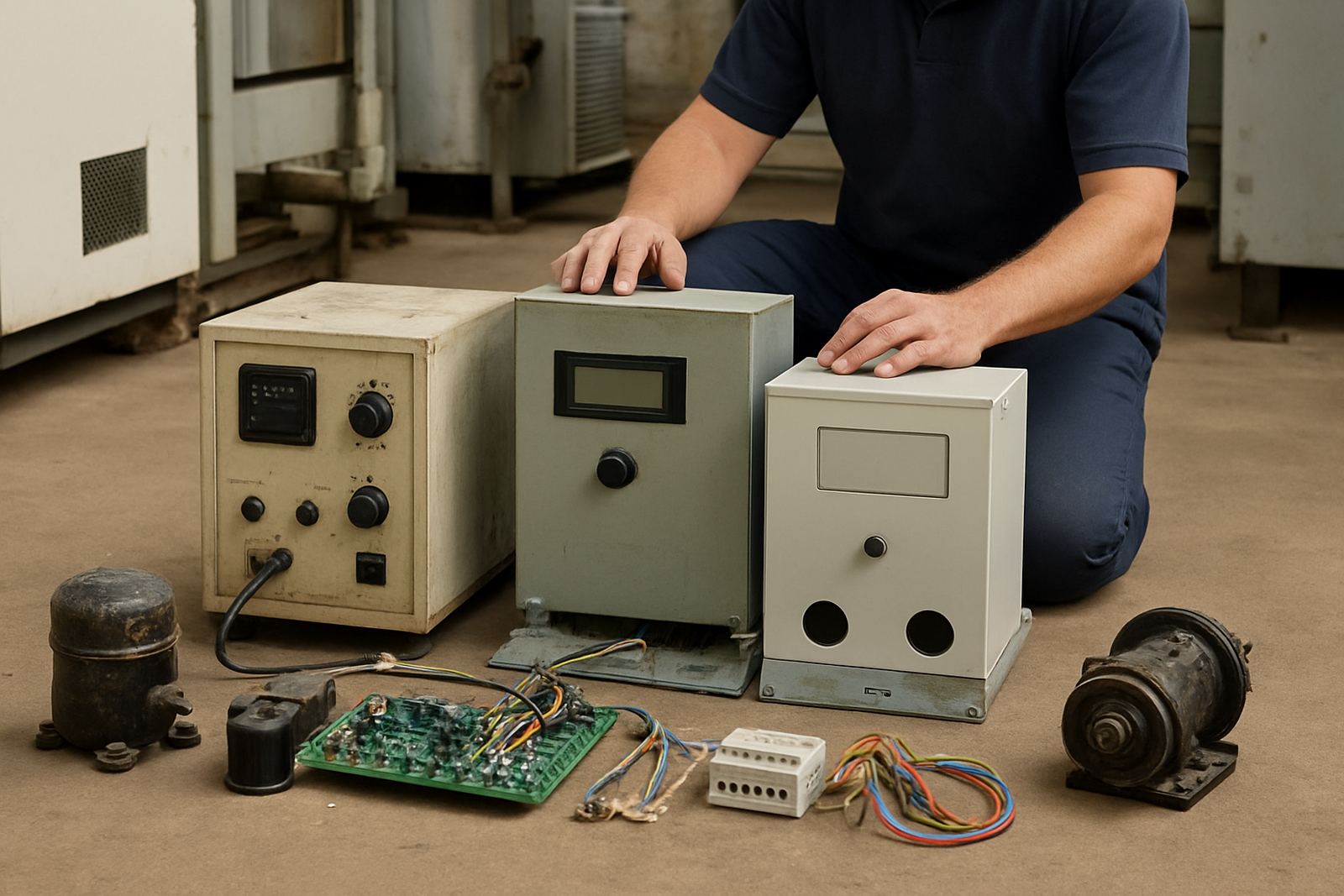
- Sensor issues: loose probes, damaged wiring or a drifting temperature sensor can give false readings.
- Water quality problems: scale, algae, corrosion or debris can restrict circulation and foul the heat exchanger.
- Pressure problems: leaks, kinked hoses or incorrect pipework can trigger low pressure or low level alarms.
On older installations, we also see alarms caused by poor cabinet ventilation, especially where the chiller sits in a tight corner with hot air recirculating around it.
What To Check Before You Call For Service
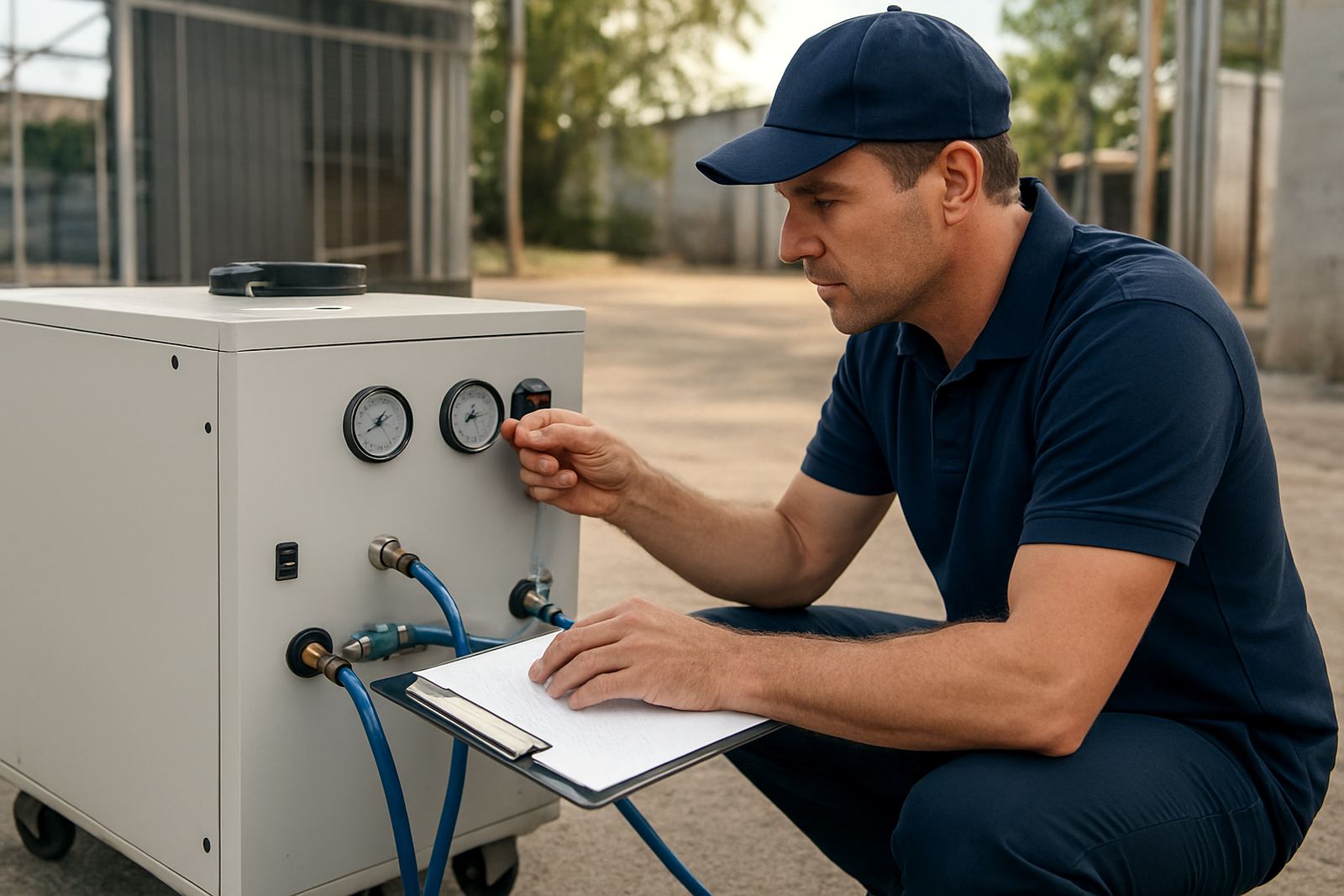
A few simple checks can save time and help the service team arrive prepared. These checks are safe for an operator or maintenance person to do, as long as the machine is isolated correctly and the site rules are followed.
- Confirm the water level and look for obvious leaks around hoses, unions and the tank.
- Check whether the air filters and condenser surfaces are blocked with dust, lint or oil.
- Listen for unusual pump noise, cavitation or vibration.
- Make sure valves are open and hoses are not pinched behind the machine.
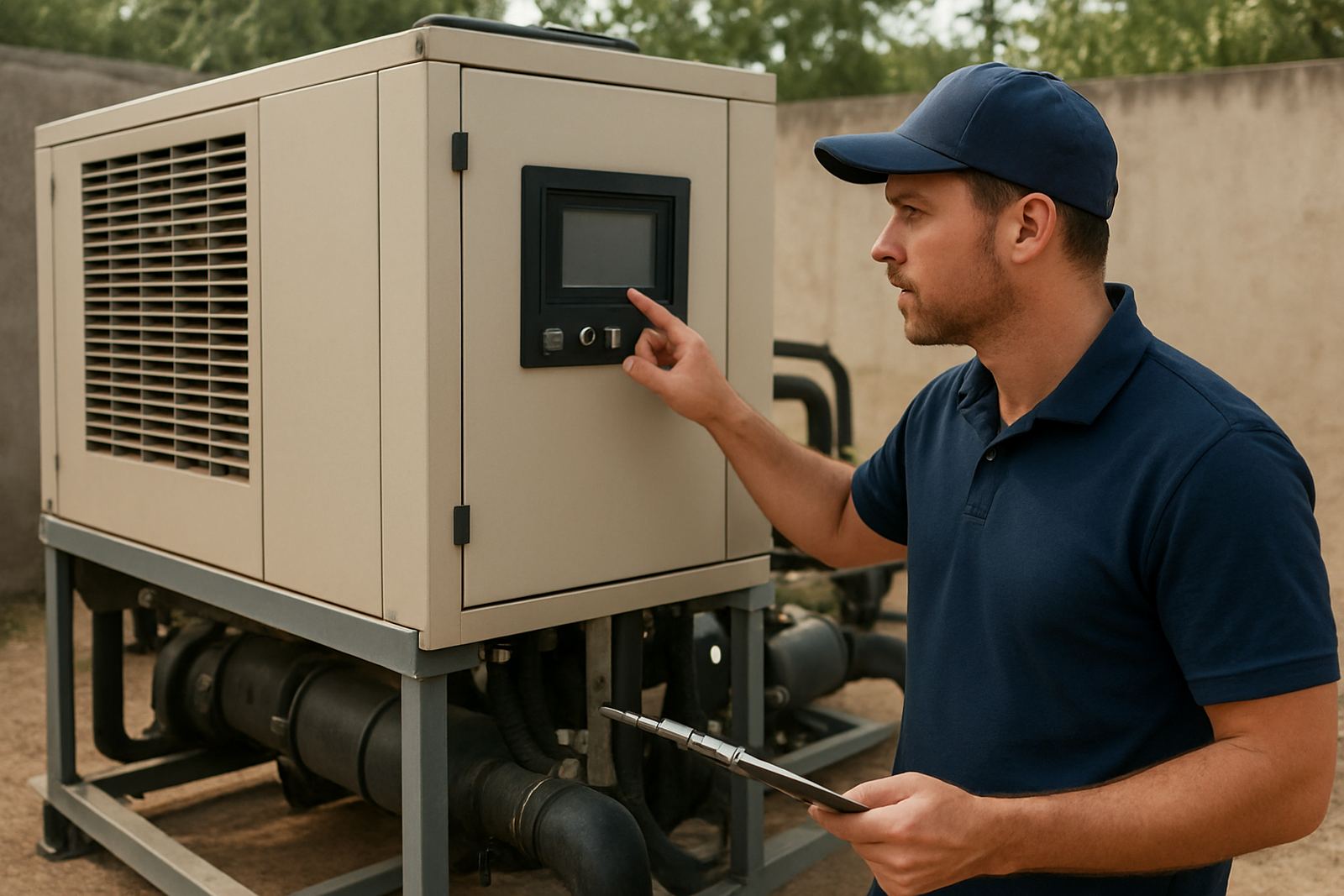
- Look at the alarm code and note the exact time it started.
If the fault appeared after power was restored, check whether the chiller has restarted properly and whether the set temperature is still correct. A brief power interruption can leave some systems in a confused state, especially if the controls were not configured for the site.
How South African Site Conditions Affect Chiller Reliability
South African conditions place extra strain on cooling equipment. In Johannesburg and Pretoria, dust build-up is a regular problem, particularly in plants near busy roads or steel processing areas. In Durban and other coastal sites, humidity and salt in the air can speed up corrosion and affect electrical connections. In Rustenburg, high ambient temperatures and heavy workshop duty cycles can make condenser performance drop quickly.
Load-shedding adds another layer. When power returns, the compressor may start against a hot system, and repeated cycling can trip safety controls. If the installation is not protected by the right restart sequence, alarms become more frequent. That is why a good commissioning check matters, not just a quick plug-in.
Where a laser runs long shifts, the cooling water should be treated correctly and tested at set intervals. Untreated water can carry scale and dirt into the pump, heat exchanger and pipework, which is when alarms begin to stack up.
When The Fault Is Not The Chiller Alone
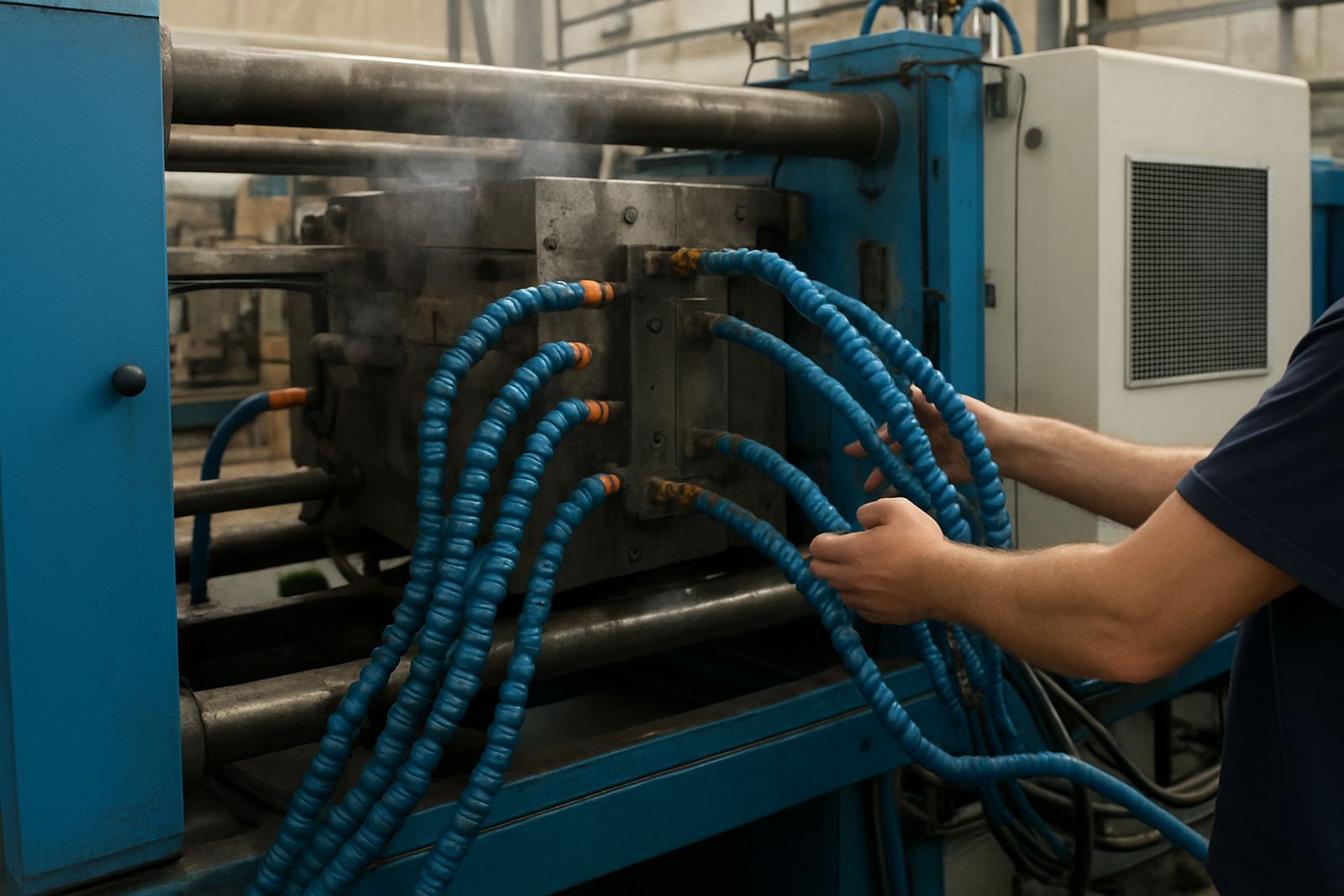
Sometimes the alarm is only showing the symptom. The real issue may be in the laser process line, the mould circuit or the pipework feeding the machine. If the loop is undersized, poorly insulated or routed through a hot area, the chiller will keep working harder than it should.
We often see these deeper causes during a cooling audit or after a breakdown repair:
- Pipe runs that are too long, with unnecessary bends and restrictions
- Mixed materials in the circuit causing corrosion or contamination
- Heat loads added later without upgrading the chiller capacity
- Control settings changed by operators without a proper handover
- Temporary cooling units left in place for longer than planned
A proper check of the full system, from the laser or mould point back to the chiller, is often the fastest way to stop repeat alarms.
A Local Example From An Alberton Laser Shop
A busy laser cutting workshop in Alberton started getting repeated flow alarms just after midday. The operator kept resetting the unit, but the fault returned every day and the cut quality began to vary. When our team checked the system, we found a partly blocked condenser, low water flow through a clogged filter and a sensor that had drifted out of range.
After a condenser clean, filter replacement, sensor replacement and a full system flush, the alarms stopped. The workshop also moved the chiller to improve airflow and added a proper maintenance schedule. The result was fewer stoppages, steadier temperature control and less strain on the laser source.
That kind of job is common across Ekurhuleni. Small issues often build up over time, especially where maintenance is delayed during busy production periods.
How Raynen Supports Alarm Troubleshooting And Prevention
Raynen supplies and services industrial water chillers for lasers, moulds and process lines from Alrode, Alberton across South Africa. Our team handles installation, commissioning, preventative maintenance, breakdown repairs, refrigeration repairs, pump replacements, water treatment checks, pipework retrofits, control panel upgrades, cooling audits, temporary cooling and operator training.
When a laser chiller alarms, we look at the full cooling picture, not only the code on the screen. That includes flow, temperature drift, water quality, condenser condition, electrical controls and the actual heat load on site. If needed, we can support service work in Johannesburg, Pretoria, Durban, Cape Town and Rustenburg through our branch and service coverage.
If your chiller is tripping often, the best next step is to log the fault, check the basics and send an enquiry through our contact page. A proper assessment now can prevent a larger repair later.