Why operator training matters on site
Most cooling issues do not start with a failed compressor or a bad pump. They start with a small setting change, a missed alarm, a dirty strainer, or someone assuming the system can handle more load than it was designed for. In a factory, that sort of mistake can lead to unstable temperatures, poor product quality and unnecessary callouts.
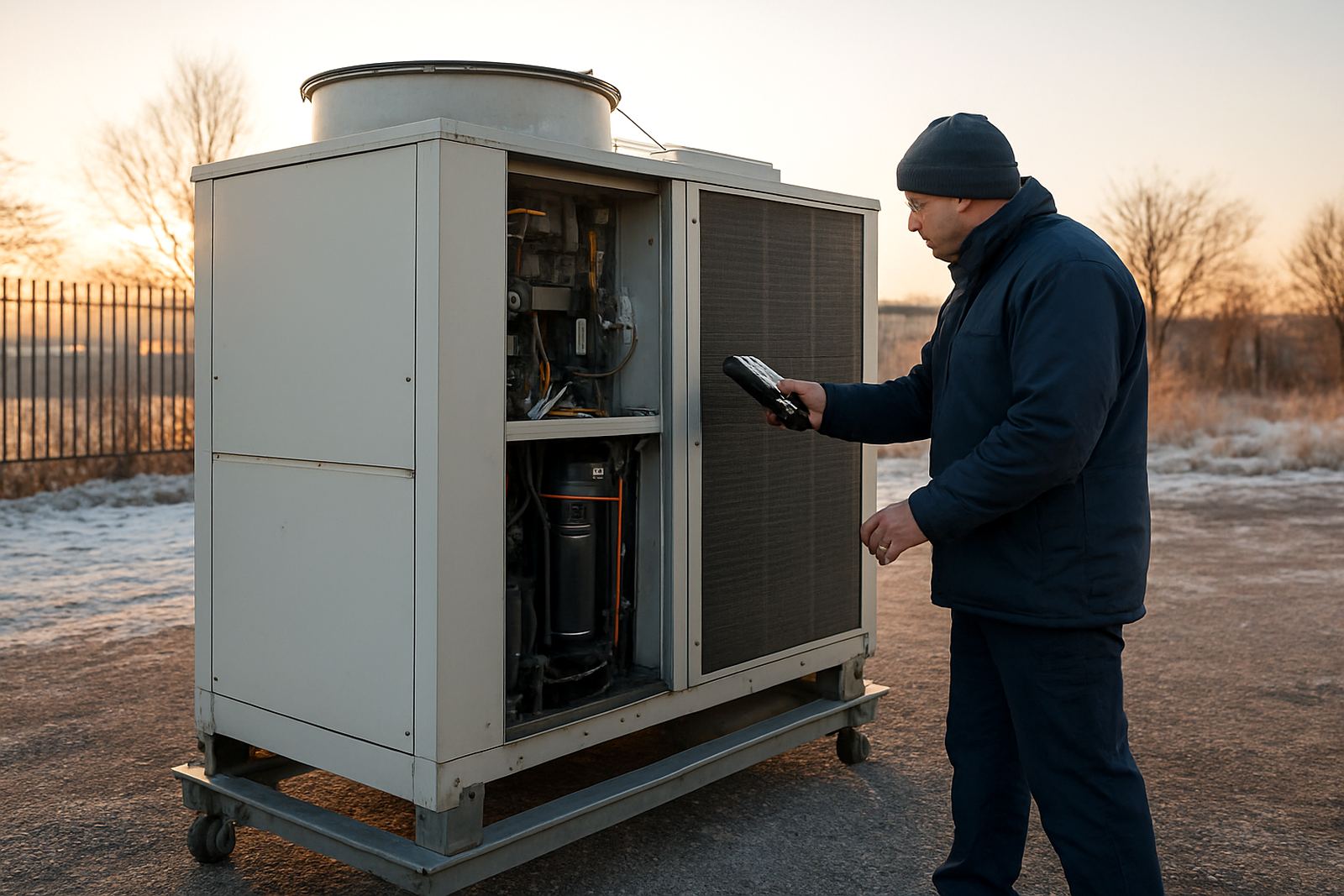
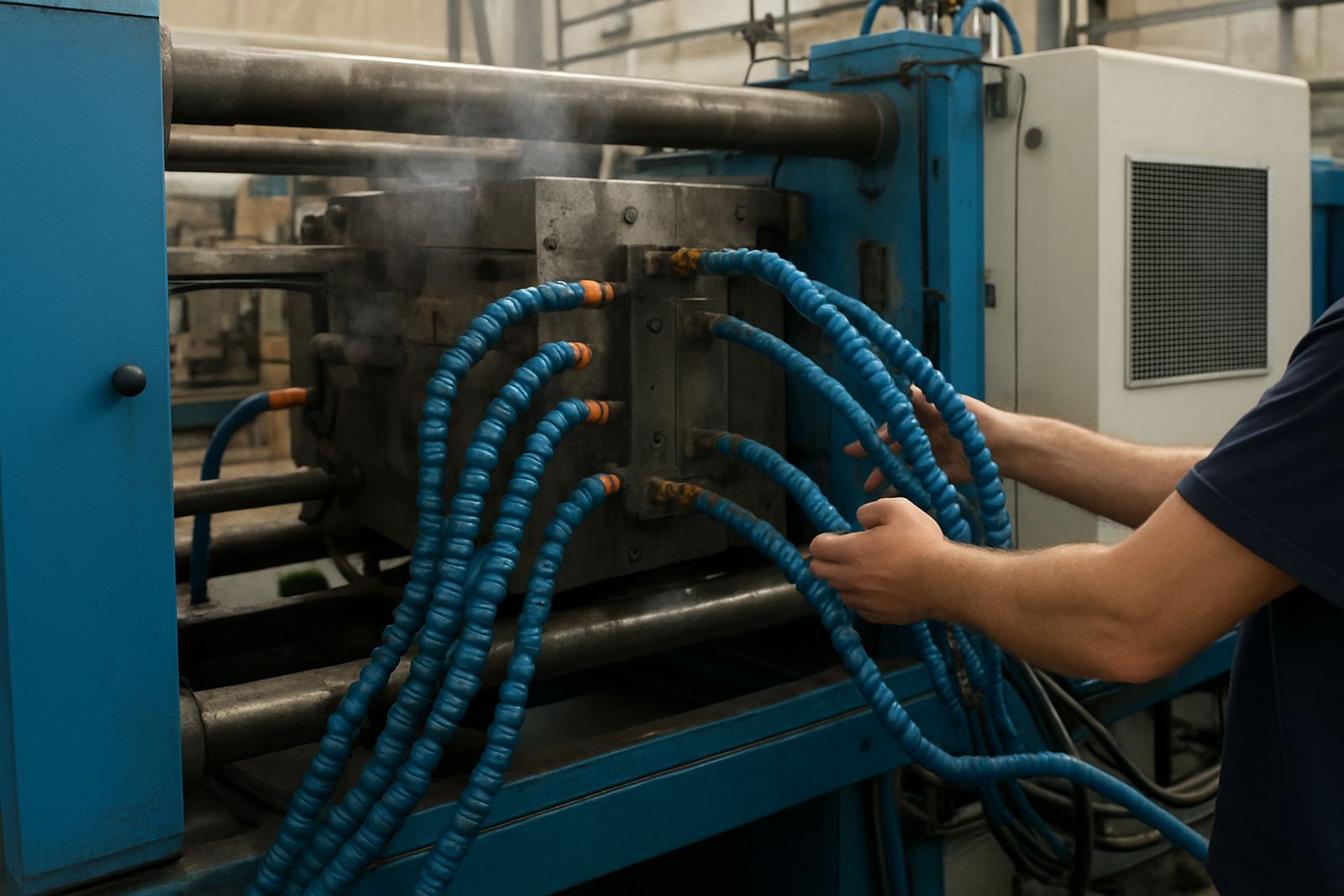
For industrial water chillers used on lasers, moulds and process lines, the operator is usually the first line of defence. If the team knows the normal operating range, the right start-up steps and the signs of trouble, small problems are caught early. That saves time and helps equipment last longer.
In Alberton and across Gauteng, we often see plants where the chiller is sound but the way it is used causes repeated faults. A short training session can fix that without major cost.
What operators should know before the first shift
Operator training should be simple, practical and specific to the machine on site. The aim is not to turn operators into refrigeration technicians. It is to make sure they can run the plant safely, recognise abnormal conditions and report accurately.
Every site should cover the basics of the control panel, the correct operating temperature range, flow indicators, alarm messages and emergency stop procedures. On many South African sites, especially where load-shedding or unstable supply affects plant rooms, operators also need to know the right restart sequence after a power interruption.
One or two hours of proper training can prevent days of downtime later. It also helps new staff step into the role with less supervision, which matters when shifts change and the team is stretched.
Common mistakes that damage cooling performance
When a chiller is under pressure, the same few mistakes tend to appear again and again. An operator may lower the temperature because the process seems too warm, without realising the system is already near its design limit. Someone else may keep restarting after a trip, hoping it will clear itself. That can make a small fault much worse.
We also see confusion around water quality. A unit can run for months with no issue, then start showing scale, corrosion or blocked flow because the water treatment checks were skipped. In coastal areas like Durban and Cape Town, humidity and salt air can add to the strain on electrical panels and pipework, so the checks need to be taken seriously.
Training should make clear what operators may adjust, and what should only be changed by a technician. That boundary matters. It keeps the plant stable and avoids tampering with control settings that were set during commissioning.
How early fault reporting keeps repairs smaller
The best operators do not wait for a breakdown to look serious. They report changes early. A new rattle, a slower pull-down time, a higher return temperature, or a flow warning may seem minor at first, but those are often the first signs of a blocked filter, a failing pump, or a refrigeration issue.
When a report is clear, the service team can respond faster and bring the right parts. Instead of arriving to a machine that has been pushed until it fails, the technician can deal with the cause before it spreads to other components. That is usually cheaper and less disruptive.
At our Alrode base in Alberton, we often ask for basic information from the operator before a site visit. Simple details like when the fault started, what changed just before it, and whether the alarm is constant or intermittent can cut diagnosis time a lot.
A local example from an Ekurhuleni plant
At one Ekurhuleni site supporting laser work and mould cooling, the plant had regular temperature swings every Monday morning. The equipment itself was fine, but the night shift was restarting the chiller with the wrong sequence after weekend shutdowns. The setpoint was being altered too, which made the system work harder than needed.
After a short operator session, the team learned the correct start-up order, how to check flow before loading the process, and how to log changes on handover. The result was fewer nuisance alarms and steadier temperatures during busy production runs. No major upgrades were needed, just better use of what was already there.
This is common across Johannesburg, Pretoria and Rustenburg as well. A reliable chiller still depends on people using it properly, especially where shift work, pressure to recover output and power interruptions all play a part.
What a practical training session should include
Training works best when it is done on the actual equipment, with the plant running if possible. Operators need to see the display, the valves, the flow path and the main safety points. A good session should also include housekeeping around the machine room, because blocked access and poor cleaning make problems harder to spot.
For sites with multiple chillers or temporary cooling units, the team should know which machine serves which line, how to isolate one unit safely, and how to keep production going while maintenance is under way. That matters during breakdown repairs, pump replacements or control panel upgrades, when a quick and accurate response helps keep things moving.
Training should never end with a nod and a signature. The operator should leave with a clear checklist and know who to contact through the enquiry form on the contact page when something is not right.
Keeping standards steady across every shift
Good operator training is not a once-off exercise. Staff change, shifts rotate and production demands shift with the seasons. Refreshers are worth doing after commissioning, after maintenance work, and when a new operator joins the team. That is especially useful in factories that run through summer heat, winter cold snaps, or periods of unstable municipal supply.
When everyone follows the same process, the chiller stays more predictable and the maintenance team gets better information. Over time, that means fewer avoidable callouts, cleaner water, better temperature control and less wear on the system. For businesses relying on precise cooling, that consistency is worth the effort.