Why winter reveals hidden chiller problems
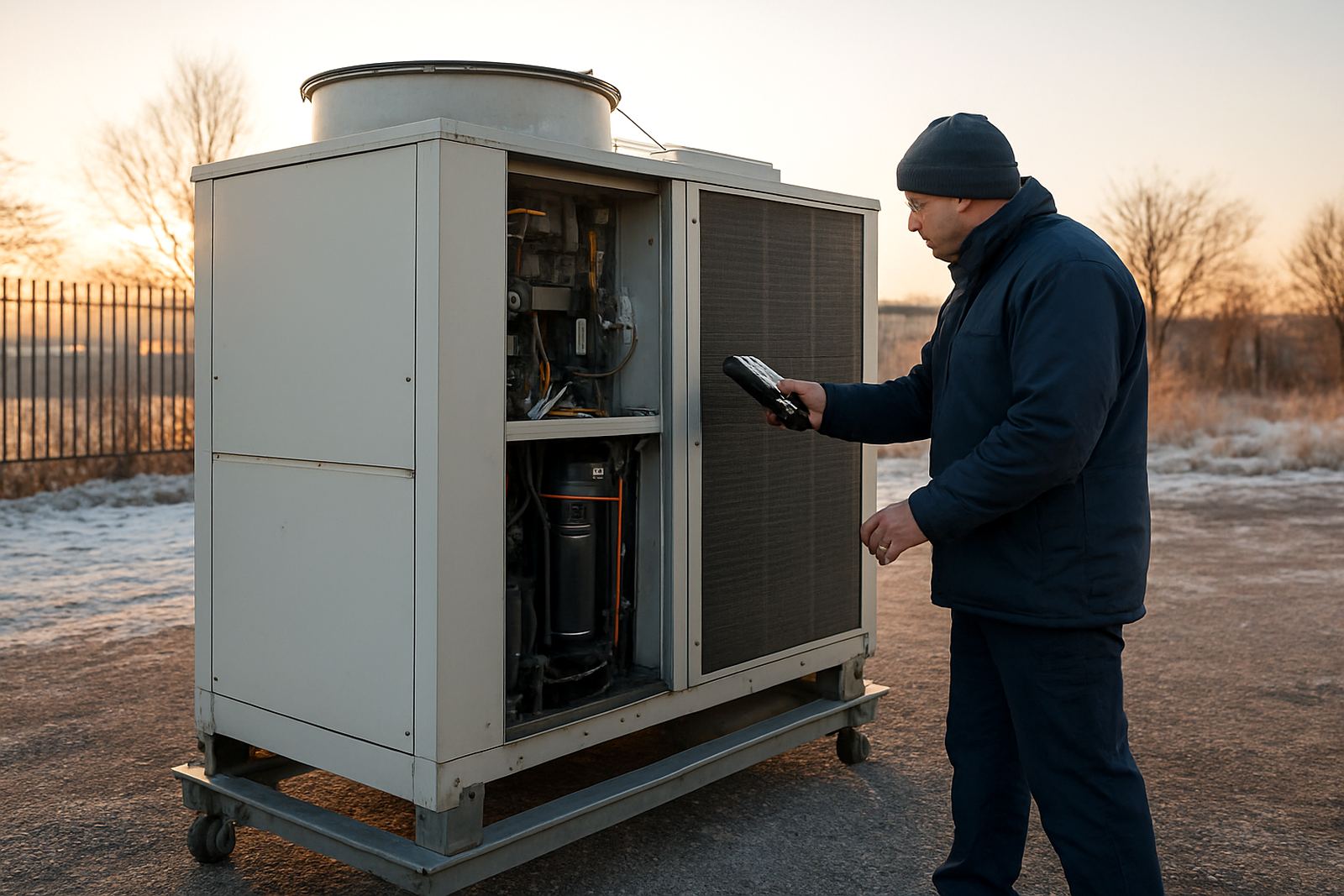
In summer, a chiller with borderline performance can still look acceptable. When the air turns cold in Alberton or Pretoria, the same unit may start short cycling, lose flow, or trip on low temperature protection. Water in the system also behaves differently in winter, especially where pipework runs through yards, plant rooms, or uninsulated roof spaces.
For laser cooling and mould temperature control, a small fault can affect cut quality, cycle times and product finish. On process lines, low flow or poor control may slow production or create rejects. The first cold spell often shows up issues that have been building for months, so startup checks are not just a nice-to-have they are part of keeping the plant productive.
Start with circulation and freeze protection
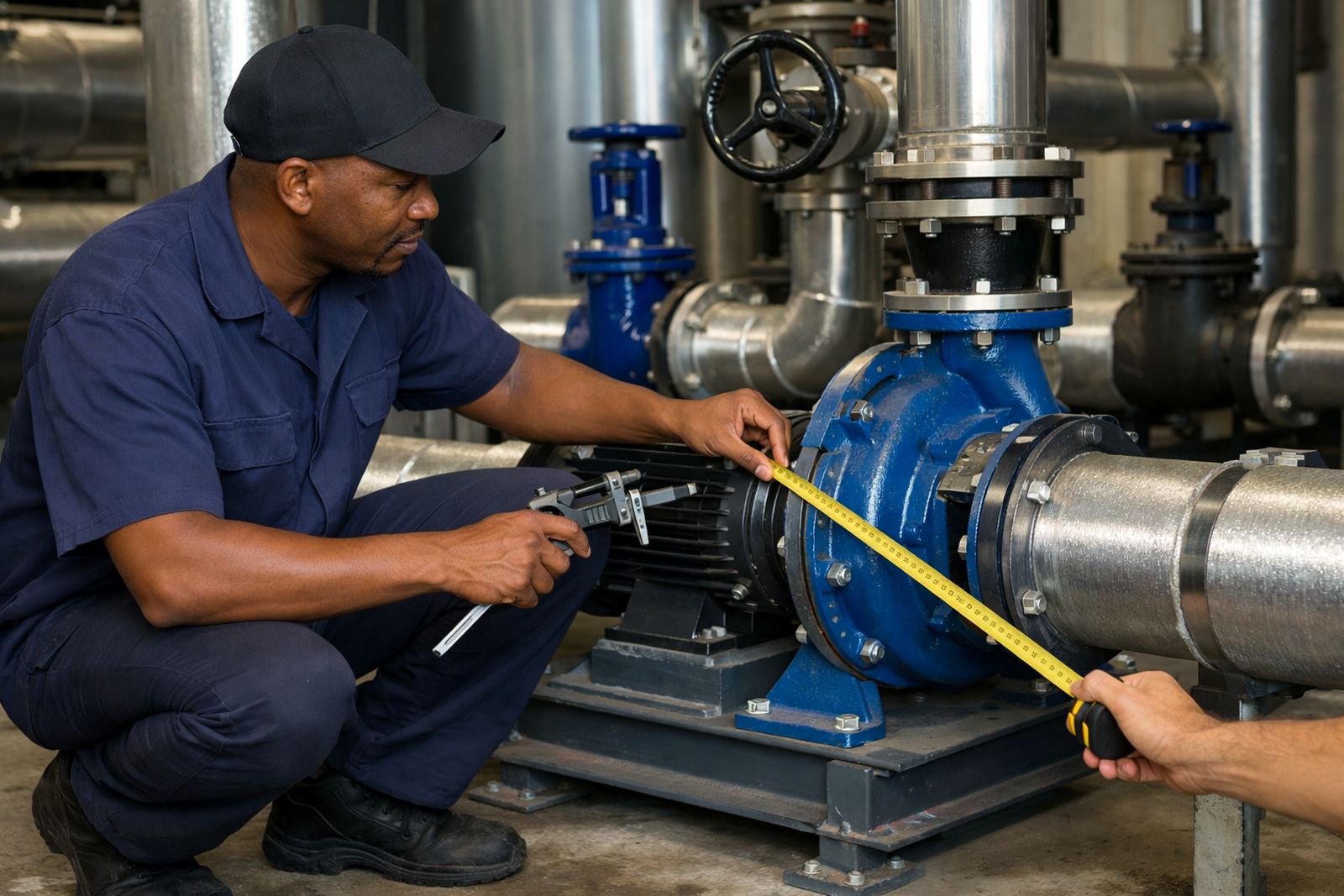
The first winter check should focus on water movement. Make sure pumps are primed, valves are open, and strainers are clean. Confirm that flow switches are operating and that the unit is not hunting between start and stop. A weak pump or blocked line can leave the evaporator underfed, which is a common cause of nuisance trips.
Where the system is exposed to low overnight temperatures, check the glycol concentration or freeze protection setting. Coastal sites in Durban may face humidity and corrosion, while inland plants in Rustenburg or Johannesburg can see cold nights that are harder on exposed pipework. If there is any risk of freezing, inspect lagging, trace heating and vulnerable bends or dead legs.
- Check pump amperage against normal running values
- Clean suction strainers and basket filters
- Inspect flexible hoses for cracking or swelling
- Confirm all isolation valves are fully open
- Test freeze alarms and low-flow safeties
Inspect controls before the first production start
Winter puts more pressure on the control side of the system. Sensors that drift out of calibration can cause unstable temperatures, especially on mould circuits where a few degrees matter. Check the setpoint, deadband and alarm history. Look at the display for repeated faults, power interruptions or abnormal restarts after load-shedding.
It is worth verifying that control panels are clean and dry. Dust, moisture and loose terminals often show up after a cold front or a period of shutdown. If the unit has been off for a while, inspect relays, contactors and wiring terminations before putting the chiller back under load. A loose connection can cause a random trip later in the day and cause avoidable downtime.
- Compare temperature readings against an independent thermometer
- Check alarm logs for low pressure, low temp or flow faults
- Inspect cabinet heaters where fitted
- Look for condensation inside the panel
- Make sure remote start signals are working properly
Clean heat exchangers and airflow paths
Even in winter, air-cooled chillers need free airflow. Dust from workshop floors, cardboard packing and nearby yard activity can restrict condenser performance. In places like Germiston and Boksburg, where many plants sit close to heavy traffic and manufacturing yards, fine dust builds up quickly. If the coil is dirty, the chiller may run harder than needed or struggle to maintain stable pressure.
For water-cooled equipment, inspect condenser tubes, water flow and any scale build-up. Cooling performance drops when heat transfer surfaces are fouled, and winter can make the fault less obvious until the load changes. Keep the area around the unit clear, and do not store pallets or drums against the machine. Good airflow and clean water side surfaces help the system run at the right head pressure.
Do not ignore water quality and pipework condition
Water treatment checks are often missed until a fault appears. Winter is a good time to inspect conductivity, corrosion inhibitors and any biological growth in the circuit. Dirty water can block small channels, damage seals and shorten the life of pumps and valves. If the system has been topped up repeatedly, the chemistry may no longer be correct.
Check for leaks on unions, flanges and flexible sections, especially after temperature changes. Pipework that moves between hot and cold conditions can loosen over time. In older installations, a winter startup is also the right moment to assess whether pipework retrofits or valve replacements are needed. A small leak on a process line may seem minor, but it can pull air into the system and upset circulation.
- Test inhibitor levels and make-up water quality
- Inspect for rust staining around joints and supports
- Check expansion tanks and pressure vessels
- Look for air pockets at high points in the circuit
- Repair weeping joints before they become bigger failures
Plan for load-shedding and cold restarts
South African plants know that winter does not only mean cold weather, it also means irregular power supply. After a power cut, a chiller may restart into unstable supply conditions and trip again if the controls are not ready. That puts stress on compressors, pumps and contactors. A proper startup routine should include staggered restart procedures and a check that all safety devices reset correctly.
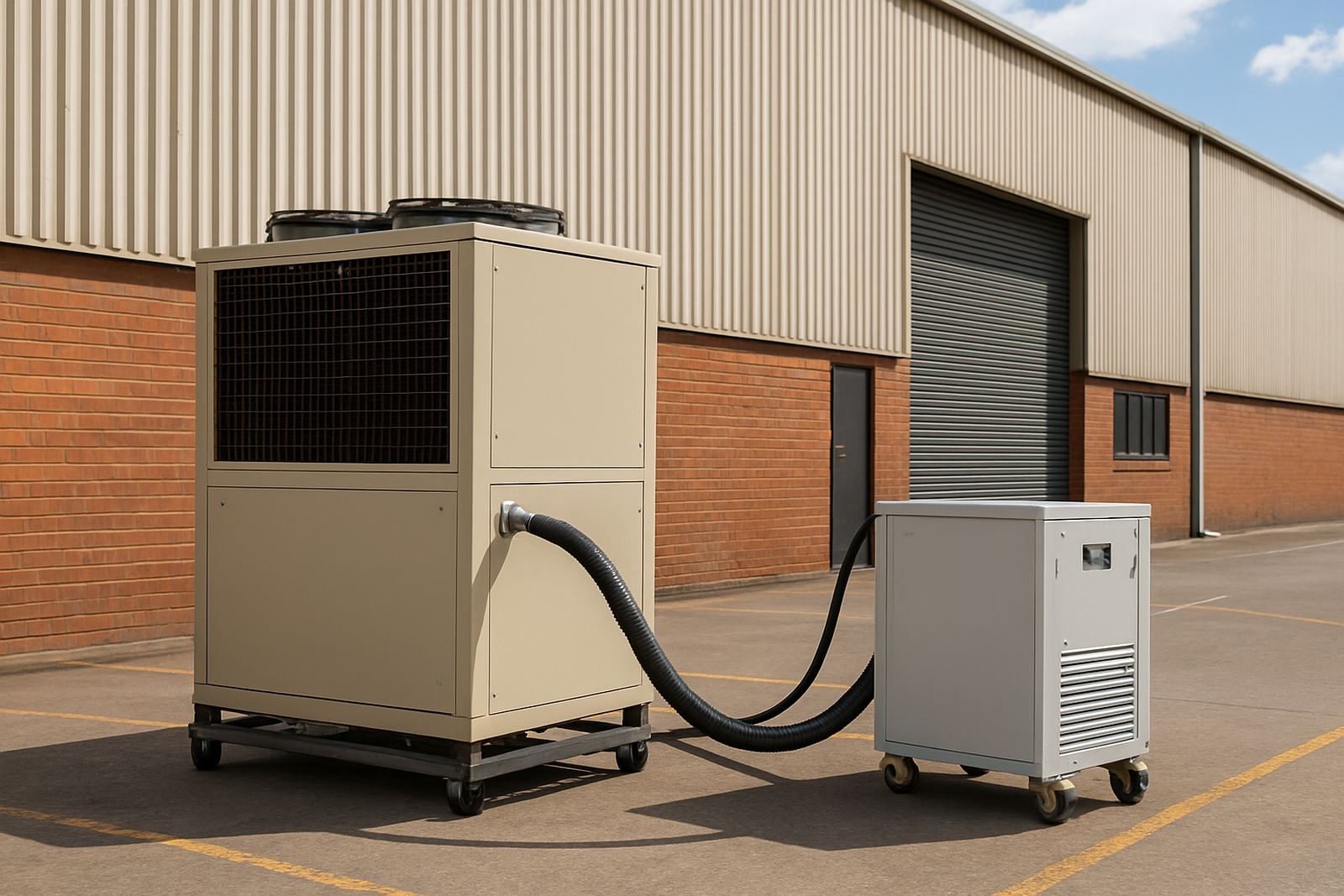
Temporary cooling may also be needed while a main unit is serviced or while a production line cannot stop. In those cases, the support plan should include enough capacity for the load, plus the correct water connection sizes and hose routing. For moulding or laser work, a short interruption can stop the entire shift, so the startup process should be tested before the pressure is on. It is better to catch a fault in the morning than after the first batch is already running.
A practical winter check schedule for South African sites
A simple startup routine works best when it is done the same way every time. For factories in Johannesburg, Pretoria, Durban, Cape Town, Rustenburg and the surrounding industrial areas, the checklist should be matched to the actual site conditions and not just a generic service sheet. A system in a clean indoor plant room will need different attention from one sitting in an exposed yard with long pipe runs.
At minimum, check the unit before the first cold run of the week, after any long shutdown, and after each load-shedding event that affected the process. If the chiller supports lasers, moulds or a critical process line, add a monthly review of the controls, water circuit and electrical connections. That small discipline helps avoid emergency callouts and keeps the equipment in better condition through the season.
Winter startup checks are not about adding paperwork. They are about catching the faults that hide in plain sight, before they affect production. A calm morning inspection can save a full day of lost output later on.