Start with the reason the cooling is needed
Temporary cooling is not just about getting a unit on site quickly. It is about keeping production within temperature limits long enough to finish a job, protect equipment and avoid a second shutdown. On laser systems, moulding machines and process lines, even a small swing in water temperature can affect product quality, cycle time and component life.
Before any hire is confirmed, map out what is actually driving the need. Is the plant covering for a failed chiller, handling extra load during peak production, or bridging a planned shutdown while repairs are done? A temporary unit sized for the wrong duty can cycle too hard, trip on pressure, or run flat out and still not hold the setpoint.
In practice, that means checking the heat load, the target supply temperature, the return temperature and whether the job is continuous or only needed for certain shifts. It also helps to know if the line has already been running hot, because a unit may need to pull down an elevated system before it can stabilise.
Check power availability before the truck leaves
Power is one of the first points to settle, especially at sites in Alberton, Germiston, Boksburg and other industrial areas where load-shedding, generator changeovers and limited spare capacity can affect the plan. A temporary chiller may be ready, but if the supply on site cannot support the start-up current or running load, the job stalls before it begins.
Confirm the supply voltage, phase balance, breaker size and whether a generator will be used. If the site runs on backup power, check the generator capacity against the chiller plus pumps and controls. It is worth allowing headroom rather than squeezing everything onto a system that is already near its limit.
- Confirm supply voltage and phase before dispatch.
- Check breaker rating, cable size and distance from the supply point.
- Allow for start-up current, not only running current.
- Make sure generator changeover is stable before handing over the load.
On older sites, temporary cabling and distribution must be arranged carefully. A neat connection helps avoid nuisance trips and cuts down on call-backs later.
Plan hose routes and water connections properly
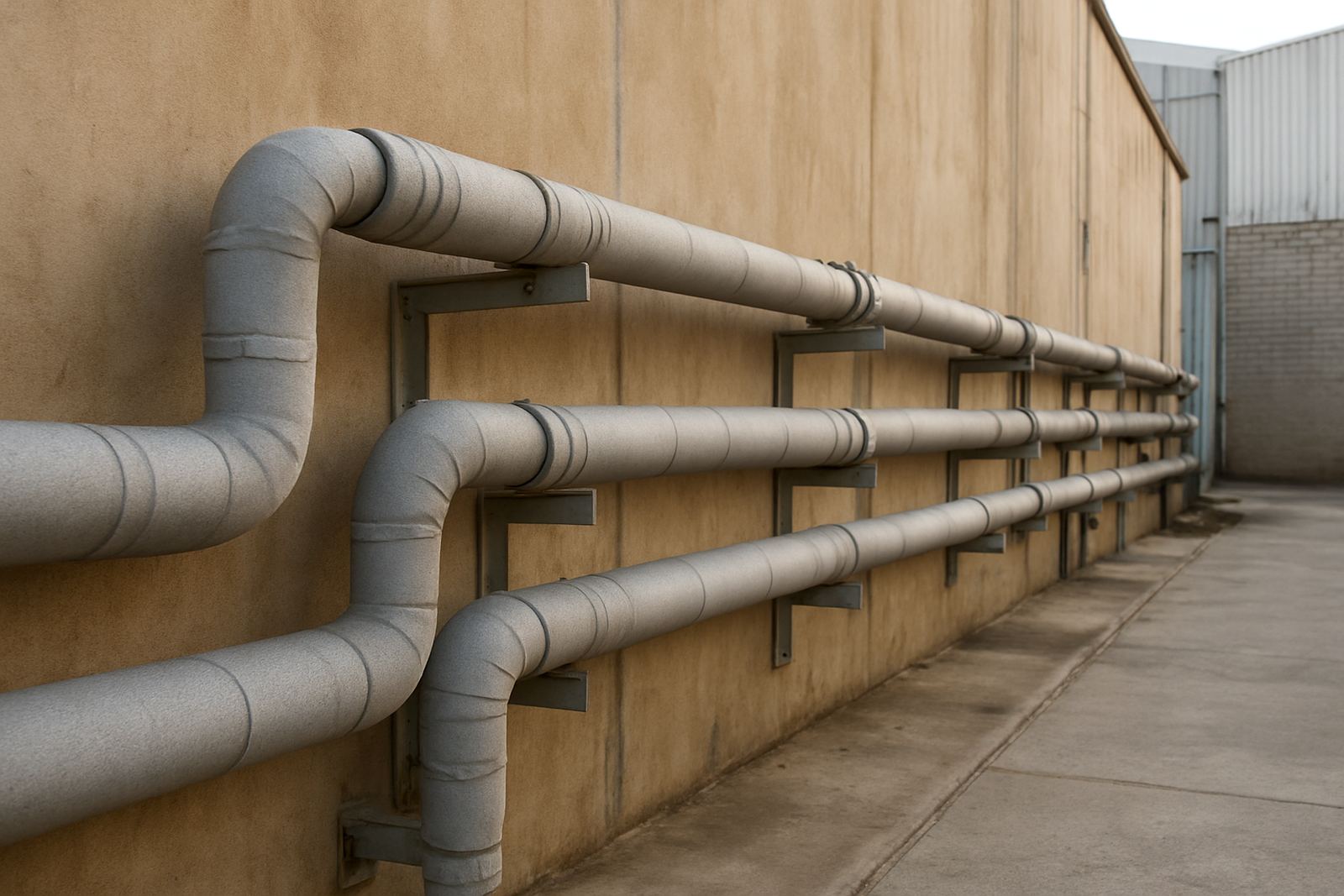
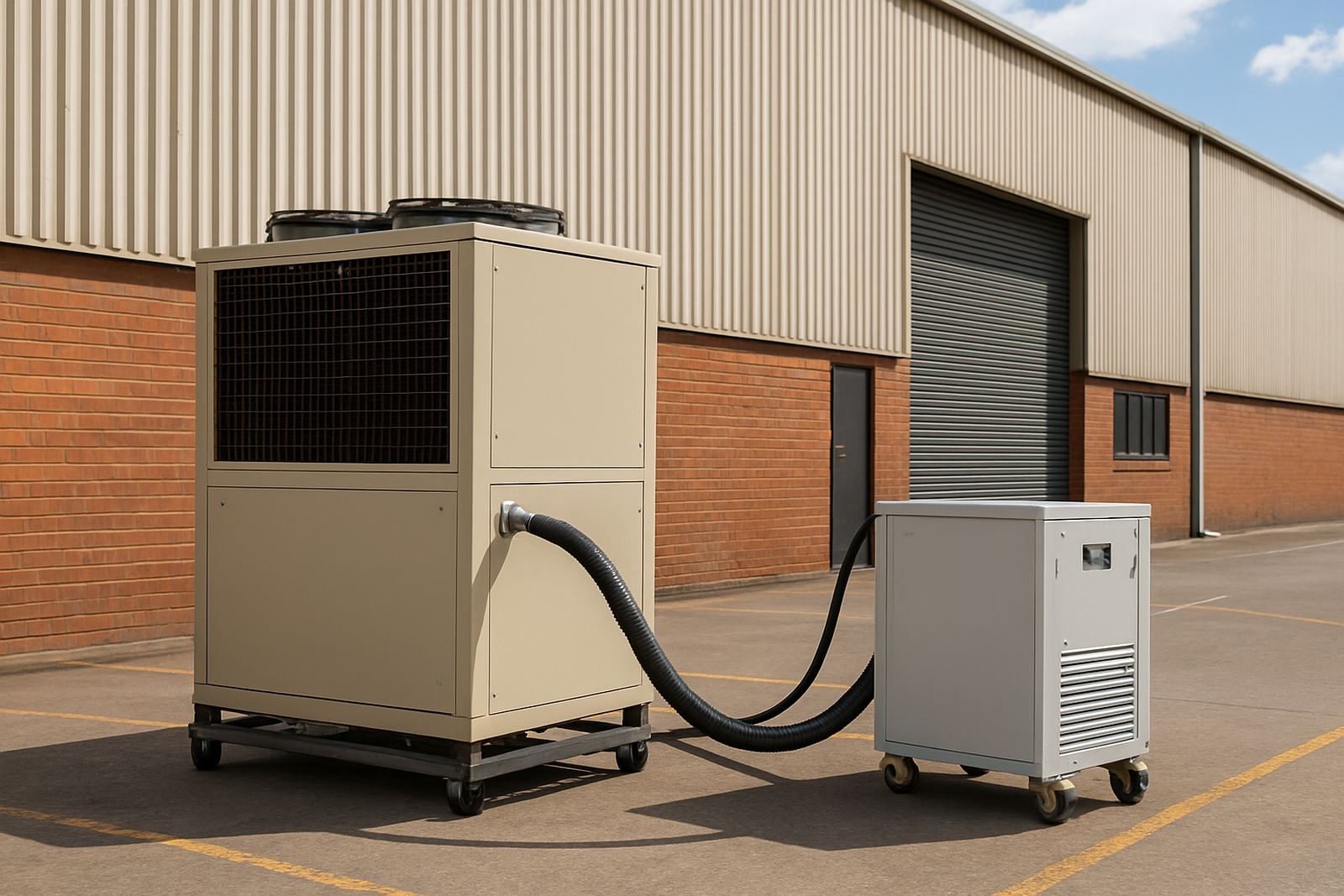
Hose routing is often the part that gets rushed, yet it can make or break a temporary cooling job. Long runs, tight bends, crushed hoses and poor insulation all add pressure drop and heat gain. If the route crosses a yard, through a loading bay or around hot equipment, the system may perform well on paper but struggle on site.
Measure the route from the chiller to the machine, including any rise in elevation and the actual path hoses must take. In a plant room or workshop, allow for safe movement around forklifts, walkways and maintenance access. At coastal sites like Durban or Cape Town, insulation and moisture protection matter more because damp air and salt exposure can affect fittings and connections.
Where possible, keep supply and return runs short and clear. If a line must be extended, use proper supports and protect the hose from abrasion. A quick temporary fix that kinks under traffic is not really temporary, it is just a future problem.
- Measure the full route, not only the straight-line distance.
- Keep hoses away from sharp edges and hot surfaces.
- Use insulation where ambient heat or humidity is high.
- Provide access for inspections, tightening and cleaning.
Match the duty cycle to the actual process load
Different processes place different demands on cooling. A laser may need tight temperature control over long operating hours, while a mould may need steady water flow and quick response to load changes. A process line may have peaks during start-up, then settle later. Temporary cooling needs to match those real operating conditions, not just a nameplate figure.
The best results usually come when the supplier knows whether the process is constant duty, intermittent duty or likely to change through the shift. That helps decide whether one unit is enough, whether a standby unit is needed, or whether flow control and buffer storage should be included.
It also helps to think about what happens if the load changes suddenly. For example, if a mould is opened for maintenance or a line is restarted after a break, the return water can shift quickly. The hire solution should handle those changes without short cycling or unstable temperatures.
For high-value equipment, the goal is not simply to keep water cold. The goal is to keep it steady and predictable, even when the site is under pressure.
Use temporary cooling as part of the maintenance plan
Temporary cooling works best when it is built into the maintenance sequence, not added at the last minute. That means scheduling the hire unit before shutdown, confirming the tie-in points, and making sure the mechanical and electrical teams know who is responsible for each step.
A good plan usually includes commissioning checks, operating instructions and clear contact points for the shift team. It also helps to train the operators on the basics: alarm response, visual checks, setpoint changes and what to do if a pump trips or flow drops. A few minutes of training can save a long night of guesswork.
At busy sites in Johannesburg or Pretoria, temporary cooling is often needed during repairs, plant upgrades or production peaks. If the work is planned properly, the temporary unit can support the process while the permanent system is repaired, upgraded or cleaned without stopping the whole line.
- Confirm tie-in points before shutdown starts.
- Agree who handles the electrical, mechanical and process tasks.
- Keep a simple start-up and shutdown checklist on site.
- Brief operators before the unit is put into service.
A local example from Alberton to Rustenburg
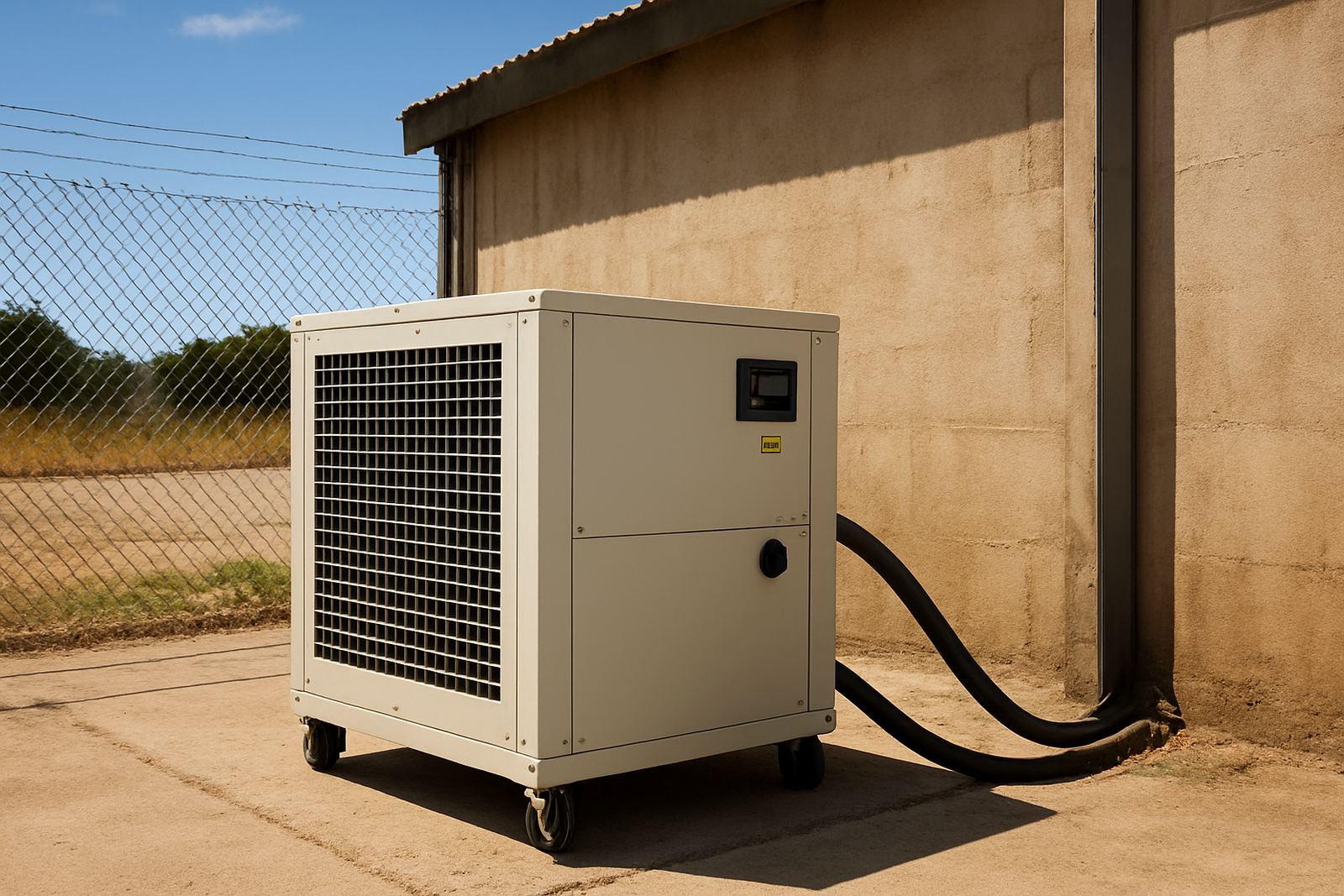
A typical case starts in an industrial area near Alberton where a moulding line or laser cell needs cooling while the main chiller is out of service. The plant may only have a narrow window to stop production, so the temporary unit has to be positioned, piped and tested quickly. If the power feed is not ready or the hose route is too long, the delay can wipe out the benefit of hiring the unit in the first place.
Now add a second reality: the same unit may later need to move to Rustenburg for a different site, or to Durban where ambient heat and humidity are higher. That is why planning matters before dispatch. The site team should know the available power, the distance to the machine, the water treatment status and the exact duty required. Without that, even a good machine can be used in the wrong way.
When the plan is right, temporary cooling gives a plant time to keep working while permanent repairs, pipework changes or control upgrades are completed. It is a practical solution, not a shortcut, and it only works well when the details are sorted early.
What to send with your enquiry
If you need temporary cooling, the fastest route is to send the key site details up front through the enquiry form on the contact page. That lets the team look at the load, the location and the installation conditions before a unit is selected. A few clear details now can prevent delays later.
Useful information includes the process type, required temperature, estimated load, site location, power availability and preferred start date. If there are hose length limits, access restrictions or generator use, say so at the start. The more accurate the brief, the better the hire plan.
Temporary cooling is often urgent, but it still needs structure. When power, hose routes and duty requirements are planned in advance, the hire unit can do its job properly and keep the plant moving while the main system is sorted.
- Process type and equipment model
- Required supply temperature and flow
- Site address and access conditions
- Power supply details and backup arrangements
- Estimated hire period and start date