Why insulated pipework is part of the cooling system
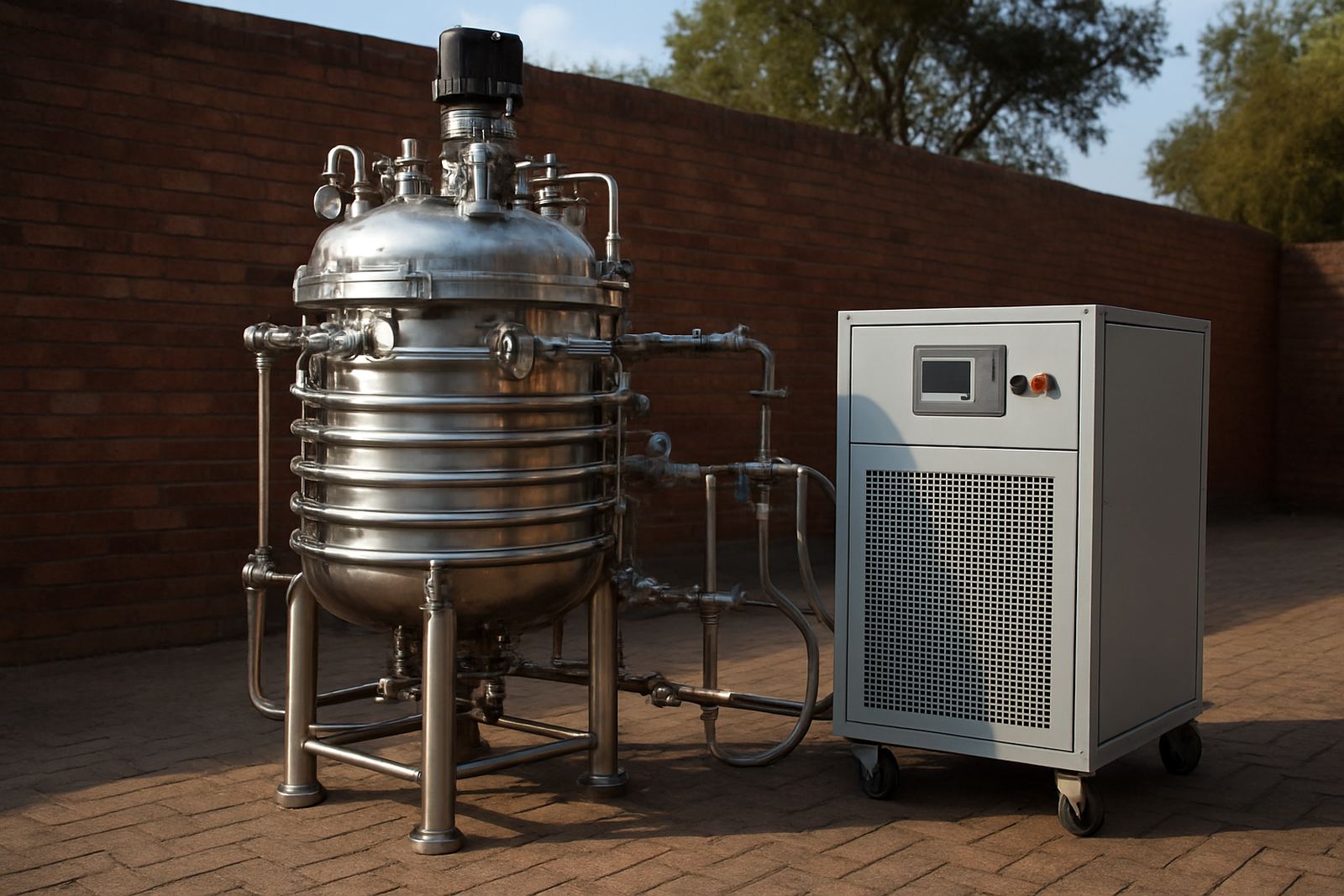
On industrial water chillers, the chilled water leaving the unit must reach the load at a steady temperature. Every metre of exposed pipe gives heat a chance to creep in, especially in plant rooms that run hot or sit in direct sun. That extra heat may look small on paper, but over a long run to a laser, mould or process line it can be enough to push the system out of spec.
Insulation is there to protect the temperature your equipment actually sees. It also helps the chiller cycle more sensibly, instead of chasing avoidable warm-up caused by the pipe route. In practice, this means steadier product quality, fewer nuisance alarms and less strain on compressors and pumps.
For sites in Alberton, Germiston and the East Rand, the issue often shows up after an expansion or a quick production move. The chiller gets installed, the line runs, and the pipework is left with patchy lagging or none at all. That is when small losses start turning into real operating costs.
What happens when pipes are left exposed
Uninsulated chilled water pipes do three things you do not want. They gain heat, they sweat, and they create uneven delivery to the machine. In humid places like Durban and even coastal Cape Town, condensation can be heavy enough to drip onto floors, electrical panels and nearby machinery. That creates slip hazards and can damage fittings, clamps and cable routes.
Where the ambient temperature is high, like a compressor room with poor extraction, the pipe run can also warm the return water before it gets back to the chiller. The unit then works harder to pull the temperature down again. Over time this can increase energy use and shorten the life of valves, pumps and refrigerant components.
- Higher water temperature at the point of use
- Condensation on cold surfaces and fittings
- More frequent chiller cycling and higher running costs
- Greater risk of corrosion on clamps, brackets and nearby steelwork
- Reduced temperature stability on lasers and moulds
Materials and thickness should match the job
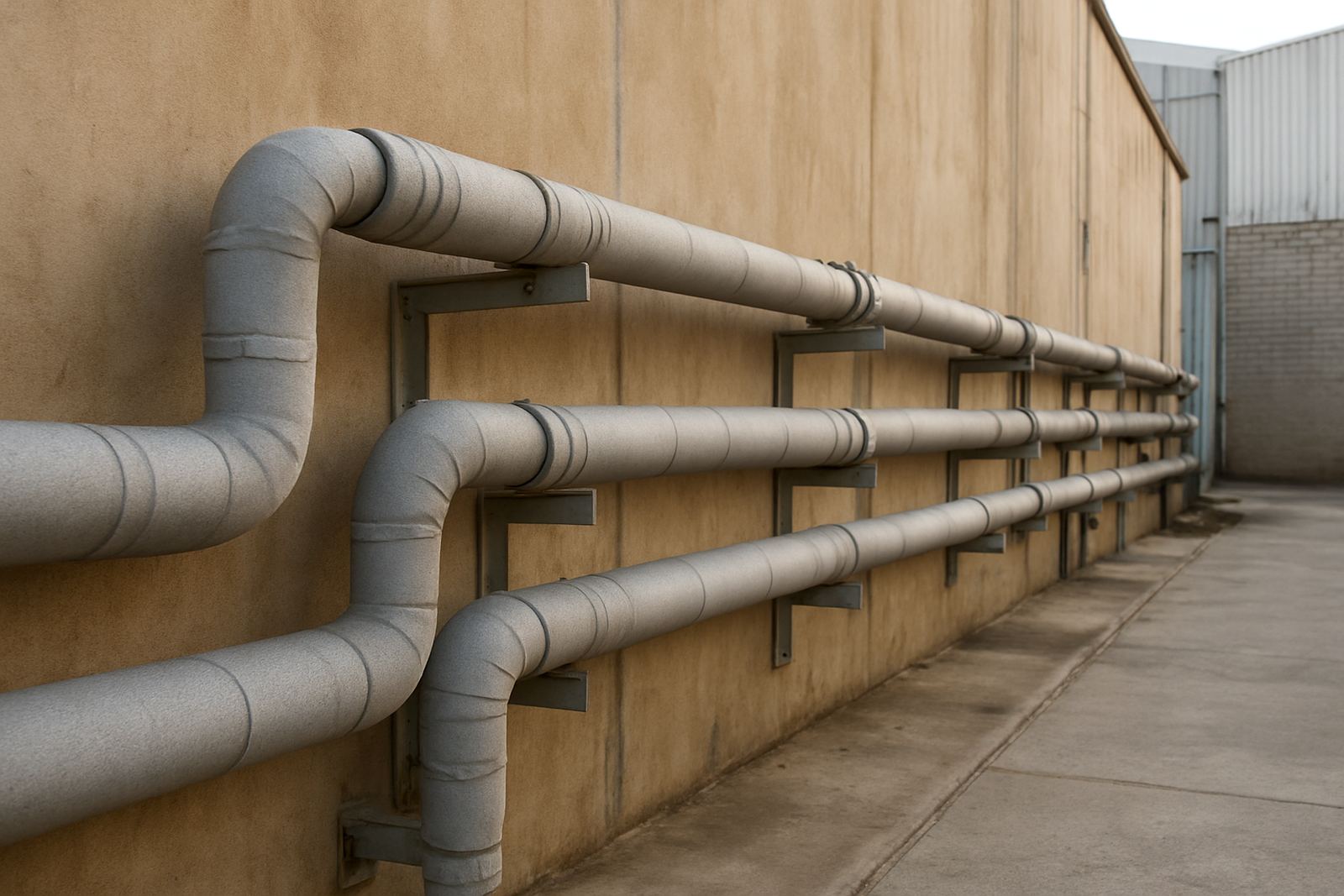
Not every pipe needs the same insulation. The correct material and thickness depend on water temperature, pipe diameter, where the line runs, and whether the installation is indoors, outdoors or across a roof. A short run inside a clean workshop may need a simpler setup than a long outdoor line between buildings.
For chilled water systems, closed-cell insulation is commonly used because it resists moisture ingress better than open materials. The outer finish matters too. In dusty areas, on rooftops or around wash bays, exposed insulation should be protected so it does not tear or soak up grime. If moisture gets into the insulation, performance drops quickly and the pipe can start sweating under the wrap.
A proper installation should also consider the fittings. Bends, valves, flanges and unions are often where the biggest losses happen. If these points are left bare, the rest of the pipe insulation can only do half the job.
- Match thickness to water temperature and ambient conditions
- Use moisture resistant material for chilled lines
- Protect outdoor runs against UV, rain and physical damage
- Insulate valves, bends and joints properly
- Allow access where future maintenance is needed
A practical example from a busy Gauteng plant
A moulding plant in Alberton had a recurring problem on a process line supplied by a chiller in a separate service area. The machine temperature looked fine at the chiller, but the line at the mould was drifting warmer during afternoon production. The pipe route crossed a warm bay, then passed near a loading door that stayed open for deliveries.
When the pipework was checked, parts of the line had thin, damaged lagging and several valve sections were bare. Condensation was also forming on the coldest sections, which meant moisture had been getting into the insulation for some time. After the exposed sections were re-insulated, the fittings sealed, and the pipe route tidied, the water temperature at the load became much steadier. The operator also saw less dripping on the floor, which mattered for housekeeping and safety.
That kind of result is common. The chiller may be correctly sized, but if the delivery path loses cooling before it reaches the machine, the system will never perform as expected.
Where insulation usually fails first
During service visits, the same weak points show up again and again. These are the areas worth checking before summer, before a shutdown and before a busy production period.
- Valves and unions left exposed after maintenance
- Torn insulation around pipe supports and wall penetrations
- Outdoor pipework with cracked outer sheathing
- Sections near heat sources such as ovens, compressors or steam lines
- Cold pipes routed through hot, poorly ventilated rooms
If your site runs through load-shedding periods, the restart after power returns can also expose poor insulation. When equipment starts and stops more often, the pipework sees more temperature swings and any weak spot shows up faster. That is why inspections should not be limited to the chiller cabinet alone.
What a proper pipe insulation check should cover
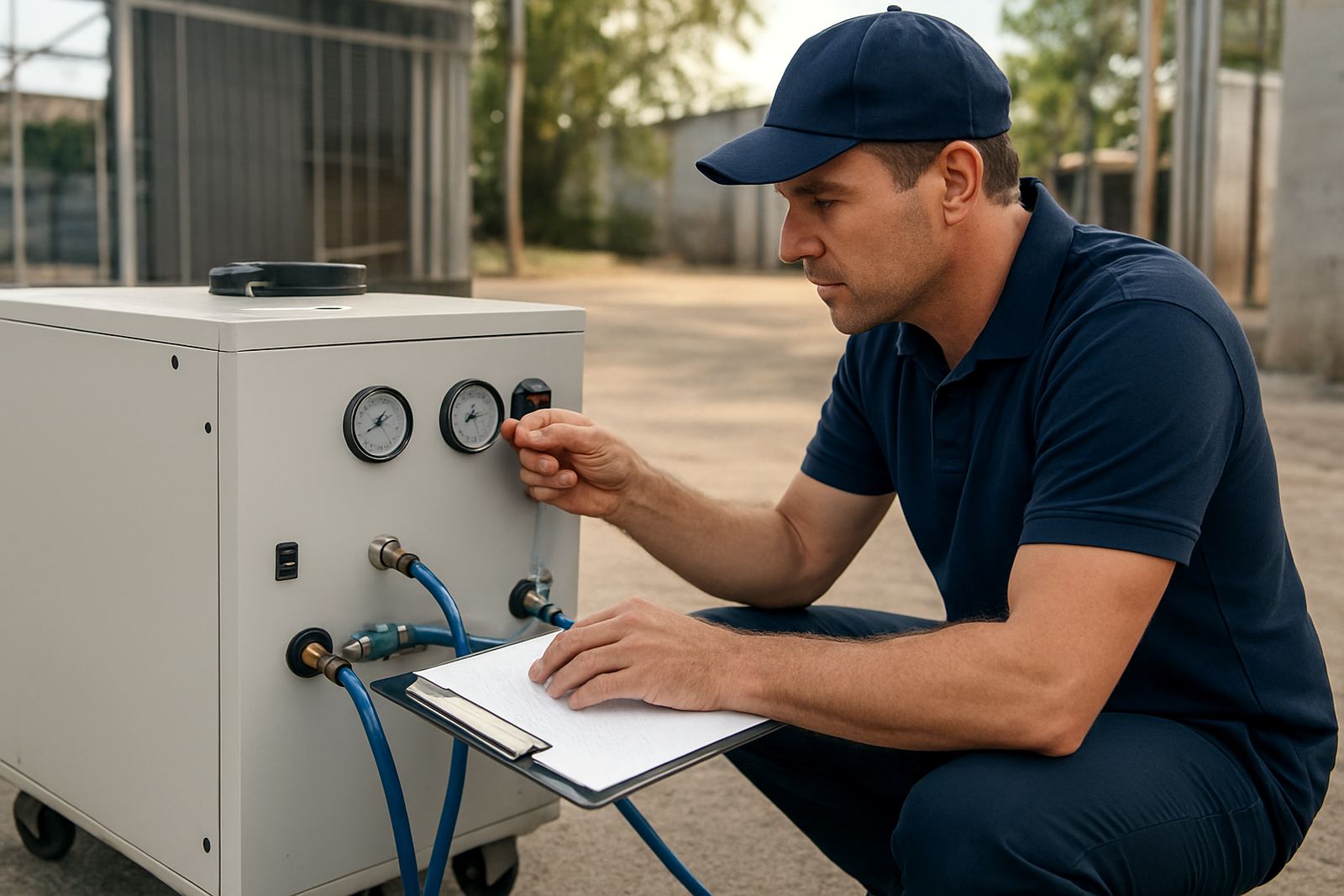
A good maintenance check is practical, not cosmetic. It should include the pipe route from the chiller to the load and back again, plus the points where the line passes through walls, roofs or service corridors. If the system feeds lasers, moulds or process lines, the check should be linked to the temperature tolerance of the machine itself.
At minimum, the inspection should confirm that insulation is intact, dry and continuous. It should also test whether the pipe supports are putting pressure on the lagging, because compressed insulation loses performance. On older installations, pipework retrofits may be needed to improve access, correct flow direction or remove unnecessary heat gain points.
- Check for wet, crushed or missing insulation
- Inspect joints, bends and valve bodies
- Look for condensation trails and rust marks
- Confirm pipe supports are not damaging the lagging
- Review outdoor sections after storms or maintenance work
Keep the cooling path as efficient as the chiller
Insulated pipework is not a nice-to-have detail. It is part of the cooling chain, and if one section is weak the whole system pays for it. Better insulation means less heat gain, less condensation and a more reliable chilled water supply to the point of use.
For South African plants, that matters in hot inland summers, humid coastal conditions and busy facilities where equipment cannot sit idle for long. If a line has been patched, extended or moved over the years, it is worth checking whether the pipe insulation still matches the duty. A small maintenance job now can prevent bigger repair work later on.
At Raynen, we look at the full cooling path, from the chiller through to the pipework and the load it serves. That is the only sensible way to keep lasers, moulds and process lines within temperature where it counts.