Why pump faults show up in process cooling first
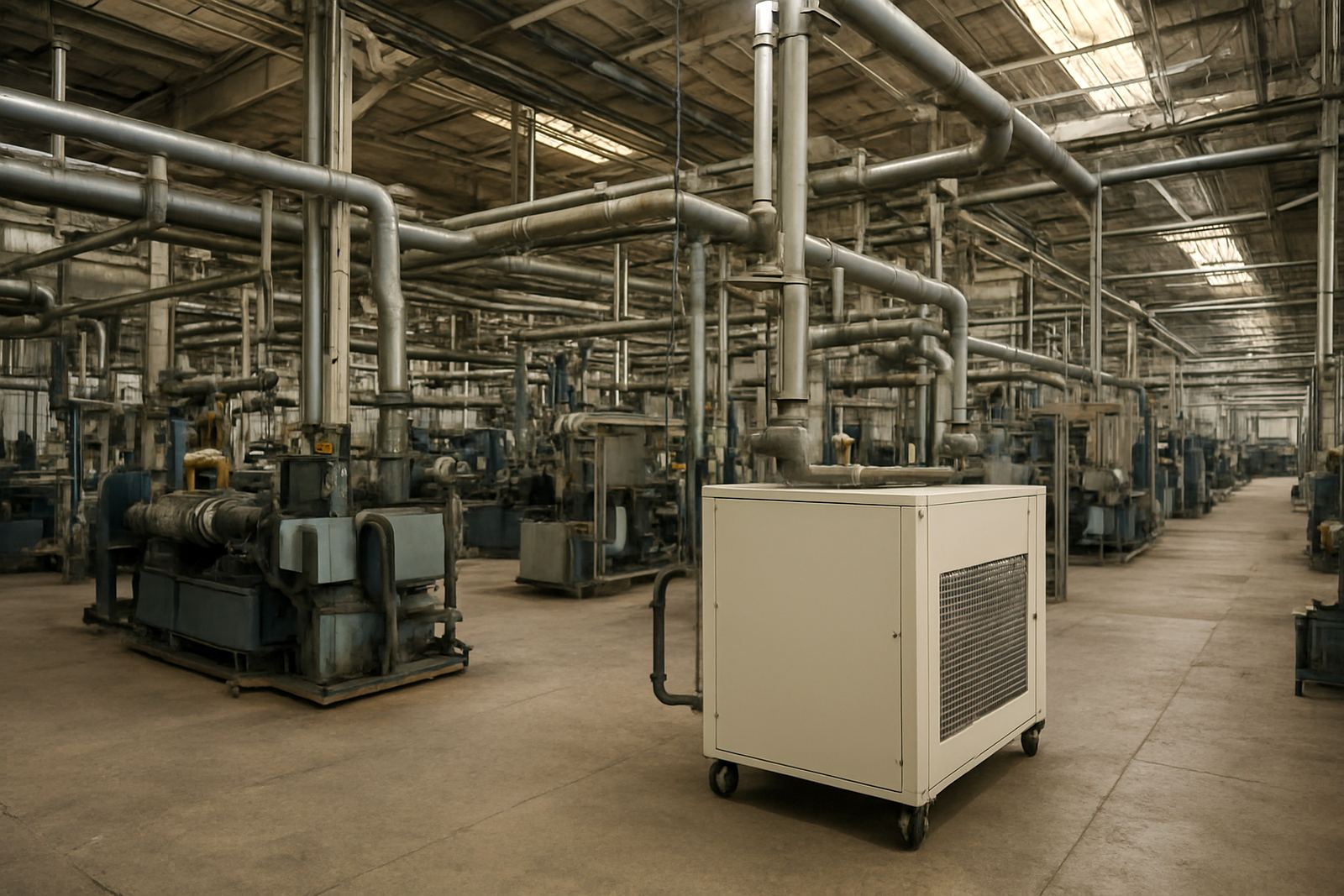
A pump in a chiller or cooling loop is not just moving water. It is keeping a stable flow rate through heat exchangers, machine jackets and line returns, so when it starts to fail the whole system feels it. In South African plants, that can mean higher reject rates on moulding lines, laser alarms, or production stoppages during peak summer heat when ambient temperatures in Alberton, Johannesburg and Durban all climb at the same time.
The first warning signs are usually practical ones. Flow drops a little, the pump sounds different, the return water runs warmer and the machine starts cycling more often. If the system is already dealing with dust, scale, or poor water quality, the pump gets punished twice over because it has to push through restrictions as well as normal load.
- Lower flow at the process point even though the pump is still running
- Unusual whining, grinding or rattling from the pump casing
- Higher temperature alarms on the chiller or end equipment
- More vibration than usual on the pipework or base frame
Seal wear: the slow leak that turns into downtime
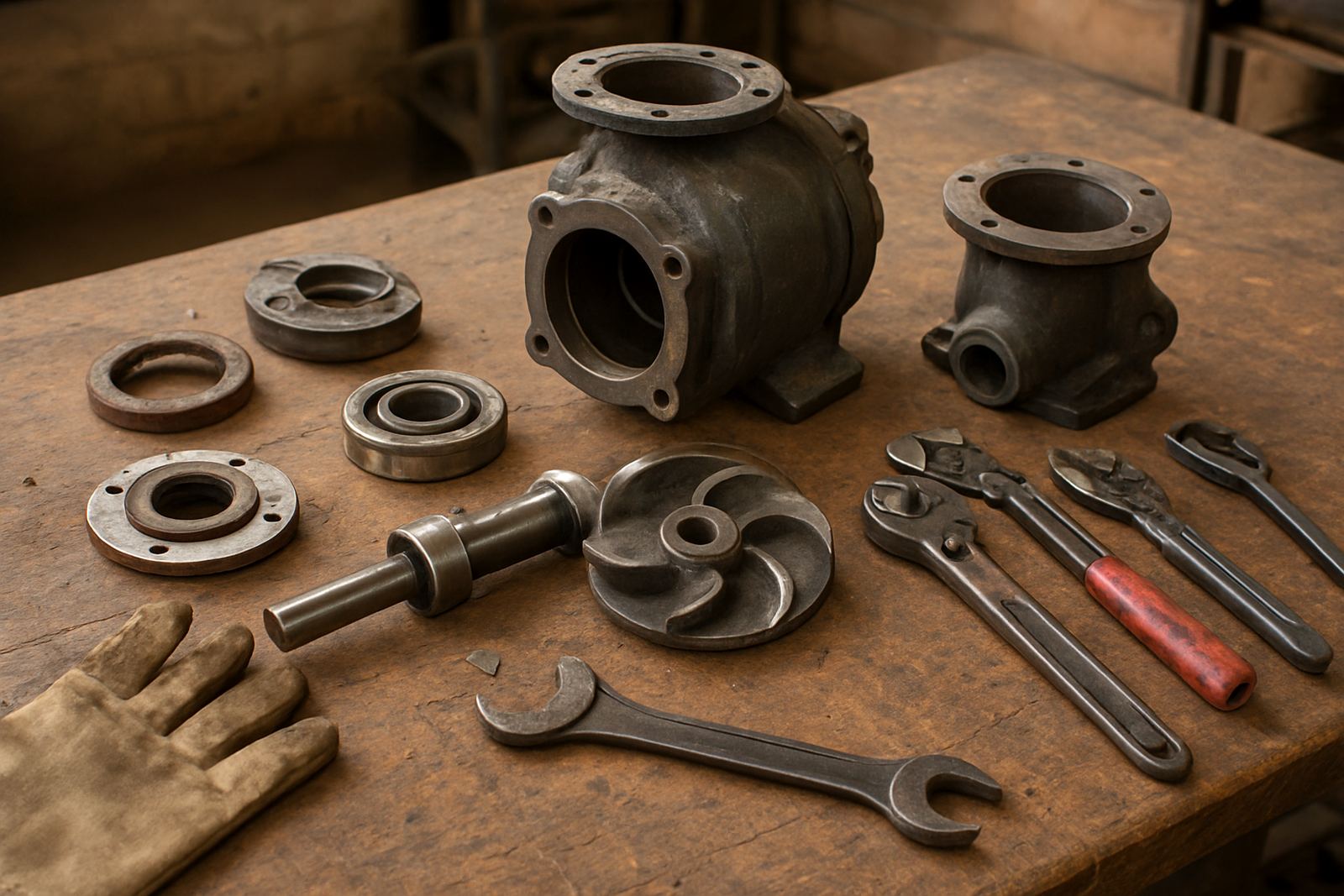
Mechanical seals work hard in cooling systems because they face constant rotation, warm water and vibration. Once a seal starts to wear, the leak may be small at first, just a damp patch or a drip under the pump. Leave it too long and the leak can worsen, air can enter the system, and the pump may start running dry or lose prime.
We see this often where pumps run for long shifts with limited supervision. A small leak becomes a bearing problem, then a motor problem, and then a complete stoppage. In coastal areas like Durban and Cape Town, humidity and salt exposure can make the surrounding components corrode faster too, which puts extra strain on the whole assembly.
- Check for moisture around the shaft and seal housing during daily walkabouts
- Listen for a change in sound after startup or under full load
- Look for staining or rust marks around drip points
- Replace worn seals before they start affecting bearings and motor alignment
Cavitation: when the pump is starved of water
Cavitation happens when the pump does not get enough inlet pressure and vapour bubbles form inside the casing. When those bubbles collapse, they can damage the impeller and create the classic gravel-like noise that technicians know well. It is one of the most common causes of premature pump damage, and it is often linked to a blocked suction line, undersized pipework, high water temperature or low tank level.
On process cooling systems, cavitation can also come from poor system design or from changes made later, such as extra bends in the pipework or a poorly placed valve. The symptoms may come and go, which makes it easy to miss. If a pump sounds rough only at certain times of day or when several machines are pulling demand, that is a clue worth acting on.
- Make sure suction strainers and inlet lines are clear
- Check that the reservoir level stays within the recommended range
- Confirm that valves are fully open and pipework is not restricting flow
- Inspect for air ingress at unions, gaskets and threaded fittings
Blocked strainers and dirty water: the hidden restriction
Blocked strainers are a simple fault with a big impact. They reduce the volume of water reaching the pump, increase strain on the motor and can cause uneven flow through the entire cooling loop. In many factories the water itself is the issue. Scale, rust, sludge and fine debris from old pipework all collect in strainers, especially if the system has not had a proper treatment check in some time.
We also see problems after maintenance work when debris is left behind in the line. If a pipework retrofit has just been completed and the system is not flushed properly, the pump may pick up material that should have been removed before start-up. That is why water treatment checks and clean commissioning matter as much as the pump itself.
- Inspect and clean strainers on a set schedule, not only when a fault appears
- Flush pipework after repairs or modifications
- Track water clarity and scale build-up over time
- Use correct treatment to limit corrosion and deposit formation
A real-world example from a Gauteng production line
A moulding site in the Ekurhuleni area called in after repeated temperature swings on a process line. The pump was still running but the line was not getting steady flow, and operators were compensating by restarting equipment during the shift. On inspection, there were two issues at once: a partially blocked strainer and early seal wear on the pump. The pump had been working harder for weeks, so the problem had moved from restriction to wear.
Once the strainer was cleaned, the seal replaced and the system flushed, the line stabilised again. The important part was not just the repair, but the follow-up. The site introduced a simple weekly check for inlet pressure, strainer condition and leak points, which reduced repeat callouts. That kind of practical routine saves time, power and production hours in busy plants where a small fault can affect the whole day.
Sites in Pretoria, Rustenburg and Johannesburg often have the same pattern. The first complaint sounds like a cooling issue, but the real cause is a pump that has been neglected just enough to slip into trouble.
How to keep pump failures from repeating
Prevention is mostly about routine. If the pump is checked before it fails, the repair is usually smaller and cheaper. If it is left until the motor trips or the process line warms up, the damage spreads through the seals, bearings and sometimes the control panel as well. That is why preventative maintenance and cooling audits are worth scheduling before summer peaks or after any pipework changes.
A good maintenance plan should be based on actual site conditions. A plant in a dusty industrial area does not need the same interval as a smaller facility with clean water and lighter operating hours. Add load-shedding to the mix and the system may be starting and stopping more often, which makes seal wear and air issues more likely. It pays to keep a close eye on the basics.
- Record pressure, flow and motor current during routine checks
- Keep spare seals, gaskets and strainers on site where practical
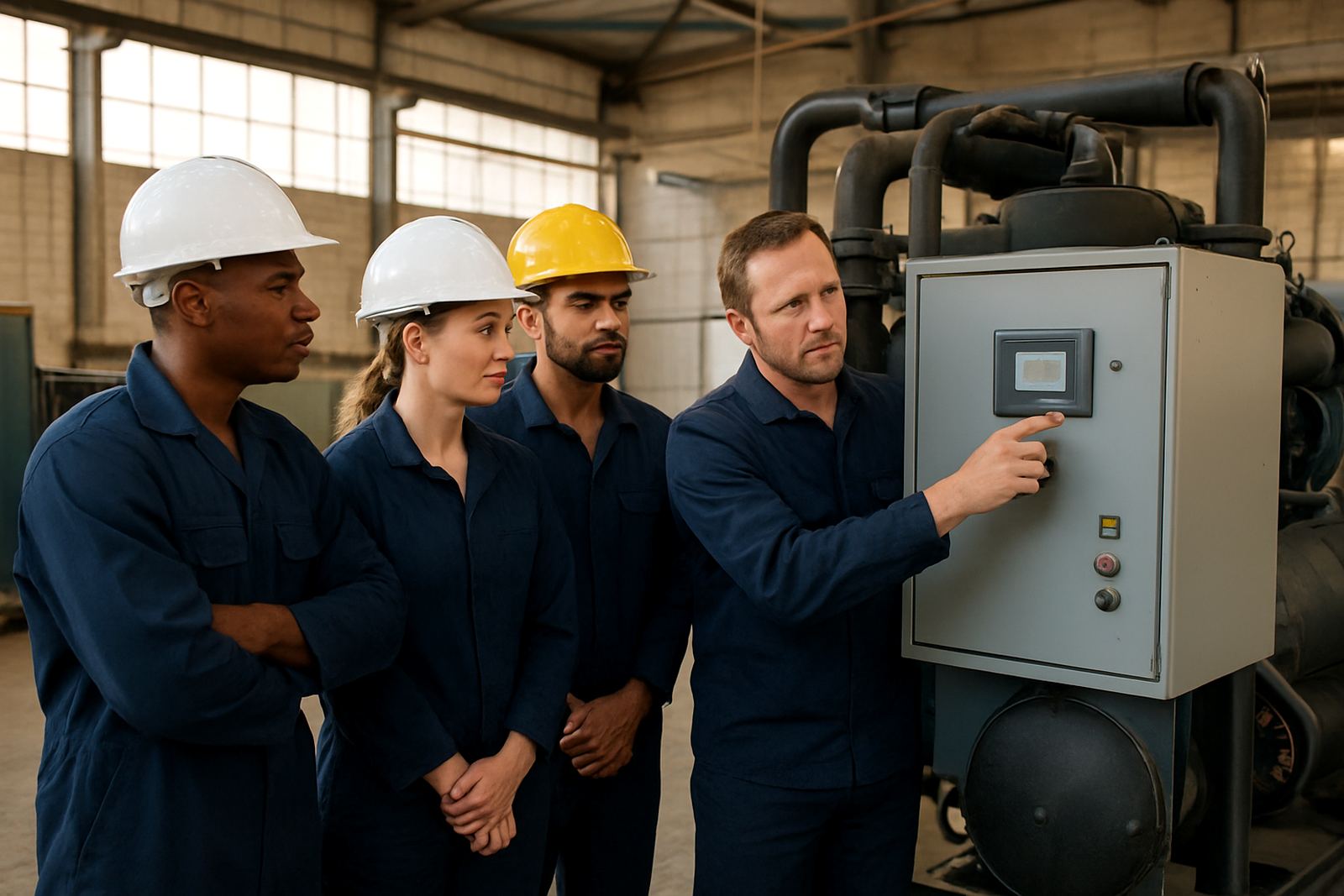
- Train operators to report noise, leaks and temperature drift early
- Review the pump and pipework after every major repair or upgrade
When to bring in specialist support
If a pump failure keeps coming back, the issue may be bigger than the pump itself. Pipe sizing, valve placement, water quality, electrical supply and control settings all play a role. A proper inspection can show whether the problem is a simple wear item or a deeper system fault that needs commissioning support, a control panel upgrade or a pipework retrofit.
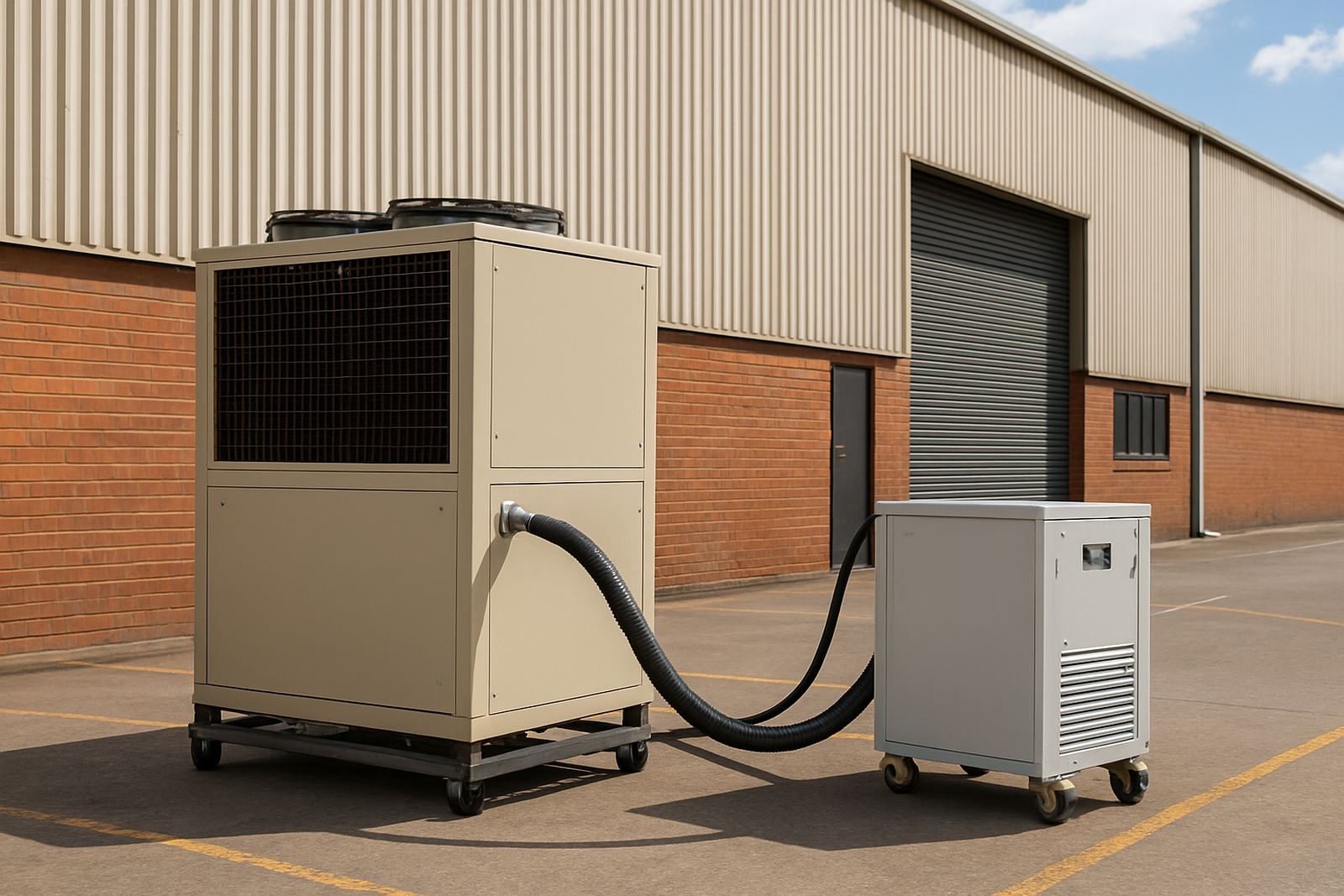
Raynen supplies and services industrial water chillers and cooling units from Alrode, Alberton across South Africa, including Johannesburg, Pretoria, Durban, Cape Town and Rustenburg. If you need help with pump troubleshooting, breakdown repairs or temporary cooling, enquiries come through the contact form on our contact page and our team can assess the next step.
Getting ahead of pump failure is usually cheaper than waiting for a line to trip. In cooling systems, the warning signs are there early, and the good operators are the ones who act before the alarm sounds.