Why mould condensation starts in the first place
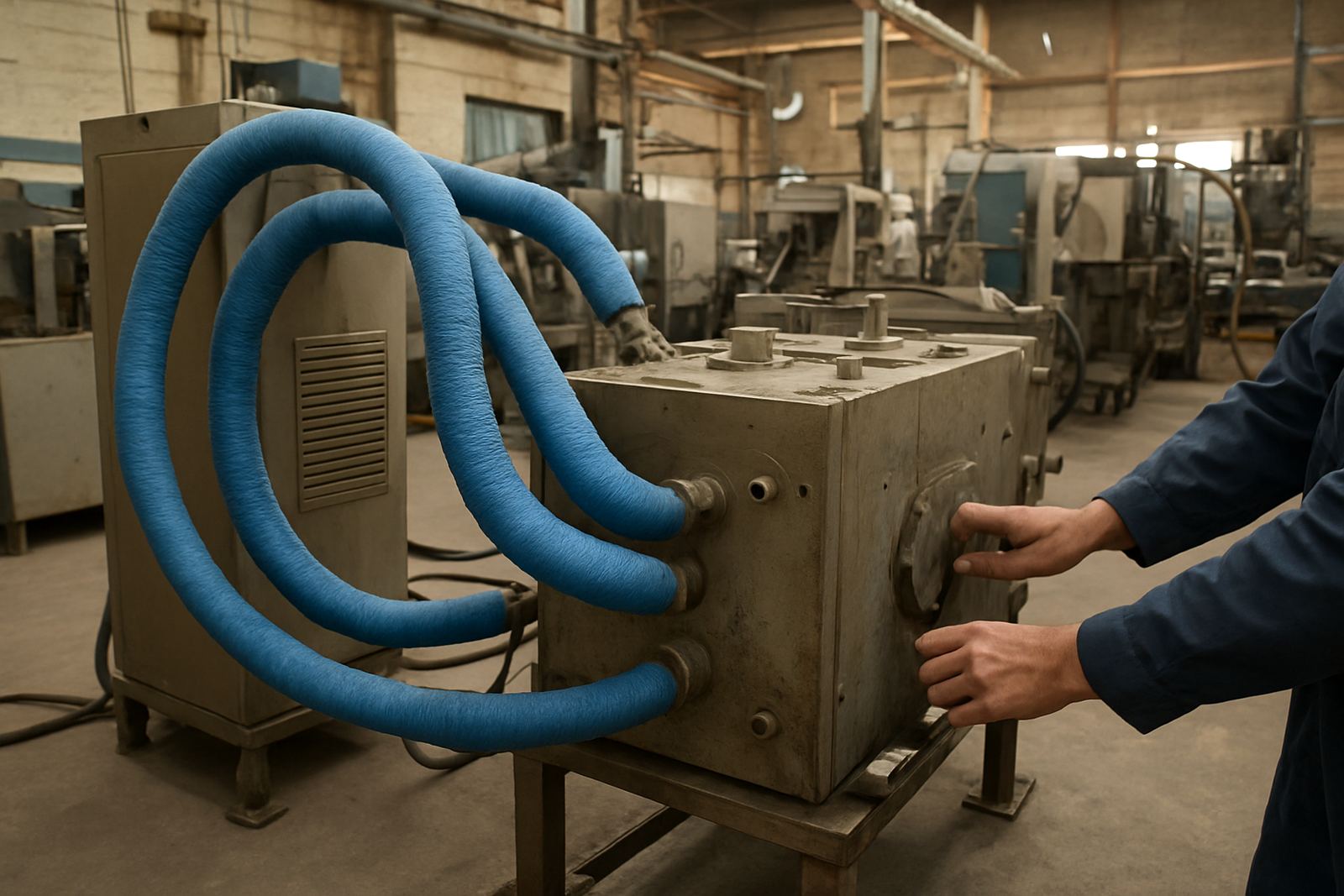
Condensation forms when a chilled surface drops below the dew point of the air around it. In a mould shop that often means cold hoses, manifolds, tool plates and fittings sweating as soon as the air gets humid. In Durban, coastal moisture can push this problem much harder than in drier inland areas, but it also shows up in Johannesburg and Pretoria during summer storms, or when a plant room has poor ventilation and warm air keeps moving over cold lines.
The basic issue is simple. If the water leaving the chiller is too cold for the conditions in the workshop, moisture settles on the outside of the system. That moisture then runs onto floors, electrical cabinets and nearby equipment. On some lines it can even drip onto product, which is a problem for quality and safety. We often see teams focus on production temperature only, but ignore what that setpoint does to the air around the mould.
A useful first step is to treat condensation as a temperature and insulation problem, not just a drip problem. Once the dew point is understood, it becomes much easier to choose a setpoint that keeps the mould stable without turning the piping into a cold sponge.
Setpoint control that matches the workshop, not just the mould
Many moulds do not need the coldest possible water. They need a stable temperature, repeatable flow and enough cooling capacity to hold cycle times steady. If the setpoint is driven too low, the system may cool the mould well but create sweating on exposed pipework and return lines. That is common when a plant is trying to compensate for load changes with a quick adjustment instead of checking the full cooling circuit.
A better approach is to balance product temperature, mould design and the actual room conditions. In a humid coastal site, a slightly higher chilled water setpoint can reduce condensation without affecting part quality if the flow and heat transfer are correct. On the other hand, a factory in Rustenburg with hot afternoons and dusty air may need different controls again, especially if the chiller room takes in warm air from an open bay door.
When setting up a mould cooling system, these checks matter most:
- Confirm the required mould temperature from the process team, not only from past habits.
- Check the dew point in the plant area during the hottest, most humid part of the day.
- Review whether the system is oversized and cycling too often, which can cause temperature swings.
- Make sure return water is not rising sharply because of blocked strainers, poor flow or a worn pump.
Stable control is usually better than aggressive cooling. It gives the mould what it needs and reduces the chance of unwanted moisture on the outside of the system.
Insulation choices that do more than cover a pipe
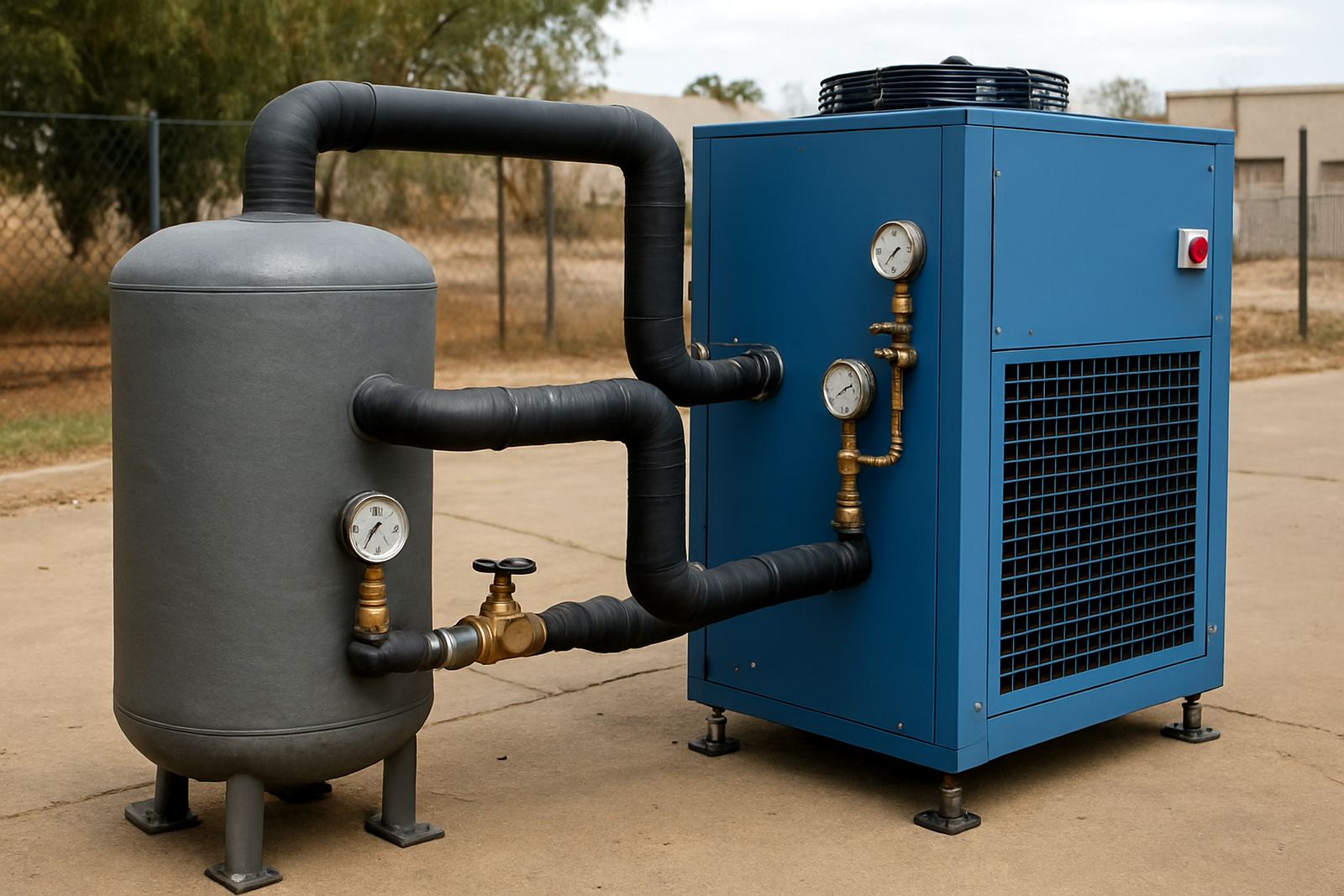
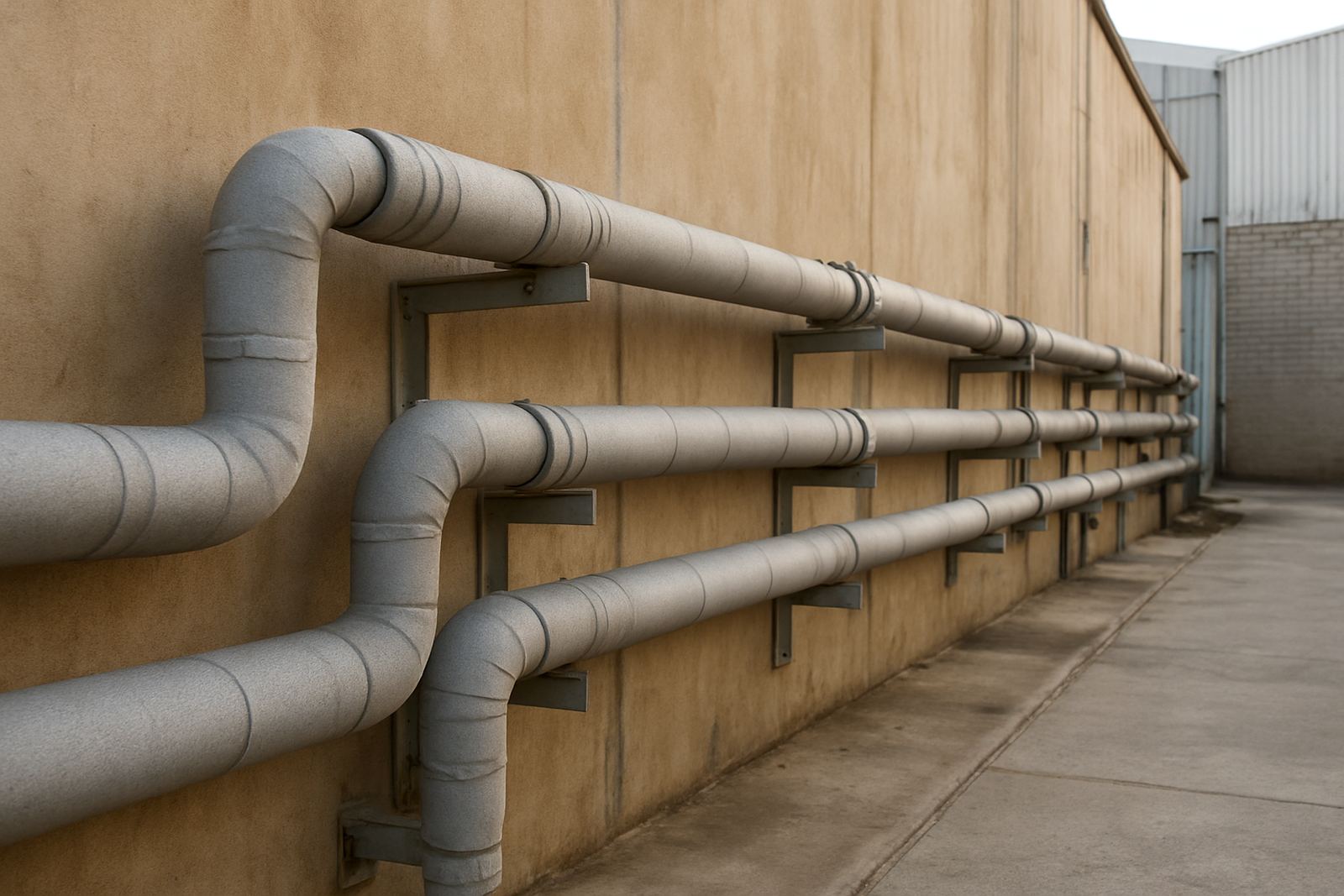
Good insulation is one of the simplest ways to limit condensation, yet it is also one of the most neglected. Thin foam, damaged cladding or poorly sealed joints leave cold sections exposed, especially around bends, unions and valve bodies. Once moisture gets into the insulation layer, it stays there and the pipe keeps sweating. In older plants we often find insulation that looks fine from a distance but is already soaked inside, which means it is doing very little.
For mould cooling systems, insulation needs to suit both the temperature and the environment. In a dusty workshop the outer jacket should be easy to wipe down and resistant to abrasion. In coastal areas it should also stand up to salt-laden air. Where there is regular washdown, every joint should be sealed properly so water cannot creep in. If the line passes through a hot area, for example near ovens or compressors, extra care is needed because the temperature difference is bigger and condensation starts faster.
Pay attention to the details below:
- Insulate all chilled water lines, including returns and short exposed sections near the mould.
- Seal valves, flanges and fittings properly, not just the straight pipe runs.
- Replace cracked lagging quickly before moisture spreads under it.
- Use correct thickness for the application, since thin material often fails in humid conditions.
It is often cheaper to improve insulation now than to keep mopping floors and replacing corroded fittings later. That is a small lesson that saves a lot of trouble over time.
Workshop airflow and humidity control around the mould area
Even a well tuned chiller can struggle if the air around the mould area is too humid or stagnant. When warm air sits close to a cold line, condensation increases. That is why plant layout matters. Open doors, poor extraction, roof leaks and unbalanced ventilation can all make the problem worse. In some South African factories the issue starts at the loading bay, where humid air keeps moving through the line of moulding machines all day.
If the mould area is enclosed, check whether air is being pulled over chilled pipework by fans or extractors. Air movement is useful for workers, but if it is directed straight across a cold manifold it can make sweating worse. It is also worth checking for process steam, washdown spray or wet floors nearby, as these add moisture to the air and push the dew point up.
Simple site changes can help:
- Keep doors closed where possible during humid weather.
- Repair roof leaks and damaged wall cladding quickly.
- Keep the mould cooling lines away from direct draughts and hot process air.
- Use local drainage or drip trays where temporary moisture is unavoidable.
In an Alberton plant we supported during a wet summer, the team kept fighting condensation on a mould line that looked fully insulated. The real issue was a side door left open for pallet movement. Once the airflow changed, the sweating reduced without altering the process setpoint at all.
Maintenance checks that stop small problems from becoming wet floors
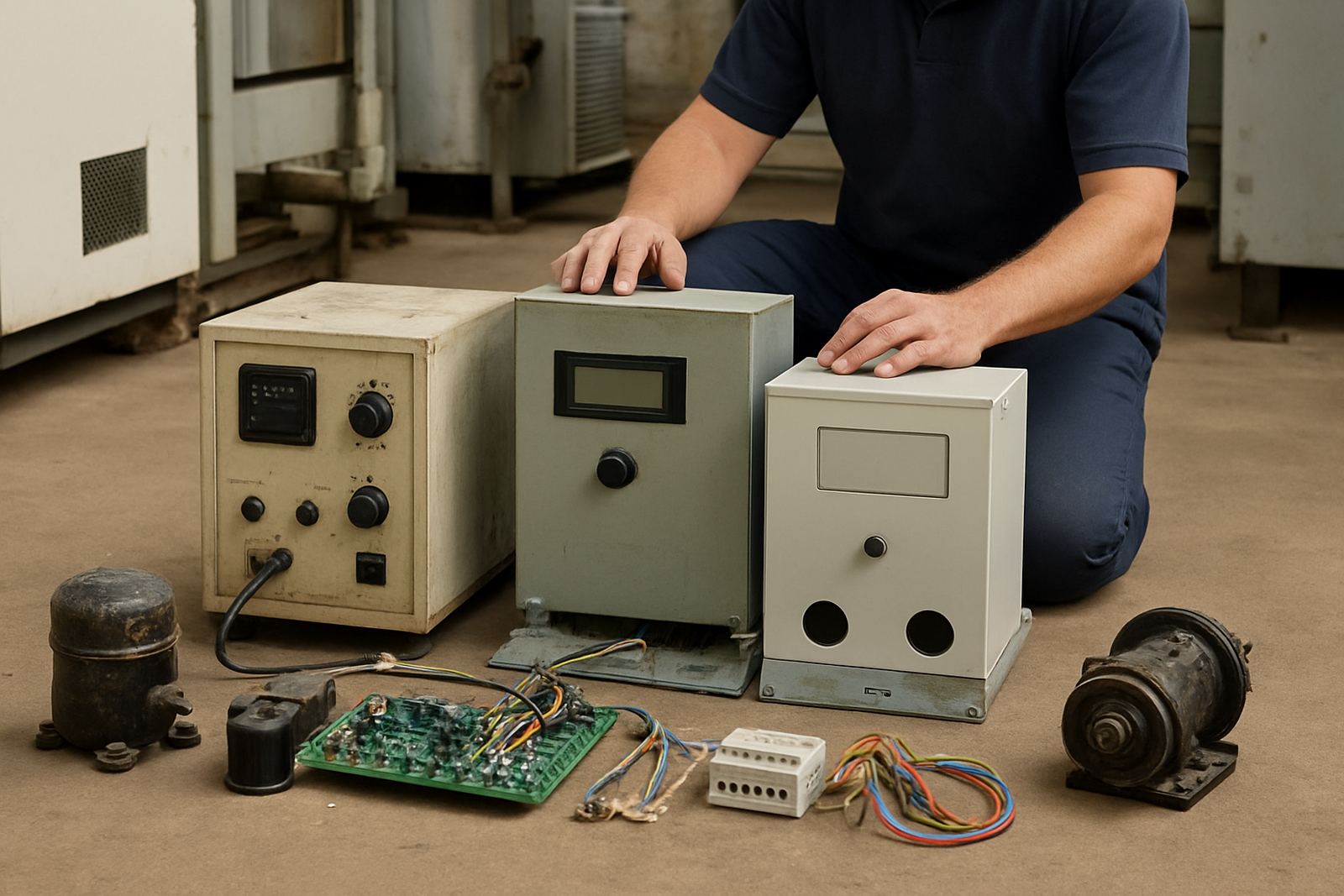
Condensation often shows up when the system is already under strain. A blocked strainer, weak pump, dirty heat exchanger or incorrect water treatment can all cause temperature instability. That instability encourages operators to lower the setpoint further, which then increases the risk of sweating. It becomes a chain reaction. Regular preventative maintenance keeps the system steady and makes the temperature easier to control.
Cooling water quality also matters. Scale, sludge and corrosion products reduce heat transfer and can create hot spots in the circuit. If the water is not treated properly, the chiller may work harder than it should and the mould temperature may drift. When that happens, operators often compensate by pushing the system colder, which is where condensation begins.
Useful service checks include:
- Inspect insulation, pipe supports and all joints for sweating or staining.
- Check flow rates, pump condition and pressure drop across the circuit.
- Test water quality and correct treatment where needed.
- Clean filters and strainers before they restrict circulation.
- Review control settings after any mould or line change.
A good maintenance routine is not only about uptime. It is also about making sure the system behaves the same way on a humid Monday as it does on a dry Friday afternoon.
A practical local example from an Ekurhuleni mould shop
A moulding plant in Ekurhuleni called for help after finding water under several machines every morning. The chiller was holding temperature, but the return lines were sweating badly and one electrical cable tray had started to show signs of corrosion. The team had already lowered the setpoint twice, thinking colder water would solve a cycle variation issue, but that only made the condensation worse.
On site, the main findings were straightforward. Part of the pipe insulation was damaged near a bend, the setpoint was lower than the mould actually needed, and the loading bay door remained open for long periods during the morning shift. The corrective plan was simple: raise the chilled water temperature to a more suitable range, repair the insulation properly, check pump performance, and tighten the door management routine. After those changes, the floors stayed dry and the mould still held its process timing. The change was not dramatic, but it was effective, which is what matters in a working plant.
For businesses in Johannesburg, Pretoria, Durban, Cape Town or Rustenburg, the lesson is the same. Condensation is rarely caused by one fault only. It usually comes from a mix of setpoint, insulation and site conditions, so it needs a practical fix rather than a guess.
When to review the cooling system with a specialist
If condensation keeps returning after basic checks, the system may need a fuller cooling audit. That is especially true where mould temperatures are changing, production has increased, or the plant has added new lines without upgrading the chiller capacity. A review can show whether the system is oversized, underperforming or simply being controlled in a way that no longer suits the shop floor.
Specialist support is also worthwhile after pump replacements, pipework retrofits or control panel upgrades, since these changes can alter flow and temperature behaviour in ways that are not always obvious at first. In many cases, a few measured adjustments and a better maintenance plan will solve the issue without major modification.
If your mould cooling system is sweating, dripping or causing corrosion, do not wait until the problem affects production. A careful review can protect the mould, the floor and the bottom line.