Why spare parts matter before a fault starts
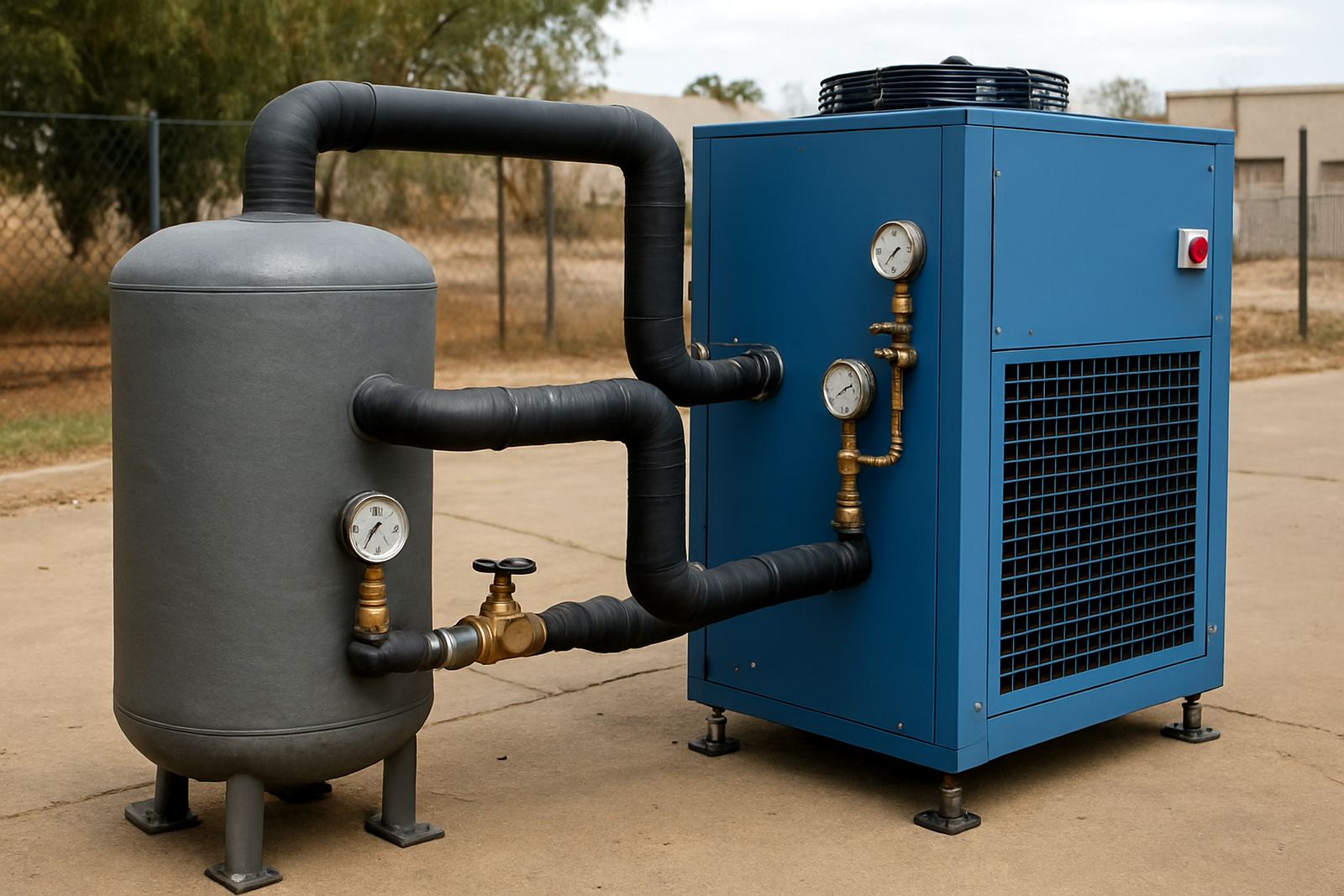
Most chiller breakdowns do not begin with a dramatic failure. They usually start with a small warning such as higher water temperature, a pressure switch that trips now and then, or a pump that sounds different on a Monday morning after a weekend shutdown. In factories around Alberton, Germiston and Boksburg, that first warning is often the only time available to act before the line is affected.
Keeping a sensible spares list is not about filling a shelf with every part in the machine. It is about holding the items that fail often, are slow to source, or can stop production if they are not available. For businesses running lasers, moulds or process lines, a simple part like a sensor or contactor can prevent a full day of lost output. In summer heat, and with load-shedding adding strain to electrical and cooling systems, the value of spares becomes even clearer.
The parts that are worth keeping on site
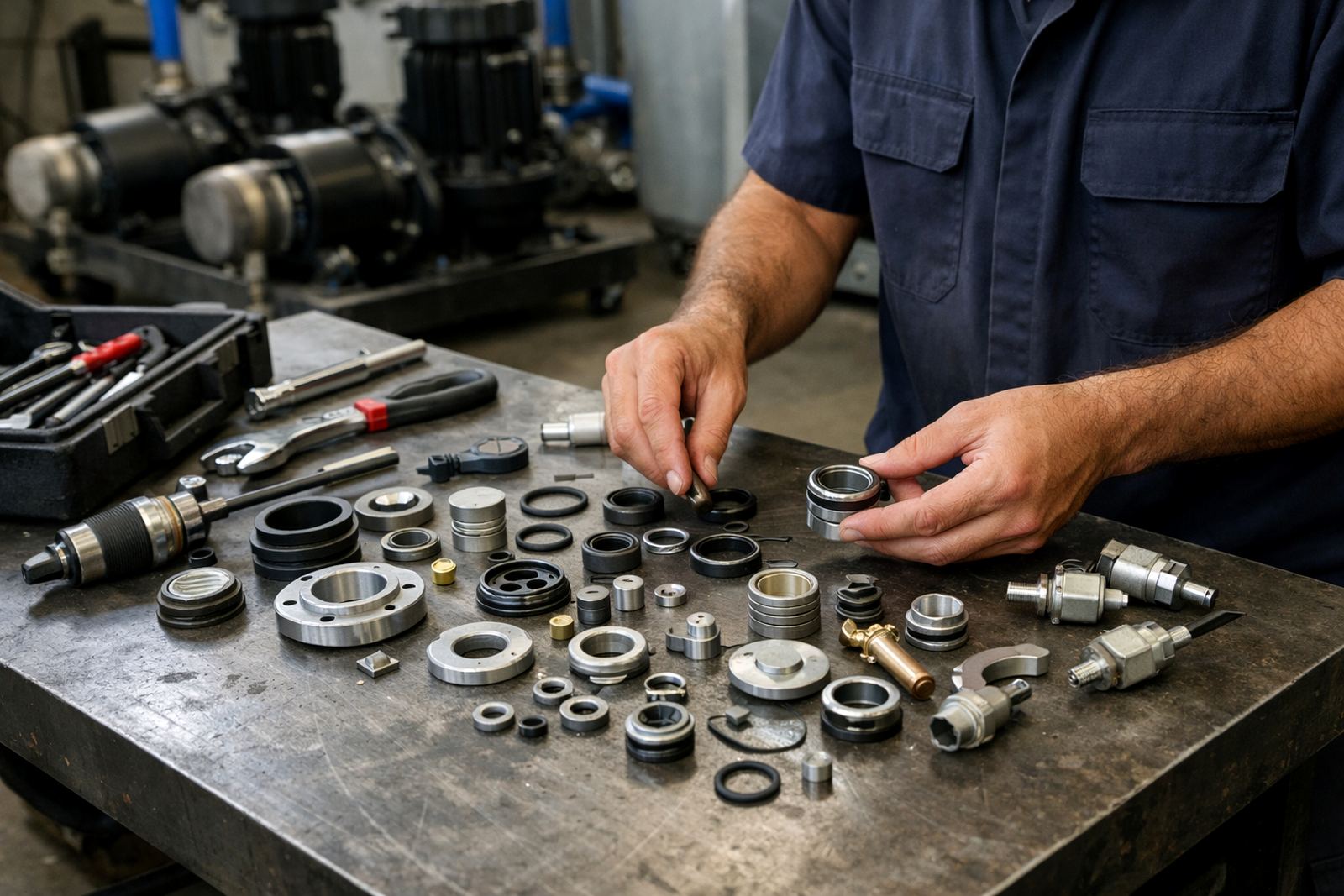
The best spare parts list depends on the type of chiller, duty cycle and water quality. Still, there are a few items that make sense for many South African plants. These parts are small enough to store easily, yet important enough to justify keeping one or two units on hand.
- Temperature sensors and probes for accurate control readings
- Pressure switches and flow switches that protect the system
- Contactors, overloads and control relays for electrical faults
- Pump seals, coupling inserts and a spare pump where the line is critical
- Solenoid valves and expansion valves for refrigerant control issues
- Filters, strainers and replacement elements for dirty water conditions
- Fuses, indicator lamps and terminal hardware for panel repairs
If a site uses hard borehole water or has a history of scale, filters and treatment items become even more important. Coastal humidity in Durban and salt exposure in parts of Cape Town can also shorten the life of electrical components, so keeping the common wear items ready can save hours during a service visit.
Build the spares list around real machine use
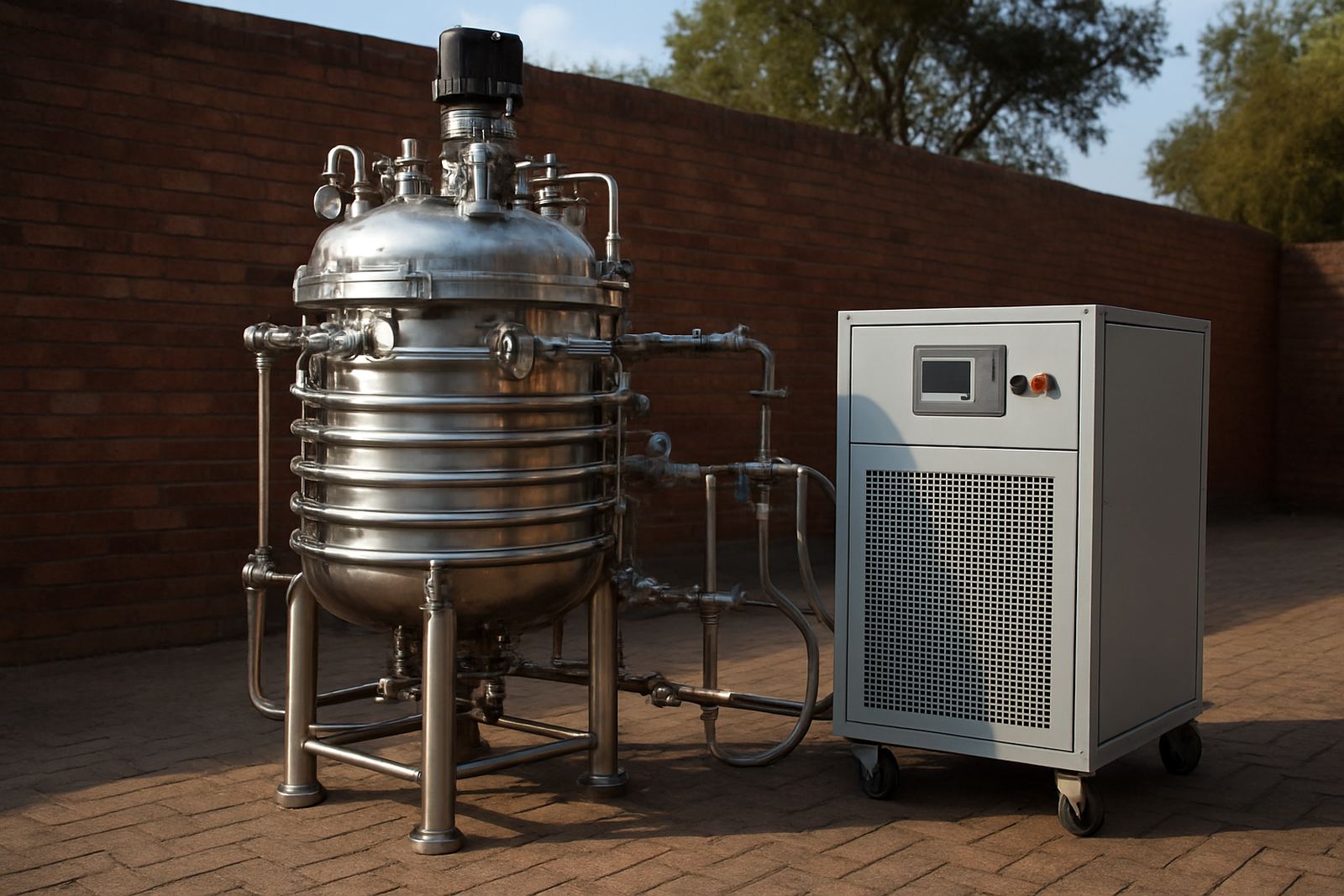
There is no benefit in buying random parts because they might be useful one day. A better approach is to review the actual operating pattern of the chiller. A unit serving a laser cutting machine in Johannesburg may cycle differently from a mould line in Pretoria or a process cooling skid in Rustenburg. Duty hours, ambient temperature and water quality all change the way parts wear.
We often advise clients to rank parts in three groups. First are the fast-moving items that are replaced during routine maintenance. Second are the parts that fail occasionally but are not urgent. Third are the parts that can stop production immediately if they go missing. That last group should always be kept close by, especially where production runs through long shifts or weekends. A plant with limited maintenance cover simply cannot afford to wait for a simple relay.
It also helps to keep a basic record of part numbers, serial numbers and the machine location. When a fault comes in at 6am, nobody wants to spend half an hour searching for the right drawing or spec sheet. A small file in the workshop, updated after each service, saves time and avoids buying the wrong part.
How a small spare stock protects production in practice
Consider a moulding plant in Alberton that runs a chiller continuously through the week. If the flow switch fails on a Friday afternoon, the line may have to stop until Monday if no replacement is available. That is not just a repair issue, it is a production issue, customer issue and staffing issue all at once. One spare switch on site can turn that same problem into a short after-hours repair.
The same logic applies to laser systems. When a laser runs with unstable cooling, the machine may shut down to protect itself. Even if the problem looks small, the pause can disrupt cutting schedules and create backlogs. A spare sensor, contactor or pump seal can shorten the response time and limit the damage. For busy workshops in Johannesburg, Pretoria and Durban, that speed matters far more than people think at first.
Temporary cooling is another place where spares help. If a machine or line has to be bridged while a larger repair is planned, a working spare set keeps the temporary system stable. That can be the difference between meeting a dispatch date and explaining a delay to a client.
What to store and what to leave to planned service
Some parts are practical to keep on the premises. Others are best sourced when needed because they are expensive, specialised or tied to a full service plan. A good rule is to store the parts that are easy to fit and likely to be used quickly, while leaving major components for planned replacement. This keeps spending under control and avoids a store room full of items nobody can identify.
- Keep on site: switches, sensors, relays, fuses, filters and basic fittings
- Keep one step removed: pumps, seals, valves and panel hardware for critical lines
- Plan ahead with service support: compressors, larger electrical components and full refrigeration parts
Water treatment checks should also sit alongside the spares conversation. A clean system does not need as many emergency parts, because scale, sludge and corrosion are controlled before they reach the pump, valve or coil. In many cases, a bit of routine treatment and filter care reduces the spares bill over time.
Service backup matters as much as the part itself
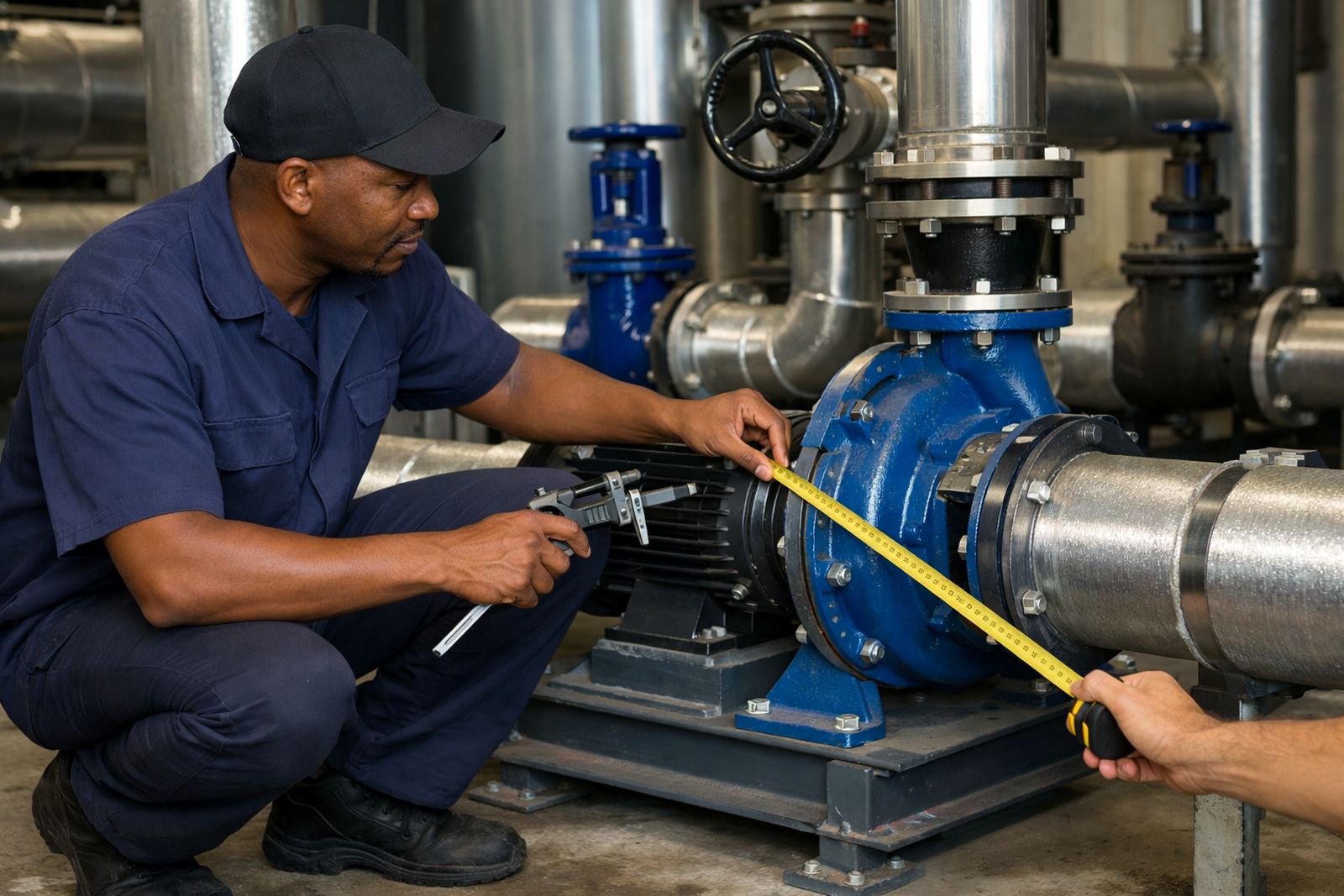
A spare part only helps if it can be identified fitted and tested properly. That is why a maintenance partner should work with the site on the actual stock list, not just sell components. The right support includes installation, commissioning, breakdown repairs, refrigeration repairs, pump replacements, pipework retrofits and control panel upgrades when needed.
Across our Alrode base and service coverage in Johannesburg, Pretoria, Durban, Cape Town and Rustenburg, the pattern is the same: sites that prepare early recover faster. Even a short maintenance visit can reveal which parts are wearing out, which ones should be kept nearby and which ones are being overused because of poor operating conditions. In one case, a plant that kept no spare flow switches had three stoppages in two months. After the first repair, we helped them set aside the common wear items and train the operators to check the warning signs. The downtime dropped sharply.
A practical spares plan for South African plants
The simplest spares plan is also the most effective. Choose the few parts that stop your chiller from running, store them in a clean and labelled cabinet, and review that list after each service visit. Check expiry dates on treatment chemicals, keep electrical items dry, and make sure the team knows who can authorise a replacement when something is used. It sounds basic, but basic systems are the ones that hold up under pressure.
For operations under pressure from heat, shifting production demands or municipal water issues, that small stock can prevent a long interruption. A spare shelf does not replace proper maintenance, but it gives the workshop room to respond quickly when a fault appears without warning. And when a cooling fault lands in the middle of a production run, quick response is exactly what keeps the job moving.
If you are unsure which parts make sense for your equipment, the best next step is a site review and a practical spares list based on the actual machine and duty cycle. That keeps the stock useful, affordable and ready when it matters most.