Keep the chiller close, clear and easy to reach
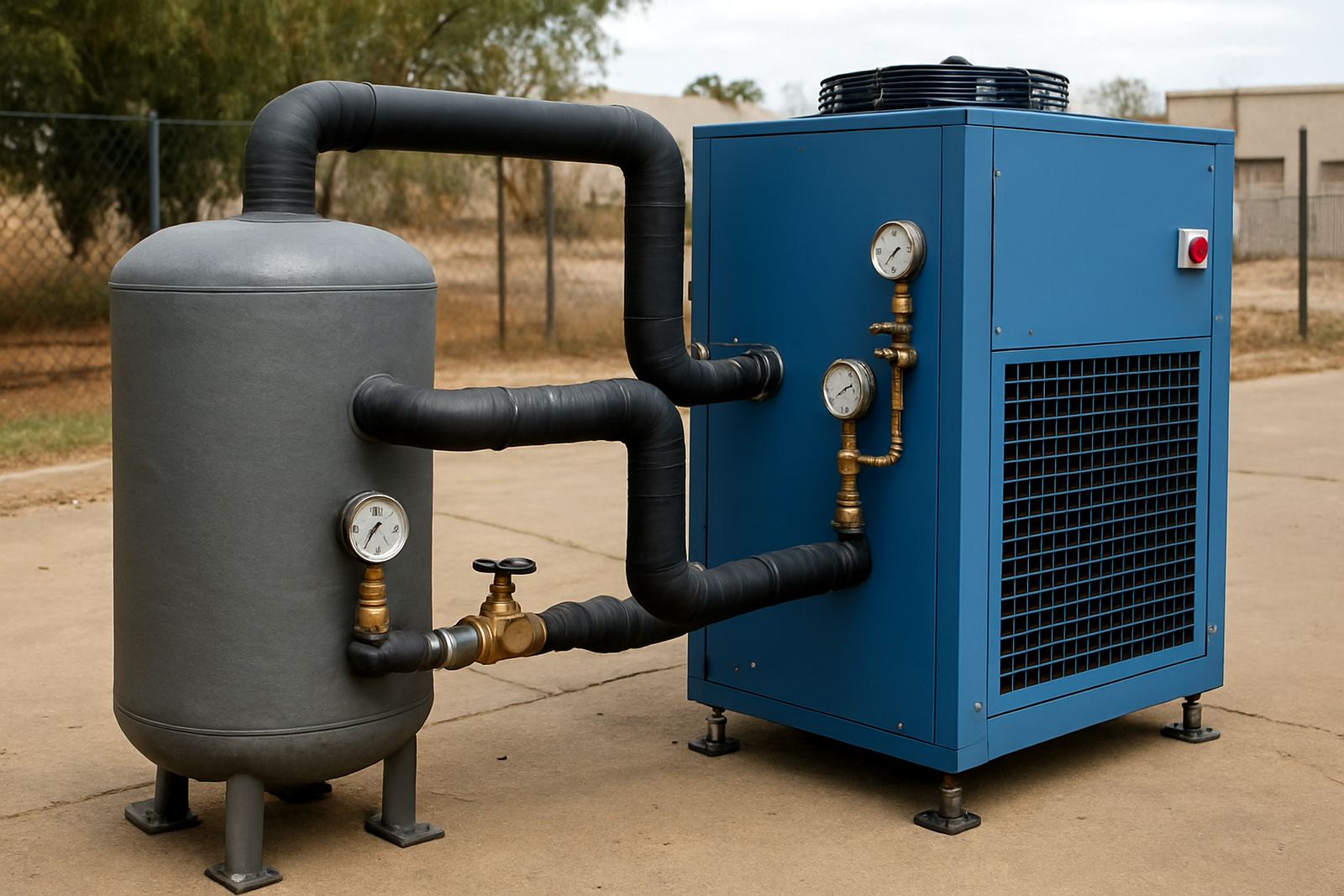
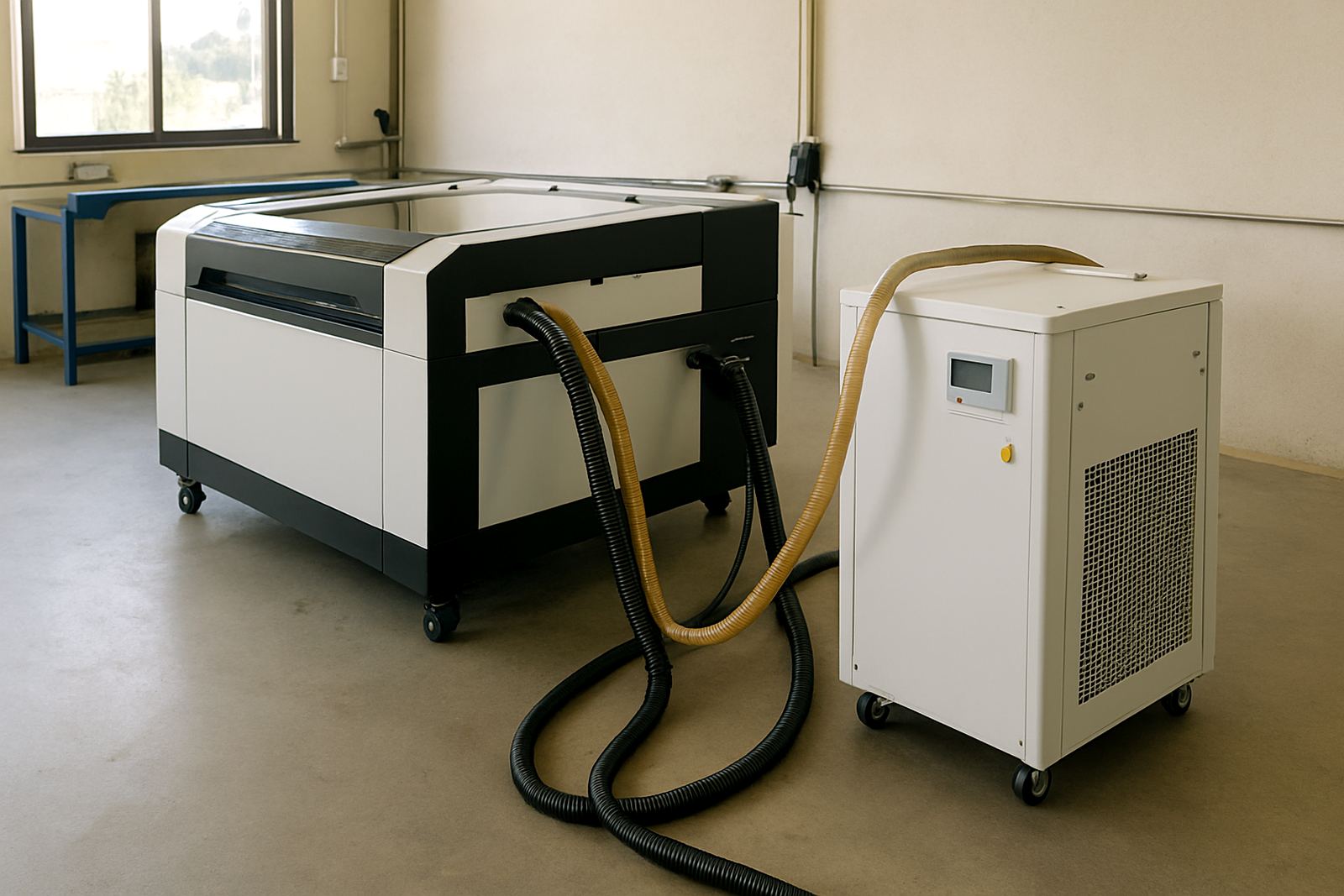
In a laser shop, the cooling unit should not be tucked into a corner behind offcuts, bins or spare pallets. Leave enough space around the unit for airflow, service access and quick checks. A technician should be able to read gauges, inspect hoses and clean filters without moving half the workshop.
Clear access matters even more in premises that run long shifts in Gauteng heat or in coastal areas where humidity can affect fittings and electrics. If the chiller sits in a tight alcove with poor ventilation, it works harder, cycles more often and is more likely to trip on a hot day.
Good layout also makes housekeeping easier. When the area around the chiller is kept clean and dry, leaks are spotted sooner and there is less chance of dust being drawn into the condenser. That small bit of order can save a lot of downtime.
Match water quality to the machine, not just the budget
Laser chillers are sensitive to what is in the water. Scale, sludge and corrosion all reduce heat transfer and can block narrow passages in the system. In many South African sites, especially where borehole water or hard municipal water is used, treatment is not optional if you want consistent performance.
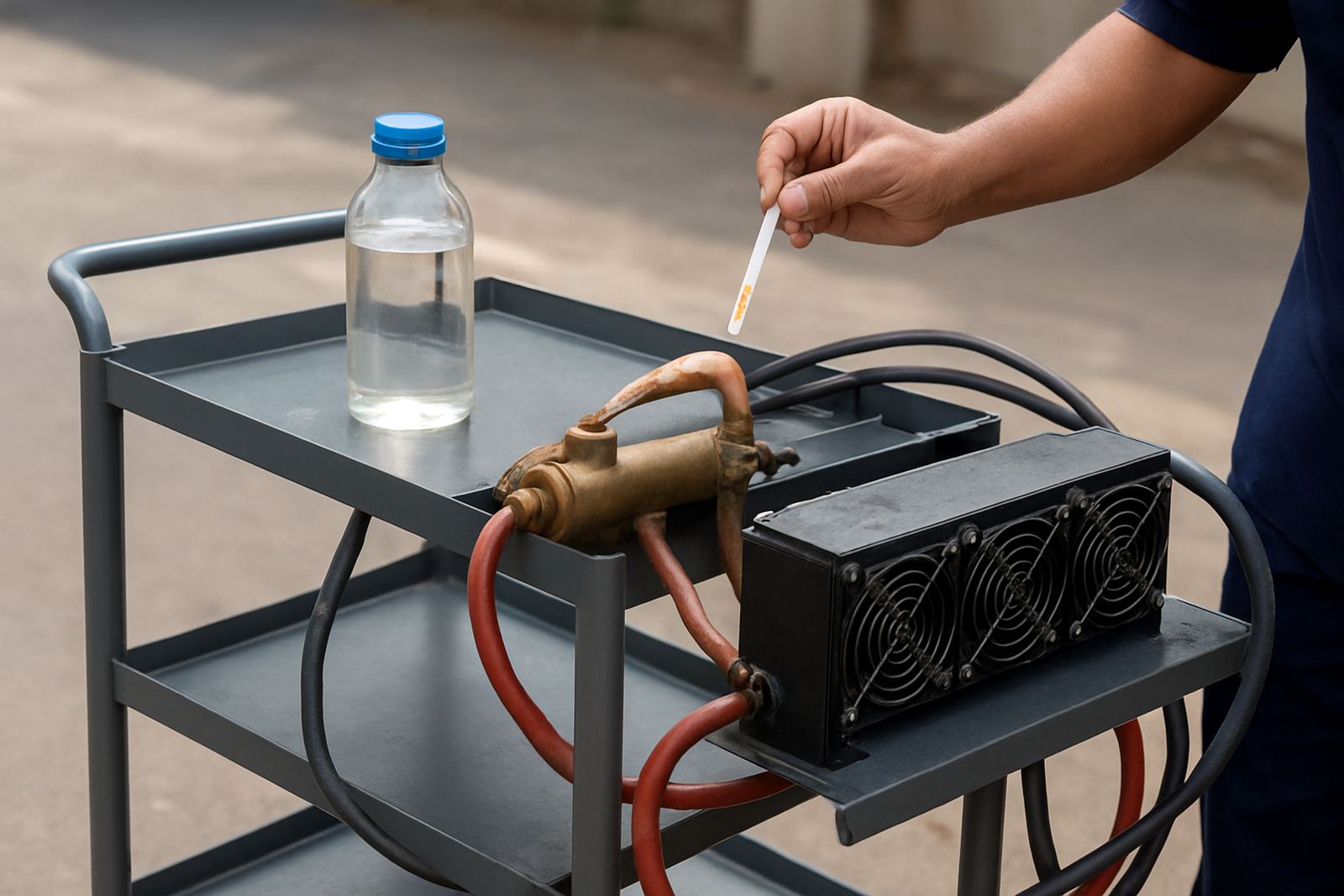
Water treatment checks should form part of normal shop practice. pH, conductivity and clarity need to be monitored, and the system should be flushed when the readings drift outside the acceptable range. If a mould shop in Germiston or Boksburg starts seeing fouling in the line, it is usually cheaper to correct the water than to replace damaged parts later.
- Use the correct treated water mix for the application
- Check for scale, rust staining and cloudy water
- Inspect strainers and filters at planned intervals
- Flush the circuit before contamination becomes a blockage
Clean water helps the chiller hold temperature properly, which supports stable laser output and protects seals, pumps and heat exchangers.
Plan for load-shedding before the fault plan is needed
Power interruptions are part of operating in South Africa, and laser shops need a practical approach for them. A sudden outage followed by an unstable restart can cause temperature swings, nuisance trips and stress on compressors and control components. The chiller should be included in the site recovery plan, not treated as an afterthought.
Operators should know the restart sequence, which alarms matter and how long the system needs to stabilise before production resumes. Where the plant is sensitive, temporary cooling may be the better option during planned shutdown work or extended supply problems. That gives the workshop more control and reduces the chance of pushing a machine back into service too early.
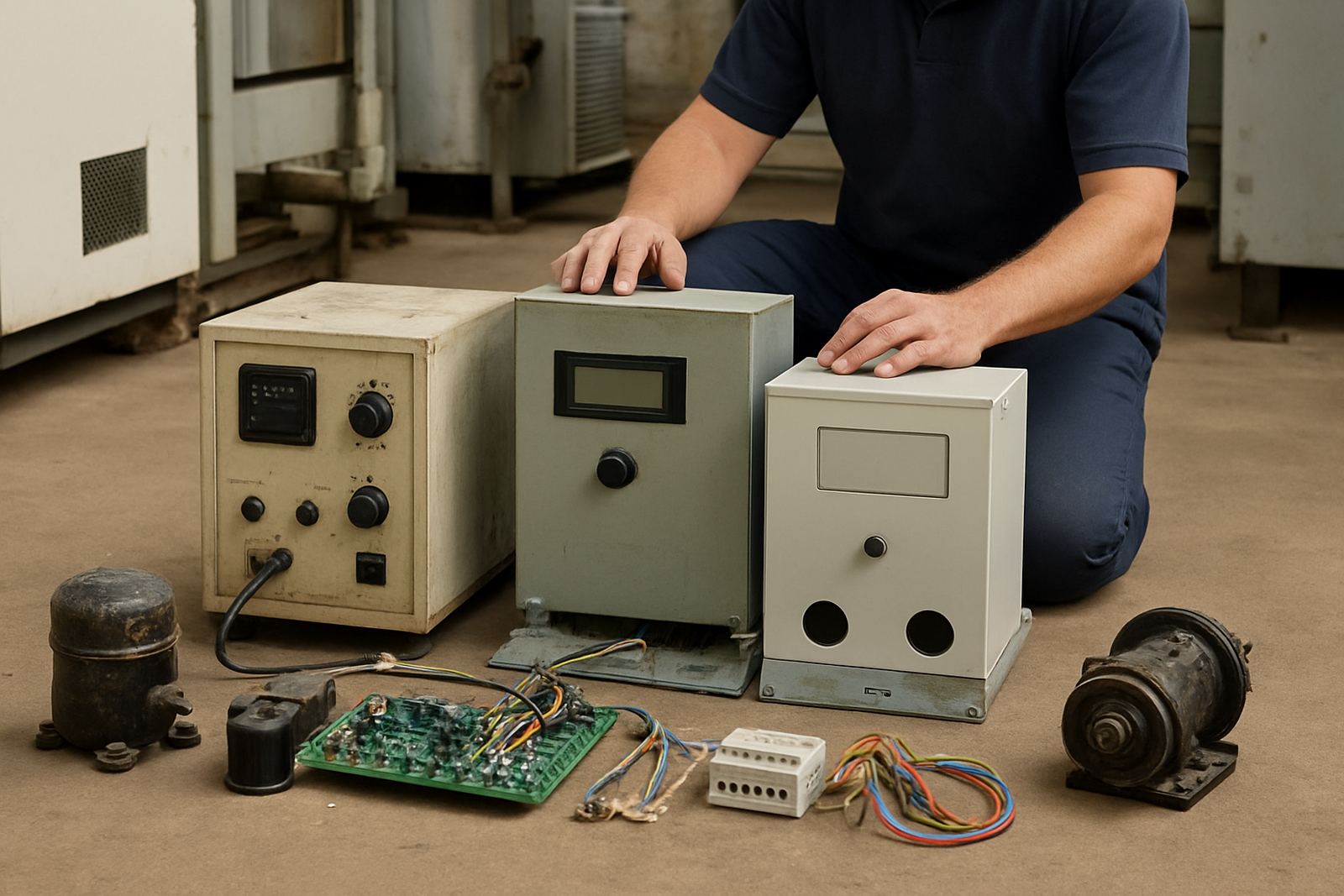
It also helps to protect the supply side properly. Correct breaker sizing, surge protection and a clean control panel all matter. If the electrical side is messy, the cooling side usually suffers later.
Do not let small leaks become workshop problems
Minor leaks are easy to ignore when the machine is still running, but they are one of the fastest ways to create bigger trouble. A slow drip can lower system pressure, introduce air and force the pump to work harder. In a laser shop, that means less stable temperature control and more wear on the equipment.
During routine checks, look for wet hose ends, loose clamps, cracked pipework and signs of rubbing where lines pass through frames or under benches. Heat and vibration can loosen connections over time, especially on older installations or where pipework was added later during an expansion. A neat pipework retrofit often pays for itself because it removes makeshift bends, sharp edges and weak joints.
- Inspect hoses after maintenance work and machine moves
- Check for vibration near pumps and compressor mounts
- Replace ageing seals before they fail under pressure
- Keep spare hose sections and fittings on site where possible
The aim is simple: find the issue while it is still a service job, not after it has become a production stoppage.
Train operators to spot the early warning signs
Many cooling faults start with small changes that operators notice first. A slightly warmer return line, a slower pull-down time, a different pump noise or a warning light that comes and goes can all point to a developing problem. If the team knows what normal looks like, they can report trouble early and avoid unnecessary downtime.
Operator training should cover the basics only, but it must be practical. People need to know how to check levels, when to record alarms and when to stop using the laser until the system is inspected. In busy shops, especially where different shifts are involved, clear handover notes are just as important as the machine settings themselves.
Good training also reduces panic. When staff know which symptoms are safe to monitor and which require immediate attention, the workshop runs more calmly and the maintenance team gets better information to work with.
Use preventative maintenance before the workshop gets busy
The best time to service a laser cooling system is before the peak workload arrives. Preventative maintenance keeps the system cleaner, helps identify worn parts early and reduces the chance of a breakdown during a deadline job. For shops running mould tools, laser cutting or continuous process lines, missed cooling often costs more than the repair itself.
A sensible schedule should include filter changes, pump checks, refrigeration inspections, control checks and performance testing. It should also include a cooling audit from time to time, especially after equipment changes or expansions. That helps confirm whether the current chiller still matches the actual heat load.
For a laser shop in Alberton, for example, a tidy chiller area and a planned service routine can make a clear difference. Dust from nearby fabrication work, summer heat in the workshop and interruptions from power cuts all add pressure to the system. When the cooling setup is maintained properly, the machine is easier to live with and the production team spends less time waiting on avoidable faults.
A clean, well documented cooling system is not just easier to service. It is easier to trust, and that matters every day the workshop opens its doors.