Why load changes catch cooling systems out
In a South African plant, the cooling demand rarely stays flat for long. A laser shop may run light parts in the morning, then push thicker plate after lunch. A moulding line may start with short cycles and then move to longer, hotter runs as the shift changes. Even a process line that looks steady on paper can see fast changes when ambient heat rises, a compressor line speeds up, or a second machine comes online.
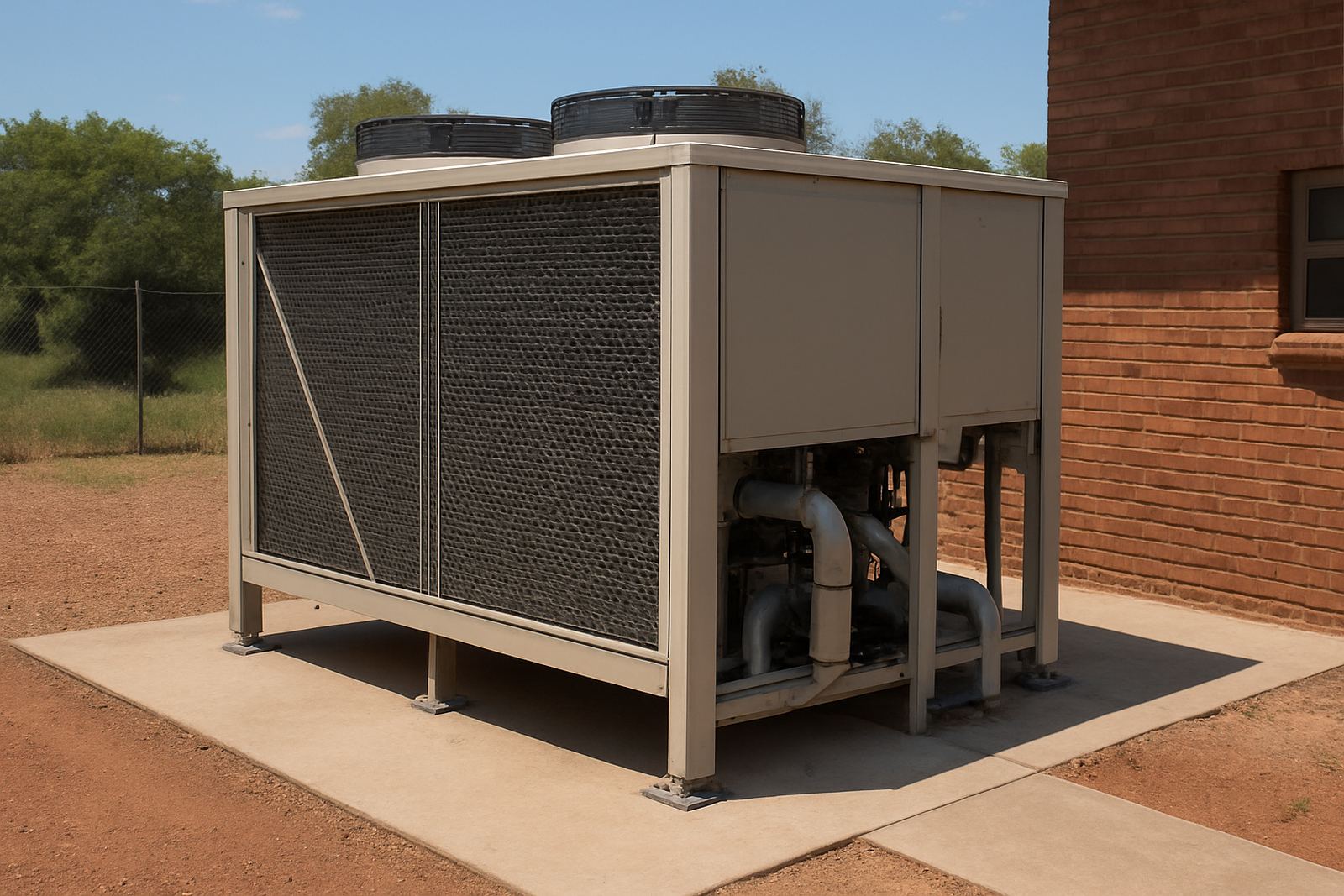
That is where trouble starts. If the water chiller is matched only to the average duty, it can struggle to keep supply water within the set range when the load spikes. Temperature drift then shows up in cut quality, mould finish, reject rates, and sometimes in nuisance trips. In hot inland towns like Alberton, Germiston, Boksburg and Pretoria, summer afternoons are often enough to expose a weak system.
What unstable temperature does to production
Many managers first notice the effect in the product, not the chiller. A laser can lose consistency if the cooling water rises above its normal band, while moulds can start showing longer cooling times, distortion or soft spots. Process lines may still run, but they run less efficiently and the operator ends up adjusting settings more often than they should.
Small changes matter. A few degrees of drift can alter viscosity, cycle time, and the final finish on a part. On a busy line, that creates hidden waste. It also puts extra strain on pumps, valves and controls, because the system is constantly trying to recover instead of holding steady.
- Longer cycle times and uneven output
- Higher scrap or rework on sensitive parts
- More compressor starts and stops
- Reduced equipment life from repeated heat stress
- Operator intervention when the system should be steady
How to read a plant before changing the chiller
Before changing equipment, it helps to look at the actual load pattern, not only the machine nameplate. At Raynen, the first question is usually what the plant does across a full shift. Does the load rise gradually, or do several machines start together? Does the demand peak during certain jobs? Is there a shutdown window, or does the line run through weekends and public holidays?
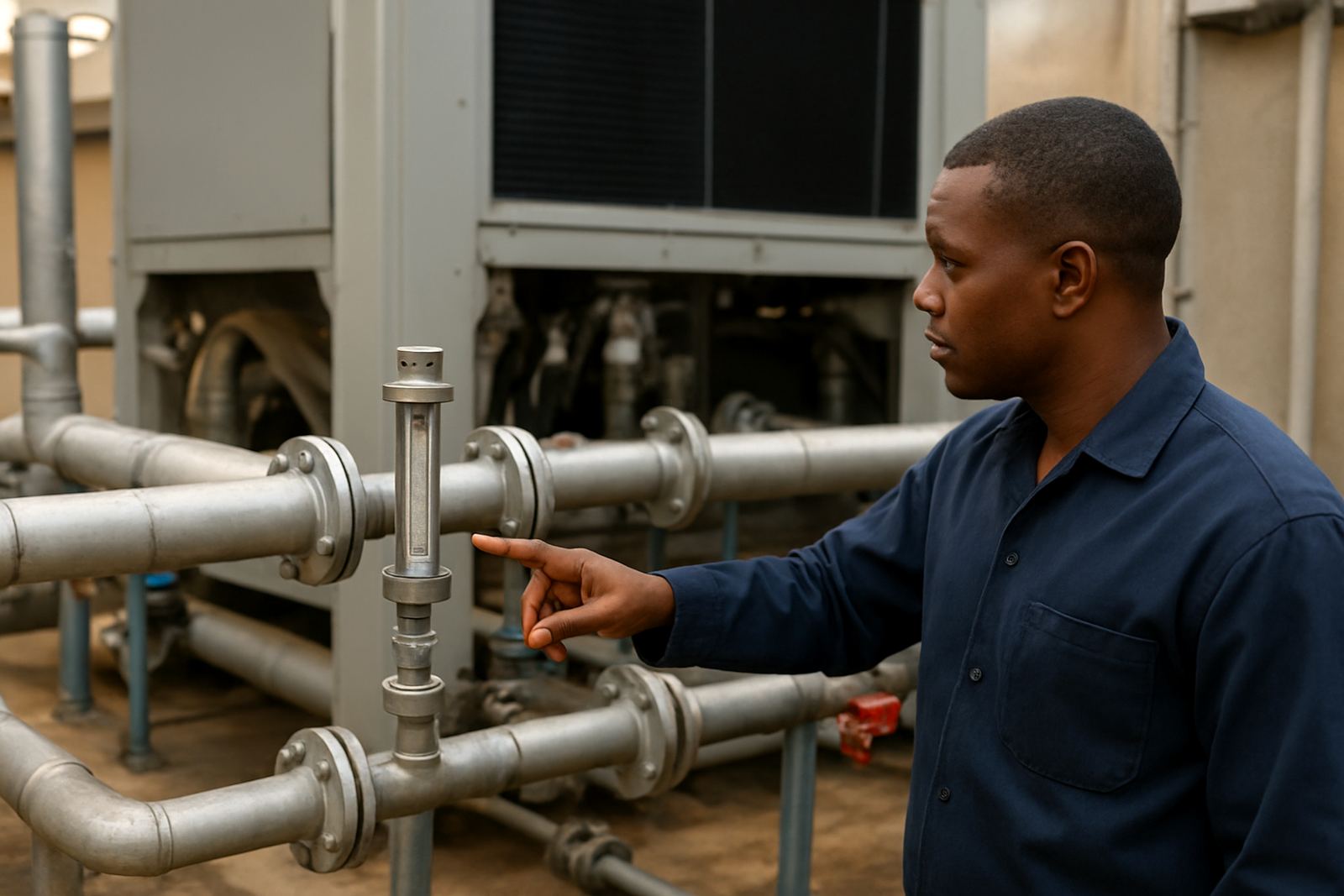
A proper cooling audit should check the water flow, return temperatures, ambient conditions, and any restrictions in the pipework. In some cases, the issue is not the chiller capacity alone. A blocked strainer, undersized line, fouled heat exchanger, or weak pump can make a good system look underpowered. It is worth checking the basics before ordering more capacity.
- Measure peak load, not only average load
- Check inlet and return water temperatures over a full shift
- Confirm flow rates through the actual pipe run
- Inspect strainers, valves and pump performance
- Note any heat from nearby ovens, compressors or motors
Matching cooling capacity to real operating swings
Once the load profile is clear, the equipment can be matched more sensibly. Some applications need a unit with a bit of reserve capacity for hot afternoons, seasonal peaks, or a second machine starting up. Others need better control rather than more size. A chiller with stable controls and the right pump arrangement can often hold temperature better than a larger unit that is badly matched to the duty.
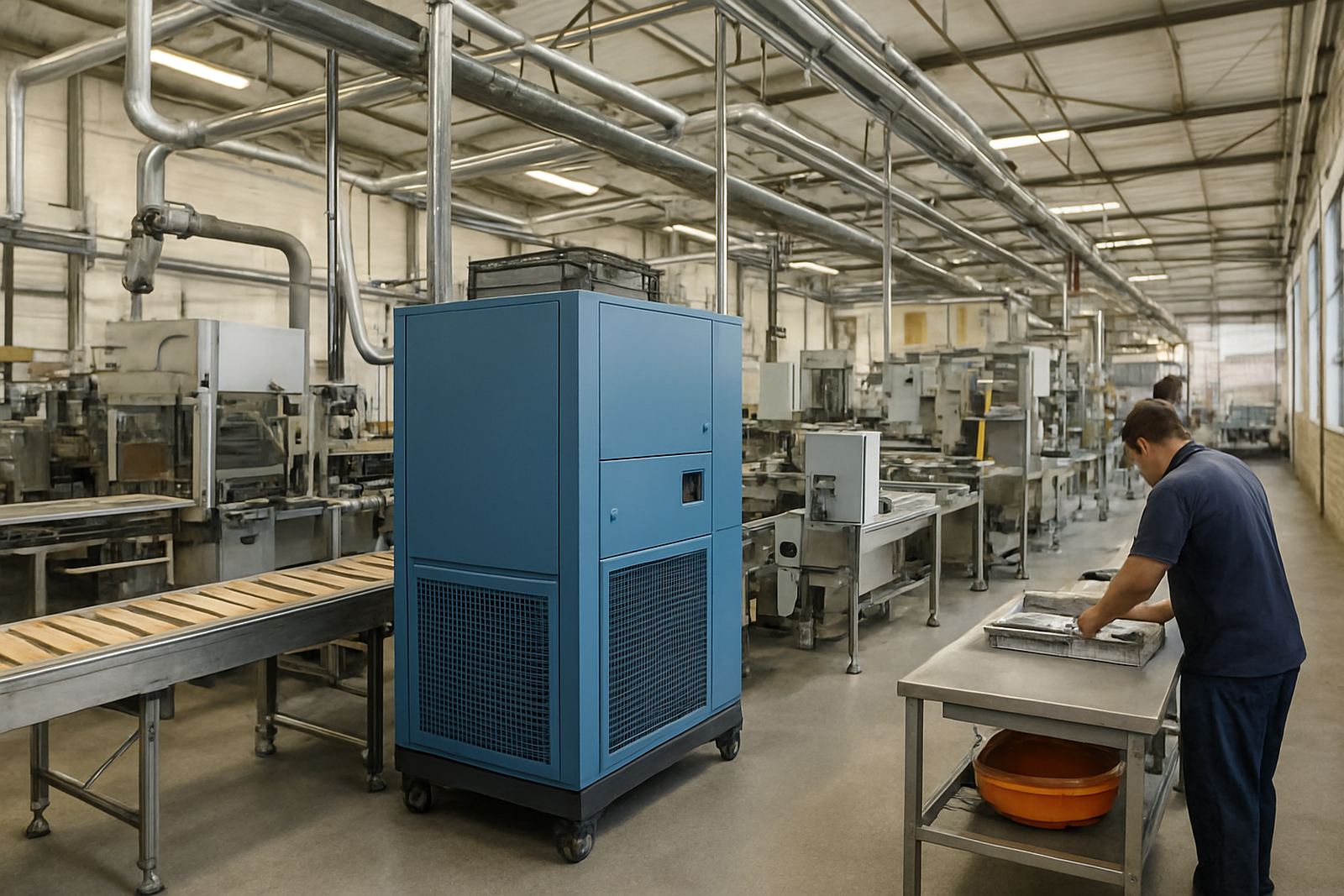
For laser systems, moulds and process lines, the goal is not just to cool water. It is to keep the supply temperature stable when the production load changes. That may mean staged capacity, better control logic, variable pump settings or a proper buffer arrangement. The right solution depends on the application and the way the site actually runs, not just the brochure figure. A system that is oversized can short cycle, while one that is too small will chase the setpoint and still miss it.
A local example from a changing production line
A fabrication client in Alberton was running laser work in the morning and heavier jobs later in the day. Their old cooling unit handled the light work well enough, but by mid afternoon the water temperature would creep up and the laser operator would slow the line to keep quality in spec. When the summer heat pushed up the ambient temperature, the problem became more visible and the temperatre drift led to repeated interruptions.
After assessing the load pattern, pipework and return temperatures, the cooling setup was adjusted to suit the real shift pattern. The result was steadier water temperature, less operator intervention and better cut consistency. The point was simple: the problem was not only the machine, it was the mismatch between the machine and the changing load.
Practical steps when your load is changing
If your output changes during the day, your cooling plan should change with it. A few practical checks can help you avoid temperature swings before they show up in production figures or maintenance calls. This is especially important where load shedding, hot weather or water quality issues can add more strain to the system.
- Review peak and minimum cooling demand for each shift
- Keep a record of temperature readings across the day
- Service the unit before summer, not after the first hot week
- Check water treatment, especially on open systems and coastal sites
- Plan backup cooling for critical processes during outages or maintenance
- Train operators to spot early signs of drift, alarms or low flow
For plants in Durban or Cape Town, humidity and salt air can add another layer of pressure on controls and components. In Rustenburg or Pretoria, dust and heat can do the same. Good maintenance helps, but good matching helps more.