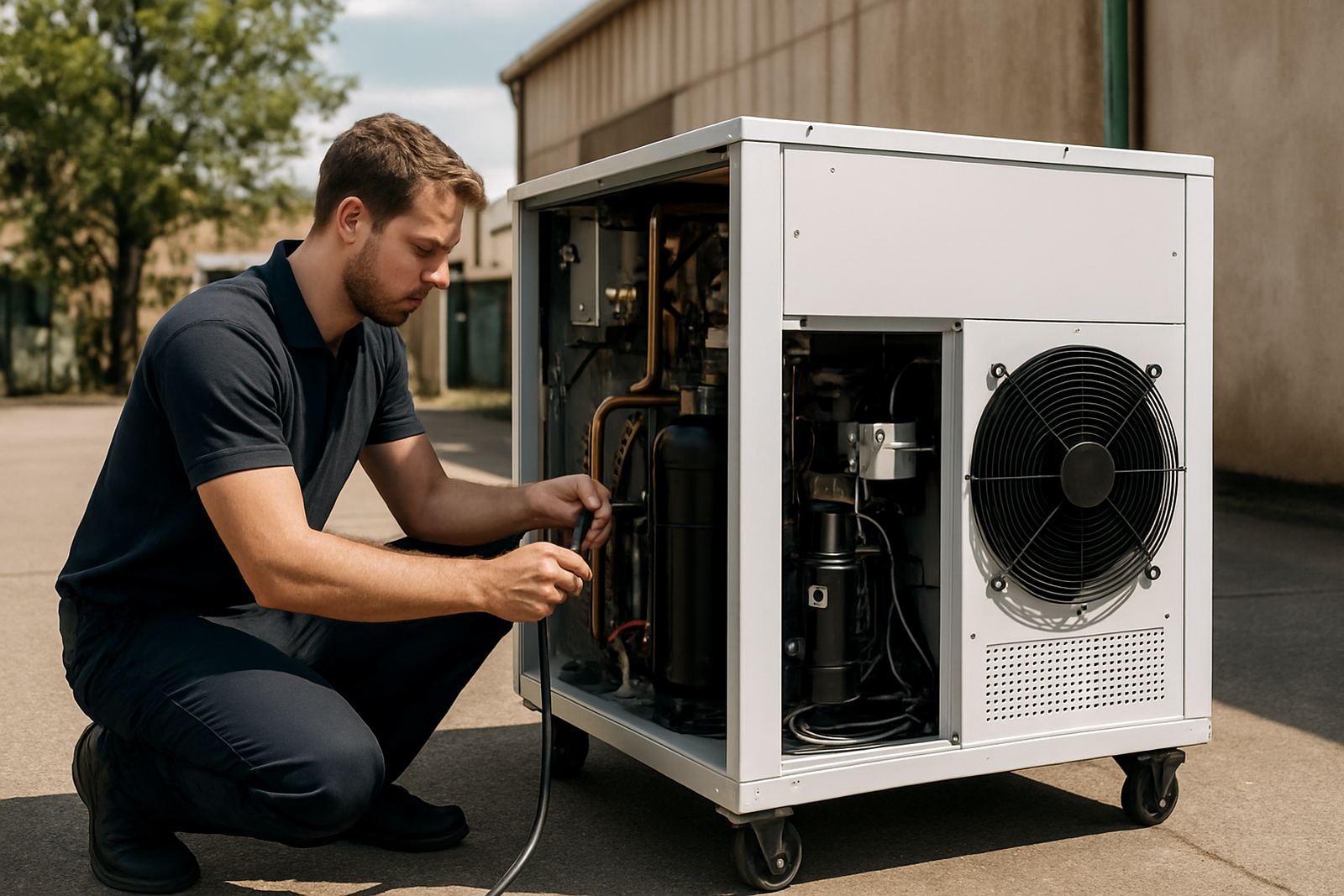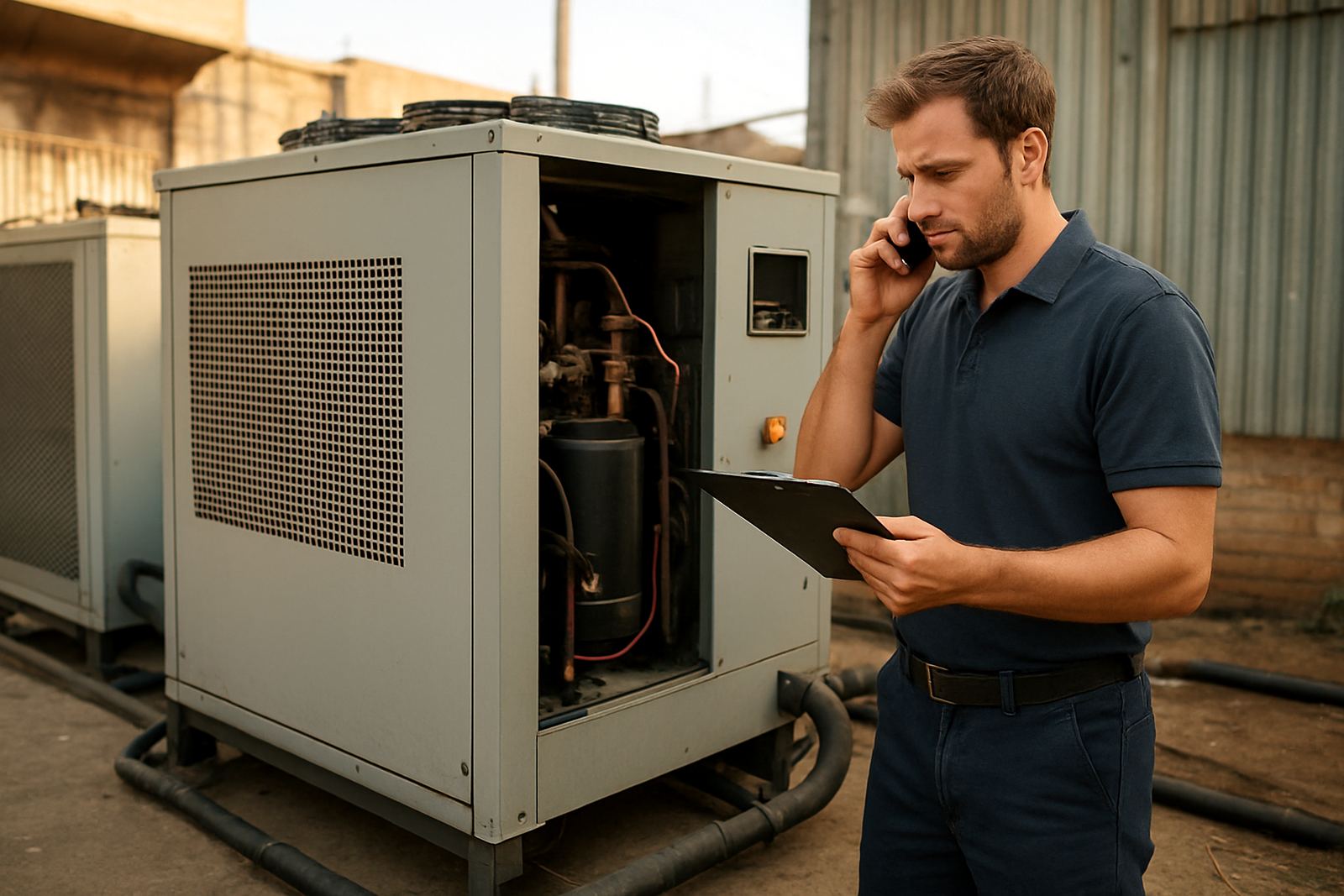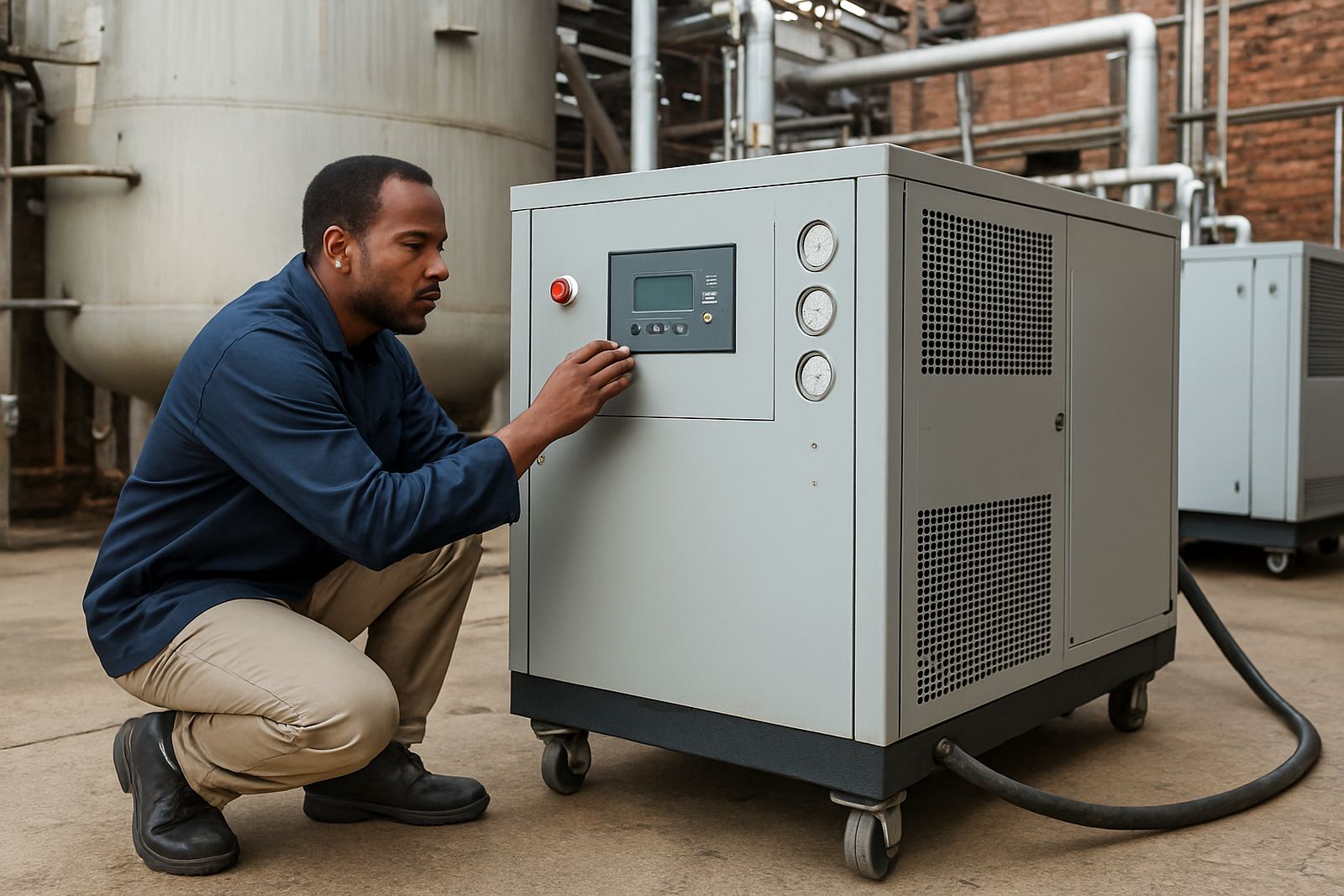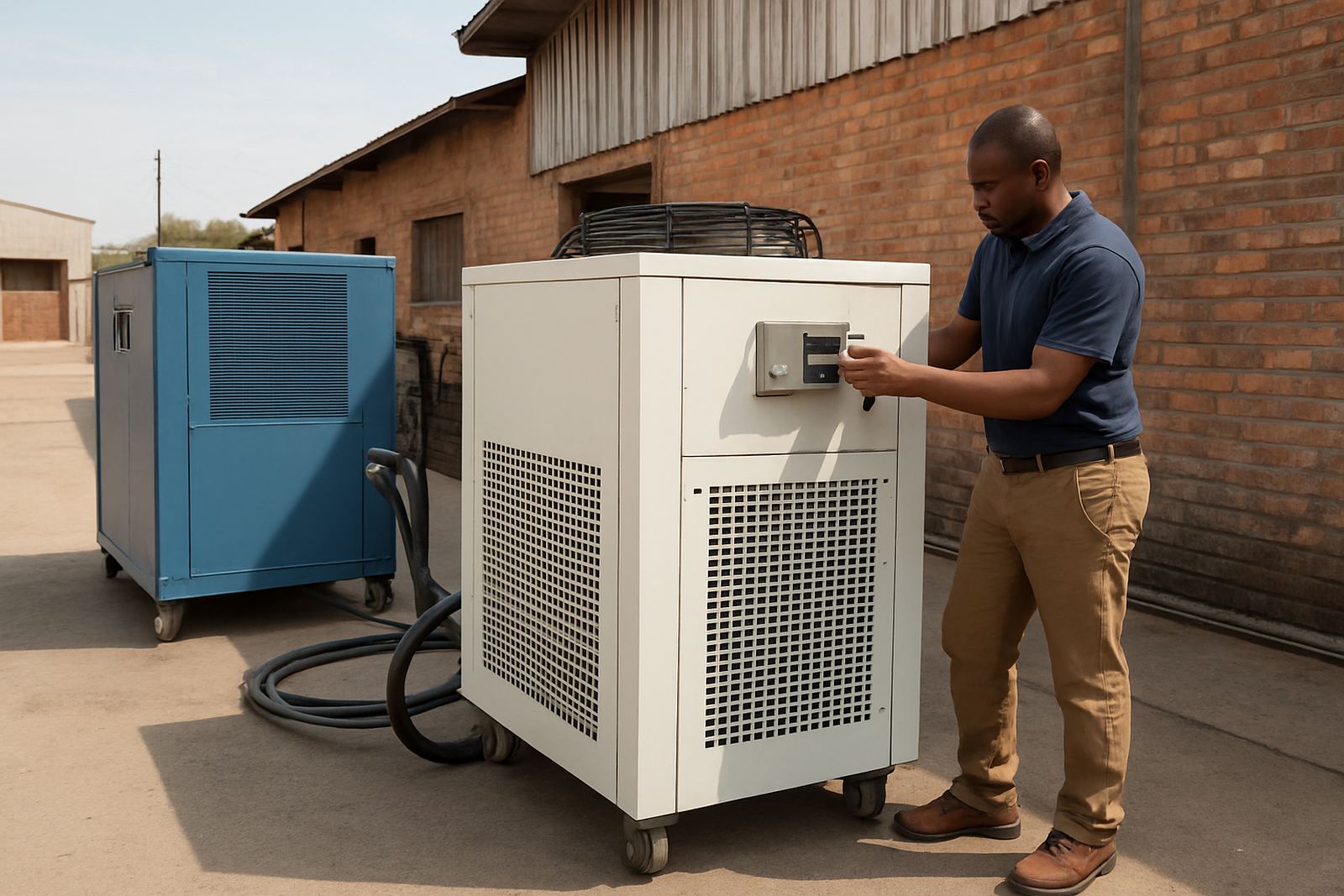
What to include in your quote request
The more detail you share, the quicker we can size the right unit and price the work properly. If you are replacing an old chiller, adding a new laser, or dealing with repeated overheating, include the basics upfront so we can avoid guesswork and unnecessary site visits.
Helpful details include the process type, the operating temperature you need, and whether the system must run through load-shedding. Coastal sites may also need extra attention for humidity and corrosion, while inland plants often face dust, heat and power fluctuations. If you are unsure, that is fine, give us what you have and we will work from there.
- Site location and area, such as Alberton, Germiston, Boksburg or Pretoria
- Equipment type: laser, mould, process line or general plant cooling
- Current issues: high temperature alarms, low flow, leaks or poor cooling
- Preferred timing for installation, service or emergency support
- Any photos, nameplates, drawings or existing setpoint information
How we handle pricing for chillers and support work
We quote according to the size of the duty, the condition of the existing system, and the work needed on site. A straight replacement is priced differently to a full retrofit with new pipework, controls and water treatment checks, so the details matter.
For temporary cooling, we also look at the period of use, how the unit will connect into your process, and whether backup arrangements are needed during maintenance shut-downs. If you need a fast answer for a production line, we will tell you what is possible and where the main cost drivers sit.
- New chiller supply and installation
- Temporary cooling for planned shutdowns or breakdowns
- Control panel upgrades and refrigeration repairs
- Pump replacements and pipework retrofits
- Cooling audits and preventative maintenance plans
Step-by-step: from enquiry to site support
Once your enquiry comes through the contact form, our team reviews the application and checks whether we can work from the information provided or if a site assessment is needed. For many requests, we can prepare a practical quote quite quickly, especially where the duty is clear and the equipment details are complete.
From there, we confirm the scope, schedule, and any access needs such as working after hours or over a weekend. If a project involves multiple machines or a phased changeover, we map the sequence so your production is not left exposed. It is a simple process, but it saves time and avoids costly rework.
- Send your enquiry with the site and process details
- We review the request and assess the cooling duty
- We provide pricing and scope clarification if needed
- Work is scheduled for installation, repair or commissioning
- We hand over with testing, checks and operator guidance
When temporary cooling makes sense
Temporary cooling is useful when a breakdown happens, when a plant is being upgraded, or when you need to bridge a gap while waiting for permanent equipment. It can keep production going during repairs, hot weather spikes, or a planned shutdown where the existing unit cannot stay online.
In places like Durban or other coastal sites, extra care may be needed for airflow, salts and corrosion. In Gauteng, power interruptions and summer heat can push systems harder than expected. A temporary unit is often the quickest way to protect moulds, lasers and process lines while the main solution is being sorted.
If the site has limited floor space or tricky access, mention that in your request. That helps us plan the connection points and avoid delays on delivery day.
Why plants ask us for cooling upgrades
Not every problem needs a full replacement. Sometimes the better answer is a control panel upgrade, a pump change, or a pipework retrofit that improves flow and temperature stability without disrupting the entire operation. We also carry out water treatment checks where scaling or contamination is affecting performance.
Many customers come to us after repeated breakdowns, nuisance alarms or uneven cooling on the same machine. In those cases, a cooling audit can show whether the issue is capacity, maintenance, water quality, or a control problem. That gives you a clear path forward and avoids wasting money on the wrong fix.
- Older system with rising running costs
- Repeated trips, alarms or compressor wear
- Need to support new production equipment
- Uneven cooling across multiple machines
- Need for better uptime during load-shedding
Where we work and who you will deal with
Raynen operates from Alrode, Alberton and supports customers across South Africa through our service areas in Alberton, Johannesburg, Pretoria, Durban, Cape Town, Rustenburg, Germiston and Boksburg. If your plant is in a nearby industrial zone, include the full address and access details so we can plan properly.
Your enquiry is handled by a practical team that knows the work on the floor. Riaan van der Merwe oversees the business, while Lerato Mokoena, Sibusiso Dlamini, Anika Naidoo, Pieter Joubert, Nomsa Khumalo and Thabo Maseko support operations, service, projects, technical sales, customer care and workshop work. That means your request does not get lost in a long chain, and you get a clear answer from people who understand the equipment.