Build the plan around your process, not just the calendar
The first step is to match the service schedule to how your cooling system is used. A laser line running through long production shifts has different needs from a moulding operation with stops and starts, and a process line in Durban near the coast faces different wear to a plant in Gauteng. We look at duty hours, heat load, water quality, dust, vibration, ambient temperature and whether the site is affected by load-shedding or unstable supply.
That is how we decide what should be checked monthly, quarterly or at a longer interval. Some sites need more frequent water treatment checks and filter attention, while others need tighter monitoring on refrigeration performance and pump condition. The point is to prevent avoidable breakdowns and keep temperature control within spec.
What is included in a practical maintenance plan
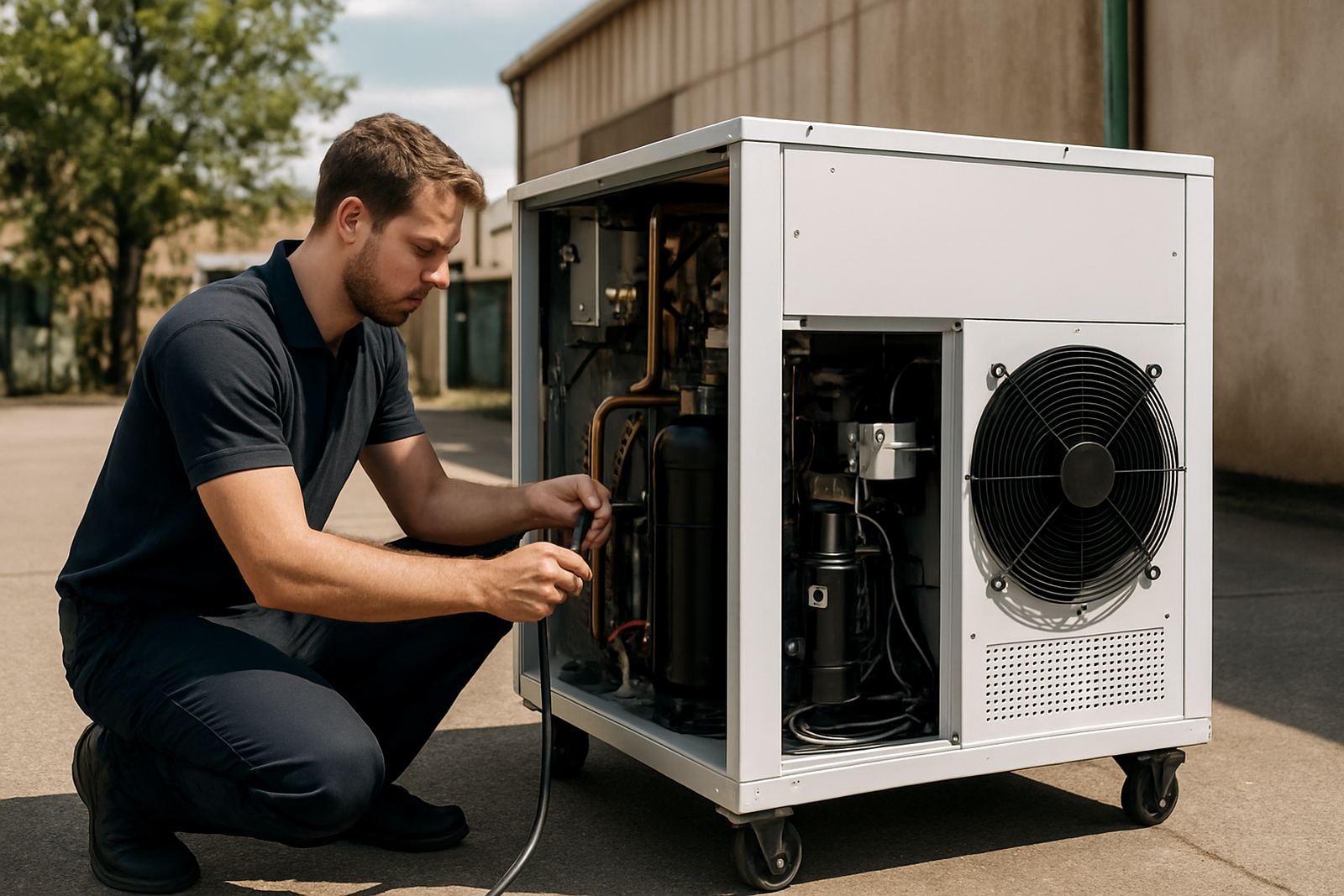
A proper plan should cover the whole chiller system, not only the obvious parts. That includes mechanical wear, refrigeration performance, electrical controls and water side condition. For most sites, the following items are built into the schedule:
- Visual inspections of the chiller, pipework and insulation
- Cleaning and checking of coils, strainers and filters
- Water treatment checks to reduce scale, corrosion and blockages
- Pressure, temperature and flow verification
- Inspection of pumps, valves and hoses
- Control panel checks and alarm review
- Refrigeration checks for performance drift or refrigerant loss
- Basic recommendations for operator action between visits
Where needed, we also include pump replacements, control panel upgrades, pipework retrofits and temporary cooling planning so the site is not caught out during repairs or planned shutdowns.
Choose the right service interval for your plant
Not every business needs the same visit pattern. A high-value production line with little tolerance for stoppages may need a tighter service plan than a workshop with back-up capacity. The right interval depends on how much downtime you can absorb and how quickly a cooling fault would affect product quality or machine life.
We usually group plans by operating risk and hours, then adjust for the site itself. For example, a plant in Rustenburg with dust and heat may need different attention to a Cape Town site with coastal humidity. If your equipment runs for long hours, or if a process cannot safely continue without chilled water, the plan should be more frequent and more detailed. That simple step saves money over time because it catches wear before it becomes a breakdown.
How maintenance helps during load-shedding and seasonal changes
South African conditions can change fast. Summer heat places extra strain on condensers and pumps, while load-shedding can cause short cycling, restart issues and pressure fluctuations. A maintenance plan should allow for these realities, especially where equipment is supporting lasers or moulding tools that are sensitive to temperature drift.
We include checks that reduce the risk of nuisance trips and poor start-up after outages. Where a site has repeated power interruptions, we can advise on temporary cooling, staged restart procedures and simple controls that help the system recover more safely. That gives your operators a clear process instead of guessing when the power comes back on.
On-site inspection, findings and clear action steps
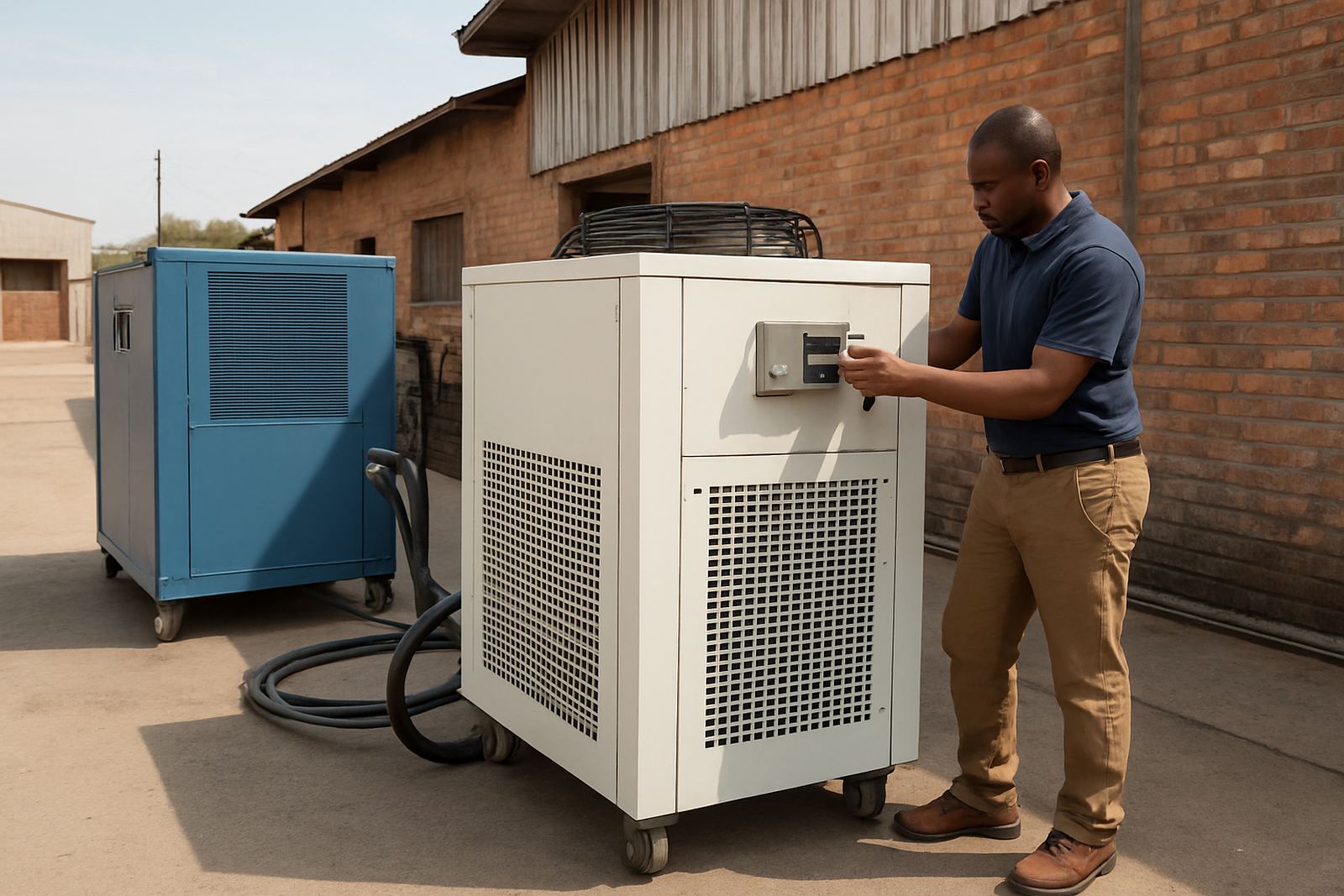
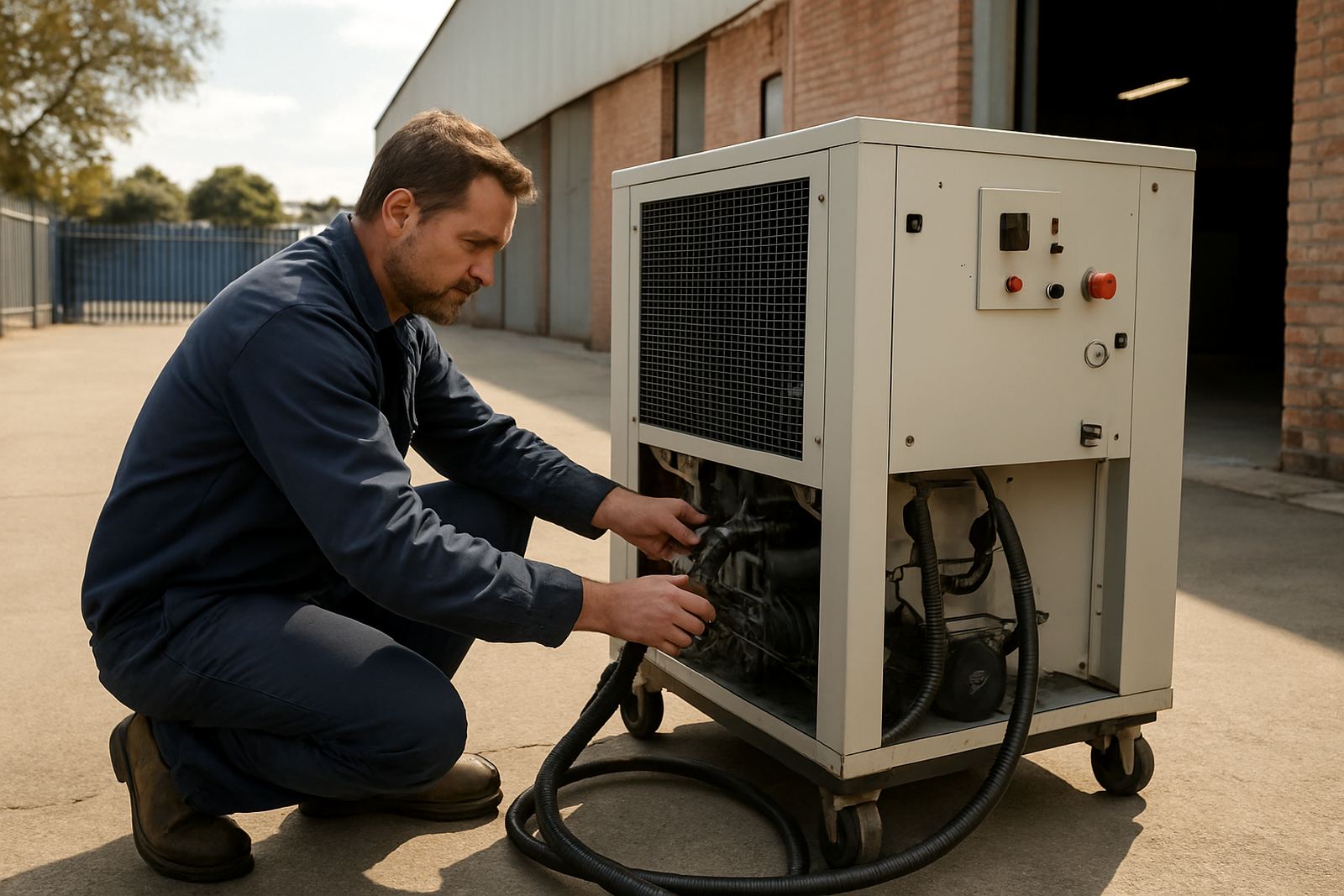
Each visit should end with plain findings, not vague comments. We inspect the system, record the readings and note any parts that need attention soon or immediately. If we find a water quality problem, a pump issue or signs of refrigerant trouble, you get a clear recommendation on what must be done and in what order.
Typical action steps after an inspection include:
- Keep running with monitoring only
- Schedule a repair during a planned stop
- Replace a worn part before it fails
- Adjust the service interval because site conditions have changed
This keeps maintenance practical for the production manager and the maintenance team, rather than adding extra admin.
Support for breakdowns, repairs and planned shutdowns
A maintenance plan should work alongside breakdown support, not replace it. If a fault appears between visits, the service record helps our technicians move faster because they can see the history of readings, past repairs and known weak points. That is especially useful on older chillers, or where the system has been altered over time.
During planned shutdowns, we can combine preventative maintenance with refrigeration repairs, control panel upgrades, pipework retrofits or commissioning checks after the work is done. If your site needs temporary cooling while repairs are carried out, we can also assist with a practical short-term arrangement so production does not stop completely.
How to get a plan that fits your site
Start by telling us what the chiller supports, how many hours it runs and what conditions the unit works in. We also need to know whether the site is in Alberton, Johannesburg, Pretoria, Durban, Cape Town, Rustenburg or another part of South Africa, because local conditions affect service planning. From there, we shape a maintenance plan around your operation and agree what gets checked, when and why.
If you are managing more than one site, we can keep the schedule consistent across branches while still allowing for local differences. That is helpful for businesses with equipment in Germiston, Boksburg or other industrial areas where access, shift patterns and site rules may differ. The result is a plan that is easier to manage and more likely to keep your cooling plant in good condition year round.