Where Temperature Drift Hurts Rubber Output
In rubber processing, small temperature changes can affect batch consistency, surface finish and cycle time. If cooling water runs too warm, moulds hold heat for longer, compounds can behave unevenly and downstream handling becomes less predictable. That is why many plants in Alberton, Germiston, Boksburg and Johannesburg specify dedicated chillers instead of relying on municipal water alone.
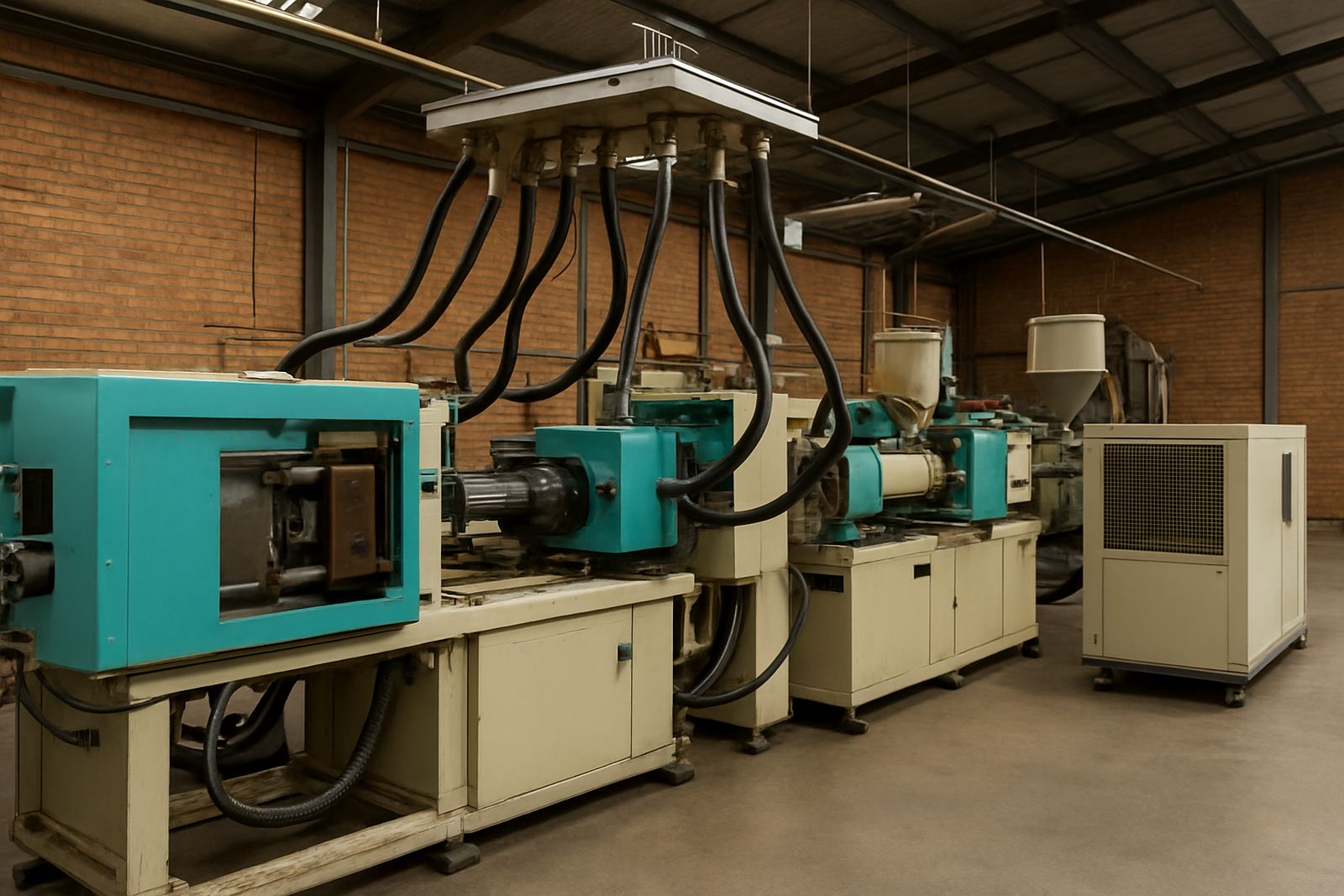
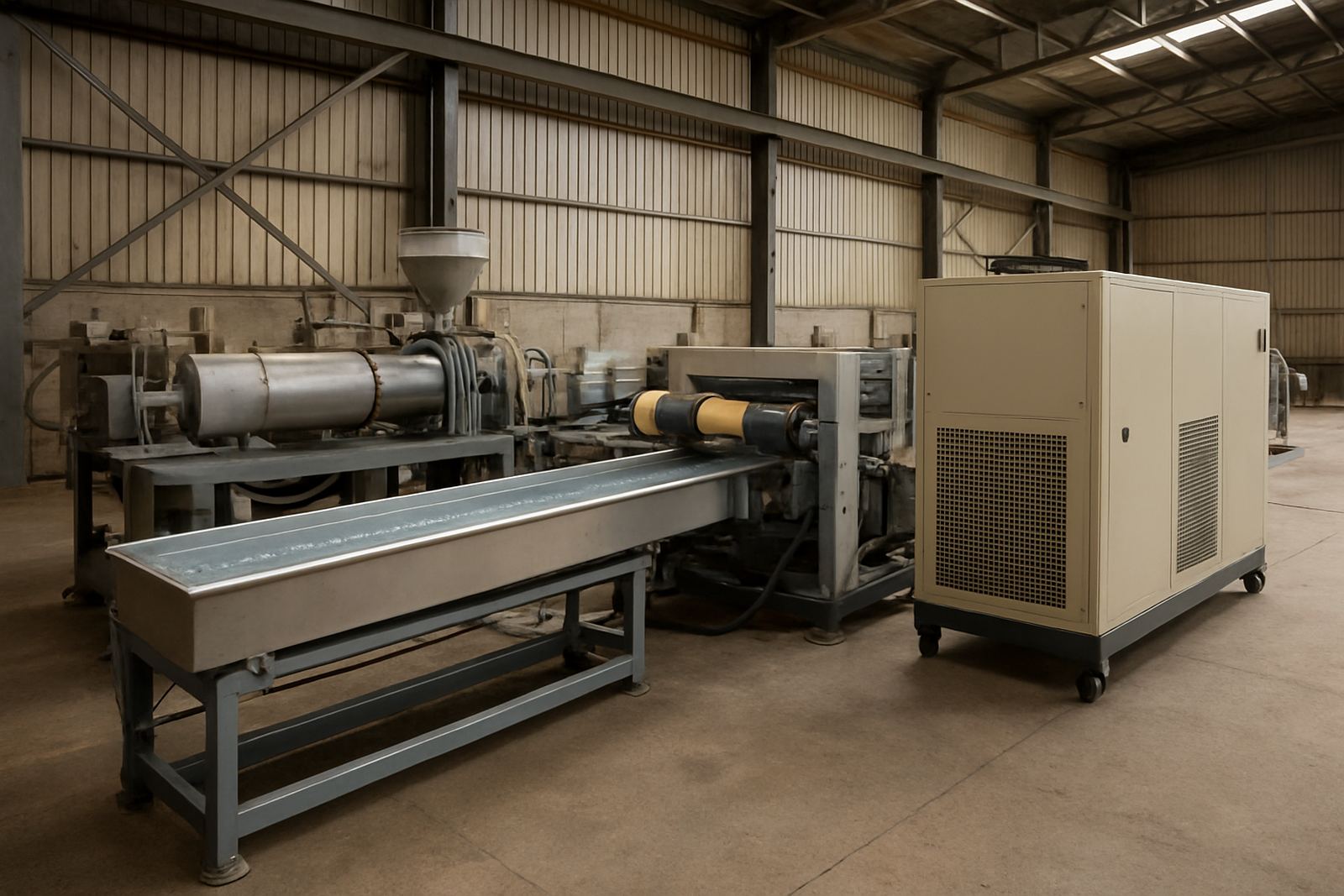
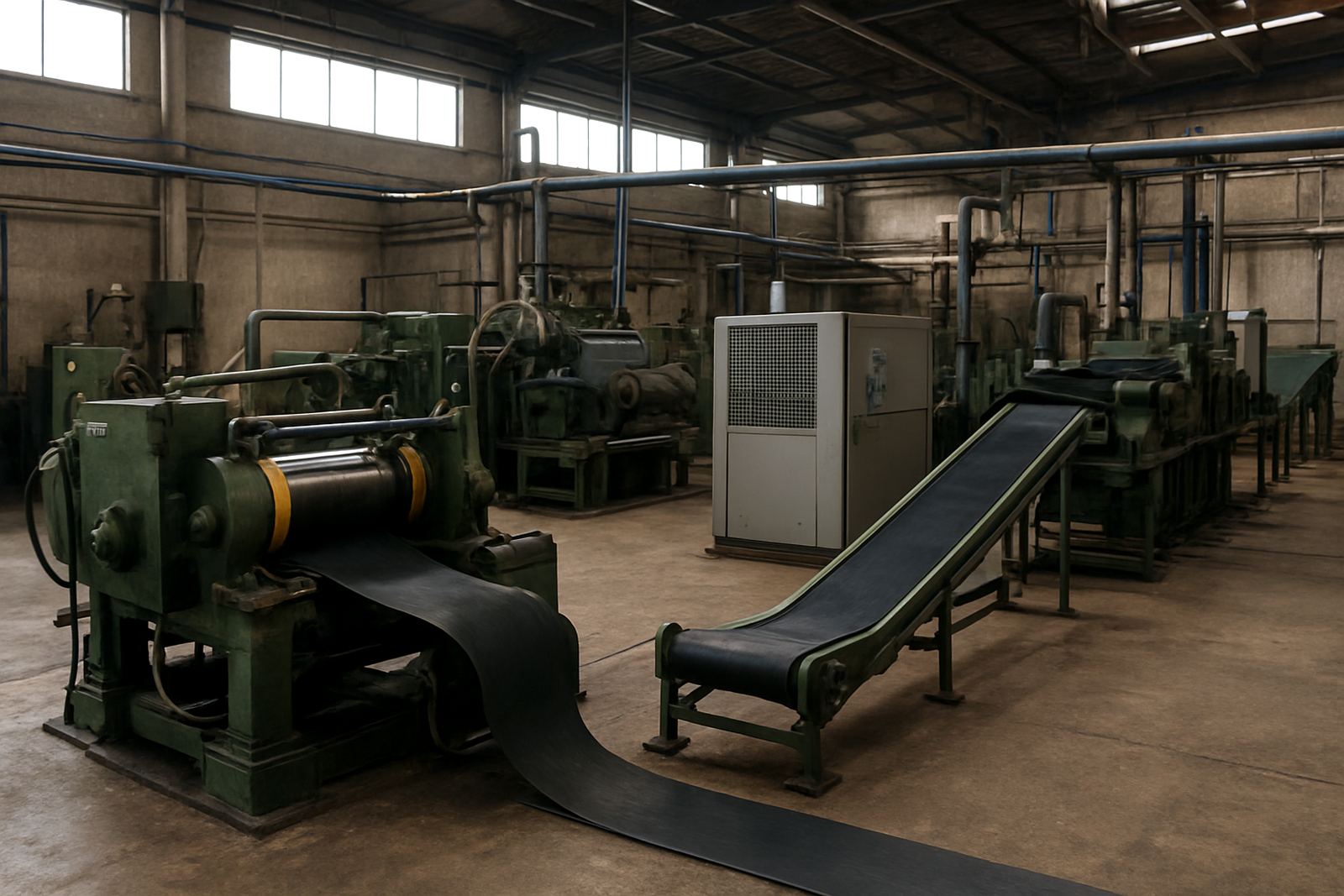
We work with rubber operations that need dependable cooling for moulding lines, extruders, mixers, calenders and process lines. The aim is simple: keep temperatures where they should be so operators can repeat the same result shift after shift, even during summer heat or load shedding recovery periods. For sites close to the coast in Durban or Cape Town, we also plan for humidity and salt air that can affect electrical gear and condenser performance.
Where cooling is not stable, the plant usually pays for it somewhere else, through rejected product, slower cycle times or extra wear on pumps and seals.
Typical Chillers And Cooling Equipment For Rubber Lines
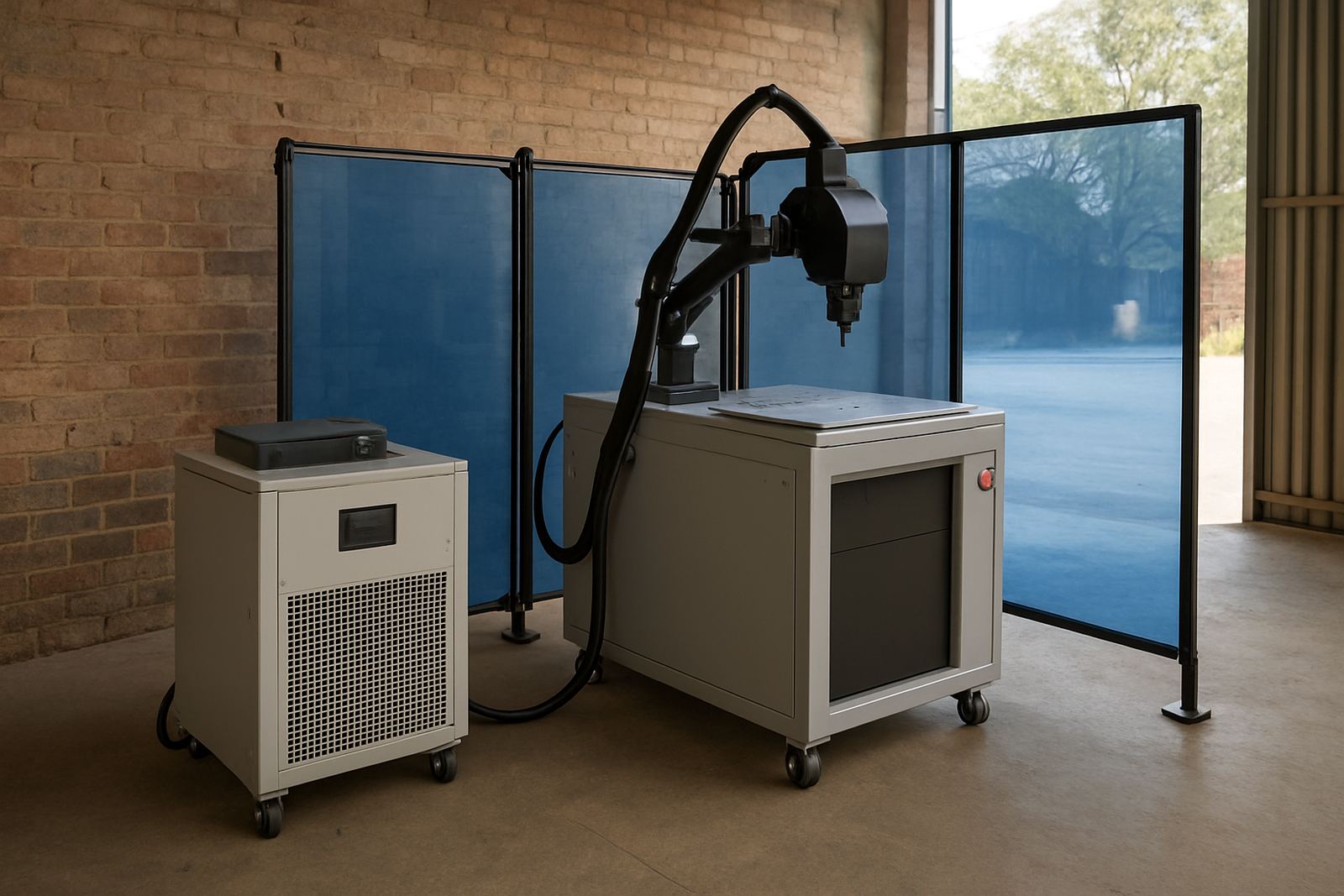
The exact package depends on line size, process temperature and how many points need cooling at once. For many rubber plants, the setup includes a packaged industrial water chiller, a buffer tank, circulation pumps, strainers, temperature controls and insulated pipework. On larger sites we often add duty standby pumping, flow switches and monitoring for critical machines.
- Air cooled chillers for plants where cooling towers are not practical
- Water cooled units where higher duty and stable ambient conditions suit the site
- Pump sets matched to line pressure and pipe length
- Buffer tanks to reduce short cycling and improve temperature stability
- Water treatment checks to limit scale, algae and blocked passages
Some rubber processors need temporary cooling during a breakdown or a line changeover. In those cases a rental or temporary unit can keep production moving while permanent repairs are completed. On older plants, we often find that the best result comes from replacing worn pumps and cleaning up pipework rather than upsizing the chiller first.
Planning The Layout Before You Buy
A good cooling system starts with the layout, not the equipment badge. We look at distance from the chiller to the process, elevation changes, expected heat load and where operators need access for cleaning and maintenance. In a tight workshop in Alberton or Germiston, a compact footprint matters. On a larger site in Pretoria or Rustenburg, separation between hot process areas and the cooler plant room can improve service life.
When planning a rubber line, it helps to keep pipe runs short and straight where possible, with proper isolation valves and enough space around the chiller for airflow and servicing. If the installation sits outdoors, the plant needs weather protection and attention to drainage. If it sits indoors, check ventilation, floor loading and how the equipment will be moved in for future maintenance.
- Allow for access panels, filters and pump removal without shutting the whole line down
- Plan spare capacity if production is likely to grow within 12 to 24 months
- Keep controls visible and easy for operators to read during shift handovers
- Check whether the plant can tolerate a short water interruption during municipal issues
Common Mistakes We See On Rubber Sites
The biggest mistake is matching the chiller to the machine nameplate only, without checking actual process demand. Another common issue is poor water quality. Scale inside heat exchangers reduces cooling performance and can push compressors harder than they should work. In coastal plants, corrosion can show up earlier if pipework, fittings and panels are not suited to the environment.
We also see undersized pumps, no buffer volume, and control settings that are left untouched after the first commissioning. That leads to cycling, temperature swings and complaints from production teams. Another problem is placing the unit where hot exhaust air gets pulled straight back into the condenser. That can happen in a cramped yard or next to other plant equipment and it wastes power.
For rubber processing, operator training matters too. If the team does not know the warning signs, a small issue with flow, strainers or alarm limits can become a full breakdown by the next shift.
Budget Ranges For Rubber Cooling Projects
Budget depends on cooling capacity, whether the system is new or a retrofit, and how much pipework, controls and civil work are needed. For smaller rubber process lines, a basic chiller installation can start from around R180 000 to R350 000. Mid sized systems with buffer tanks, better controls and longer pipe runs often land between R350 000 and R750 000.
For larger multi point rubber plants, especially where several moulding or extrusion stations need simultaneous cooling, budgets can move from R750 000 to well above R1.5 million. Temporary cooling, breakdown support and pump replacements are usually quoted separately based on site conditions. If a control panel upgrade or refrigeration repair is needed at the same time, it may be more cost effective to do the work together instead of returning twice.
A proper site assessment usually gives the clearest picture. It helps avoid buying too small a system, or overspending on capacity that the line will never use.
How Raynen Supports Rubber Processors Nationwide
Raynen is based in Alrode, Alberton and supports rubber processing plants across Johannesburg, Pretoria, Durban, Cape Town and Rustenburg. Our team handles installation, commissioning, preventative maintenance, breakdown repairs, refrigeration repairs, pump replacements, pipework retrofits, control panel upgrades, cooling audits, temporary cooling and operator training. That gives plant managers one contact point for both new systems and ongoing upkeep.
Our team includes Riaan van der Merwe, Lerato Mokoena, Sibusiso Dlamini, Anika Naidoo, Pieter Joubert, Nomsa Khumalo and Thabo Maseko. We work with clients who need clear advice, practical support and fast service when a line stops cooling properly. If you need a chiller for moulds, extrusion or process water, use the enquiry form on our contact page and we will take it from there.
- Alberton Depot and Germiston Service for East Rand plants
- Johannesburg Service and Boksburg Service for central Gauteng support
- Pretoria Service for northern Gauteng sites
- Durban Service, Cape Town Service and Rustenburg Service for regional coverage