Why Stable Mould Cooling Matters on the Shop Floor
In plastic moulding, uneven cooling shows up quickly as sink marks, warped parts, flash, poor surface finish, or a cycle time that keeps drifting. If the mould temperature moves around, the press may still run, but your repeatability suffers and you end up chasing quality problems at the machine.
For many South African moulders, the pressure comes from both ends: clients want shorter lead times and lower unit cost, while power cuts, summer heat and high ambient temperatures in places like Alberton, Durban and Boksburg make heat rejection harder. A correctly sized chiller helps keep the mould water where it should be, even when the workshop is busy and the weather is not helping.
Raynen works with moulding operations that need consistent process water for injection moulding, blow moulding and extrusion support systems. The goal is simple, steady cooling so the press operator can hold settings and the quality team can trust the result.
Typical Cooling Setups for Moulding Lines
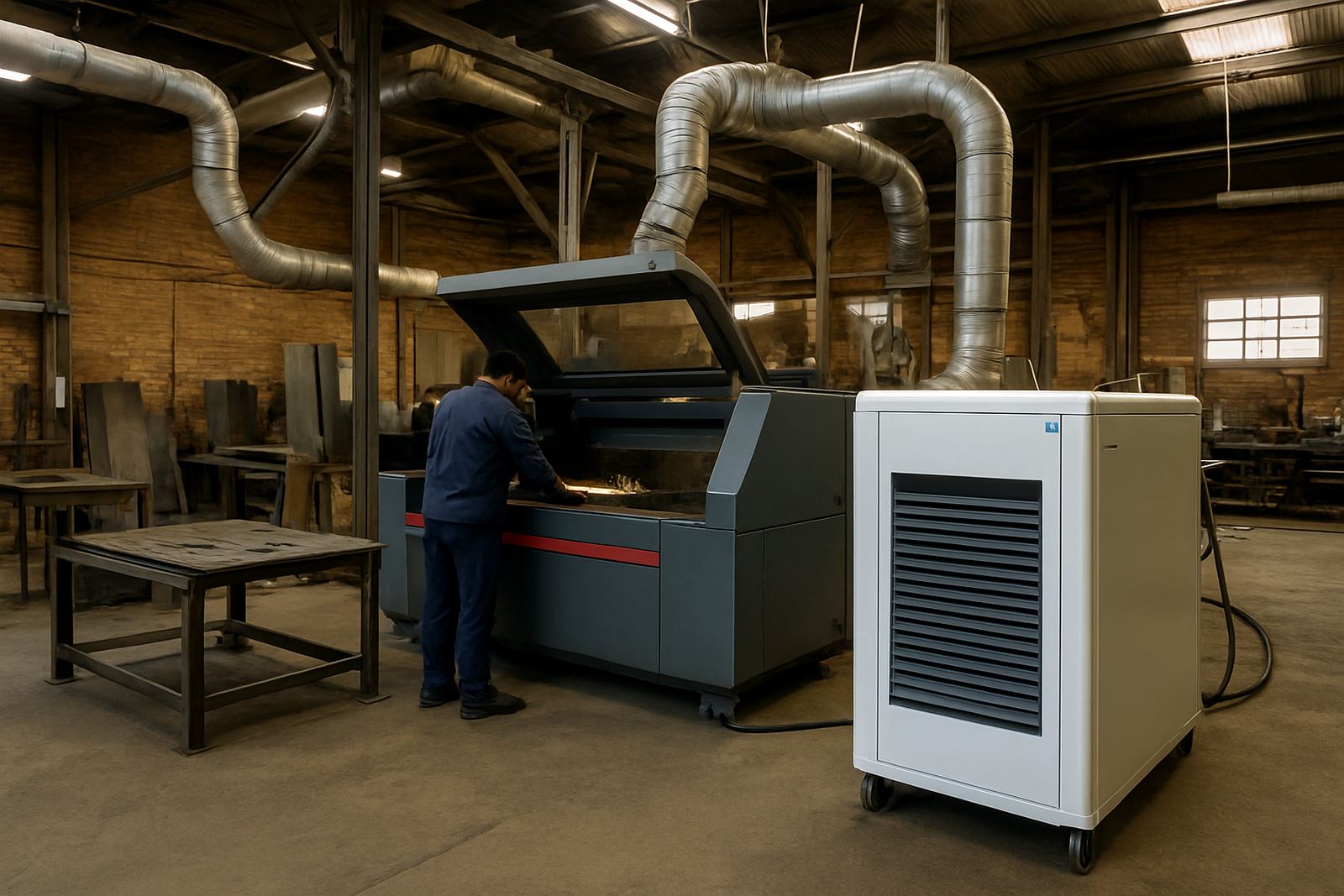
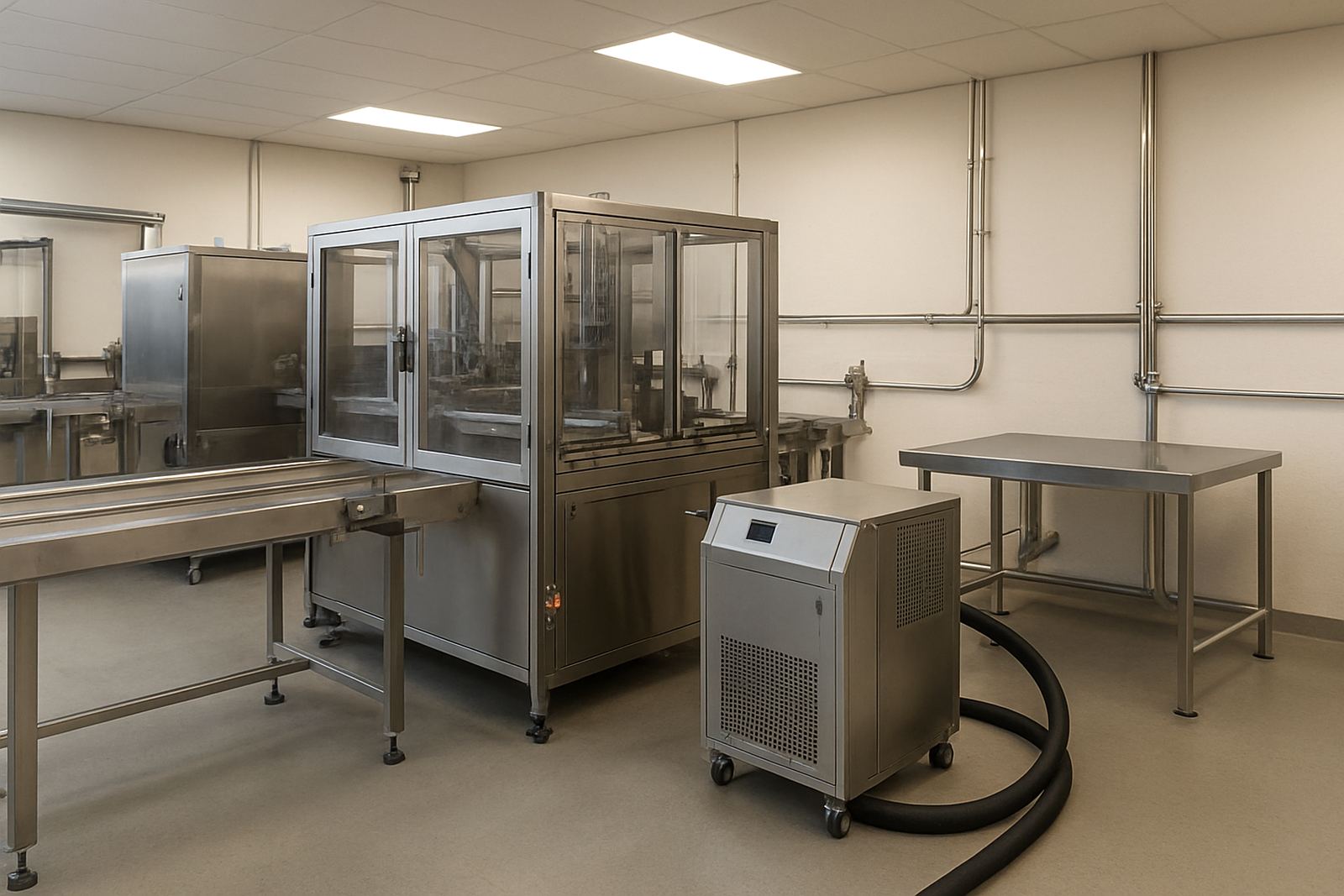
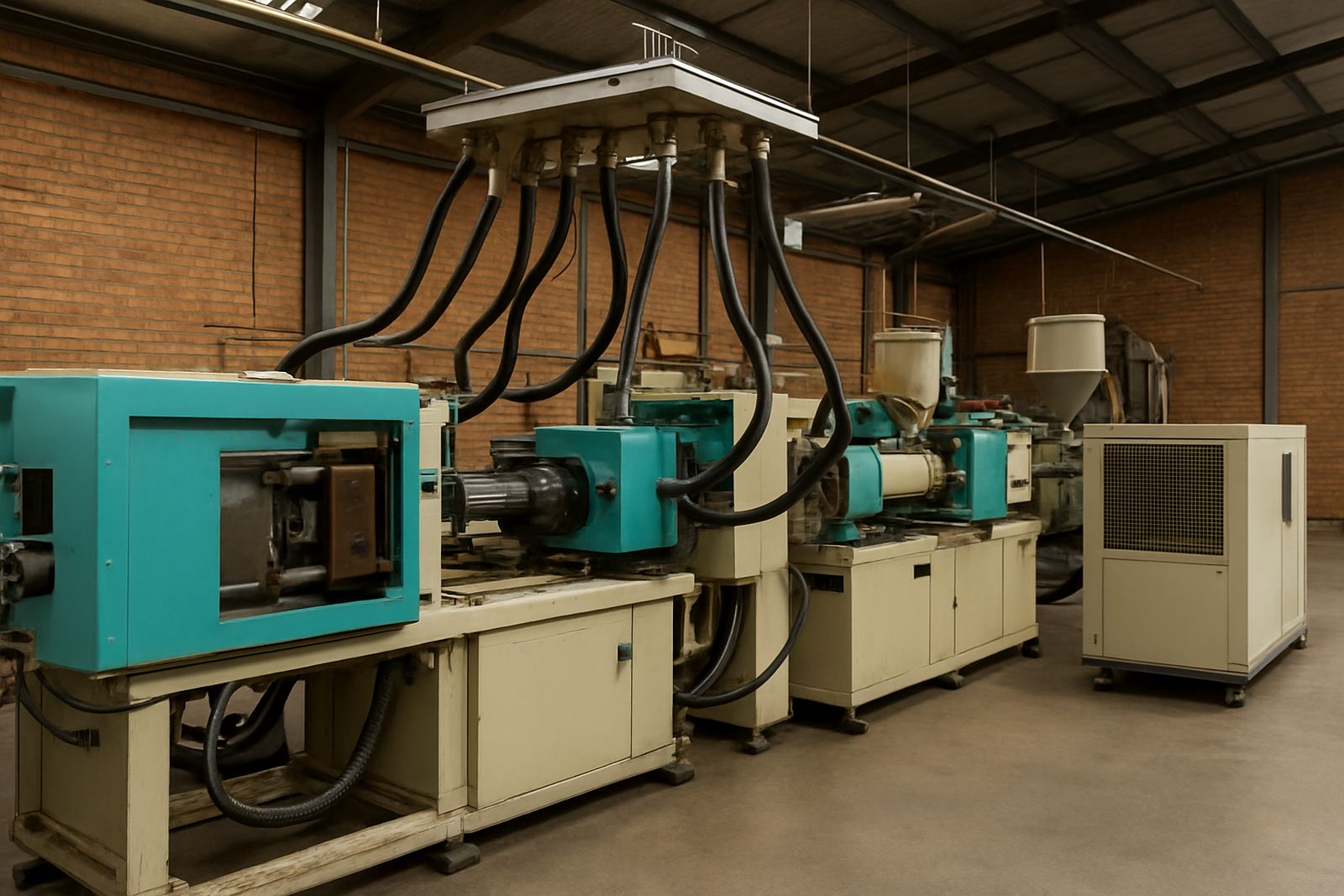
Most moulding plants use more than one cooling point. A single chiller may feed a header tank, mould manifolds, plate heat exchangers or a dedicated loop for one large tool. In many cases the right answer is not one oversized unit, but a proper layout with the correct flow, filtration and temperature control for each zone.
- Air-cooled chillers for sites with limited water supply or where a cooling tower is not practical.
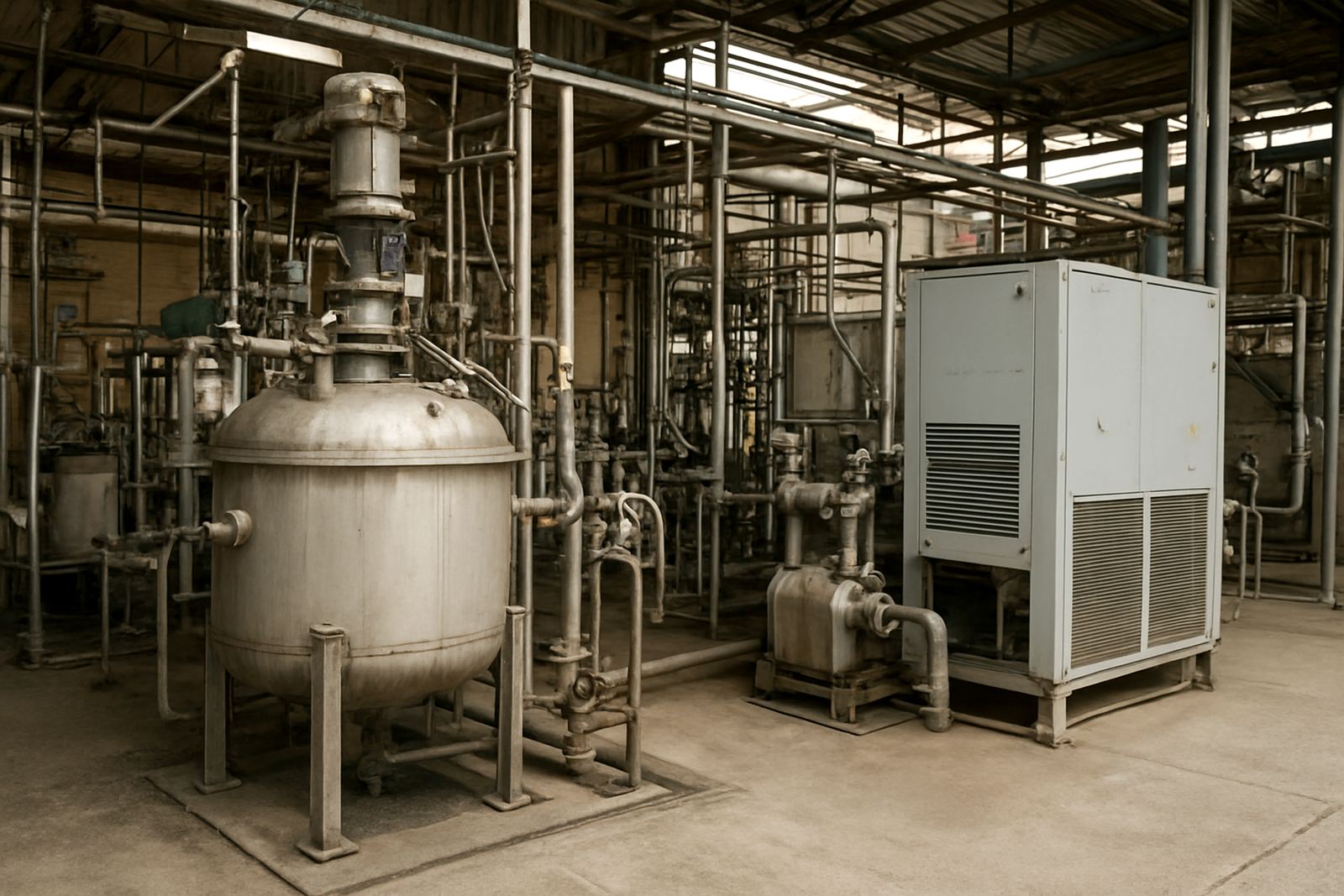
- Water-cooled systems for larger plants with the space and services to support them.
- Buffer tanks to stop short cycling and smooth out load changes between mould changes.
- Pump sets matched to pipe length, elevation and manifold demand.
- Strainers and water treatment checks to reduce scale, rust and blocked channels.
On many moulding sites, the chiller is only part of the picture. Pipework, return water temperature, mould hose condition and the cleanliness of the mould channels all affect the result. If the loop is badly balanced, the machine may look fine on paper but still struggle at the tool.
Planning the Layout Before You Order Equipment
Good planning starts with the moulds, not the chiller. The number of cavities, cycle time, polymer type, mould steel, and the amount of heat pulled out per cycle all influence the duty. A small packaging mould has a very different cooling profile from a large technical component mould, so one-size-fits-all sizing is risky.
Raynen advises clients to check the actual operating conditions on site before final sizing. That includes summer ambient temperature, available floor space, roof ventilation, water quality and whether the plant will need temporary cooling during maintenance shutdowns. In coastal areas like Durban or Cape Town, corrosion and humidity need extra attention. In the Gauteng belt, dust and load-shedding planning matter more, especially where production cannot stop for long.
When you plan the layout, leave enough access for filter cleaning, pump servicing and panel checks. If a unit is wedged against a wall or parked behind stored pallets, routine maintenance gets skipped and failures follow.
- Keep service access clear on all sides where possible.
- Allow for hose routing that avoids kinks and hot surfaces.
- Fit isolation valves so one machine can be worked on without shutting the whole line.
- Plan for drain points, overflows and safe water disposal in line with site rules.
Common Mistakes That Cost Time and Money
One of the most common errors is undersizing the chiller because the mould ran well in winter, then falling short in January when ambient temperatures rise. Another is treating the machine as a standalone item and ignoring the rest of the cooling circuit. A chiller cannot compensate for blocked mould galleries, undersized pumps or poor water treatment.
Some plants also overlook backup planning. If power fails during a production run and restart is slow, mould temperatures can drift far enough to spoil the batch. In these cases temporary cooling, correctly specified controls and a proper restart procedure make a real difference. The same applies to ageing control panels, where tired contactors or damaged sensors cause nuisance trips that are hard to trace.
We also see problems where operators top up with untreated water from whatever source is available on site. That may get production going today, but scale and corrosion show up later, especially in hard-water areas or where municipal supply quality changes.
Service Work That Keeps the Line Running
Raynen supports moulding customers with chiller installation, system commissioning, preventative maintenance and breakdown repairs. We also handle refrigeration repairs, pump replacements, control panel upgrades, pipework retrofits, cooling audits and operator training. Where needed, we can arrange temporary cooling during shutdowns or during a major repair, which is often the difference between meeting a dispatch date and losing a week of output.
For a moulding plant, maintenance should not be limited to cleaning coils. Filters need checking, water quality needs monitoring, pumps need load testing and setpoints should be verified against actual process demand. A plant in Germiston with older pipework may need different attention from a newer site in Pretoria. The maintenance plan should match the building and the production schedule, not just the equipment plate.
Our base in Alrode, Alberton supports service work across Johannesburg, Pretoria, Durban, Cape Town and Rustenburg, with branch coverage in nearby industrial areas such as Germiston and Boksburg. That helps when a moulding line needs quick attention and the job cannot wait for a distant callout.
Budget Ranges for Plastic Moulding Cooling
Budgets depend on capacity, water conditions, whether the unit is air-cooled or water-cooled, and how much pipework or electrical work is needed. As a practical guide, smaller moulding support systems can start from about R85 000 to R180 000 for equipment and basic installation. Mid-sized production systems often land in the R180 000 to R450 000 range, especially where pumps, controls and pipework are included.
Larger moulding plants, multi-mould lines or sites needing redundancy can run from about R450 000 to R1 200 000 and up, depending on duty, layout and service scope. If the plant needs temporary cooling, added filtration, process water treatment or a control panel upgrade, the final cost moves accordingly. The right budget is usually the one that covers the true operating duty, not just the cheapest unit on the quote.
Raynen helps clients compare options with the full running picture in mind: water use, power draw, access for maintenance and the cost of downtime. That gives a better decision for the long term, especially in plants where every minute of stable cycle time counts.