Why printing factories struggle with heat build-up
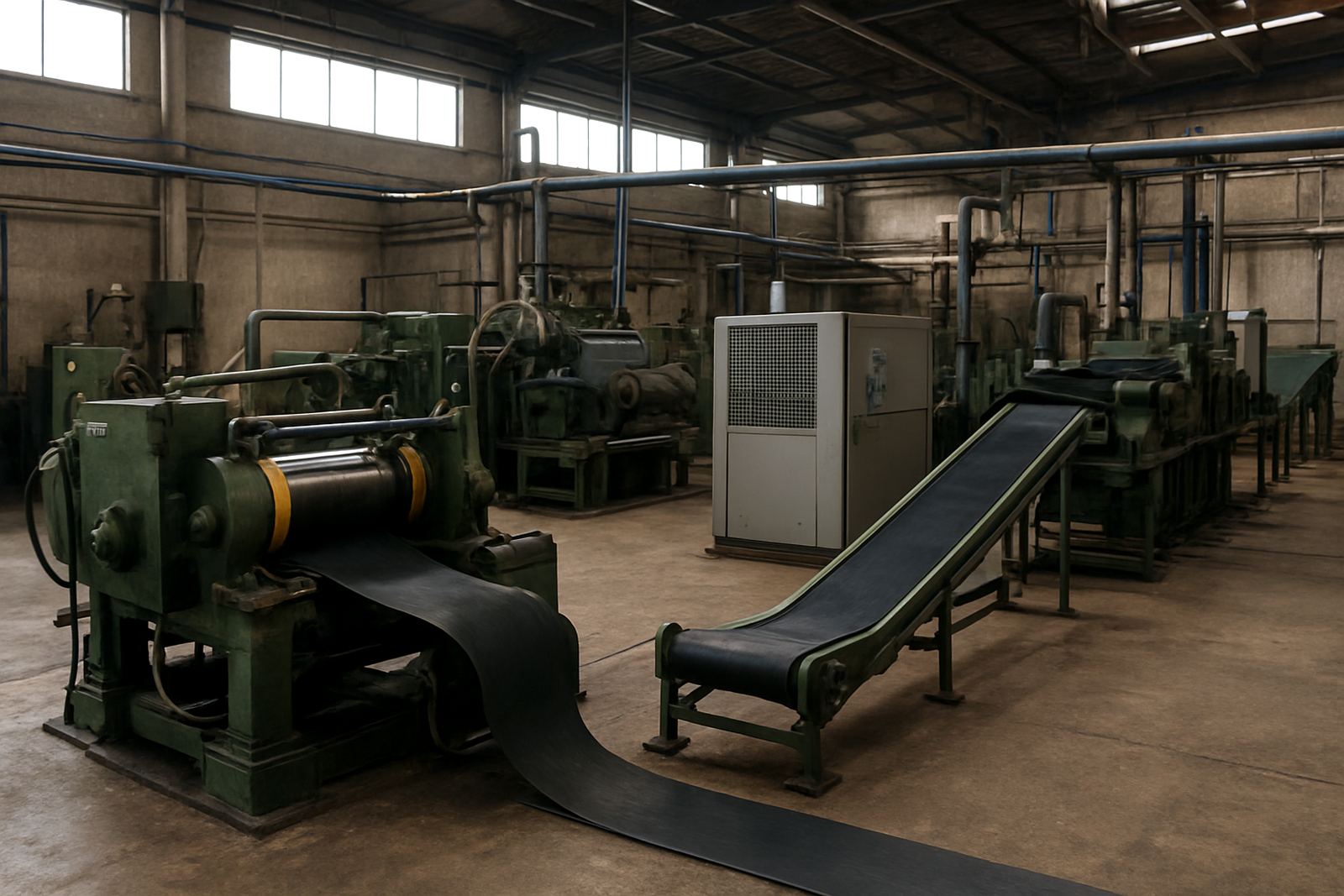
Printing plants often run hot from several directions at once. Press motors, UV systems, hydraulic units, dryers, ambient summer heat and restricted airflow can push machine temperatures higher than they should be, especially in older buildings or units with limited ventilation. In Gauteng, a warm afternoon in Alberton or Germiston can be enough to make a cooling system work harder than planned, and that affects print consistency, ink curing and equipment wear.
When a cooling unit is undersized or poorly placed, operators often see unstable temperature readings, more nuisance trips and inconsistent product quality. On long production runs, even a small swing in water temperature can affect registration, curing, surface finish and overall repeatability. Factories also need to think about load-shedding, because when power returns the cooling load may restart against a hot system and that can create a difficult hour or two for the plant.
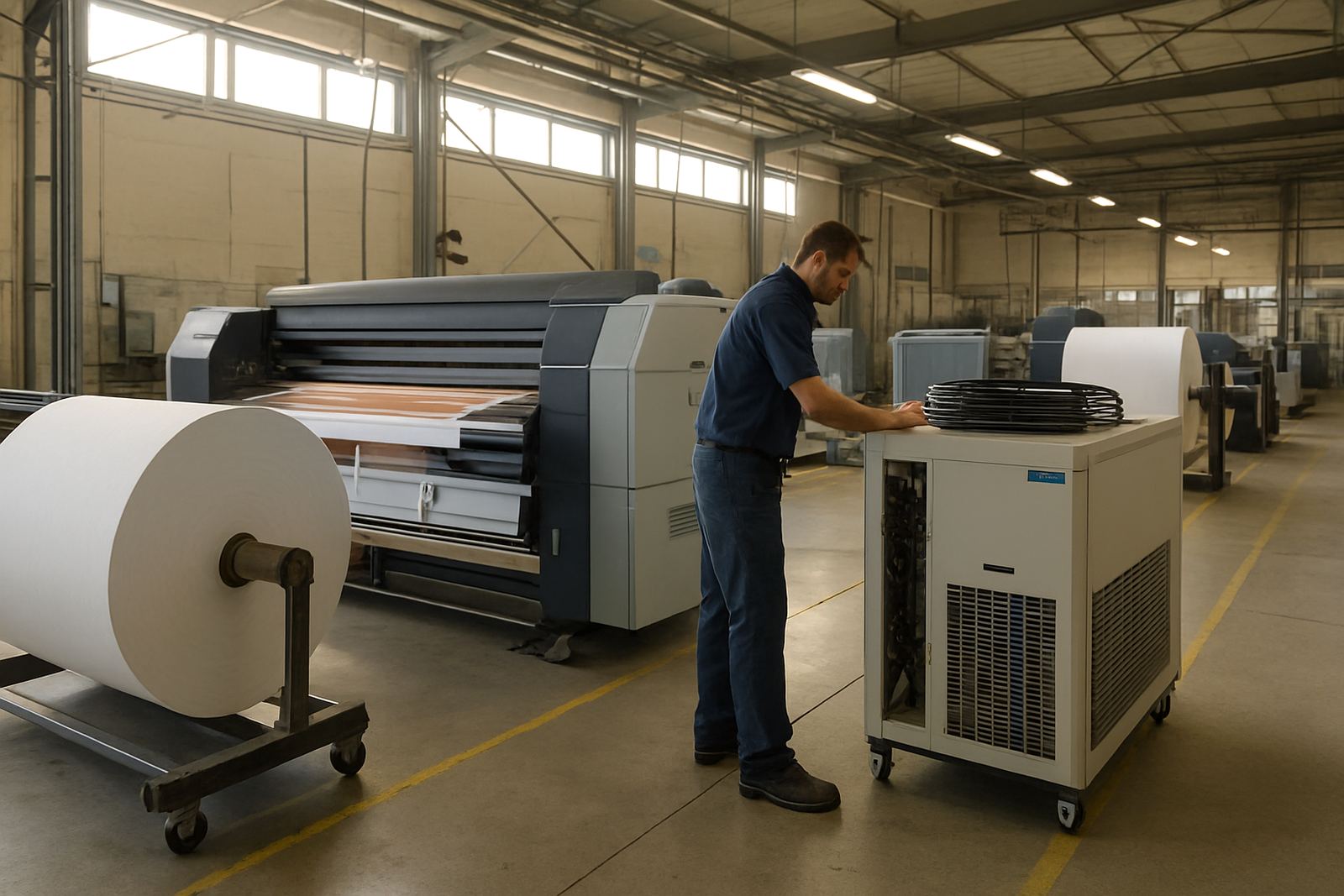
Typical cooling equipment in a print environment
The right setup depends on what the factory runs. Some sites need a single industrial water chiller for a press line, while others need several units serving different machines or process sections. We usually look at the full plant picture before making a recommendation, including the cooling points, water quality, pipe runs and whether the system must support daytime production only or 24-hour shifts.
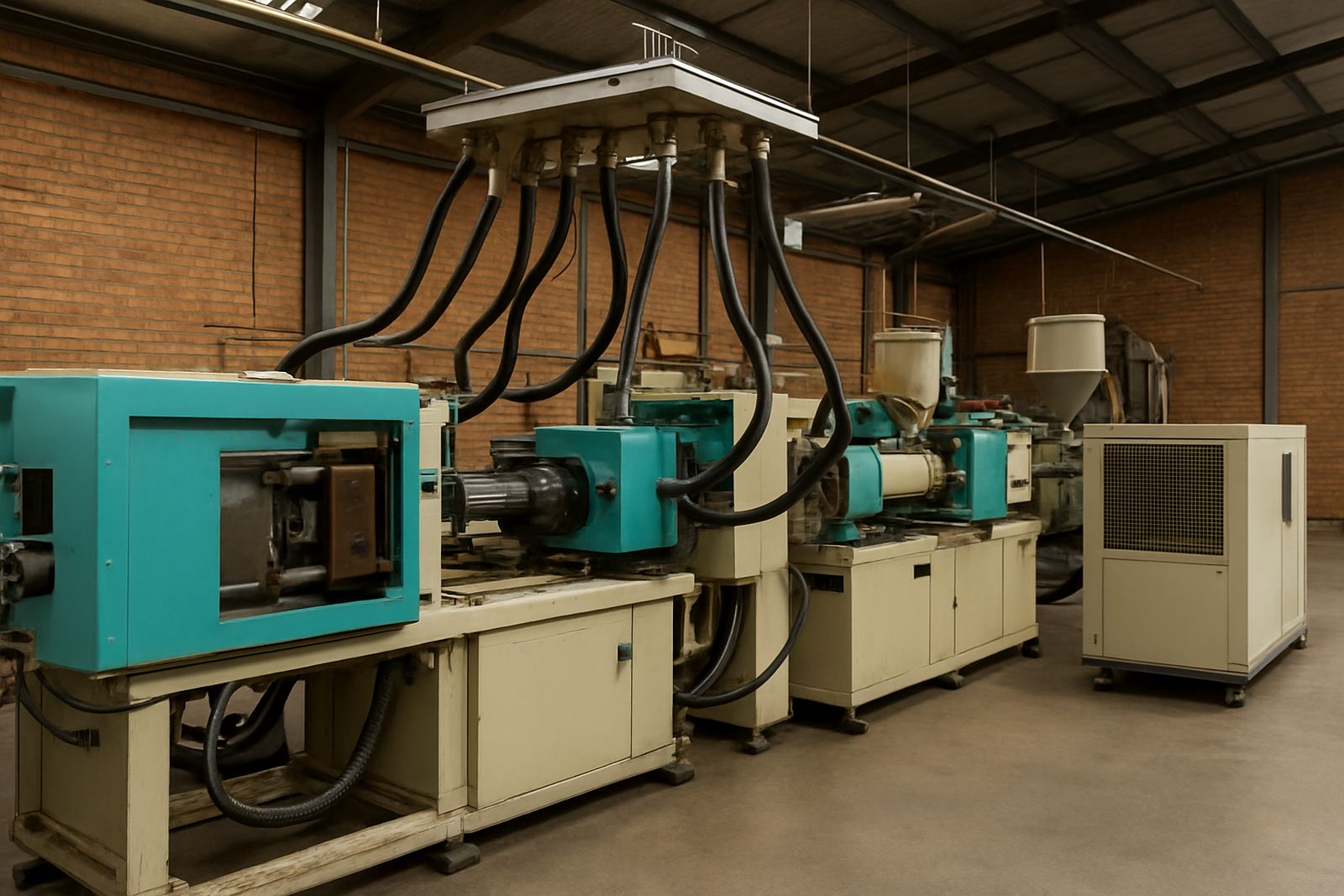
- Industrial water chiller for press cooling or process cooling loops
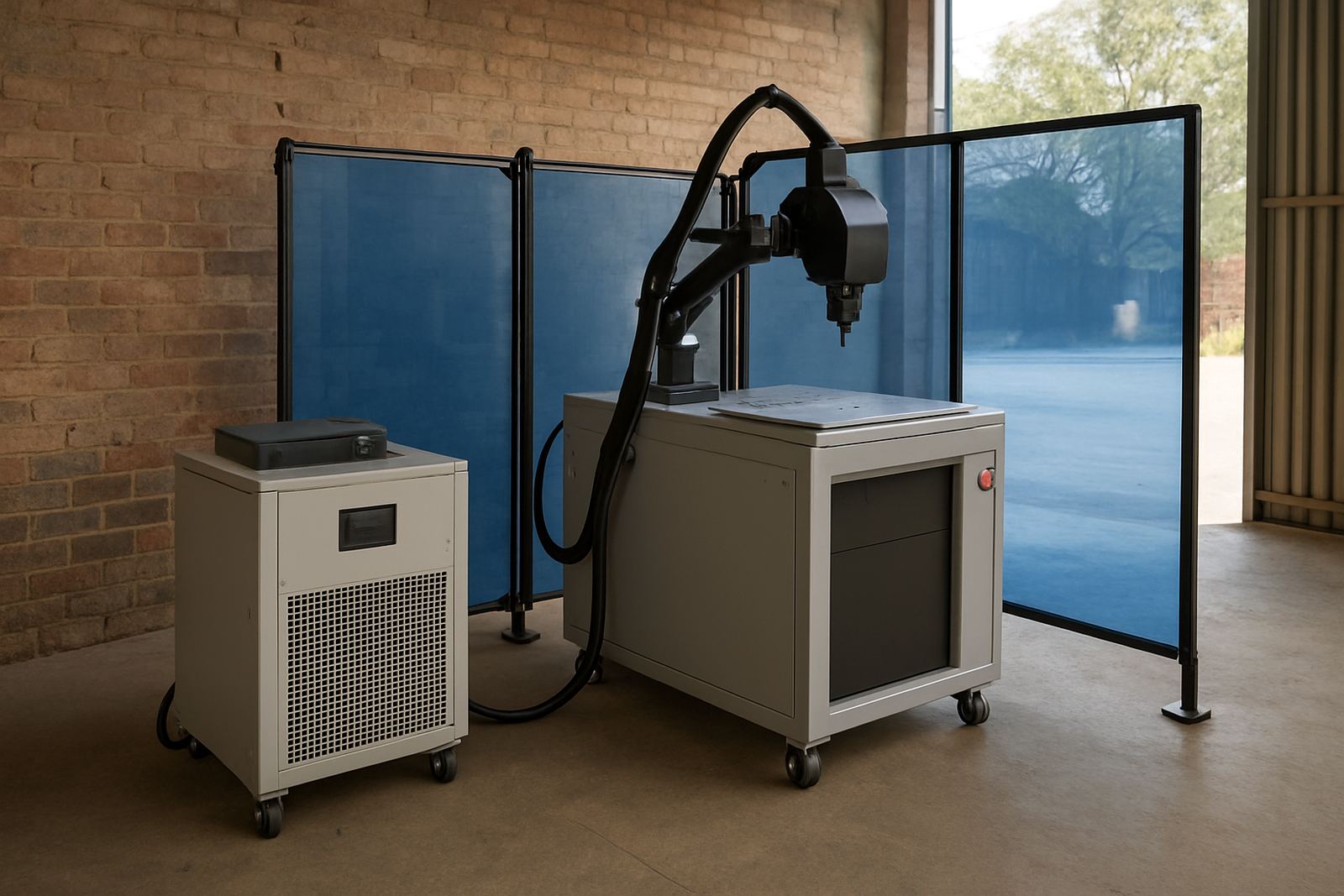
- Cooling unit for laser-based print finishing or cutting equipment
- Small buffer tank for stable water volume and better temperature control
- Pump set matched to pipe length and pressure drop
- Filters and water treatment checks to limit scaling and debris
- Control panel setting adjustments for more accurate temperature response
For larger factories in Johannesburg, Pretoria or Durban, it is common to split the cooling duty across more than one circuit. That gives better control and makes maintenance easier because one line can stay in service while another is isolated for repairs or cleaning.
Planning the layout before the chiller arrives
Good planning saves money later. A chiller placed too far from the load can lose efficiency through long pipe runs, poor insulation or unnecessary bends. A unit shoved into a hot corner with little airflow will struggle in summer and may need more frequent attention. We look at where the machine sits, where the maintenance team can reach it, and whether the area has enough ventilation and safe access for service work.
In printing factories, the piping route matters just as much as the chiller itself. If pipework crosses a busy floor, it should be protected from forklift traffic and accidental damage. If the site is near the coast, such as Cape Town or Durban, humidity and corrosion resistance become more important for frames, fasteners and surrounding fittings. If the plant is in an area with municipal water quality changes, water treatment checks should be part of the plan from the start.
- Keep the chiller close enough to reduce pipe losses but not so close that it breathes hot exhaust air
- Allow space for cleaning coils, checking pumps and replacing parts
- Plan for power backup or safe shutdown during load-shedding
- Use insulated pipework where water travels through warm areas
- Check floor loading and drainage before installation
What goes wrong when cooling is an afterthought
Some factories only start looking at cooling after quality issues begin. By then, the signs are usually already there: print variation between shifts, more machine alarms, higher maintenance costs and operators having to work around a system that should be steady but isnt. In some cases the plant has a chiller, but it has been patched together over the years with mismatched pumps, undersized lines or a control panel that no longer responds properly.
Other common mistakes include poor water treatment, which allows scale to build up in heat exchangers and pipework, and ignoring preventative maintenance until a breakdown happens. Pump failures are especially disruptive because the chiller may still look fine while the process line quietly overheats. We also see plants where the cooling unit was selected for peak summer conditions only, but not for the actual daily operating profile, so it runs inefficiently most of the year.
Service support across Gauteng, Durban, Cape Town and beyond
Raynen is based in Alrode, Alberton and supports printing factories across South Africa through our Alberton Depot, Johannesburg Service, Pretoria Service, Durban Service, Cape Town Service, Rustenburg Service, Germiston Service and Boksburg Service. Our team handles chiller installation, commissioning, preventative maintenance, breakdown repairs, refrigeration repairs, pump replacements, control panel upgrades, pipework retrofits, cooling audits and temporary cooling for shutdowns or emergency work.
For print operations, quick response matters because a warm machine can interrupt a whole production schedule. Our workshop supervisor, Thabo Maseko, and the service team work with factory staff to get systems back into line quickly and with as little disruption as possible. Where needed, we also provide operator training so the team knows what normal readings look like and when to call for help.
- Scheduled maintenance before peak summer or year-end production
- Temporary cooling during planned shutdowns or failed equipment changes
- System checks for factories expanding into new print lines
- Support for sites with mixed equipment across multiple buildings
Budget ranges for printing factory cooling projects
Costs depend on cooling load, pipework length, access, and whether the site needs a new installation or repairs to an existing system. For smaller printing operations, basic cooling work can start from about R85,000 to R180,000 for a single application with limited pipework and straightforward commissioning. Mid-sized factories with a better sized chiller, tank, controls and pipework upgrades often sit between R180,000 and R450,000.
Larger production plants, especially where multiple lines need temperature control or where temporary cooling is needed during upgrades, can move into the R450,000 to R1,200,000 range or more. If a site needs refrigeration repairs, pump replacements, control panel upgrades or water treatment correction at the same time, it is usually worth addressing those items together rather than spreading them out and paying twice. Riaan van der Merwe and the Raynen team can assess the site, confirm the cooling duty and give practical options based on the actual printing process, not just a rough guess.
Clients usually reach us through the enquiry form on our contact page, and we then arrange the next step based on the plant, the problem and the urgency. For printing factories, the aim is simple: keep temperature under control so production stays steady, printers last longer and the team can work without fighting heat-related issues every week.