Cooling Pressure Points in Automotive Parts Production
In automotive component plants, heat builds up fast. Injection moulding machines, laser systems, resistance welding lines, hydraulic packs and test benches all need stable water temperatures if output is to stay consistent. When cooling drifts, parts start to shift in size, surface finish suffers and cycle times become harder to hold.
We see this across factories in Alberton, Germiston, Boksburg and further afield in Johannesburg, Pretoria, Durban, Cape Town and Rustenburg. Some sites run a single moulding machine with one process cooler, while others have a full line with multiple tools, chill water headers and separate loops for machine bodies, mould plates and ancillary equipment. The right setup depends on your tonnage, process water quality and how many hours per day the plant runs.
A good industrial chiller is not only about cold water. It must match flow rate, temperature stability and the site’s actual heat load. In a busy automotive parts environment, that means planning for summer peaks, dusty conditions, and the extra strain that follows a power interruption when machines restart all at once.
Typical Equipment Set We Find on Site
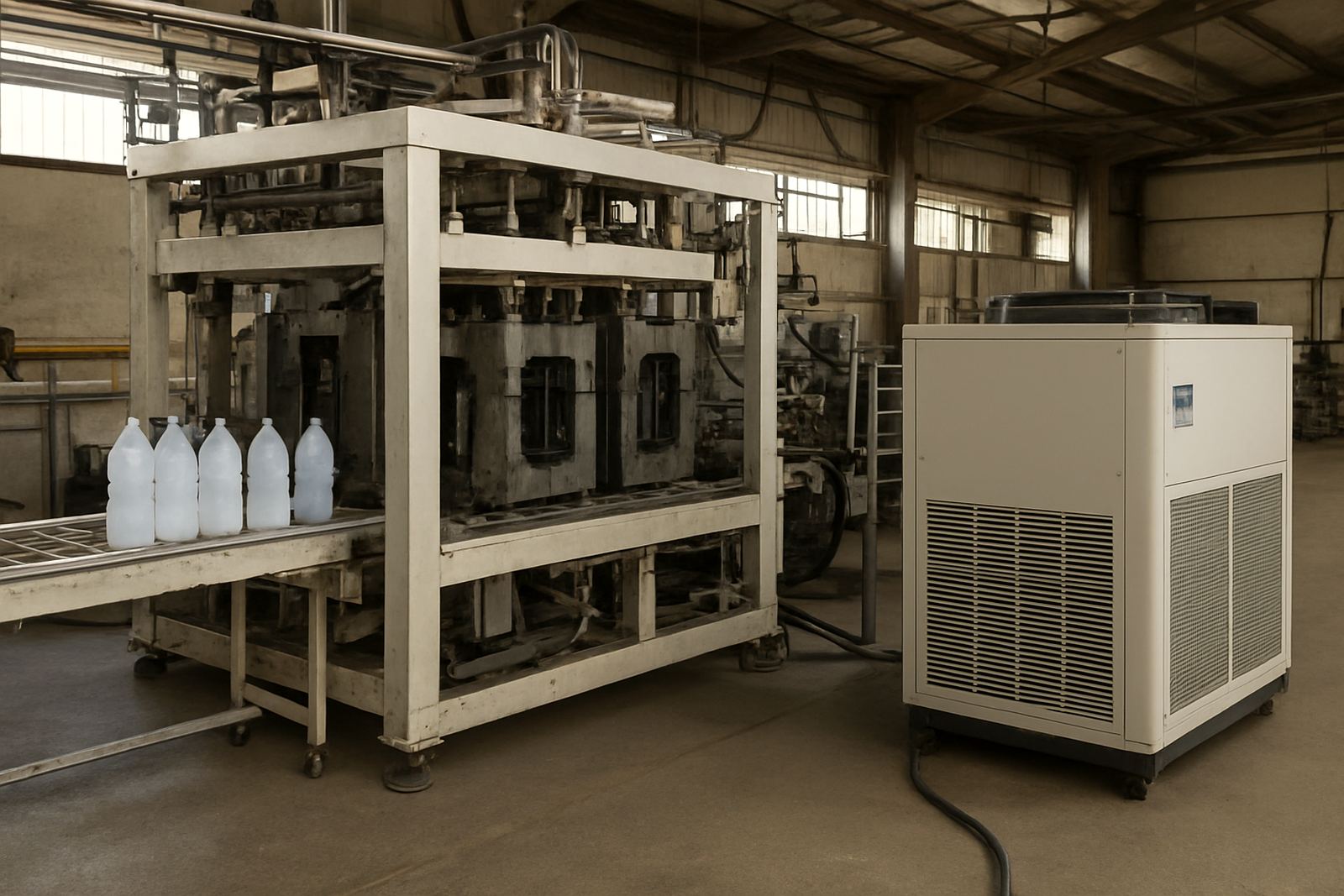
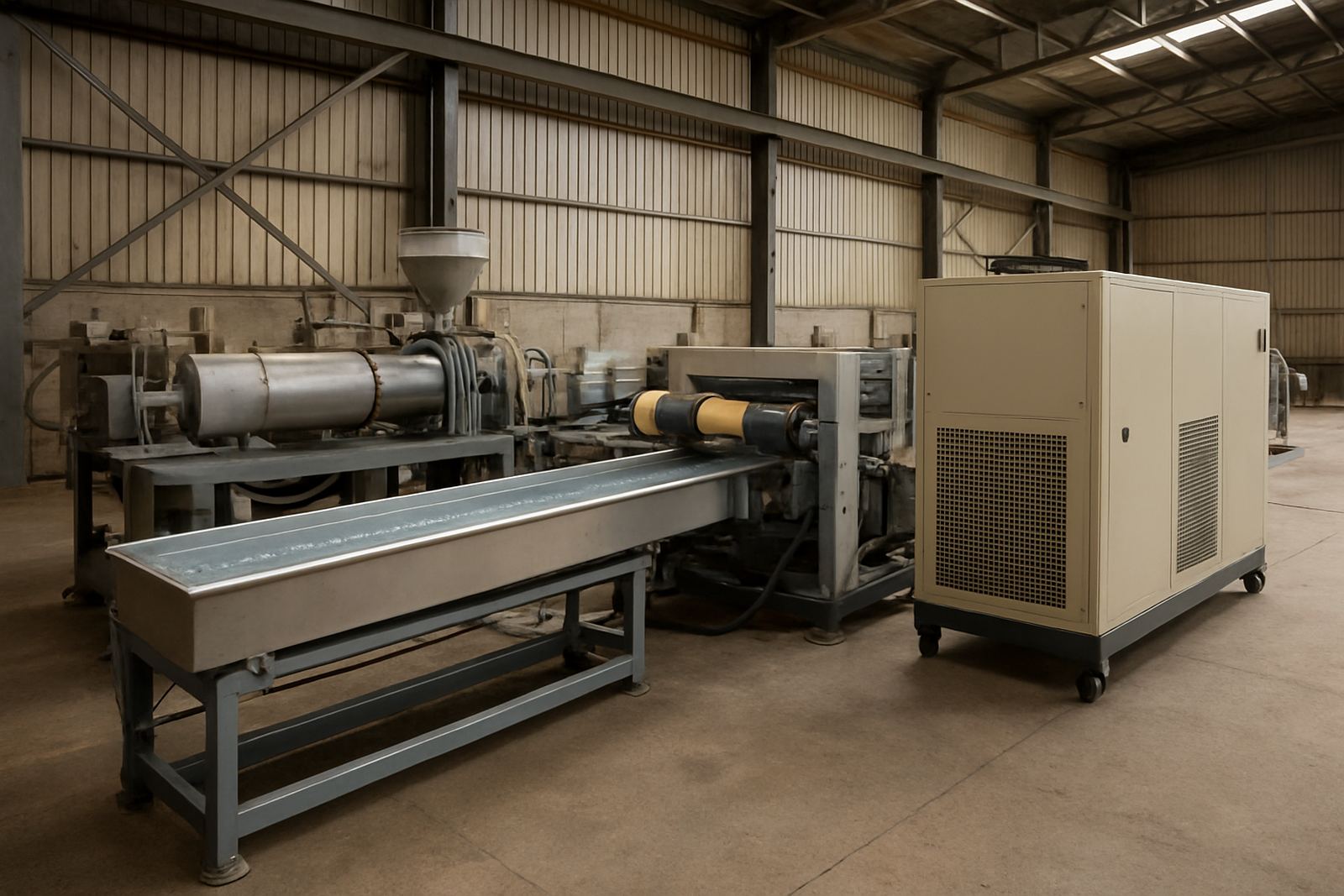
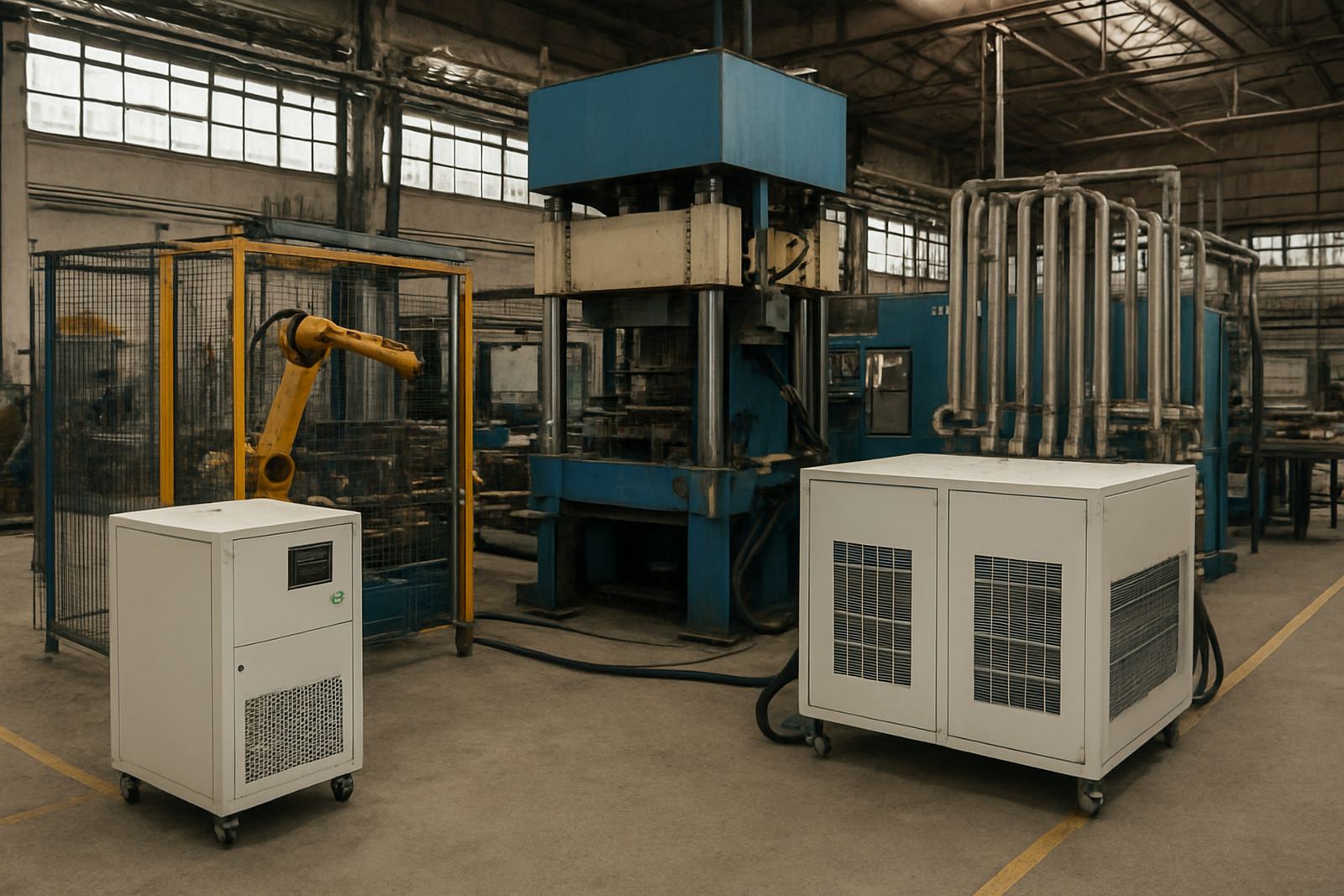
Automotive parts plants use more than one type of cooling arrangement. The common setup may include one central chiller, a buffer tank, circulation pumps, filters, temperature controls and manifolds feeding several machines. On some floors, a compact unit serves a single laser or mould cell. On larger lines, separate loops are often better for process stability and for easier fault finding.
- Water chillers for injection moulding machines and mould temperature control
- Cooling units for laser cutting, laser welding and marking equipment
- Process line chillers for fixtures, jigs and automated assembly stations
- Pumps, strainers and filters to keep flow steady and protect heat exchangers
- Control panels with alarms, setpoint controls and fault indication
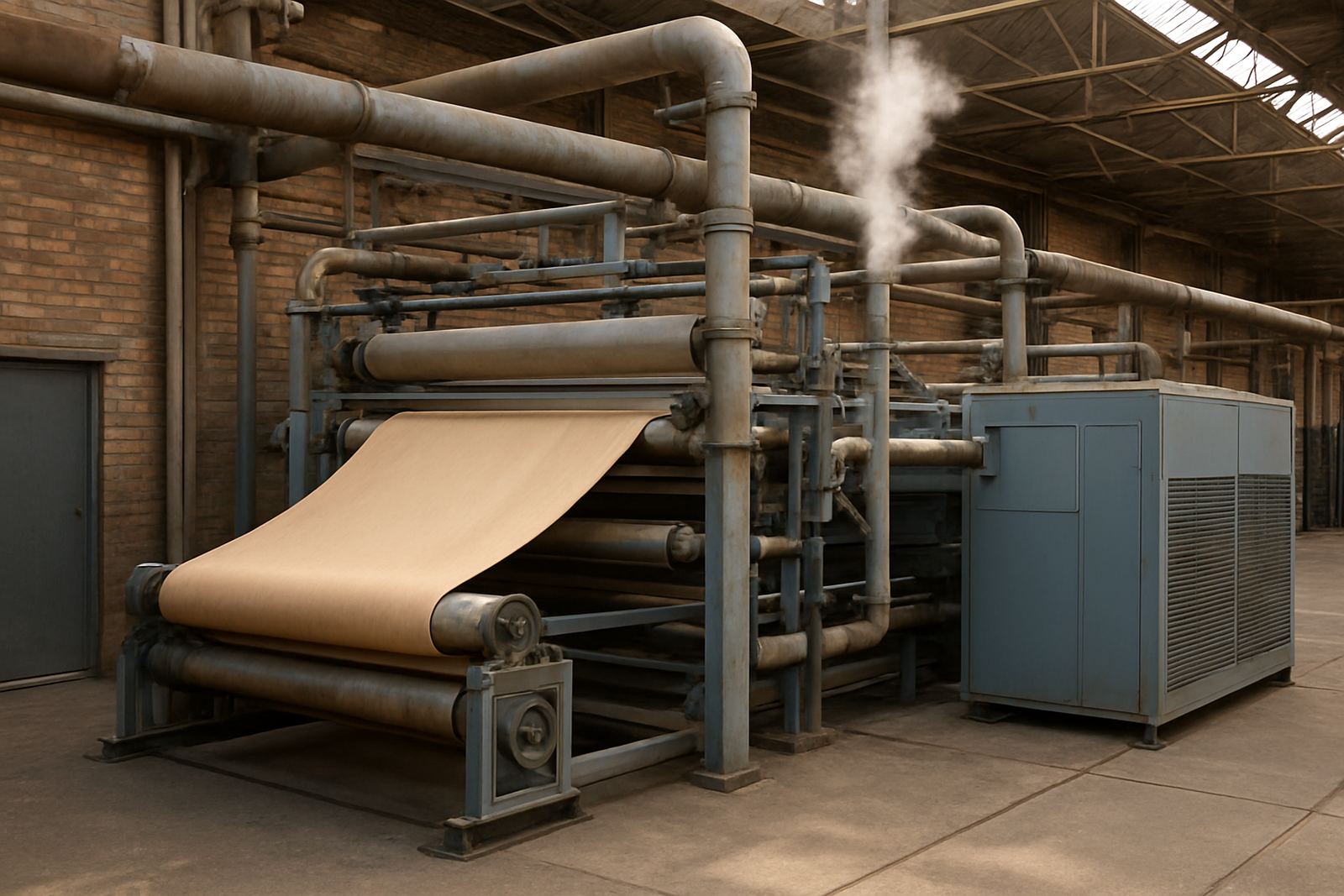
We also look at pipework condition. Old mild steel lines, undersized hoses and poor insulation can cause pressure loss and temperature drift. In many cases, the chiller is blamed when the real issue is a blocked strainer, air in the line or a pump that is no longer delivering the required flow. A proper site check helps identify that early, before it becomes a stoppage.
Layout and Planning Advice for New or Existing Lines
Good layout saves money over the life of the plant. If the chiller is placed too far from the machines, operators lose pressure and the water returns warmer than expected. If it sits in a hot corner with poor airflow, compressor performance drops. We normally assess where the unit can get clean air, service access and enough space for filters, valves and pipework changes.
For automotive parts sites, it also helps to plan around maintenance windows and municipal water conditions. In some areas the supply is not consistent, so a unit may need a top-up arrangement, water treatment checks or a holding tank. Coastal humidity in Durban and Cape Town can also affect electrical panels and fan sections, so enclosure condition matters. Inland dust around Ekurhuleni, Pretoria and Rustenburg can clog coils and reduce heat transfer if cleaning is ignored.
Our team looks at:
- Heat load from each machine or process line
- Required chilled water temperature and allowable fluctuation
- Pipe length, elevation and pressure drop
- Ventilation around the chiller and pump set
- Access for cleaning, repairs and future expansion
That kind of planning is especially useful where a plant is adding a second moulding line, a new welding cell or a temporary work area during a product launch.
Common Mistakes That Cause Downtime
Many cooling problems start with small choices that seemed harmless at the time. A plant may buy a unit for the machine nameplate only, without accounting for mould temperature, ambient heat or continuous running. Another common mistake is linking several processes to one chiller with no balancing, which makes one line compete against the others.
We also see poor maintenance habits. Strainers are left dirty, water treatment is skipped and pumps run with low flow for weeks before anyone notices. That can lead to scale, blocked jackets and premature compressor wear. In some facilities, operators reset alarms without checking the actual cause, so the same fault keeps returning. It is a simple thing but it costs shift time and scrap.
Other mistakes include:
- Using untreated water that carries scale and corrosion
- Oversizing too far, which causes short cycling and unstable control
- Poor cable routing around moving equipment or hot surfaces
- Ignoring seasonal temperature changes in the plant
- Delaying repairs on fans, pumps or control panels until the unit trips again
We often find that a short audit and a few corrections will restore proper operation without a full replacement. That can be a useful fix when budgets are tight and the line still has life in it.
Budget Ranges in Rand for Automotive Cooling Projects
Budget depends on cooling capacity, number of circuits, controls and whether the job is a new install or a repair to an existing system. For smaller automotive component cells, a compact industrial chiller project can start from around R85 000 to R180 000, depending on the required capacity and fittings. Medium plant solutions with pumps, tanks, controls and pipework changes often sit between R180 000 and R650 000.
For larger production lines, multi-point systems, temporary cooling or full retrofit work can run from about R650 000 to well over R1.5 million. That range usually includes commissioning, balancing and practical adjustments on site. If refrigeration repairs or control upgrades are needed, the final figure may move up or down once we have inspected the equipment.
The best way to control spend is to avoid a rushed replacement. In many cases a targeted repair, pump replacement or control panel upgrade gives the plant another good run. If the unit has reached the end of its practical life, then replacement makes more sense than repeated callouts and lost production.
How Raynen Supports Automotive Parts Plants
Raynen works from Alrode, Alberton and supports automotive parts producers across South Africa through our Alberton Depot, Johannesburg Service, Pretoria Service, Durban Service, Cape Town Service, Rustenburg Service, Germiston Service and Boksburg Service areas. Our team handles Chiller Installation, System Commissioning, Preventative Maintenance, Breakdown Repairs, Refrigeration Repairs, Pump Replacements, Water Treatment Checks, Pipework Retrofits, Control Panel Upgrades, Cooling Audits, Temporary Cooling and Operator Training.
Led by Riaan van der Merwe, the team includes Lerato Mokoena, Sibusiso Dlamini, Anika Naidoo, Pieter Joubert, Nomsa Khumalo and Thabo Maseko. For plants running moulding, welding or process equipment, the practical advantage is simple: one team can assess the site, recommend the right cooling arrangement and keep the system working through seasonal heat, power interruptions and normal wear.
Clients usually reach us through the enquiry form on our contact page. From there, we can assess the application, the plant layout and the likely service approach before any work starts. That makes it easier to choose a fix that suits the line rather than forcing the line to suit the machine.