Controlled cooling for reactors that cannot drift
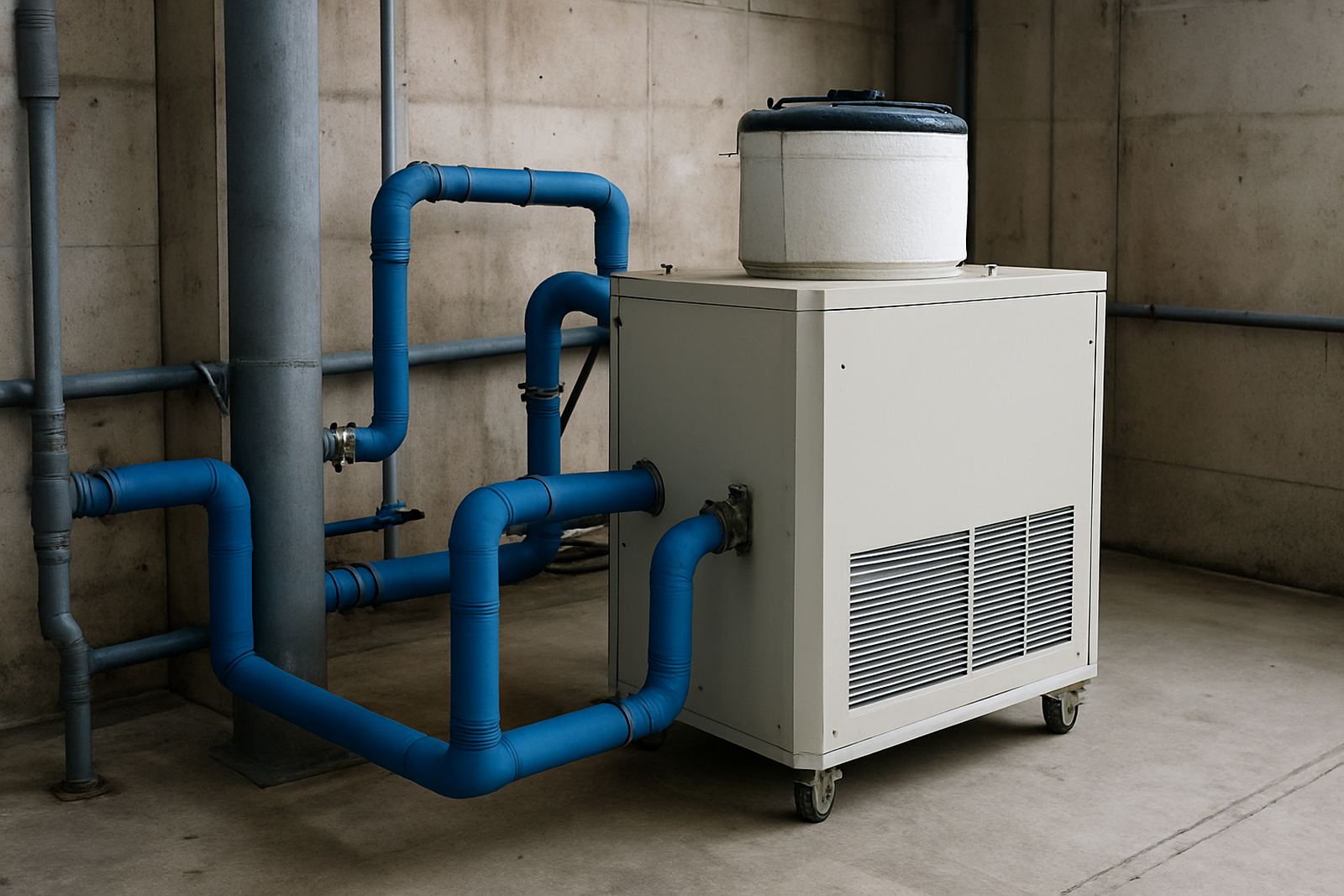
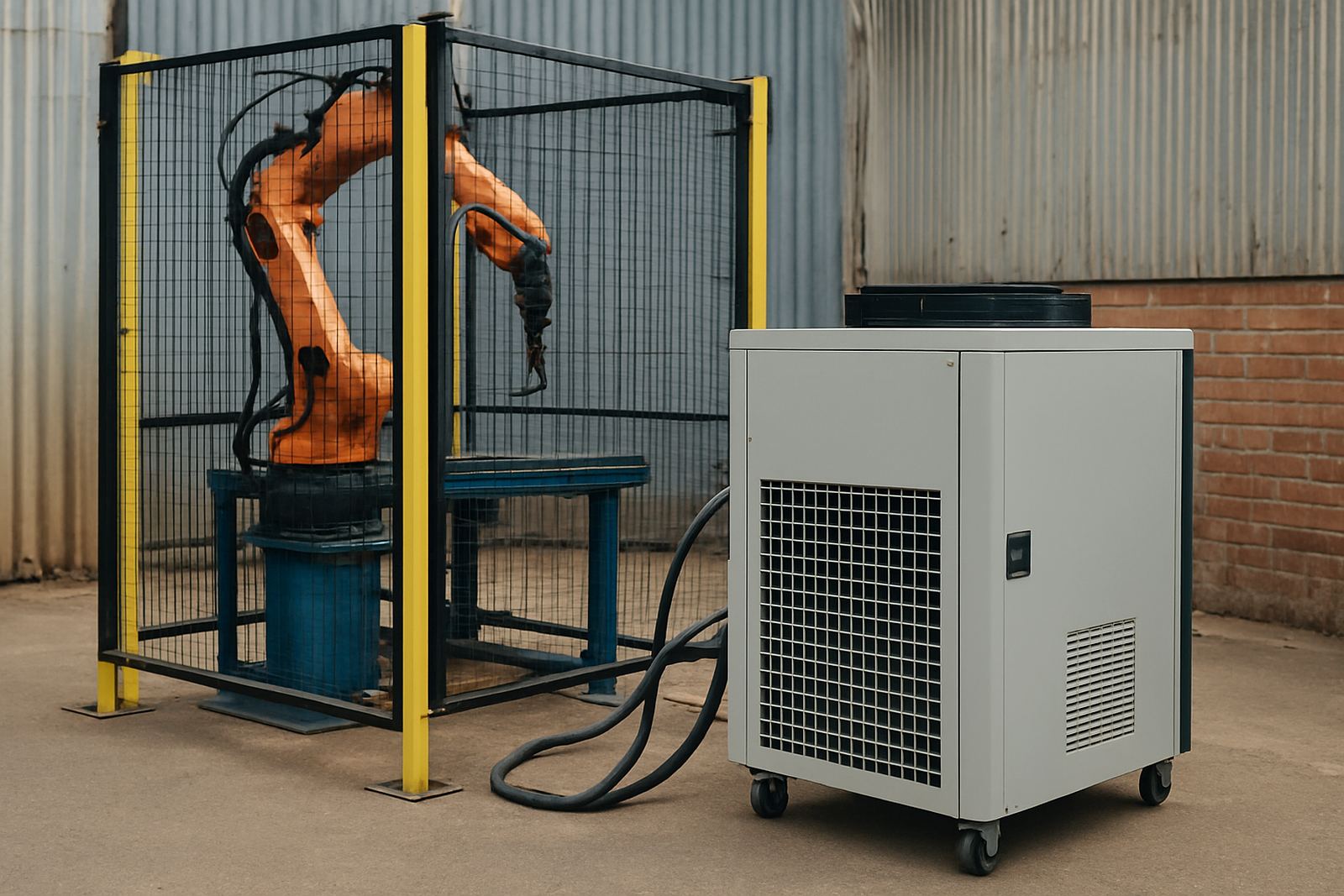
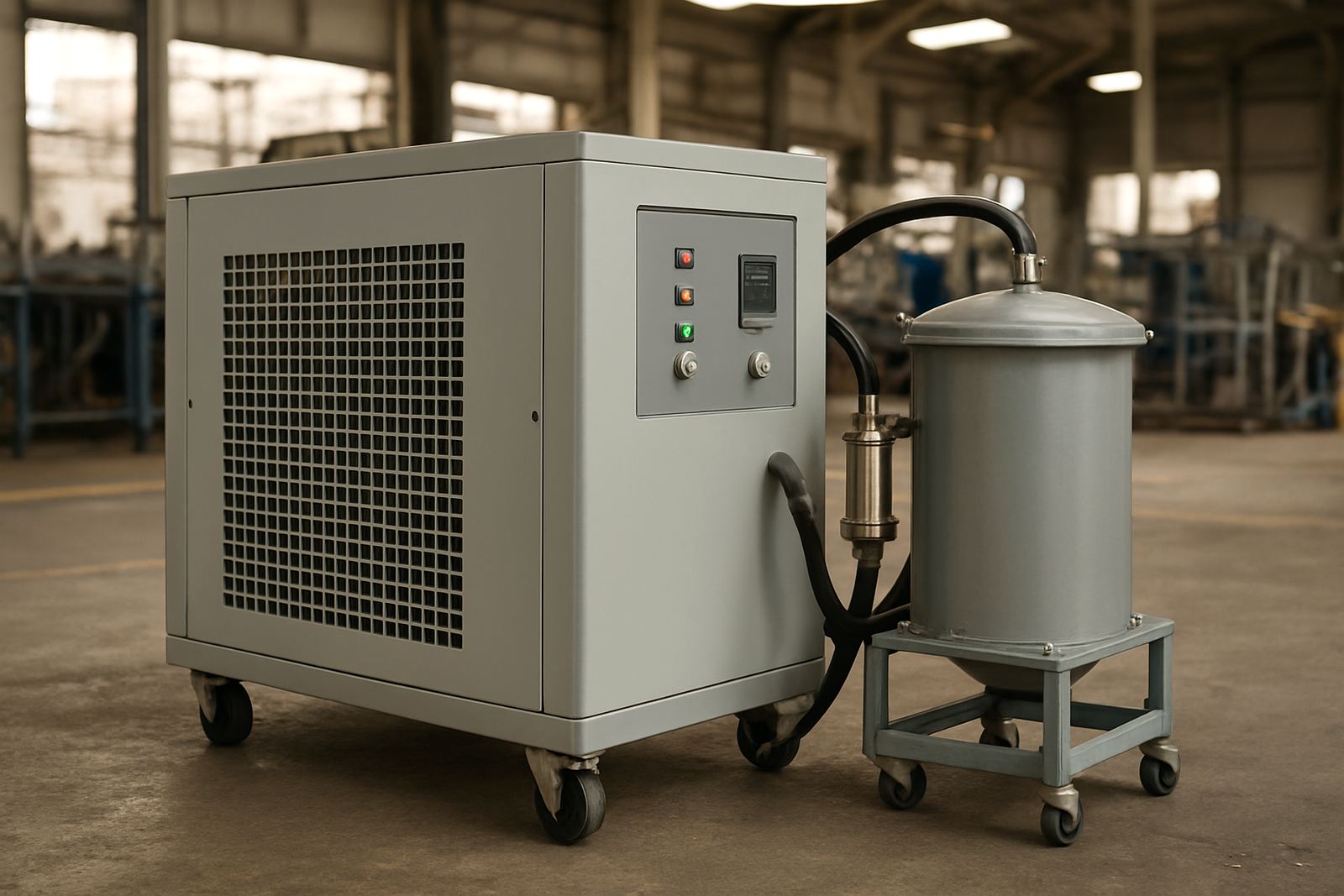
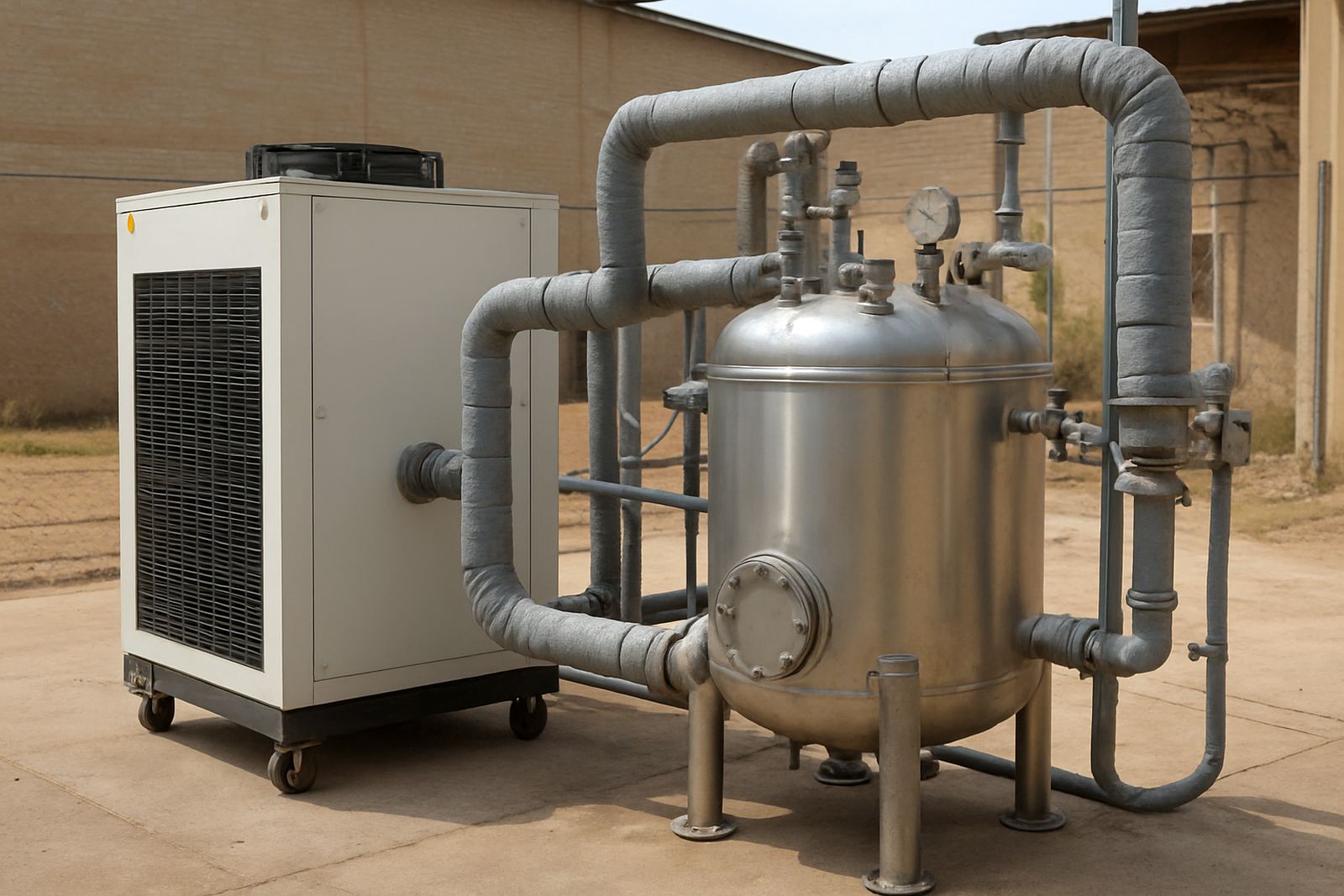
A reactor cooling unit is a dedicated temperature control system used to remove heat from batch reactors, stirred tanks and mixing vessels. In practice, it keeps the process within a set range so reaction rates stay consistent, product quality stays repeatable, and the vessel does not overshoot during fast exothermic stages.
These units are commonly used where water from a normal utility line is not stable enough on its own. A proper unit gives you controlled supply temperature, measured flow, and enough reserve capacity for sudden heat load changes. That matters on long summer shifts, during load-shedding recovery, and in plants where water quality and pressure vary from hour to hour.
- Temperature control for batch reactors and vessel jackets
- Stable cooling for mixing, blending and chemical dosing lines
- Lower risk of product loss caused by heat spikes
- More consistent output from one batch to the next
Sizes, cooling ranges and build options
Raynen supplies reactor cooling units in a range of sizes, from smaller skid-mounted units for pilot work to larger process systems for continuous production or high-load batches. The right size depends on the reactor volume, jacket area, heat load, ambient conditions and how quickly the process needs to recover after a heat rise.
We specify units by cooling capacity, flow rate, pump duty and temperature range rather than guessing from vessel size alone. For some plants a compact air-cooled unit is suitable, while others need a water-cooled arrangement with a separate condenser water circuit. In coastal areas like Durban and Cape Town, we also consider corrosion risk and salt in the air, which can affect coil life and service intervals.
- Air-cooled or water-cooled configurations
- Single-circuit or multi-circuit options for different process zones
- Stainless steel wetted parts where required
- Controls for fixed setpoint or variable temperature control
- Skid, floor-mounted or plant-room installations
Where these units suit best in South African plants
Reactor cooling units suit chemical, cosmetic, food processing, plastics, adhesives, paint, resin and laboratory production environments. They are also used on pilot plants and trial lines where one batch may behave differently from the next. If your process uses a jacketed vessel, coil, heat exchanger or recirculation loop, this type of unit is often the right fit.
Many sites around Ekurhuleni, Germiston and Boksburg need equipment that can run through dust, heat and power interruptions without constant adjustment. On municipal supply water alone, some lines struggle with pressure drops or scaling. A dedicated unit helps reduce those issues and gives your operators a proper control point instead of relying on guesswork.
- Batch reactors and agitated vessels
- Temperature-sensitive mixing and blending systems
- Process lines with tight thermal limits
- Trial plants and development batches
- Sites needing repeatable cooling in hot weather
Installation, utilities and site requirements
We match each reactor cooling unit to the plant layout, pipe runs and available utilities before installation. The site needs a suitable floor area, access for maintenance, and a clear route for piping to and from the vessel or heat exchanger. Where the plant runs over long distances, pipe sizing and insulation are important to prevent unnecessary heat gain.
Power needs vary by unit size, but most systems require a 3-phase electrical supply with isolator protection and correct cable sizing. Some installations also need a clean water supply for condenser support or make-up water. There is no gas requirement on standard units, though the control panel, pumps and compressor load must be checked against your site supply and generator backup if you have it. In areas affected by load shedding we often recommend a staged restart plan so the unit does not trip repeatedly when power returns.
- 3-phase supply for most industrial sizes
- Isolated electrical point and proper earthing
- Space for airflow around air-cooled models
- Drain point and safe access for service work
- Pipework designed for flow, pressure and chemical compatibility
Care, servicing and what keeps performance steady
Like any process cooling plant, a reactor cooling unit performs best when it is cleaned and checked regularly. That includes coil cleaning, refrigerant checks, pump inspection, leak testing, water quality checks and confirming that controls are reading correctly. If water treatment is poor, scale can build up in the jacket circuit and reduce heat transfer pretty quickly.
Raynen supports preventative maintenance, breakdown repairs, refrigeration repairs and water treatment checks for units across South Africa. We also carry out cooling audits, pipework retrofits and control panel upgrades where the original system is no longer giving the required temperature stability. In high dust or coastal areas, service intervals should be shorter because fouling and corrosion can start earlier than expected.
- Keep strainers and filters clean
- Check pumps for noise, cavitation and seal wear
- Test control sensors and temperature probes
- Inspect insulation and pipe supports
- Flush the circuit if water quality has slipped
Ordering checks before you choose a unit
Before ordering, we recommend confirming the process fluid, operating temperature, required setpoint tolerance, heat load and flow rate. It also helps to know whether the reactor jacket, coil or heat exchanger is already in place, and whether you need a new unit or a replacement for an older system. If the process runs in cycles, tell us the batch length and how fast the system must pull temperature back after a peak.
These details let us size the unit correctly and avoid under-specifying it. A unit that is too small will struggle on hot days, while one that is oversized may cycle too often and waste power. We also need to know if the plant has municipal water only, borehole water, or a treated recirculation loop, because that affects the final specification and service plan.
- Process fluid type and any chemical compatibility concerns
- Target temperature and acceptable variation
- Heat load or reactor size, if available
- Available power supply and breaker size
- Space, pipe route and ambient site temperature
Backed by local service from Alberton to the coast
Raynen is based in Alrode, Alberton and supports industrial sites through Johannesburg, Pretoria, Durban, Cape Town and Rustenburg, with service coverage into Germiston and Boksburg as well. Our team handles installation, commissioning, maintenance and repairs, so the same people who size the unit can also help keep it running.
Clients usually reach us through the enquiry form on our contact page, then we work through the process details, site conditions and service requirements. If your reactor line needs temporary cooling during a breakdown or plant changeover, we can also help with short-term support while the permanent system is restored.
- Alberton Depot and regional service support
- Commissioning and operator training available
- Temporary cooling for shutdowns and breakdowns
- Preventative maintenance plans for busy plants
Key facts
| Cooling capacity | Sized to application, from compact pilot units to larger industrial process duty |
|---|---|
| Temperature control | Typical setpoint control with tight process stability, subject to load and flow |
| Configuration | Air-cooled or water-cooled options |
| Pump duty | Selected to suit jacket, coil or exchanger resistance |
| Construction | Industrial skid-mounted frame with process-grade piping and controls |
| Service support | Installation, commissioning, maintenance and repairs across South Africa |