What A Welding Cell Chiller Does On The Line
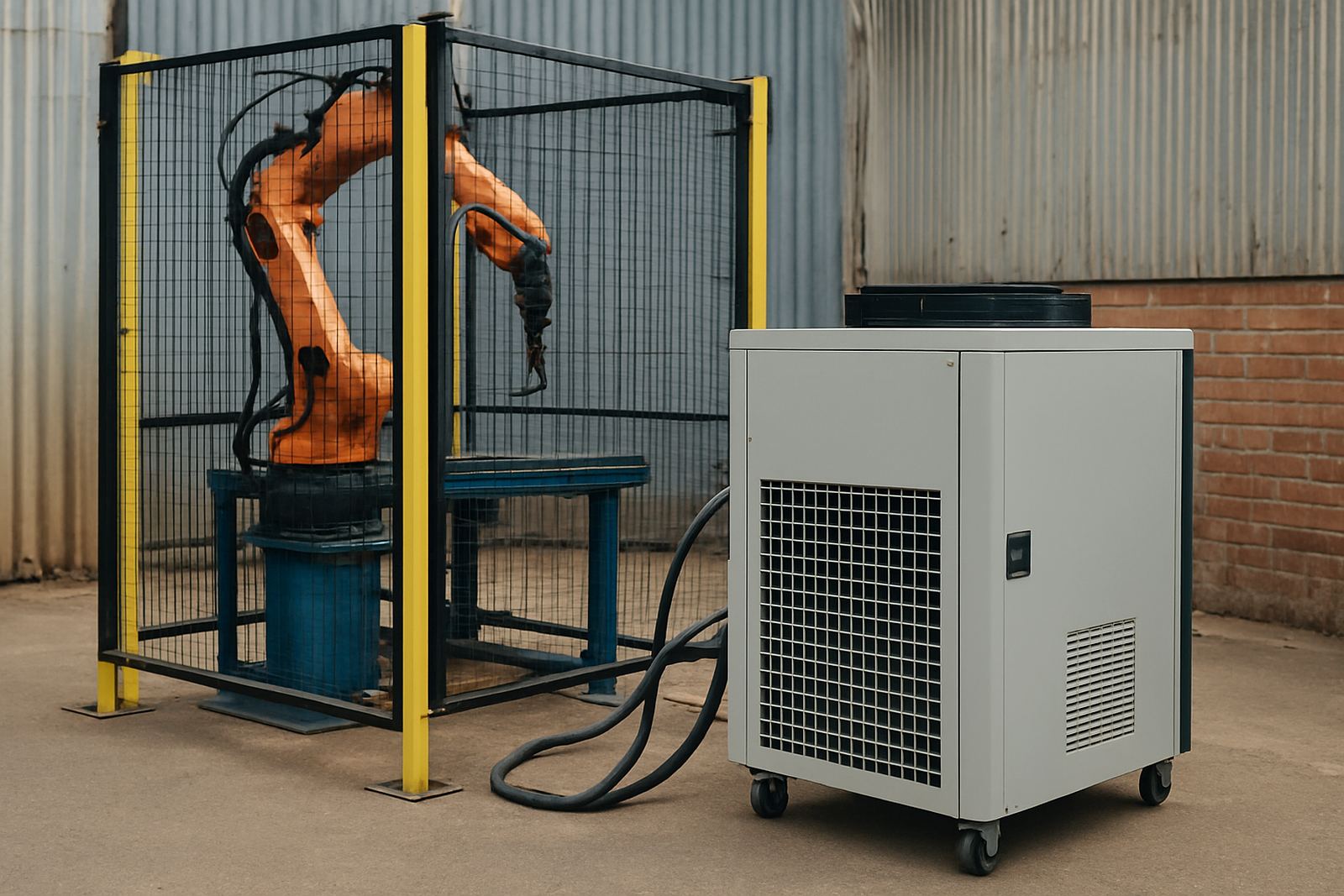
A welding cell chiller is a dedicated cooling unit that removes heat from automated welding equipment, process lines and related components that must hold a steady temperature through long shifts. In a busy plant, heat builds quickly around torch packs, robot arms, power sources and cable looms, especially where multiple shifts run in warm inland conditions or in coastal sites with higher humidity. When coolant temperature drifts, you start seeing unstable welding performance, more wear on consumables and unnecessary shutdowns.
Raynen supplies industrial water chillers designed for this type of duty, with sized-for-purpose cooling capacity, controlled flow and practical service access. These units are used in new cells as well as retrofit applications where an existing line needs better temperature control. In places like Alberton, Germiston, Johannesburg, Pretoria, Durban, Cape Town and Rustenburg, the right chiller helps keep a welding cell running steadier through summer heat, load-shedding recovery and the normal stop-start pattern of production.
Sizes, Cooling Capacities And Build Options
Welding cell chillers are selected according to the heat load of the cell, the number of welding points, the length of pipe runs and the ambient temperature around the equipment. Smaller cells may only need a compact unit for a single robot or station, while larger automated lines need higher capacity chillers with better pump performance and tighter control.
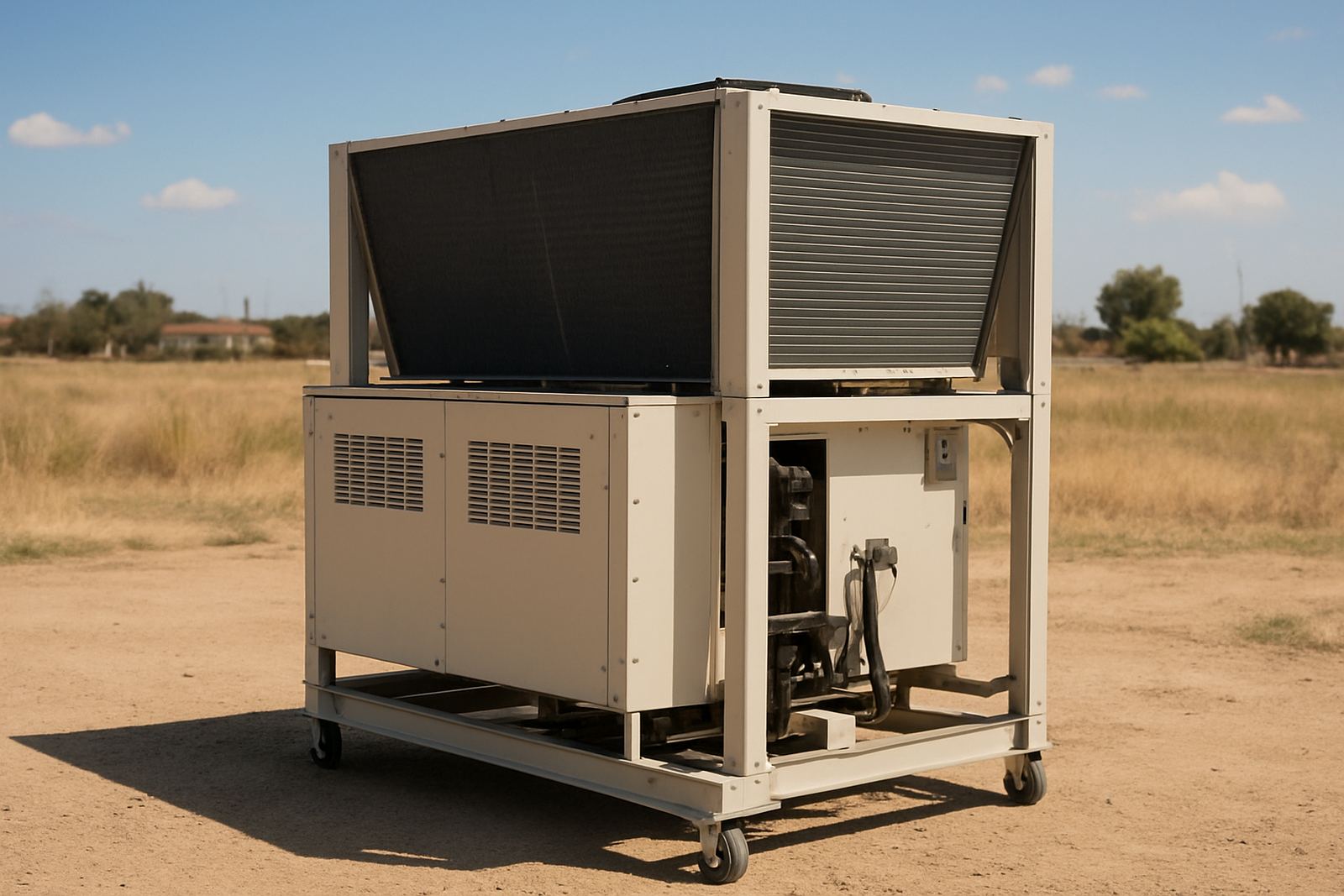
Typical options include air-cooled and water-cooled configurations, single-circuit or multi-circuit designs, and units with integrated tanks for more stable operation. For harsh workshop conditions, we can specify heavier duty filtration, larger condensers and control settings suited to continuous production. If your line is exposed to fine dust, welding spatter or high ambient heat, it is usually better to allow extra capacity rather than running the unit right on its limit. That gives you more margin when the weather changes or production ramps up.
- Cooling capacities commonly selected from 3 kW to 60 kW and above, depending on the cell
- Supply voltages typically 230 V, 400 V or 525 V where the line requires it
- Closed-loop chilled water systems for stable temperature control
- Options for low-temperature alarms, flow protection and differential pressure control
- Skid-mounted layouts available for easier placement beside the welding cell
Where This Chiller Suits Best
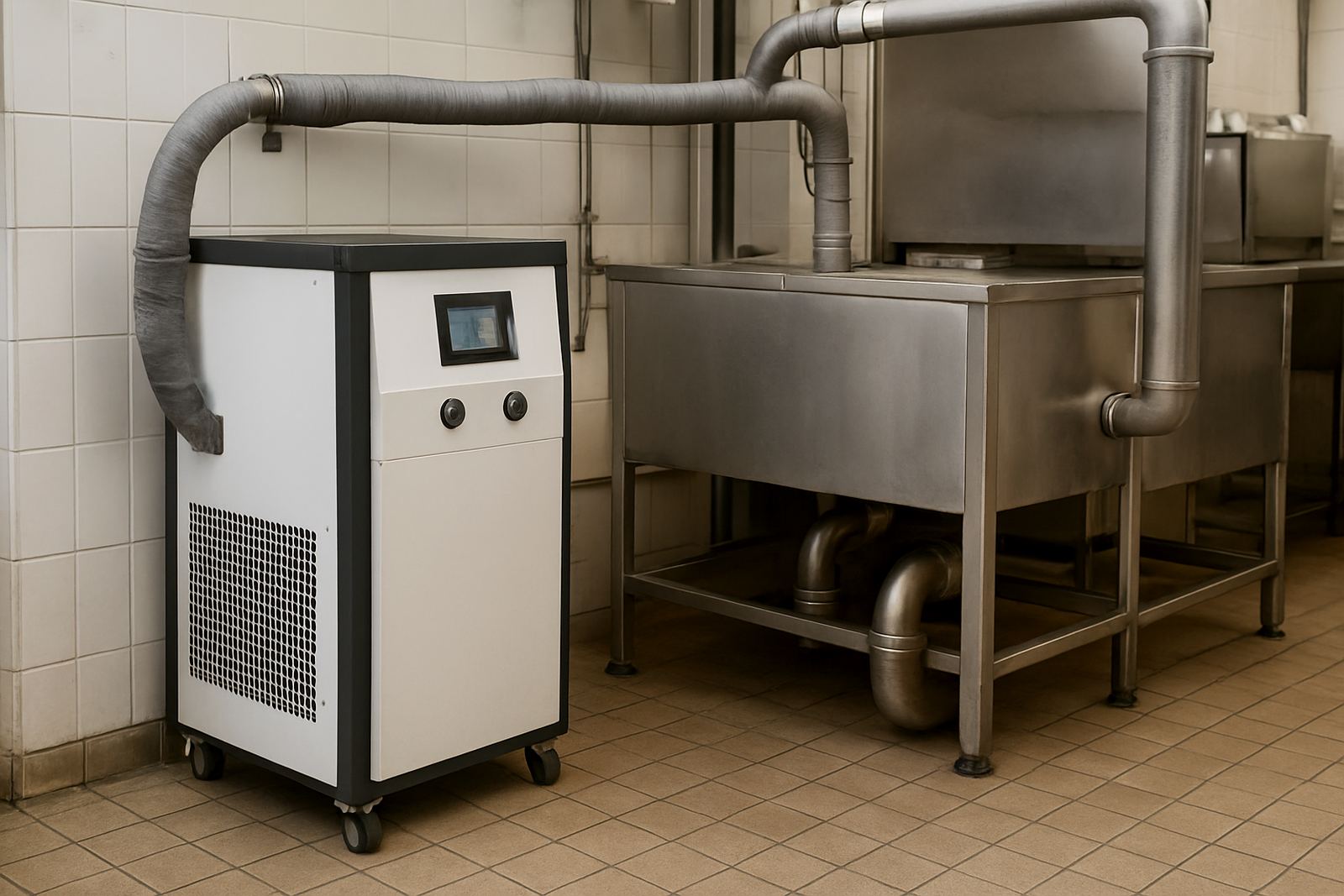
This product suits automated welding cells in automotive suppliers, fabrication shops, metal processing plants, component manufacturers and production environments that depend on repeatable weld quality. It is also useful where process equipment sits close to the welding station and shares thermal load, such as cooling for fixtures, torch stations, cooling jackets or related auxiliary equipment.
It works well in facilities that need stable operation over long production cycles, especially where day-time ambient temperatures climb or where the workshop layout leaves limited room for heat dissipation. In coastal areas such as Durban and Cape Town, humidity can affect equipment performance over time, so proper airflow and routine checks matter. In Gauteng and the North West, high summer temperatures and dust can also put extra strain on cooling systems. This is not a general office machine, it is built for hard working industrial conditions and that difference matters.
- Automated welding cells and robotic welding stations
- Production lines with repeated thermal cycling
- Process equipment needing steady coolant temperature
- Sites where welding quality depends on consistent torch cooling
- Plants seeking better uptime and fewer heat-related stoppages
Installation, Power Supply And Site Requirements
Installation starts with confirming the actual heat rejection duty, the available floor space and the plant services on site. The unit must be placed where airflow is clear, service access is possible and hot exhaust air will not be pulled straight back into the condenser. Where the unit sits outdoors or in a semi-open bay, sun exposure and rain protection should be considered at the outset.
Power requirements depend on the selected size, but most industrial units need a stable three-phase supply, correctly sized protection and a properly earthed connection. On sites affected by load-shedding, it is wise to plan restart sequencing so the chiller does not start against a full plant load all at once. Some installations also need water treatment checks, strainers, isolation valves and pipework retrofits to make sure the chiller can be tied into the welding cell without pressure losses. If gas-cooled accessories are part of the welding setup, the cooling system still needs to be matched to the electrical and mechanical layout around the cell.
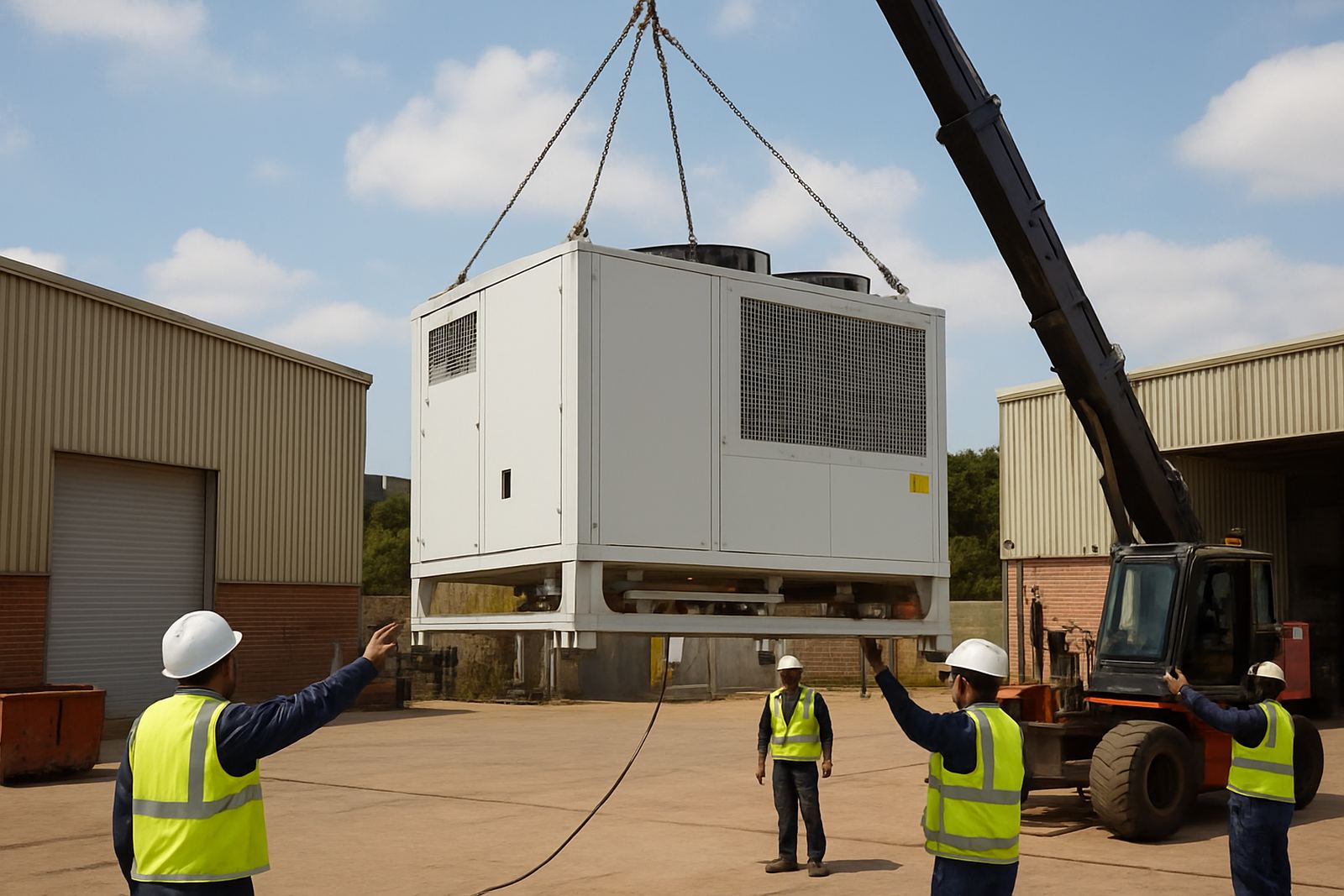
Raynen handles installation and system commissioning, and we also check control settings, flow rates and alarm functions before handover. That saves time later when production starts up and the team needs the unit to perform from day one.
Care, Servicing And Planned Maintenance
Like any industrial cooling unit, a welding cell chiller performs better when it is serviced before small issues become downtime. Routine care should include checking coolant level, looking for leaks, cleaning filters, confirming flow, inspecting pumps and condensers, and making sure control alarms are working as intended. In dusty workshops, blocked filters and fouled heat exchangers are common causes of poor cooling, so regular attention really does pay off.
Raynen provides preventative maintenance, breakdown repairs, refrigeration repairs, pump replacements, control panel upgrades and cooling audits for plants across South Africa. For clients in Johannesburg, Pretoria, Durban, Cape Town and Rustenburg, we can set up scheduled visits that suit production downtime windows. We also assist with temporary cooling where a repair or upgrade must happen while the line stays operational. A good service plan can extend equipment life and help prevent welding interruptions that are costly to the production schedule.
- Monthly or quarterly checks depending on duty cycle
- Filter cleaning and condenser inspection
- Coolant quality and water treatment checks
- Pump and fan inspection
- Alarm and safety control testing
What To Check Before You Order
Before ordering a welding cell chiller, gather the operating details from the cell and the process equipment it must support. The most useful information includes the target coolant temperature, total heat load, required flow rate, pipe lengths, available power and the space available for installation. If the equipment is part of a larger line, it helps to know whether the chiller must support a single station or several points at once. That information makes it easier to size the unit correctly and avoid overspending on capacity you do not need.
It also helps to confirm whether the site has clean water, treated water or a glycol mix requirement, and whether the plant expects the unit to run all year or only on certain shifts. If there are frequent power interruptions, mention that upfront so the controls and restart arrangement can be set up with your operation in mind. Raynen’s technical sales and projects team can work from your enquiry details and recommend a practical configuration, rather than guessing from a brochure.
- Required coolant temperature and tolerance
- Heat load or machine data from the welding cell
- Flow rate, pressure and pipe connection sizes
- Available power supply and phase arrangement
- Indoor or outdoor installation location
- Water quality, filtration and maintenance expectations
Local Support From Alberton To Cape Town
Raynen is based in Alrode, Alberton and supports industrial clients from our depot and service areas in Alberton, Johannesburg, Pretoria, Germiston, Boksburg, Durban, Cape Town and Rustenburg. We work with plants that need straight answers, sensible sizing and service that keeps production moving. Our team includes people who handle operations, technical sales, projects, workshop work and customer support, so your enquiry is dealt with by the right person from the start.
If you are planning a new welding cell, replacing an older chiller or upgrading the cooling on an existing line, ask for help through the enquiry form on our contact page. We will look at the application, the site conditions and the duty cycle, then guide you toward a unit that matches the job rather than simply fitting the biggest machine available. That approach usually gives better day to day results, and fewer headaches later on.
Key facts
| Product type | Industrial welding cell chiller for automated and manual production support |
|---|---|
| Cooling capacity | Typically selected from 3 kW to 60 kW and above, depending on the cell |
| Supply options | 230 V, 400 V or 525 V three-phase configurations, subject to application |
| Temperature control | Stable chilled water control with alarm and protection functions |
| Construction | Industrial frame with service access for pumps, fans, controls and heat exchange components |
| Applications | Robotic welding cells, torch cooling, process lines and associated equipment |