Built for hot plant rooms and summer heat
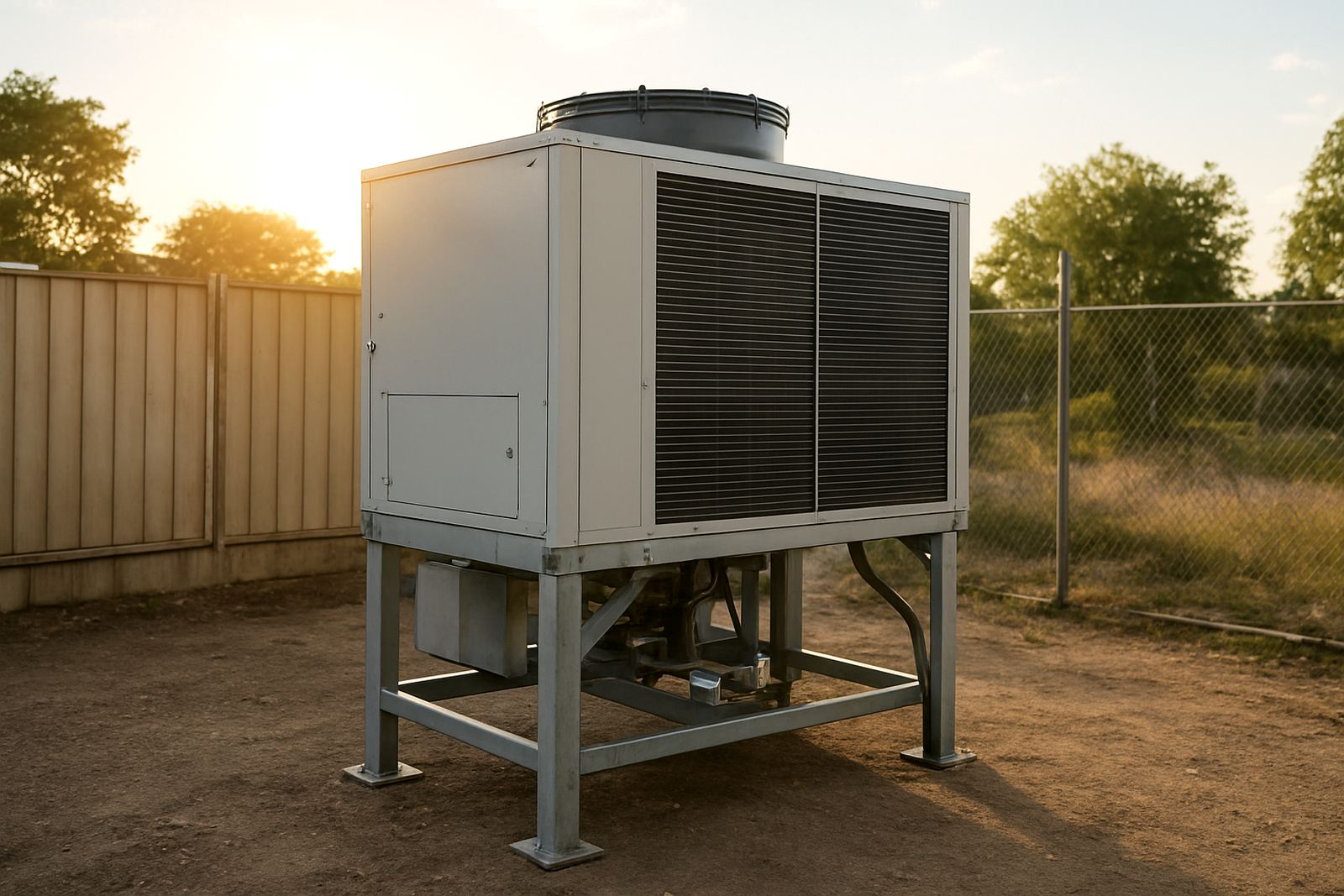
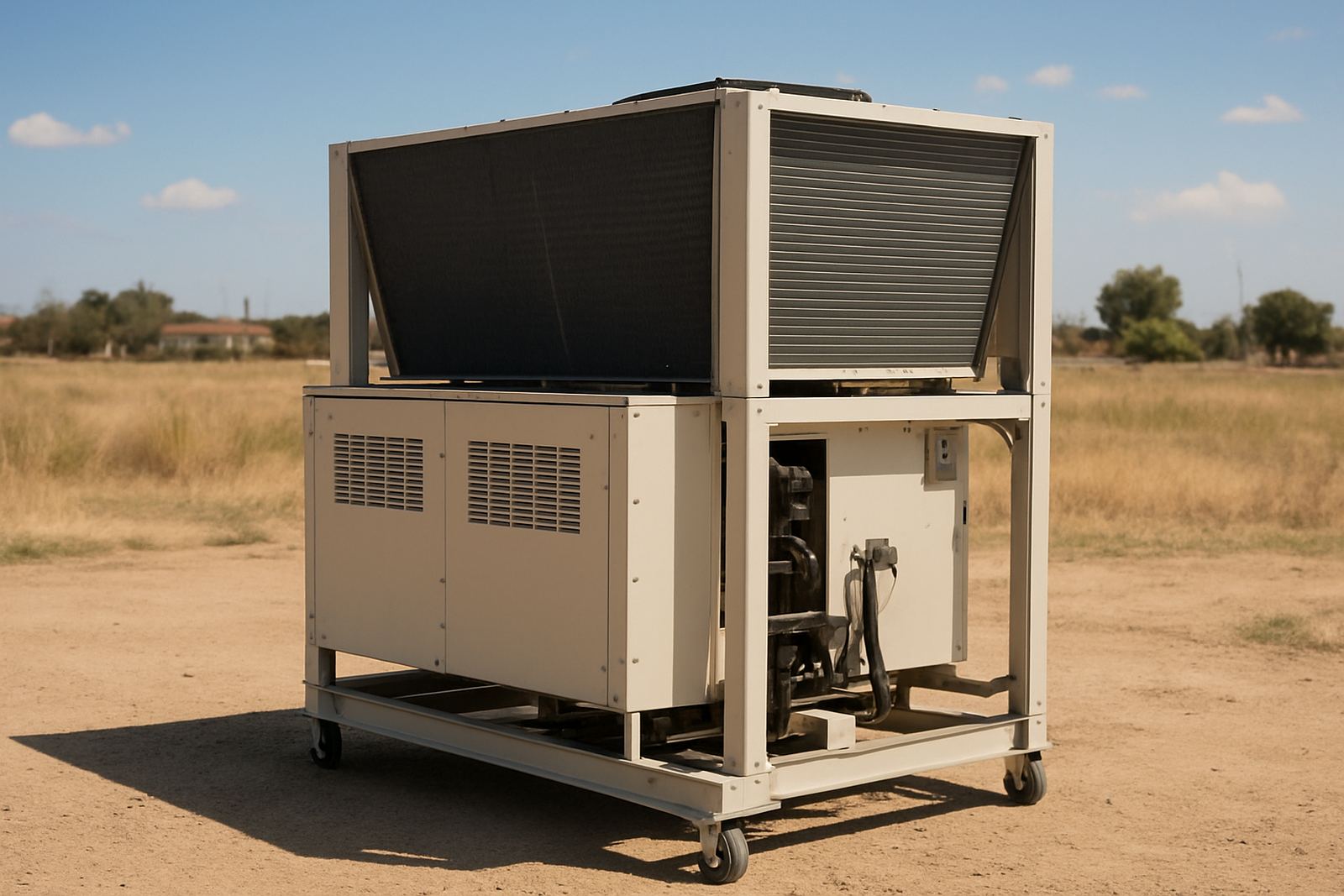
A high ambient chiller is a water cooling unit set up to perform in warm plant rooms, enclosed production areas and outdoor locations where the air temperature climbs well above normal. Standard chillers can lose capacity in these conditions, which means higher water temperatures, more compressor cycling and avoidable stoppages. A high ambient unit is selected and set up to handle that extra heat load without losing control too quickly.
These units are commonly used where dust, poor airflow or coastal humidity make cooling harder. In Alberton, Johannesburg and Germiston we often see the same issue in summer, especially in factories with limited ventilation or where machinery runs through load shedding recovery periods. The right chiller keeps process water stable and protects downstream equipment from thermal stress.
Raynen supplies high ambient chillers for laser systems, mould cooling and process lines where temperature consistency matters. The aim is simple: keep your water where it should be, even when the building gets hot and the line keeps running.
Common sizes, build options and control features
High ambient chillers are available in a range of capacities to suit small production cells through to larger continuous duty plants. Selection depends on the heat load, water flow, required temperature band and how hard the system works through the day. Some applications need a compact unit for a single laser, while others need a larger package for multiple mould circuits or a full process line.
Options can include stainless or painted steel construction, insulated water tanks, higher pressure pumps, low-temperature glycol operation and remote control signals for integration with plant equipment. Units can also be specified with stronger condensers and fan arrangements for warmer ambient conditions, which helps maintain output on hot days.
- Chiller capacities sized to the actual process load
- Water or glycol cooling for process stability
- Single circuit and multi-circuit configurations
- Indoor or outdoor installation options
- Local control panels with fault alarms and temperature display
- Pump pressure matched to piping length and elevation
Where a plant has variable demand, we can help size a unit with enough headroom for the worst case summer shift, not just mild weather.
Where a high ambient chiller makes sense
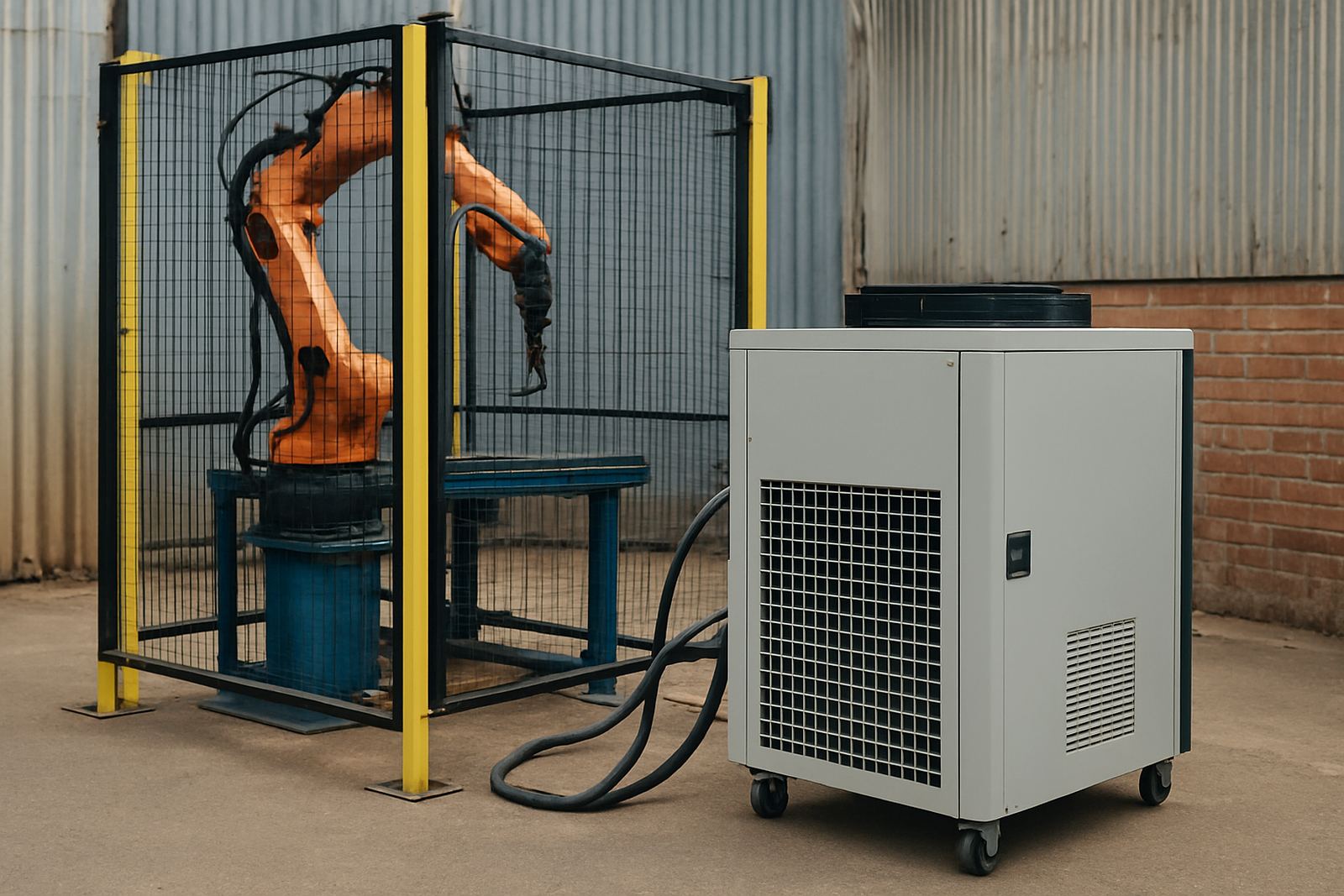
This type of chiller suits production sites where cooling failure would stop the line, damage product quality or shorten equipment life. It is a strong fit for laser cutting, plastic moulding, extrusion, packaging, metal finishing and other process lines that depend on steady water temperature. It is also practical where the unit sits in a hot bay, near ovens, furnaces or other heat sources.
For laser work, a stable chiller helps protect optical components and keeps cut quality more consistent. For moulding, it helps reduce cycle variation and supports repeatable product finish. On process lines, stable cooling can reduce downtime, prevent nuisance alarms and limit wear on pumps, seals and refrigeration parts.
Many customers also choose a high ambient setup when their site is exposed to Durban humidity, coastal corrosion or long summer heat in inland areas such as Pretoria, Rustenburg and Cape Town. The chiller has to work hard there, so the specification needs to match the real site conditions, not only the nameplate load.
- Laser cutting and laser welding systems
- Injection moulding and blow moulding
- Extrusion and thermoforming lines
- Heat exchangers and batch cooling systems
- Industrial process water loops and test rigs
Installation, space and power requirements
Installation starts with correct placement, good airflow and a clean water circuit. High ambient chillers need enough breathing space around the condenser and service panels so hot air does not recirculate. In many factories that means planning for roof shade, side clearance and a position away from steam, dust and direct discharge from other equipment.
Power supply needs to be checked before delivery. Depending on the size, the unit may require three phase power and suitable protection for compressors, pumps and controls. Voltage stability matters in South Africa, especially where load shedding, generator changeover or weak municipal supply can affect start-up. A properly set control system and protection package reduces nuisance trips and helps the chiller restart cleanly after an outage.
We also check water quality, pipe sizing and return temperatures during installation. Poor pipework or restricted flow can make even a good chiller underperform. If the plant needs temporary cooling during a retrofit or shutdown, we can arrange that so production is not left waiting.
Routine care that keeps cooling capacity up
Like any industrial cooling unit, a high ambient chiller needs regular care if it is expected to perform in tough conditions. Dust build-up on coils, low water quality, weak pumps and blocked strainers all reduce output over time. On sites with high summer temperatures the margin is smaller, so maintenance becomes even more important.
Raynen supports preventative maintenance, breakdown repairs, refrigeration repairs and cooling audits for systems across South Africa. Our service teams in Alberton, Johannesburg, Pretoria, Durban, Cape Town, Rustenburg, Germiston and Boksburg can inspect the unit, test operating pressures and check whether the chiller is still matched to the actual load.
- Clean condenser coils and verify air flow
- Check water treatment and glycol concentration where fitted
- Inspect pumps, valves and strainers for wear or blockage
- Test control settings, alarms and safeties
- Review fan operation and compressor running conditions
A small issue like a dirty coil or a tired pump can cause bigger temperature swings later, so regular checks are worth it.
What to confirm before you order
Before ordering a high ambient chiller, it helps to have a clear picture of the process and the site. The more accurate the information, the better the sizing and the fewer surprises during installation. A short cooling audit can save time and avoid overspending on a unit that is either too small or unnecessarily large.
Useful details include the process type, target water temperature, ambient temperature in the plant, available power, pipe distances and whether the unit will sit indoors or outdoors. If the system serves a laser, mould or line with changing demand, note the peak load and the normal operating hours too. In some cases you may also need a temporary cooling solution while the permanent unit is being installed.
- Required supply temperature and return temperature
- Heat load in kW or the machine details
- Available electrical supply and breaker size
- Indoor or outdoor siting, including dust and humidity exposure
- Pipe runs, pump head and water tank requirements
- Any water treatment, glycol or filtration needs
Our team can help confirm the right specification and guide you on the practical items that matter on a South African site, from summer heat to power interruptions.
Key facts
| Product type | Industrial water chiller for high ambient conditions |
|---|---|
| Typical applications | Lasers, moulds, process lines and heat-sensitive equipment |
| Operating environment | Hot plant rooms, dusty areas and warm outdoor sites |
| Cooling medium | Water or water-glycol mix depending on application |
| Controls | Digital temperature control with alarm and fault indication |
| Service support | Installation, commissioning, maintenance and repairs nationwide |