Built for steady circulation in demanding cooling loops
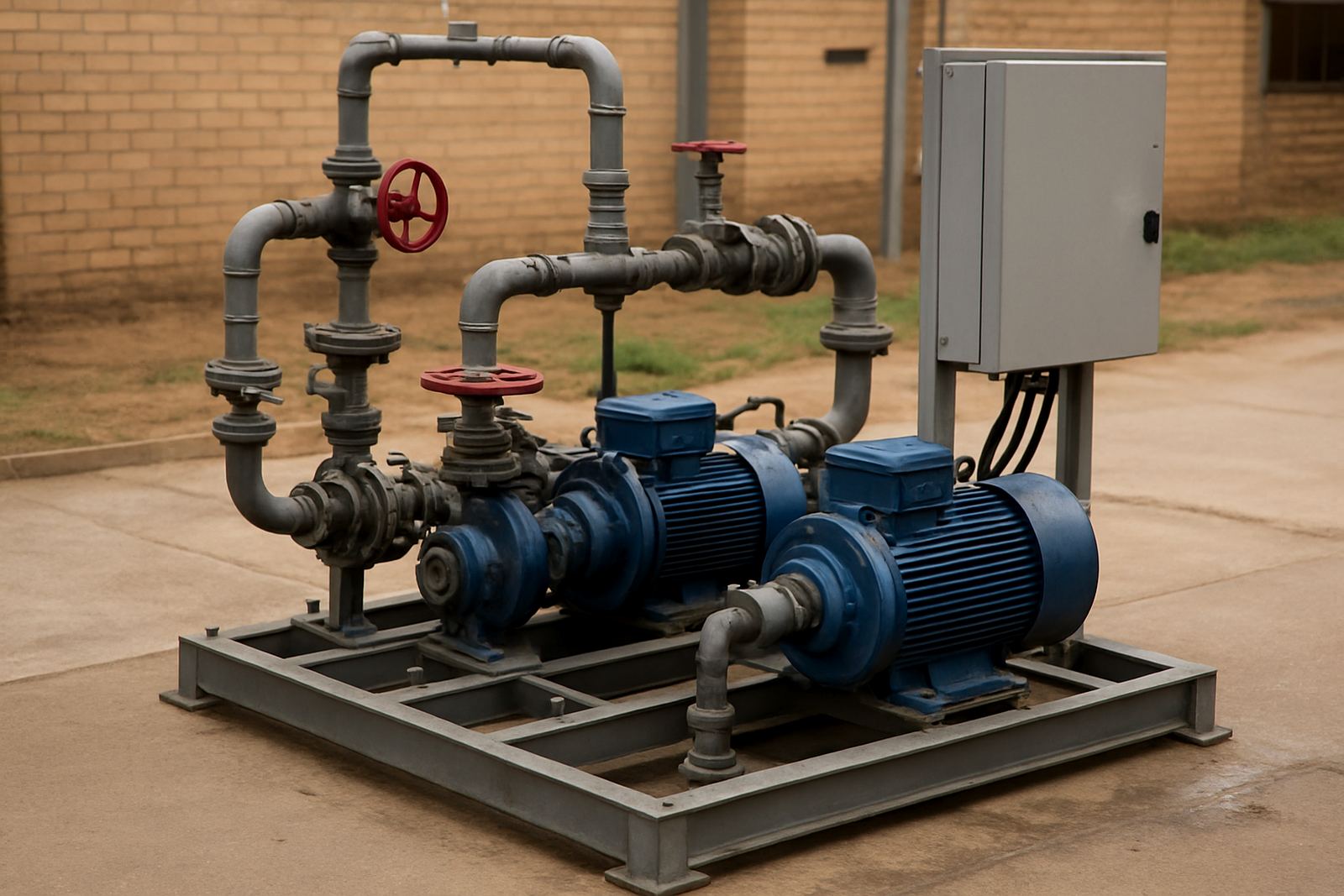
The pump station package combines the circulation pump, control panel, isolation valves, strainers and safety devices into one coordinated unit. It is set up to move chilled water or glycol water through the cooling circuit at the flow and pressure your process needs, without making operators piece together separate parts on site.
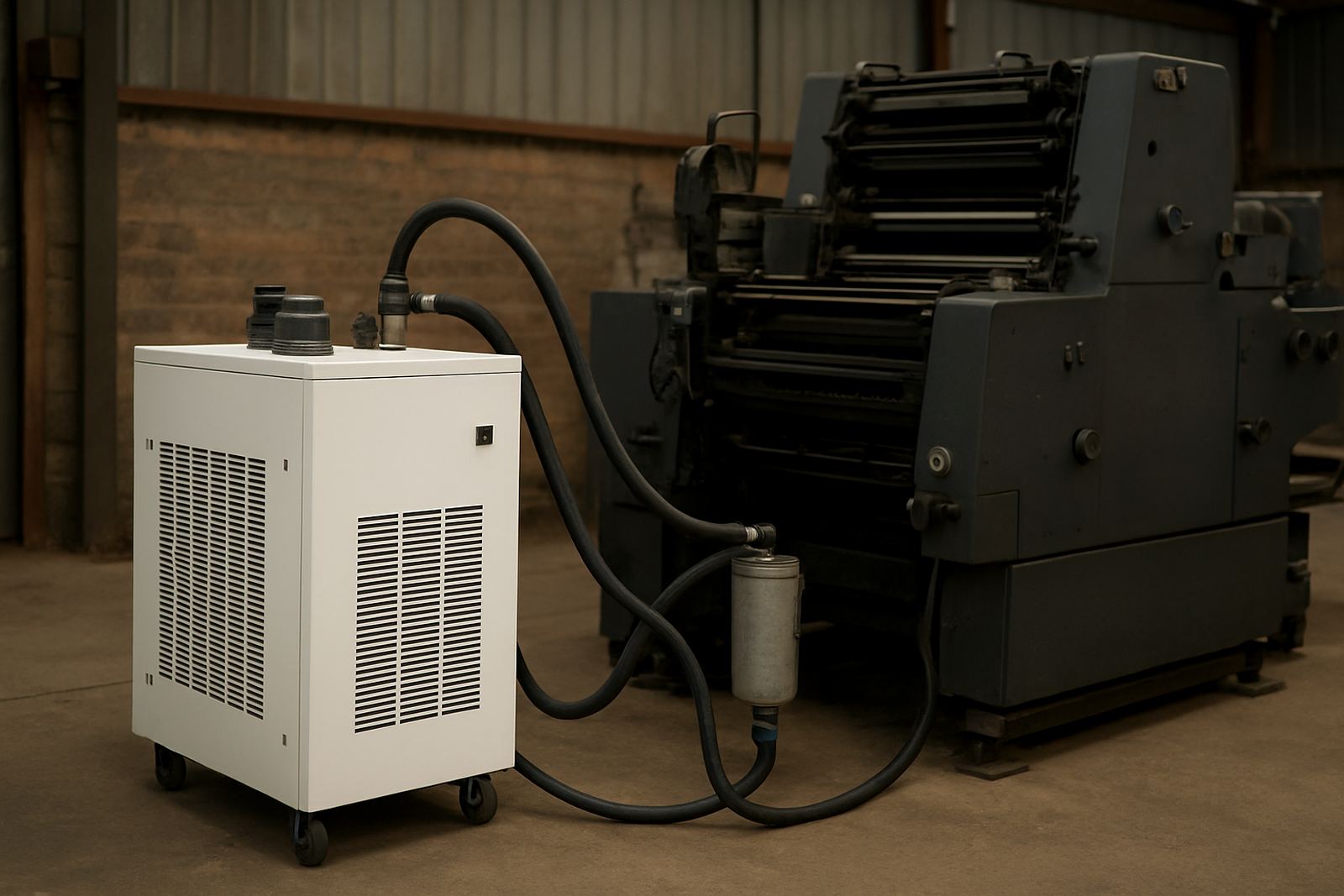
For lasers, moulds and process lines, flow consistency is just as important as water temperature. A chiller can only do its job properly if the pump keeps the circuit moving, air is managed, and pressure loss across pipework, manifolds and equipment stays within range. This package is suited to single-machine cooling as well as larger plant loops with multiple users. It is a practical option for factories in Alberton, Johannesburg, Pretoria, Durban, Cape Town and Rustenburg where uptime matters and spare parts need to be easy to service.
Because it is supplied as a matched set, the controls can be arranged to suit pressure, differential pressure or flow based operation. That makes it easier to protect expensive process equipment from low flow trips, overheating and nuisance alarms.
Options, sizes and control choices
Pump station packages are selected to match the duty of the cooling system, not just the size of the chiller. We look at the total pipe run, vertical lift, number of branches, filter load and the pressure drop across the load. For many factory installations, a single circulating pump is enough. In larger plants or where 24 hour running is expected, a duty and standby arrangement may be the better fit.
- Flow ranges matched to small, medium or high demand cooling loops
- Single pump or twin pump arrangements for standby coverage
- Stainless or coated wetted parts for better resistance to corrosion
- Tank sizes for buffering flow and reducing short cycling
- Manual, analogue or digital control options
- Local and remote alarm contacts for plant monitoring
Typical packaged units are built for clean water or water with glycol, depending on the application and ambient conditions. On coastal sites, a glycol mix and suitable materials can help with humidity and corrosion control. In hotter inland plant rooms, the emphasis is often on pump selection, electrical protection and ventilation around the enclosure.
Where this package suits best
The pump station package is commonly used where the cooling load changes during the day or where the chiller sits away from the process machine. It is a strong fit for laser cutting lines, injection moulding machines, extrusion lines, heat exchangers, platen cooling and other process equipment that cannot afford warm spots or uneven circulation.
It also suits sites with long pipe runs, multiple branches or equipment spread across more than one bay. In these cases, a simple pump on the chiller is often not enough. A proper pump station gives better control over pressure and helps keep the chilled water moving evenly through the plant.
This is useful in South African factories dealing with load-shedding, generator changeovers or fluctuating utility supply. When power returns, the control system can be arranged to restart safely, with alarms and interlocks to protect the cooling circuit rather than tripping repeatedly. For plants that run on tight production windows, that extra control is worth having.
Installation, power and utility requirements
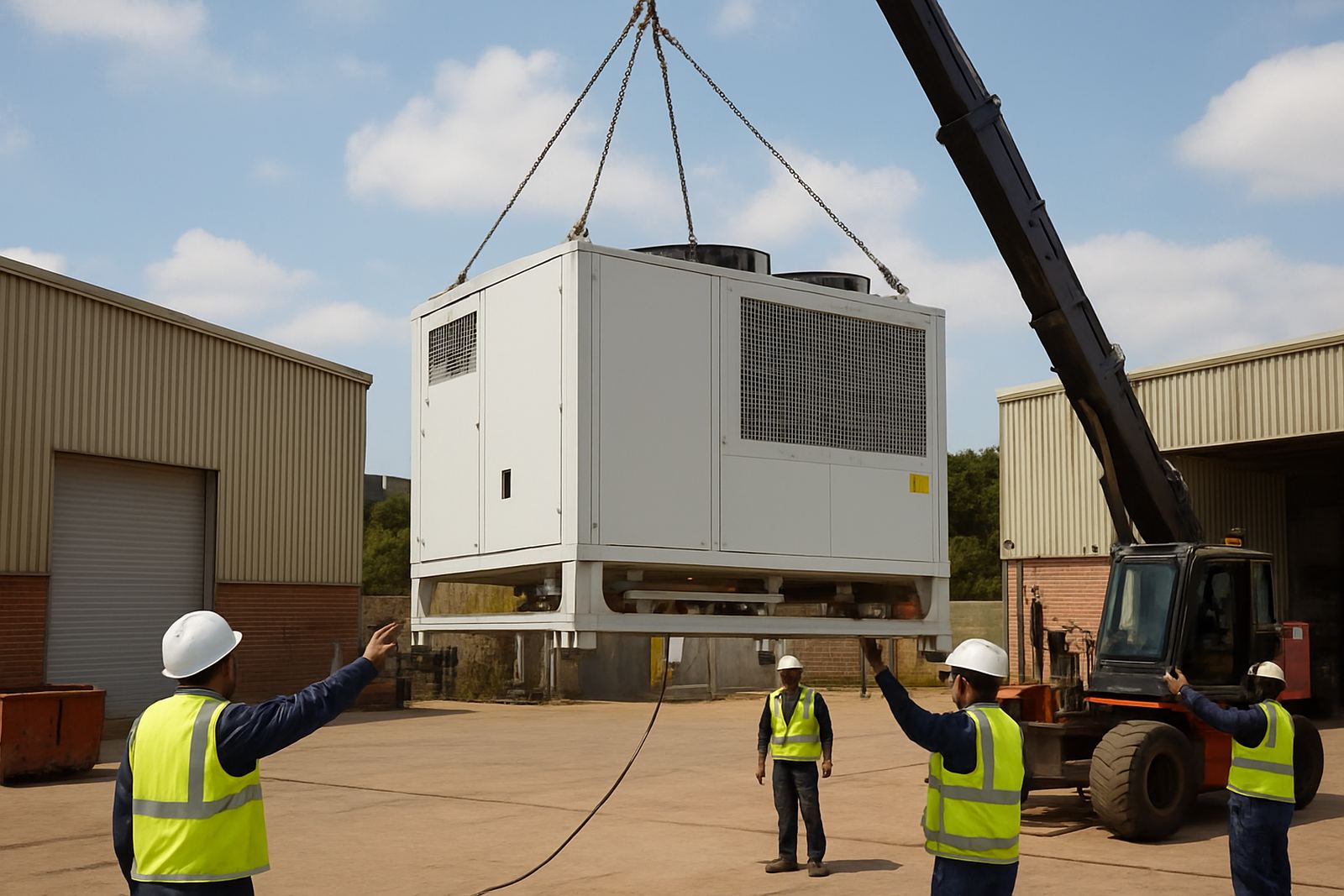
Installation depends on the flow rate, pressure requirement and how the package is tied into the chiller and process loop. Most units need a level base, proper isolation valves, enough clearance for service access and a clean electrical supply with the correct protection. If the pump station is installed outdoors or in a humid area, the enclosure and fittings must be selected for that environment.
Power requirements vary by pump size and control specification, but the package is usually built for industrial electrical supply conditions and may include overload protection, phase failure protection and pump run feedback. The electrical load must be checked against the site supply and generator capacity if backup power is used. Gas is not normally required for the pump station itself, although the full cooling system may use refrigerant in the chiller that serves it.
- Check available electrical supply before ordering
- Confirm if the site runs on mains only, generator only, or both
- Allow enough space for valves, strainer cleaning and panel access
- Plan pipework to reduce sharp bends and unnecessary pressure loss
- Provide a drain point for maintenance and water changes
Care, servicing and water quality checks
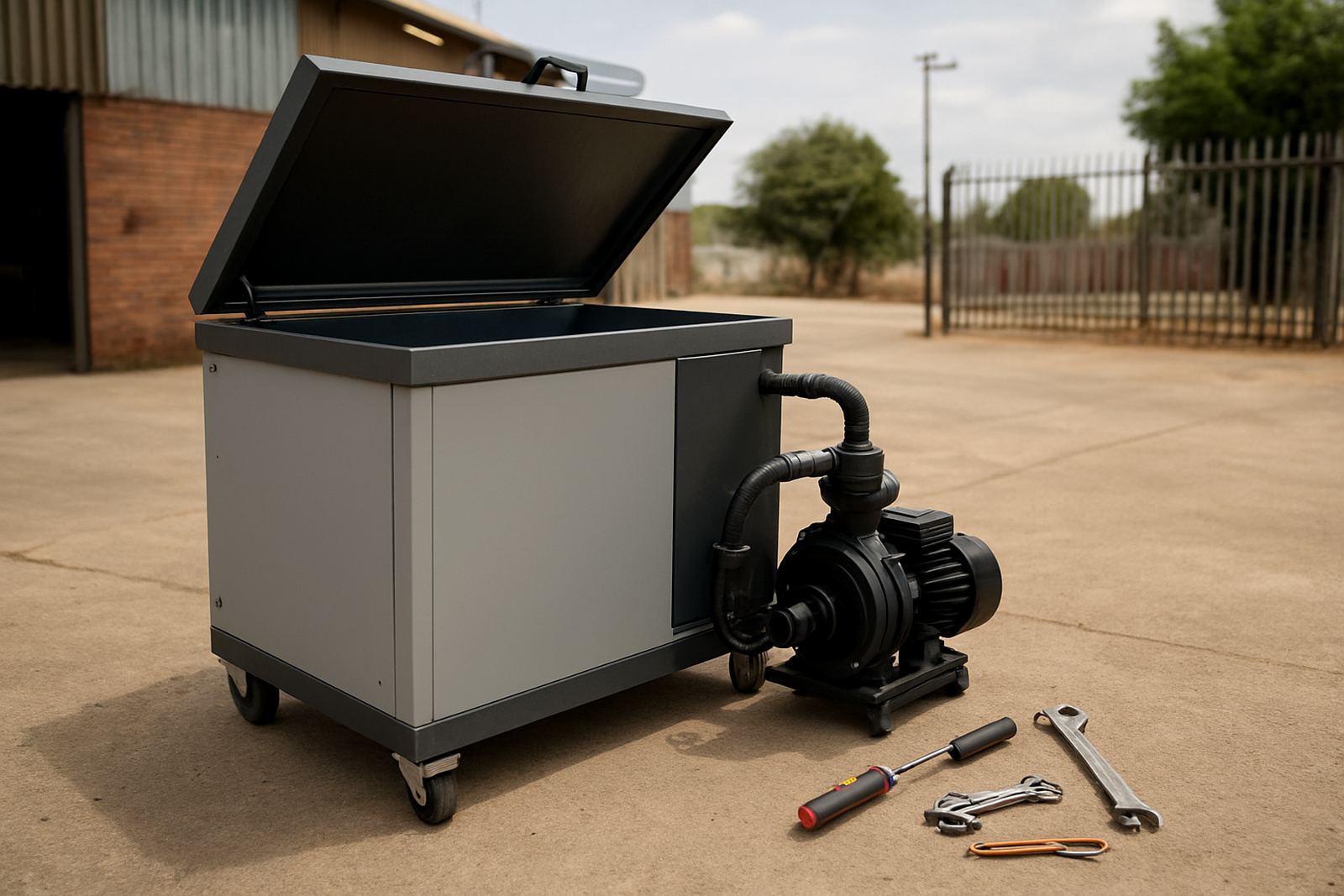
Like any circulation system, the pump station performs best when it is kept clean and checked on schedule. The strainer should be inspected regularly, especially on new installations where pipe debris can collect in the first few weeks. Seal condition, pump vibration, motor temperature and control alarms should also be checked during routine maintenance.
Water treatment matters because poor water quality leads to scale, corrosion and blocked strainers. That can shorten pump life and reduce flow through moulds or laser cooling circuits. In coastal areas this becomes more important, and in factories with mixed metals or older pipework, water treatment checks should be part of the service plan. A simple conductivity or chemical check can save a lot of downtime later.
Preventative maintenance also helps spot noise, cavitation and air ingress before they become breakdowns. If the site is running across night shifts or with limited technical staff, a service plan makes sense. Our team can also check setpoints, pump rotation, alarm history and whether the package is still matching the actual process load.
What to confirm when requesting a quote
Before ordering a pump station package, it helps to confirm the process duty and site conditions. A clear specification avoids undersized pumps, poor pressure at the load, or unnecessary oversizing that wastes power. If you are replacing an older unit, a photo of the nameplate and the existing pipework layout can speed things up.
- Cooling duty: laser, mould, process line or general circulation
- Required flow in litres per minute or cubic metres per hour
- Required pressure, or the length and height of the pipe run
- Water type: clean water, treated water or glycol mix
- Power supply available at site
- Indoor or outdoor installation, and any space limits
- Whether duty standby pumping is needed
It also helps to state whether the system must integrate with an existing chiller, a new chiller, or a central cooling header. For sites in industrial areas like Alrode, Germiston or Boksburg, service access and spare part availability should also be considered upfront so the package can be maintained without disrupting production.
Key facts
| Package type | Integrated pump, control and protection station for industrial cooling circuits |
|---|---|
| Typical application | Lasers, moulds, heat exchangers and process line cooling |
| Flow range | Sized to duty, from small single-machine loops to multi-user plant circuits |
| Pressure arrangement | Single or twin pump options with controlled circulation and alarm feedback |
| Utilities | Industrial electrical supply; water or water-glycol circuit; no gas supply required for the pump station |
| Service focus | Installation, commissioning, preventative maintenance, repairs and water quality checks |