What a glycol chiller does on site
A glycol chiller cools a water and glycol mix so the liquid can circulate at temperatures below 0°C without freezing in the pipework or equipment. That makes it suitable for processes that need colder supply temperatures than a standard water chiller can give, especially where a steady flow is needed through long runs, small channels or temperature-sensitive machines.
At our base in Alrode, Alberton, we supply and service glycol chillers for factories, workshops and production lines across Johannesburg, Pretoria, Durban, Cape Town and Rustenburg. These units are used where temperature drift can affect part quality, cycle times or machine life. On busy shifts, they keep the coolant stable even when ambient temperatures climb and the plant is running hard.
Where glycol cooling is the right fit
Glycol chillers are commonly used on lasers, moulds, tooling circuits and process lines where low temperatures improve control. They also suit sites that need freeze protection during cold mornings in the Highveld or where outdoor pipe runs are exposed. In coastal areas like Durban and Cape Town, glycol also helps reduce the risk of condensation related issues when the system is correctly sized and insulated.
- Laser equipment that needs stable beam-path cooling and tight temperature control
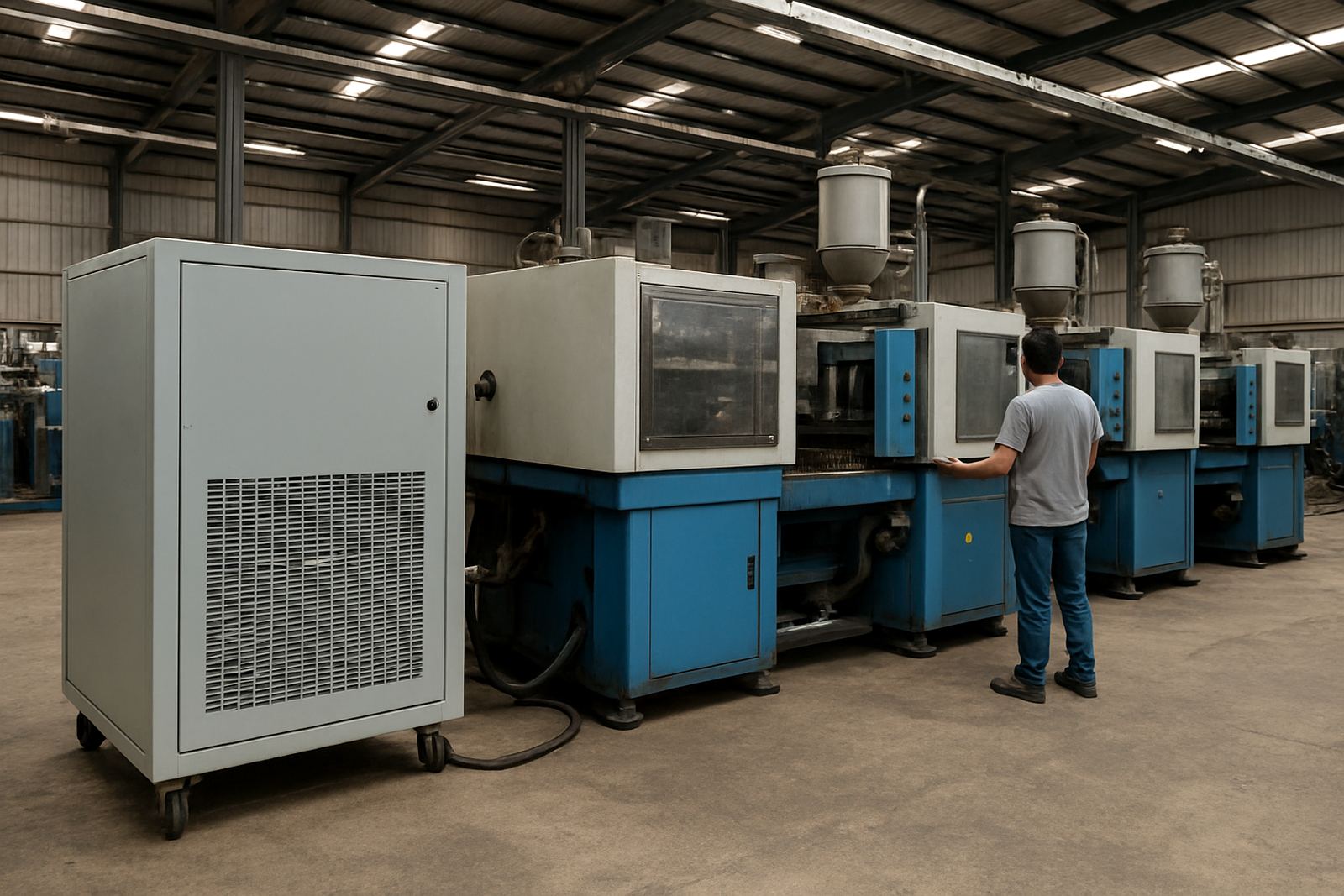
- Injection moulds and dies where consistent cooling improves finish and repeatability
- Process lines with heat-sensitive product, tanks or exchangers
- Outdoor or partially exposed pipework that needs freeze protection in winter
- Facilities with long production hours and load-shedding recovery needs
If your plant uses variable shifts or has older chilled-water infrastructure, a glycol mix can give more tolerance against sudden temperature swings. It is not a cure-all, but in the right application it reduces nuisance shutdowns and protects equipment better than plain water.
Sizes, options and specification points
We match glycol chiller size to the heat load, target temperature and duty cycle. Smaller units are often used for single machines or compact skid-mounted systems, while larger units serve multiple points or higher heat loads. Options include different pump pressures, tank sizes, flow configurations and controls depending on how the plant is set up.
When comparing units, the main point is not only cooling capacity but also the lowest leaving temperature, glycol concentration and pump performance. A unit that can reach the right temperature but cannot maintain flow through your pipe run will not do the job properly. We also look at the ambient conditions, because a factory in Alberton does not behave the same as a humid coastal site in Durban.
- Cooling capacity matched to process load and ambient conditions
- Operating temperature range for low-temperature work
- Tank volume and system hold-up requirements
- Pump head and flow rate for your pipe length and fittings
- Controls for temperature display, alarms and setpoint adjustment
- Materials and insulation suited to indoor or outdoor installation
Installation, power supply and plant conditions
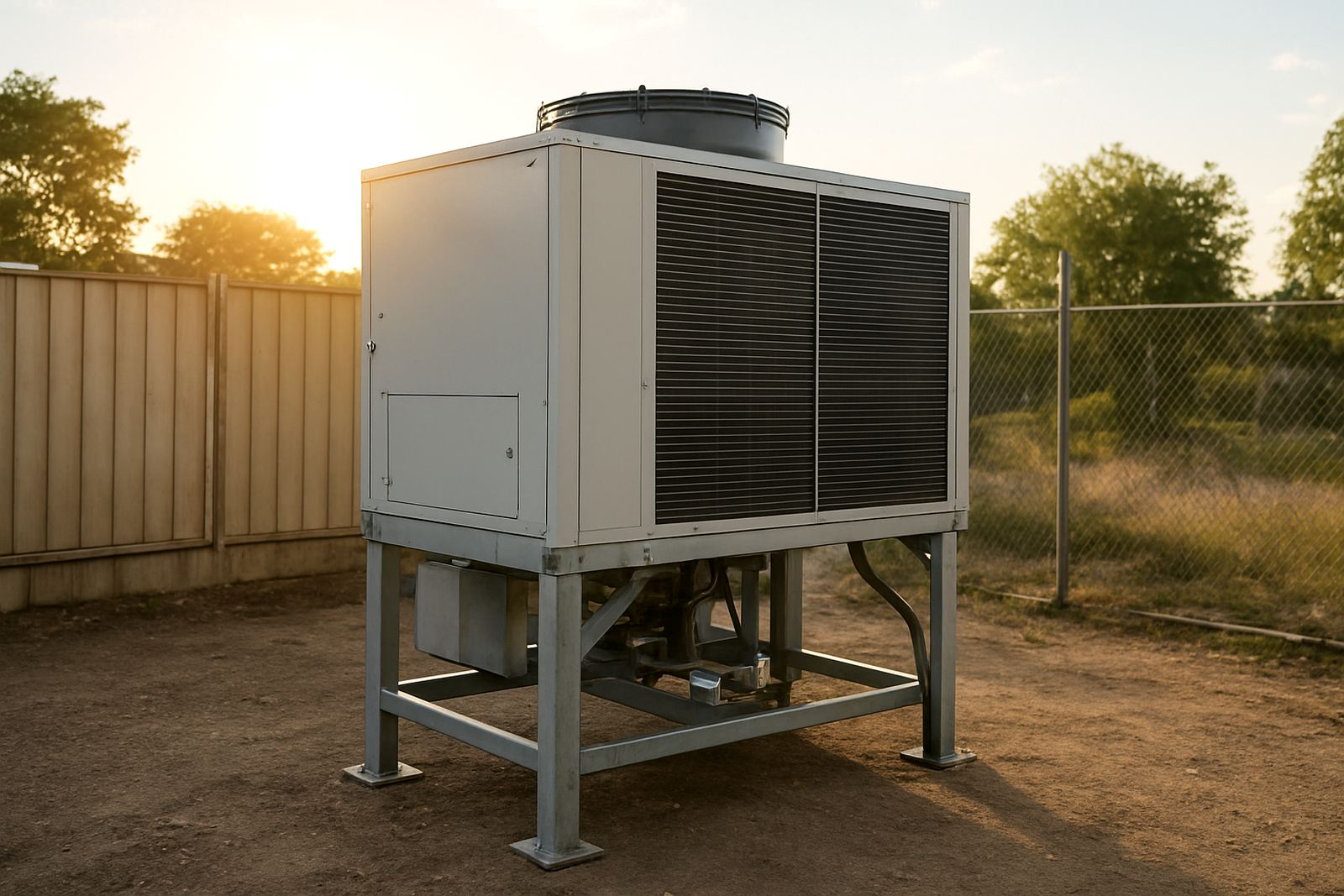
Installation must allow for proper airflow, service access and safe pipe routing. Most glycol chillers are installed indoors or under cover, with enough space around the unit for cleaning, filter checks and compressor service. Where outdoor installation is unavoidable, the unit needs weather protection, correct electrical isolation and good pipe insulation to reduce heat gain.
Power needs depend on the size of the chiller and the compressor load. Single-phase supply may suit smaller units, while larger systems generally need three-phase power. On sites affected by load-shedding, we can advise on restart behaviour, control settings and temporary cooling options so production does not sit idle for long. Some plants also need a gas charged refrigeration circuit check during commissioning to confirm the system is properly set up and stable.
- Check the available electrical supply before ordering
- Confirm if your site has single-phase or three-phase power
- Allow for a proper isolator, earthing and compliant cable sizing
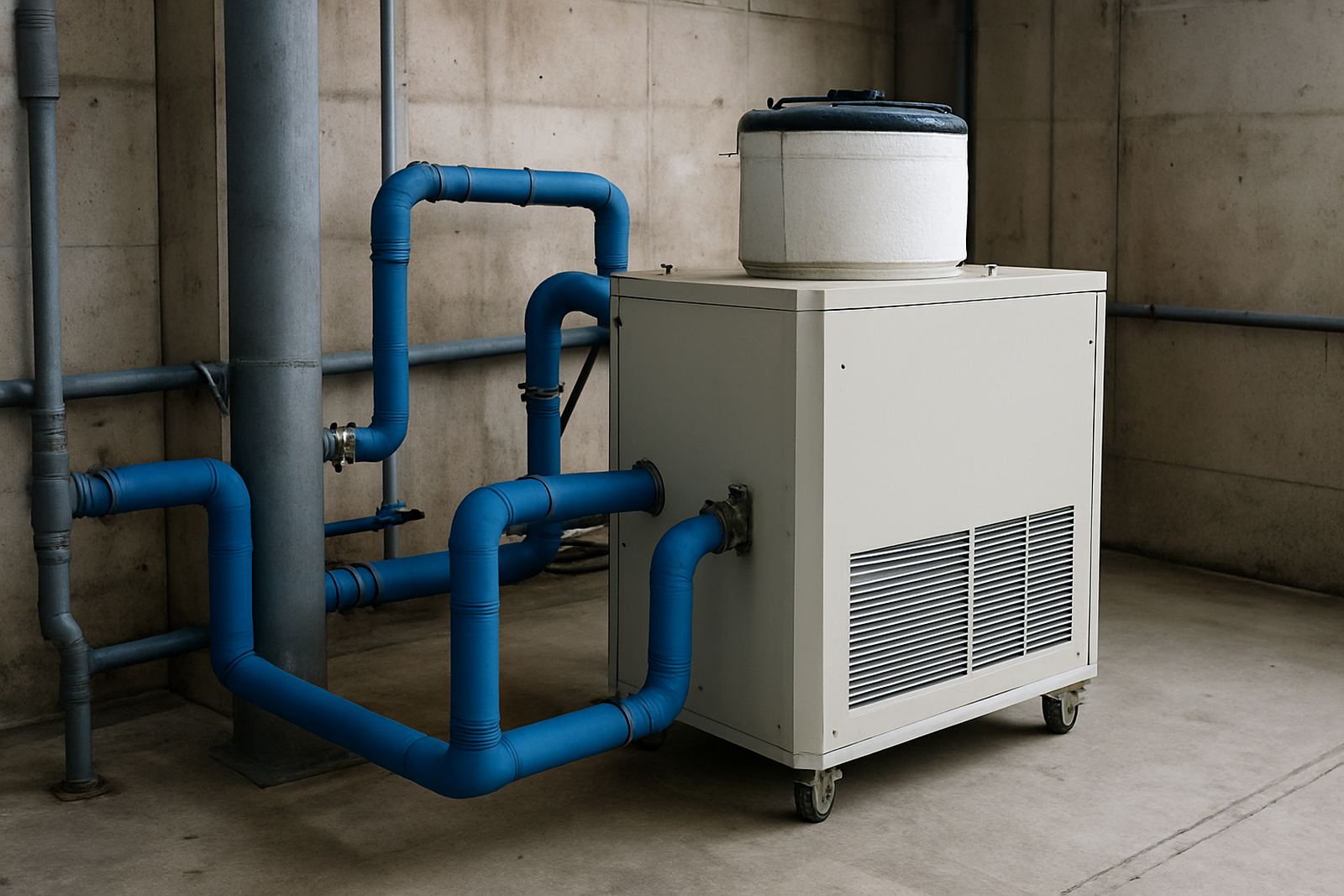
- Plan for pipe insulation on all cold lines and tanks
- Provide clear access for maintenance and water treatment checks
How to keep a glycol chiller working properly
Routine care is important because glycol systems do more than just cool water. The mix needs correct concentration, clean strainers and a system free of air, scale and dirt. If the mixture is too weak, freeze protection is reduced. If it is too strong, heat transfer can suffer and the pump may work harder than it should.
We recommend preventative maintenance, water treatment checks and periodic refrigeration inspections to keep the unit stable through the year. On coastal sites, condensation and corrosion need closer attention. In dusty industrial areas around Ekurhuleni and Gauteng, filters and condensers can clog faster than expected, so a simple service can prevent a bigger breakdown later. It is better to catch a blocked coil or weak pump early than to stop a production line mid-shift.
- Check glycol strength and top up with the correct mix only
- Inspect pumps, seals, valves and strainers for wear
- Clean condenser coils and airflow paths regularly
- Test alarms, controls and temperature sensors
- Look for leaks, vibration and unusual compressor cycling
What to send us when you are ordering
To size the right glycol chiller, send us the process temperature required, the heat load if known, and the number of machines or circuits involved. We also need to know whether the unit is for a laser, mould, process line or mixed use, plus the ambient conditions where it will sit. If the site has existing pipework, photos help us see the layout and likely restrictions.
Good ordering information saves time on installation and avoids under-sizing. Please include whether you need freeze protection, temporary cooling, a portable unit, or a fixed installation tied into your plant. Also note if the site has municipal water limits, borehole water, or a treated loop already in place. If there are older refrigeration repairs or pump replacements planned, tell us upfront so we can prepare the right setup and spares.
- Required supply temperature and return temperature
- Approximate heat load or machine capacity
- Pipe length, pipe diameter and installation location
- Power supply details and any load-shedding backup plan
- Whether you need alarms, remote monitoring or operator training
Supply and service support across South Africa
Raynen supplies and services industrial glycol chillers from Alberton across South Africa, with support in Johannesburg, Pretoria, Durban, Cape Town and Rustenburg. Our team handles chiller installation, system commissioning, preventative maintenance, breakdown repairs, refrigeration repairs, pump replacements, pipework retrofits, control panel upgrades and cooling audits. We also assist with temporary cooling for production interruptions and operator training for day-to-day use.
Our workshop and field team, including Riaan van der Merwe and the support staff in operations, technical sales, projects and service, work with plant managers and maintenance teams to keep systems running. Whether you are fitting a new unit or fixing an older one, we look at the practical side first: flow, temperature, access and uptime. That is what keeps a glycol chiller useful over the long term.
Key facts
| Product type | Industrial glycol chiller for low-temperature process cooling |
|---|---|
| Typical use | Lasers, moulds, process lines and freeze-protection circuits |
| Temperature range | Configured to operate below 0°C with correct glycol mix |
| Cooling method | Mechanical refrigeration with pumped glycol circulation |
| Installation | Indoor or under-cover installation with insulated pipework |
| Support | Installation, commissioning, maintenance, repairs and upgrades |