What a large mould chiller does on the production floor
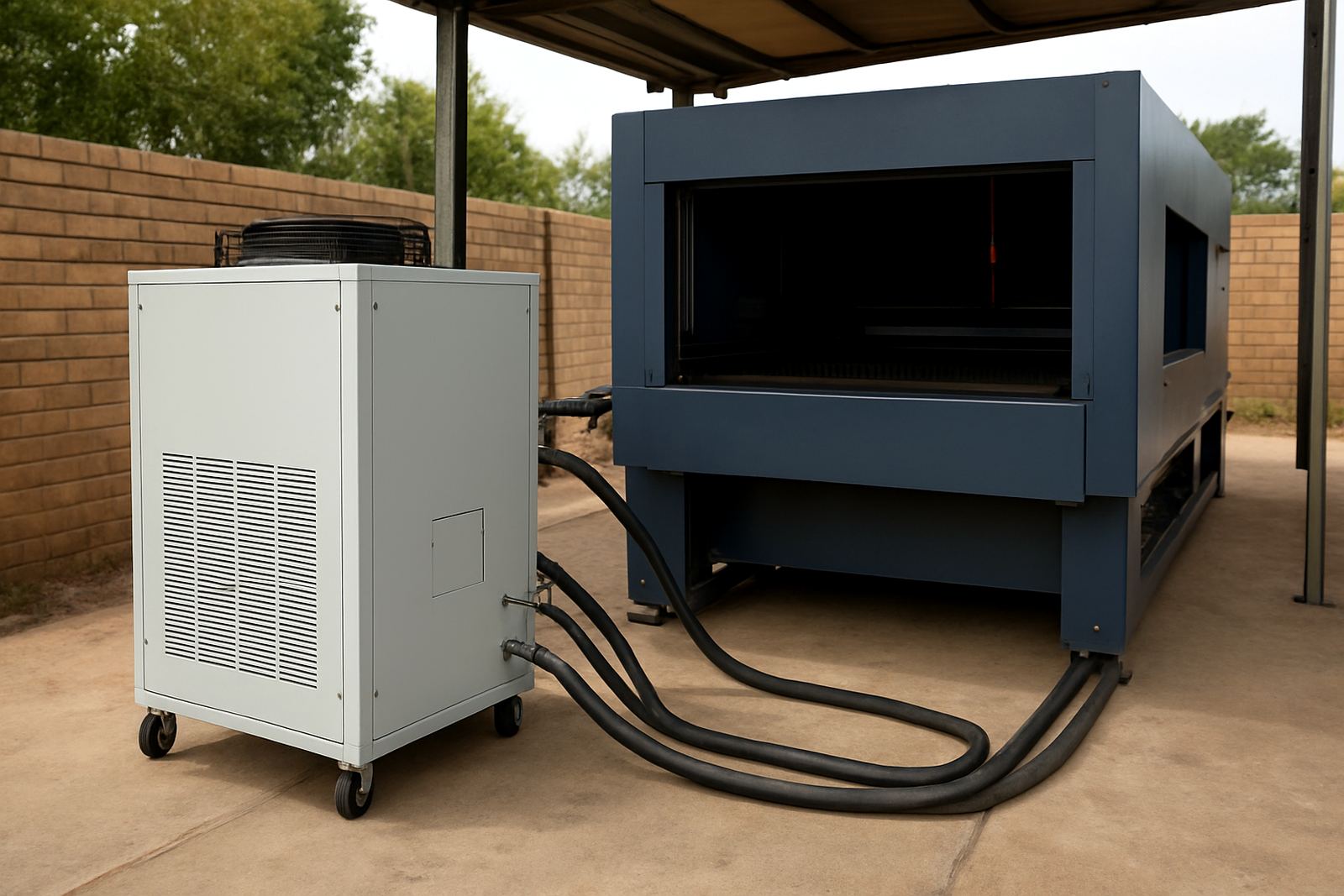
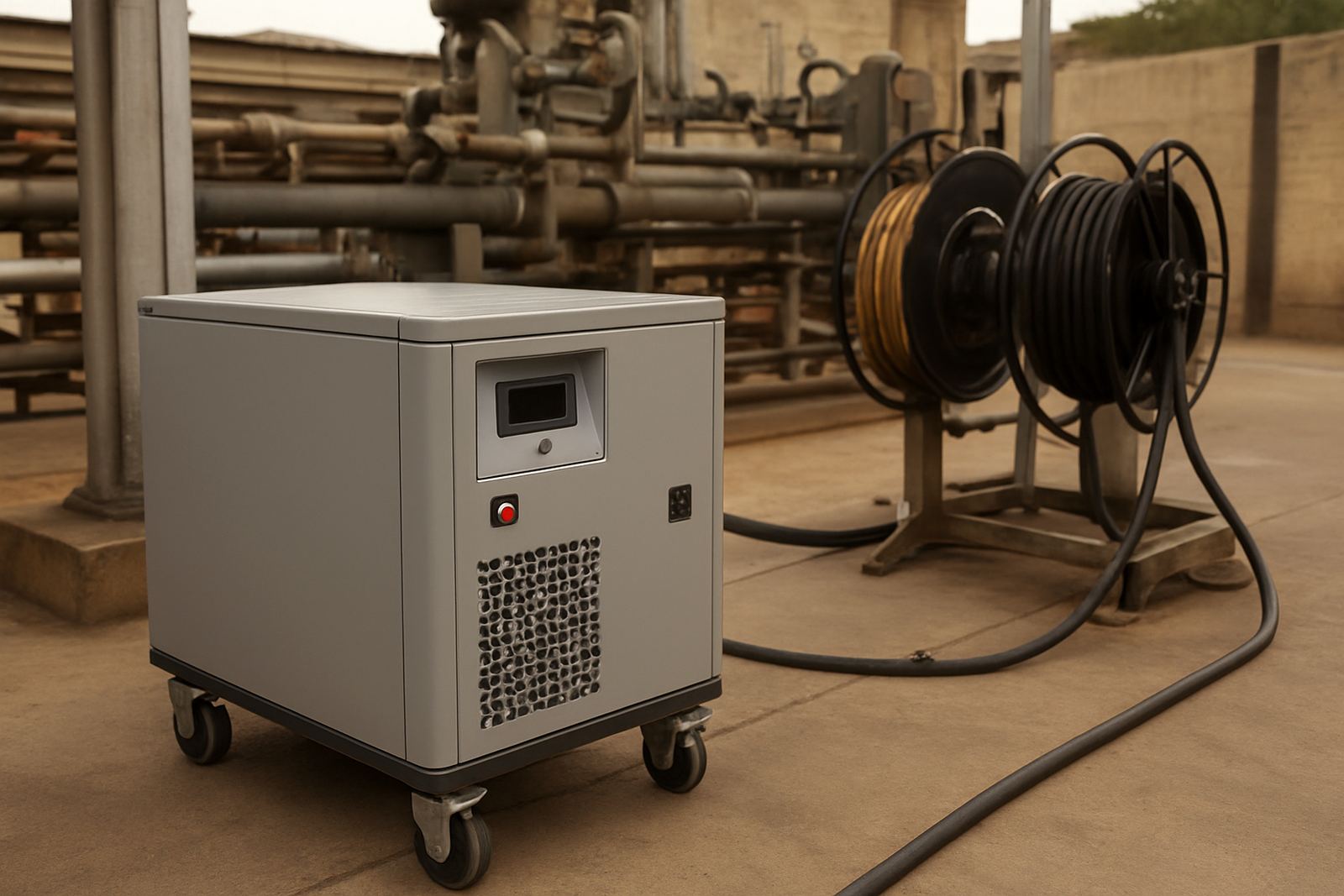
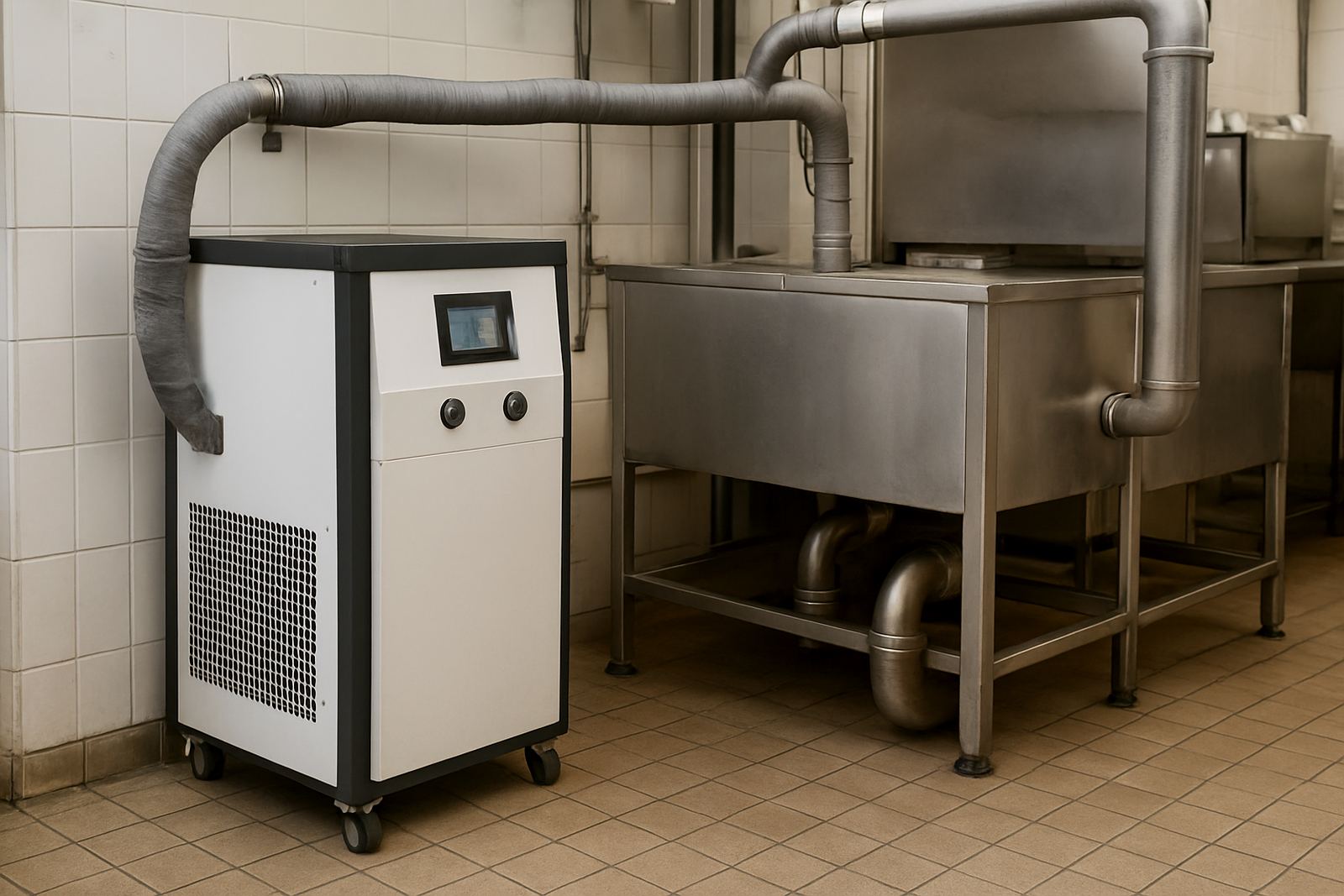
A large mould chiller removes heat from the mould circuit so the tool stays within a set temperature band during long production runs. That matters when the mould has heavy steel mass, multiple cavities or longer cooling channels, because poor temperature control can lead to warped parts, slow cycle times and extra scrap.
These units are used where water flow and cooling load are higher than a standard compact unit can handle. In plastics factories, the chiller often works with mould temperature control lines, manifold circuits and return headers, helping keep the process steady through a full shift, even when ambient temperatures climb or load-shedding has disturbed the plant routine.
Typical sizes, cooling ranges and build options
Raynen supplies large mould chillers in a range of capacities to suit different mould sizes and production rates. Selection depends on the heat load, required supply temperature, ambient conditions and whether the unit will run on one mould or several tools at the same time.
- Cooling capacities commonly selected from about 20 kW to 150 kW and above
- Set point ranges usually from 5 C to 25 C for mould cooling duties
- Air cooled and water cooled configurations available
- Single circuit or multi circuit arrangements, depending on flow demand
- Stainless steel or treated water contact parts where water quality is a concern
- Options for low ambient operation, pump duty variation and remote monitoring
For sites in hot inland areas such as Alberton, Johannesburg and Pretoria, the right condenser size and airflow are important. Coastal humidity in Durban and Cape Town can also affect how the plant room is arranged, so the installation has to suit the local conditions not just the nameplate rating.
Where large mould chillers fit best
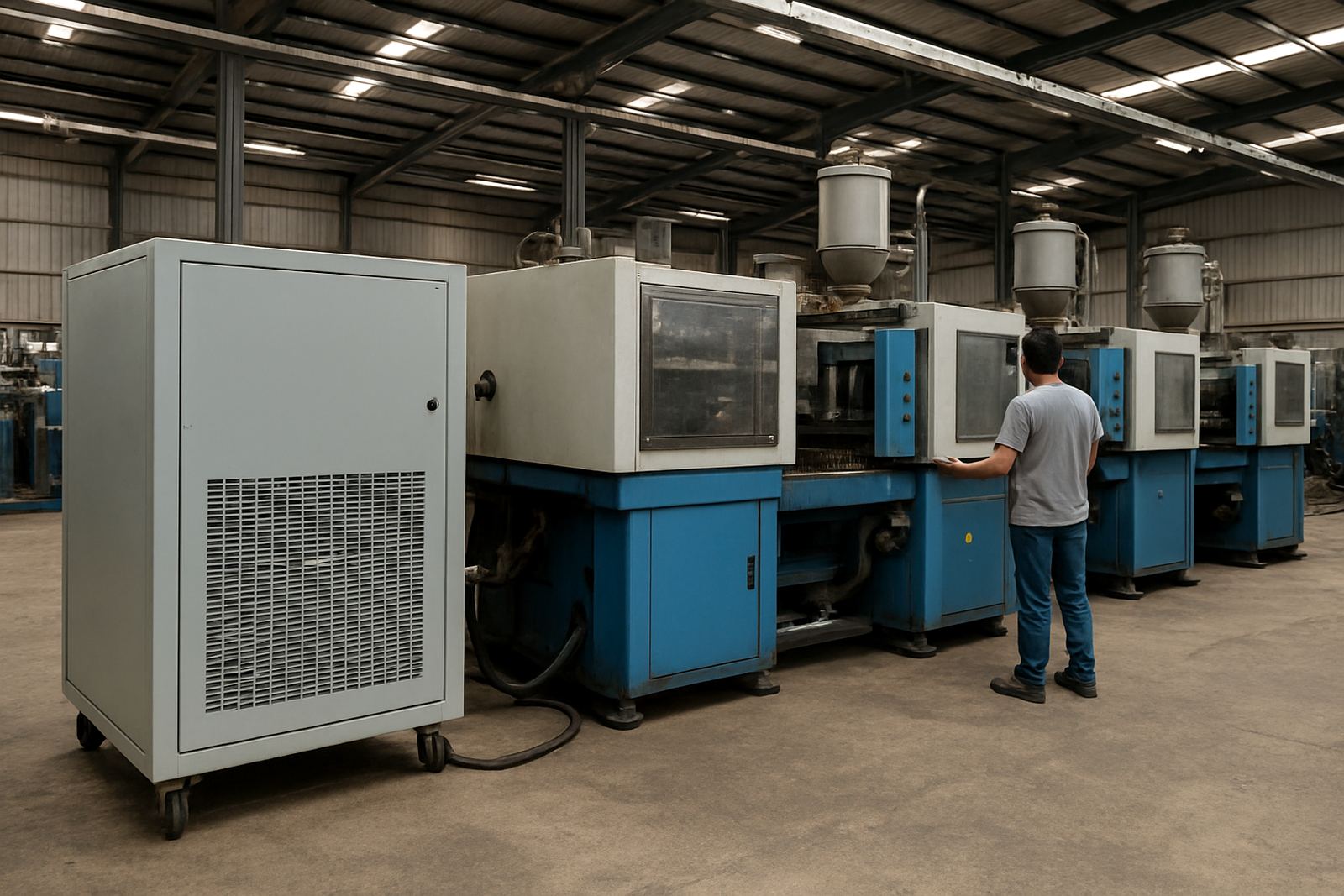
These chillers suit plastic injection moulding, extrusion support cooling, blow moulding and tool rooms where stable temperatures are part of product quality. They are also used where moulds run for long shifts and the line cannot afford frequent temperature swings.
They are a practical fit for factories making automotive components, packaging, household goods, crates, closures and technical plastic parts. If a mould takes a long time to cool or the line uses several tools in rotation, a larger chiller can reduce cycle drift and help the operators keep output consistent.
- Multi cavity moulds with high thermal load
- Production lines running 12 hour or 24 hour shifts
- Operations that need tighter part tolerance and cleaner surface finish
- Sites with older cooling equipment that is struggling to keep up
- Plants where water treatment and pipework condition need attention
Installation, power supply and site requirements
Installation starts with checking the real cooling load, available electrical supply and the route for chilled water pipework. Large mould chillers often need a dedicated space with proper ventilation, service access and enough room for isolation valves, strainers and maintenance work. If the plant sits in a factory with dust, warm process air or restricted roof space, the layout must be planned carefully.
Power requirements vary by model, but these units commonly need a three phase supply and correct cable sizing, motor protection and breaker coordination. Some sites also need a controlled start sequence after outages so the system does not trip when power returns. Gas is not required for normal operation, however the refrigeration circuit does use refrigerant and the installation should be handled by a qualified technician who can commission the unit correctly and check for leaks, pressures and stable running.
On some sites, temporary cooling is worth planning for during changeovers, repairs or line moves. That can prevent downtime while the permanent chiller is installed or serviced.
Care, servicing and what keeps the unit running properly
A large mould chiller needs regular attention if it is going to hold temperature reliably through long shifts. Water quality is one of the biggest issues. Scale, dirt and corrosion can block strainers, reduce heat transfer and overload pumps. In coastal areas, salty air can also affect coil condition and electrical panels if the unit is not protected properly.
Routine care should cover the evaporator, condenser, pumps, controls and flow switches. It is also worth checking the refrigeration circuit, especially after power dips or a hard start following load-shedding. A missed fault can turn into a bigger repair later, so preventative maintenance usually costs less than waiting for a breakdown.
- Clean strainers and check water flow regularly
- Test pump pressure, flow switch operation and alarms
- Inspect pipework, insulation and valve condition
- Check refrigerant pressures and compressor performance
- Verify electrical terminals, contactors and control settings
What to confirm before you order
Before selecting a unit, it helps to have the mould details and process information ready. The more accurate the information, the better the sizing and the fewer surprises during commissioning. If the chiller is undersized, the line will struggle. If it is oversized, you may pay more than needed and still not get the control you want.
- Mould dimensions, number of cavities and expected heat load
- Target supply temperature and allowable return temperature
- Required flow rate in litres per minute
- Whether the system is air cooled or water cooled
- Available electrical supply and breaker size
- Water quality, filtration and treatment conditions
- Pipe length, elevation changes and any existing headers
It also helps to note whether the line must keep running during servicing, and whether the site needs a backup or temporary cooling plan. For factories in Germiston, Boksburg and across Ekurhuleni, that can make a real difference when schedules are tight.
South African support from Alberton to the coast
Raynen is based in Alrode, Alberton and supports industrial water chillers for lasers, moulds and process lines across South Africa. That includes installation, commissioning, preventative maintenance, breakdown repairs, refrigeration repairs, pump replacements, water treatment checks and control panel upgrades. If a plant needs a cooling audit or temporary cooling during repairs, the team can assess the site and advise on the best approach.
The technical team includes people who handle service, workshop repairs, projects and support on a daily basis, so the advice is practical rather than theoretical. Whether the job is in Johannesburg, Pretoria, Durban, Cape Town or Rustenburg, the goal is the same: keep the mould temperature steady, protect the equipment and keep production moving.
Key facts
| Product type | Large mould chiller for plastics production |
|---|---|
| Cooling capacity | Approx. 20 kW to 150 kW plus, depending on duty |
| Temperature range | Typically 5 C to 25 C set point |
| Configuration | Air cooled or water cooled |
| Electrical supply | Three phase, sized to unit capacity and site conditions |
| Typical application | Large mould tools, long runs and higher thermal loads |