How a closed loop chiller works on the plant floor
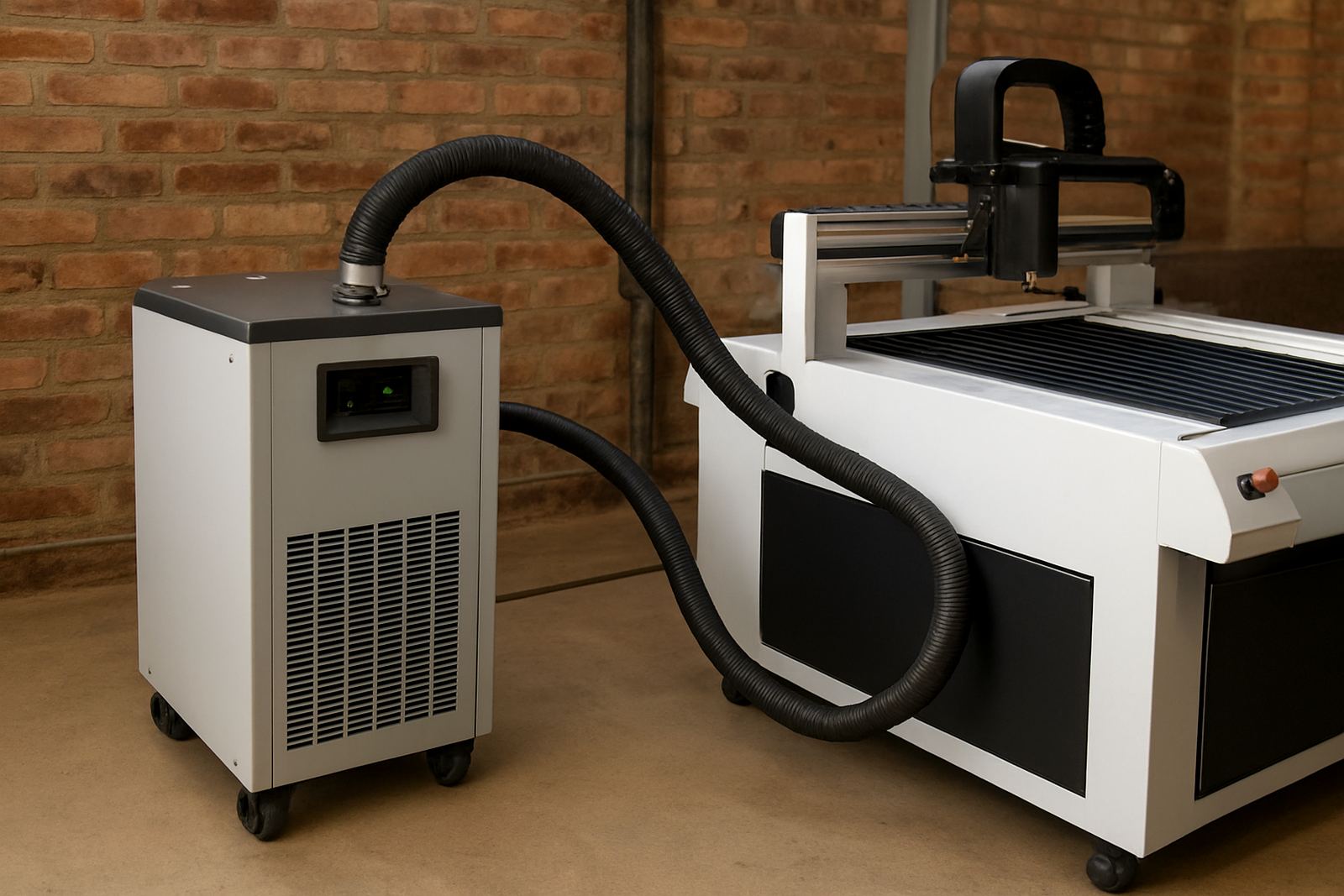
A closed loop chiller circulates the same cooling water through the equipment and back to the chiller, with very little exposure to dirt, oil, scale or airborne contamination. That matters on laser systems, moulding lines and process skids where blocked passages or unstable water quality can cause alarms, poor finish or premature wear.
The unit removes heat from the process water through a refrigeration circuit, then sends the cooled water back at a controlled setpoint. Because the loop is contained, it helps reduce topping up, lowers the risk of rust and mineral build-up, and gives the operator better control over temperature swings during production peaks.
In Alberton and the wider Ekurhuleni area, many factories run in warm sheds with variable water quality and occasional power interruptions. A closed loop unit helps keep the system predictable, even when ambient conditions change during the day or the line has to restart after a stoppage.
Where these chillers suit best
Closed loop chillers are commonly used where exact temperature control and cleaner water are both important. They suit operations that cannot afford constant flushing, downtime for cleaning, or rough temperature drift that affects product quality.
- Laser equipment that needs stable cooling to protect optics, tubes and associated components
- Injection moulding and tooling circuits where mould temperature affects cycle time and finish
- Process lines with heat exchangers, jackets or circulation loops
- Small to medium production plants needing local control in one package
- Sites in Johannesburg, Pretoria, Durban, Cape Town and Rustenburg where service support and parts access matter
They are also a practical option for plants near the coast, where humidity can affect cabinets, pipework and exposed fittings. With the right treatment and servicing, the closed loop approach helps limit internal fouling and keeps maintenance more manageable.
Sizes, capacities and configuration choices
Raynen supplies closed loop chillers in a range of sizes so the unit can be matched to the actual heat load rather than guessed. The right selection depends on the equipment duty, ambient temperature, required leaving-water temperature and whether the system runs continuously or in batches.
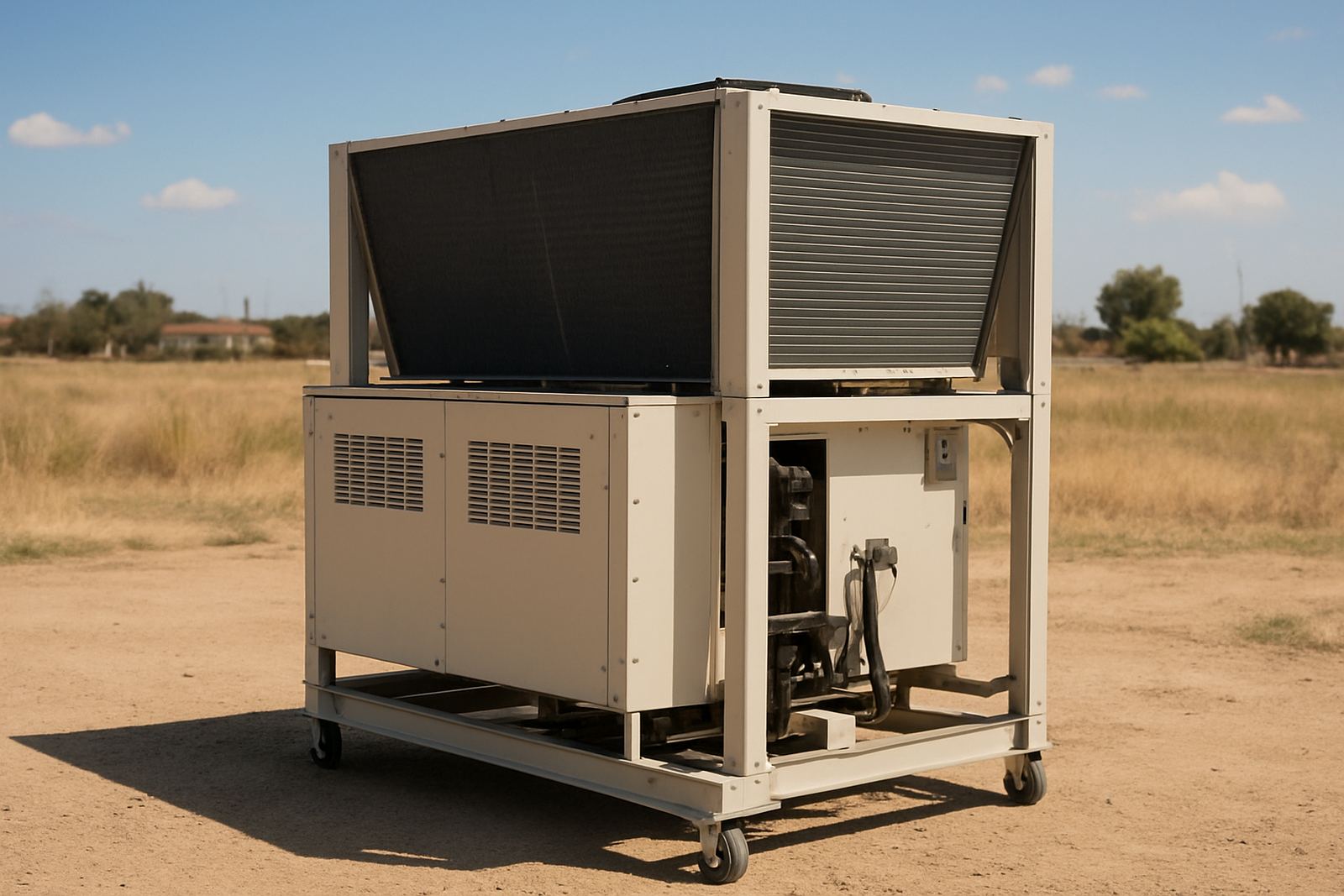
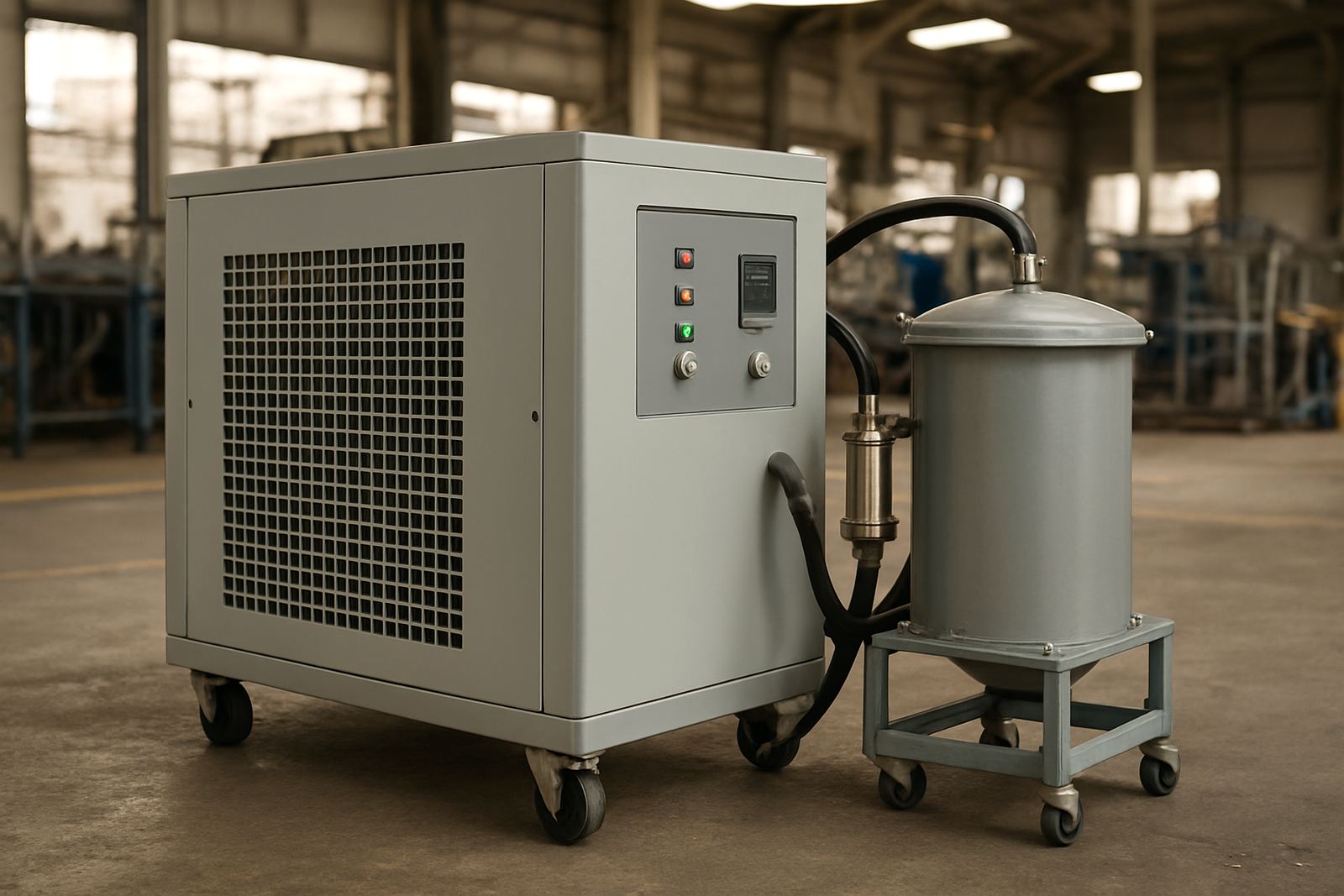
Typical options include compact units for single machines, medium units for multi-point loops, and larger packaged systems for plant-wide cooling duties. Units can be specified with different tank sizes, pump duties, temperature control ranges and alarm functions. If the process uses glycol, stainless wetted parts or additional filtration, that should be confirmed before sizing.
- Cooling capacities from smaller machine-mounted duties to larger stand-alone packages
- Temperature control for steady process water delivery
- Single or multiple pump arrangements depending on pressure drop
- Tank and reservoir options for smoother thermal buffering
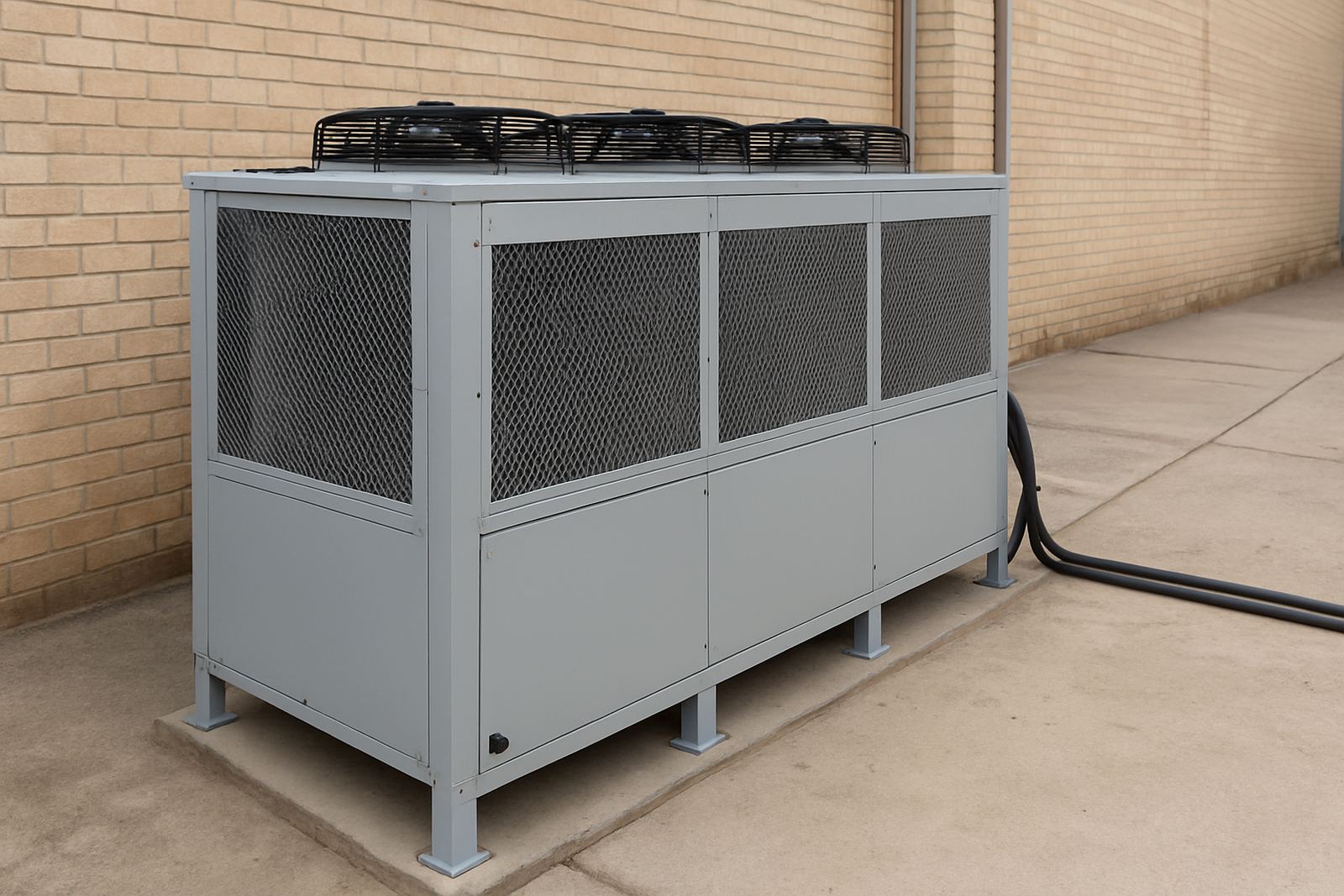
- Air-cooled or water-assisted heat rejection depending on site conditions
For plants with tight floor space, compact footprint units can be arranged near the machine. Where heat rejection is a concern, larger external units or better ventilation may be needed, especially in enclosed rooms that already run warm.
Installation, power supply and site requirements
Installation needs to be planned around water flow, access for maintenance and the available electrical supply. Most systems require a stable power feed, suitable isolator protection, correct cable sizing and enough clearance for airflow around the condenser section. If the plant sees regular load-shedding, it is worth planning how the chiller will restart and whether the process should have a controlled shutdown sequence.
Closed loop chillers do not need gas supply on site, but they do need correct refrigeration installation and commissioning. Pipework should be sized properly, with valves, strainers and flexible sections where vibration or movement could cause trouble. On longer runs, insulation helps reduce heat gain and sweating on the lines.
In some factories, water quality is as important as electrical supply. Hard water, dirty borehole water or poor topping-up practice can shorten component life and block narrow passages. That is why installation often includes water treatment checks and flow verification before handover.
Care, servicing and water treatment checks
Even a closed loop system needs proper care if it is to stay reliable. The loop is cleaner than an open system, but it still benefits from regular inspection, cleaning and performance checks. Small issues like low flow, dirty strainers or weak fan performance can push operating temperatures up and trigger nuisance trips.
Raynen supports preventative maintenance, breakdown repairs, refrigeration repairs and water treatment checks across South Africa. On busy sites in Germiston, Boksburg or Johannesburg, it often makes sense to schedule servicing before the summer peak or before a production contract ramps up.
- Check coolant level, concentration and signs of contamination
- Inspect pump seals, bearings and strainers for wear or blockage
- Verify fan operation, condenser cleanliness and airflow
- Test temperature control, alarms and low-flow protection
- Review pipe insulation, hose condition and signs of vibration
If a unit is being used in a dusty workshop or close to cutting fluids, the exterior and condenser section may need more regular cleaning. That can prevent heat build-up and help the chiller hold setpoint more consistently.
What to confirm before you order
To recommend the correct closed loop chiller, we need a few practical details from your site. The more accurate the information, the better the match and the less chance of under-sizing or overspending on capacity you do not need.
- What equipment the chiller will serve, including laser, mould or process line details
- Heat load, desired water temperature and acceptable temperature variation
- Required flow rate and pipe connection sizes
- Available electrical supply, phase and site constraints
- Whether glycol, stainless parts or special water treatment is needed
- Space available for the unit, access for lifting and service clearance
If you are not sure about any of these, Raynen can assist with a cooling audit, temporary cooling or operator training so the final selection fits the plant. We work from Alrode, Alberton and support clients across South Africa through our enquiry form on the contact page.
Local support from Alberton to the coast
Raynen has been serving industrial users since 2008, with support linked to Alberton, Ekurhuleni and service coverage through Johannesburg, Pretoria, Durban, Cape Town and Rustenburg. We also assist from Germiston and Boksburg for nearby sites that need quicker response times.
The team includes Riaan van der Merwe, with Lerato Mokoena, Sibusiso Dlamini, Anika Naidoo, Pieter Joubert, Nomsa Khumalo and Thabo Maseko supporting operations, service, projects and technical queries. That means installation, commissioning and ongoing care can be handled by people who work on these systems every day, not by a general contractor guessing at the problem.
Whether the job is a new installation, a pump replacement, a control panel upgrade or a temporary cooling requirement during shutdown, the aim is the same: keep the process water clean, steady and ready for production.
Key facts
| Product type | Industrial closed loop water chiller for process cooling |
|---|---|
| Typical use | Lasers, moulds, heat exchangers and process lines |
| Cooling format | Recirculating closed water circuit with refrigeration-based cooling |
| Installation | Indoor or weather-protected plant area with ventilation and service access |
| Power needs | Site-specific electrical supply, isolator and protection as per load |
| Servicing | Preventative maintenance, water checks, pump and refrigeration support |