What an air cooled chiller does on site
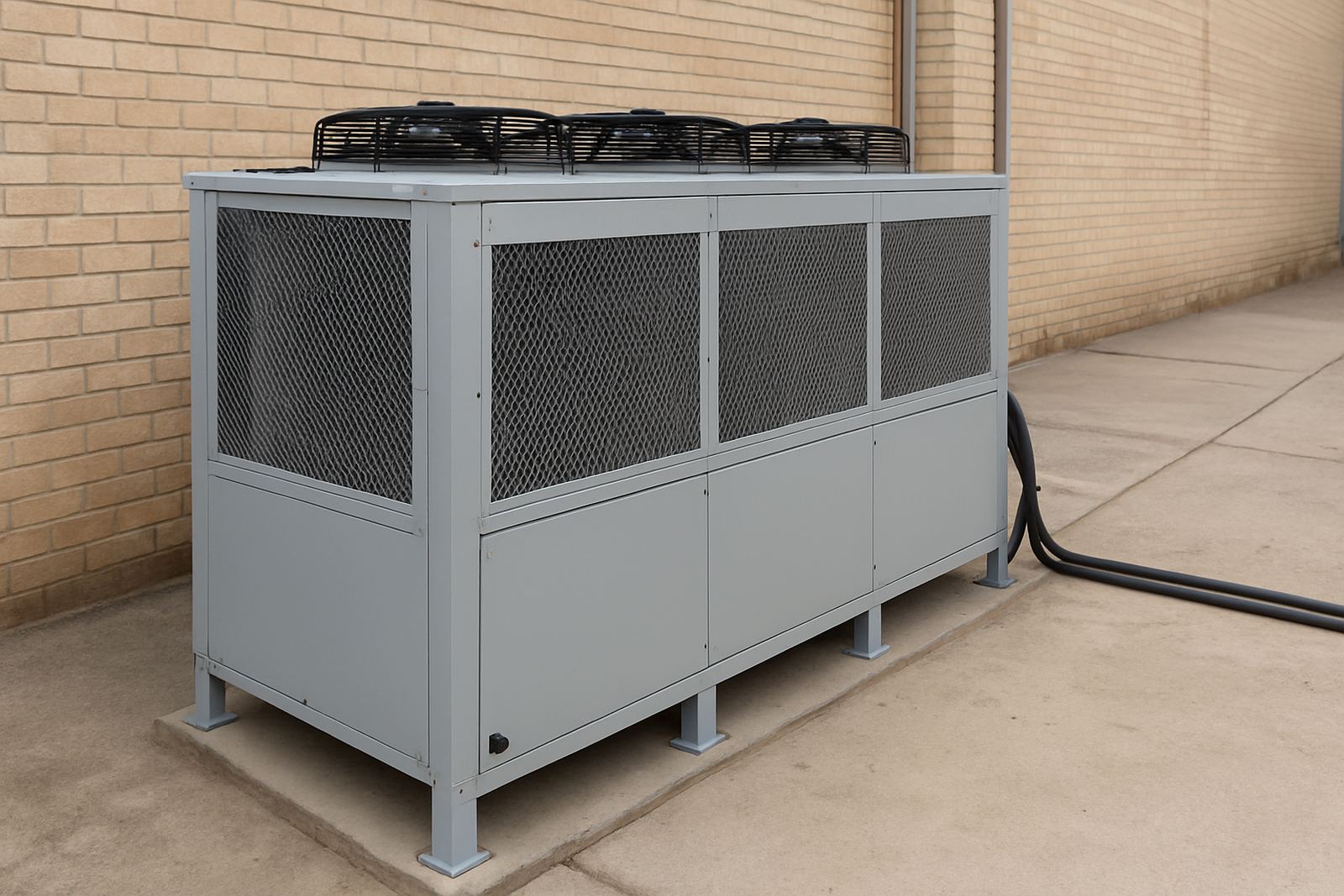
An air cooled chiller removes heat from process water and rejects that heat through a finned coil and fan section, so the unit does not need a cooling tower, condenser water loop or extra water make-up. That makes it a practical choice where municipal water use must be controlled, plant space is tight, or the site is better suited to rooftop or yard installation.
In South African factories, these units are often used on lasers, injection moulding, extrusion lines, CNC machinery, printing equipment and general process cooling. They keep temperatures stable when ambient conditions shift through the day, which matters in hot inland areas and on coastal sites where humidity can affect plant rooms and electrical gear. A well selected chiller helps reduce downtime, protect optics and tooling, and keep product quality consistent.
Sizes and options for different cooling duties
Raynen can supply single-circuit and multi-circuit air cooled chillers, depending on the load and the level of control required. Smaller units suit one laser or a compact moulding machine, while larger package units can support multiple process lines or central cooling duties. Capacity is selected by heat load, desired leaving water temperature, ambient conditions and whether the application runs continuously or in shifts.
- Typical chilled water ranges: 5 C to 20 C, depending on the process
- Cooling capacities: from small industrial units to larger multi-kilowatt systems
- Options for low ambient operation, remote monitoring and alarm contacts
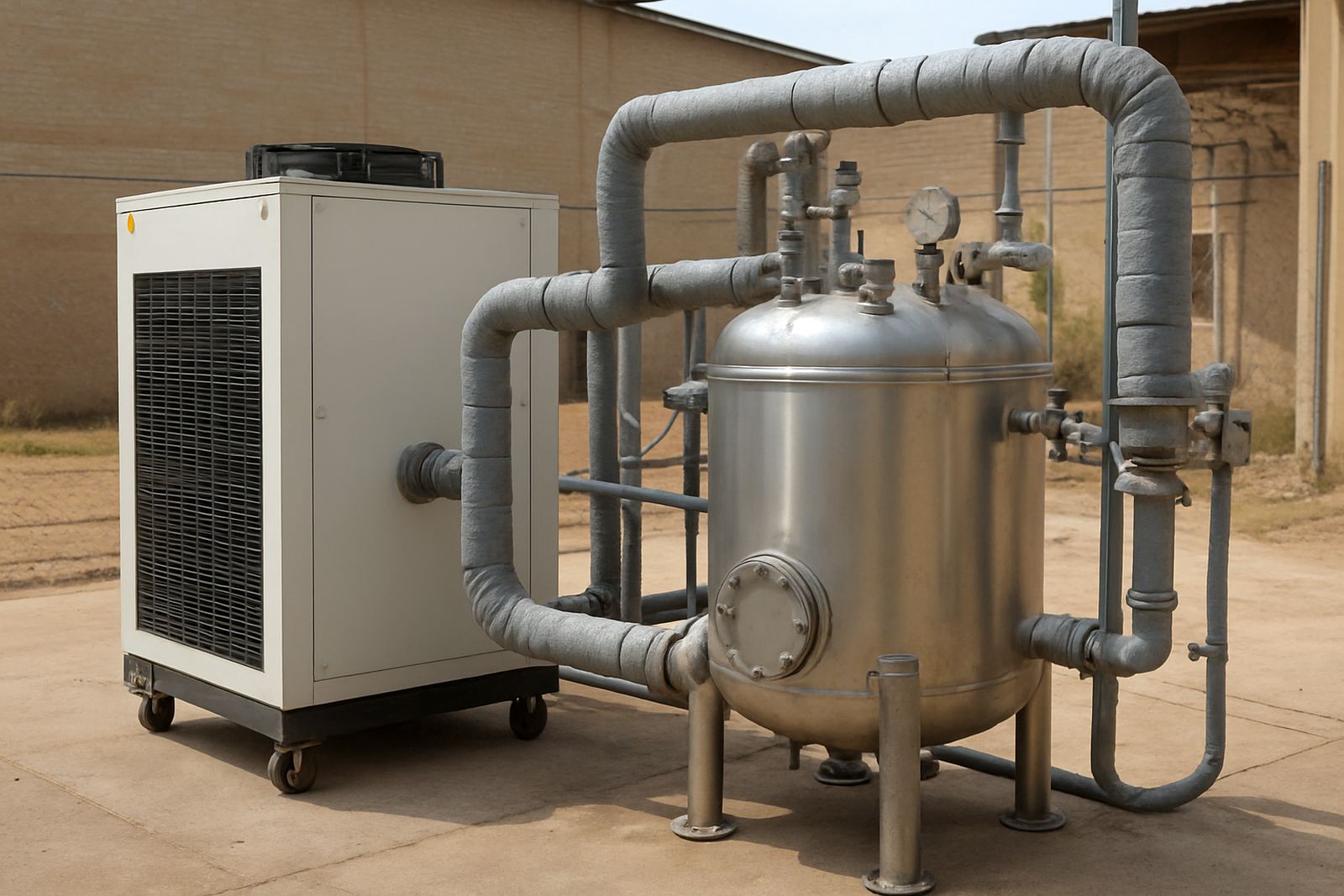
- Stainless steel or treated water circuits for harsher water conditions
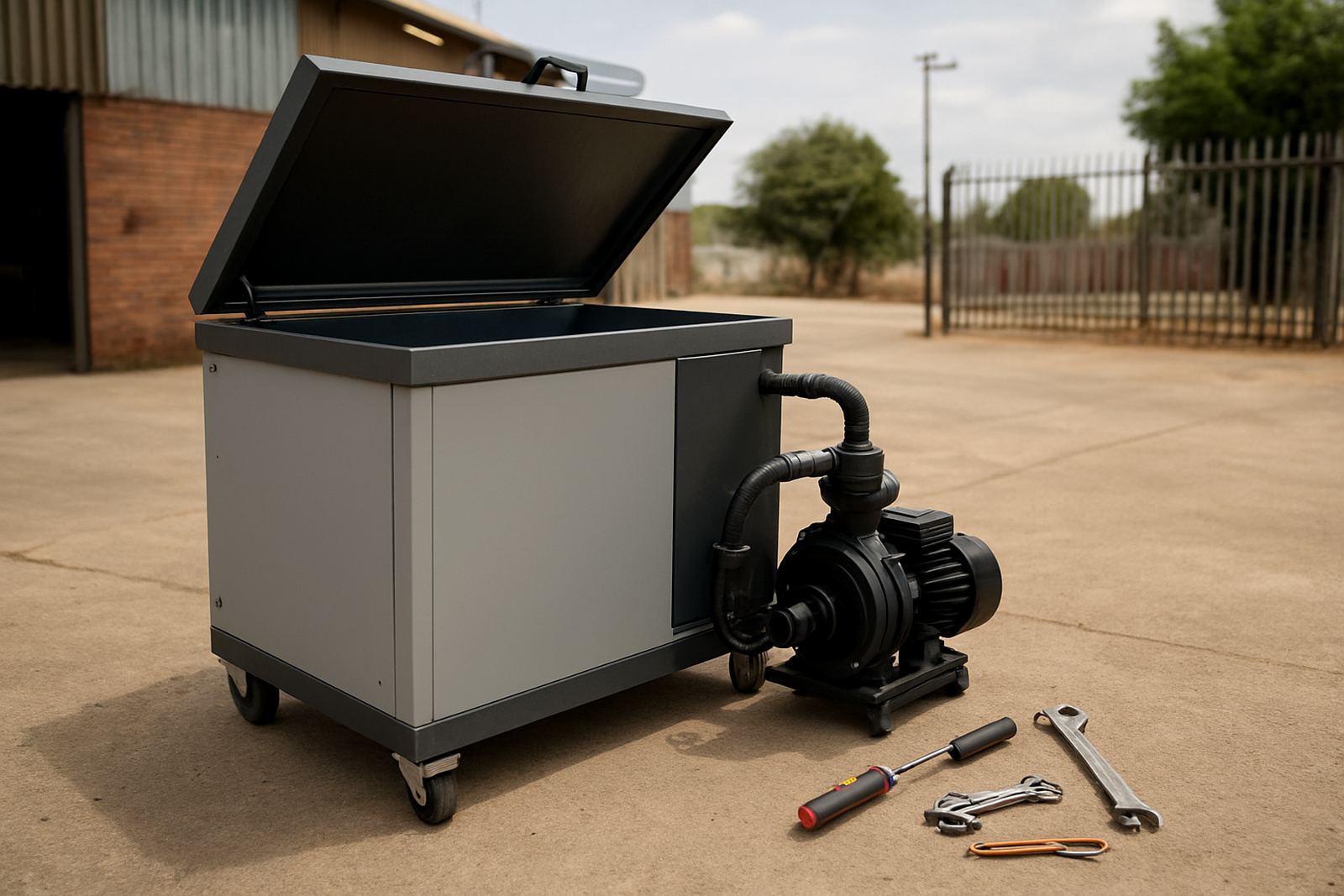
- Integrated pumps or external pumping arrangements, depending on pressure needs
We also consider noise limits, access for servicing, and whether the unit must fit through a plant room door or be lifted into place by crane. On some sites, a split layout works better, with the chiller outside and the water skid inside the factory. That kind of detail saves time later.
Where an air cooled unit suits best
This type of chiller suits sites that have good airflow around the unit and enough outdoor or semi-outdoor space for heat rejection. It is often the right answer when water supply is limited, when a cooling tower would be too much maintenance, or when the site wants a simpler installation with fewer water side components.
It is also a solid option for businesses that face load-shedding and need a straightforward cooling package that can be tied into standby power or generator supply. If your process cannot tolerate long warm-up periods, the system can be sized with sensible reserve and fitted with alarms to warn the operator before temperatures rise too far.
- Laser cutting and marking rooms
- Mould temperature control in plastics and rubber plants
- Batch process lines with steady heat rejection
- Sites without cooling tower space or make-up water
- Factories where maintenance access must stay simple
Installation, electrical supply and site needs
Installation starts with correct placement. The chiller needs clear airflow, stable mounting and room for service access on all sides. We check the floor or base frame, route the water piping, isolate vibration where required and make sure the discharge air will not be drawn back into the coil. In tight yards or on rooftops, ducting and wind direction may need to be considered.
Power requirements depend on the size of the unit and whether the compressor starts direct-on-line or with soft-start controls. Most industrial units need a properly sized three-phase supply, protective isolators and a cable route that meets site and municipal rules. If the system will run during power interruptions, the control setup and starting current must be checked against the generator capacity, not just the nameplate load. A common miss is allowing for the pump and controls but forgetting the actual starting surge.
For process cooling, water quality also matters. We normally check hardness, dirt loading and corrosion risk before handover, because poor water can block strainers, foul heat exchangers and shorten seal life. If the water circuit is exposed to dust or coastal air, filtration and treatment should be set up from day one.
Care, servicing and parts that wear
Like any industrial machine, an air cooled chiller needs planned attention to keep performance steady. The fan motors, contactors, pressure switches, refrigerant circuit, pumps and strainers should be checked before small issues turn into production stops. In hot months, dirty coils and restricted airflow can push head pressure up, which increases power draw and puts the system under strain.
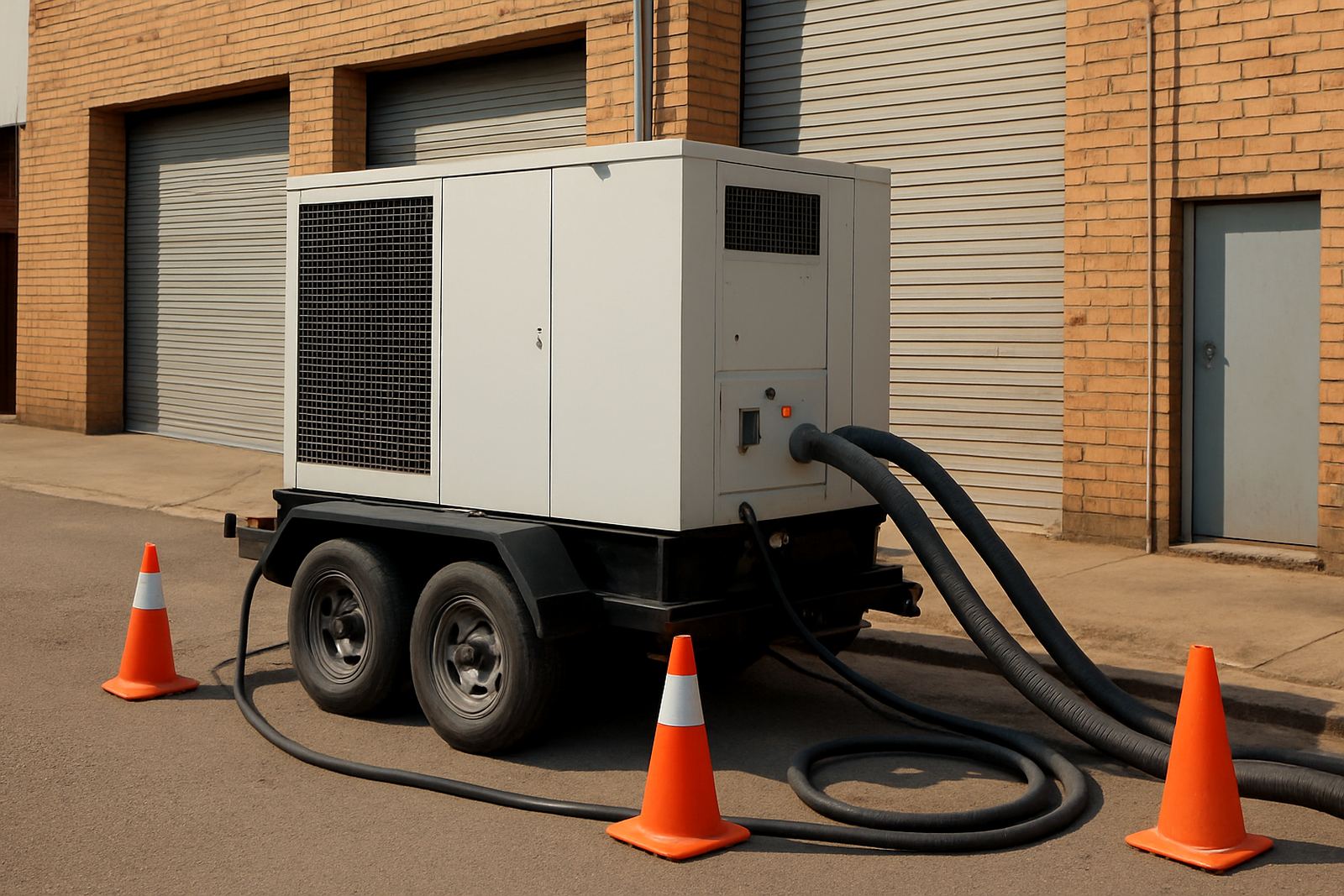
Raynen provides preventative maintenance, breakdown repairs, refrigeration repairs, pump replacements, control panel upgrades and cooling audits across Alberton, Johannesburg, Pretoria, Durban, Cape Town and Rustenburg. We also support temporary cooling for shutdowns or repairs, which helps when a line cannot sit idle while a fault is being sorted out. On coastal sites, corrosion checks are worth doing more often because salt and humidity can attack coils and electrical components over time.
- Clean condenser coils and verify airflow paths
- Check refrigerant pressures and superheat settings
- Inspect pumps, seals, valves and strainers
- Test safety trips, alarms and control settings
- Review water quality and glycol strength where used
What to check before you order
The right chiller starts with the right brief. Before ordering, we need to know the actual heat load, the required water temperature, duty cycle and whether the process has quick load swings. A laser application is not the same as a mould or a line cooler, so the selection should be based on the process, not a rough guess.
It also helps to confirm the site conditions early. Measure the available footprint, check the route for lifting equipment, note the power supply available and confirm whether the unit must fit a noise limit or municipal by-law. If the site has dusty conditions, high ambient temperature, or unstable water supply, those factors should be built into the selection. When a chiller is undersized, the result is usually nuisance tripping and product drift, not just warmer water.
- Process heat load in kW or refrigeration tons
- Required supply and return water temperatures
- Flow rate and pump pressure required at the point of use
- Available electrical supply and generator backup details
- Ambient temperature, dust load and coastal exposure
- Space for installation, service access and pipe routing
If you are unsure, Raynen can help with a cooling audit and recommend the most practical setup for the site.
Why South African plants choose Raynen
Raynen is based in Alrode, Alberton and services industrial cooling equipment for businesses across South Africa. Our team handles installations, commissioning, maintenance and repairs through our local branches and service areas in Alberton, Johannesburg, Pretoria, Germiston, Boksburg, Durban, Cape Town and Rustenburg. The aim is simple: keep the process cool, keep the equipment alive, and keep the downtime down.
With a practical approach and direct technical support from first enquiry to final handover, we match the chiller to the job and then stay with it through the working life of the machine. That means proper commissioning, clear operator guidance and support when conditions change or production gets pushed harder. Not every site needs the same cooling package, so the solution should fit the plant, not the other way round.
Key facts
| Cooling type | Air cooled industrial water chiller |
|---|---|
| Typical application | Lasers, moulds and process lines |
| Water temperature range | About 5 C to 20 C, application dependent |
| Capacity range | Selected to suit small through to larger industrial duties |
| Power supply | Three-phase industrial supply, subject to unit size |
| Installation needs | Clear airflow, service access, proper drainage and correct piping |