Built for repeatable mould temperatures on medium production lines
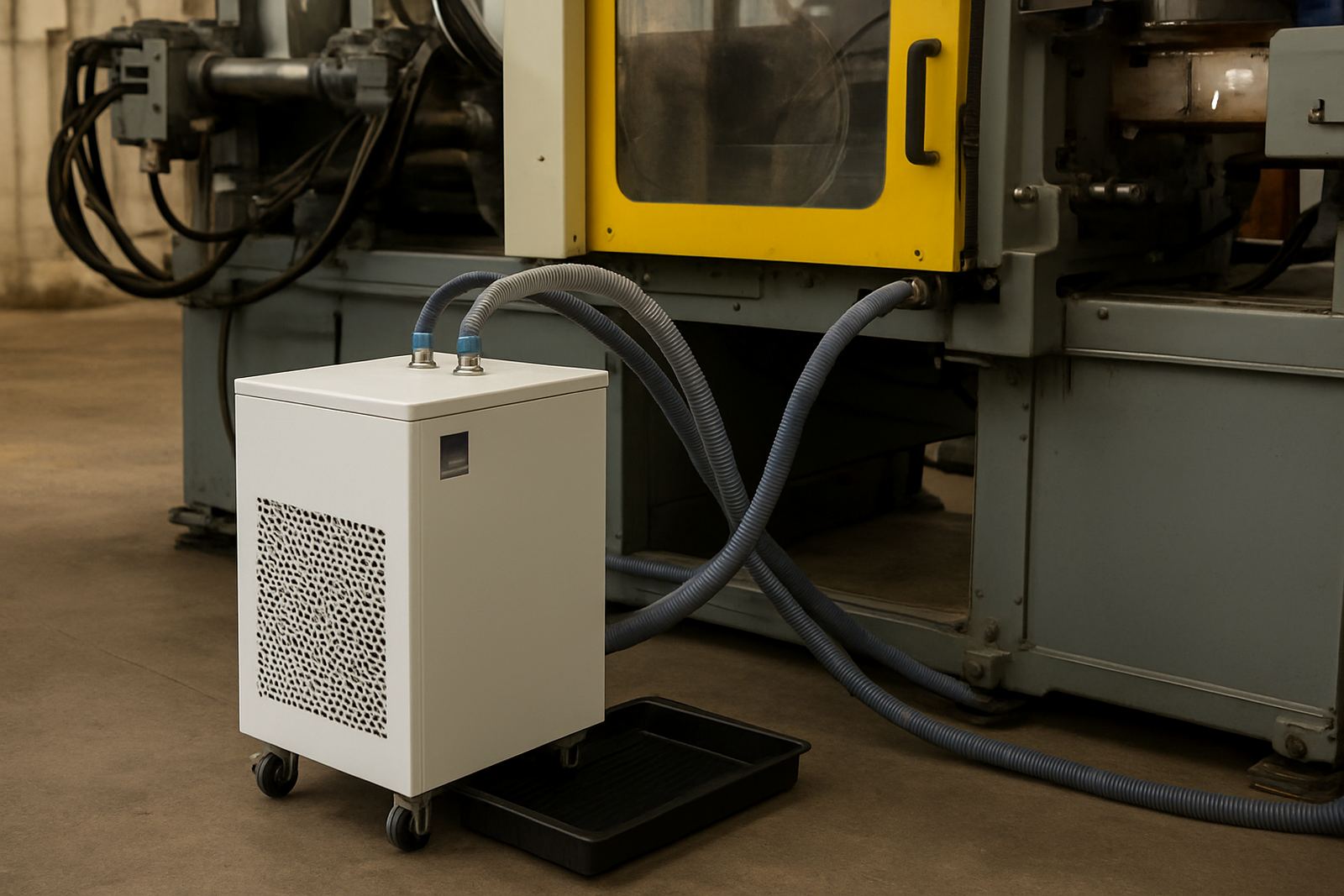
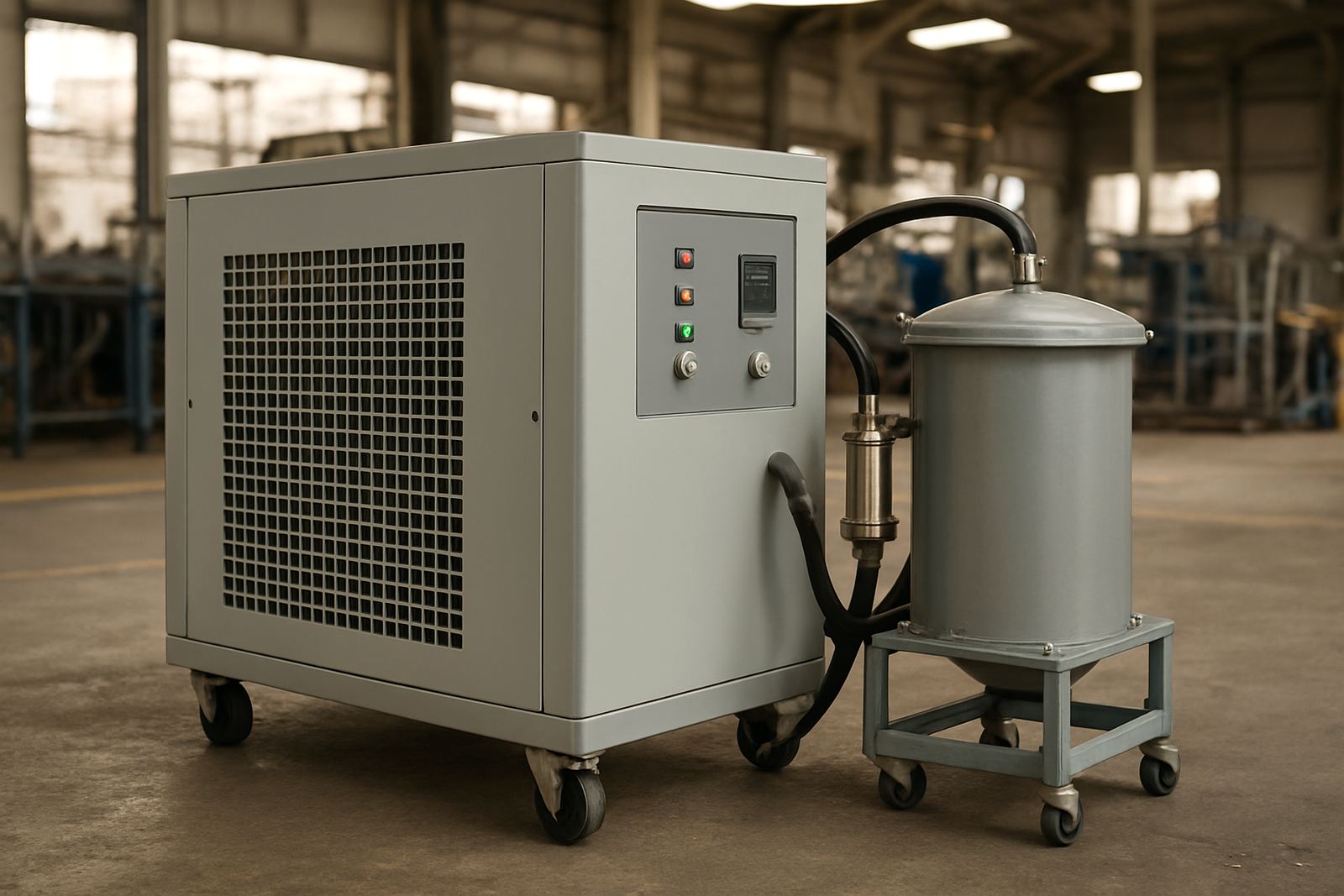
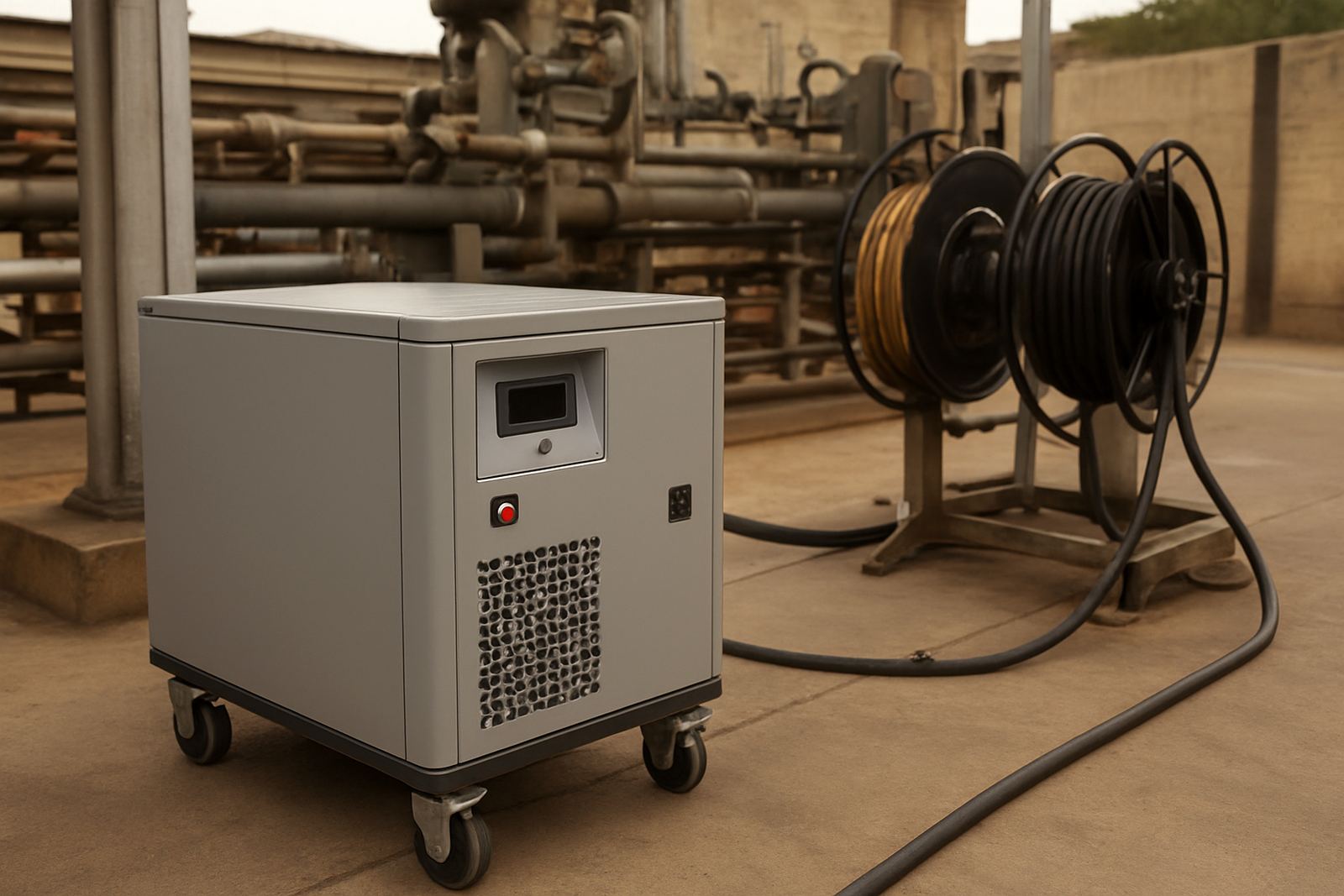
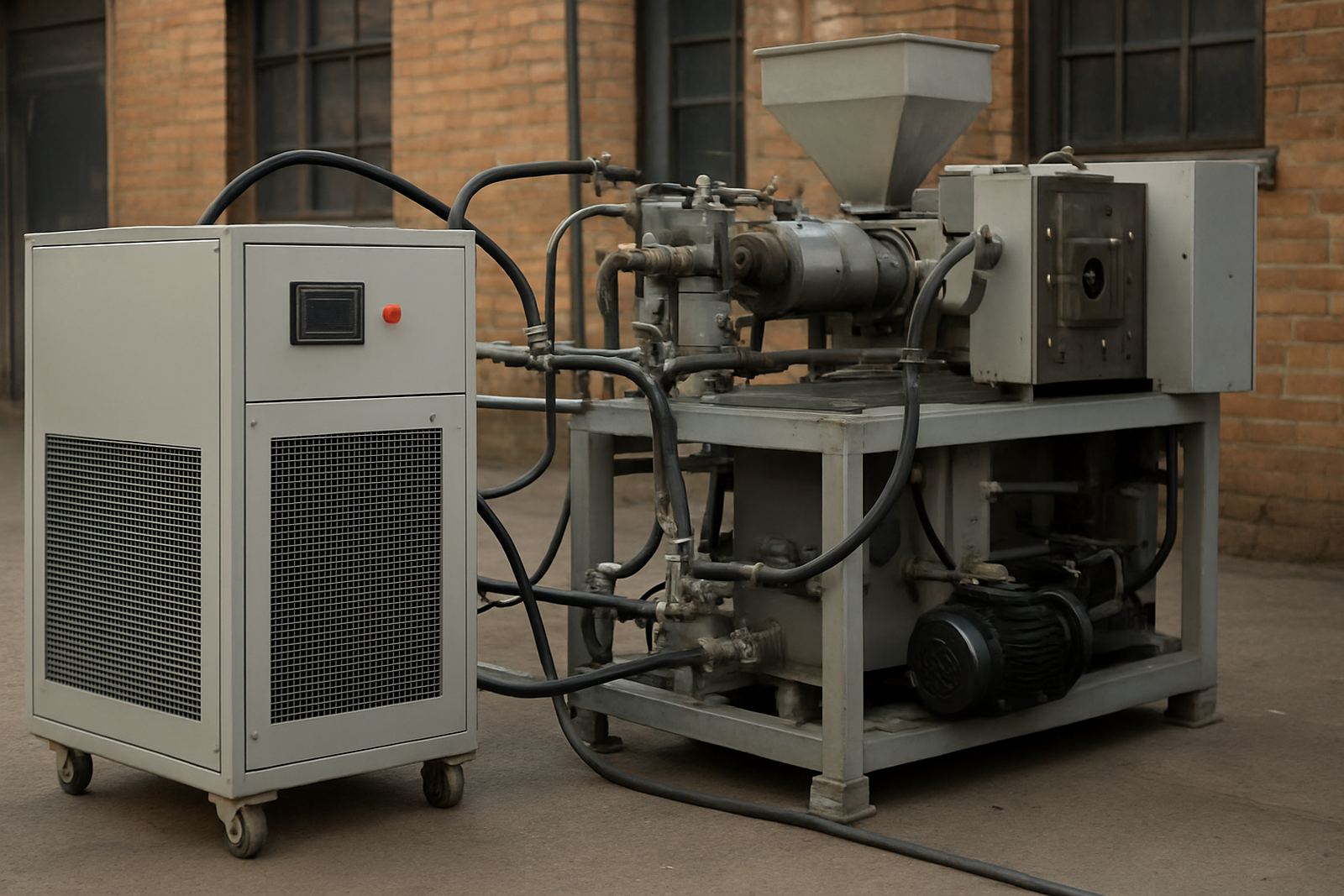
A medium mould chiller is used where a moulding machine needs a controlled supply of chilled water to keep mould temperatures stable through the full production run. That matters on injection moulding, blow moulding and similar processes where even a small temperature swing can affect part finish, cycle time and release from the tool. The unit removes heat from the mould circuit and holds the setpoint so the operator gets the same cooling result hour after hour.
Raynen supplies industrial water chillers for South African factories that run long shifts, cope with load-shedding and often work in hot plant rooms. These units are selected for practical duty, not guesswork. If the machine is in Alberton, Johannesburg, Durban, Cape Town or Rustenburg, the chiller needs to suit the ambient conditions, water quality and production pace on site.
Medium mould chillers are commonly specified where a small unit is no longer enough but a large central system would be unnecessary. They are a good fit for plants that want direct cooling at the machine with straightforward pipework and reliable controls.
Typical sizes, cooling capacity and control options
Medium mould chiller capacity usually falls in the range of 10 kW to 60 kW, depending on the mould size, cycle speed and local ambient conditions. In practical terms, that can mean anything from a compact machine that supports one moulding cell to a larger unit feeding several closely matched moulds. The final size should be based on heat load, flow rate and the temperature difference between inlet and return water.
Common options include:
- Air-cooled or water-cooled condenser arrangement
- Single circuit or multiple circuit cooling
- Integrated pump package with pressure gauge and flow indication
- Insulated water tank for better temperature stability
- Digital temperature controller with alarm output
- Stainless steel or treated steel water contact parts, depending on water quality
For plants near the coast, a corrosion resistant finish is worth asking for because salt in the air can shorten the life of exposed metal parts. In inland areas, dust and high summer temperatures often create more pressure on the condenser, so the unit must be sized with enough margin. It is also wise to allow for hotter ambient days if the plant is operating in a poorly ventilated room or under a roof with little airflow.
Where medium mould chillers suit best on site
These chillers suit factories that need steady cooling for one or more moulding machines without overcomplicating the system. They are commonly used in plastics production, packaging, automotive component work and general moulding applications where repeatability is important. A stable mould temperature helps reduce rejects, improve surface finish and keep the mould operating within its intended range.
They are also useful where production needs a backup plan for peak summer conditions or intermittent power interruptions. A good chiller helps the process recover faster after start-up, and in many plants that can make the difference between a clean first run and a batch that needs rework.
- Injection moulding cells with medium tool sizes
- Blow moulding lines that need constant water circulation
- Multi-cavity moulds with repeatable cycle times
- Plants with limited floor space but a steady cooling load
- Operations that need local support in Gauteng, KZN or the Western Cape
If a plant has several moulding machines, the cooling layout should be checked carefully. Some sites need one chiller per machine, while others can share a chilled water loop with balancing valves and proper control. The wrong arrangement can cause unstable temperatures and unnecessary pump load.
Installation requirements and power details
Installation starts with the heat load, water flow and electrical supply. Most medium mould chillers need a stable three-phase supply, correct cable sizing and proper earthing. Exact power requirements depend on the cooling capacity and whether the unit uses an air-cooled or water-cooled design. Before ordering, confirm the site voltage, available breaker size and whether the plant has space for a suitable heat rejection area.
For air-cooled units, the condenser needs free airflow and enough clearance for service access. Hot return air must not recirculate into the unit, especially in enclosed plant rooms or under lean-to roofs. Water-cooled units need a reliable condenser water source and the right water treatment, otherwise scale can build up fast. In many South African sites, poor water quality is a bigger problem than the chiller itself.
Electrical supply should suit the starting current and the control system. Where power supply is unstable or where load-shedding affects production, it is worth discussing restart behaviour, alarm handling and the safest way to bring the machine back online after an outage.
Care, servicing and water treatment checks
Like any process cooling equipment, a mould chiller works best when it is serviced on schedule. Dust, blocked filters, low water quality and worn pumps all reduce performance over time. Regular maintenance also helps prevent surprise stoppages during a production run. In many cases, the first sign of trouble is not a full failure but slower cooling, fluctuating temperatures or a noisy pump.
Recommended care points include:
- Check condenser coils or heat exchangers for dirt, scale and blockage
- Inspect pump seals, water levels and strainers
- Test temperature control accuracy and alarm function
- Review water treatment and corrosion protection
- Look for pipe vibration, loose unions and drips
- Confirm fan condition and motor current draw
Raynen supports preventative maintenance, breakdown repairs, refrigeration repairs and water treatment checks. We also handle temporary cooling when a plant needs time to repair an existing unit without stopping production. If a machine is running near the coast, or in a dusty inland workshop, regular checks become even more important because contamination builds up quicker than many operators expect.
What to check before placing an order
To size the right medium mould chiller, gather the actual process details rather than only the machine nameplate. The more accurate the information, the better the cooling match and the fewer surprises during installation. If the mould or process line changes later, the unit may need a pump, control or capacity adjustment.
Please confirm these points before ordering:
- Mould type, machine make and process temperature range
- Required cooling capacity in kW or the heat load available
- Desired chilled water supply and return temperatures
- Flow rate and pressure requirement at the machine
- Available electrical supply, including voltage and phase
- Whether the unit will be indoors, outdoors or in a coastal location
It also helps to know whether the site needs installation, commissioning, operator training or a full retrofit of pipework and controls. If the chiller will serve a line in Germiston, Boksburg or elsewhere in the East Rand, space constraints and access for service should be checked early. That avoids delays later when the unit has already been selected.
Raynen is based in Alrode, Alberton and supports customers through our service areas in Johannesburg, Pretoria, Durban, Cape Town, Rustenburg, Germiston and Boksburg. Enquiries come through the contact page form, where the team can assess the application and advise on the most suitable medium mould chiller for the job.
Key facts
| Cooling capacity | 10 kW to 60 kW depending on process load |
|---|---|
| Temperature control | Digital controller with stable setpoint adjustment |
| Water circuit | Single or dual circuit options available |
| Supply | Three-phase industrial electrical supply |
| Condenser type | Air-cooled or water-cooled depending on site |
| Application | Medium moulding machines, process lines and repeat cooling duties |