What our water treatment checks cover
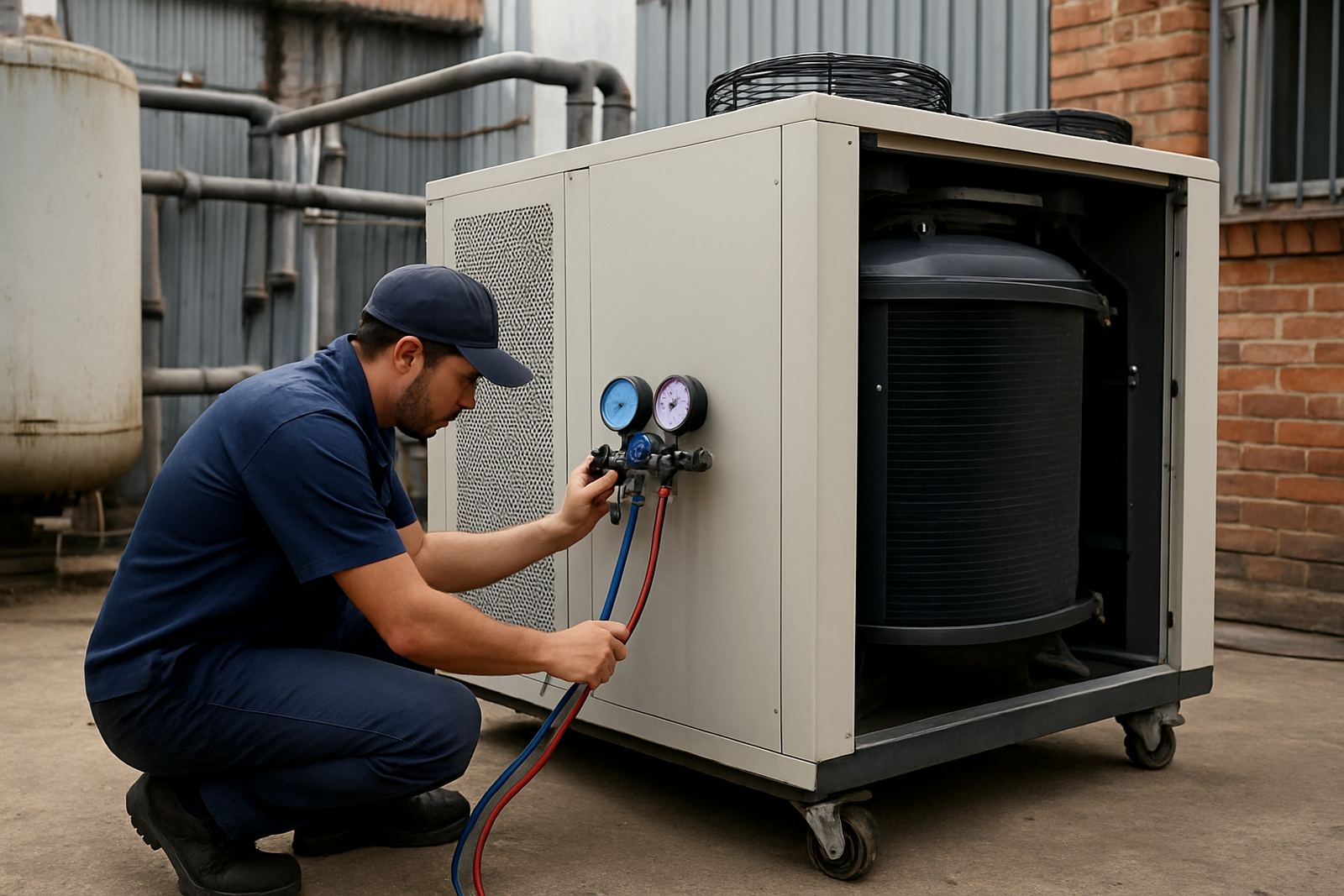
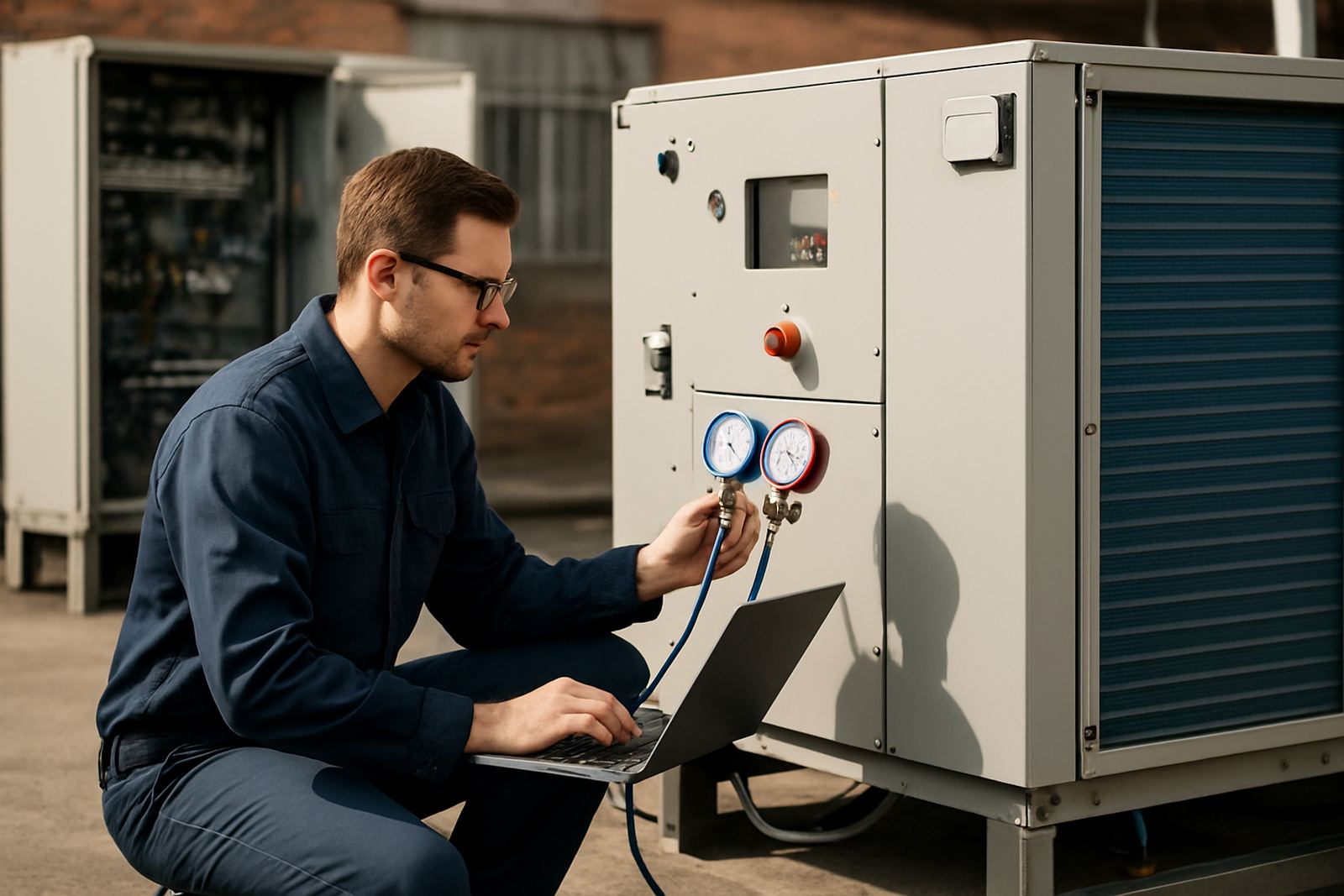
Raynen carries out practical water treatment checks on industrial water chillers and closed cooling circuits used on lasers, moulds and process lines. The aim is simple: keep the water clean enough to protect the plant and stable enough to hold temperature under load, even when the line is running long shifts or the site is dealing with load-shedding recovery and hard water top ups.
We inspect the cooling water, the condition of the circuit and the controls that affect water quality. That includes visible contamination, conductivity, pH, hardness, algae risk, corrosion signs and evidence of scale build-up in strainers, heat exchangers and pipework. If a unit is on a coastal site in Durban or a dusty industrial yard in Pretoria or Rustenburg, we also look at how the environment is affecting the system. Small changes in water treatment can make a large difference to chiller performance.
- Cooling water testing for pH, conductivity and hardness
- Visual checks for rust, sludge, oil carryover and scale
- Inspection of strainers, filters and low flow points
- Assessment of corrosion risk in steel, copper and mixed metal circuits
- Review of top-up water quality and system losses
Why poor water quality causes cooling trouble
Scale, fouling and corrosion do not usually start as a major fault. They build slowly, then show up as higher temperatures, longer pull-down times, nuisance trips or a chiller that seems to work harder than it should. In mould cooling, that can affect cycle time and part finish. On laser systems, unstable cooling can shorten component life and interrupt production. On process lines, it can cause temperature drift that is hard to trace.
We see the same pattern across Gauteng, KwaZulu-Natal and the Western Cape: the cooling plant is serviced, but the water condition is not checked often enough. Once deposits form inside plate heat exchangers or pipework, the unit may still run but with reduced capacity. That means more compressor run time, more wear on pumps and more risk of breakdowns after a busy week or a power interruption.
- Reduced heat transfer through scale on heat exchange surfaces
- Blocked strainers and reduced flow from suspended solids
- Corrosion products that damage valves, seals and fittings
- Biofilm growth that causes odour, fouling and poor circulation
How the service is carried out on site
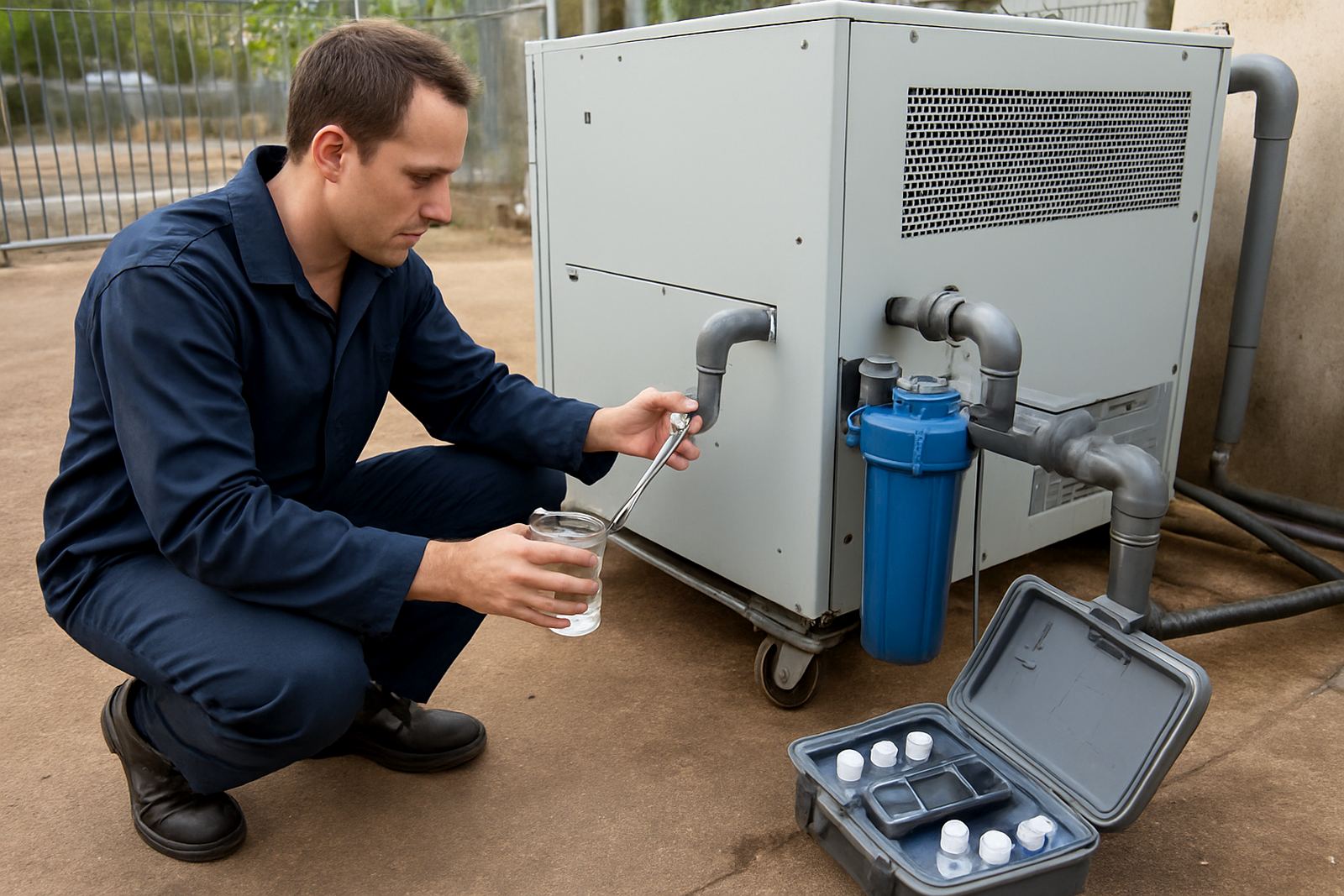
We start with a site visit and a short review of the cooling system, the process load and any recent problems. Our technician takes samples from the relevant points and checks the condition of the circuit, the make-up water and the circulation equipment. Where needed, we compare readings from different parts of the system to see whether the issue is localised or spread through the full loop.
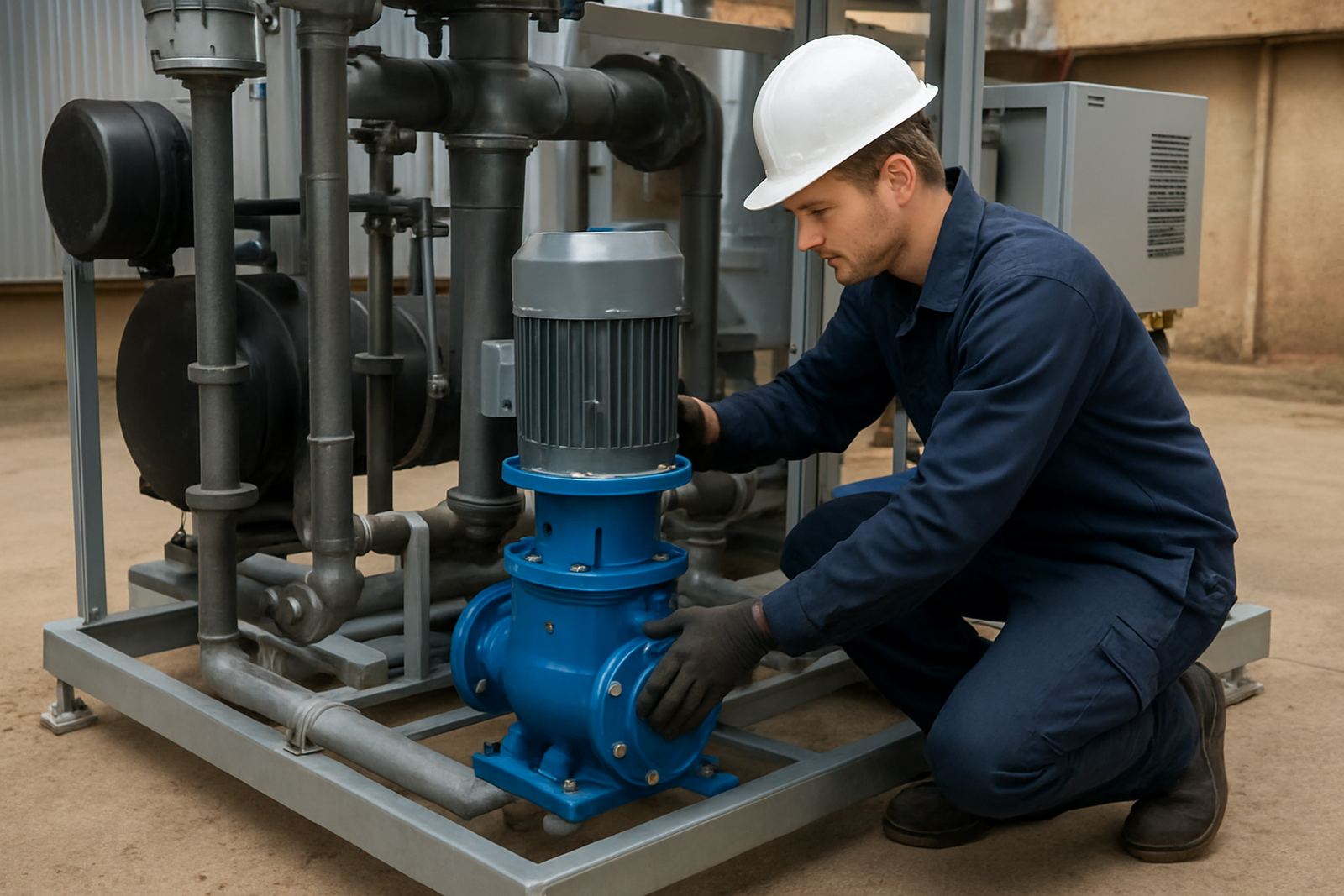
After testing, we explain what the readings mean in plain terms and recommend the next step. That may be simple chemical dosing, filter changes, a flush, a water top-up correction or a maintenance schedule adjustment. If the system needs more than treatment, we can combine the check with pump replacements, pipework retrofits, control panel upgrades or a chiller service so the cooling system gets sorted properly, not just patched.
- Initial site assessment and operating condition review
- Water sample collection from tank, circuit and return points
- On-site test readings and equipment inspection
- Corrective recommendations with practical priorities
- Follow-up checks where repeat readings are needed
Typical turnaround and reporting
For most industrial sites in Alberton, Germiston, Boksburg, Johannesburg and Pretoria, water treatment checks can usually be completed the same day once access is arranged. Larger plants or sites with multiple chillers may take longer if several circuits need to be sampled. If the plant is under pressure because of production deadlines, we can work around shift times so the inspection causes minimal interruption.
Clients receive a clear summary of the readings, what they mean for the cooling system, and what should be done next. Where a return visit is needed, we give a practical timeline based on the condition of the system and the production risk. We keep the reporting technical enough for maintenance teams but simple enough for managers who need to make decisions quickly.
- Same-day checks are common for single systems
- Multiple circuits or large plants may need a staged visit
- Reports are written for maintenance planning and fault prevention
- Urgent faults can be linked to breakdown repairs or temporary cooling
Pricing approach and what affects the cost
Pricing depends on the size of the system, the number of circuits to be tested, site access and whether corrective work is needed after the check. A small standalone chiller with one loop is priced differently from a plant with several process lines, header tanks and remote cooling points. If the water is badly contaminated and needs flushing or chemical correction, that will be quoted separately so you can see exactly what is included.
We keep the approach practical. You pay for the actual testing, the time on site and any follow-up work the readings show is necessary. If the system is already well managed, the visit is usually straightforward. If the plant has chronic scale or corrosion, we will say so plainly and recommend a maintenance plan that suits the site and budget.
- Cost depends on system size and number of test points
- Corrective work is quoted only when needed
- Repeat visits can be scheduled as part of maintenance intervals
- Quotes are based on the cooling risk, not guesswork
Recommended maintenance intervals for South African sites
How often you need water treatment checks depends on the equipment, the water source and the operating environment. Sites using make-up water regularly, or sites with high ambient heat and dust, should check more often. Coastal plants should also monitor corrosion and conductivity more closely because humidity and salt air can accelerate metal damage. In places with unstable supply or frequent top ups after load-shedding, the water chemistry can drift faster than many teams expect.
As a general guide, many industrial chillers benefit from a check every 3 to 6 months, with more frequent monitoring on critical laser and mould systems. If a circuit has already shown scale, rust or sludge, we may recommend shorter intervals until the readings stabilise. The goal is to catch the problem before it becomes a downtime issue, not after the pump seal has failed or the heat exchanger has choked up.
- Critical production systems: every 3 months
- Stable, well-managed systems: every 6 months
- Problem circuits or coastal sites: more frequent follow-up
- After flushes, repairs or water top ups: recheck sooner
Key facts
| Service type | Industrial cooling water treatment checks |
|---|---|
| Typical systems | Laser chillers, mould cooling units, process line chillers |
| Key readings | pH, conductivity, hardness, visual contamination |
| Common issues found | Scale, fouling, corrosion, algae, sludge |
| Typical turnaround | Same day for most single systems |
| Coverage | Alberton, Gauteng and major industrial centres across South Africa |