What a pipework retrofit changes in your cooling circuit
Old chiller pipework often looks acceptable from a distance, but the problems show up in production. Long hose runs, undersized lines, poor bends, damaged insulation and mixed fittings can all cause pressure drop, uneven flow and temperature swing. In workshops around Alberton, Germiston, Boksburg and beyond, we often find that the chiller itself is still usable, but the pipework is holding the system back.
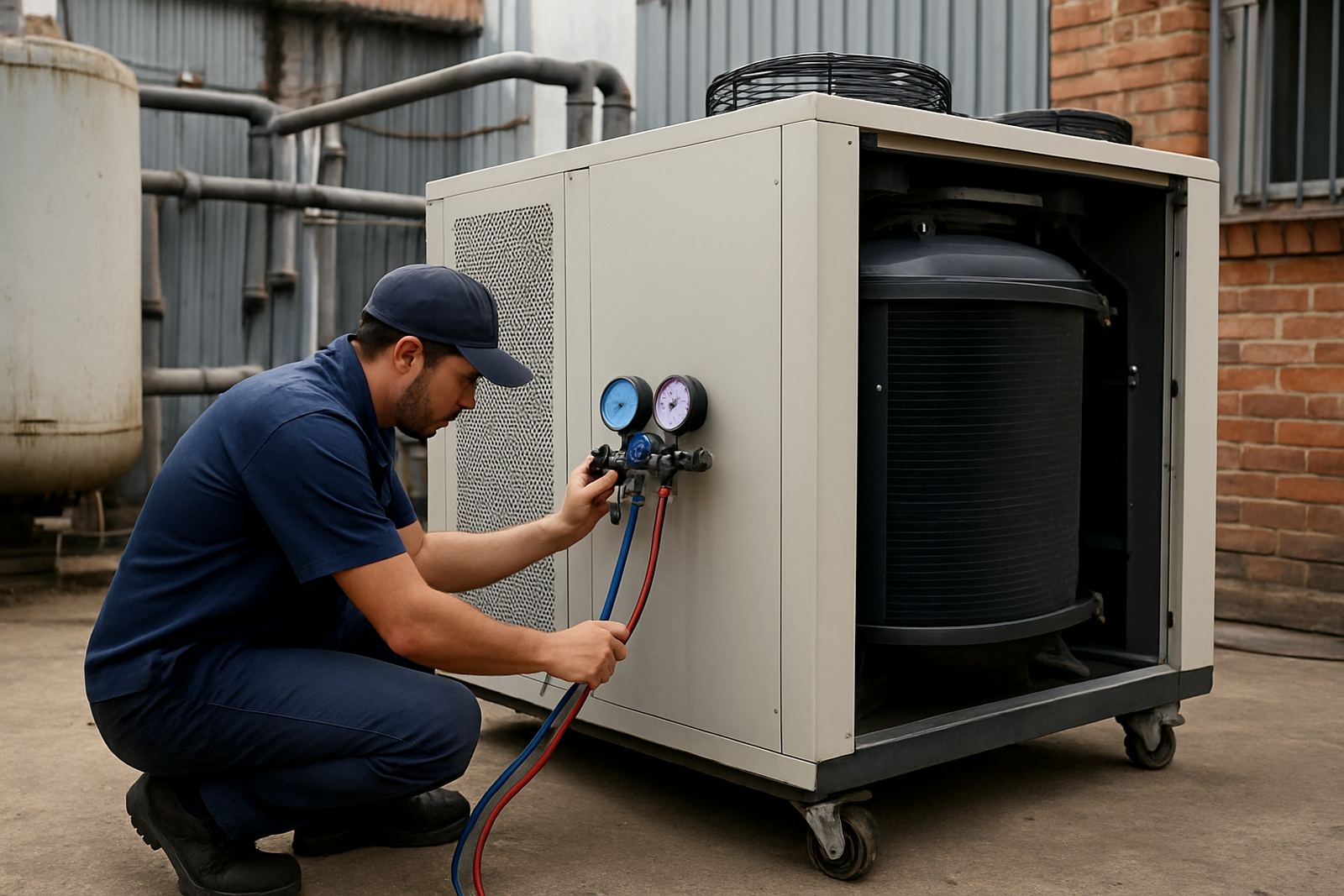
A retrofit is a practical upgrade of the water circuit between the chiller, the machine and any secondary cooling points. We rework the layout to reduce restriction, improve service access and protect the pipe route from vibration, heat and physical damage. For laser systems and mould temperature circuits, that extra control matters because even small flow changes can affect cut quality, cycle time and product consistency.
We also look at the full site conditions. Coastal humidity in Durban, dusty yards in the North West and long outdoor runs at plant rooms all affect pipe condition. If the insulation is wet or torn, the line loses capacity and the chiller works harder. If valves are difficult to reach, operators avoid proper isolation during cleaning or service. A good retrofit fixes those weak points in one planned job.
Our retrofit scope: pipe, insulation, valves and controls
Every project starts with a site assessment and a clear list of what needs to change. Some jobs are limited to replacing corroded sections and cleaning up the layout. Others include a full reroute with new pipe supports, better valve placement and control upgrades. We work on chilled water and process cooling circuits for single machines and multi-point systems alike.
- New pipework in suitable material for the application, sized for the required flow rate
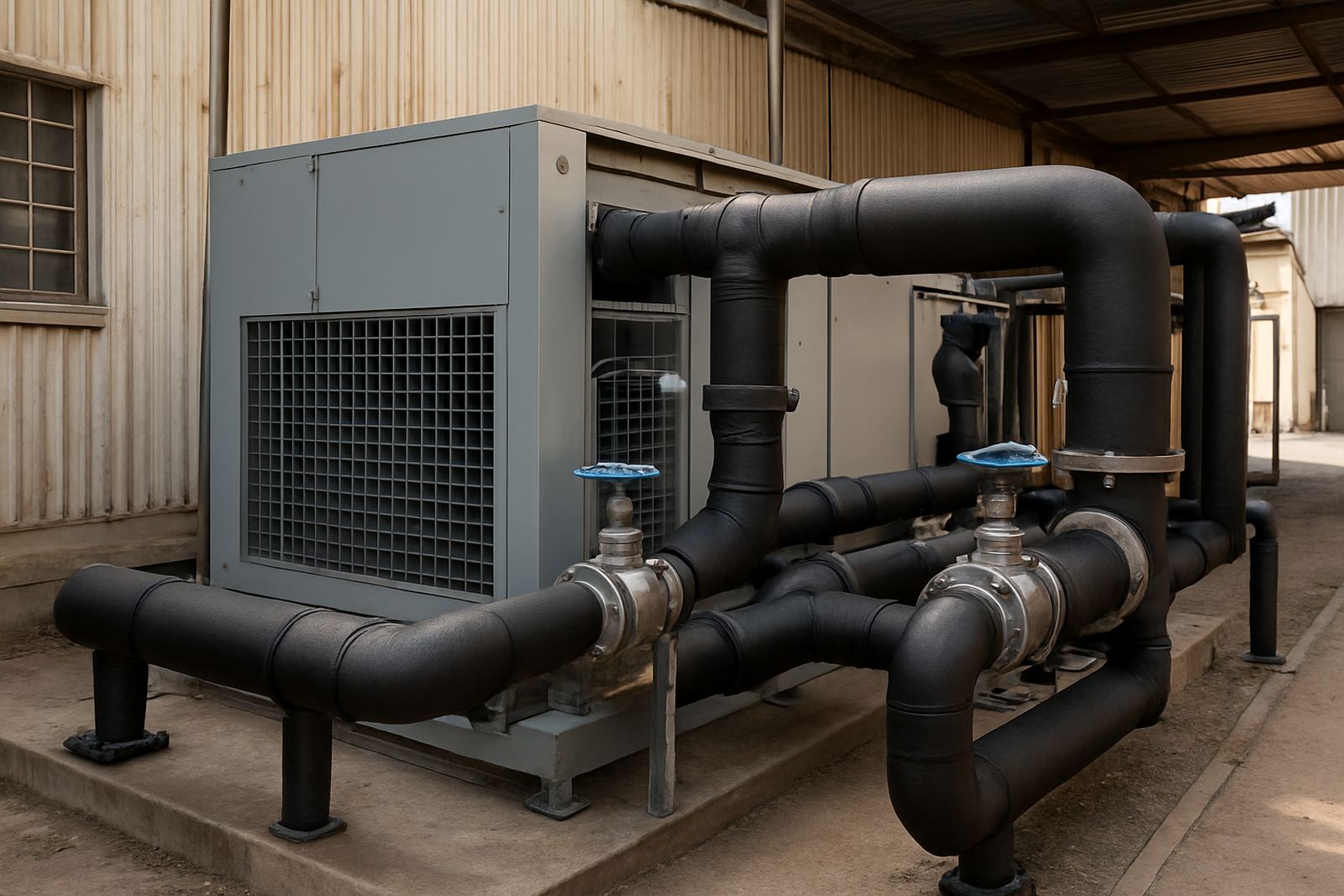
- Isolation valves, drain points and air vents for easier maintenance
- Flexible connectors where vibration or movement needs to be managed
- Improved insulation with proper sealing at joints and bends
- Strainers, balancing valves and flow control accessories where required
- Pipe supports, brackets and hangers to reduce sagging and stress on fittings
- Labelling and service marking for easier operator use
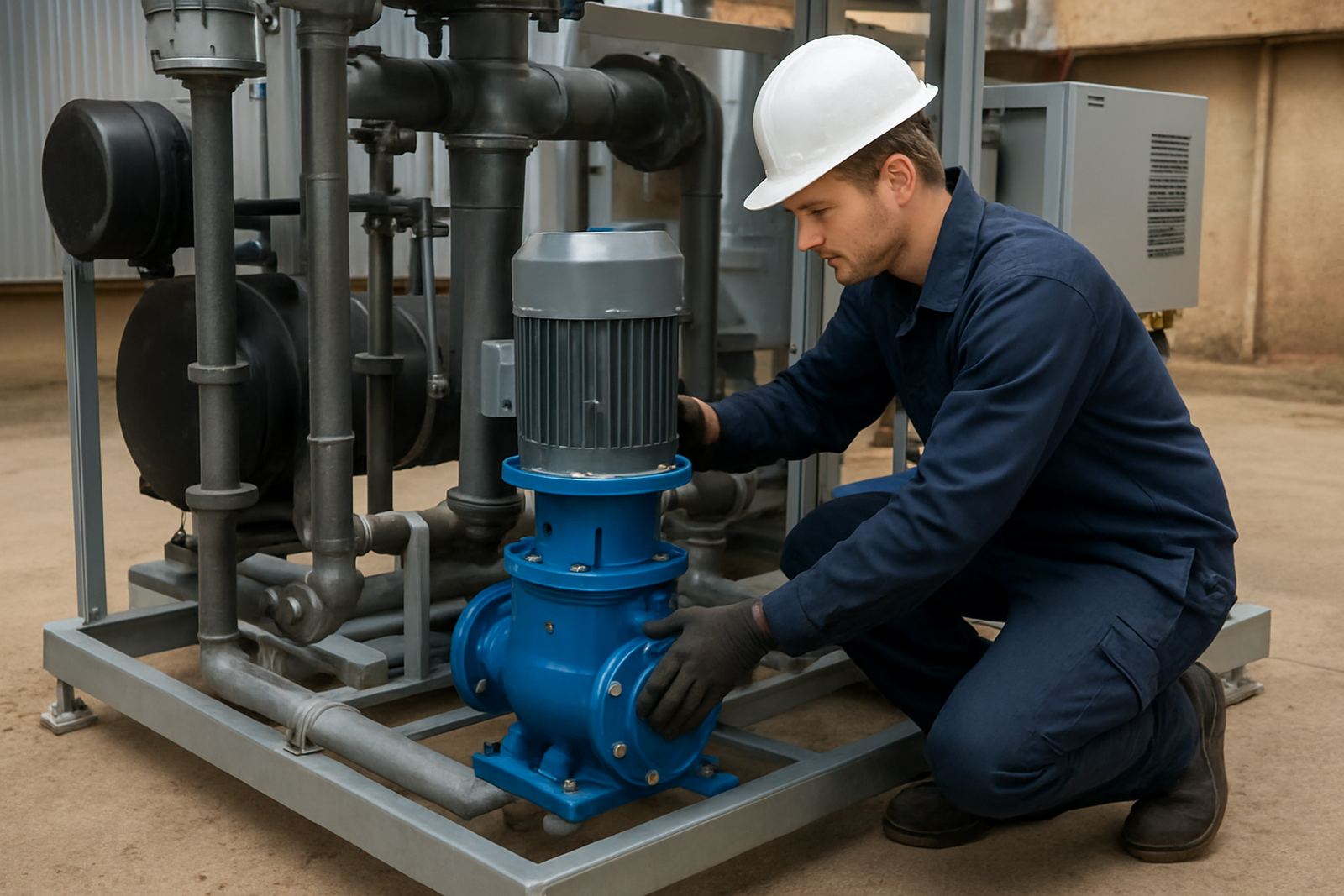
If needed, we can also tie the retrofit into related upgrades such as pump replacement, control panel changes or water treatment checks. That gives the system one matched solution rather than a series of unrelated fixes.
How the retrofit work is planned and carried out
We follow a straightforward process so the shutdown is as short as possible. First we assess the existing installation, measure the line sizes and confirm the flow requirements for the chiller and the load. Then we identify the best route for the new pipework, taking into account access panels, machinery positions, heat sources and safe maintenance clearances. If the site is running multiple shifts, we plan the work around your production window.
Once the scope is approved, our team prepares the materials and fittings in advance where possible. On site we isolate the system, drain the affected section, remove the poor pipe runs and install the new layout. After that we pressure test the circuit, flush where required and check for air locks, leaks and correct direction of flow. Before handover, we confirm insulation finish, valve operation and the actual operating temperatures under load.
In many cases the work can be completed over one day to two days for a focused retrofit. Larger or more complex systems, especially on process lines with multiple branches, may need staged work over a longer period. We will always state the likely downtime before work starts so your team can plan around it.
Turnaround times and production downtime planning
Turnaround depends on access, pipe length, line size and how much of the circuit must be changed. A neat retrofit on a single chiller loop may be completed in a single shift, while a plant with several machines and long distribution lines may take longer. We do not guess at timing, because poor timing costs production and creates unnecessary pressure on the workshop team.
Where possible, we preassemble sections off site and arrive with the fittings, insulation and fixings ready to go. That saves time once the system is isolated. For sites with strict municipal or site safety rules, we also plan permit requirements and hot-work control where needed. If a temporary cooling arrangement is needed during the retrofit, we can discuss that as part of the job plan.
Our customers in Johannesburg, Pretoria, Durban, Cape Town and Rustenburg often ask for work during planned maintenance shut-downs. That is usually the best option. It allows the retrofit to be done properly, with enough time for pressure testing and commissioning instead of rushing the last stage. Rushing pipework is where leaks and air problems start.
Pricing approach for retrofit projects
Pipework retrofit pricing is based on the actual scope, not a one-size quote. The main cost drivers are pipe material, diameter, length, insulation type, number of valves and fittings, access conditions and the amount of labour needed for isolation and reinstallation. If the route needs support steel, wall penetration work or control changes, those items are priced separately and clearly.
We aim to give practical pricing after the assessment, with options where useful. For example, you may choose between a basic repair to restore service, or a fuller retrofit that improves future maintenance access as well. That helps you decide what to do now and what can wait until the next planned shutdown.
Because pipework is part of the cooling chain, it should be costed against the risk of poor flow, compressor strain and product rejects. A cheaper shortcut can become expensive very quickly if a line floods, freezes or runs with air in it. We keep the proposal clear so you can compare the true value of each option.
Maintenance intervals after the retrofit
Once the new pipework is in place, routine checks keep it performing as intended. For most industrial cooling systems we recommend a visual inspection every 3 months, with a deeper service at least twice a year. Sites with heavy dust, vibration or outdoor exposure may need shorter intervals. Coastal plants should also check for insulation damage and corrosion more often, especially where salt air reaches the plant room.
- Check for leaks at unions, valves and drains
- Inspect insulation for tears, water ingress and UV damage
- Confirm flow readings and return temperature stability
- Test strainers and clean as needed
- Look for pipe movement, sagging or loose supports
- Review water quality if scaling or sludge has been present
If operators notice changing alarms, reduced cooling performance or unusual pump noise, that should be looked at promptly. Small issues are easier to correct before they affect the whole line.
Why clients call Raynen for retrofit work
Raynen is based in Alrode, Alberton and supports industrial cooling clients across South Africa through our service areas in Johannesburg, Pretoria, Durban, Cape Town, Rustenburg, Germiston and Boksburg. We work on laser cooling, mould cooling and process line cooling systems where pipe layout matters just as much as the chiller itself.
Our team includes people who handle operations, technical sales, workshop control and field service, so the retrofit is managed from first visit to final handover. That means practical advice, proper measurements and clear communication with your production team. If your pipework is awkward to service, undersized or badly insulated, we can help put it right without overcomplicating the job.
Clients send an enquiry through the contact page when they need an assessment or want to compare retrofit options. We then work out the best route for your plant, your downtime and your cooling load.
Key facts
| Typical pipe sizes | 15 mm to 100 mm, depending on chiller duty and flow requirement |
|---|---|
| Common materials | Copper, steel, aluminium, PEX or industrial flexible hose where suitable |
| Pressure test range | Set to suit the circuit, usually verified before recommissioning |
| Insulation thickness | Typically 13 mm to 25 mm, matched to ambient conditions and line temperature |
| Operating temperature checks | Supply and return temperatures confirmed under load after retrofit |
| Service interval | Visual checks every 3 months, detailed inspection twice a year |