What a cooling audit covers on site
A cooling audit is a practical inspection of the full cooling system, not just the chiller itself. We look at temperature control, water flow, load stability, pipework condition, insulation, controls, and the way the equipment is being used on shift. For many plants in Alberton, Johannesburg, Pretoria and Durban, the first signs of trouble are small things like dirty strainers, undersized pumps, poor water treatment, or operators working around an alarm instead of fixing the cause.
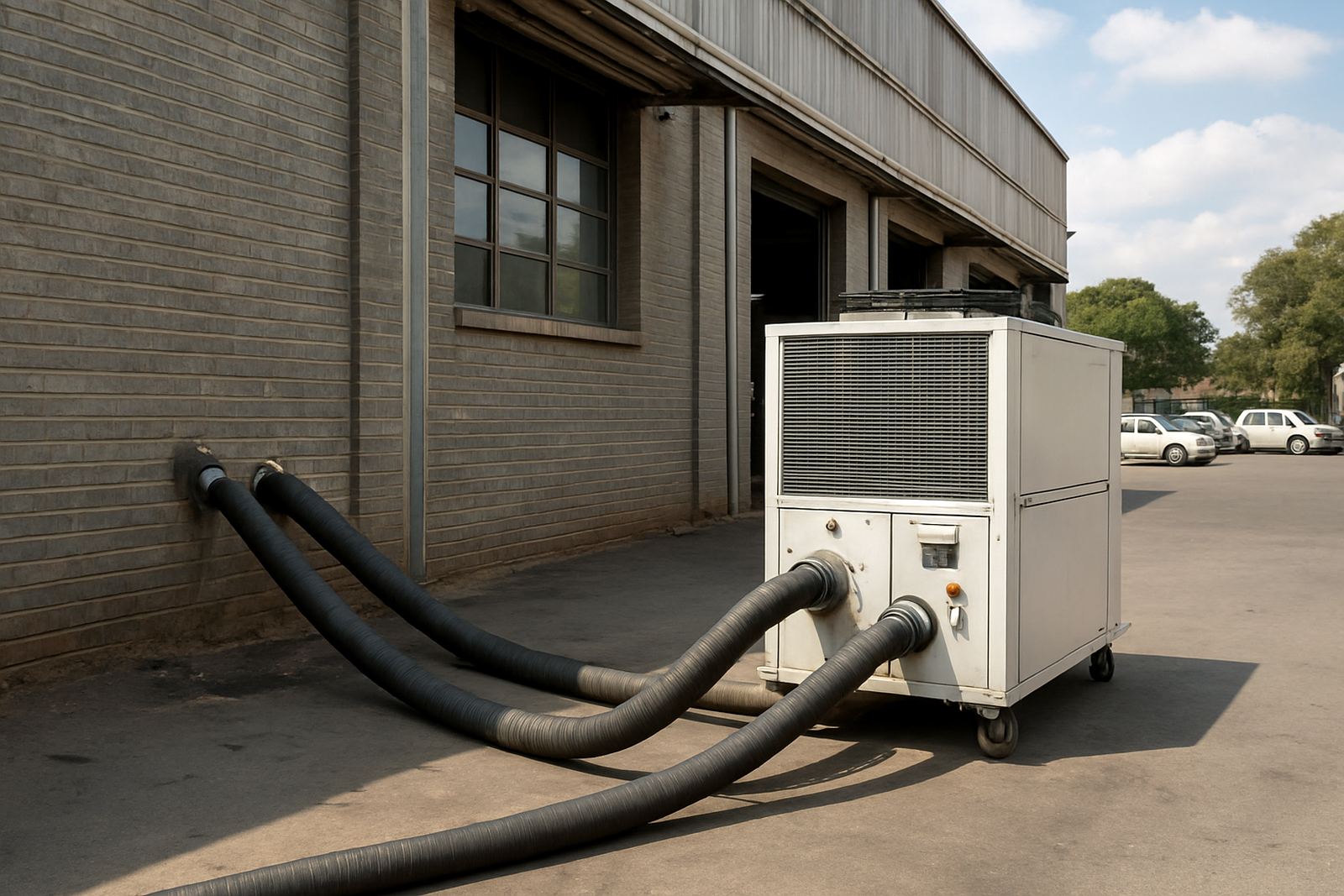
We assess equipment serving laser machines, mould temperature control, hydraulic circuits, and process lines. That includes checking whether the chiller is matched to the actual heat load, if ambient conditions are pushing the unit too hard during summer, and whether there is enough capacity for peak production. Coastal humidity, dust, and load-shedding all affect performance, so the audit is built around your site conditions not a generic checklist.
- Operating temperatures, setpoints and actual return temperatures
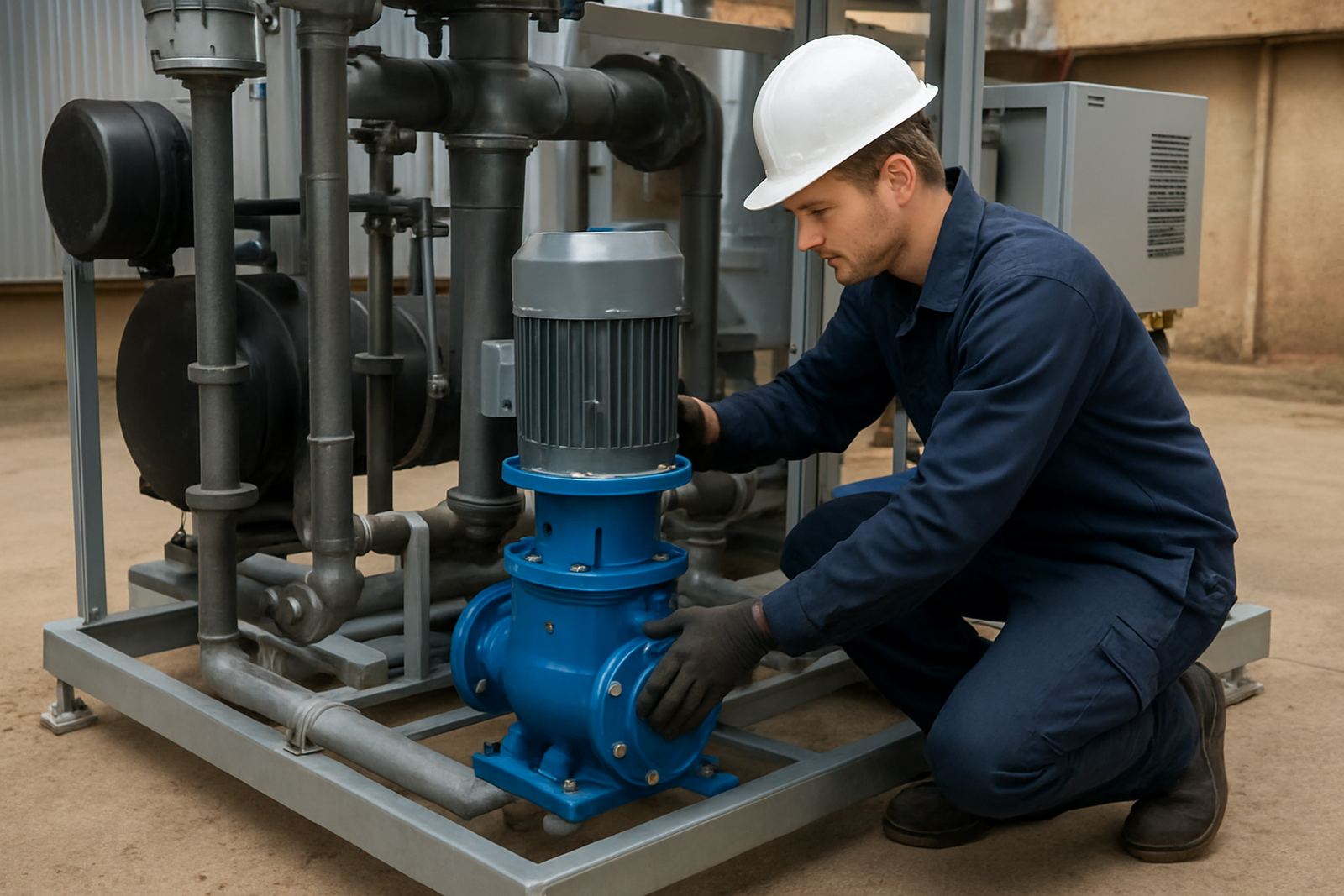
- Flow rate, pressure, pump condition and strainers
- Condenser condition, airflow and fouling
- Water quality, scaling risk and corrosion signs
- Control logic, alarms and operator settings
How we carry out the audit and what you receive
We start with a short planning call through the enquiry form on our contact page, then schedule a visit around your production hours. On arrival we review the process, speak with operators and maintenance staff, then inspect the cooling circuit from supply to return. Where possible, we take readings under normal production load so the findings reflect real operating conditions.
After the visit, we compile a clear report with findings, risks and corrective actions ranked by priority. You receive practical recommendations, not theory. If a pump is cycling too often, the report will say why. If the chiller is oversized, short cycling, or struggling to recover after mould changes, that is identified with supporting readings. The report can also guide budgeting for repairs, replacements or staged upgrades.
- Site walk-through and equipment identification
- Temperature, flow and pressure measurements
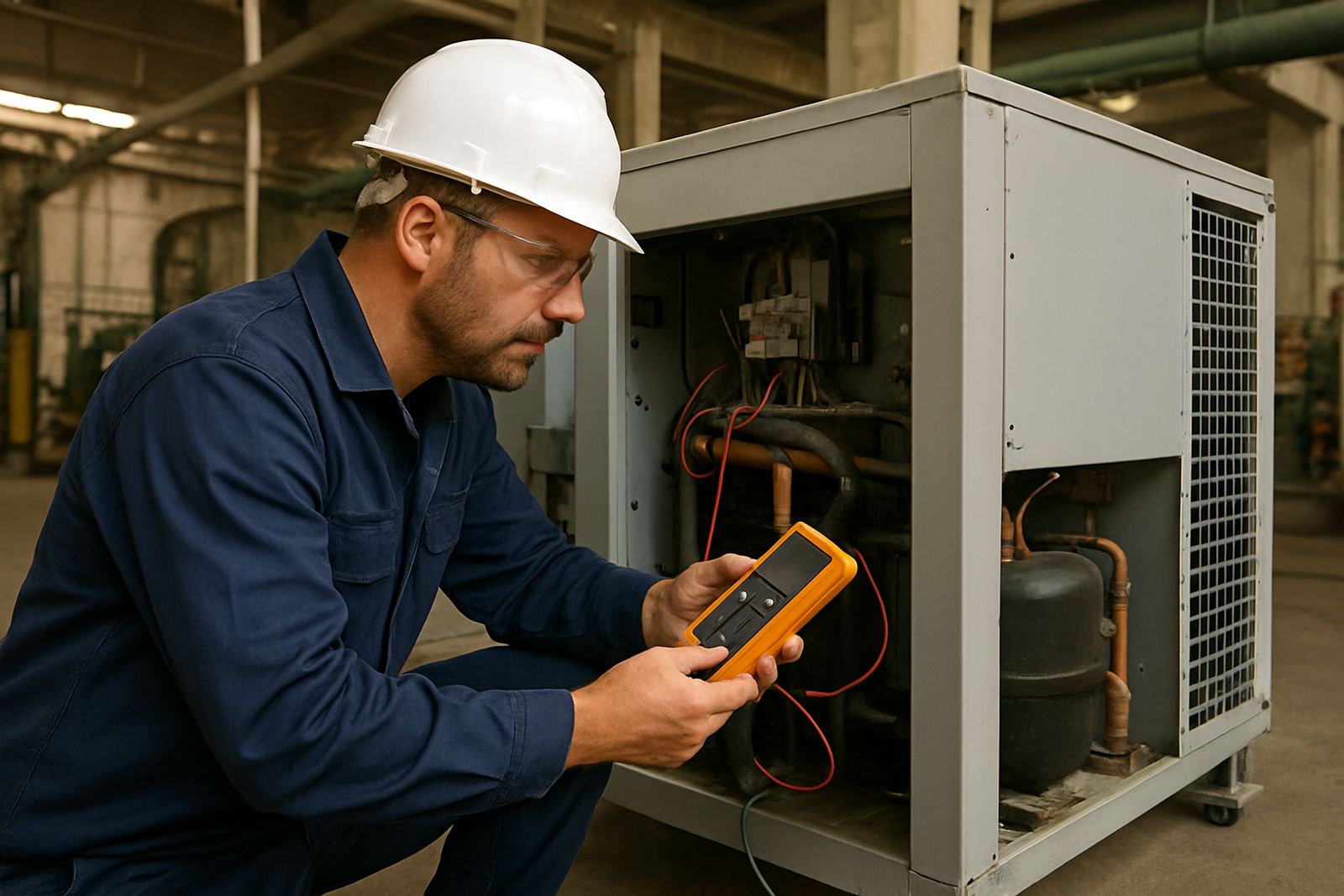
- Electrical and control checks on key components
- Photo-based condition notes for affected items
- Written report with action list and prioritised recommendations
Common issues we pick up during audits
Many cooling losses are hidden until production starts to drift. On laser systems, poor water quality can lead to internal scaling, higher temperatures and premature component wear. On moulding lines, unstable coolant temperatures can cause poor finish, longer cycle times and repeat rejects. On process lines, a small restriction in pipework or a partially blocked heat exchanger can reduce output across several machines at once.
We also look for issues linked to local operating conditions. In the East Rand, dust can clog condenser fins and strainers. In coastal areas like Durban and Cape Town, humidity and airborne contamination can create extra corrosion risk. During load-shedding or power interruptions, systems may come back online with incorrect settings or air locked lines, which can damage pumps and reduce cooling capacity. A good audit finds these problems before they turn into a breakdown.
- Incorrect water volume or low circulation rate
- Chiller capacity no longer matching the process load
- Scaled heat exchangers and dirty filters
- Faulty sensors, drifting controls or unsafe bypasses
- Poor pipework routing, long dead legs or heat gain
Turnaround times and pricing approach
For most single-site audits in Alberton, Germiston, Boksburg and nearby industrial areas, the site visit can usually be arranged within a short lead time subject to production access. Larger or multi-line plants in Pretoria, Rustenburg, Johannesburg, Cape Town and Durban may need a longer booking window so we can inspect each cooling point properly. The written report is typically prepared soon after the visit, once readings and photos have been reviewed.
Pricing is based on site size, number of cooling units, complexity of the process, travel, and whether after-hours access is needed. We do not quote a one-size-fits-all rate because a single chiller serving one laser is very different from a plant with multiple moulds and process lines. If you need the audit to support a repair plan, a capex decision or a maintenance schedule, we can scope that upfront so the costs are clear before the visit.
Maintenance intervals that come out of the audit
One value of a cooling audit is deciding how often each part of the system should be checked. Some plants need monthly attention because of dust, process heat or constant production. Others can work on a quarterly or six-monthly cycle if the water treatment and operating conditions are stable. The point is to set intervals based on risk, not guesswork.
We usually recommend the following where conditions are typical for South African industry, though the final plan depends on actual site readings:
- Monthly visual checks for strainers, alarms and pump performance
- Quarterly service checks for filters, condensers and control settings
- Six-monthly water treatment review and pipework inspection
- Annual full audit for capacity, efficiency and reliability trends
Where a plant runs in a hot environment, near the coast, or through long production hours, shorter intervals are often the better option. If load-shedding is frequent, we may also suggest a review after repeated shutdowns because restart stress can change how the system behaves.
Why plants use Raynen for cooling audits
Raynen has been supplying and servicing industrial water chillers from our base in Alrode, Alberton since 2008. Our work is focused on practical cooling for lasers, moulds and process lines, so the audit is done by people who understand how these systems fail in the real world. The team includes Riaan van der Merwe, Lerato Mokoena, Sibusiso Dlamini, Anika Naidoo, Pieter Joubert, Nomsa Khumalo and Thabo Maseko, and that mix of technical and site experience helps us give straight answers.
Clients use our audits when they need to stop repeated breakdowns, cut unstable cycle times or decide whether to repair or replace ageing cooling equipment. We service branches and industrial areas including Johannesburg, Pretoria, Durban, Cape Town, Rustenburg, Germiston and Boksburg. The aim is simple: better temperature control, fewer surprises, and a system that can hold its setpoint when production is under pressure.
Key facts
| Typical systems assessed | Industrial water chillers, laser cooling units, mould cooling circuits and process line cooling loops |
|---|---|
| Temperature range checked | Commonly 5 °C to 30 °C depending on process and equipment specification |
| Flow verification | Pump flow, pressure drop and return temperature across the circuit |
| Site coverage | Alberton, Johannesburg, Pretoria, Durban, Cape Town, Rustenburg and surrounding industrial areas |
| Audit outputs | Inspection notes, measured readings, risk ranking and corrective action plan |
| Best for | Repeated trips, unstable temperatures, high energy use, poor flow and ageing cooling plant |